
- Unsung Heroes of Music History Deserve Their Rightful Place in the Pantheon of Legends - April 9, 2026
- Certain Historical Events Are So Bizarre, They Seem Ripped From the Pages of Fiction - April 9, 2026
- Iconic Cultural Artifacts Are More Than Objects; They Are Time Capsules of Human Experience - April 9, 2026
Picture this: dusty library corners hiding novels that rival the greats, penned by writers time unfairly sidelined. In our rush for the next big thing, we overlook gems that probe the human soul with unmatched delicacy. These forgotten authors didn’t lack talent. They simply got lost in the shuffle of trends and tastes.
Reviving them now unlocks fresh perspectives on life’s quirks and depths. Honestly, it’s like finding a secret door in a familiar house. Ready to step through?
Robert Walser
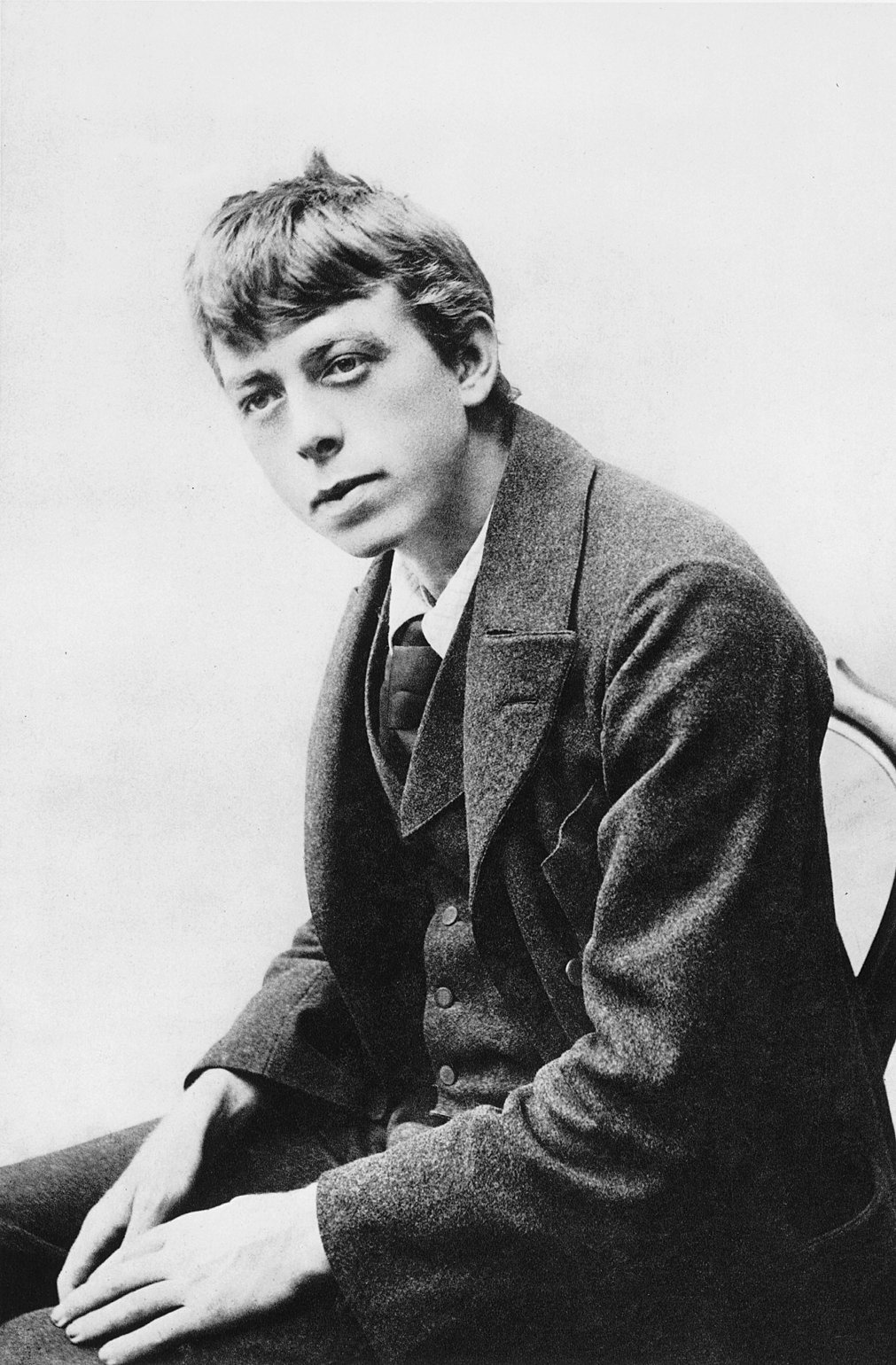
Swiss master Robert Walser spun dreamy, confectionary prose that feels like savoring a delicate pastry. His sentences twist with artistry, evoking a world both whimsical and profound, as in Jakob von Gunten, where a young pupil navigates institutional absurdities. Themes of quiet rebellion and inner miniaturization dominate, shrinking grand emotions to poignant miniatures. Walser’s style invites readers into a hushed, hypnotic realm.
Critics hail him as the 20th century’s most underrated voice, influencing German fiction deeply yet fading due to his last decades in an asylum and booksellers’ neglect. Reissues exist, but he lingers in obscurity. His influence whispers through modern experimentalists. Let’s be real, overlooking Walser means missing prose that redefines subtlety.[1]
Christina Stead
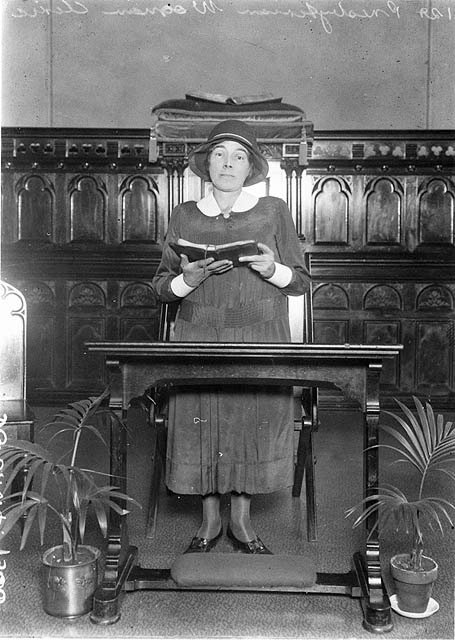
Australian powerhouse Christina Stead delved into family dysfunction with raw, Tolstoy-like intensity in The Man Who Loved Children. Her themes dissect tyrannical love, gender battles, and domestic chaos, painting households as battlegrounds of wit and will. Stead’s characters burst with vitality, their dialogues crackling like live wires. She captured the messiness of relationships few dared touch.
Praise flowed, yet she never cracked the Western canon or women’s studies staples, overshadowed by flashier contemporaries. Academic oversight sealed her fade from prominence. Still, her shadow looms large for those who seek unvarnished truth. I think her neglect stings because she demanded we face family’s darker underbelly head-on.[1]
John Williams

John Williams etched quiet tragedies in Stoner, a novel tracing an ordinary professor’s unyielding life amid academic drudgery and personal loss. Themes of muted ambition, enduring love, and life’s subtle cruelties unfold with crystalline precision. His prose, spare yet piercing, mirrors existence’s grind. Williams turned the mundane into profound meditation.
A writer’s writer like Richard Yates, he gained cult status but scant mainstream notice, exploding as a European bestseller post-translation yet ignored at home. Passing it among book lovers kept his flame alive dimly. His influence grows quietly now. Here’s the thing: Stoner proves ordinary lives hold epic depths.[1]
Henry Green
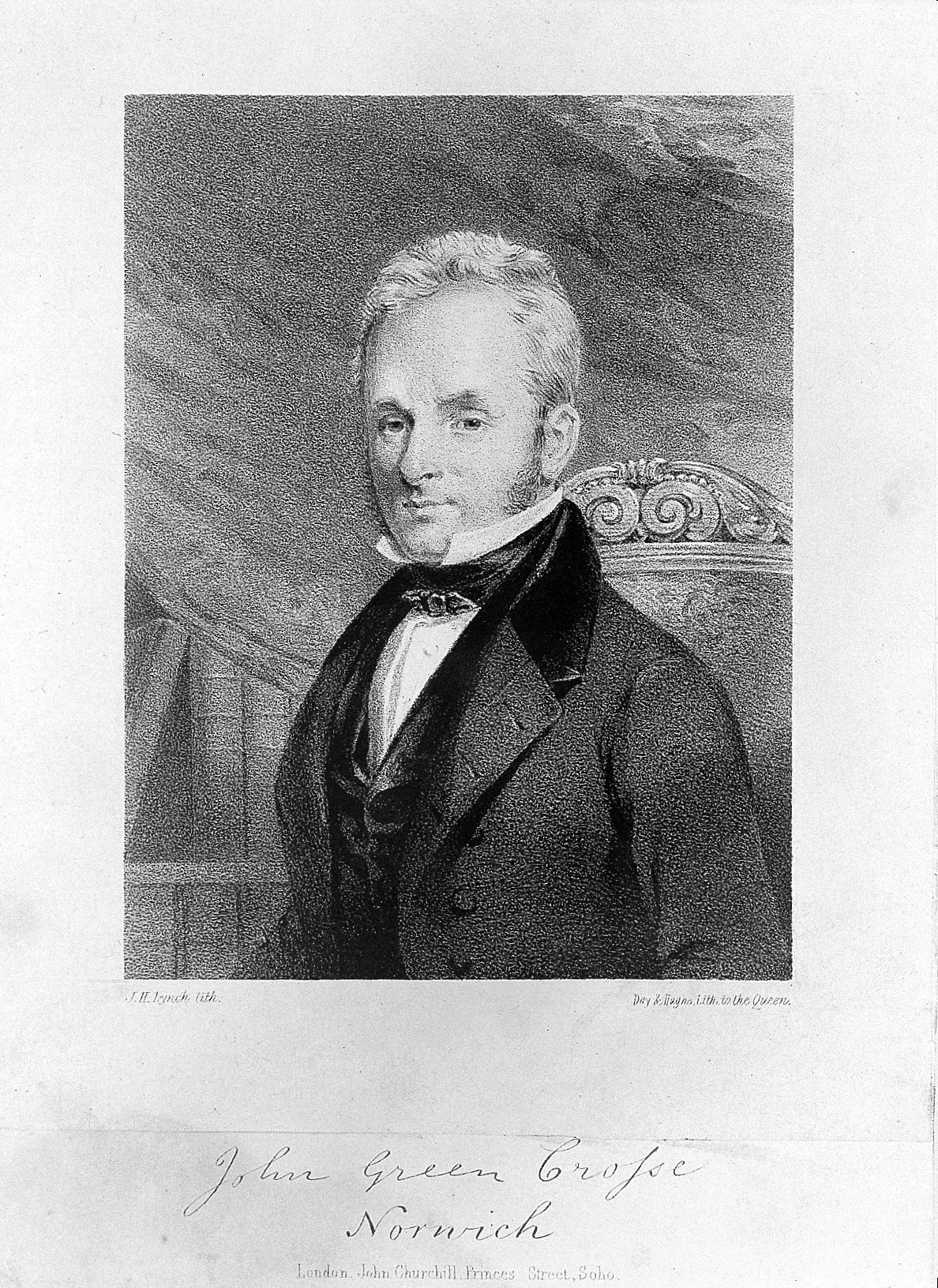
British enigma Henry Green explored human unknowability through enigmatic novels like Living and Loving. Factory drudgery clashes with narcissistic elites in his world, where identity slips like smoke. Themes of class friction and elusive connections pulse beneath brilliant, pared-down prose. Green made silence speak volumes.
Fellow writers like Auden and Waugh adored him, yet commercial flops, reclusiveness, and the Angry Young Men’s rise eclipsed his light. Books went out of print; alcoholism dimmed his output. His creative prose advances linger underrated. Truly, Green’s neglect feels like misplacing a modernist jewel.[1]
Barbara Pym

Barbara Pym chronicled mid-century English mores with sly wit, capturing spinsters, clergy, and anthropologists in gentle satires. Her themes revel in social rituals’ absurdity and quiet heartaches, delivered in precise, observant prose. Works like Excellent Women brim with understated humor. Pym turned everyday vanities into sparkling portraits.
Philip Larkin crowned her the century’s most underrated in a 1977 survey, sparking a revival, but prior silence stemmed from perceived triviality. Publishers dropped her; she faded until that nod. Her influence endures in subtle social novels. It sounds crazy, but Pym’s charm rivals Austen’s bite.[1]
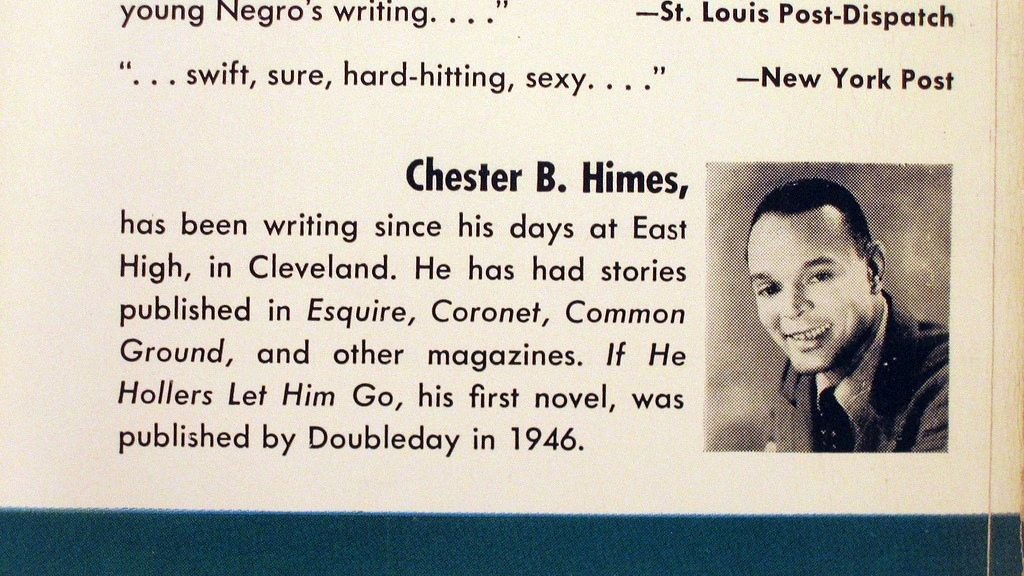
Chester Himes
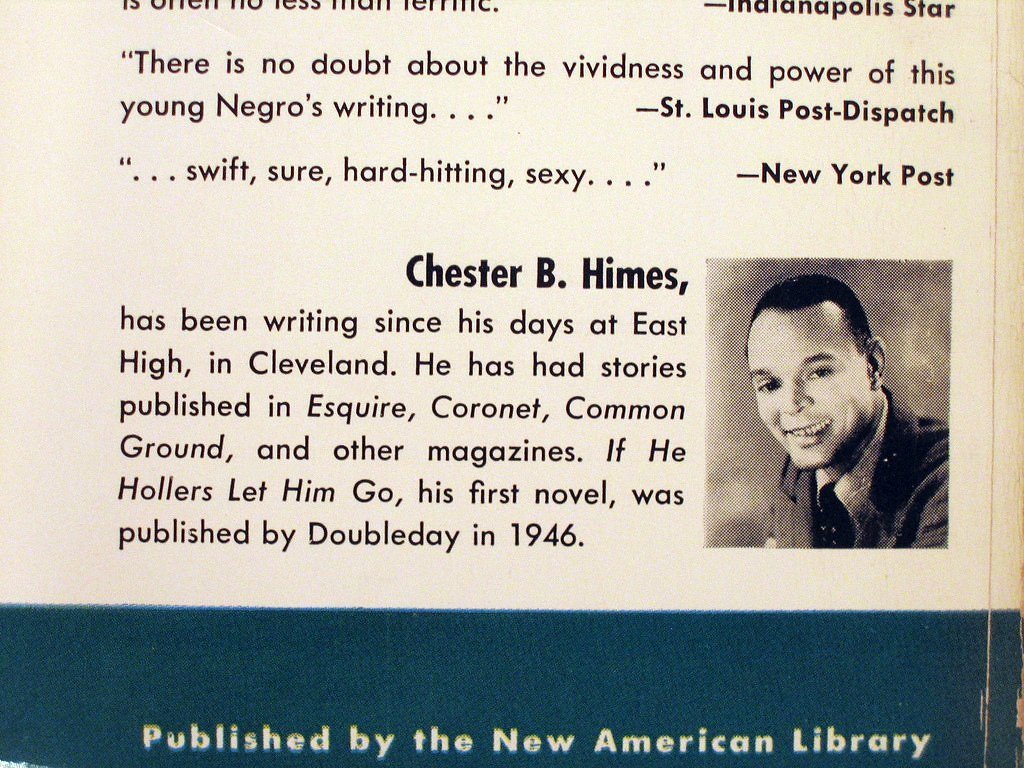
Chester Himes raged against racial injustice in Harlem crime tales like the Coffin Ed and Grave Digger series, blending grit with sharp social critique. Earlier realist novels probed Black inner lives amid hostility. Themes of systemic rage and survival throb in his striking, original style. Himes made pulp pulse with purpose.
American scorn drove him to exile; Europe embraced his crime work while U.S. ignored his breadth. Posthumous out-of-print status buried him further. Biographers now call him a key African American voice. His oversight? A stark reminder of publishing’s blind spots.[1]
Marcel Schwob
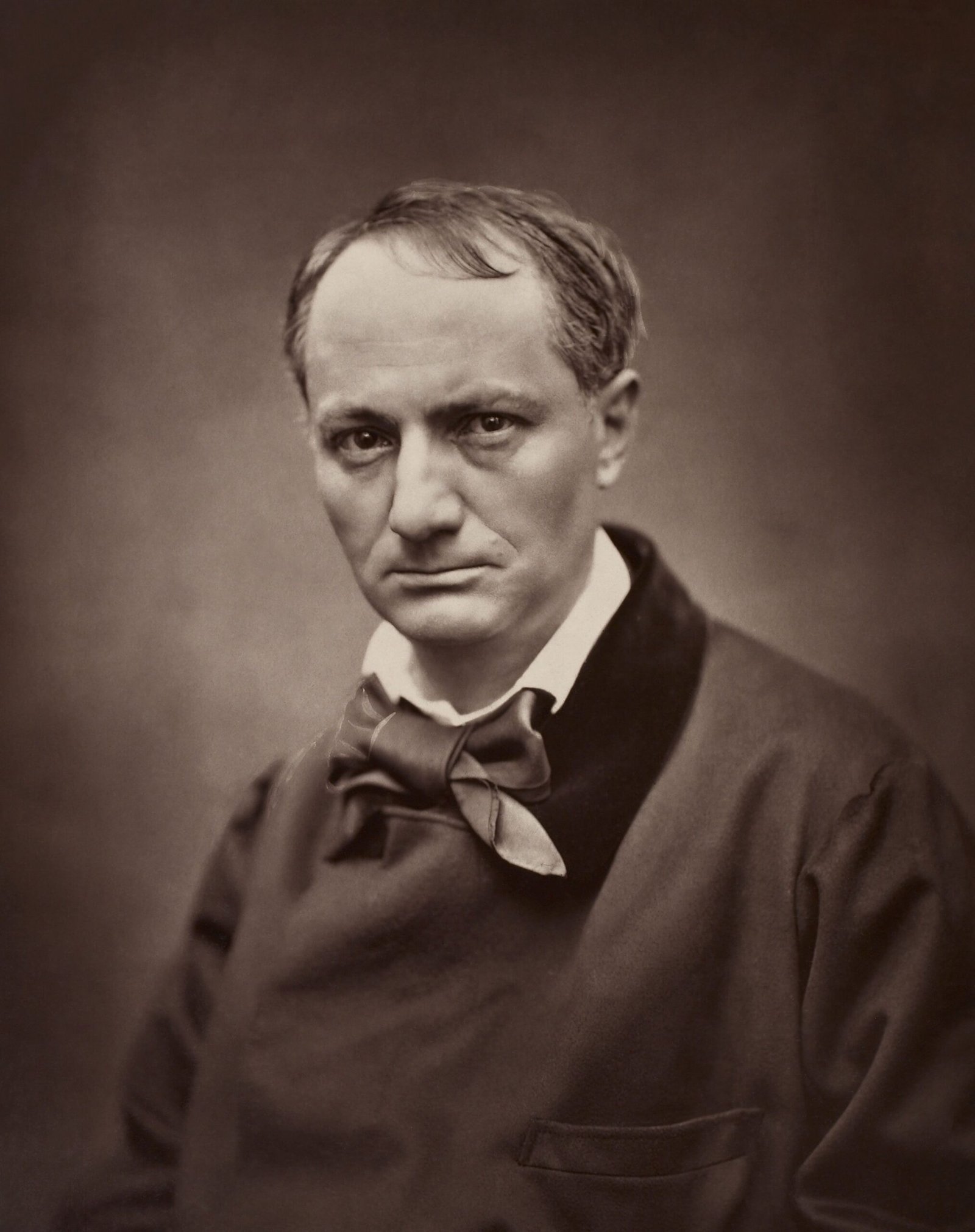
British Library: Image; Metadata, Public domain)
French innovator Marcel Schwob wove fanciful lives of imaginary persons and real eccentrics, blending history with fantasy. His themes chase the marginal, the mythical, in concise, evocative tales. Style: mosaic brilliance, evoking Borges before Borges. Schwob unlocked hidden biographies’ magic.
Influencing Jarry, Valéry, Bolaño, he shaped modernists yet vanished in English-speaking worlds. Obscurity cloaks his trailblazing. Rediscover him, and you trace surrealism’s roots. Criminally overlooked, indeed.[1]
Rediscovering These Literary Ghosts

Diving into these authors reveals worlds brimming with insight, far from the beaten path. Their fade stemmed from misfortune, niche appeal, or era’s whims, not lack of genius. Influence simmers beneath, waiting for fresh eyes. In 2026, with endless distractions, their focus feels revolutionary.
Grab one book today. You might just unlock your next obsession. Which forgotten voice calls to you first? Share in the comments – what hidden gem have you unearthed?

Besides founding Festivaltopia, Luca is the co founder of trib, an art and fashion collectiv you find on several regional events and online. Also he is part of the management board at HORiZONTE, a group travel provider in Germany.
