

For any feedback please reach out to info@festivalinside.com
Some concert venues transcend their physical spaces to become legends in their own right. They achieve this status through the extraordinary performances that unfold on their stages, where artists deliver career-defining shows that resonate for generations.
These halls and arenas capture the energy of pivotal moments in music history. Crowds witness raw talent explode into stardom, genres shift, and cultural milestones take shape amid the applause and lights.
Madison Square Garden, New York City
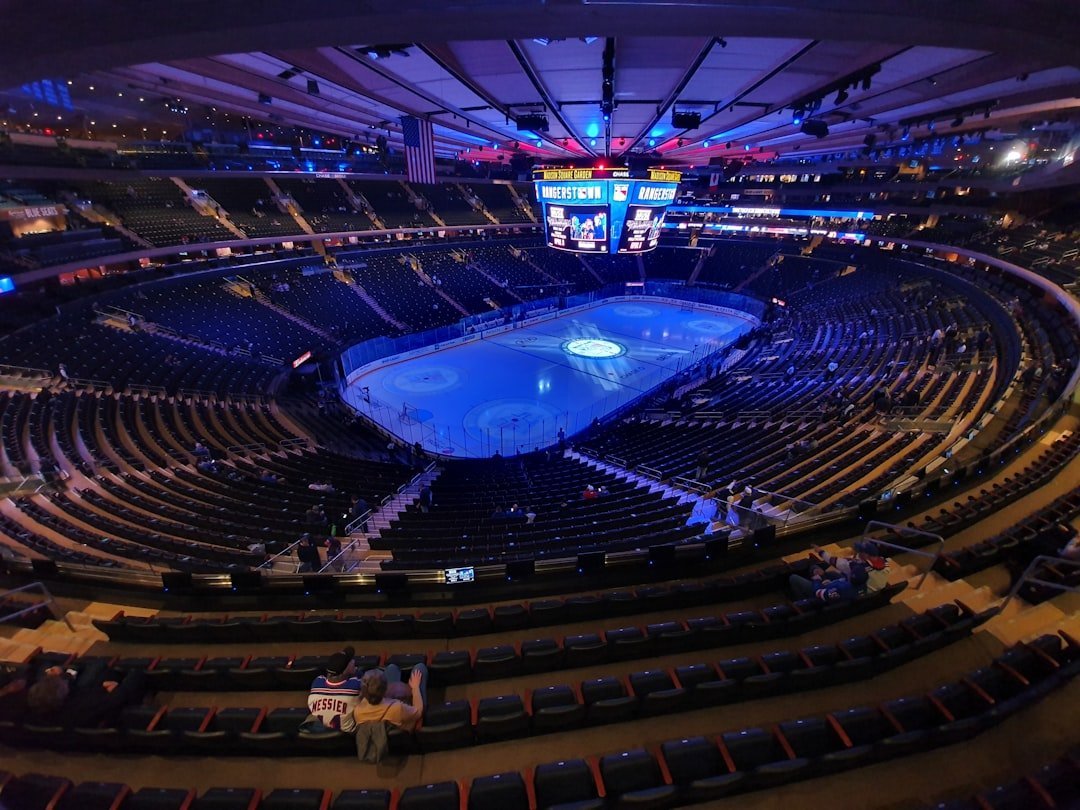
Elvis Presley made arena rock a phenomenon with his 1972 shows at Madison Square Garden, drawing massive crowds and setting a template for superstar spectacles.[1][2] George Harrison’s 1971 Concert for Bangladesh packed the house with stars like Bob Dylan and Ravi Shankar, raising funds for disaster relief and pioneering charity concerts. Billy Joel’s long-running residencies turned the venue into a personal landmark, blending hits with New York grit.
The Garden stands as the world’s most famous arena, hosting icons from John Lennon to Madonna and embodying New York’s relentless pulse. Its role in boxing, sports, and music cements it as a cultural crossroads. Generations feel the weight of history every time the lights dim.
Royal Albert Hall, London
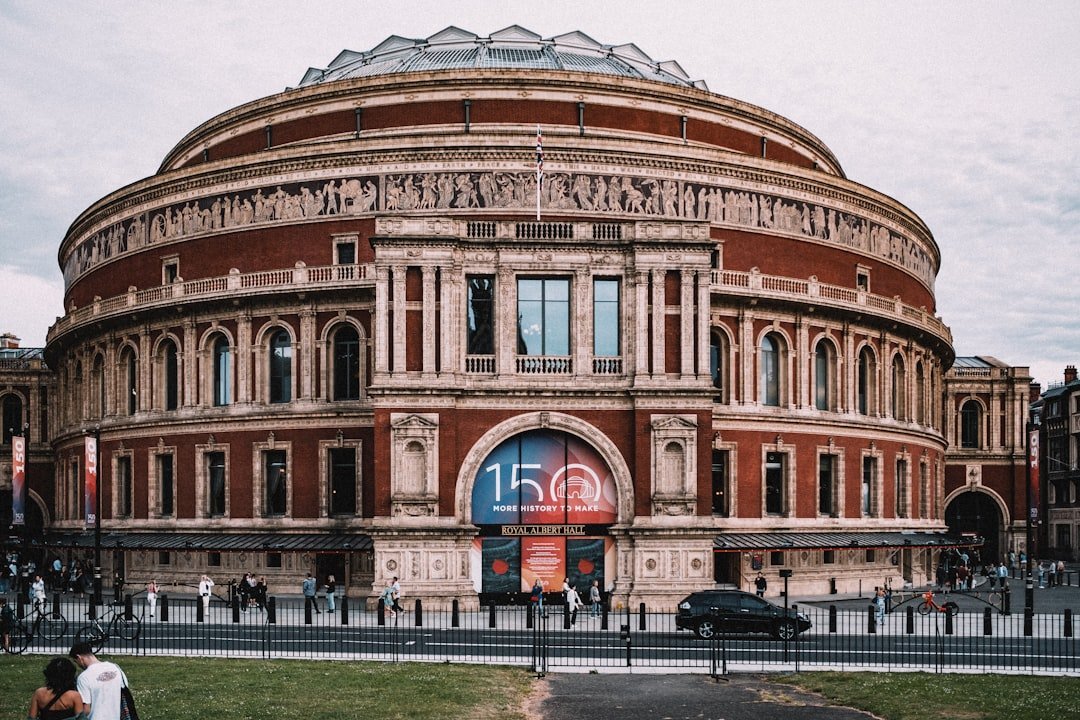
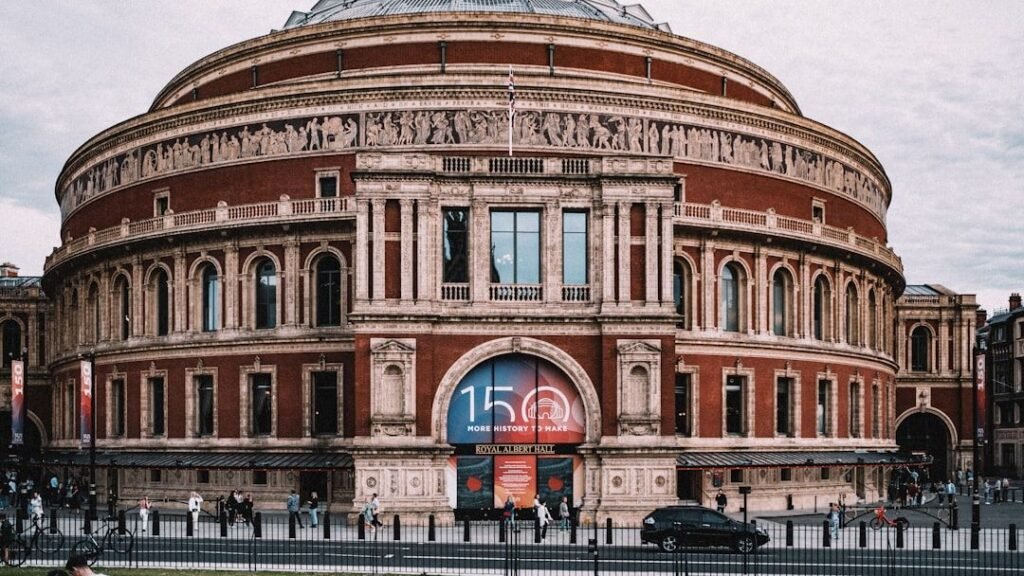
Since its 1871 opening concert, the hall has hosted trailblazers like Bob Dylan in 1965 and Adele’s intimate 2016 residency, where her voice filled the oval space with unmatched power.[3] Led Zeppelin’s reunion shows in the 2000s revived rock epics amid the venue’s classical grandeur. Jimi Hendrix electrified audiences in 1967, bridging blues and psychedelia under the iconic dome.
This Victorian masterpiece blends orchestral traditions with rock rebellion, drawing everyone from the Rolling Stones to modern stars. Its acoustics enhance every note, making performances feel eternal. The hall symbolizes London’s enduring love for live music across eras.
Apollo Theater, Harlem
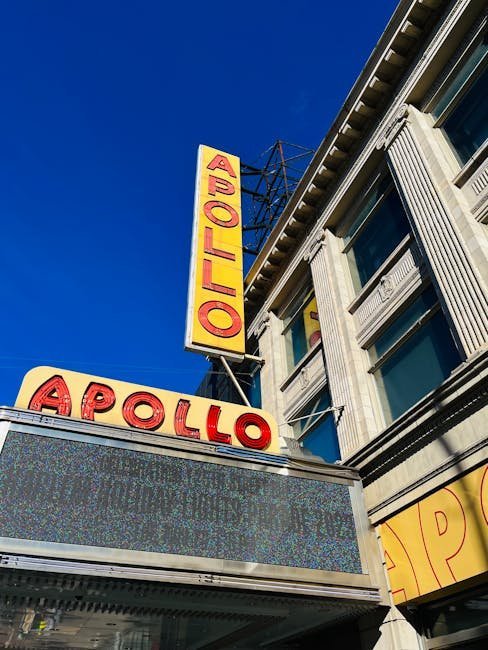
The Apollo’s Amateur Night launched Ella Fitzgerald and launched countless careers in the 1930s, with its famous “sandman” sweeping flops offstage. James Brown delivered legendary soul sets in the 1960s, his cape routine becoming theater lore.[4] Aretha Franklin commanded the stage with gospel-fired power, solidifying the venue’s R&B throne.
Deep in Harlem’s heart, the Apollo nurtured Black excellence during segregation, hosting Sam Cooke and Gladys Knight amid civil rights stirrings. Its walls hold the soul of American music, from jazz to hip-hop. Today, it remains a beacon for emerging talent.
Red Rocks Amphitheatre, Colorado
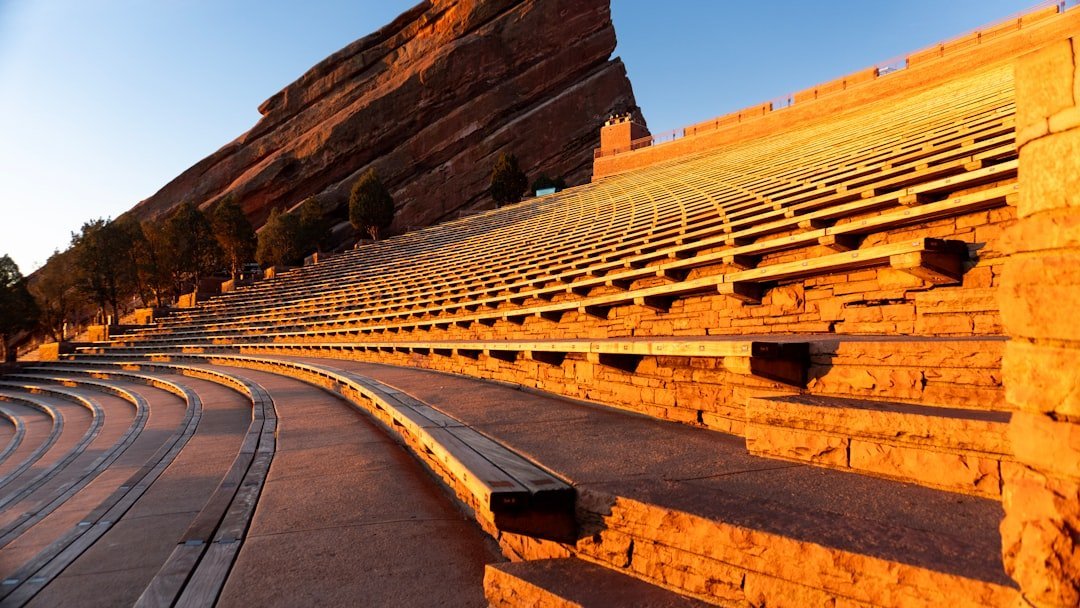
The Beatles played a stormy 1964 show here, their only Colorado gig amid Beatlemania frenzy.[5] Jimi Hendrix blazed through 1968 sets, his guitar wizardry echoing off red monoliths. U2’s 1983 performance, filmed for “Under a Blood Red Sky,” captured raw urgency that propelled their rise.
Carved into ancient rocks, Red Rocks merges nature’s majesty with sound, hosting Grateful Dead marathons and John Denver homages. Its outdoor intimacy defies 9,000 seats, making every concert feel communal. The venue endures as America’s premier amphitheater.
Hollywood Bowl, Los Angeles
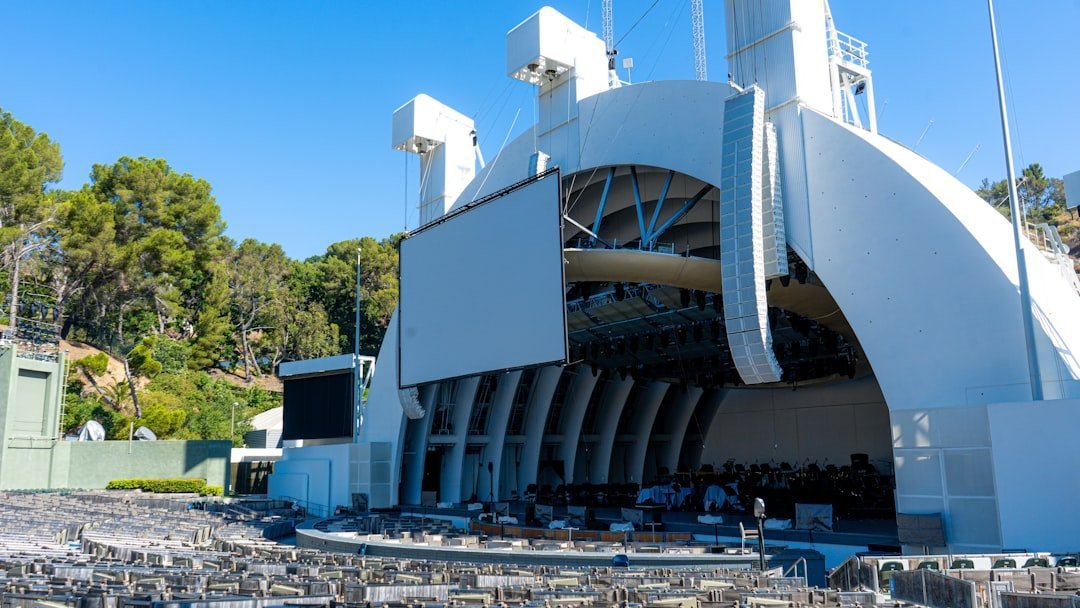
The Beatles’ 1964 and 1965 appearances ignited West Coast hysteria, with fans scaling hills for glimpses.[6] The Doors unleashed psychedelic fire in 1968, Jim Morrison’s charisma owning the shell stage. Later, Adele wrapped her 2024 residency with emotional ballads under stars.
Nestled in the Hollywood Hills, the Bowl blends symphony orchestras with rock giants like Prince and Lady Gaga. Its bandshell design scatters sound perfectly across canyons. The venue captures LA’s dream factory vibe, timeless yet ever-evolving.
The Cavern Club, Liverpool
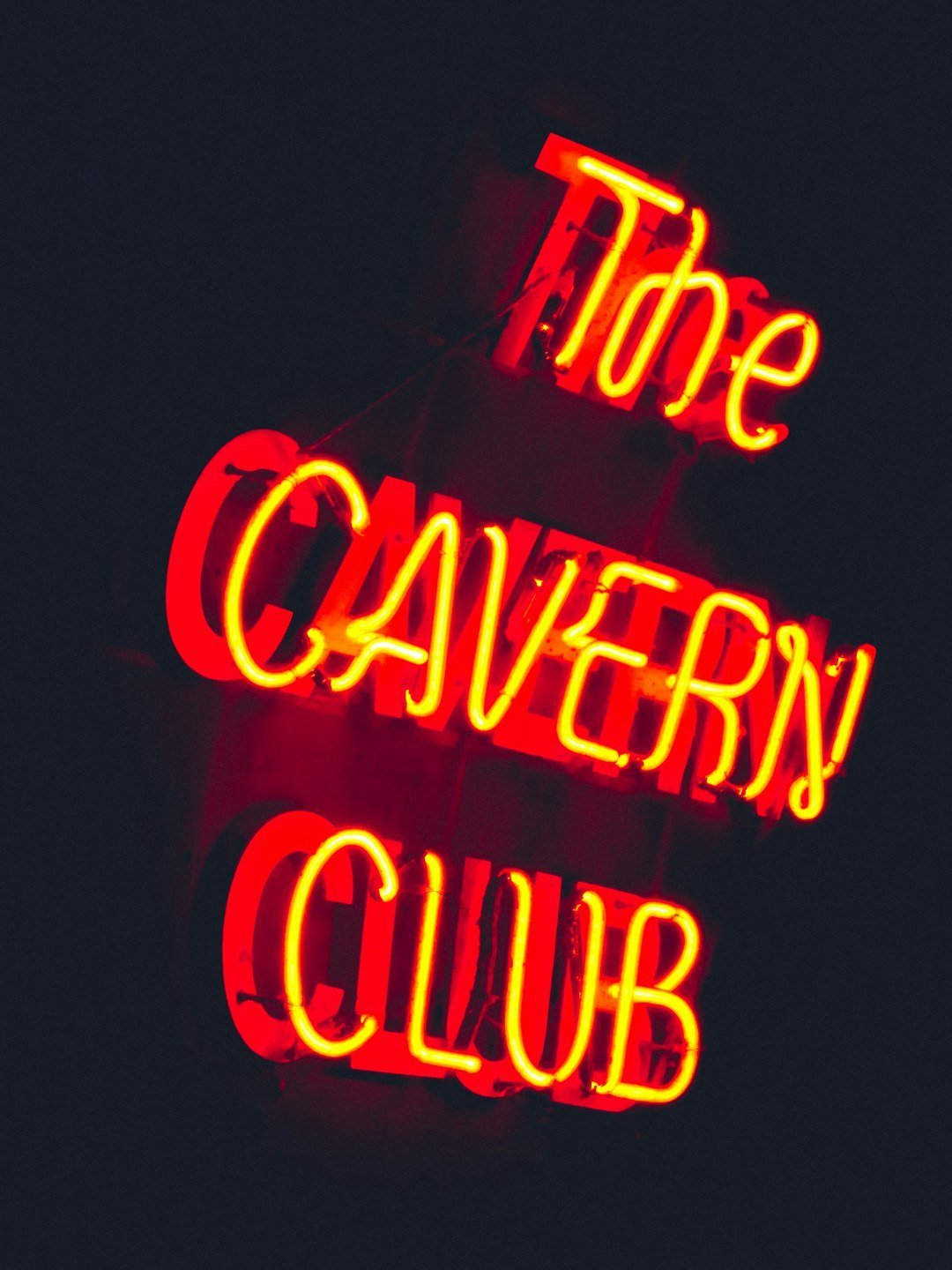
The Beatles honed their craft with 292 shows from 1961-1963, evolving from covers to originals in the sweaty basement.[7] The Rolling Stones debuted here in 1962, raw energy foreshadowing invasion. Later acts like Oasis channeled Merseybeat spirit in the rebuilt space.
Born as a jazz cellar in 1957, the Cavern birthed the British Invasion amid post-war grit. Its labyrinth walls soaked up mods, skinheads, and global pilgrims. Liverpool’s heartbeat pulses through every lunchtime set.
Ryman Auditorium, Nashville
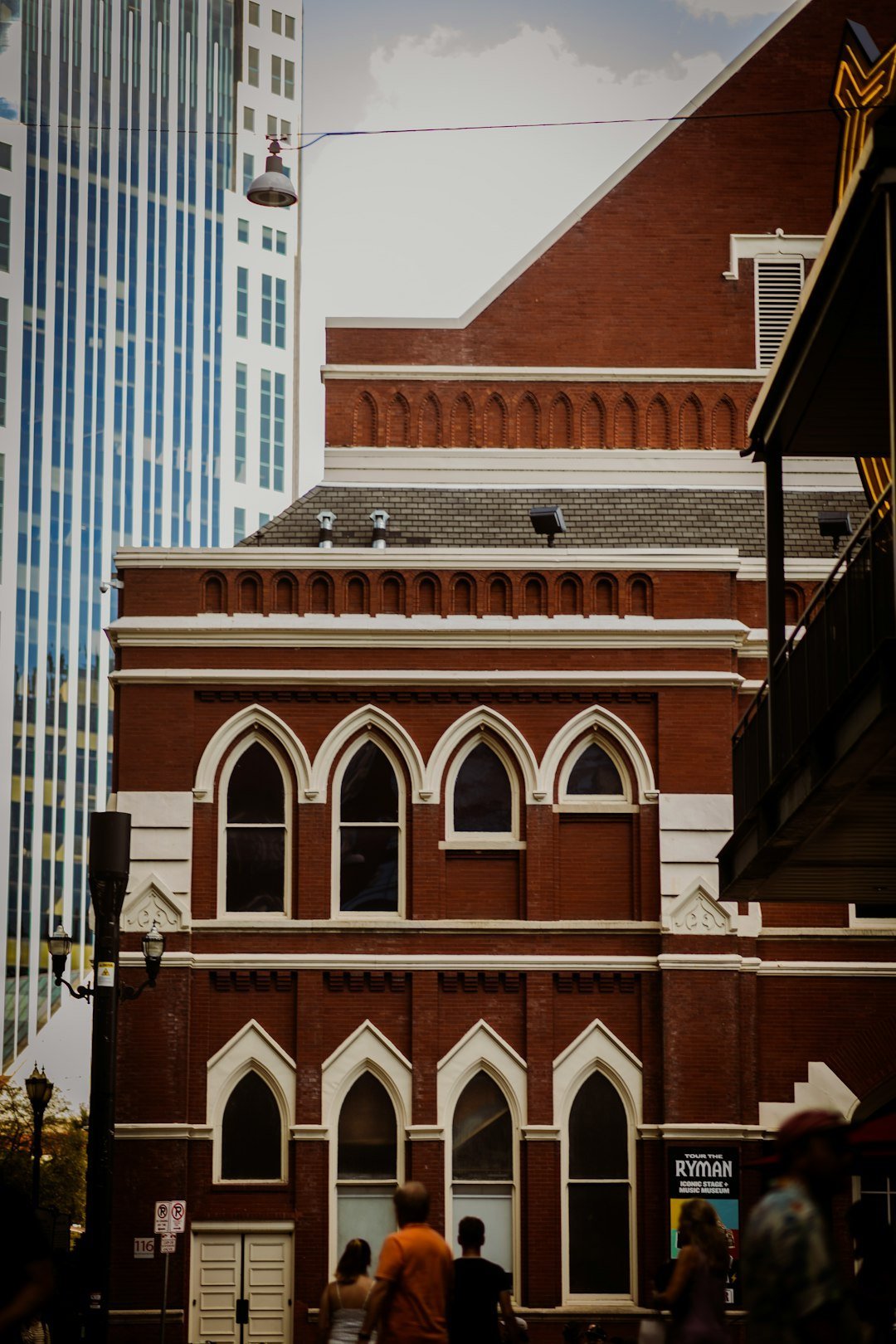
As the Grand Ole Opry home from 1943-1974, the Ryman hosted Hank Williams and Johnny Cash, defining country sound.[8] Aretha Franklin shook pews with 2010 soul firepower. Modern stars like Lizzo expanded its reach beyond twang.
Dubbed the Mother Church of Country, its wooden pews amplify intimacy for 2,300 fans. Bluegrass pioneers to rock crossovers grace the stage, preserving Southern roots. The Ryman proves music’s power to bridge divides.
Places That Sing Back
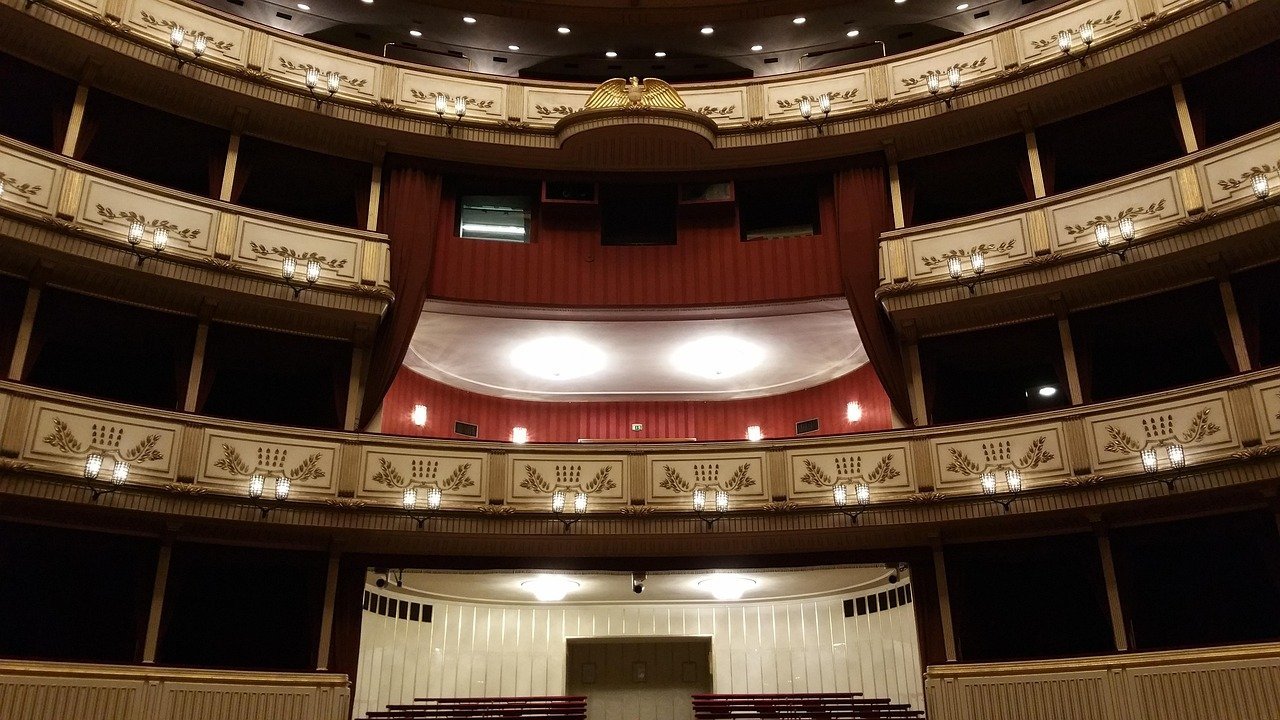
These venues remind us that bricks and beams absorb more than sound; they store collective joy, heartbreak, and triumph. Musical memory thrives in such spaces, where one night’s magic lingers for lifetimes.
Visiting them today, fans chase echoes of legends past. The venues stand ready for tomorrow’s icons, ensuring the cycle endures.

Christian Wiedeck, all the way from Germany, loves music festivals, especially in the USA. His articles bring the excitement of these events to readers worldwide.
For any feedback please reach out to info@festivalinside.com
