

For any feedback please reach out to info@festivalinside.com
- 10 Best Feel Good Movies of All Time - March 13, 2026
- 8 Smart Money Habits We Should All Adopt Now - March 13, 2026
- 8 Mind-Boggling Coincidences From History That Will Make You Question Everything - March 10, 2026
The Foundation of Feudal Japan
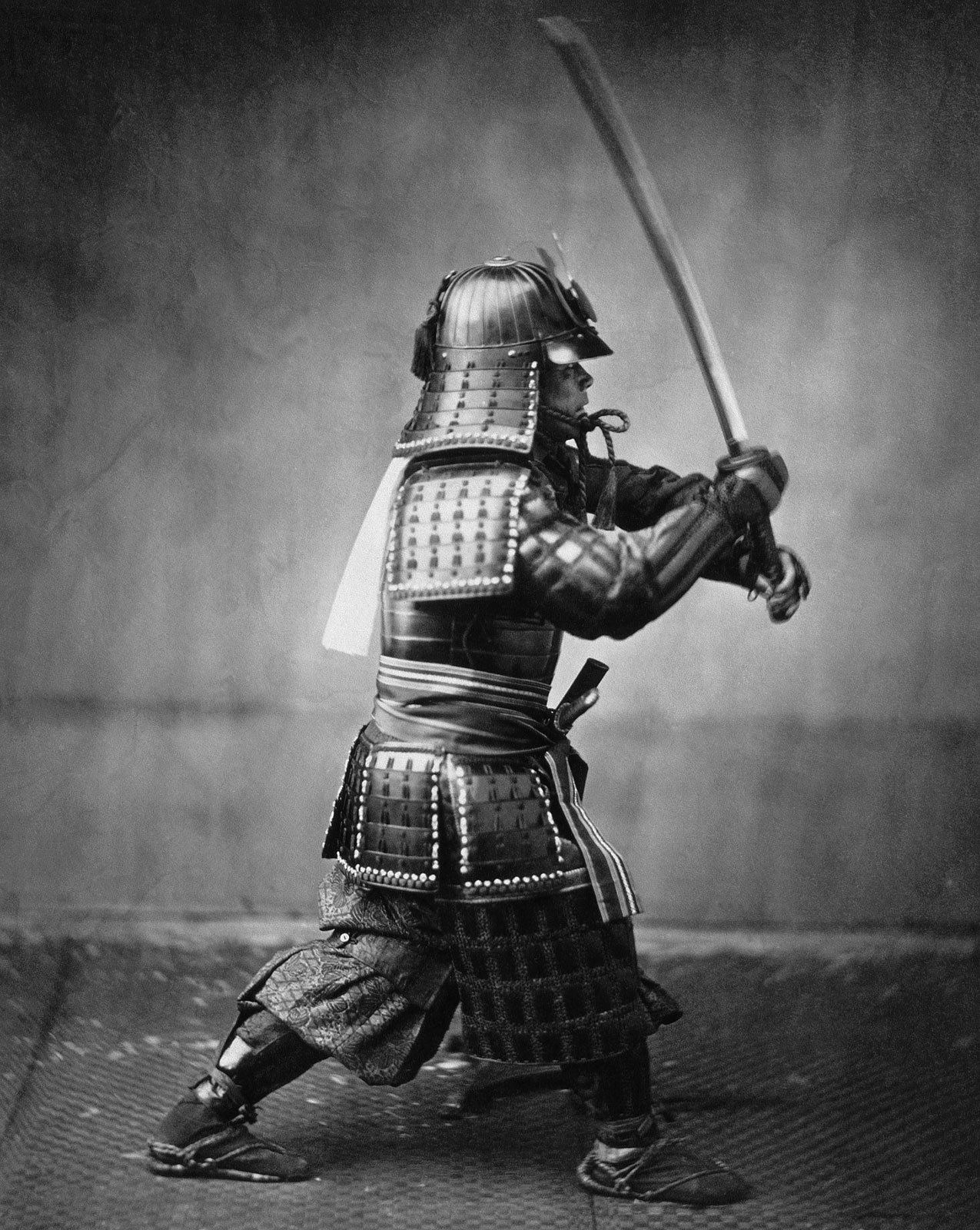
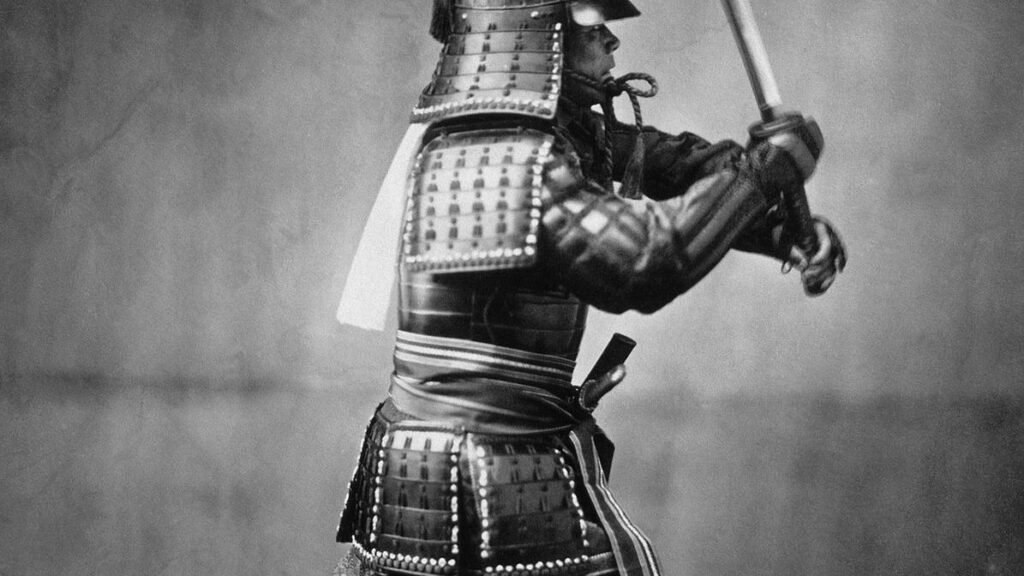
The roots of Japan’s unique political structure stretch back to ancient times when scattered tribes slowly coalesced into a unified nation under imperial rule. The rulers of Yamato state were a hereditary line of emperors who still reign as the world’s longest dynasty. This imperial system would prove to be remarkably enduring, though actual power would shift dramatically throughout the centuries. The foundations of a centralized imperial state were well in place by the eighth century, but the rise of a warrior class known as the samurai and the establishment of military rule under the shogun in the twelfth century soon undermined the authority of the emperor. The emergence of the samurai class transformed Japan into a feudal society that would define the nation’s character for centuries. These warrior elites didn’t just serve as military forces but became the backbone of a rigid social hierarchy. Their code of honor and dedication to duty would become deeply embedded in Japanese culture, influencing everything from business practices to national identity long after their military role had ended.
Unification Under the Tokugawa
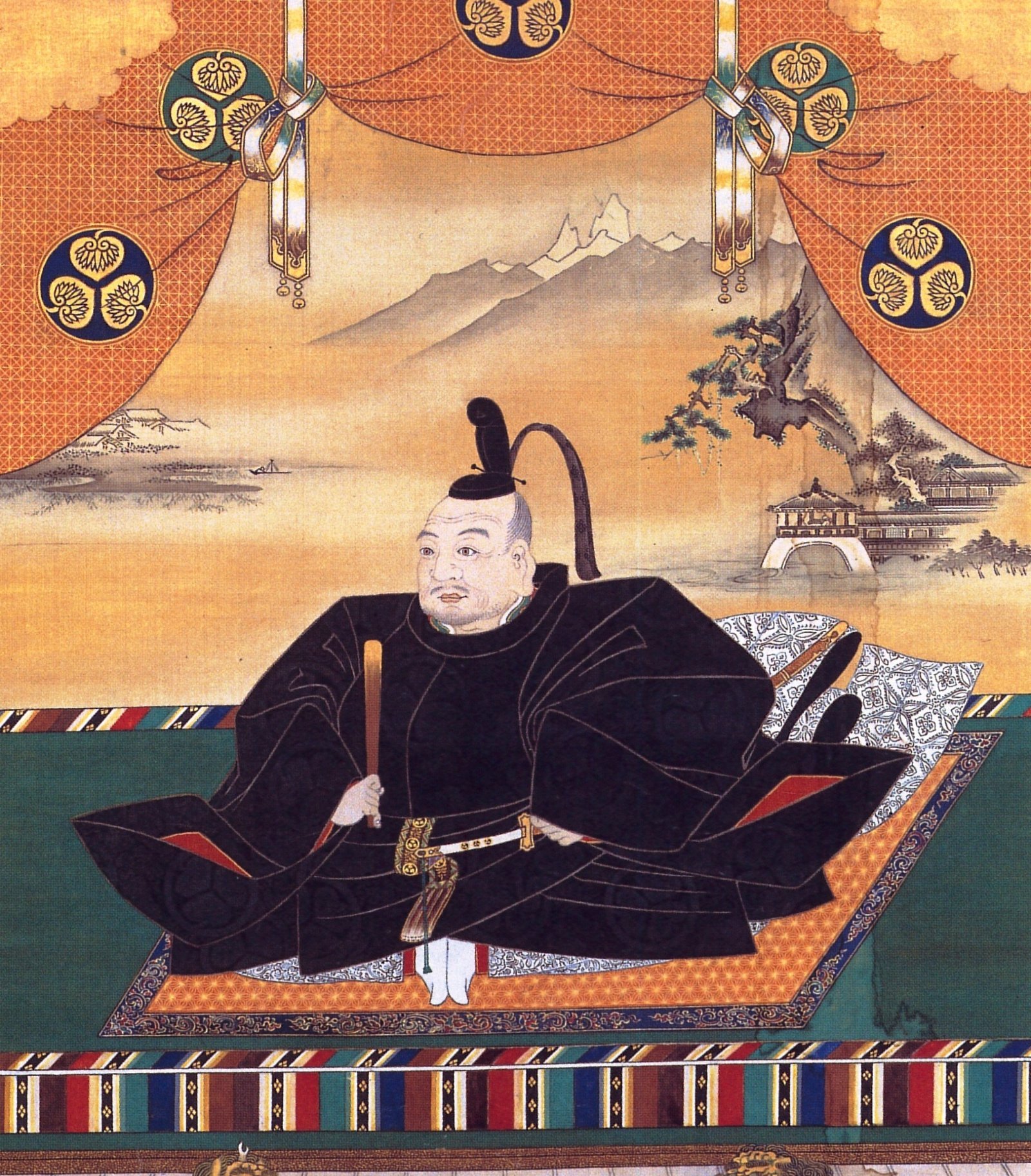
After prolonged civil war between rival warrior clans, the country was unified in 1603 under the shogun Tokugawa Ieyasu, whose family ruled over Japan for more than 250 years. This period of unification marked a crucial turning point in Japanese history, bringing stability after decades of devastating warfare. The Tokugawa established their capital in Edo, present-day Tokyo, creating a sophisticated administrative system that would govern Japan for generations. During the peaceful and prosperous Tokugawa period, a wealthy and powerful merchant class developed in Japan’s urban centers, where a rich culture of ink paintings, woodblock prints and haiku poetry flourished. This era saw remarkable cultural achievements alongside political stability. The merchant class, despite being at the bottom of the official social hierarchy, accumulated significant wealth and power, supporting arts and entertainment that would become icons of Japanese culture worldwide.
The Great Isolation
Perhaps no period in Japanese history is more fascinating than the era of sakoku, or national seclusion, which began in the early 1600s. sakoku, a Japanese policy consisting of a series of directives implemented over several years during the Edo period (also known as the Tokugawa period; 1603–1867) that enforced self-isolation from foreign powers in the early 17th century. The isolation policy wasn’t implemented all at once but gradually tightened over several decades as the Tokugawa government sought to maintain control and stability. The final sakoku order was completed in 1639, when Portuguese ships were forbidden to trade with or visit Japan – Spain had been expelled in 1624 – adding to the list of Western countries that had been expelled. This wasn’t complete isolation, however, as Japan maintained limited contact with China and the Dutch, who were restricted to a small artificial island in Nagasaki harbor. Sakoku was a lengthy period of stability and led to peace in Japan which helped its economy as there were fewer disruptions and no need to spend money on conflicts. Peace allowed farmers to focus on producing commercial crops such as cotton and silk and handicraft goods. The isolation period actually fostered remarkable domestic development, allowing Japanese culture and craftsmanship to evolve along uniquely Japanese lines.
The Forceful Opening
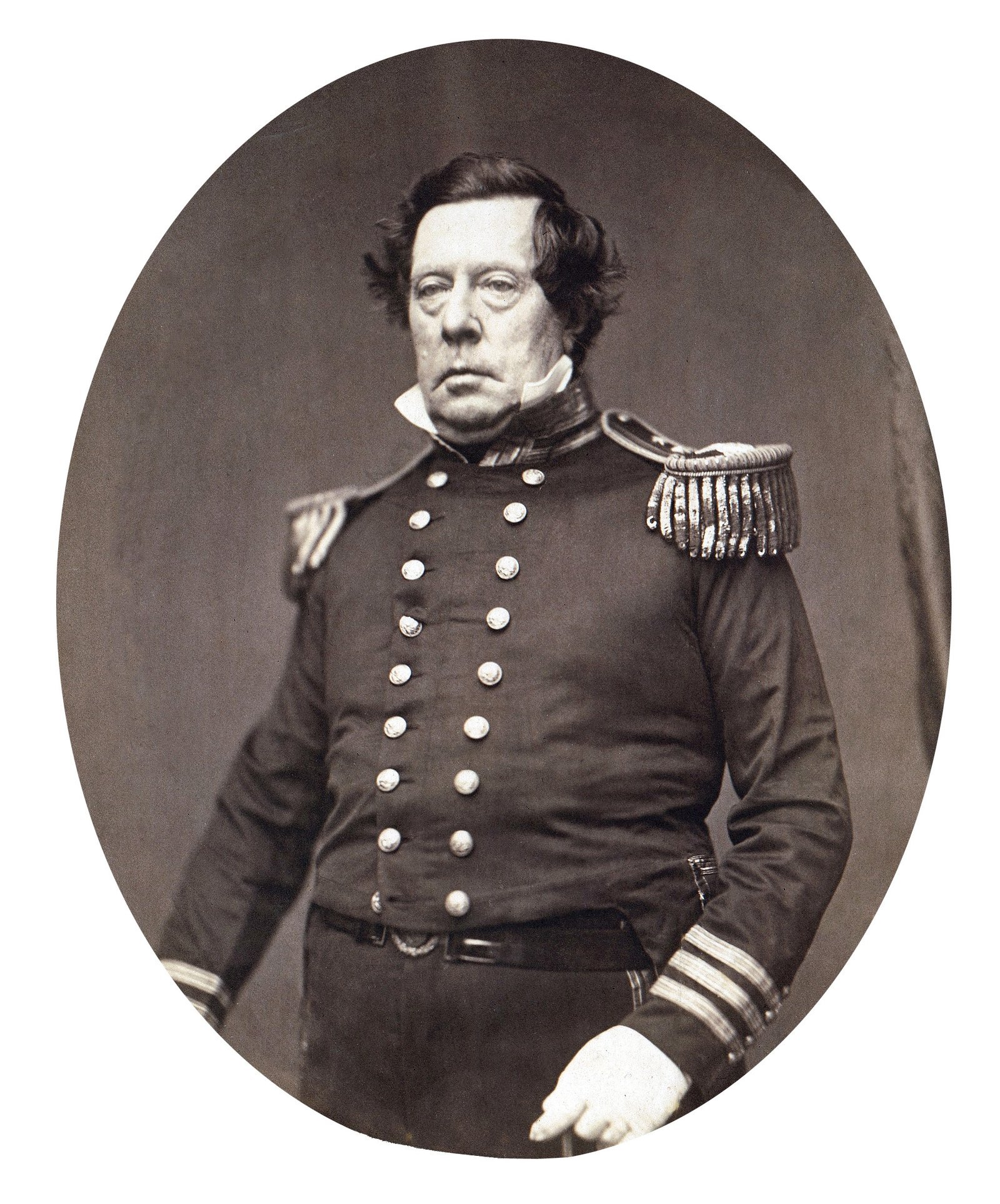
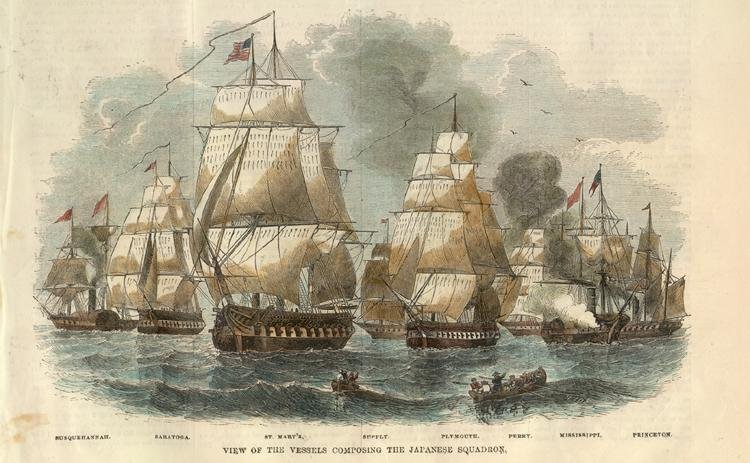
The arrival of American Commodore Matthew Perry in 1853 shattered Japan’s centuries-long isolation in the most dramatic way possible. When Commodore Matthew C. Perry’s four-ship squadron appeared in Edo Bay (Tokyo Bay) in July 1853, the shogunate was thrown into turmoil. Commodore Perry was fully prepared for hostilities if his negotiations with the Japanese failed, and threatened to open fire if the Japanese refused to negotiate. Perry’s “Black Ships,” as they became known, carried advanced weapons that demonstrated the technological gap that had opened between Japan and the Western world during the isolation period. The intimidating display of military power forced Japan’s hand, making clear that isolation was no longer sustainable. Signed on March 31, 1854, under the threat of force, it effectively meant the end of Japan’s 220-year-old policy of national seclusion (sakoku) by opening the ports of Shimoda and Hakodate to American vessels. This moment marked not just the end of isolation but the beginning of Japan’s rapid transformation into a modern nation. The shock of this encounter would drive everything that followed in Japanese history.
The Meiji Revolution
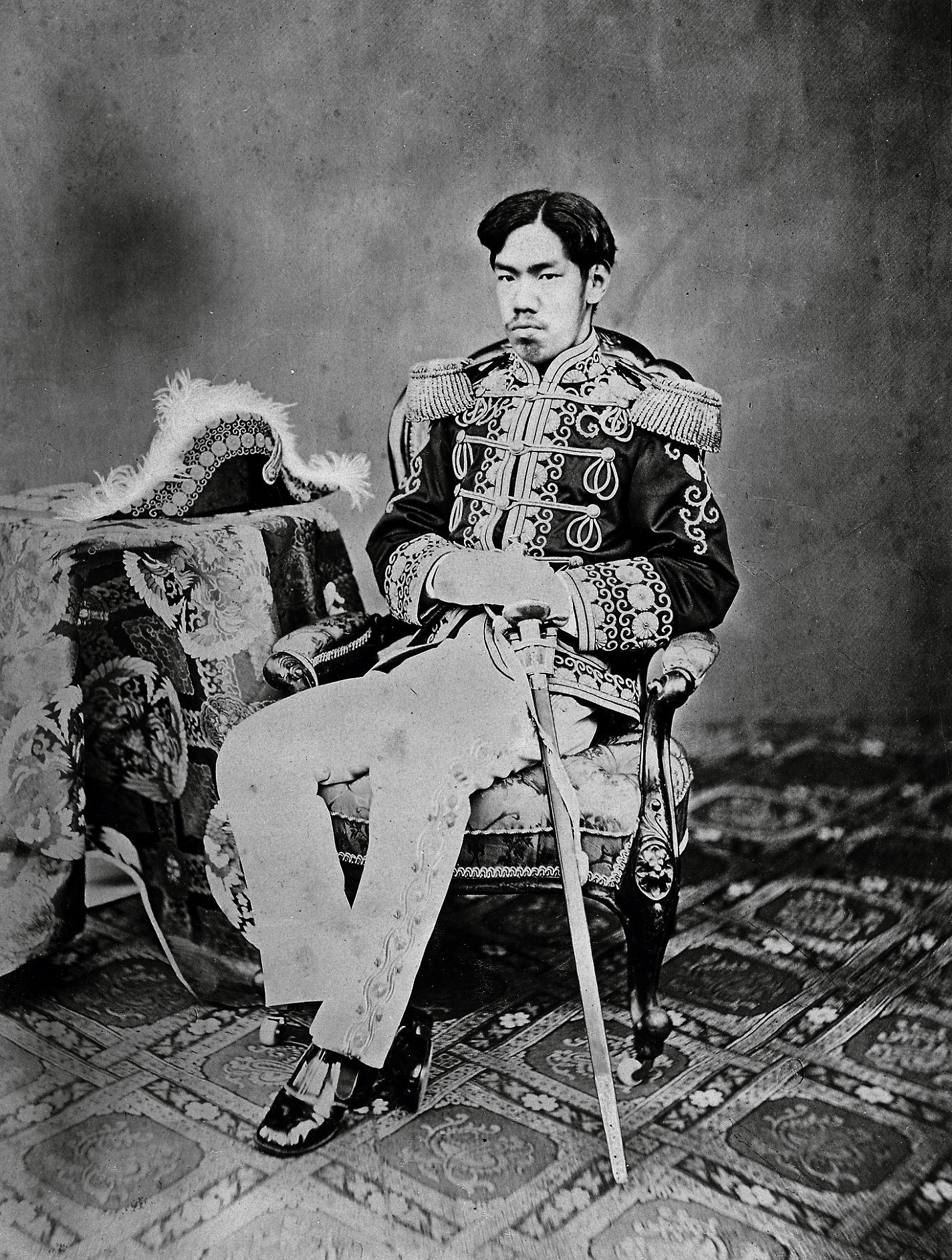
The arrival of Western powers triggered one of the most remarkable transformations in world history. In the Meiji Restoration of 1868, the shogunate collapsed and the emperor was restored to power. The feudal system was subsequently abolished, and Western institutions were adopted, including a Western legal system and constitutional government along parliamentary lines. This wasn’t merely a change of government but a complete restructuring of Japanese society from top to bottom. This “controlled revolution” laid the basis for Japan’s transformation from a feudal and isolated state into a modern world power. The speed of these changes was breathtaking, as Japan essentially compressed centuries of Western development into just a few decades. Among other accomplishments, during the Meiji period Japan adopted a constitution and a parliamentary system, instituted universal education, built railroads and installed telegraph lines, and established strong army and navy forces. The leadership’s ability to maintain Japan’s independence while adopting Western technology and institutions was nothing short of extraordinary. They understood that military and technological modernization was essential for survival in the new global order.
Industrial and Military Modernization
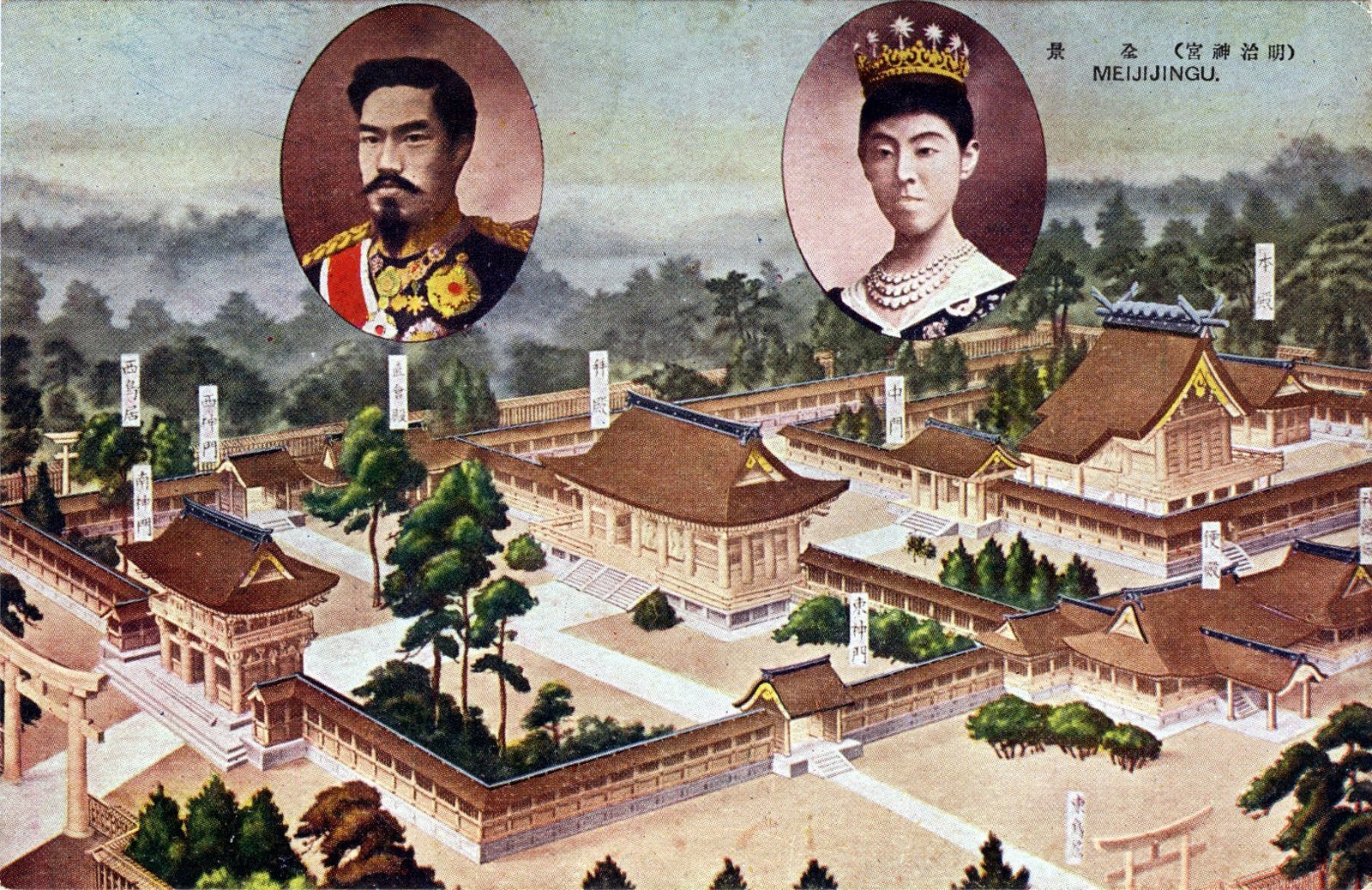
The Meiji period saw Japan embark on an ambitious program of modernization that would astonish the world. Adopting the slogan “Enrich the country, strengthen the army” (“Fukoku kyōhei”), they sought to create a nation-state capable of standing equal among Western powers. This wasn’t just about copying Western technology but about fundamentally transforming Japanese society to support modern industry and military power. During the Meiji period, Japan underwent a rapid transition towards an industrial economy. Both the Japanese government and private entrepreneurs adopted Western technology and knowledge to create factories capable of producing a wide range of goods. By the end of the period, the majority of Japan’s exports were manufactured goods. The transformation from an agricultural to an industrial economy happened with remarkable speed and efficiency. Japan’s education system played a crucial role in this transformation, producing the skilled workers needed for modern industry while maintaining social discipline and national unity.
Victory Over China
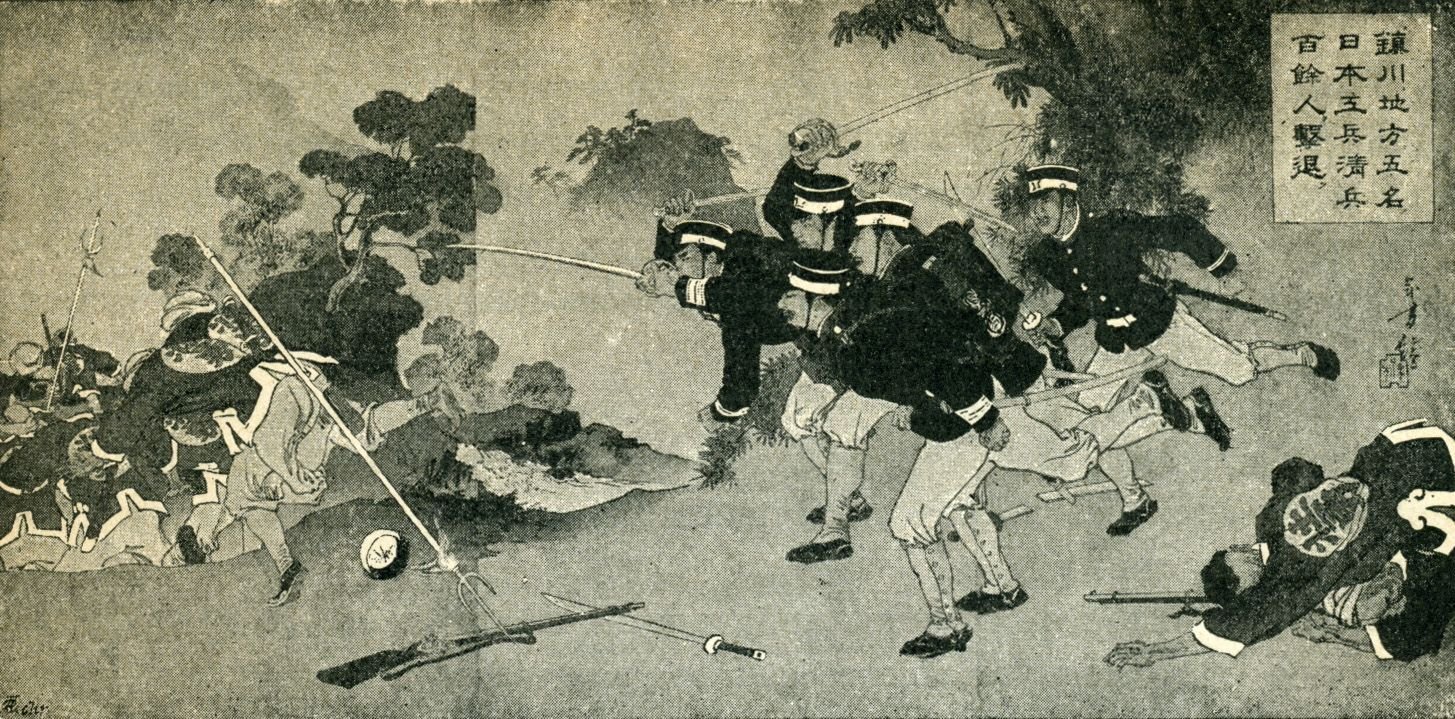
Japan’s first major test as a modern military power came in the form of conflict with its giant neighbor China. Japan’s victory over China in 1894-95 established the nation’s dominant interest in Korea, and granted it control over the Pescadores Islands and Formosa as well. This victory shocked the world and marked Japan’s emergence as a serious military power in East Asia. The war demonstrated that Japan’s modernization efforts had been successful, as its newly westernized military proved capable of defeating a much larger traditional power. The victory also established Japan’s imperial ambitions, as the country gained its first overseas territories and began to see itself as a regional hegemon. However, the aftermath of victory would prove challenging, as European powers forced Japan to return some of its territorial gains, creating resentment that would fuel future conflicts. This intervention by Western powers taught Japan that military victory alone wasn’t enough in the modern world, you also needed diplomatic backing and alliance systems.
Defeating a European Power
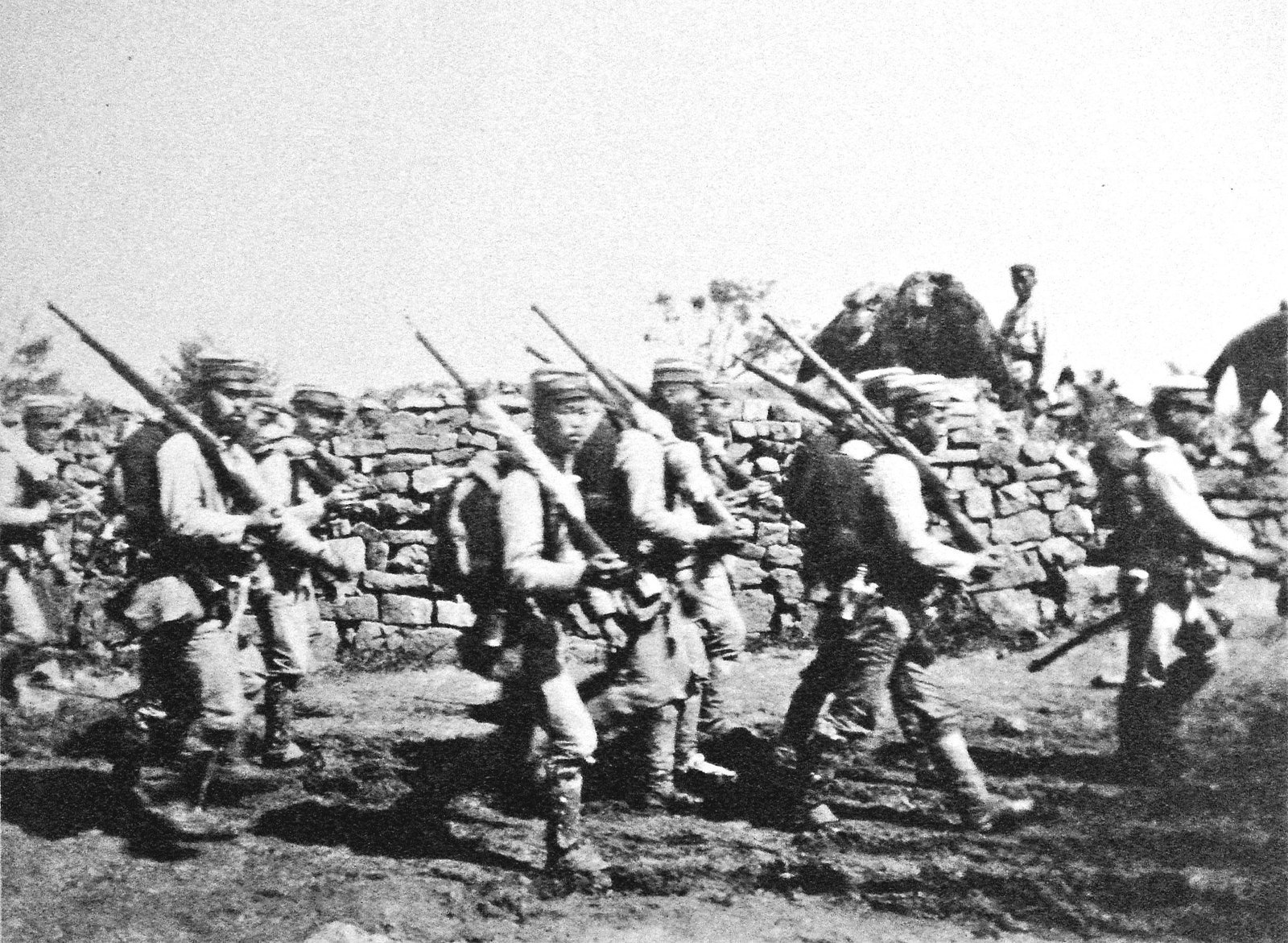
The Russo-Japanese War of 1904-1905 represented perhaps the most significant moment in Japan’s rise to global prominence. The Russo-Japanese War (1904–1905) was a significant turning point, marking Japan’s emergence as a major world power. This conflict was fundamentally different from the war with China because Russia was a major European power with global reach and advanced military technology. The Russo-Japanese War of 1904–05 ended with the dramatic Battle of Tsushima, which was another victory for Japan’s new navy. The defeat of Russia in the war had set in motion a change in the global world order with the emergence of Japan as not only a regional power, but rather, the main Asian power. The victory stunned the world and marked the first time in modern history that an Asian nation had defeated a European power in a major war. This victory established Japan as a player on the world stage and earned it respect, if not always friendship, from the Western powers. The war also demonstrated Japan’s growing naval capabilities, which would prove crucial in future conflicts.
Expanding Empire and Growing Tensions
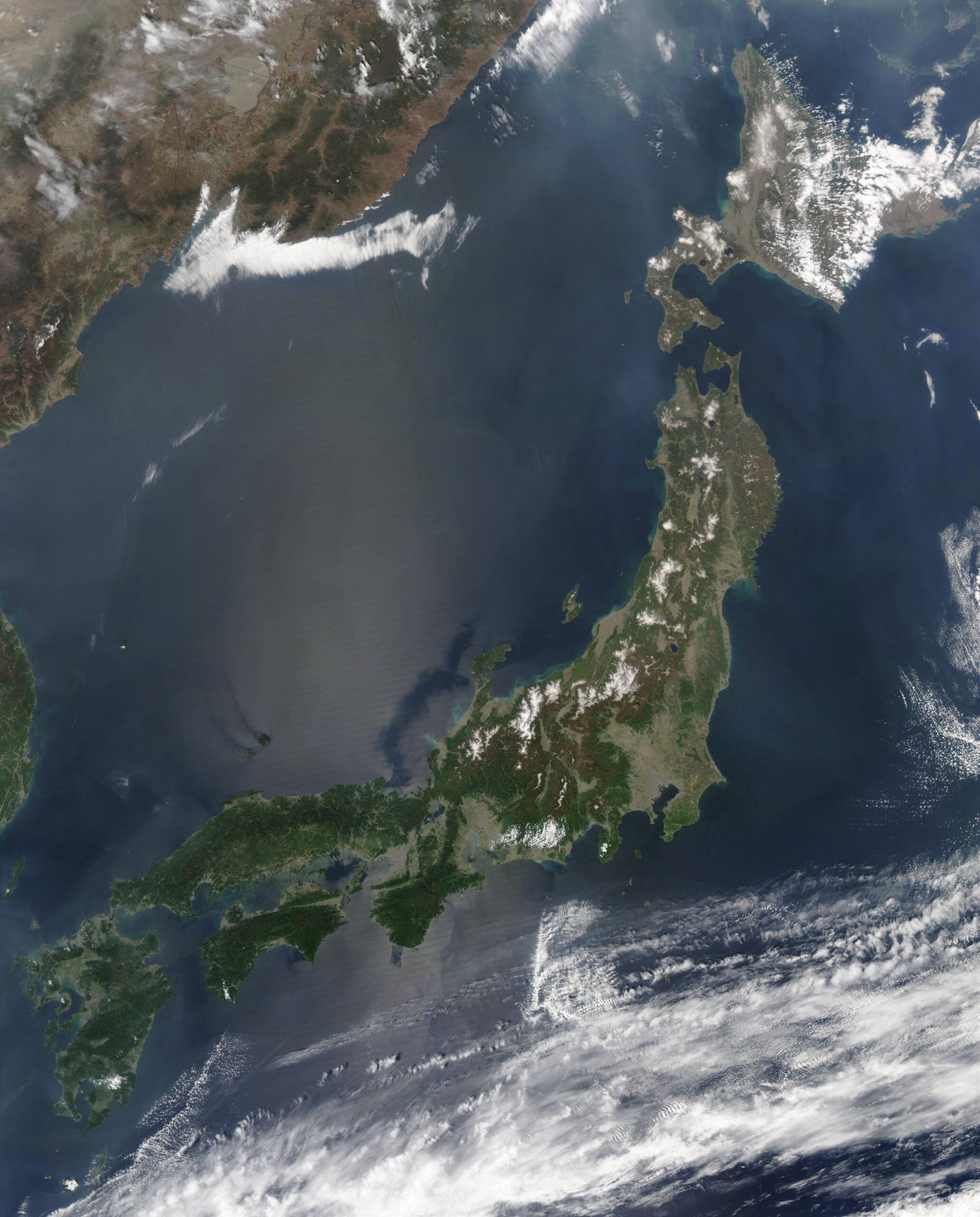
Success in war brought Japan new territories and growing confidence in its imperial mission. Japan thus laid claim to Korea as a protectorate in 1905, followed by full annexation in 1910. This expansion marked Japan’s transformation from a newly opened nation to an imperial power with overseas territories and growing ambitions. World War I permitted Japan, which fought on the side of the victorious allies, to expand its influence in Asia and its territorial holdings in the Pacific. The inter-war period brought unprecedented prosperity to the country, and Japan arrived at the Versailles peace conference in 1919 one of the world’s great military and industrial powers. Japan’s participation in World War I as an Allied power gave it opportunities to expand its influence while the European powers were distracted by war in Europe. The post-war period saw Japan reach new heights of international recognition and domestic prosperity. However, this success also bred overconfidence and ambition that would prove dangerous in the following decades.
The Road to World War
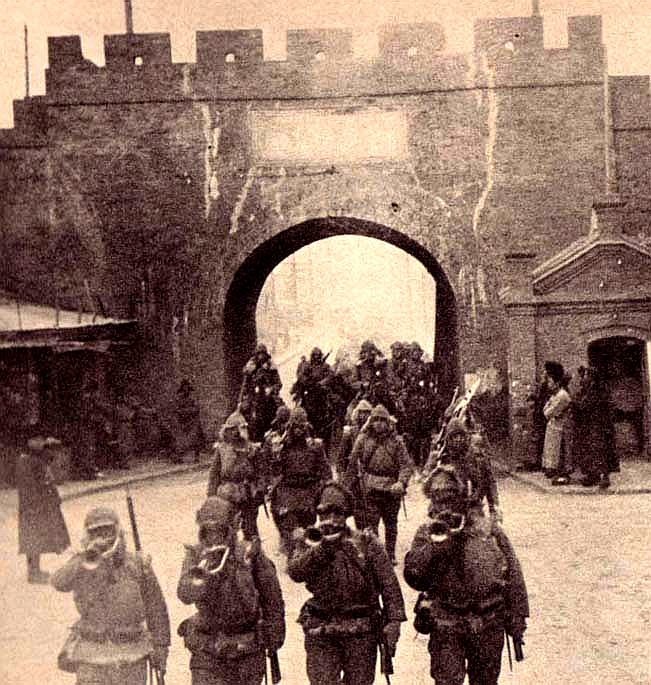
The 1930s marked a dark turn in Japanese history as military leaders gained increasing influence over government policy. While the country moved towards the establishment of full democracy, parliamentary government was not yet deep-rooted enough to withstand the economic and political pressures of the 1930s. Military leaders became increasingly influential during this period, and quickly led the nation down the road to war. Economic pressures from the global depression and rising nationalism created conditions that favored military expansion as a solution to domestic problems. Japan invaded Manchuria and established a puppet state there in 1932. Two years later, it withdrew from the League of Nations. The Japanese invasion of China in 1937 followed Japan’s signing of the “anti-commintern pact” with Nazi Germany, part of a chain of developments that culminated in the Japanese attack on Pearl Harbor on December 7, 1941. Each aggressive action led to the next, as Japan found itself increasingly isolated diplomatically and dependent on military solutions to achieve its goals. The alliance with Nazi Germany marked Japan’s definitive break with the Western democracies and set the stage for global conflict.
Devastation and Surrender
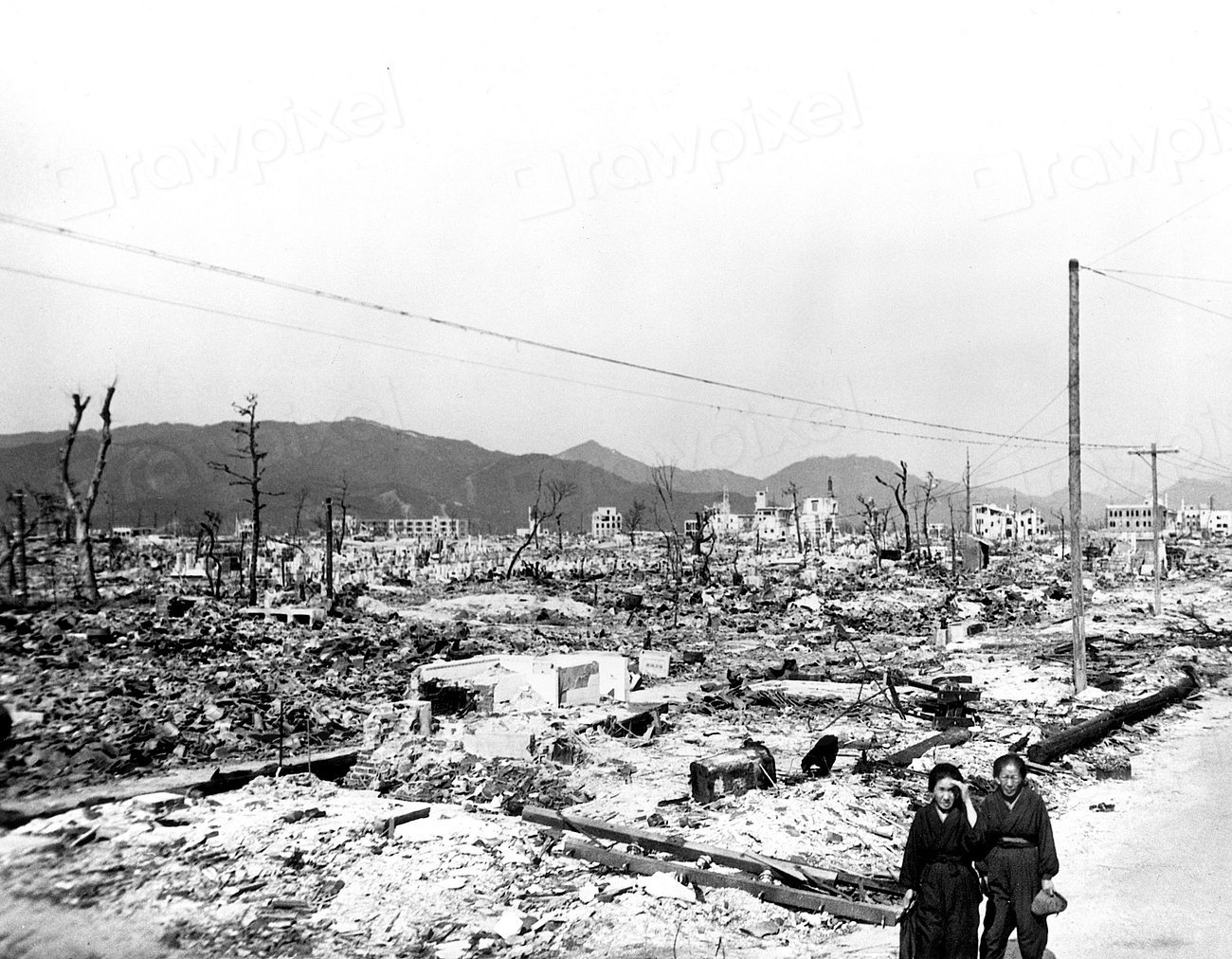
World War II brought unprecedented destruction to Japan and marked the end of its imperial dreams. The attack on Pearl Harbor in 1941 drew the United States into the war, ultimately resulting in Japan’s defeat in 1945. The atomic bombings of Hiroshima and Nagasaki marked a tragic chapter in Japanese history. The war that began with such confidence and early victories eventually turned into a nightmare of destruction for the Japanese people. This began when, unlike Germany and Italy, Emperor Hirohito and his advisors decided to surrender before their country was invaded. They did this not only because they knew that the war was lost and wanted to stop any further damage from the United States after the atomic bombing of Hiroshima on August 6, 1945, and Nagasaki on August 9, 1945, but also because the Soviet Union declared war on Japan. The emperor’s decision to surrender prevented even greater destruction and potentially saved millions of lives. The surrender marked not just military defeat but the complete collapse of the imperial system that had driven Japan’s expansion.
American Occupation and Reconstruction

The American occupation of Japan from 1945 to 1952 brought sweeping changes that would reshape the nation’s political and social foundations. Constitutional Changes: The 1947 constitution, known as the “Post-War Constitution,” enshrined democratic principles and renounced war. Land Reforms: Redistribution of land reduced disparities and empowered farmers. Economic Aid: U.S. financial aid, particularly through the Marshall Plan, helped rebuild industries. These reforms weren’t just imposed from above but created the foundation for Japan’s democratic transformation and future economic success. The new constitution, written under American guidance, included the famous Article 9 that renounced war as a sovereign right of the nation. By the end of the American occupation of Japan in 1952, the United States had successfully reintegrated Japan into the global economy and rebuilt the economic infrastructure that would later form the launching pad for the Japanese economic miracle. The occupation successfully transformed Japan from a militaristic empire into a peaceful democracy while laying the groundwork for spectacular economic growth. This transformation was achieved through a combination of democratic reforms, economic restructuring, and strategic partnership with the United States.
The Economic Miracle Begins

The 1950s and 1960s witnessed what became known as the Japanese Economic Miracle, one of the most remarkable periods of sustained growth in modern economic history. Japan’s economy gradually recovered to regain pre-war standard of living towards the mid-1950s, around which time the ‘economic miracle’ started. During this period, Japan’s economic growth was driven by its heavy industries and the expansion of the middle class, which provided both a large domestic consumer market and bank savings. The economic recovery wasn’t just about rebuilding what had been destroyed but creating entirely new industries and business models suited to the modern world. During the economic boom, Japan rapidly became the world’s third-largest economy, after the United States and the Soviet Union. Japan joined the OECD as an early member in the 1960s, and became a founding member of the G7. The speed of this transformation was breathtaking, as Japan went from war-torn devastation to major economic power in less than two decades. As depicted in Figure 1, the real growth rate was positive until 1973 and increased for 20 consecutive years. In less than ten years, Japan’s economy was growing at a peak rate last observed in 1939, with the economy growing two times faster than the prewar standard every year past 1955.
Factors Behind the Miracle
The Japanese economic miracle wasn’t just luck but resulted from a unique combination of favorable circumstances and deliberate policies. Specifically, Japan had the good fortune to rebuild its economy during the Cold War when the most powerful country in the world needed strong allies. The United States not only absorbed Japan’s exports and tolerated Japanese protectionism but also subsidized the Japanese economy and transferred technology to Japanese firms. Without such advantages, Japan might still have achieved solid economic growth, but probably not an economic miracle. The geopolitical context of the Cold War proved crucial, as America needed Japan as a bulwark against communism in Asia. Japan’s highly acclaimed post-war education system contributed strongly to the modernizing process. The world’s highest literacy rate and high education standards were major reasons for Japan’s success in achieving a technologically advanced economy. Japanese schools also encouraged discipline, another benefit in forming an effective work force. The education system produced not just skilled workers but a disciplined workforce that could adapt to new technologies and maintain high quality standards. A high rate of household savings financed Japan’s economic growth. Between 1960 and 1994, Japanese households saved about one-sixth of their after-tax incomes, more than twice that of American households.
Export Success and Global Recognition

Japan’s transformation from a war-torn nation to an export powerhouse amazed the world and changed global economic dynamics. Export-Oriented Economy: Japan became a global leader in manufacturing, exporting cars, electronics, and machinery. Japanese products became synonymous with quality and innovation, fundamentally changing global perceptions of “Made in Japan” from cheap imitation to premium quality. However, the single most important factor in international trade that allowed Japan to stay ahead of its competitors was its ability to change what they were exporting every couple of years. Between 1950 and 1965, Japan went from primarily exporting textiles and sundry goods to machinery, and finally to metals. Due to increased efficiency and corporations’ ability to keep up with changes in the international trading stage, Japan was able to provide goods that were in the most demand, increasing exports and thus real economic growth. This adaptability became a hallmark of Japanese business, allowing companies to continuously evolve and stay competitive in changing global markets. Japanese corporations developed reputation for innovation and quality that opened doors in markets worldwide and established Japan as a technological leader in multiple industries.
Technological Innovation and Quality
The success of Japanese exports wasn’t just about price competition but represented a fundamental shift toward quality and innovation that redefined global manufacturing standards. Helped by close ties with subsidiary firms, enthusiastic labor moving from the rural areas to the cities, readily available technology often improved by the Japanese, a favorable exchange rate and a bountiful supply of a youthful and educated labor force, the economy boomed. Soon high quality Japanese TVs, electronic and particularly cars were competing in the United States and elsewhere. Japanese companies didn’t just adopt Western technology but systematically improved upon it, creating products that often surpassed their original models in quality and reliability. The emphasis on continuous improvement, known as kaizen, became a defining characteristic of Japanese manufacturing. Japanese post-war technological research was carried out for the sake of economic growth rather than military development. The growth in high-technology industries in the 1980s resulted from heightened domestic demand for high-technology products such as electronics, and for higher living, housing, and environmental standards; better medical care and more welfare; expanded leisure-time facilities; and improved ways to accommodate a rapidly aging society. This focus on civilian technology and improving quality of life created innovations that found ready markets worldwide.
Bubble and Economic Challenges

The incredible success of the Japanese economy eventually led to problems in the late 1980s and early 1990s that would challenge the nation’s continued growth. Japan had an economic phase known as the economic bubble during the 1980s. The over lending of Japanese banks to industries led to the inflation of the Tokyo stock market. The inflation was followed by a deflation period which affected the economy negatively. The asset price bubble represented the dark side of Japan’s economic success, as speculative investments in real estate and stocks reached unsustainable levels. That remarkable growth disappeared in the 1990’s along with a major stock market decline. Many Japanese commentators have called the 1990’s “the lost decade.” The collapse of the bubble economy marked the end of the miracle growth period and ushered in a new era of economic challenges. The most important lesson to be learned from Japan’s decade and a half economic stagnation is that circumstances change quickly, and if a system is incapable of adjusting to those changes well, the economic quality of life will certainly suffer. This is what occurred with the Japanese system of state-assisted capitalism. The economic problems of the 1990s taught Japan and the world important lessons about the dangers of speculative bubbles and the need for economic systems to remain flexible and adaptable.
Modern Japan as a Global Power
Despite the challenges of the lost decades, Japan has remained one of the world’s most important economic and cultural powers in the 21st century. Meanwhile, lifestyle and customs are evolving: remote work has become more accepted, younger generations are reshaping traditions around marriage and gender roles, and Japanese pop culture – including anime, gaming, and fashion – continues to thrive globally. As the era unfolds, Reiwa reflects a nation striving to balance its deep traditions with the demands of a rapidly changing world. Japan’s influence extends far beyond economics, as its cultural products have gained global popularity and shaped international entertainment and fashion trends. Japan’s classic and modern history are a constant balance of tradition with change. Through moments of hardship and recovery, from rebuilding shattered cities to reimagining daily life, the country has continually found ways to move forward while honoring where it came from. This ability to blend tradition with innovation has become perhaps Japan’s greatest strength in the modern world. Today’s Japan faces new challenges including an aging population and increased competition from other Asian nations, but its history suggests remarkable resilience and adaptability in the face of changing circumstances.
The journey from isolated feudal islands to global powerhouse represents one of history’s most remarkable transformations. Japan’s story demonstrates how a nation can preserve its essential character while adapting to dramatically changing circumstances, emerging stronger and more influential than ever before. What started as a small island nation has become a global force that continues to shape our modern world in ways both subtle and profound.

Christian Wiedeck, all the way from Germany, loves music festivals, especially in the USA. His articles bring the excitement of these events to readers worldwide.
For any feedback please reach out to info@festivalinside.com
