

There’s something most Americans miss when they think about the country’s story. They picture the coasts, the big moments, the famous cities. Yet one state quietly earned a spot at every turning point, every cultural birth, every time the nation needed a place to become itself.
Missouri isn’t loud about it. That crossroads position it holds, though, made it the launchpad for so much of what we call American. When you trace back the origin stories, you keep landing in the same place.
The Point Where West Really Began
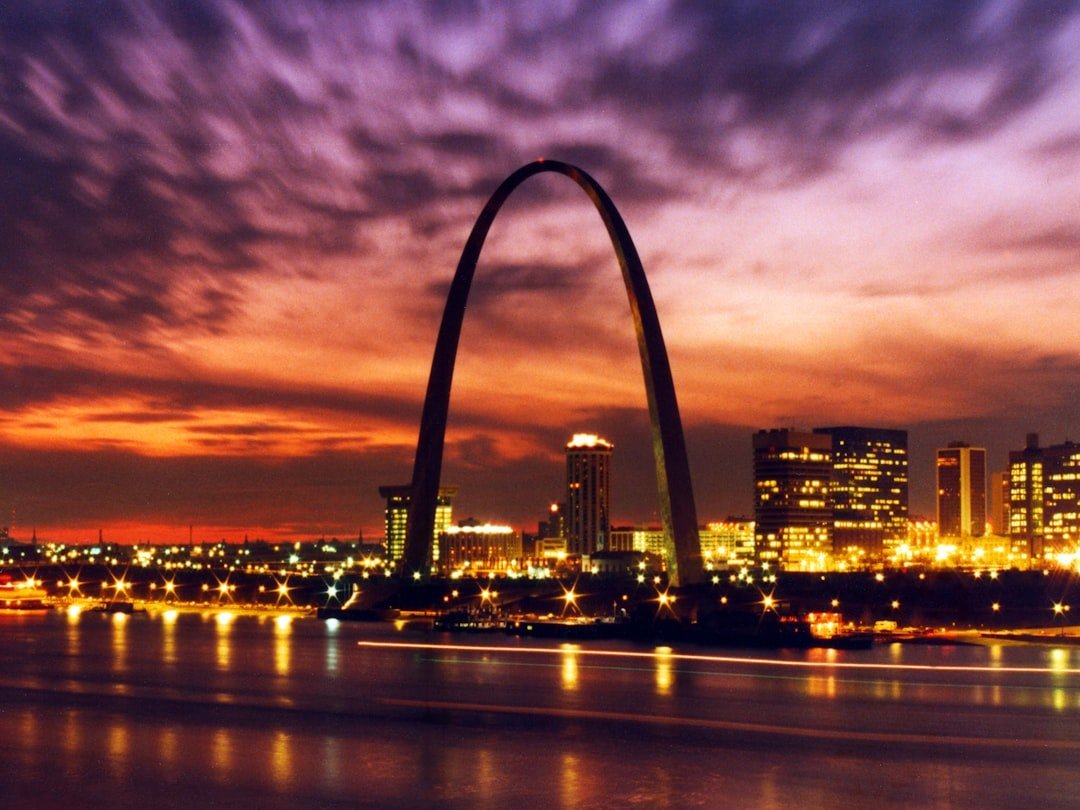
Missouri earned the nickname Gateway to the West because it served as a significant departure point for expeditions and settlers heading to the West during the 19th century. St. Louis wasn’t just a city on a map. In the 19th century, many settlers and adventurers, including Lewis and Clark, launched their journeys to the West from St. Louis.
Steamboats made the Missouri River a gateway to the West, and during the 1840s and 1850s, the St. Louis levee bustled with intense daily activity with hundreds of boats moored there each year. Rivers converged here, trails began here, and generations of people staked their future on what they’d find beyond the horizon. It wasn’t abstract ambition, either. This was the real staging ground.
The landscape shaped opportunity itself. Missouri sat where movement could actually happen, where transportation met determination.
Where the Mother Road Was Born
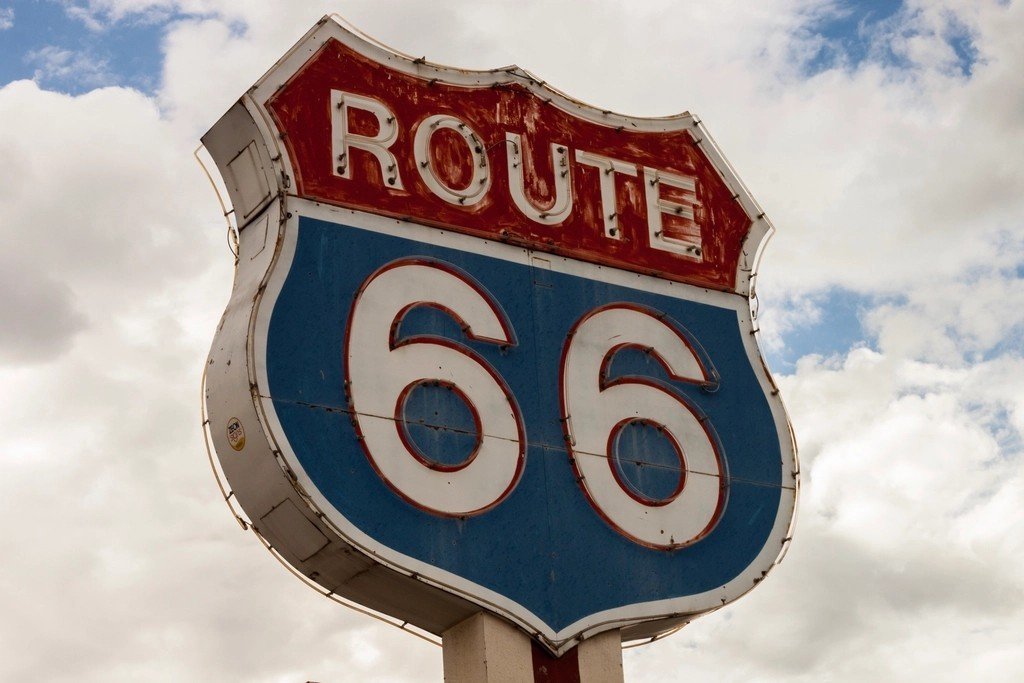
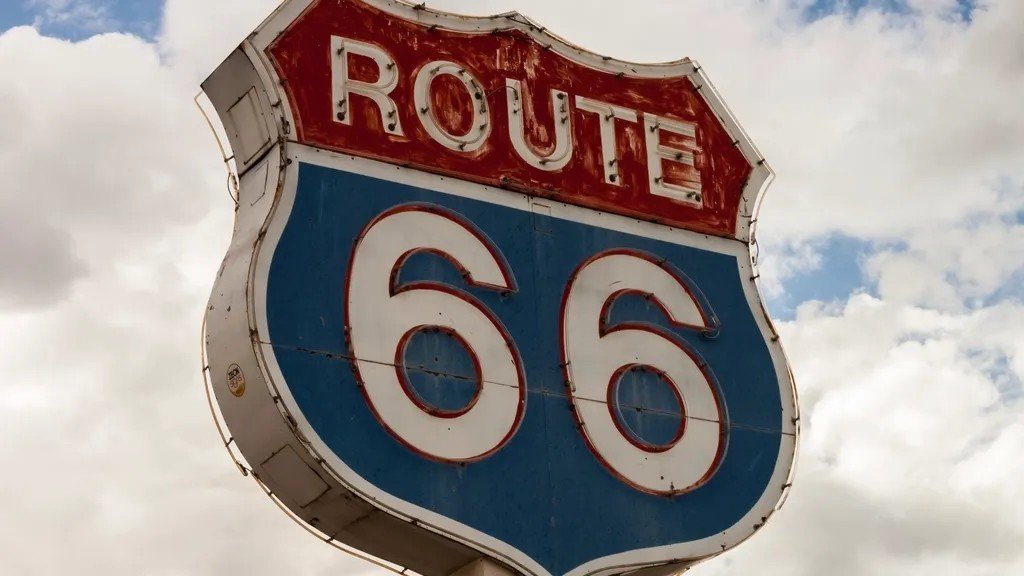
On April 30, 1926, a telegram was sent from the Colonial Hotel in Springfield to federal officials, saying they would accept ’66’ for a new highway, making Springfield the birthplace of Route 66. Think about that for a second. The most iconic road in America got its number and its identity right there in Missouri.
The sharp increase in tourism gave rise to a burgeoning trade in all manner of roadside attractions, including teepee-shaped motels, frozen custard stands, Indian curio shops and reptile farms, and it also marked the birth of the fast-food industry with Red’s Giant Hamburg in Springfield, Missouri, site of the first drive-through restaurant. Missouri didn’t just have Route 66 pass through it. The state essentially invented the culture around it.
Route 66’s fame stems from its history as the shortest, most scenic route west and its cultural imprint through literature, music, and television, representing the spirit of American freedom, adventure, and the transformative power of the automobile. That mythology, that sense of the open road as liberation? Missouri gave it form.
Jazz and BBQ Found Their Voice Here
Kansas City jazz is a style of jazz that developed in Kansas City, Missouri during the 1920s and 1930s, which marked the transition from the structured big band style to the much more improvisational style of bebop, bracketed by Count Basie and Kansas City native Charlie Parker. Honestly, jazz history doesn’t work without Kansas City. Charlie Parker transformed American music from these streets.
Fueled by the non-stop nightlife under political boss Tom Pendergast, Kansas City jam sessions continued until later than sunrise, fostering a highly competitive atmosphere and a unique jazz culture in which the goal was to ‘say something’ with one’s instrument, and it was not uncommon for one ‘song’ to be performed for several hours. The jam session itself was pioneered here, that culture of musicians pushing each other all night long.
Kansas City’s barbecue craze can be traced back to Henry Perry, who in the early 1920s started barbecuing in an outdoor pit adjacent to his streetcar barn, serving slabs of food wrapped in newspaper. The barbecue scene in Kansas City is nothing short of legendary, with more than 100 restaurants offering their own flair, and the city’s signature method of smoking meat at low temperatures for up to 18 hours creates a melt-in-your-mouth flavor. Both jazz and barbecue became national obsessions that started as local traditions in Missouri.
An Arch That Became American Shorthand
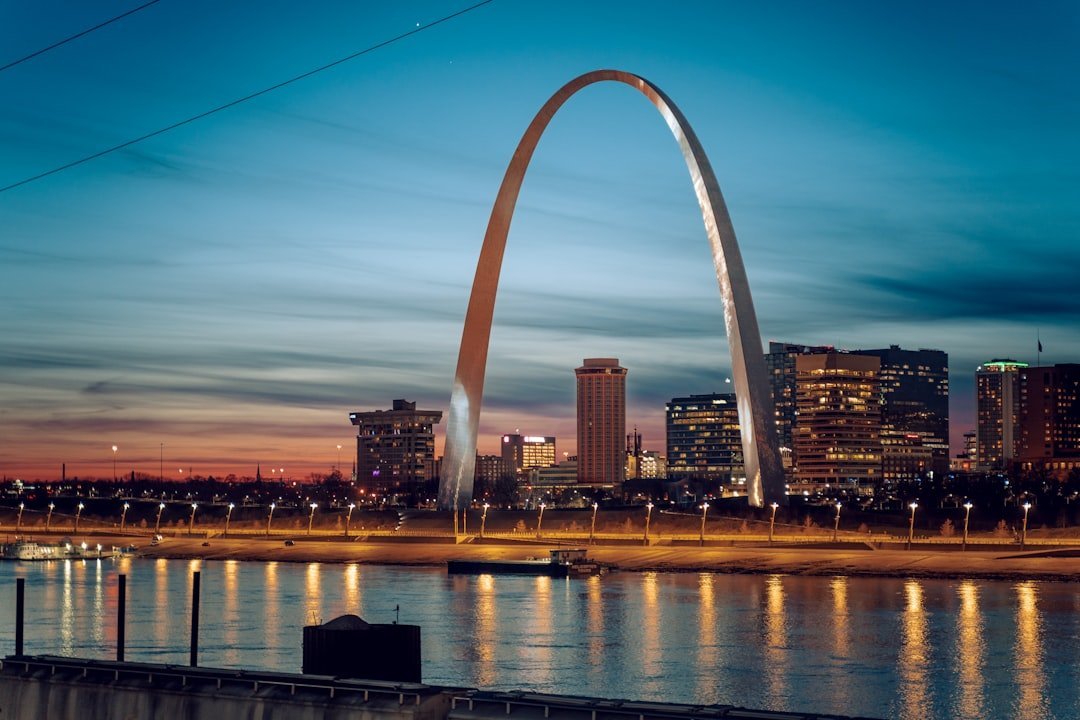
Built as a monument to the westward expansion of the United States and officially dedicated to ‘the American people’, the Arch, commonly referred to as ‘The Gateway to the West’, is a National Historic Landmark and has become an internationally recognized symbol of St. Louis. The Gateway Arch is a 630-foot-tall monument in St. Louis, Missouri, clad in stainless steel and built in the form of a weighted catenary arch, and it is the world’s tallest arch.
The Arch was designed by the Finnish-American architect Eero Saarinen in 1947, with construction beginning on February 12, 1963, and completed on October 28, 1965. The design itself speaks to aspiration. You see it, and you think of movement, of possibility, of doors opening.
The arch has become the iconic image of St. Louis, appearing in many parts of city culture, and in 1968, three years after the monument’s opening, the St. Louis phone directory contained 65 corporations with ‘Gateway’ in their title and 17 with ‘Arch’. It’s one of those rare pieces of architecture that instantly communicates an entire idea about America itself.
The Place Movies Use for Real America
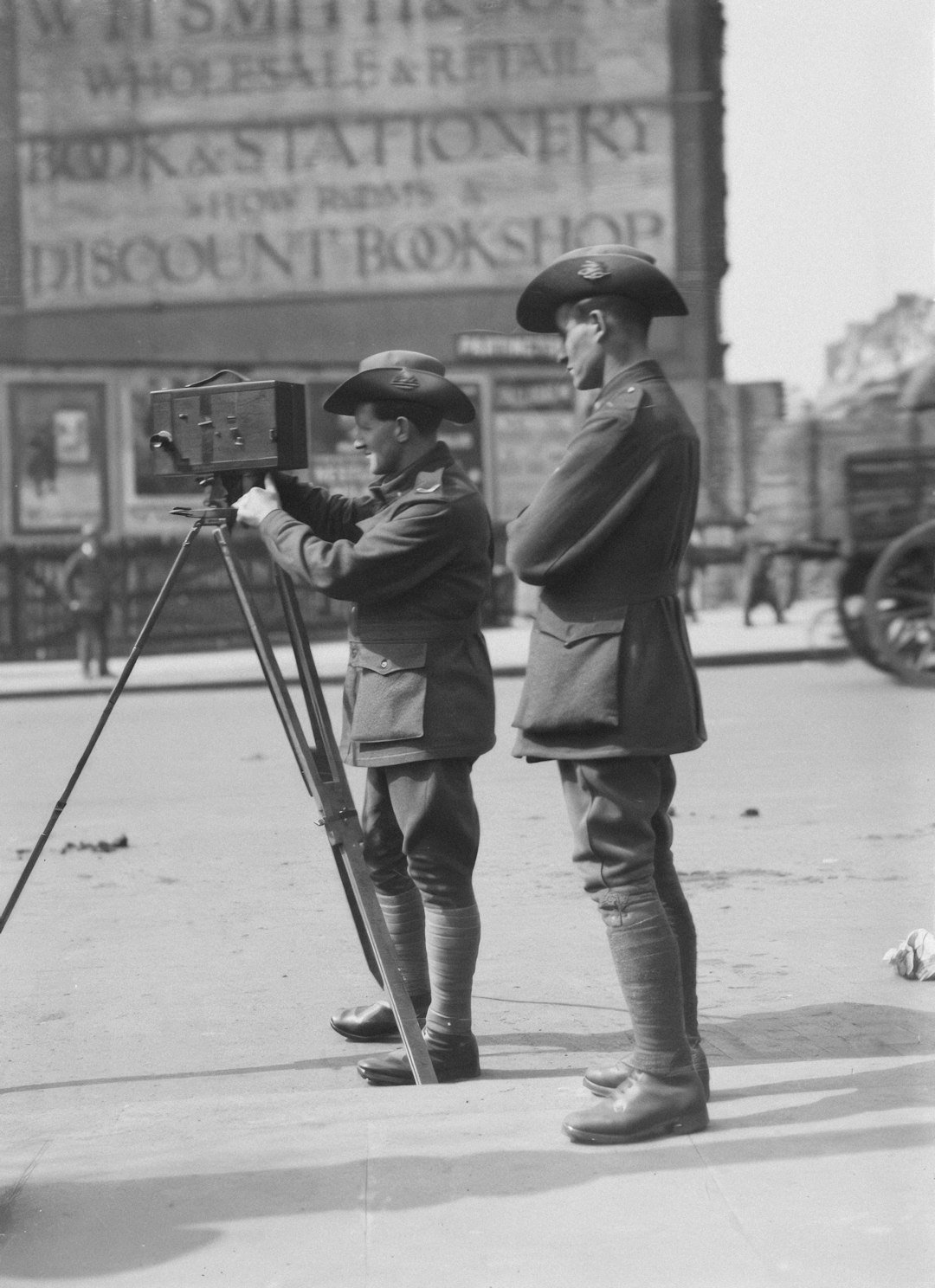
Missouri has a long and distinguished film history, and hundreds of major motion picture and television projects have been shot in Missouri since 1910. Directors keep coming back because Missouri looks like the country’s story. River towns, open highways, neighborhoods that feel familiar even if you’ve never been there.
Films like Escape from New York were made almost entirely in St Louis, Missouri, with scenes at the old Route 66 Bridge, the Fox Theater and Union Station. Films like Meet Me in St. Louis, Paper Moon, and Winter’s Bone were set or filmed in Missouri locations. Missouri becomes the setting when filmmakers want to tap into something essential about middle America, about small towns and big journeys.
The state doesn’t play itself in these films. It plays America.
Why Missouri Residents Should Feel Different
Here’s the thing most people don’t quite grasp. Missouri’s location was the jumping-off point at the opening of the 19th century for exploration of the nation’s newly acquired Louisiana Purchase and further westward expansion. That position wasn’t accidental. Geography gave Missouri the power to shape movement, culture, imagination.
Musicians recognized Kansas City Style on the East Coast, the West Coast, up North and down South. The cultural exports didn’t just spread. They defined entire genres. Route 66 became mythology. Jazz became America’s classical music. Barbecue became a national passion.
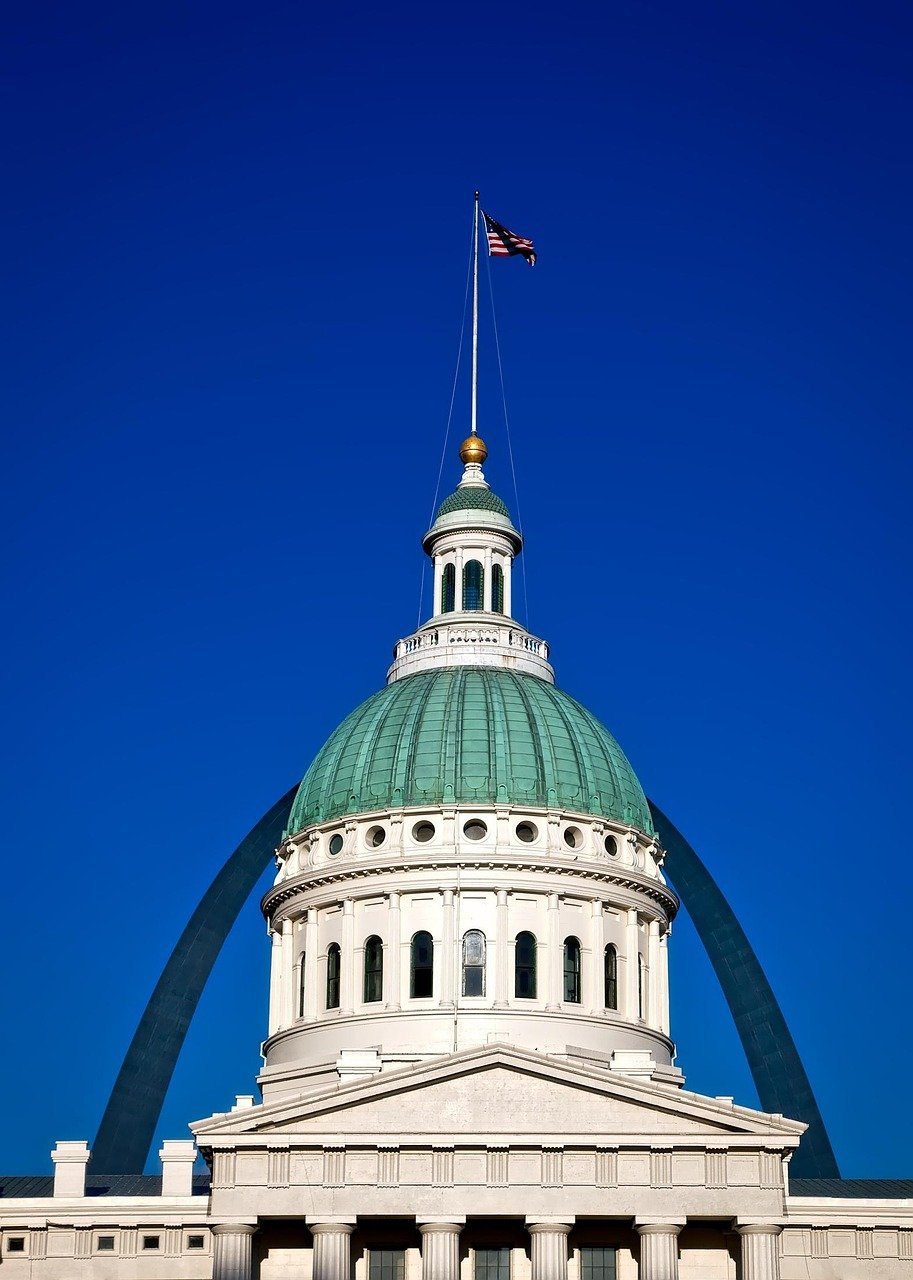
The Gateway Arch now acts as both an icon of St. Louis, Missouri, and a uniquely American piece of architecture, attracting around four million visitors annually and having been visited by approximately 135 million people since its opening. That’s not just tourism. That’s pilgrimage to an idea.
Missouri gave America its roads, its sound, its flavor, its visual symbol of ambition. When the country needed a starting line for journeys, for culture, for dreams of what comes next, it found one in Missouri. That’s not a small thing.

Besides founding Festivaltopia, Luca is the co founder of trib, an art and fashion collectiv you find on several regional events and online. Also he is part of the management board at HORiZONTE, a group travel provider in Germany.
