

Every so often, a place emerges that doesn’t just witness history. It creates it. Think about that for a second. Most towns and states play supporting roles in the American story. Mississippi wrote entire chapters.
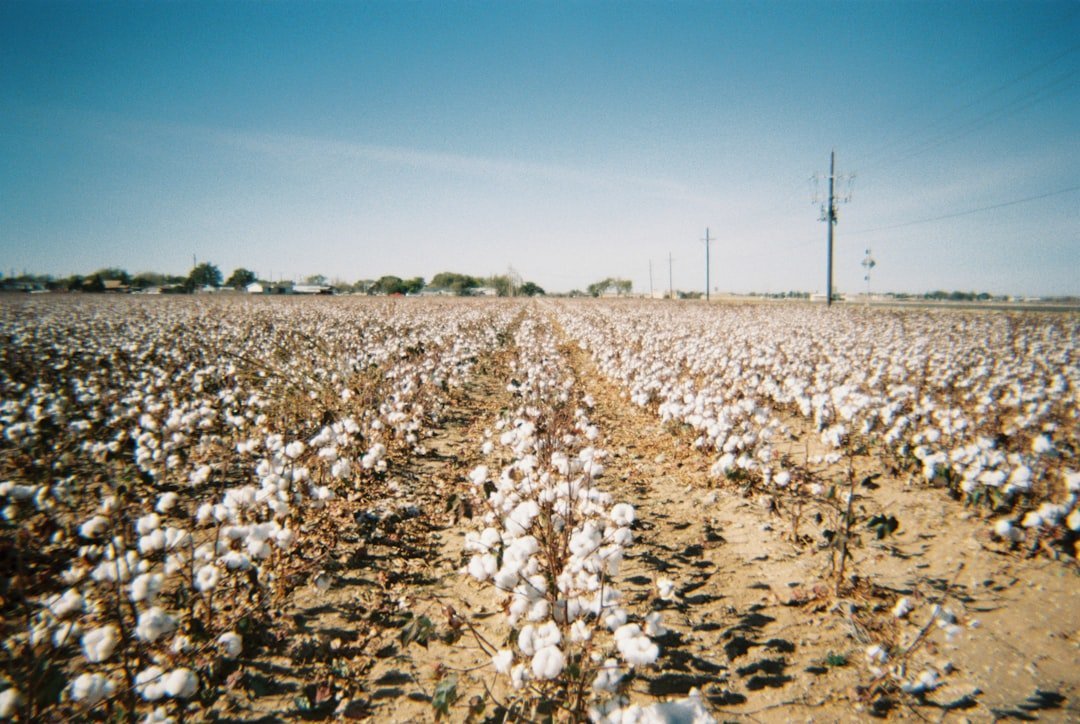
This isn’t about nostalgia or romanticizing the past. Let’s be real. Mississippi’s history is complicated, painful, and often brutal. Yet somehow, from that very soil, from those cotton fields and dusty crossroads, came the sounds, the struggles, and the stories that defined what it means to be American. Not the polished version we like to tell ourselves. The real one. The one that hurts and heals at the same time.
Where the Soundtrack of a Nation Was Born

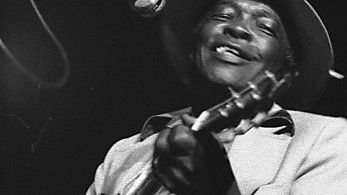
The blues was born in the Mississippi Delta, a stretch of land that doesn’t look like much on a map. Flat. Hot. Unforgiving. Yet it was here that Delta blues was born – a genre that has influenced rock and roll, rap, and so much more.
This wasn’t just another regional music style. The music called the blues that emerged from Mississippi has shaped the development of popular music in this country and around the world. I know that sounds like hyperbole, but here’s the thing: every guitar riff you’ve ever loved, every soulful vocal run, every hip-hop beat that hits different, traces its DNA back to those Delta fields.
Skip James, born about 1902 in rural Mississippi near Bentonia, talks about ‘rappin’ along’ in the 1920s, and about the same time ‘Big’ Willie Dixon, in Vicksburg, was writing his first song, ‘Signifying Monkey,’ a piece straight out of the age-old convention of ‘signifying’ – better known now as ‘rapping.’ Think about that. Hip-hop wasn’t invented in the Bronx. Its roots were already growing in Mississippi decades earlier.
The Place Where Courage Became Contagious
Mississippi occupies a distinct and dramatic place in the history of America’s civil rights movement. No state in the South was more resistant to the struggle for black equality. No place was more violent.
Yet precisely because of that resistance, Mississippi became the crucible. When the modern civil rights movement began in the mid-twentieth century, Mississippi had the highest percentage of African American residents in the United States and the lowest percentage of African American voters. Many civil rights activists argued that if unequal laws could be eliminated in Mississippi, they could be eliminated anywhere.
Vine-covered ruins are all that remain of Bryant’s Grocery, where 14-year old Emmitt Till was accused of whistling at a white woman in 1955. After Till’s body was recovered from the Tallahatchie River, the open-casket funeral shocked the world and sparked the American civil rights movement. That funeral was a choice. A deliberate act. His mother, Mamie Till, forced America to look. Mississippi gave the movement its moral clarity, even if it took the most horrific methods to do so.
The state would go on to witness Freedom Summer, the formation of the Mississippi Freedom Democratic Party, and the tireless work of leaders like Fannie Lou Hamer. The increase in black political participation is one of the most visible legacies of the civil rights movement. Mississippi had the country’s lowest rates of black voter registration at the beginning of the 1960s, but by the end of the decade, the combination of civil rights organizing and the 1965 Voting Rights Act had led to dramatic increases.
A River That Gave America Its Identity
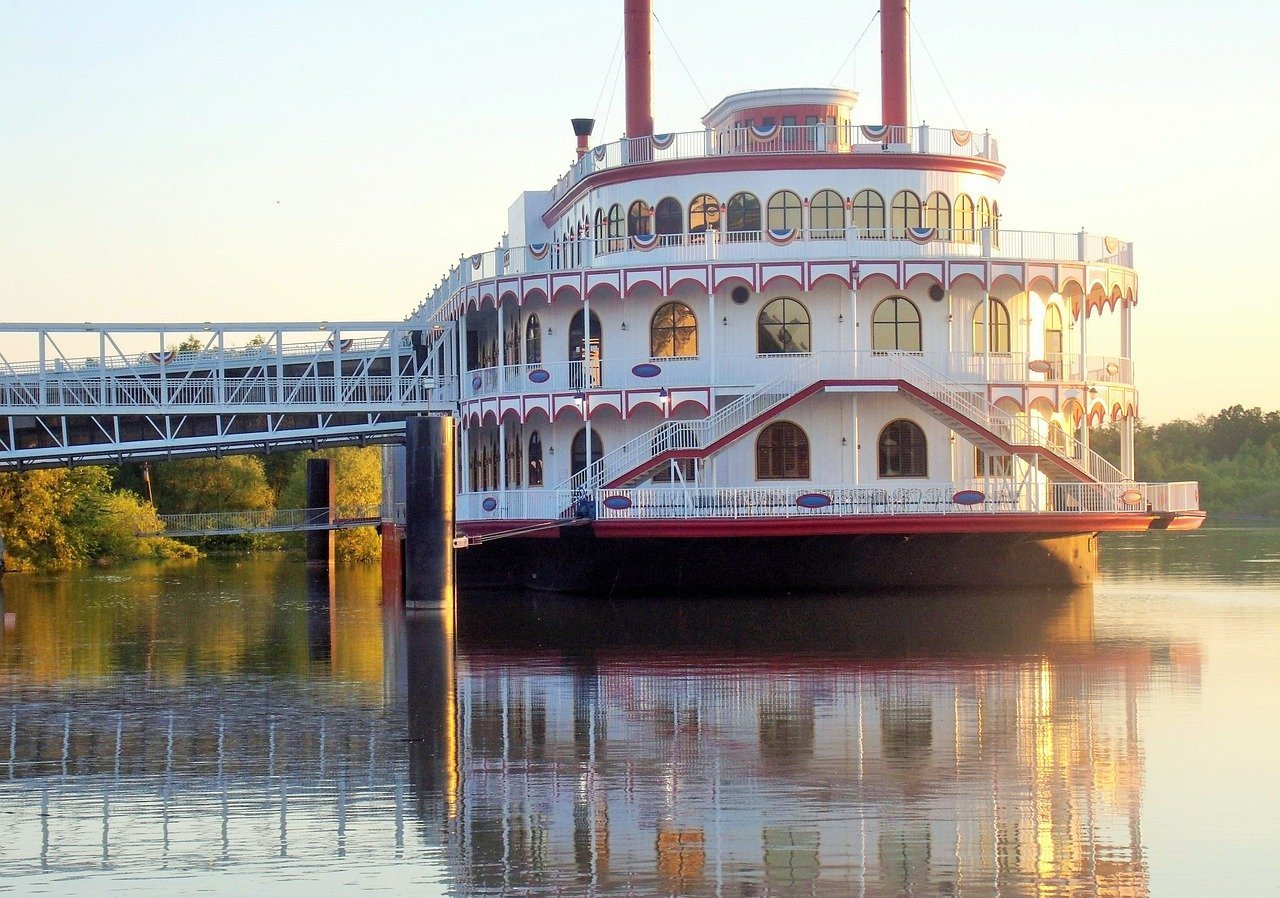
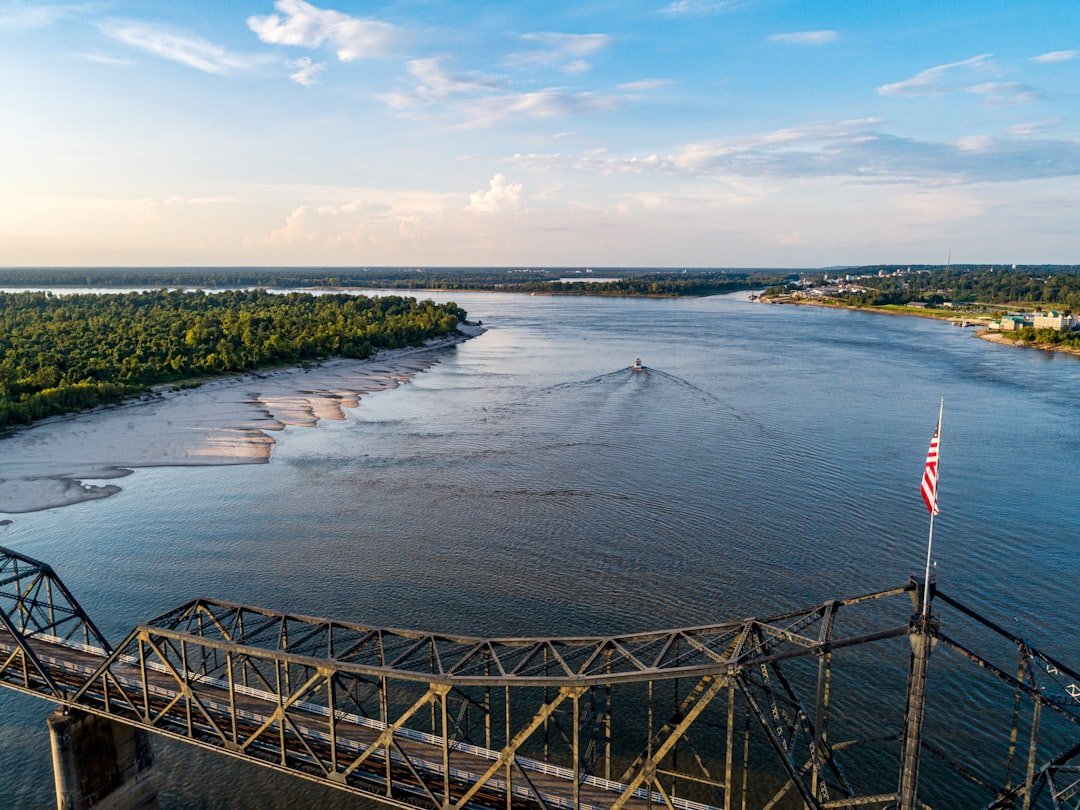
In the 19th century, during the height of manifest destiny, the Mississippi and several tributaries formed pathways for the western expansion of the United States. The river wasn’t just a waterway. It was America’s first highway, its circulatory system, the artery pumping commerce and people into every corner of the growing nation.
The river served as a natural highway for settlers moving westward, providing a means of transportation for people and goods. It was a key route for the movement of agricultural products from the Midwest to markets in the eastern United States. Cotton, grain, timber, everything that built the American economy traveled down that muddy water.
But more than trade, the river facilitated trade and commerce, connecting the interior of the country to the Gulf of Mexico. This connectivity was crucial for the economic development of the United States. Mississippi sat at the heart of that transformation. The state helped give the river its meaning, and the river, in turn, gave Mississippi a central role in the American experiment.
Stories That Forced America to Confront Itself
Mississippi’s landscapes became more than just settings. They became characters in some of the most important films and literature America has ever produced. These films, set against the backdrop of Mississippi’s rich cultural history, have left a deep mark on the world of cinema, transcending genres and breaking new ground with their innovative storytelling and artistic mastery.
Films like ‘Mississippi Burning’ and ‘The Help’ weren’t just entertainment. Based on the true events of the 1964 Mississippi civil rights workers’ murders, Mississippi Burning is a gripping study of racial tensions and the fight for justice in America’s Deep South, giving viewers a hauntingly realistic depiction of the state’s dark past. Through its intense story and exceptional performances, Mississippi Burning remains an indelible portrayal of a pivotal moment in American history.
The state’s writers, too, understood this. Mark Twain’s ‘Life on the Mississippi’ captured not just the river but the entire cultural shift happening in the nation. William Faulkner, Eudora Welty, Richard Wright – these weren’t just Mississippi writers. They were American writers who knew that to tell the American story, you had to start in Mississippi. The grit. The contradictions. The beauty and the ugliness side by side.
Authenticity as the Greatest Export
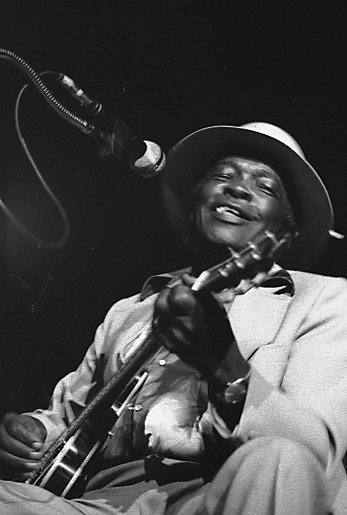
Here’s where Mississippi did something unusual. Mississippi blues acted as a driving force and symbol for overcoming. The ground-breaking genre became the first African American guitar-dominated music to become recorded on phonographs. The state didn’t try to package its culture for mass consumption. It just lived it.
That raw honesty became contagious. Musicians didn’t polish the blues. They played what they felt. Civil rights activists didn’t soften their message. They spoke the truth, even when it was dangerous. Storytellers didn’t fictionalize the pain. They documented it.
And somehow, that unvarnished truth resonated more powerfully than any carefully crafted narrative ever could. Mississippi taught America that authenticity cuts deeper than perfection. That real stories, with all their rough edges and uncomfortable truths, are the ones people remember.
Conclusion
When you trace the threads of American music, you end up in a Mississippi juke joint. When you study the Civil Rights Movement, you find yourself standing on Mississippi soil. When you want to understand how America expanded, you follow the Mississippi River. When you need stories that tell the truth about who we are as a nation, you turn to the writers and filmmakers who drew from Mississippi’s deep well of experience.
Mississippi didn’t ask to be the birthplace of so much American identity. It just was. The state gave America its sound. It forced the nation to reckon with its conscience. It provided the infrastructure for westward growth. It offered the settings and stories that helped the country understand itself.
So when America needed its music, its moral awakening, and its most honest stories, where did it all start? You already know the answer. What do you think shaped your own understanding of America? Tell us in the comments.

Besides founding Festivaltopia, Luca is the co founder of trib, an art and fashion collectiv you find on several regional events and online. Also he is part of the management board at HORiZONTE, a group travel provider in Germany.
