
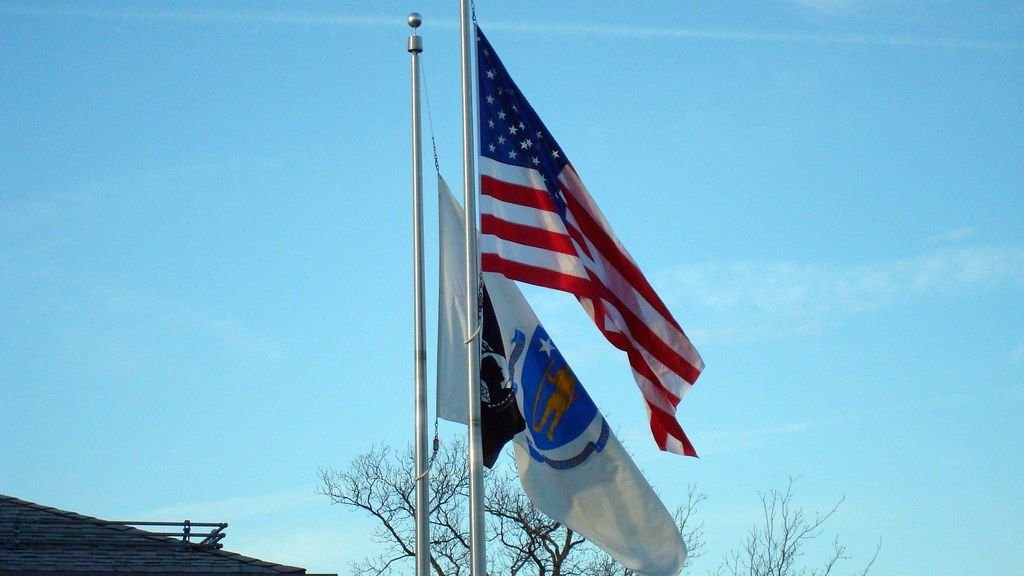

Think about every American Revolution movie you’ve ever watched. The cobblestone streets, the colonial architecture, the town squares where history changed direction. There’s a good chance you were looking at Massachusetts, even if you didn’t realize it. This state isn’t just a footnote in American history. It’s the opening chapter, the spark, the moment when ordinary people decided an empire could be challenged.
Right now, in 2026, Massachusetts is commemorating the 250th anniversary of the battles that led to American independence, and it feels like the entire state is remembering what made it matter in the first place. Let’s dive in.
The Revolution Didn’t Begin With Ideas – It Began in the Streets
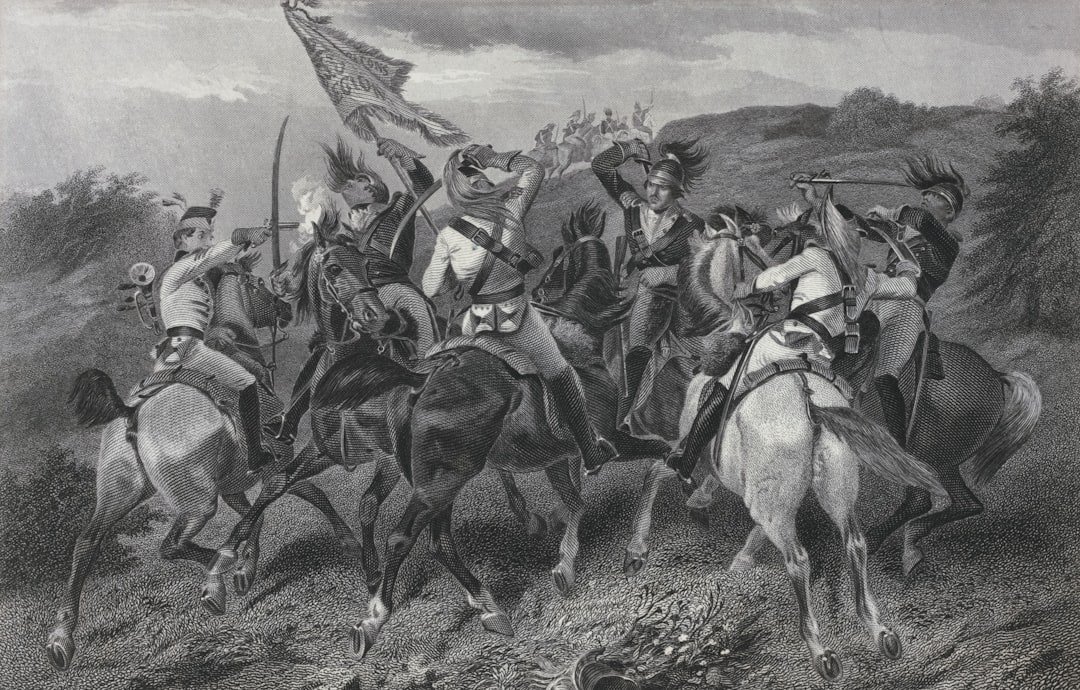
Here’s the thing about the American Revolution: it didn’t start with philosophers debating freedom in comfortable drawing rooms. The first protests against English rule in the Colonies happened in Massachusetts, as did the first battles of the Revolutionary War. We’re talking about real streets, real harbors, real people who had enough.
The idea that citizens could stand up to the most powerful empire on Earth and actually win? That started right here. The opening shots at the Battles of Lexington and Concord initiated a new order in Massachusetts, and suddenly revolution wasn’t just theory anymore.
Picture this: April 19, 1775. Farmers and shopkeepers grabbing their muskets. Massachusetts contributed more soldiers to the Army than any other colony, with soldiers from Massachusetts fighting in nearly every significant battle. They weren’t professional warriors. They were everyday people who believed something bigger was possible.
Harvard Wasn’t Just a School – It Was a Blueprint
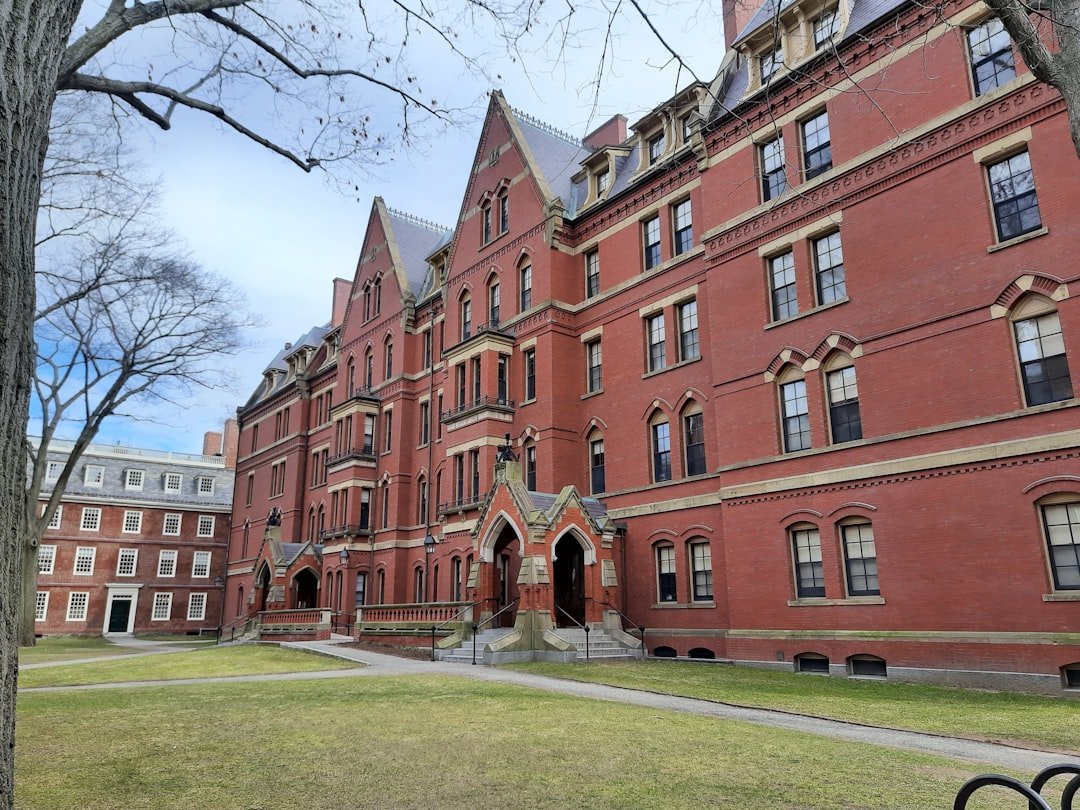
Harvard is the oldest institution of higher education in the United States, established in 1636. Think about that for a second. Before the country even existed, Massachusetts was already building the framework for how America would educate its leaders.
Harvard College was the first institution of higher education in North America and marked Massachusetts as the intellectual center of the New World. This wasn’t just about producing clergy, though that was the original goal. Harvard strove to provide a course in philosophy and the liberal arts suitable either for general education or as a basis for entering one of the professions.
Honestly, the ripple effect is hard to overstate. By the 1870s, two-fifths of heads of large New England textile firms and half the directors of Boston’s biggest banks and insurance companies were Harvard men, with law, medicine, politics, and academia also dominated by the institution. The model for elite American education, for better or worse, was forged right here.
A 2024 study found that Harvard alumni were unusually dominant among the most successful and influential Americans, and a 2025 study discovered Harvard alumni are massively overrepresented among the global elite. Massachusetts created an educational powerhouse that still shapes American leadership today.
When Hollywood Shows America’s Beginning, It Shows Massachusetts
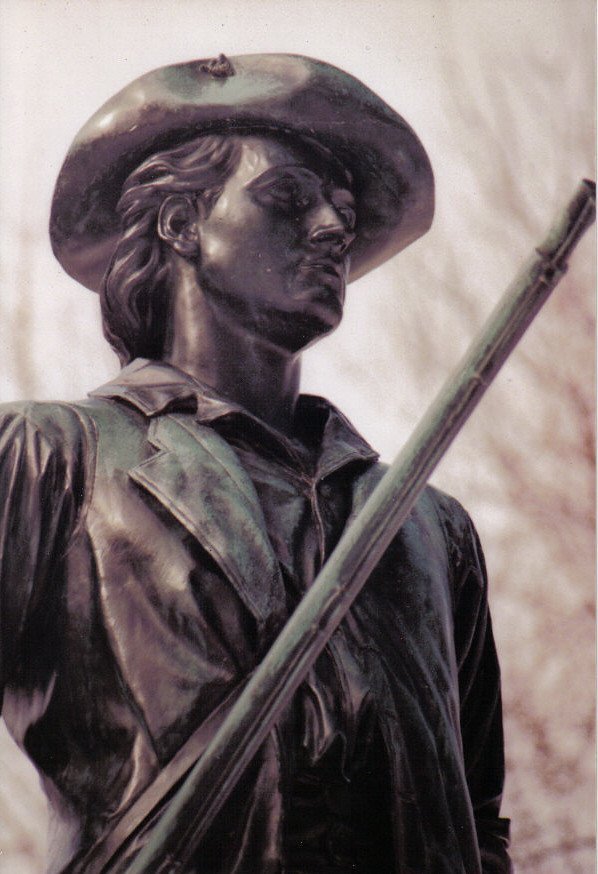
Ever wonder why Revolutionary War films all look the same? Because they’re filming the same places. Ralph Waldo Emerson immortalized the North Bridge Fight as ‘the shot heard round the world,’ and at this site stands Daniel Chester French’s well-known The Minute Man statue of 1874.
Boston, Lexington, and Concord became the visual vocabulary for America’s founding story. The Concord Museum contains Revolutionary War artifacts including the ‘one, if by land, and two, if by sea’ lantern, immortalized by Longfellow’s Paul Revere’s Ride. These aren’t just tourist sites; they’re the actual backdrop directors reach for when they want to capture the birth of a nation.
Ken Burns and Sarah Botstein have an upcoming documentary film The American Revolution which will be released in the Fall of 2025. Guess where much of it focuses? Massachusetts locations have become synonymous with the American origin narrative itself, repeated in documentaries, feature films, and educational programs for generations.
Innovation Started as a Mindset, Not Just Technology

Massachusetts didn’t just rebel against political authority. It rebelled against the idea that things had to stay the way they were. Massachusetts is a state of firsts: the first shot of the American Revolution, the first public school, park, and library, the first state constitution.
The idea that thinking, experimenting, and inventing could drive progress became deeply embedded in the Massachusetts identity. This wasn’t about manufacturing widgets; it was about normalizing intellectual risk. You could challenge established wisdom and create something new, whether that was a political system, an educational model, or a scientific breakthrough.
A skilled and resilient labour force, combined with a powerful research-oriented higher-educational system and innovative venture capitalists, brought Massachusetts back to economic health, and it became a leader in biotechnology and the information revolution in the 1990s. The mindset planted centuries ago kept bearing fruit.
Town Halls and Public Debate Became the Democracy Laboratory
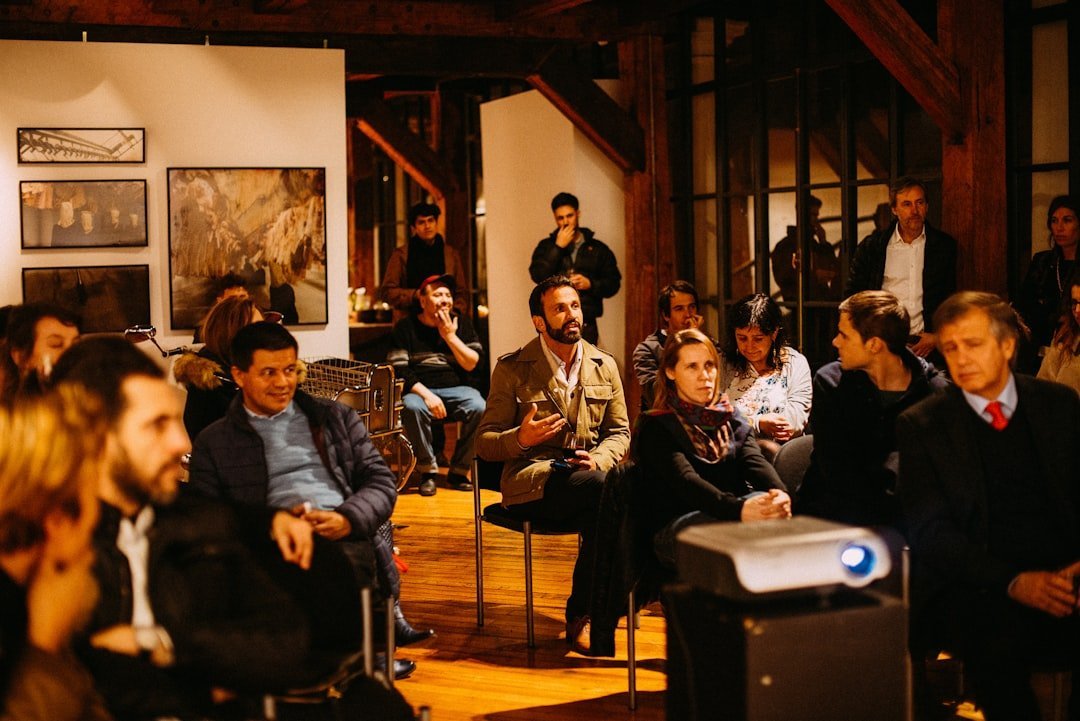
Here’s something that gets overlooked: Massachusetts created the template for how Americans think democracy should work at the local level. Town halls weren’t just buildings. They were where regular citizens hashed out decisions, debated policy, and held their leaders accountable.
The idea of civic responsibility, of showing up and having your say, became part of the cultural DNA. Two hundred fifty years ago, the people of what is now Massachusetts took a stand for liberty, equality, civil rights, and responsible citizenship. These weren’t abstract concepts. They were practiced in real time, in real communities.
Massachusetts normalized the idea that government wasn’t something distant and untouchable. It was something you participated in, argued about, and shaped through direct involvement. That model of grassroots democracy spread across the entire country, influencing how Americans understand their relationship to power.
Why This Still Matters in 2026
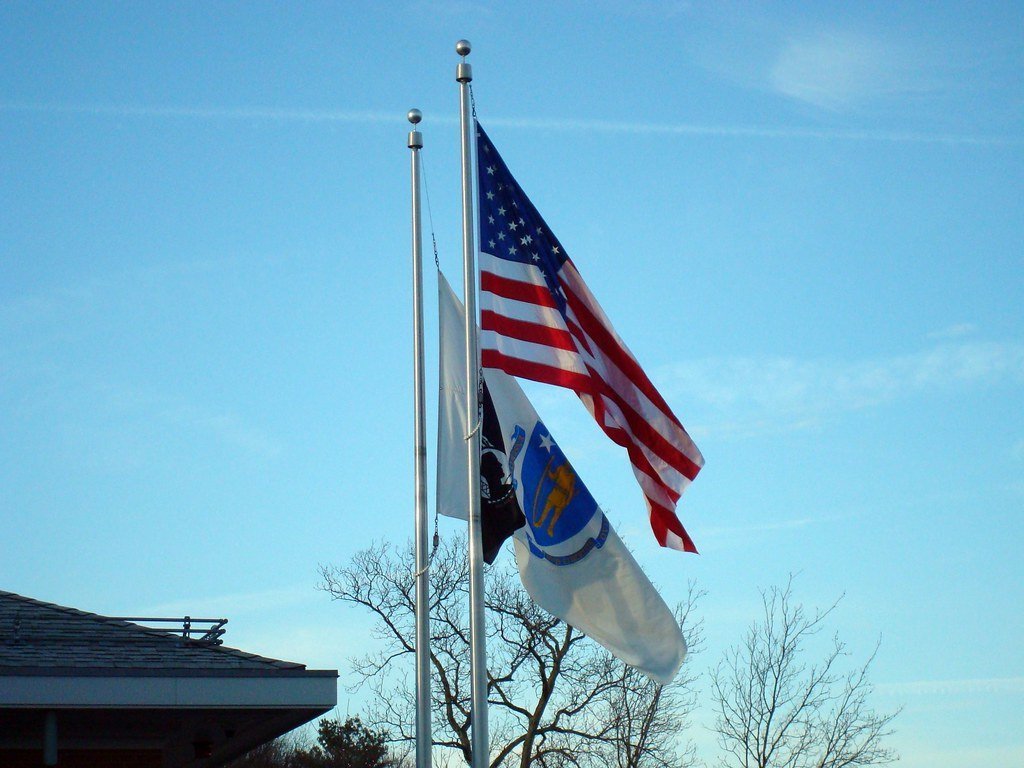
It’s easy to dismiss historical pride as nostalgia or regional boasting. Massachusetts definitely has its share of that. Yet there’s something more substantial happening when you look at how this one state shaped the nation’s foundational ideas about rebellion, education, innovation, and civic life.
Massachusetts has always been at the forefront of America and the ways it dreams, and as the state marks the 250th anniversary of the country’s independence, it’s inviting Americans and the world to experience the history made and continuing to be made. The legacy isn’t frozen in amber. It’s still unfolding.
Every time Americans challenge authority, value education as a path to leadership, tell their origin story through Massachusetts imagery, push intellectual boundaries, or show up to a town hall meeting, they’re tapping into patterns established here. Massachusetts residents have foundational reasons to feel proud because their state didn’t just participate in American history. It wrote the first draft, set the tone, and created the roadmap others followed. What do you think about it? Did Massachusetts shape more of America than you realized?

Besides founding Festivaltopia, Luca is the co founder of trib, an art and fashion collectiv you find on several regional events and online. Also he is part of the management board at HORiZONTE, a group travel provider in Germany.
