

- 12 Historical Events You Won’t Believe Happened At The Same Time - April 3, 2026
- Top 10 Virginia Destinations for Music Lovers - April 3, 2026
- 15 Scenic Spring Destinations in Virginia - April 3, 2026
Some states quietly watch history pass by. Maryland doesn’t do that. Despite its small footprint, this mid-Atlantic state has given America some of its most powerful symbols, its most enduring traditions, and a few hard truths it didn’t always want to hear. From national anthems to military culture, from federal power to unflinching television, Maryland has repeatedly punched far above its size.
When you see the massive flag flying over Fort McHenry, the one that inspired Francis Scott Key in September 1814, you’re looking at the birthplace of America’s national anthem. Let’s be real, most people can barely hum past the first line. Yet that song started right here. That moment of defiance under fire became the soundtrack to every ball game, every ceremony, every moment when the country tries to remember who it’s supposed to be.
The Moment That Gave America Its Anthem
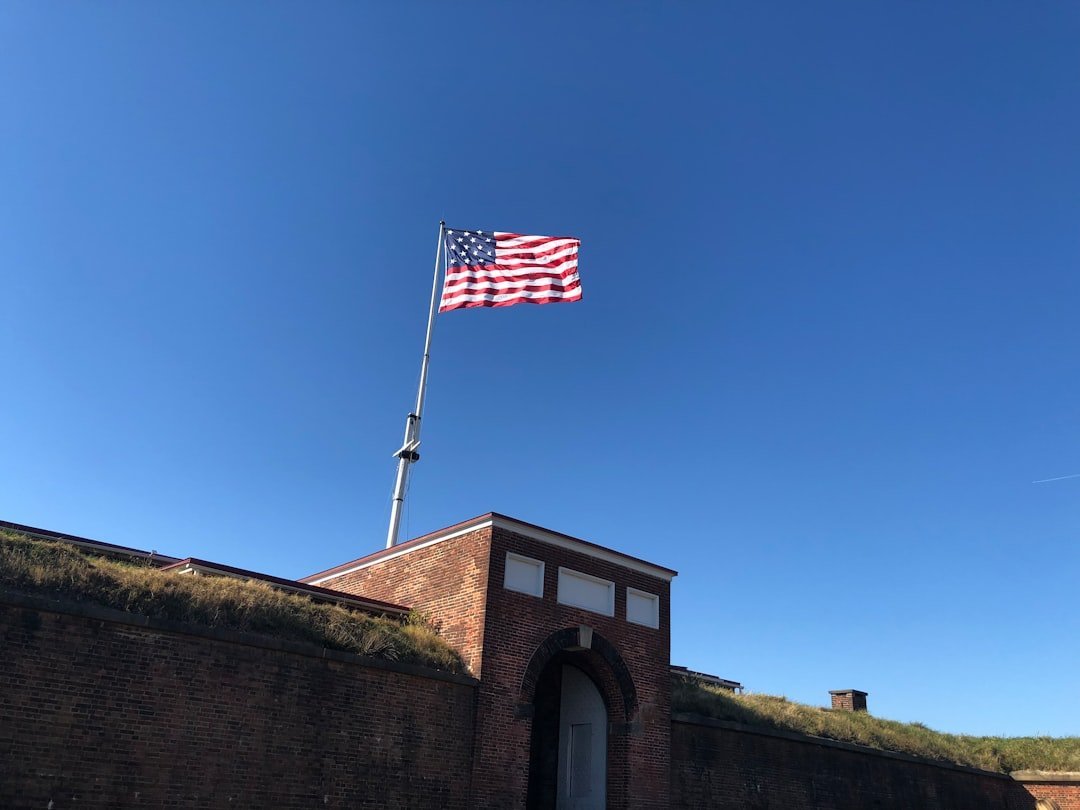
After twenty-five hours of heavy bombardment by the British, Key was certain that by dawn, the British flag would be flying over Baltimore. Picture that uncertainty, the chaos, the fear. When Key saw the large flag still flying over Fort McHenry on the morning of September 14, he knew the fort held.
Upon seeing the American flag still aloft, Key wrote the first verse of what would eventually become the national anthem on the back of a letter. That scribbled poem wasn’t polished. It was raw emotion translated into words that somehow captured resilience itself. Within weeks, Key’s poem, now called ‘The Star-Spangled Banner,’ appeared in print across the country, immortalizing his words and forever naming the flag it celebrated.
The song remained popular throughout the 1800s and was often played at military ceremonies, but it wasn’t until 1931 when Congress passed the bill making it the national anthem. Nearly 120 years after it was written, America finally made it official. Maryland provided the moment. The rest of the country just caught up.
Where Naval Leaders Learn to Lead
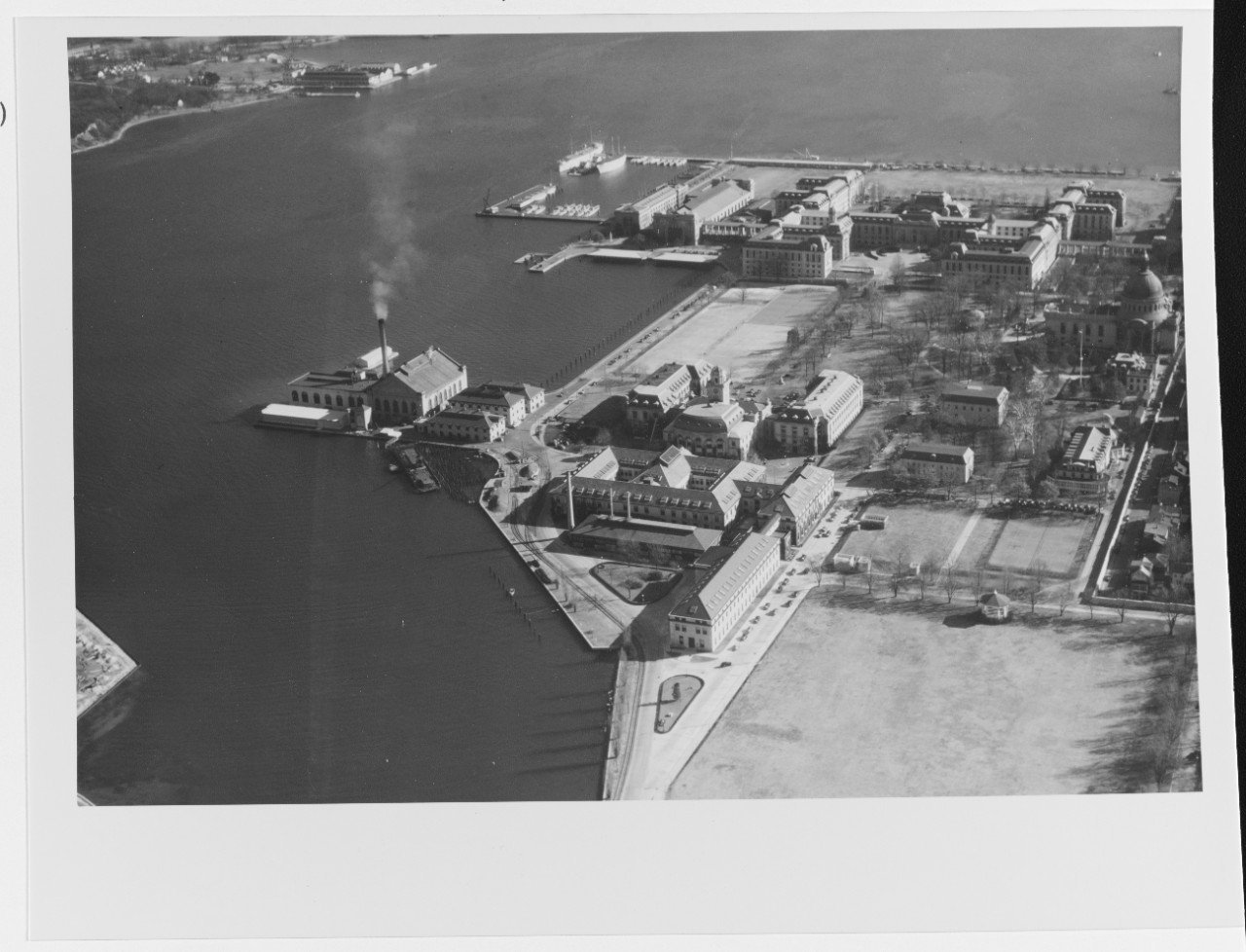
The United States Naval Academy was established on October 10, 1845, by Secretary of the Navy George Bancroft at the former Fort Severn in Annapolis, Maryland, with a class of 50 midshipmen and seven professors. It started small. Bancroft chose Fort Severn, an unused Army post in Annapolis, as the Academy’s first home because it was quiet, secure, and close enough to Washington D.C.
The Academy soon became the near-sole supplier of officers to the fleet, and a new generation was educated there, steeped in new technology and fired in the crucible of war to lead the sea service into the 20th century. The academy didn’t just train sailors. It shaped the entire culture of American naval power. Discipline, honor, leadership under pressure. These weren’t abstract ideals; they were hammered into young officers on Maryland soil.
The Naval Academy has been training officers for the U.S. Navy and the Marine Corps since 1845 in the heart of Annapolis. Generations of admirals, strategists, and warriors walked those grounds. When America needed to project strength across oceans, Maryland gave it the institution that made that possible.
Right Next Door to Power
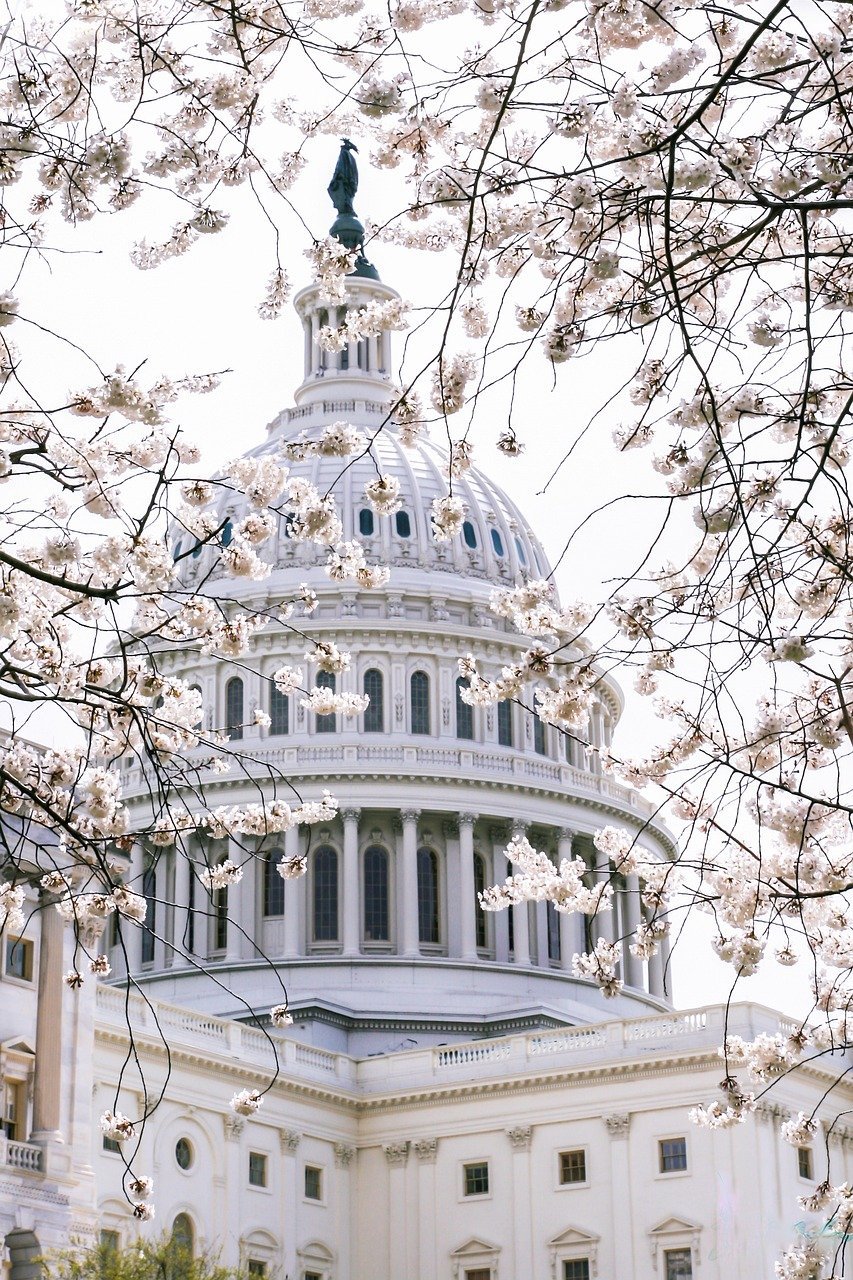
In December 1790, Maryland donated land selected by President George Washington to the federal government for the creation of the national capital along the north shore of the Potomac River from Montgomery and Prince George’s counties. Maryland literally gave up part of itself to create Washington, D.C. That proximity has defined both places ever since.
Maryland’s economy benefits from the state’s proximity to the federal government in Washington, D.C., with an emphasis on technical and administrative tasks for the defense and aerospace industry, bio-research laboratories, and staffing of satellite government headquarters in the suburban areas. Honestly, it’s hard to overstate how deeply intertwined Maryland is with the machinery of American governance.
With the onset of U.S. involvement in World War II, the federal government purchased 437 acres of farm and dairy land in Suitland, Maryland, just outside Washington, DC to house the bureaucracy required to support the war effort. When the country needed space to organize, strategize, and administer its way through global conflict, it turned to Maryland. The state became an extension of federal power, a place where policy became reality.
Baltimore and the Birth of Brutal Television Realism
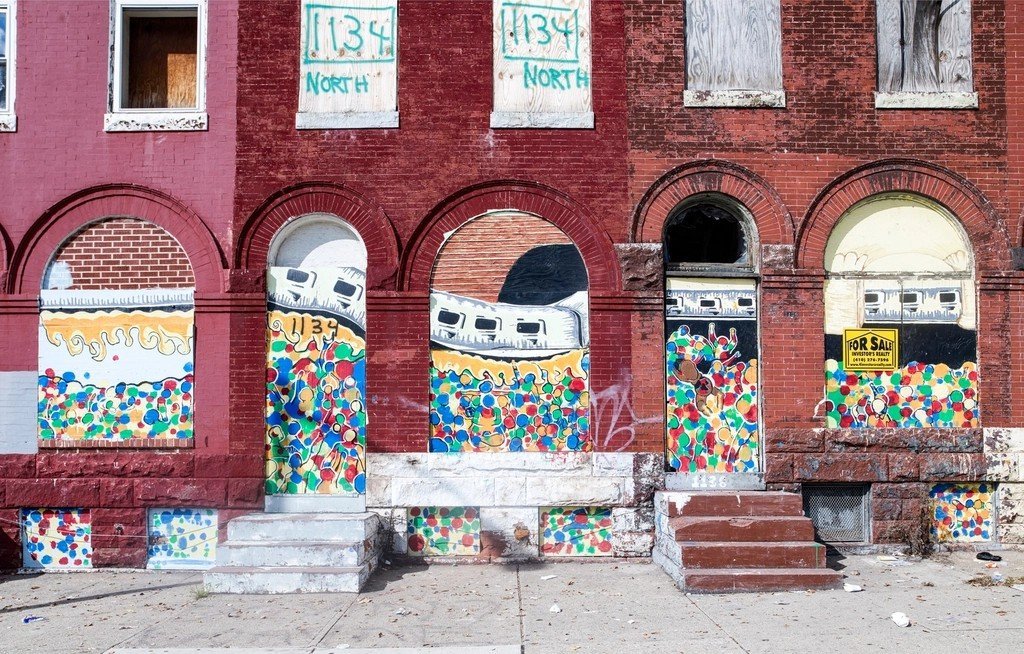
The Wire, created by former police reporter David Simon for HBO, premiered on June 2, 2002, and was set and produced in Baltimore, Maryland, introducing a different institution of the city and its relationship to law enforcement in each season. This wasn’t your typical cop show. Before The Wire, TV shows offered a simplistic portrayal of crime where police and lawyers are always good and criminals are always evil, and this show helped shift that approach.
The Wire is considered by critics as one of the best shows ever made because of its unique portrayal of systemic dysfunction in American civic institutions and its realistic depiction of Baltimore’s society. It didn’t flinch. It showed corruption, failure, and the grinding machinery of systems that chew people up regardless of which side they’re on. Central to the show’s aim for realism was the creation of truthful characters, with Simon stating that most of them are composites of real-life Baltimore figures.
Two decades after its debut, The Wire continues to set the gold standard for television excellence, and its unflinching portrayal of institutional dysfunction, complex character studies, and masterful storytelling techniques have influenced virtually every prestige drama that followed. Baltimore became synonymous with a new kind of storytelling. Gritty, honest, sometimes uncomfortable. Maryland gave American television a mirror it didn’t always want to look into.
Leading the Fight for the Bay
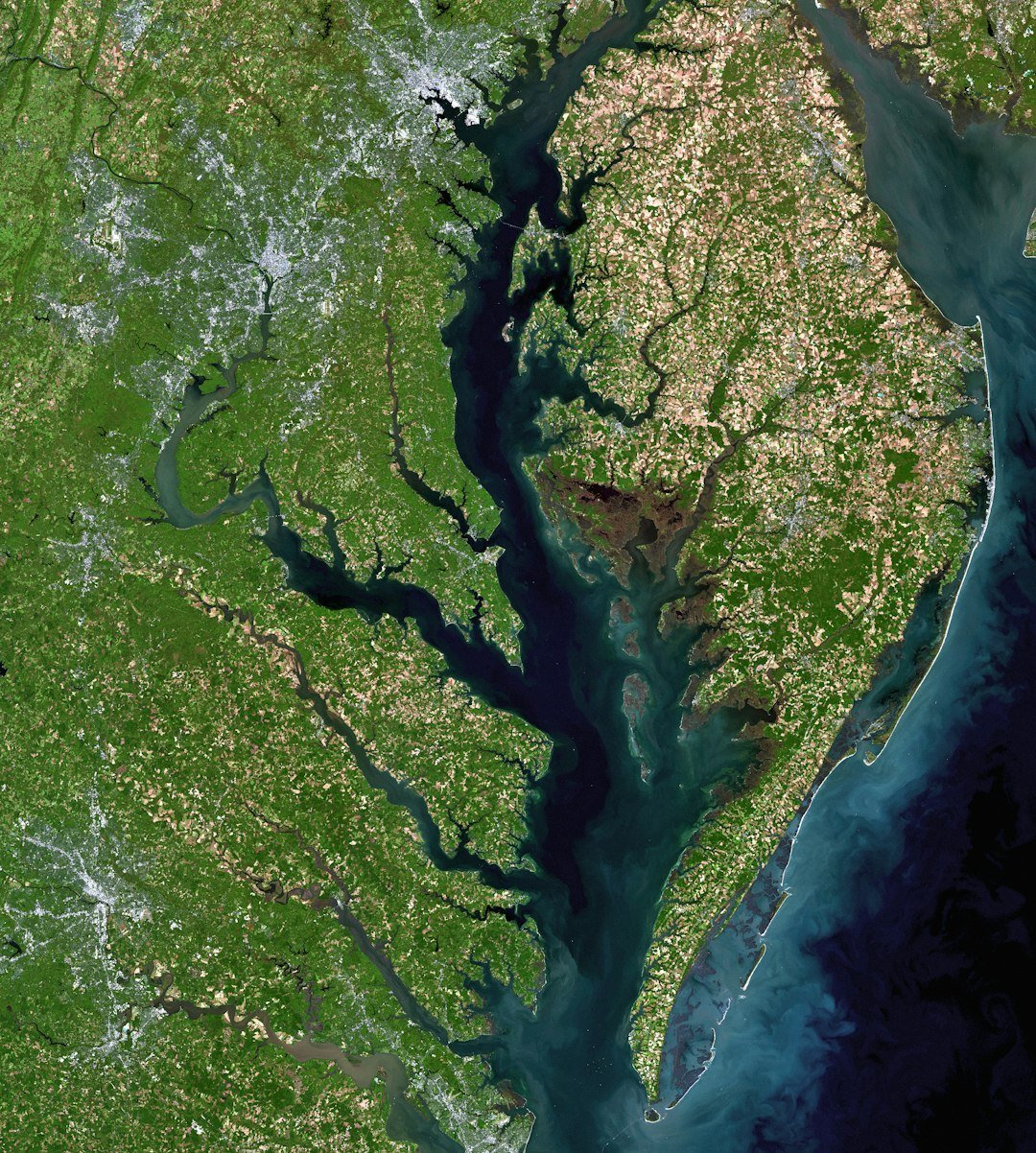
The Chesapeake Bay Program is a unique regional partnership of seven jurisdictions that has led and directed the restoration of the Chesapeake Bay since 1983. Maryland sits right at the heart of that effort. Maryland has been and continues to be a leader in Bay restoration, and has the most to gain from a successful Chesapeake Bay restoration effort.
In 2010, the EPA established the landmark Chesapeake Bay Total Maximum Daily Load, a federal pollution diet that sets limits on the amount of nutrients and sediment that can enter the Bay and its tidal rivers to meet water quality goals. This wasn’t just environmental regulation. It was Maryland pushing a national conversation about shared resources, about the responsibility we have to the ecosystems we depend on.
The Chesapeake Bay Program is renowned as a regional, national and international leader in ecosystem science, modeling and restoration partnerships, and the Chesapeake 2000 agreement was considered the most comprehensive large-scale ecosystem restoration blueprint in the nation. Maryland helped write the playbook for how America approaches water quality and environmental stewardship. When other regions face similar challenges, they look to the Bay restoration model. That started here.
A Legacy That Echoes
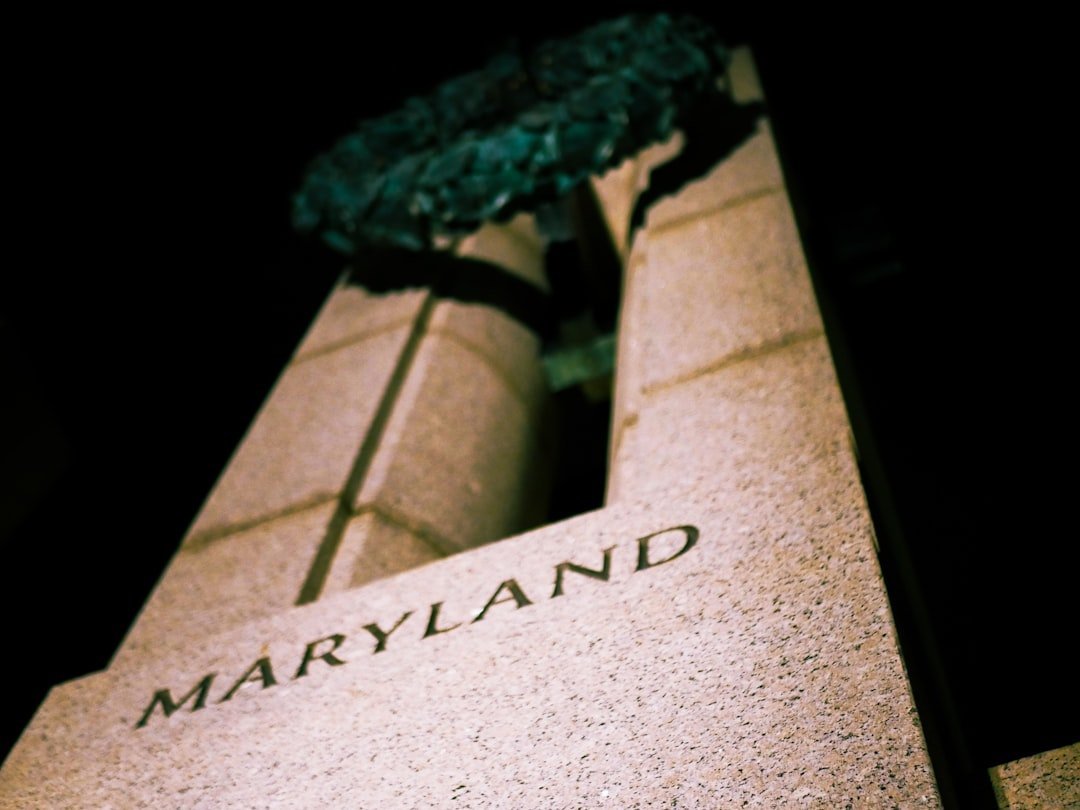
When you strip away the mythology and the polished narratives, Maryland’s contributions are remarkably concrete. A song that defines national identity. A military academy that shaped generations of leaders. Geographic proximity that made the state inseparable from federal governance. A television show that redefined how America sees its cities and systems. An environmental restoration effort that became a global reference point.
Maryland didn’t wait for permission to matter. It created institutions, symbols, and ideas that the rest of the country adopted, adapted, and claimed as its own. That’s not luck. That’s impact.
When America needed a symbol of resilience, Maryland gave it an anthem. When it needed naval strength, Maryland trained its officers. When it needed honest stories about broken systems, Baltimore delivered. What do you think, does Maryland get the recognition it deserves, or does history still owe this small state a bigger spotlight?

Besides founding Festivaltopia, Luca is the co founder of trib, an art and fashion collectiv you find on several regional events and online. Also he is part of the management board at HORiZONTE, a group travel provider in Germany.
