
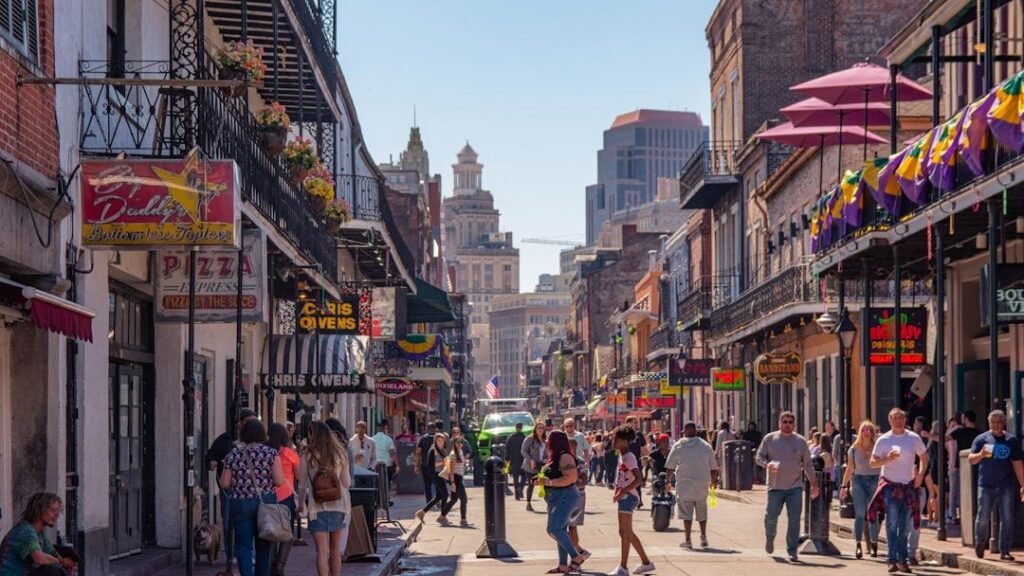

You’ve probably never thought about this. Most people haven’t. Louisiana isn’t just another state on the map, tucked somewhere between Texas and Mississippi. It’s something far more powerful. It’s the creative engine that quietly shaped the way the entire country expresses itself. Jazz didn’t come from nowhere. Creole cooking didn’t just happen. The idea of throwing a citywide party that lasts for weeks wasn’t pulled from thin air. These things started in Louisiana, grew there, and eventually spread outward until America couldn’t imagine life without them.
Here’s the thing. When you listen to rock and roll, blues, or even hip hop, you’re hearing echoes of something that started on Louisiana street corners. When you order jambalaya or gumbo at a restaurant halfway across the country, you’re tasting a tradition that was forged in Louisiana’s unique melting pot of cultures. When cities throw festivals or parades hoping to capture some magic, they’re borrowing from Louisiana’s playbook. Louisiana residents have every reason to feel proud, because what they created didn’t just stay local – it became America’s soundtrack, flavor, and heartbeat.
The Rhythm That Became America’s Heartbeat
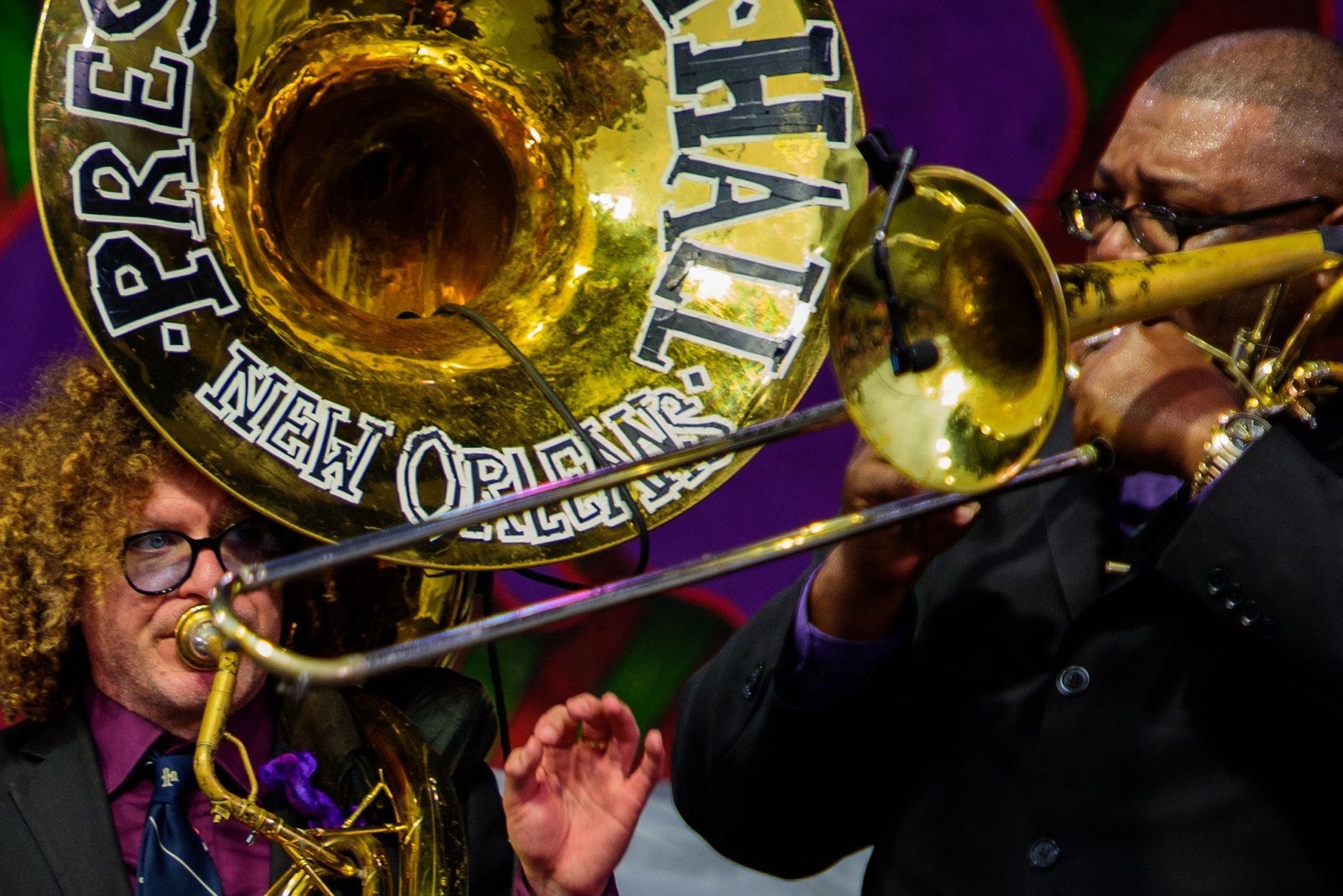
New Orleans is the birthplace of jazz. That sentence carries more weight than most people realize. Before jazz, American music was mostly structured, formal, and imported from Europe. Then Louisiana musicians took sounds from African drumming traditions, French opera, Caribbean rhythms, and the blues, threw them all together, and created something entirely new.
Musicians in New Orleans took the music they heard at home, in church and in barrooms, put it all together, and created a new sound. Musicians added the touchstone ingredient of improvisation to produce something completely new. This wasn’t just a new genre. It was a whole new way of thinking about music – spontaneous, emotional, alive.
Think about this for a moment. Nearly every popular music form that followed owes something to jazz. Wherever the musicians went, they played, and the sound stuck, later evolving on its own into differentiated styles in Chicago, New York, Kansas City, and West Coast cities – the original jazz idiom started in New Orleans, and it spread. Rock and roll, R&B, hip hop – they all trace their roots back to that Louisiana sound. Without jazz, American music would be unrecognizable.
Food That Tells a Thousand Stories
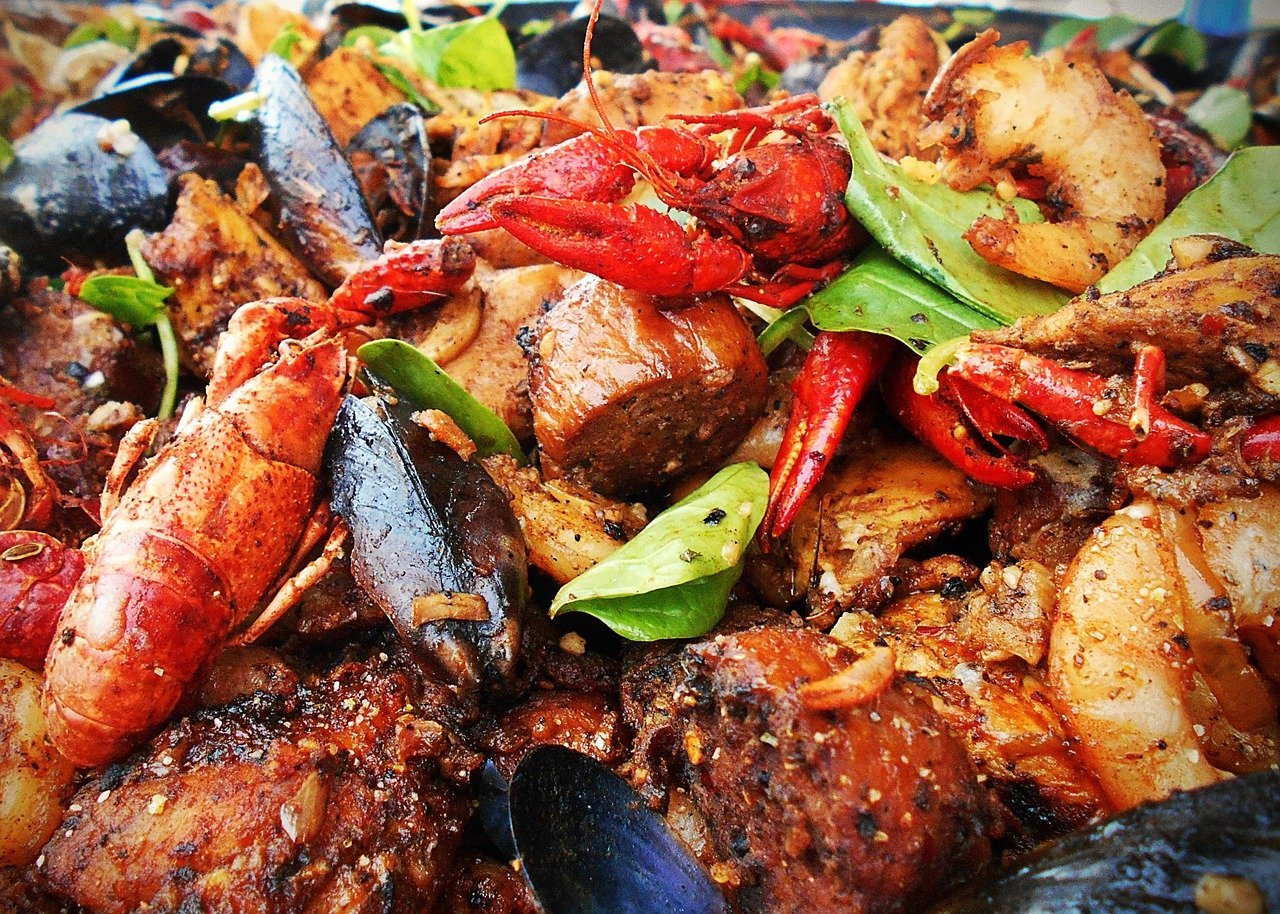
Louisiana didn’t just feed people. It created an entire culinary identity that became synonymous with American soul food. Cajun and Creole cuisine was influenced not only by Acadians and African Americans, but also Native Americans in the region. Creole food is a blend of the various cultures that found their way to Louisiana including French, Spanish, Acadian, Caribbean, West African, German and Native American, among others.
This wasn’t cooking born out of abundance. It came from necessity, resourcefulness, and creativity. Cajun cuisine began with the Acadians, French-speaking settlers forced from Canada in the 1700s who arrived in south Louisiana and relied heavily on the land – their cooking reflects that resourcefulness: practical, hearty dishes built from what was available. What started as survival food became globally recognized dishes. Gumbo, jambalaya, étouffée, crawfish boils – these aren’t just meals, they’re cultural statements.
Let’s be real, when chefs around the world try to capture bold, soulful American flavors, they turn to Louisiana. Since its rise to national prominence in the 1980s, many non-Louisianians perceive “Cajun food” to mean anything spicy and often blackened – thanks to the success of Chef Paul Prudhomme’s blackened redfish dish. Louisiana gave America permission to be adventurous with food, to mix cultures fearlessly, and to create something uniquely its own.
Where Mystery, Romance, and Danger Come to Life on Screen
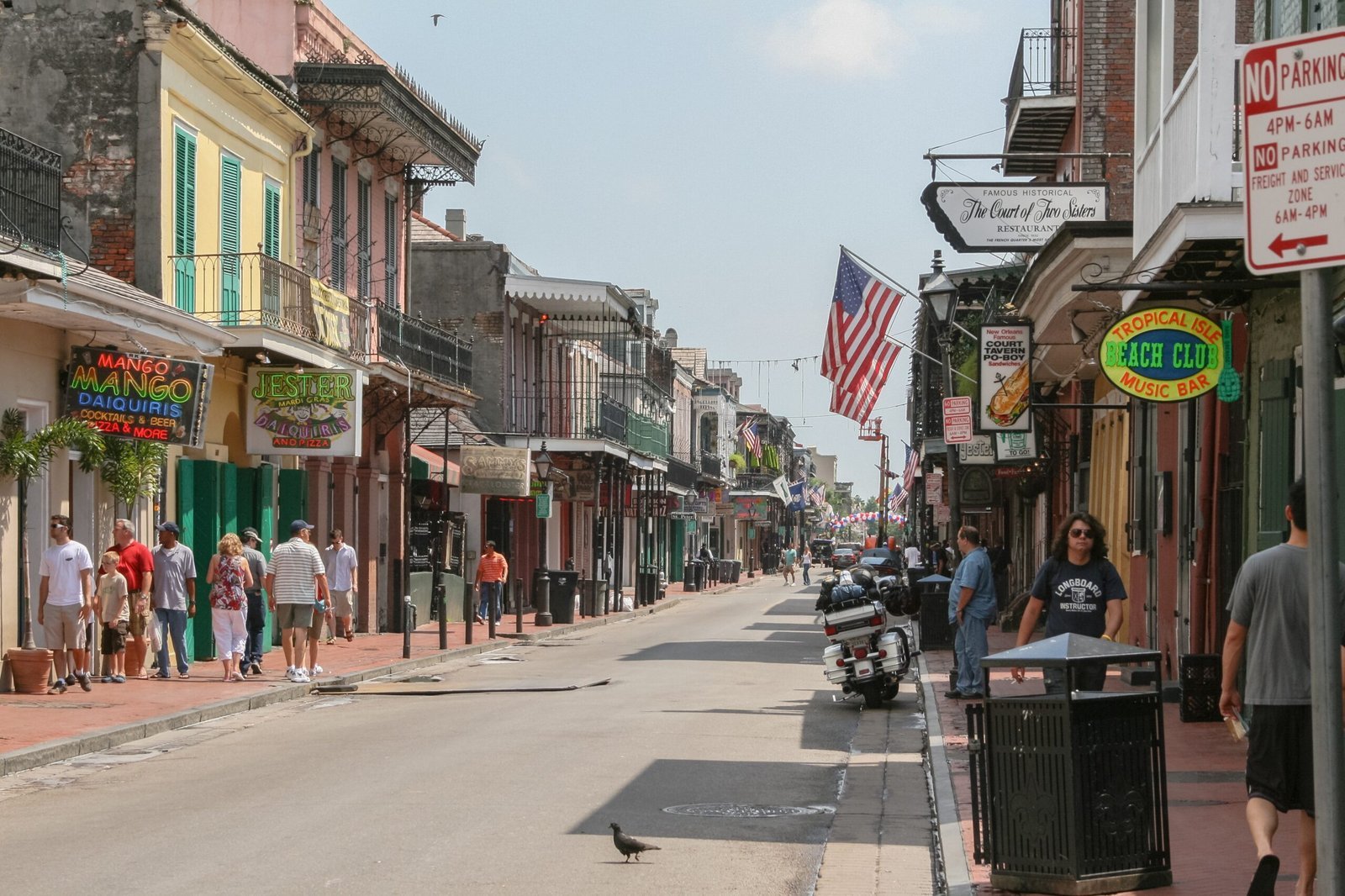
Close your eyes and picture a sultry Southern mystery. You’re probably seeing moss-draped oaks, misty bayous, wrought-iron balconies, and cobblestone streets. That’s Louisiana. With her exotic swamps and bayous, imposing plantation locations and unrivaled cityscapes, Louisiana has long been a frontrunner in the film industry.
The French Quarter is a staple New Orleans filming location for period films and historical dramas, having been featured prominently in Interview with the Vampire and The Curious Case of Benjamin Button – known for its distinct architecture, cobblestone streets, and period-perfect facades, the French Quarter offers an authentic backdrop with strong historical character. The atmosphere Louisiana provides isn’t something you can fake on a studio lot.
Directors keep coming back because Louisiana offers something intangible – a sense of place that feels alive, haunted, celebratory, and dangerous all at once. Productions such as ‘The Curious Case of Benjamin Button,’ ‘Interview with the Vampire,’ ‘AHS: Coven,’ ‘NCIS: New Orleans,’ and ‘Girls Trip’ have all been set against the backdrop of this vibrant city – its charming appeal, historical architecture, and cultural vibe have captivated filmmakers worldwide. When America needs a backdrop that feels truly cinematic, it turns to Louisiana.
The State That Taught America How to Celebrate
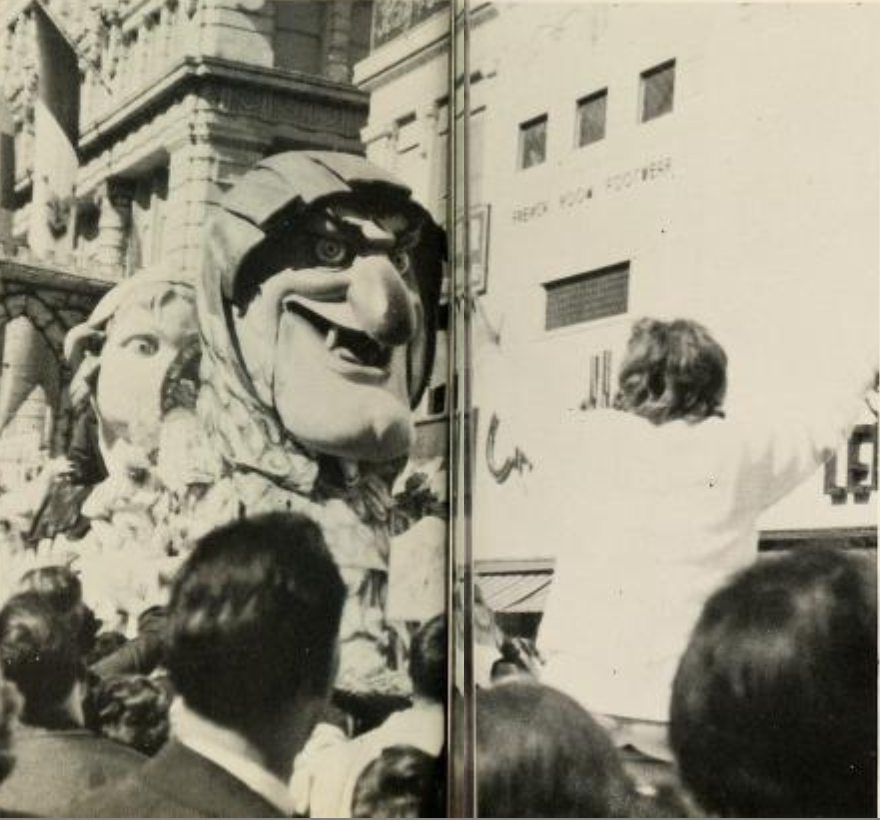
Before Louisiana, large-scale public celebrations in America were relatively tame affairs. Then came Mardi Gras. The first Mardi Gras parade held in New Orleans is recorded to have taken place in 1833 with Bernard de Marigny funding the first organized parade, tableau, and ball – the tradition in New Orleans expanded to the point that it became synonymous with the city in popular perception, and embraced by residents of New Orleans beyond those of French or Catholic heritage.
Built upon a European foundation, Mardi Gras is a multicultural festival that also reflects Louisiana’s African and Caribbean connections – although Carnival’s modern roots can be traced to twelfth-century Rome, it is believed that the medieval pre-Lenten celebration descended from the fertility rituals and seasonal events associated with earlier cultures. Louisiana took an ancient tradition and transformed it into something uniquely American – bold, colorful, joyous, and unapologetically excessive.
Think about how many cities across the country now host their own Carnival-style celebrations, parades with elaborate floats, or massive public festivals. They’re all borrowing from Louisiana’s blueprint. Krewes have remained a fixture of the Carnival scene throughout Louisiana – other lasting customs include throwing beads and other trinkets, wearing masks, decorating floats and eating King Cake. Louisiana showed America that celebration itself could be an art form, a cultural ritual, and a way of building community.
When the Water Rose, the Spirit Didn’t Break
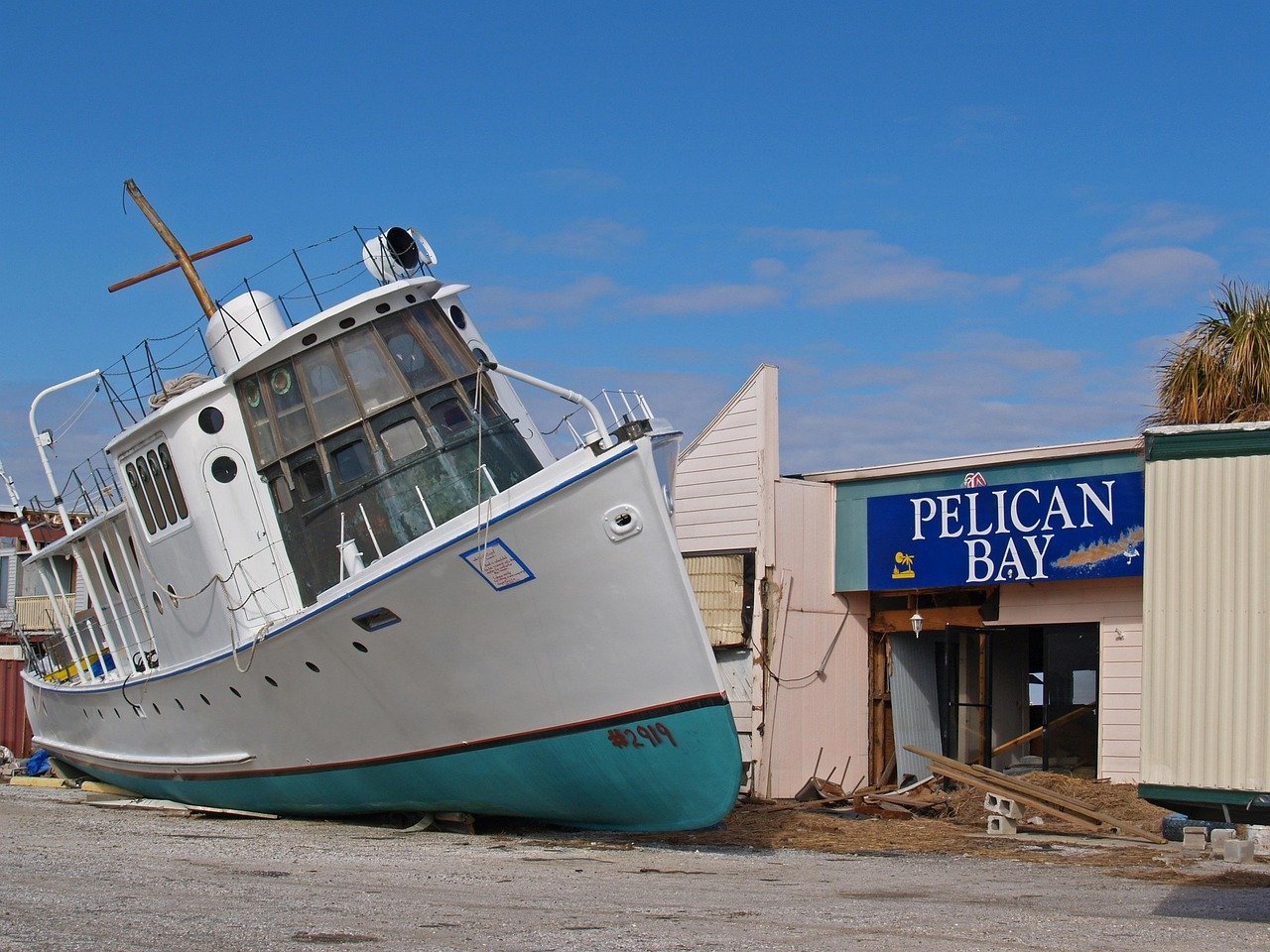
When Hurricane Katrina made landfall 20 years ago, on August 29, 2005, it was one of the most catastrophic natural disasters in U.S. history – striking southeast Louisiana as a Category 3 storm, Katrina brought devastating winds and storm surges that overwhelmed New Orleans’ levees, submerged neighborhoods, and displaced hundreds of thousands of residents. It would have been understandable if Louisiana had simply given up, if the culture had faded, if the music stopped.
That didn’t happen. Instead, Louisiana showed the entire nation what resilience actually means. As we commemorate the 20th anniversary of the storm, New Orleans stands as a living testament to resilience and the power of community-led recovery rooted in equity and conservation. Louisiana showed the nation what resilience could look like – now, we must lead again by building on what we have learned from experience.
Researchers have found a range of factors that seem to help, such as financial resources, social and cultural ties, and access to stable housing after the event, which all seem to help. The lesson wasn’t just about levees and infrastructure. It was about the power of culture to sustain people through unimaginable hardship. Louisiana proved that joy, music, food, and tradition aren’t luxuries – they’re survival tools.
Why Louisiana Deserves More Than a Footnote
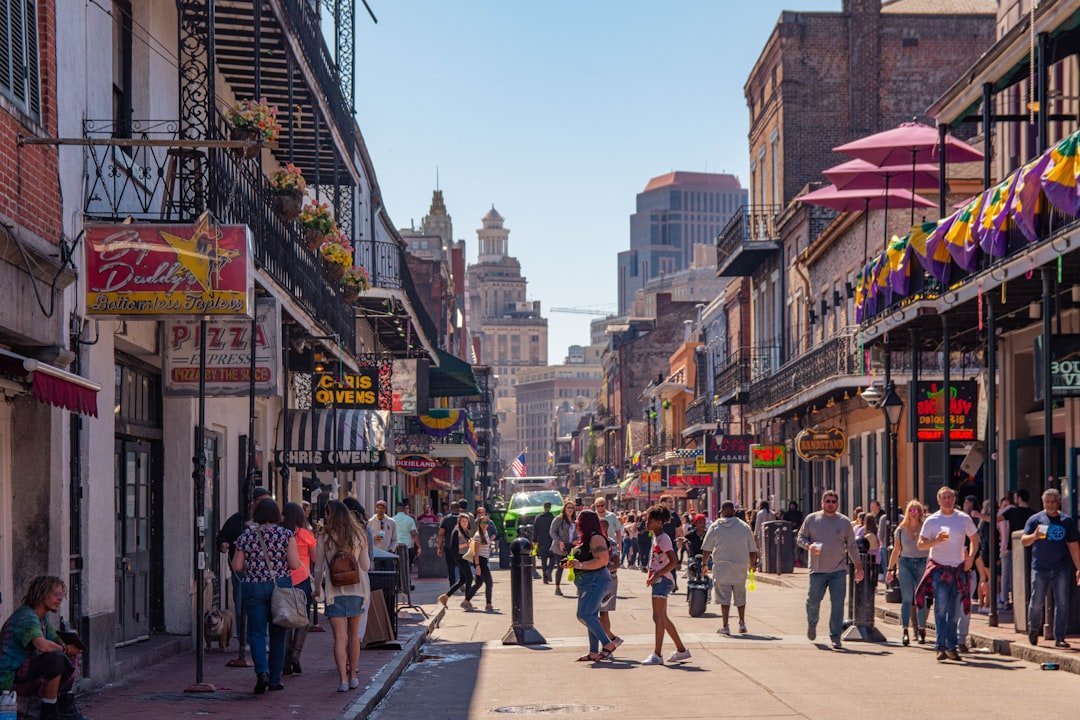
Most people think of Louisiana as a fun place to visit, grab some beignets, hear some music, and move on. That’s fine, but it misses the bigger picture entirely. Louisiana isn’t just contributing to American culture – in many ways, it invented the parts of American culture that people around the world recognize and love.
When people talk about American music, they’re really talking about something Louisiana started. When they picture Southern charm, mystery, or celebration, they’re picturing Louisiana. When they want food that feels authentic, soulful, and alive, they turn to Louisiana recipes. And when disaster struck, Louisiana showed the rest of the country what it means to rebuild with dignity and cultural pride intact.
Louisiana residents have bold reasons to feel proud because their state gave America its voice, its flavor, and its spirit. Think about where we’d be without it. What would American music sound like? What would our celebrations look like? What would our food taste like? Louisiana didn’t just participate in building American culture – it led the way. So the next time you hear jazz, taste gumbo, or watch Mardi Gras beads fly through the air, remember where it all began. It started in Louisiana, and America has never been the same.

Besides founding Festivaltopia, Luca is the co founder of trib, an art and fashion collectiv you find on several regional events and online. Also he is part of the management board at HORiZONTE, a group travel provider in Germany.
