

There’s a certain arrogance states can develop about their contributions to the nation. Texas talks endlessly about its size. California thinks it invented innovation. New York assumes culture flows from its streets.
Colorado doesn’t need to shout. The state simply changed how America plays, where it performs, how it films its dreams, and what a mountain town can become. When the rest of the country wanted to climb higher, ski faster, hear music under open skies, or watch cowboys ride across cinematic landscapes, they looked west. They found Colorado.
Where Modern Outdoor Recreation Became an American Identity
Let’s be real, outdoor recreation existed before Colorado. People hiked. They skied. They climbed rocks. The difference is that Colorado turned active recreation into a multibillion-dollar economy, and more importantly, into a lifestyle the rest of America wanted to emulate.
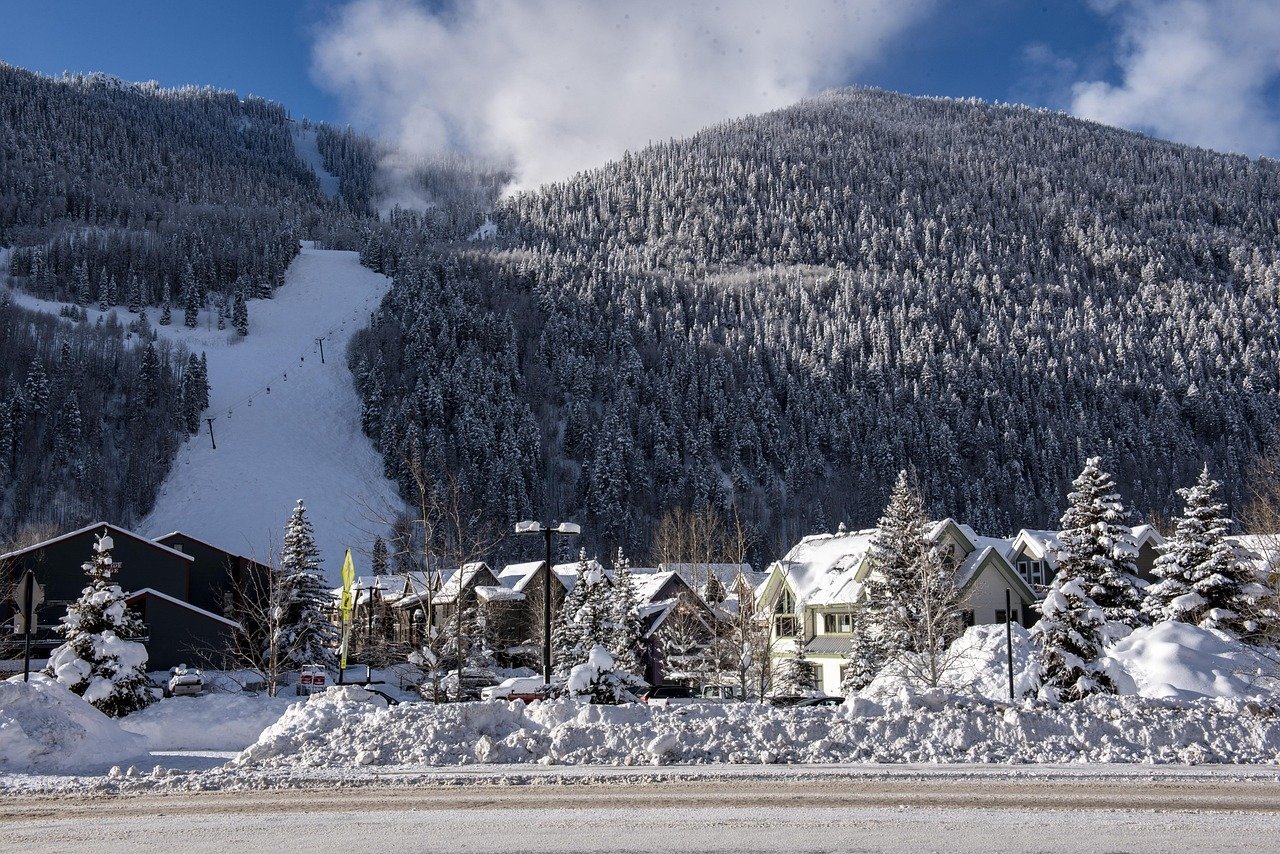
Nearly all Colorado residents participate in outdoor recreation each year. That’s not just about weekend warriors. It’s about how the Aspen Skiing Company, founded in 1946, helped transform destitute mining towns into internationally known ski resorts and cultural centers. Think about it. Aspen hosted the FIS World Championships in 1950, putting American skiing on the global map.
The mountains here didn’t just offer terrain. They offered a template. Ski resorts across the Rockies, the Sierra Nevada, even the East Coast, borrowed Colorado’s model of combining adventure tourism with infrastructure, sustainability, and community identity. Colorado essentially wrote the rulebook on how to monetize altitude without destroying what made it special in the first place.
Red Rocks Redefined Live Music Forever
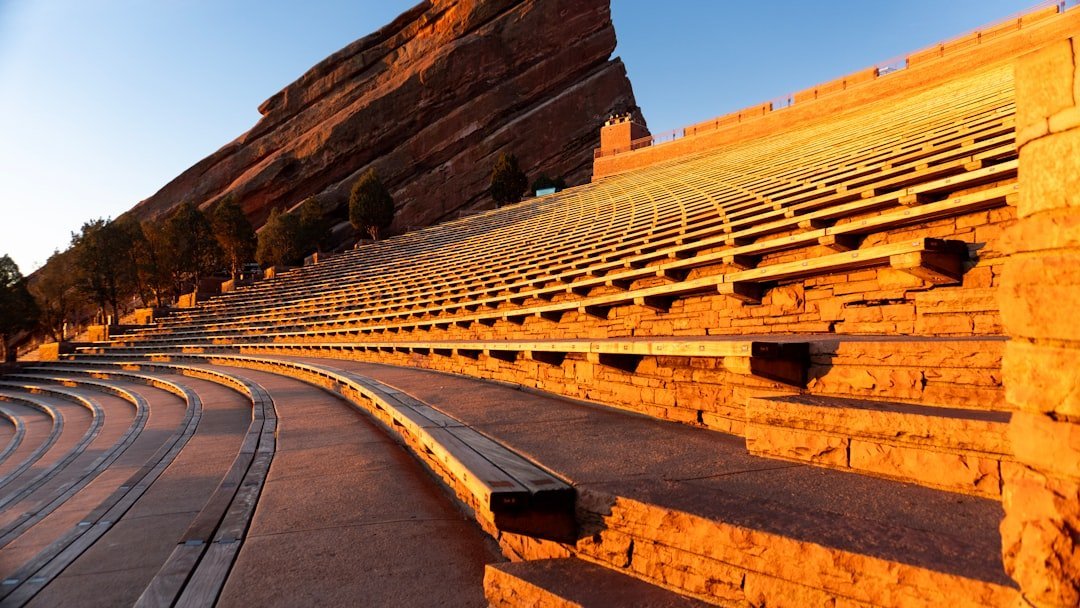
Red Rocks Amphitheatre is described as the only naturally-occurring, acoustically perfect amphitheatre in the world. That geological accident became cultural destiny. The venue officially opened on June 15, 1941, with a Native American ceremony and opera selections, but its true power arrived decades later.
From there, it became sacred ground. U2’s 1983 concert film captured something raw and spiritual about the place. John Denver recorded multiple televised concerts there. Pollstar magazine awarded Red Rocks the best small outdoor venue title so many times that they renamed the award itself the ‘Red Rocks Award’.
Artists don’t just perform at Red Rocks. They make pilgrimages. Every musician who’s stood between those 300-foot sandstone monoliths knows they’re playing a venue that amplifies not just sound but legacy. The natural acoustics, the mountain backdrop, the Denver skyline twinkling in the distance – it set an impossible standard that outdoor venues everywhere still chase.
Hollywood Found Its Western Soul in Colorado
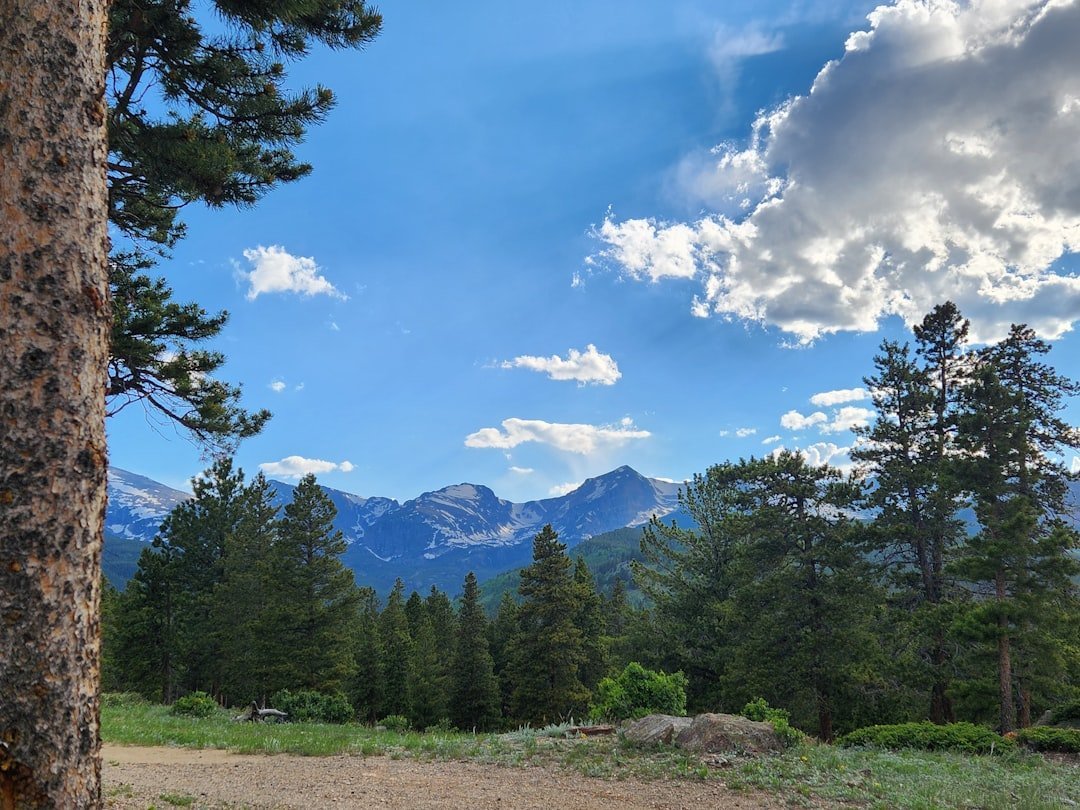
Colorado has long been popular with filmmakers who utilize stunning landscapes as the backdrop for their movie magic. The state didn’t just host Westerns. It defined what the American West looked like on screen.
Films like Butch Cassidy and the Sundance Kid were shot in Colorado’s Durango and Silverton, with the Durango & Silverton Narrow Gauge Railroad used for a thrilling train robbery scene. True Grit earned John Wayne his Oscar, filmed primarily in Ouray, Montrose, and Ridgway. Decades later, Quentin Tarantino chose Colorado’s San Juan Mountains around Telluride for The Hateful Eight, where remote, snow-covered landscapes set the tense atmosphere.
What Colorado offered wasn’t just scenery. It was authenticity. The old mining towns, the railroads, the untouched wilderness – they allowed directors to capture freedom, isolation, and raw frontier spirit without needing elaborate sets. That visual language became shorthand for the American frontier itself, influencing everything from classic cinema to modern thrillers.
Aspen Invented the Modern Mountain Town Blueprint
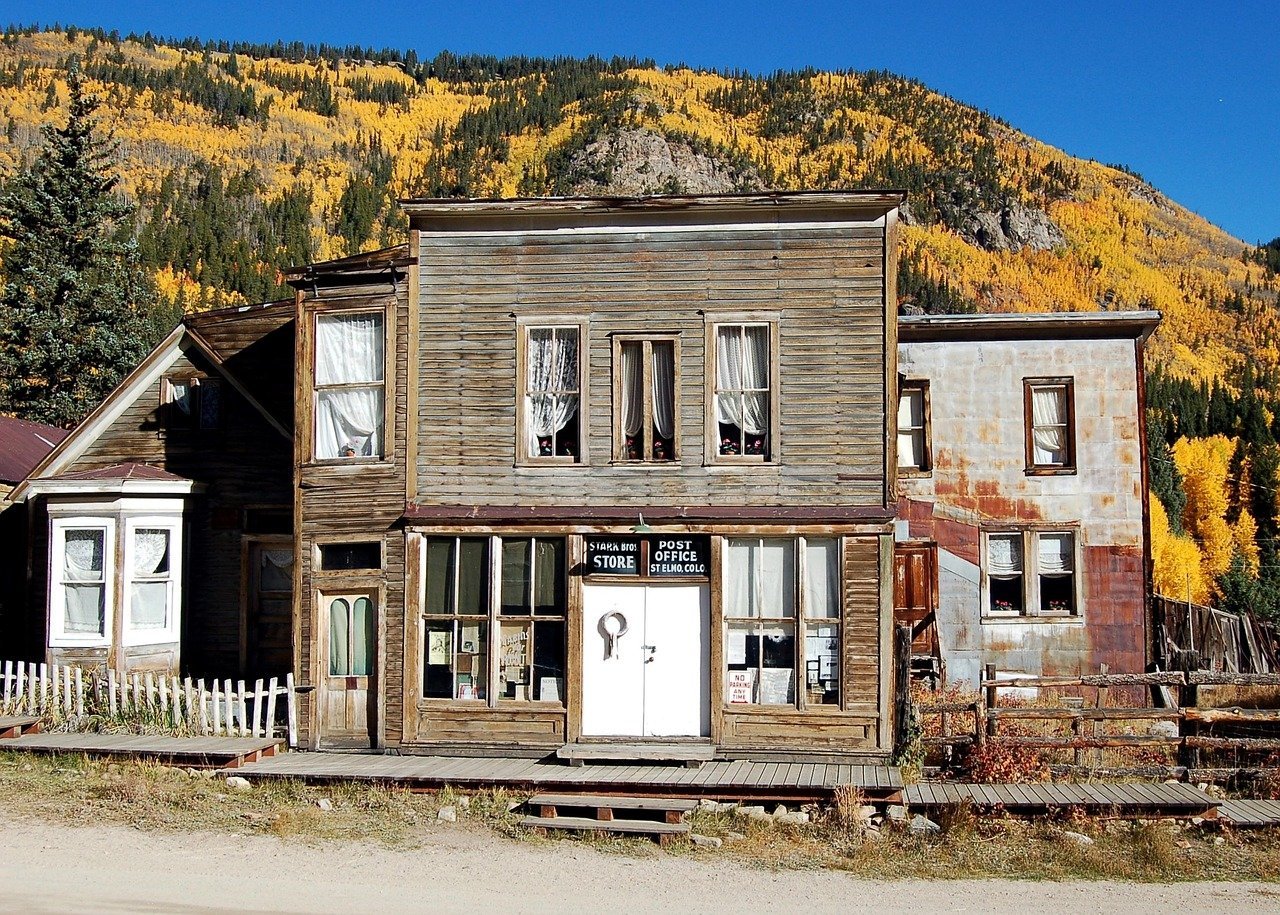
Founded as a mining camp during the Colorado Silver Boom in the 1880s, Aspen boomed before the Panic of 1893 led to a collapse of the silver market. For half a century, it nearly became a ghost town. Then came the visionaries.
Wealthy Chicago businessman Walter Paepcke and his wife Elizabeth started the Aspen Skiing Corporation and opened the area’s first mechanical chairlift in December 1946 – at the time, the longest in the world. They didn’t stop at skiing. Paepcke established the Aspen Institute to foster leadership based on enduring values, later incorporating arts like the Aspen Music Festival and the International Design Conference.
This wasn’t just about reviving one town. Aspen became proof that mountain communities could evolve beyond extraction industries. They could blend outdoor recreation, high culture, intellectual discourse, and environmental stewardship into a single, thriving identity. Towns like Telluride, Breckenridge, and Park City borrowed heavily from this model. Aspen showed that sustainability and prosperity weren’t mutually exclusive – they were complementary.
Colorado Wrote the Mining-to-Reinvention Playbook
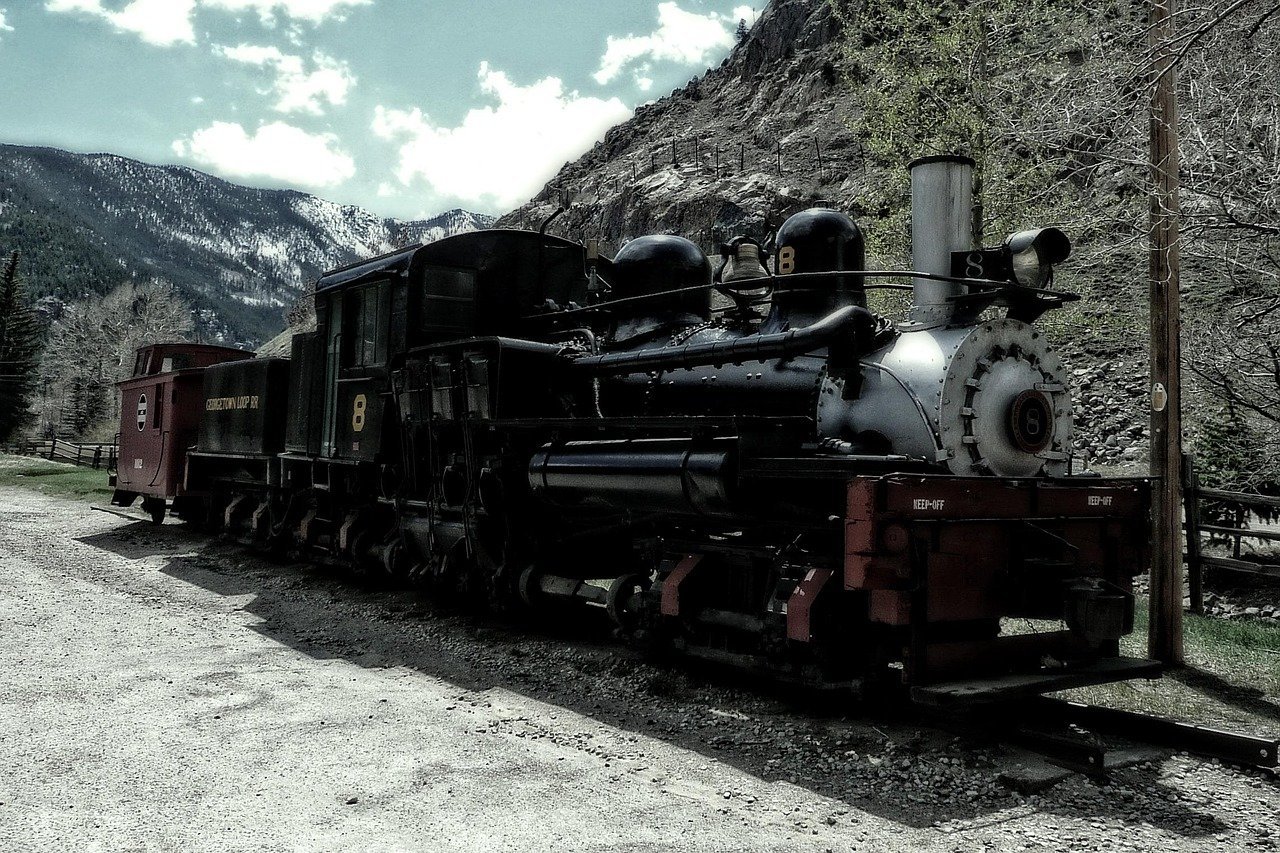
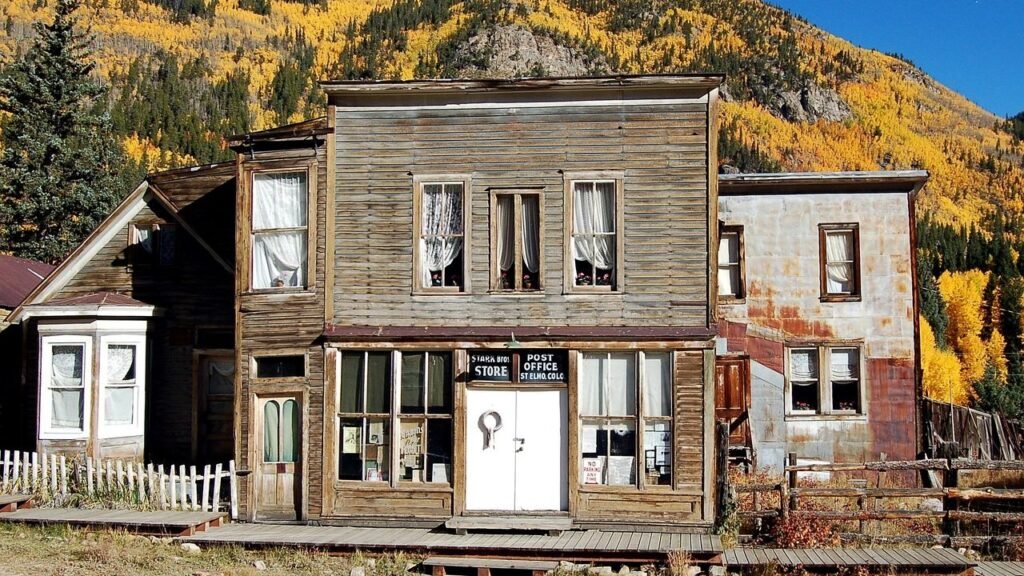
Today, the San Juan Mountains are a popular tourist destination and one of the best places in the country to experience mining history firsthand. That sentence hides a profound transformation. These weren’t always charming destinations. They were hardscrabble boom-and-bust camps built on speculation and desperation.
When the mines closed and silver values declined, old mining towns turned to tourism to help stay afloat. Popular mountain places like Aspen, Breckenridge, Crested Butte, and Telluride all started from mining, with towns like Silverton and Salida becoming playgrounds long after they were mining centers.
This wasn’t inevitable. Plenty of mining towns died. What Colorado communities figured out was how to preserve their history while reinventing their economies. They maintained Victorian architecture, celebrated mining heritage through museums and tours, and marketed authenticity. That story of adaptation and resilience became a national narrative – one repeated in Appalachian coal towns trying to pivot to tourism, Rust Belt cities reimagining their industrial past, and rural communities seeking new economic lifelines.
The Altitude Advantage Nobody Talks About
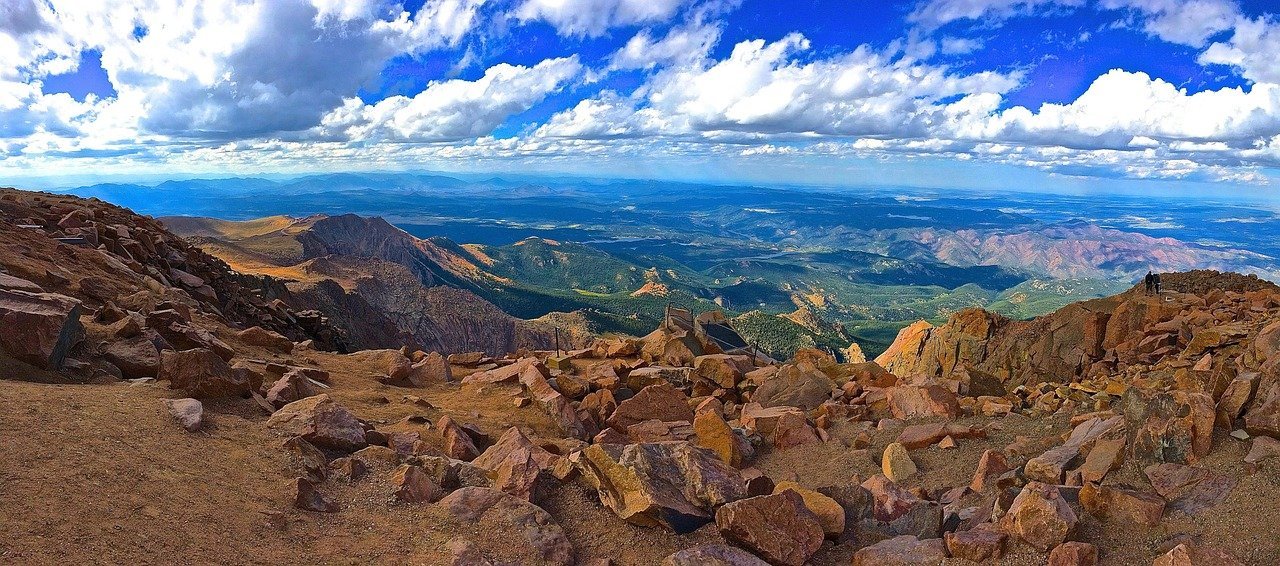
Here’s the thing nobody quite says out loud: Colorado didn’t just offer mountains. It offered permission. Permission to leave behind the flatlands, the suburbs, the predictable. Permission to redefine what success looked like – not corner offices, but powder days. Not gridlock, but trail networks. Not skylines, but actual sky.
Colorado’s relationship with the outdoors is partially responsible for the state being declared the fittest in the nation. That statistic isn’t accidental. It reflects a culture that normalized outdoor activity as daily life, not weekend escape. And when Americans elsewhere saw that model – fitness integrated with landscape, recreation woven into identity – they wanted it too.
The music venues, the film locations, the mountain towns, the outdoor economy – they’re all expressions of the same impulse. Colorado proved that elevation could be aspirational in every sense. Physical, cultural, spiritual. America’s best ideas about escape, adventure, and reinvention didn’t just happen in Colorado. They started there, then spread outward like ripples from a stone dropped into a high alpine lake.
What do you think? Did Colorado shape how you think about the outdoors, or did somewhere else capture your imagination first?

Besides founding Festivaltopia, Luca is the co founder of trib, an art and fashion collectiv you find on several regional events and online. Also he is part of the management board at HORiZONTE, a group travel provider in Germany.
