


- 15 Classic TV Shows That Defined a Generation – And Where Are They Now? - April 12, 2026
- 10 Spring 2026 Shoe Trends Every Woman Should Know - April 12, 2026
- 10 Mind-Blowing Literary Theories That Change How You Read Classic Stories - April 12, 2026
There’s something about Arkansas that doesn’t demand attention, yet deserves it completely. While flashier states grab headlines and tourist dollars, this unassuming state in America’s heartland quietly launched revolutions that reshaped the entire country. From the way we buy groceries to how we think about healing waters and wild rivers, Arkansas planted seeds that grew into national movements.
It’s not an exaggeration. Look closely at modern American life and you’ll find Arkansas fingerprints everywhere, even if nobody bothered to tell you. Let’s dive into the hidden history that makes Arkansas residents proud to call this place home.
The Small Town That Rewrote Retail Forever
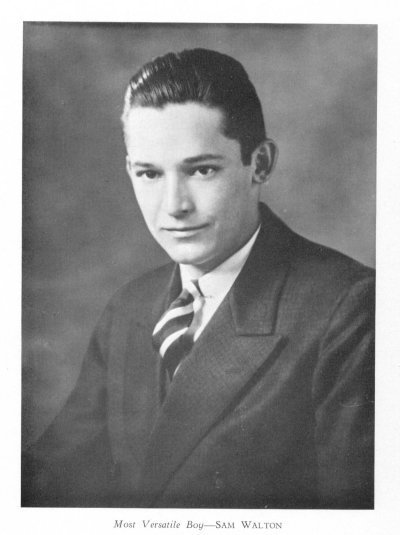
Picture this: a modest storefront in Rogers, Arkansas, population barely scraping five thousand. The year was 1962. Sam Walton opened the first Walmart in Rogers, Arkansas, betting that even small-town Americans deserved access to low prices and quality goods. His competitors dismissed the idea completely.
They were spectacularly wrong. Wal-Mart Stores Inc. grew to be the world’s largest corporation by revenue as well as the biggest private employer in the world. The impact went far beyond just one successful business. Walton pioneered supply-chain innovations that became case studies in business schools worldwide. Walton was convinced that even small towns could generate enough business to make such stores profitable, and to operate in out-of-the-way locations, he situated a regional cluster of stores no farther than one day’s drive from a giant Wal-Mart warehouse.
His Arkansas roots shaped everything. Walton flew his own plane to scout locations and visit stores, maintaining that hands-on connection even as the empire expanded. The culture he built – centered on frugality, customer service, and employee engagement – still echoes through Bentonville today, where the world’s largest retailer remains headquartered.
America’s First Wellness Retreat Was Protected Here
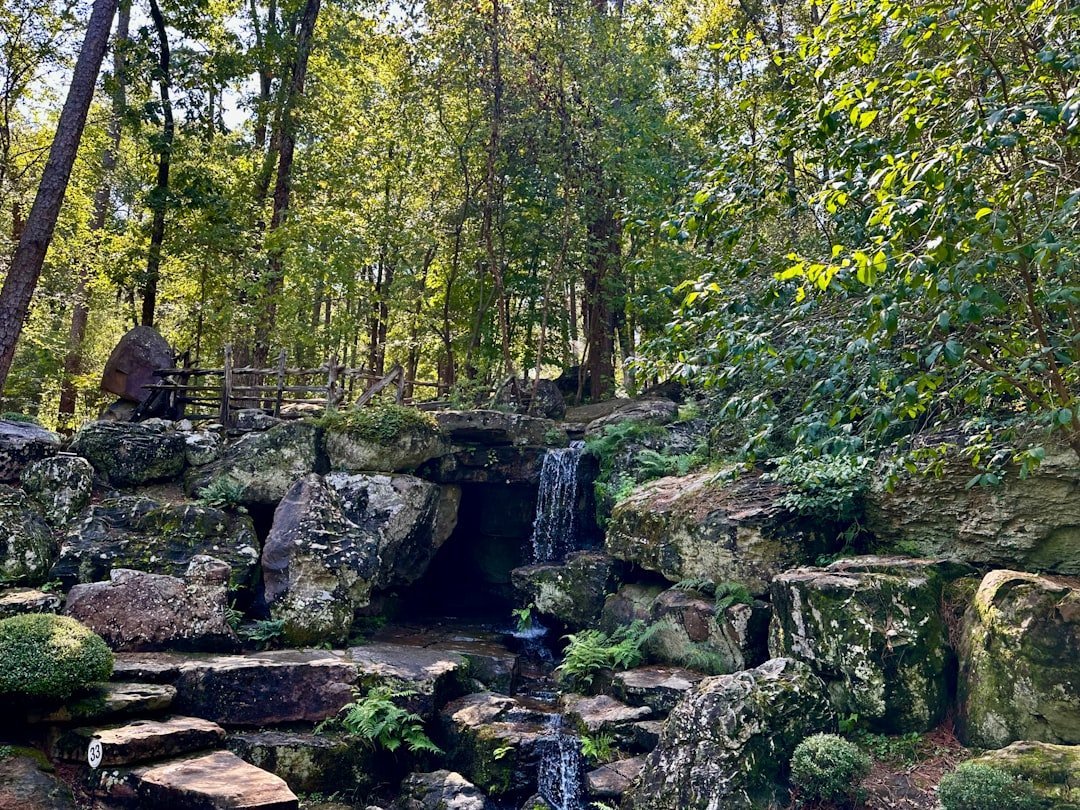
Long before Instagram wellness influencers and spa retreats became trendy, Arkansas understood something fundamental about nature’s healing power. Native Americans had gathered at Hot Springs for thousands of years, drawn by thermal waters they believed could cure ailments.
Here’s what’s remarkable: Hot Springs Reservation was initially created by an act of the United States Congress on April 20, 1832, and it was the first time that land had been set aside by the federal government to preserve its use as an area for recreation. Think about that date. This happened a full forty years before Yellowstone earned the title of ‘first national park.’ On April 20, 1832, the United States Congress set aside the area now known as Hot Springs National Park to preserve the springs for public benefit.
The concept was revolutionary: federal protection for a natural resource specifically dedicated to public health and recreation. People traveled from across the country to ‘take the waters’ at Hot Springs, believing in their therapeutic properties. By the early twentieth century, the city had developed into a thriving spa destination with elaborate bathhouses lining what became known as Bathhouse Row. Hot Springs flourished as a health resort from about 1880-1950, peaking in 1946 when over one million baths were taken. Even baseball legend Babe Ruth visited the springs between training sessions.
Where River Conservation Became National Policy
Rivers had always been viewed through one lens: how can we harness them? Dams, locks, development – that was the default approach. Arkansas challenged that thinking in a big way.
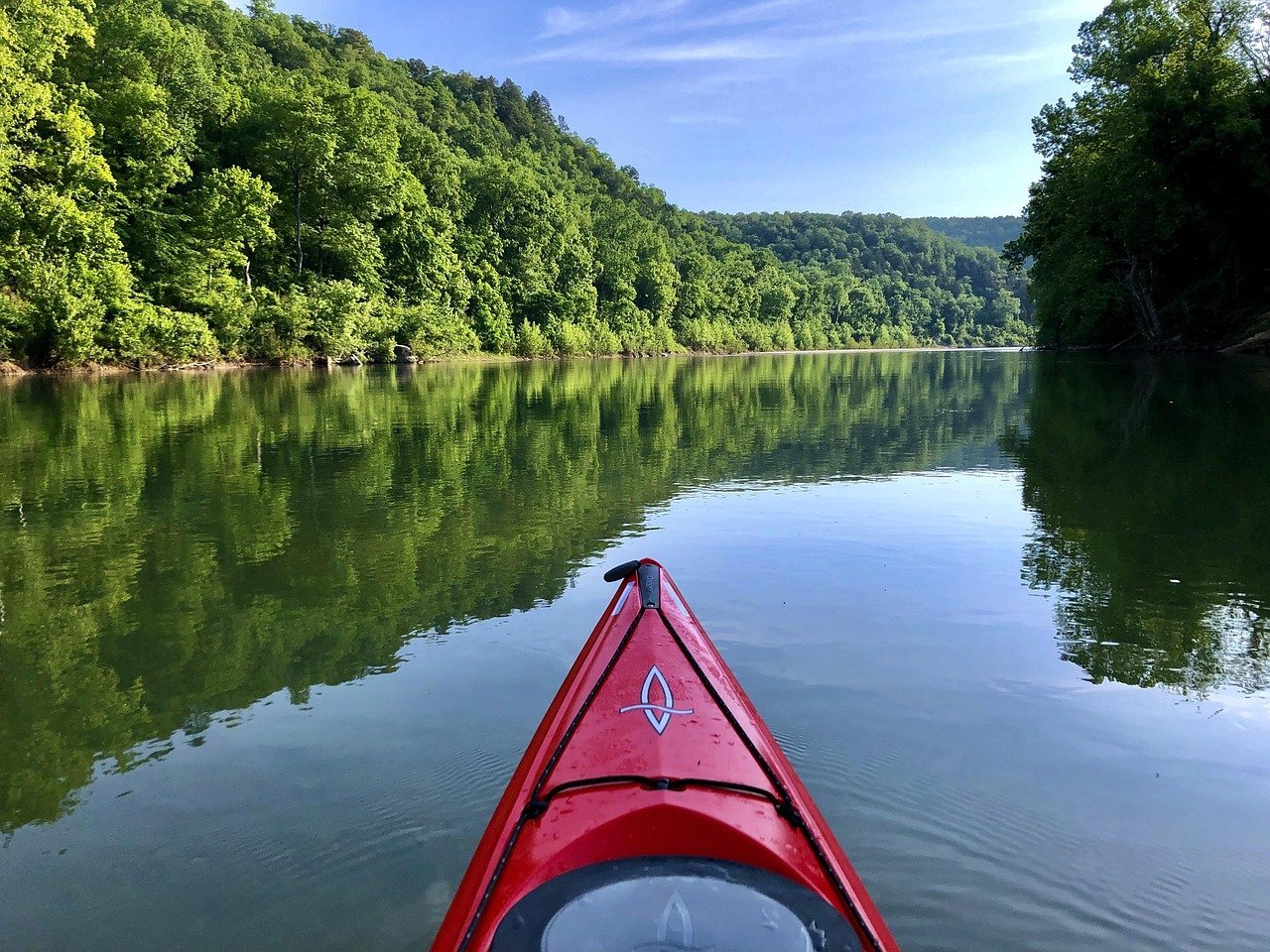
The Buffalo National River, in Northern Arkansas, was the first National River to be designated in the United States. The Buffalo National River was established by an Act of Congress on March 1, 1972, ending the recurring plans of the U.S. Army Corps of Engineers to construct one or more dams on the river. Local conservation groups and citizens fought hard against dam proposals that would have flooded the valley.
Their victory created an entirely new category of protected land. The National River designation protects natural rivers from industrial uses, impoundments and other obstructions that may change the natural character of the river or disrupt the natural habitat. The Buffalo flows free for 135 miles through stunning Ozark scenery, its limestone bluffs and clear waters untouched by development. What started in Arkansas became a template copied across America, influencing how the nation thinks about balancing conservation with progress.
It’s hard to overstate the cultural shift this represented. Rivers didn’t have to be conquered; they could simply exist.
The Rice Revolution Nobody Talks About
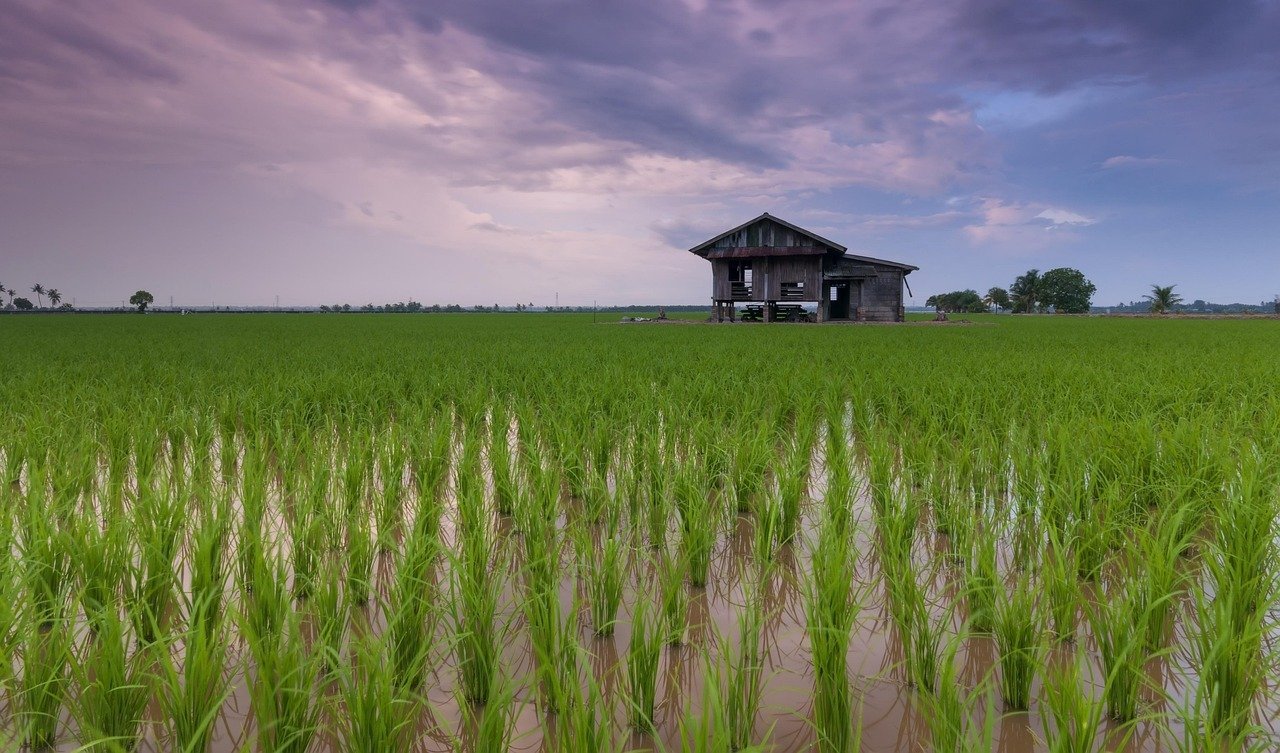
Walk through any grocery store and you’ll see rice from Arkansas, even if the label doesn’t say so. Arkansas is ranked first nationally for rice production, producing nearly 50% of the nation’s rice. That dominance didn’t happen by accident.
In 1904, William Fuller became one of the first farmers to grow rice successfully in Carlisle, Arkansas, and by 1910, rice production, research, and milling were established across the state. Fuller’s gamble on Arkansas soil launched an agricultural transformation. The Grand Prairie region proved ideal for rice cultivation, and farmers developed innovative irrigation techniques to make it work.
Arkansas rice farmers became pioneers in water conservation and farming efficiency. Within the past 30 years, rice farmers have reduced water use by 52%, greenhouse gas emissions by 40%, and the amount of land needed to grow rice by 39%. Techniques like zero-grade field leveling, developed and perfected in Arkansas, are now used by rice farmers globally. The annual Arkansas rice crop contributes more than $6 billion to the state’s economy every year and accounts for over 25,000 jobs.
Hidden Corporate Giants You Never Knew Were From Here

Everyone knows about Walmart. Fewer people realize Arkansas is home to a remarkable concentration of Fortune 500 companies, all homegrown. Every Fortune 500 company headquartered in Arkansas began as a small, family-owned startup, including Walmart, Dillard’s, Murphy USA, JB Hunt and Tyson Foods.
Northwest Arkansas is home to the headquarters of three fortune 500 companies Walmart, Tyson Foods, and J.B. Hunt Transport. Tyson Foods, founded in Springdale in 1935, became one of the world’s largest protein producers. J.B. Hunt revolutionized freight transportation and logistics from its Lowell headquarters. Murphy USA operates thousands of gas stations nationwide from El Dorado. Dillard’s department stores, headquartered in Little Rock, serve shoppers across 29 states.
There’s also Stephens Inc., a financial powerhouse, and Riceland Foods, which grew from a small cooperative into the world’s largest rice miller. These aren’t companies that relocated to Arkansas for tax breaks. They were born here, nurtured by hardworking communities and entrepreneurial spirit.
The Ozark Culture That Defined American Outdoors

The Ozark Mountains aren’t as famous as the Rockies or Appalachians, but they’ve profoundly shaped American outdoor culture. Hunting, fishing, hiking, canoeing – these traditions run deep in Arkansas. Families passed down skills and stories through generations, creating a connection to the land that outsiders are only now discovering.
Sam Walton himself chose Bentonville partly because it offered access to excellent quail hunting in four states. The Buffalo River became a mecca for paddlers and backpackers. Mountain biking trails in Northwest Arkansas now rival anywhere in the world, drawing enthusiasts from across the globe.
This relationship with nature also fostered a conservation ethic. Arkansans recognized early that protecting wild spaces wasn’t just about aesthetics – it was about preserving a way of life. That mindset influenced national conservation movements and shaped modern outdoor recreation.
Why This State Keeps Building Foundations
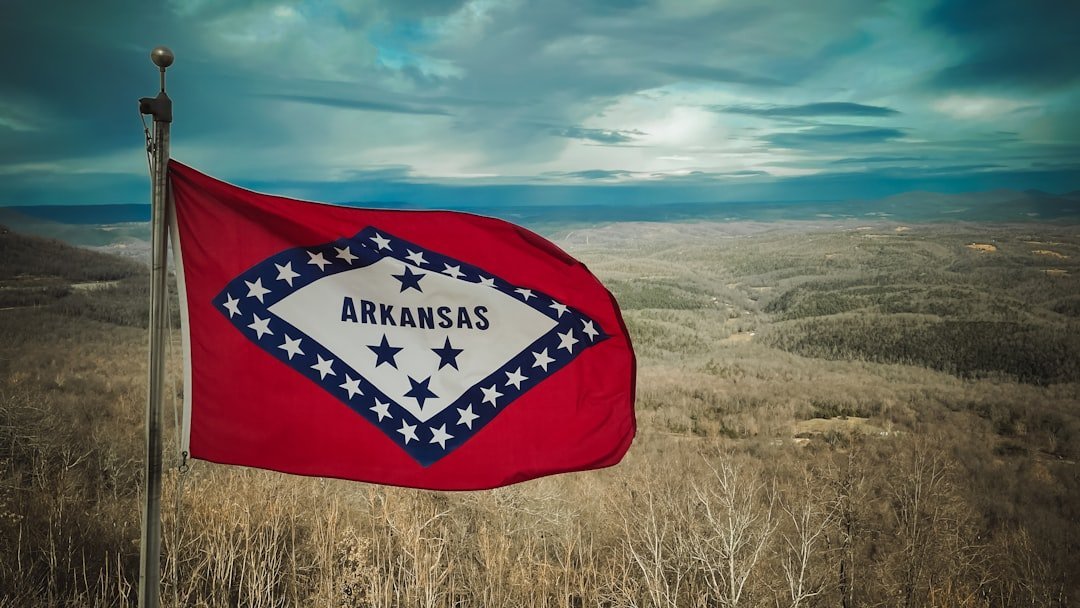
There’s a pattern here that’s impossible to ignore. Arkansas doesn’t chase trends or demand recognition. It quietly solves problems, then moves on to the next challenge. Whether it’s retail logistics, agricultural innovation, or conservation, the state focuses on what works rather than what gets applause.
A key factor to Arkansas’ retail success stories is the entrepreneurial mindset and a ‘can do’ attitude of the people that live here. That same attitude applies beyond retail. When farmers needed better irrigation methods, they invented them. When rivers needed protection, Arkansans fought for them. When small towns needed economic opportunity, entrepreneurs built empires.
The state’s influence extends into unexpected corners. From spa culture to supply chains, from rice fields to riverbanks, Arkansas innovations became American institutions. Most people never connected the dots because Arkansas rarely brags about its accomplishments.
A Legacy Written in Rivers and Rice Fields
Understanding Arkansas means understanding American progress itself. This state demonstrated that world-changing innovations don’t require Silicon Valley addresses or Wall Street pedigrees. Sometimes they start in small towns where people work hard, think creatively, and stay connected to the land.
Hot Springs showed America that nature itself could heal, decades before “wellness” became an industry. The Buffalo River proved that some places deserve protection simply for existing, not for what humans can extract from them. Arkansas rice farmers fed millions while pioneering sustainable practices. Sam Walton proved that retail could be reimagined from a town of five thousand.
These aren’t isolated success stories. They represent a philosophy: build things that matter, build them well, and don’t worry about who gets credit. That’s the Arkansas way.
When you buy groceries, soak in thermal waters, paddle a protected river, or eat rice with dinner, you’re experiencing Arkansas innovations – whether you realized it or not. For residents who call this state home, that quiet pride runs deeper than any headline ever could. The foundations Arkansas built continue supporting American life in ways most people never stop to consider. What would you have guessed started here?

Besides founding Festivaltopia, Luca is the co founder of trib, an art and fashion collectiv you find on several regional events and online. Also he is part of the management board at HORiZONTE, a group travel provider in Germany.
