


- Unsung Heroes of Music History Deserve Their Rightful Place in the Pantheon of Legends - April 9, 2026
- Certain Historical Events Are So Bizarre, They Seem Ripped From the Pages of Fiction - April 9, 2026
- Iconic Cultural Artifacts Are More Than Objects; They Are Time Capsules of Human Experience - April 9, 2026
There’s something almost electric about standing in front of an ancient object and realizing it was touched, used, or created by human hands thousands of years before you were born. That feeling isn’t nostalgia. It’s something deeper. It’s the invisible thread of shared humanity pulling at you from across centuries.
Cultural memory is a form of collective memory shared by a group of people, and it is often stored in objects such as museums or historical monuments. But really, it goes far beyond walls and glass cases. It lives in the grain of a wooden instrument, in the faded ink of a scroll, in the worn hem of a ceremonial garment. From the dawn of humanity, people have created objects imbued with cultural significance. Early artifacts, like cave paintings or stone tools, shed light on primitive lifestyles and beliefs. As societies evolved, so did their creations – grand pyramids, intricate tapestries, or ancient manuscripts signified advanced civilizations and their priorities.
Honestly, I think we underestimate how much of our identity is stitched into the things we leave behind. These are not just objects. They are proof that we existed, that we felt, that we hoped. Let’s explore some of the world’s most powerful cultural artifacts and discover just how much weight a single object can carry.
Ancient Manuscripts: Words That Survived the Collapse of Civilizations
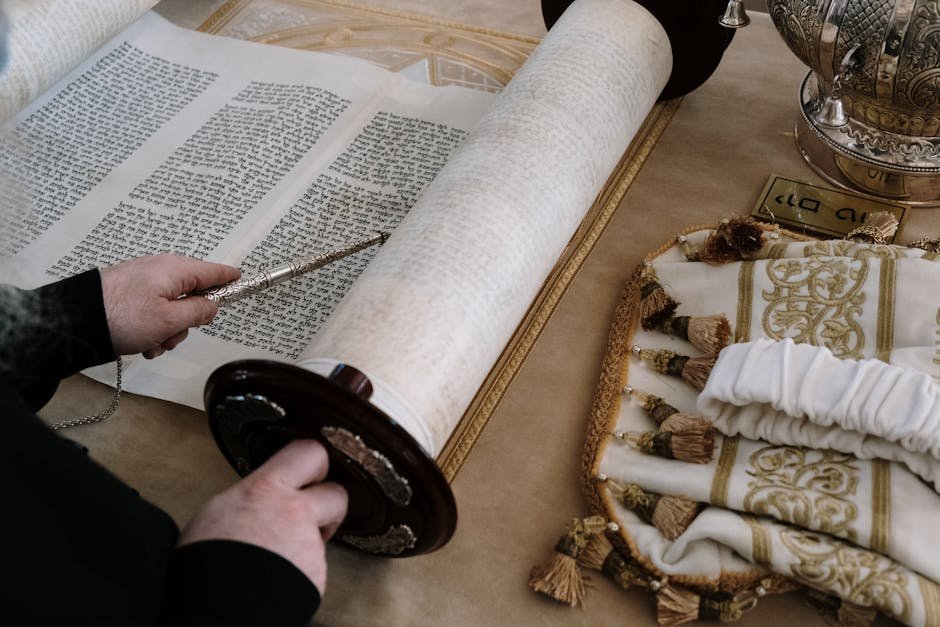
Imagine a cave. Inside that cave, ceramic jars. Inside those jars, something that would rewrite history. The Dead Sea Scrolls are a set of ancient Jewish manuscripts from the Second Temple period, discovered over a period of ten years between 1946 and 1956 at the Qumran Caves near the Dead Sea. Dating from the 3rd century BCE to the 1st century CE, they include the oldest surviving manuscripts of entire books later included in the biblical canons. It’s hard to even fathom that. A teenager looking for a lost goat accidentally stumbled onto one of the most consequential archaeological finds in human history.
Before the discovery of the Dead Sea Scrolls, the oldest Hebrew-language manuscripts of the Bible were Masoretic texts dating to the 10th century CE. The biblical manuscripts found among the Dead Sea Scrolls push that date back more than a millennium, to the 2nd century BCE. That is an extraordinary leap. The scrolls have shed light on the development of Judaism and Christianity from the period of their beginnings until the time of the Roman conquest of Judea in 70 CE. Think about that. A collection of papyrus and leather fragments, hidden in dry desert caves, managed to preserve the spiritual DNA of two of the world’s largest religions.
The Rosetta Stone: A Single Slab That Unlocked an Entire Civilization
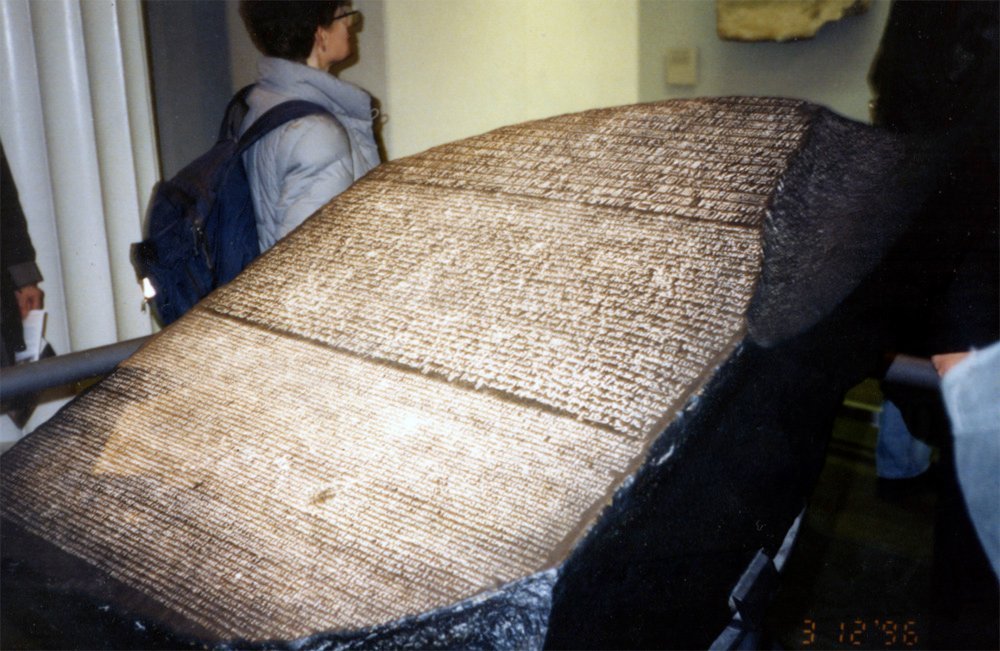
Here’s the thing about the Rosetta Stone. On the surface, it looks like a broken piece of rock with scratched writing on it. Not exactly what you’d expect to be one of the most important objects on the planet. Yet the Rosetta Stone is a stele of granodiorite inscribed with three versions of a decree issued in 196 BC during the Ptolemaic dynasty of Egypt. The top and middle texts are in Ancient Egyptian using hieroglyphic and Demotic scripts, while the bottom is in Ancient Greek. The decree has only minor differences across the three versions, making the Rosetta Stone key to deciphering the Egyptian scripts.
In 1822, Frenchman Jean-François Champollion recognized that the monument contained the same decree in three languages. Going from Greek to Demotic, and from Demotic to hieroglyphics, Champollion could finally read the entire monument. It became the key to unlocking our understanding of hieroglyphics, ancient Egypt’s first written language. The cultural weight of that moment is staggering. One stone, one accidental discovery during a military campaign, and an entire ancient world snapped back into focus. The Rosetta Stone was the essential key to the modern understanding of ancient Egyptian literature and civilization. The term “Rosetta Stone” is now used to refer to the essential clue to a new field of knowledge. That’s how powerful an artifact can be. It doesn’t just preserve the past. It reshapes the present.
Ancient Musical Instruments: When Humans First Needed to Make Sound Beautiful
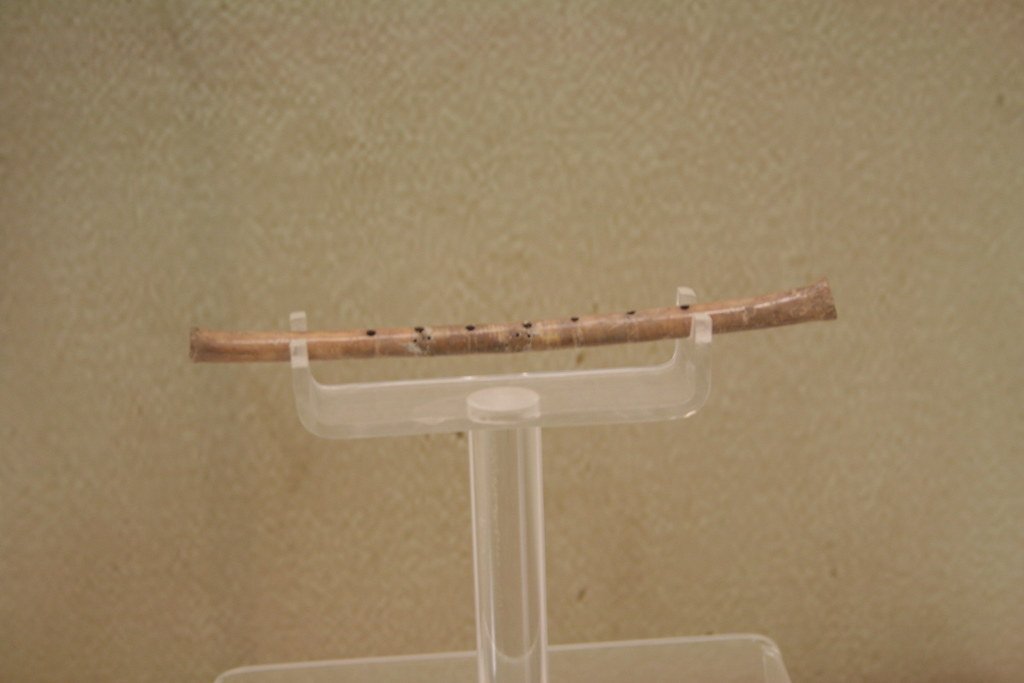
Let’s be real: music is so intrinsically human that it almost feels supernatural. And the evidence suggests we’ve always known that. The bone flutes of Germany’s Geissenklösterle Cave are the oldest instruments yet discovered. Made from bird bones and mammoth ivory, these products of the Aurignacian archaeological culture have been carbon-dated to between 42,000 and 43,000 years old. Forty-two thousand years old. That number is almost incomprehensible.
Humans, it seems, have long had a propensity for soothing melodies, whether for religious or recreational means. These tiny bone fragments tell us that music was not a luxury of civilization. It was a need. A fundamental part of what made early humans human. The fact that these instruments survived at all is a kind of miracle, and their discovery reminds us that the desire to create beauty is not a modern invention. It’s coded somewhere very deep in our nature.
The Stradivarius Violin: A Masterpiece That Still Breathes
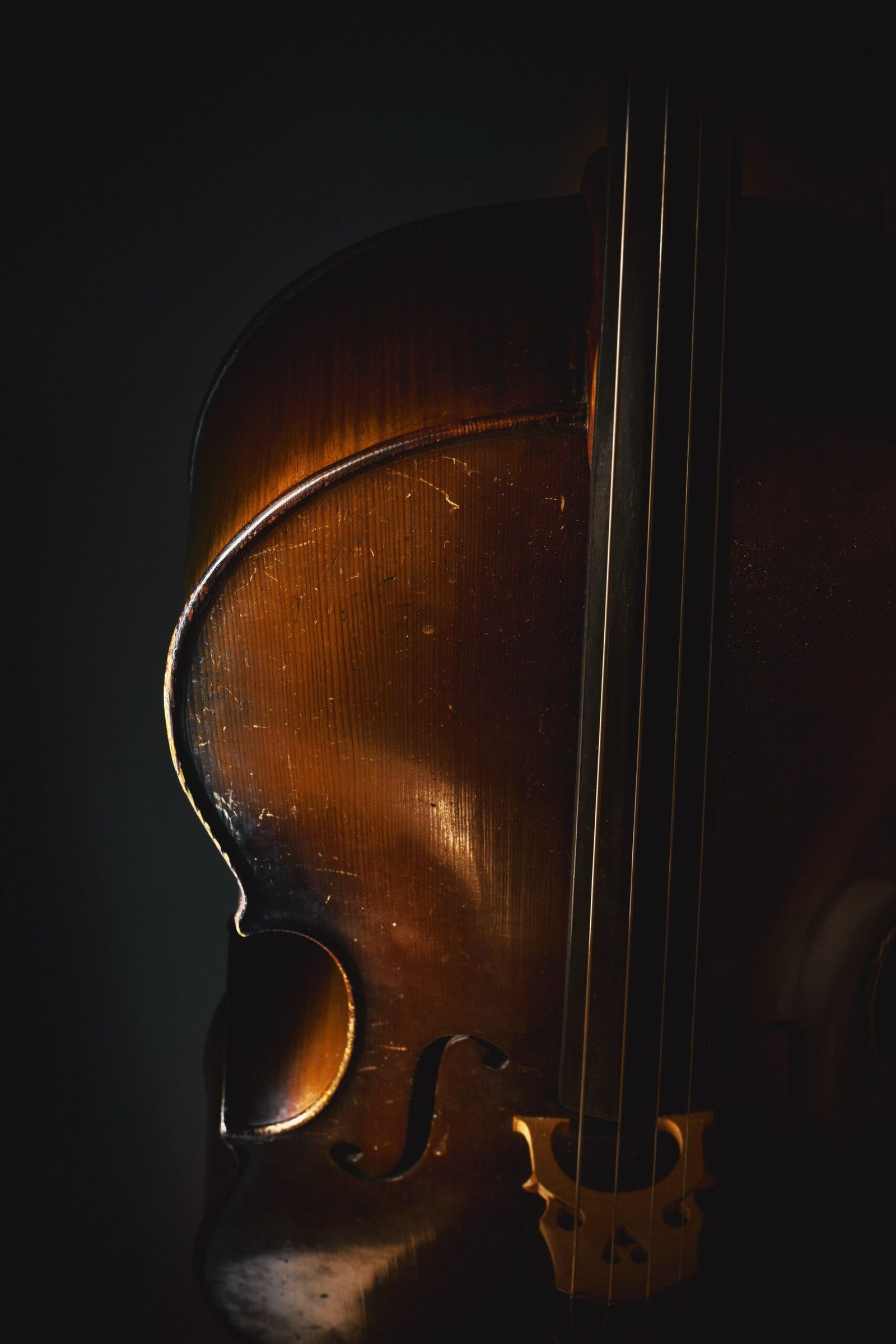
If the bone flutes of Geissenklösterle represent humanity’s first whisper of music, the Stradivarius violin might represent its most refined voice. Stradivarius violins are among history’s most renowned musical instruments, crafted by the legendary Italian violin maker Antonio Stradivari throughout the 17th and 18th centuries in Cremona, Italy. These exquisite creations have captivated musicians, collectors, and enthusiasts for centuries.
Stradivari was considered a master craftsman in his own time and in the decades that followed, but his reputation as the best of the best solidified only in the early 19th century, when violin performances increasingly shifted to large concert halls, where the bigger sound and better projection of his instruments could be fully appreciated. It’s a fascinating thing. The instruments didn’t change. The world around them changed, and suddenly their brilliance became undeniable. Stradivarius instruments are still played by leading musicians and housed in museums worldwide, such as the Museo del Violino in Cremona. Initiatives like the Stradivarius Sound Bank have aimed to digitally capture and preserve the sounds of these instruments for future generations. Even now, in 2026, these violins made of wood and varnish three hundred years ago are still singing in concert halls. That is the definition of cultural endurance.
Ancient Artworks: When Images Carried Civilization’s Deepest Truths
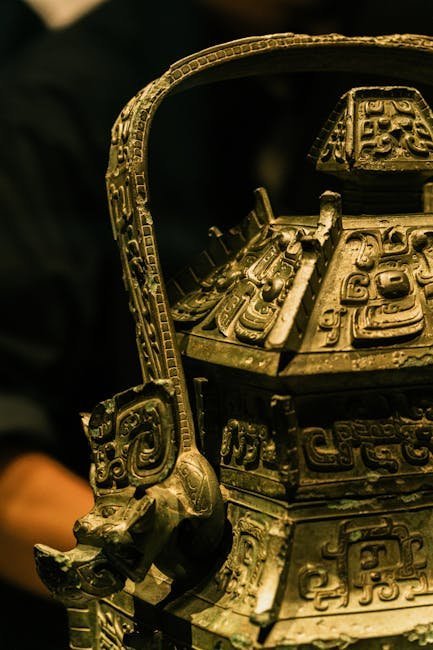
Long before written language, before scrolls, before stone decrees, there were images. Art, in all its forms, has long been a tool for documenting history, both personal and collective. From cave paintings that chronicle early human life to modern installations reflecting the complexities of our digital age, art has the capacity to record and preserve moments in time.
Consider the funeral mask of Tutankhamun. Possibly the most famous ancient artifact from the Egyptian world, the funeral mask of King Tutankhamun is a stunning fragment of both history and art. His face is combined with the likeness of the Egyptian god Osiris, who oversees the realm of the afterlife. There’s something startlingly moving about that. A young king, gone too soon, his face merged with the god of death, preserved for over three thousand years. Art has the strange ability to enclose stories and transfer emotion, enabling societies to remember pivotal moments, people, and struggles that shaped the course of history. The mask is not just burial regalia. It is an entire theology, an entire cosmology, compressed into gold.
Ceremonial Clothing and Textiles: The Identity We Wore on Our Bodies

Clothing doesn’t just keep us warm. It tells the world who we are, who we belong to, and what we believe. Textile arts like elaborate tapestries, intricate quilts, and groundbreaking fashion designs are often considered fine art. They showcase incredible skill, cultural motifs, and sometimes serve as historical documents themselves, illustrating domestic life, social customs, or technological advancements in weaving and dyeing.
Think about ceremonial robes worn in coronations, the beaded garments of Indigenous peoples, the hand-embroidered garments passed through generations in villages across Asia and Africa. Each thread carries information. Ethnographic collections of objects made and used by specific cultural groups, like baskets, ceremonial masks, musical instruments, or clothing, highlight the incredible diversity of human adaptation and creativity. When a garment survives centuries intact, it becomes something extraordinary. It preserves not just craftsmanship, but the body that once wore it, the occasion it was made for, the hands that stitched it together late at night. Honestly, I think clothing is one of the most underrated categories of cultural artifact. Nothing is more intimate than what someone wore.
Technological Devices: The Machines That Reveal How Humans Understood Their World
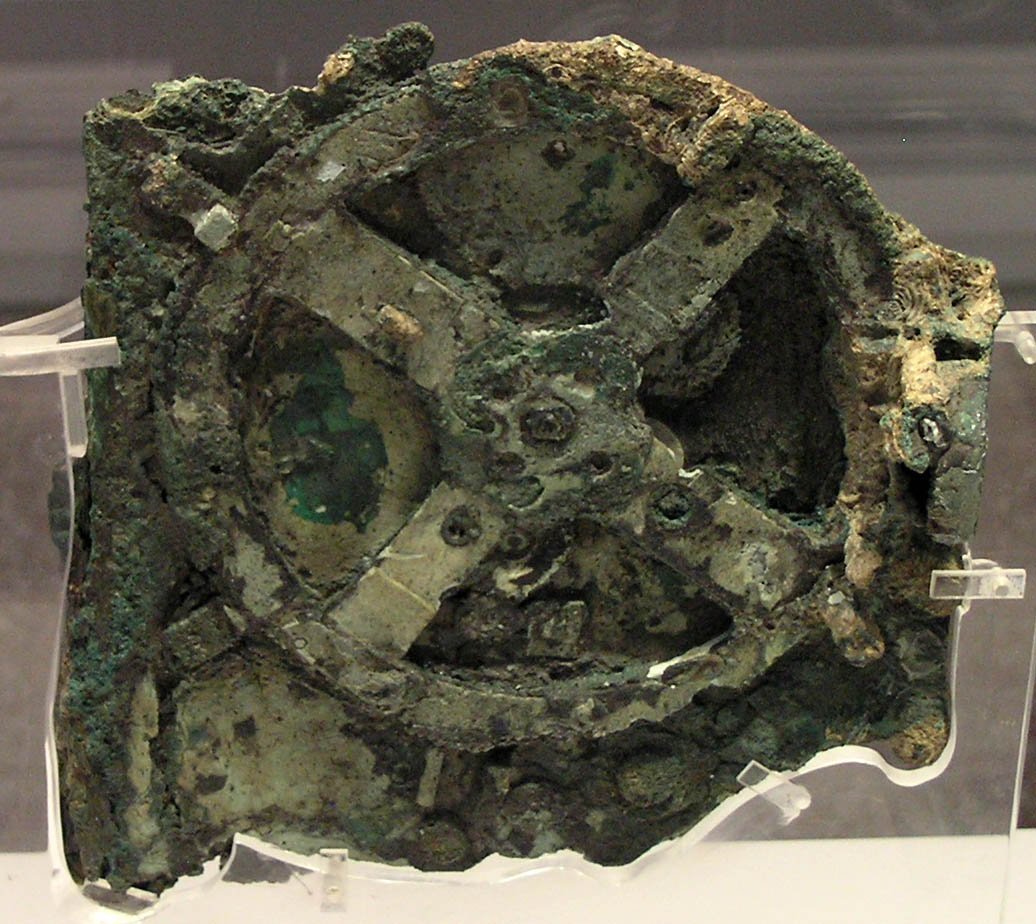
We tend to think of technology as a modern concept. But humans have always been engineers. The Antikythera Mechanism has been called “the world’s oldest computer” and is a baffling 2,000 years old. Found in a shipwreck off the coast of Greece, this ancient Greek device was a hand-powered mechanical model used to predict astronomical positions and eclipses. It’s the kind of discovery that quietly rearranges everything you thought you knew about the ancient world.
In an increasingly digital age, future cultural artifacts may blend tangible and virtual realms. While traditional forms like paintings or sculptures will persist, emerging digital art, AR experiences, and virtual relics will gain prominence. It’s a fascinating thought. The smartphones, hard drives, and VR headsets of today may one day be studied just as we study the Antikythera Mechanism. Every era builds the tools that reflect its deepest understanding of reality. A single hand axe, perhaps found in a museum of natural history or archaeology, speaks to our earliest ancestors’ intelligence, adaptability, and the fundamental human drive to shape our environment. It’s a reminder of our shared origins and the long, slow climb of human progress.
Preserving Identity: Why Cultural Artifacts Are Not Optional

Here’s where things get urgent. Conflict remains one of the most destructive forces against cultural heritage. Throughout history, war has often resulted in the obliteration of cultural landmarks, either through ideological motives or collateral destruction. Recent events, such as the deliberate targeting of heritage sites in Palmyra, Syria, underscore the urgent need for stronger protections.
Memory preservation is more than having old items stored in a museum. It is about cherishing the values and the customs that define us as people. It guarantees that future generations will know the history and feel the ties with their ancestors. When artifacts are lost, it’s not just an object that disappears. A piece of collective identity goes with it, something irreplaceable that can never be reconstructed. Through scanning, storing, and creating virtual replicas, artifacts, texts, and even entire sites are safeguarded against physical loss or degradation. Virtual reality offers immersive experiences, allowing people from around the globe to explore cultural sites in vivid detail, regardless of geographical barriers. Technology, thankfully, is giving us new tools to fight back against that loss.
Conclusion: Objects Are Memory, and Memory Is Who We Are
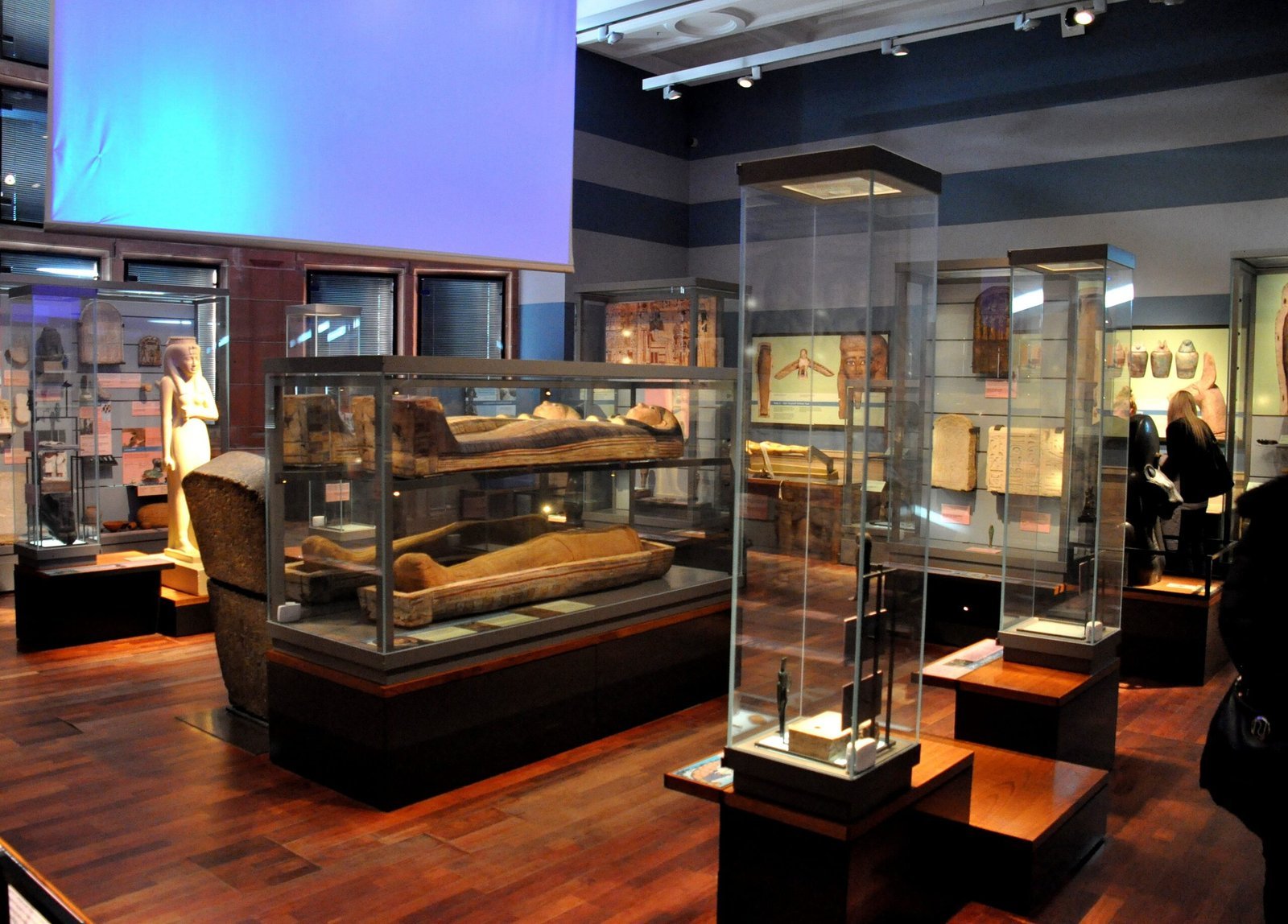
There is a remarkable continuity in the human story when you look at it through the lens of artifacts. From the bone flutes of a 42,000-year-old cave to the violins of 17th-century Cremona, from the dusty scrolls of Qumran to the golden mask of a boy pharaoh, every object carries a message across time. Cultural memory is the longest-lasting form of memory. Indeed, cultural memory can last for thousands of years.
Each piece tells a story, whether it’s an ancient artifact from a lost civilization, a painting from a revolutionary era, or a modern sculpture questioning contemporary societal issues. These collections form the foundation for public memory, presenting a curated version of history that shapes how societies understand their past and view their identity. We are not just the people alive today. We are everyone who came before us, and everything they left behind.
The question worth sitting with is this: what will future generations learn about us from the objects we leave behind? What does your world say about who you are? Tell us in the comments.

Besides founding Festivaltopia, Luca is the co founder of trib, an art and fashion collectiv you find on several regional events and online. Also he is part of the management board at HORiZONTE, a group travel provider in Germany.
