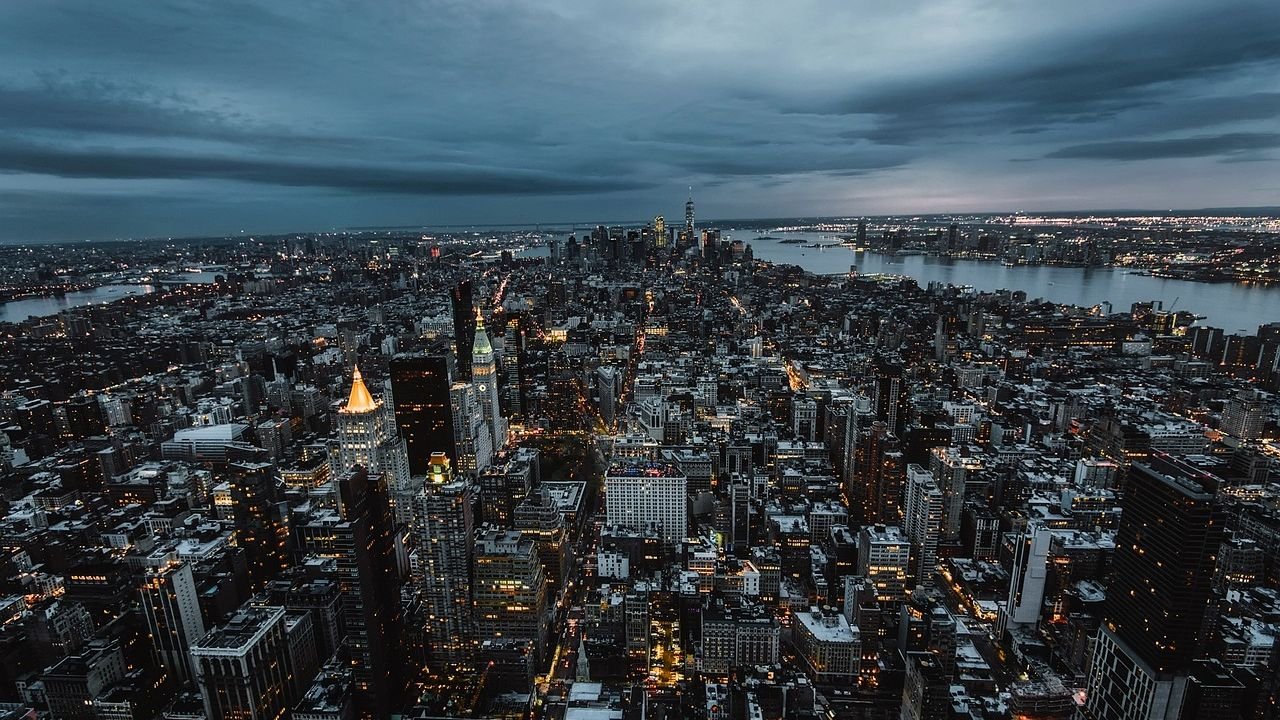
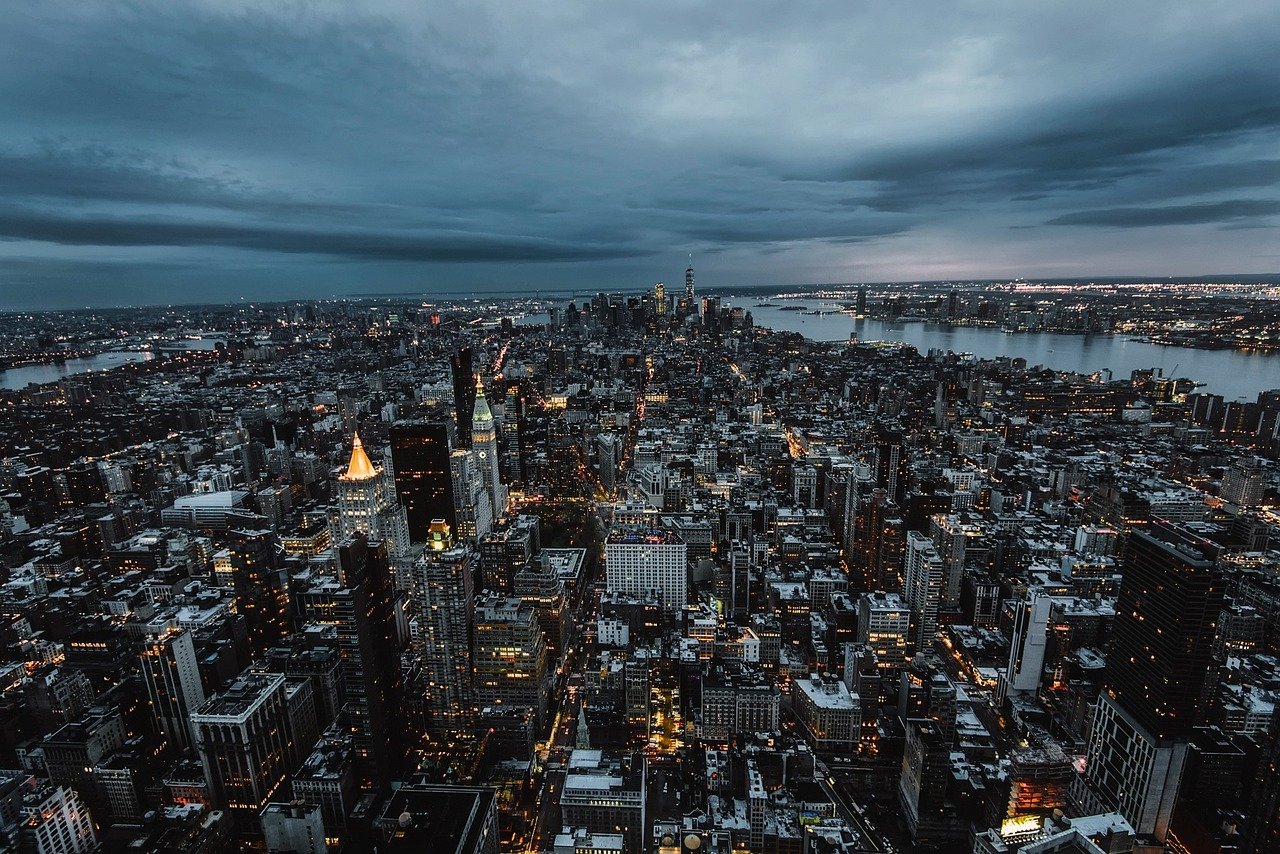
New York City residents are marveling at a rare winter sight today. The mighty Hudson River has developed extensive ice floes near the George Washington Bridge following one of the heaviest snowfalls in years. This partial freeze transforms the urban waterway into a striking, almost otherworldly scene against the skyline. Temperatures plunged below zero with wind chills amplifying the deep freeze.
January 28, 2026, brings not just recovery from the weekend storm but also questions about how such extremes test the city’s resilience. Officials monitor the ice closely while locals snap photos from safe distances. What follows is a closer look at the causes, impacts, and echoes of this chilling event.
The Storm That Locked the River in Ice
A ferocious winter storm barreled through the Northeast over the January 25-26 weekend, dumping more than 11 inches of snow in Central Park alone. Some areas in Manhattan and northern New Jersey saw up to 14.9 inches, with gusty winds reaching 40 mph that drove wind chills far below zero. The National Weather Service labeled this one of the coldest outbreaks since 2016, as arctic air funneled directly into the region. Moisture from the storm combined with the chill to rapidly cool the river’s surface, especially in narrower upstream sections. Satellite images captured ice formation spreading quickly, turning the Hudson’s flow sluggish and packed with floes. This setup disrupted not just roads but the river itself, a hub for shipping and ferries.
George Washington Bridge Overlooks Frozen Spectacle
The George Washington Bridge, carrying over 300,000 vehicles daily, now towers above a mosaic of ice chunks several inches thick. Commuters crossing today described the views as eerily beautiful amid lingering snow-clogged lanes. Transportation authorities reduced speeds temporarily to handle slick conditions, though no major accidents occurred. Engineers keep watch for wind-driven ice debris that could pose risks to the structure. This bridge has weathered harsh winters before, including the great 1888 Blizzard when it stayed open. The current scene underscores its vital role in a city battered by weather extremes.
Threats to the Hudson’s Wildlife and Waters
Ice cover hampers oxygen exchange on the river surface, stressing fish like striped bass and herring that migrate here. Environmental advocates at Riverkeeper urge more monitoring, fearing trapped pollutants could worsen under prolonged freeze. Migratory birds such as Canada geese must detour to open waters elsewhere. Scientists from Lamont-Doherty Earth Observatory gather data on shifting salinity levels. Prolonged cold might echo the 2015 event, which briefly boosted winter bird populations post-thaw. City ecosystems face layered challenges from pollution, warming trends, and now these icy snaps.
Historical Echoes of Hudson Freezes
The Hudson has frozen partially or fully before, with records from the 1700s showing shipping halts in 1780 and 1918. A notable partial freeze hit in January 2011 amid a polar vortex much like today’s. Full solid freezes occurred in 1934 and earlier, but tidal flows and Gulf Stream moderation make them rare now. George Washington’s 1776 crossing of the icy Delaware, a related waterway, ties into American history. These events happen roughly once every few decades near the city. Modern instances remind everyone of the river’s fickle response to cold invasions.
Locals Flock While Authorities Enforce Safety
Social media buzzes with #FrozenHudson photos from riverfront parks, drawing selfie seekers despite warnings. NYPD and FDNY increased patrols to stop ventures onto unstable floes, with swift undercurrents adding danger. A Coast Guard official advised, “Stay back and enjoy from afar.” Ferry services between NY and NJ halted Tuesday due to ice-choked waterways. Schools and businesses delayed openings in nearby areas. Some longtime residents mix nostalgia for past storms with fresh caution.
Expert Views on Causes and Coming Thaw
Meteorologists blame a polar vortex dip that shoved stratospheric cold south, overpowering the river’s brackish resistance. Columbia University’s climatologists note back-to-back fronts overwhelmed usual moderation from warmer flows. Forecasts call for milder air soon, risking hazardous ice breakup as it thaws. This ties into shifting patterns like El Niño fades, promising more intense storms. City planners revisit waterfront resilience amid such tests. The Hudson will soon flow free again, but the ice leaves clear reminders of nature’s power.
Source: Original YouTube Video