

- The 20 Impossible 60s–70s Music Quiz for Hardcore Fans - December 21, 2025
- 14 Songs That Were Almost Never Released – And Changed Everything - December 21, 2025
- 20 Epic Coming-of-Age Books You Wish You Read Sooner - December 21, 2025
The British Invasion Starts with a Bang
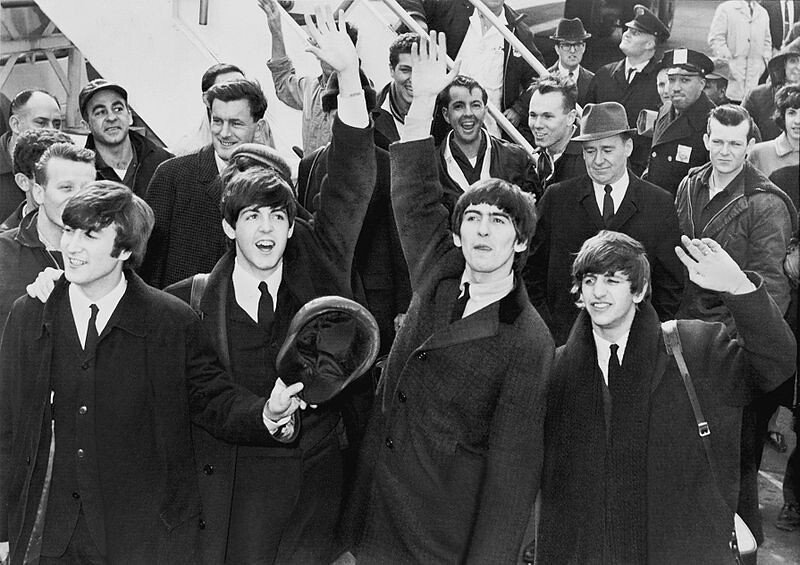
When The Beatles first landed in New York in February 1964, no one expected the tidal wave that followed. The band’s appearance on The Ed Sullivan Show was watched by over 73 million Americans—roughly 34% of the U.S. population at the time. This was more than just a television moment; it was a cultural earthquake. Suddenly, kids from coast to coast wanted guitars, mop-top haircuts, and accents. The Beatles kicked open the door for other British acts, but none could match their immediate, dizzying effect. American music charts were never the same again. The Beatles’ success made British rock mainstream and shifted the power dynamic in pop music.
A Revolution in Songwriting
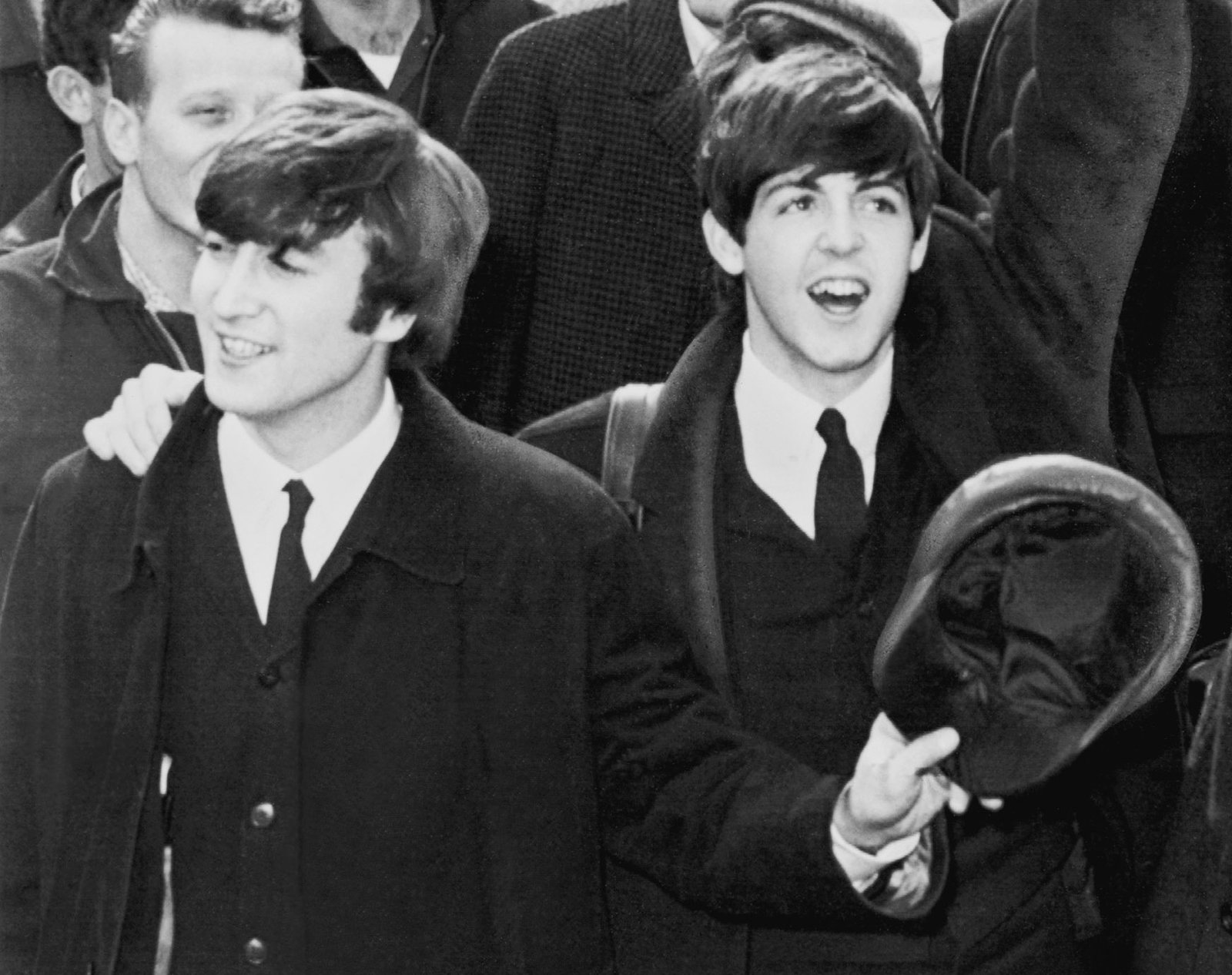
Before The Beatles, most American pop artists didn’t write their own songs. The Beatles flipped the script by penning nearly all their hits themselves—Lennon and McCartney alone wrote more than 180 songs together. By 1965, U.S. bands felt pressured to write original material or risk seeming outdated. Bob Dylan even credited The Beatles for inspiring him to go electric and write more complex lyrics. This rush for authenticity changed the very DNA of American pop and rock. Songwriting became personal, poetic, and sometimes political. The Beatles made self-expression a standard, not a novelty.
Studio Magic Becomes the New Norm

photo front
photo back, Public domain, https://commons.wikimedia.org/w/index.php?curid=16559014)
The Beatles’ willingness to experiment in the studio transformed how American artists recorded music. Albums like “Rubber Soul” and “Revolver” showed what could be done with technology, from backward tapes to automatic double tracking. In 1966, The Beach Boys released “Pet Sounds,” directly inspired by the Beatles’ innovations. Suddenly, producers and musicians saw the studio as an instrument, not just a recording booth. This kicked off an arms race in sonic creativity, leading to psychedelic rock, concept albums, and endless experimentation.
Chart Domination and Record-Breaking Hits
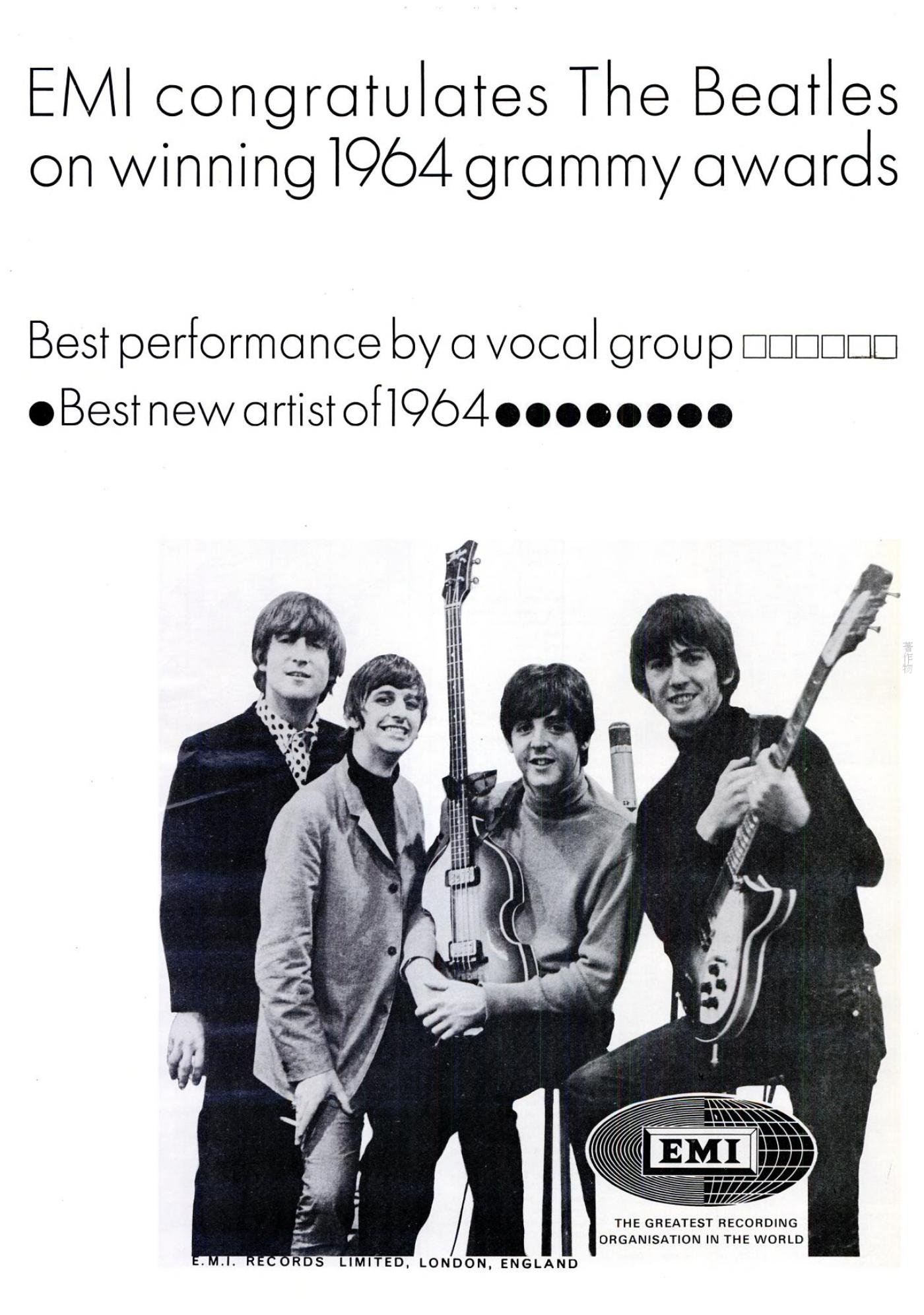
In April 1964, The Beatles held the top five spots on the Billboard Hot 100—a feat never repeated. Within five years, they had 20 number-one singles in the U.S., more than any other band in history at the time. Their singles flew off the shelves; “I Want to Hold Your Hand” sold over five million copies in the U.S. alone. American acts had to raise their game or risk being left behind. The Beatles showed that pop music could be both wildly popular and critically respected, a tricky balance not many had achieved before.
Inspiring Teenage Musicians Everywhere
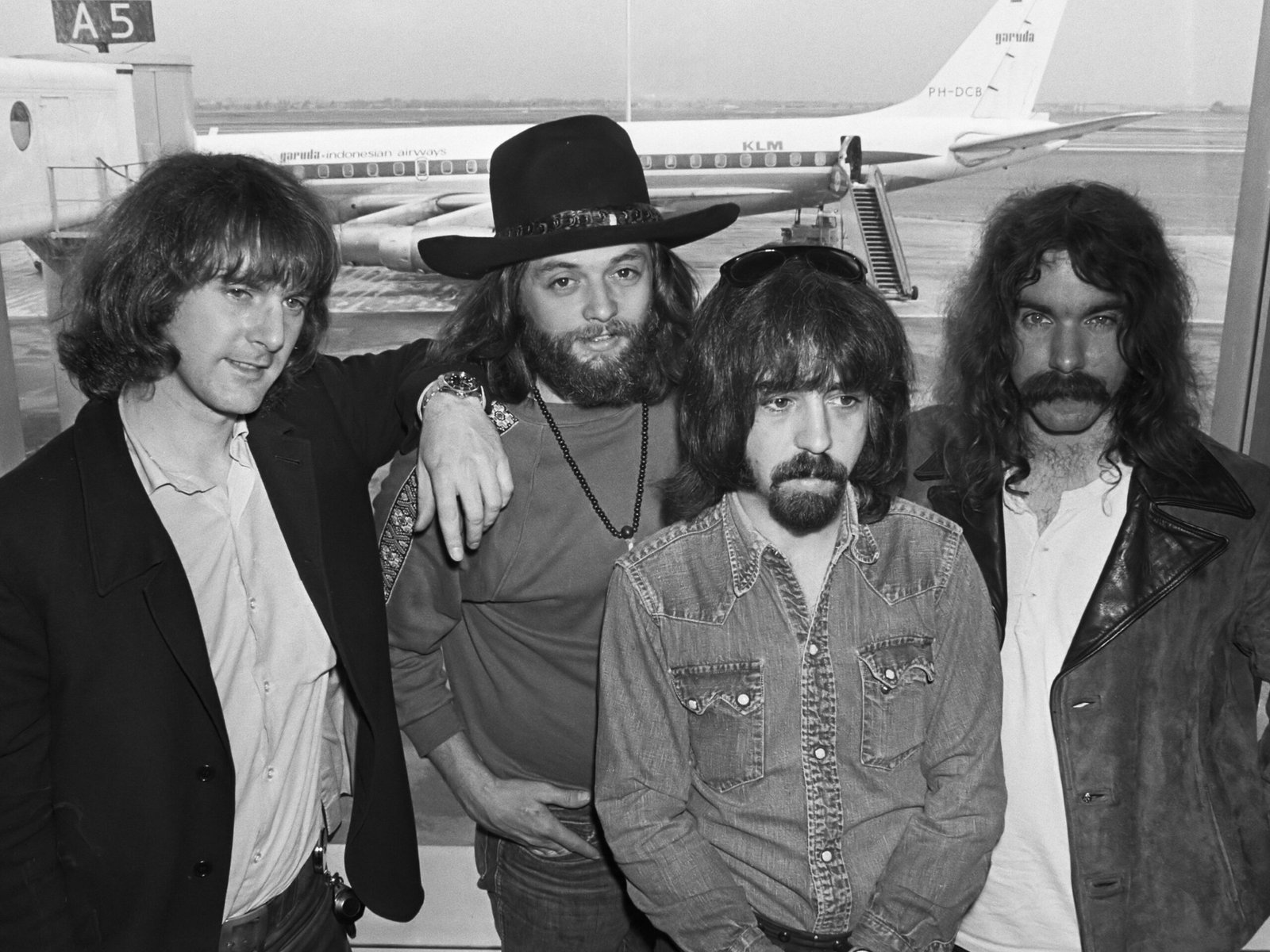
American garages filled with the sounds of kids trying to play Beatles songs. Guitar sales in the U.S. soared by around 30% in the year after their arrival. Bands like The Byrds, The Doors, and The Monkees admitted to forming because of the Fab Four. The Beatles’ “do-it-yourself” spirit made music feel accessible. They weren’t mysterious celebrities—they were four friends having fun, and that made millions believe they could do it too. The ripple effect was enormous, spawning a whole new generation of American rockers.
Fashion and Youth Culture Shock

The Beatles didn’t just change what Americans heard; they changed what they wore. Suddenly, tight suits, Chelsea boots, and shaggy haircuts were everywhere. Barbershops saw business drop, and schools banned “Beatle hair” in a losing battle against the tide. The Beatles’ style became shorthand for youth rebellion and freedom. Magazines and TV shows couldn’t get enough of the “British look.” This wasn’t just about fashion—it was about identity. To dress like The Beatles was to stand apart from parents and authority.
Breaking Down Racial Barriers
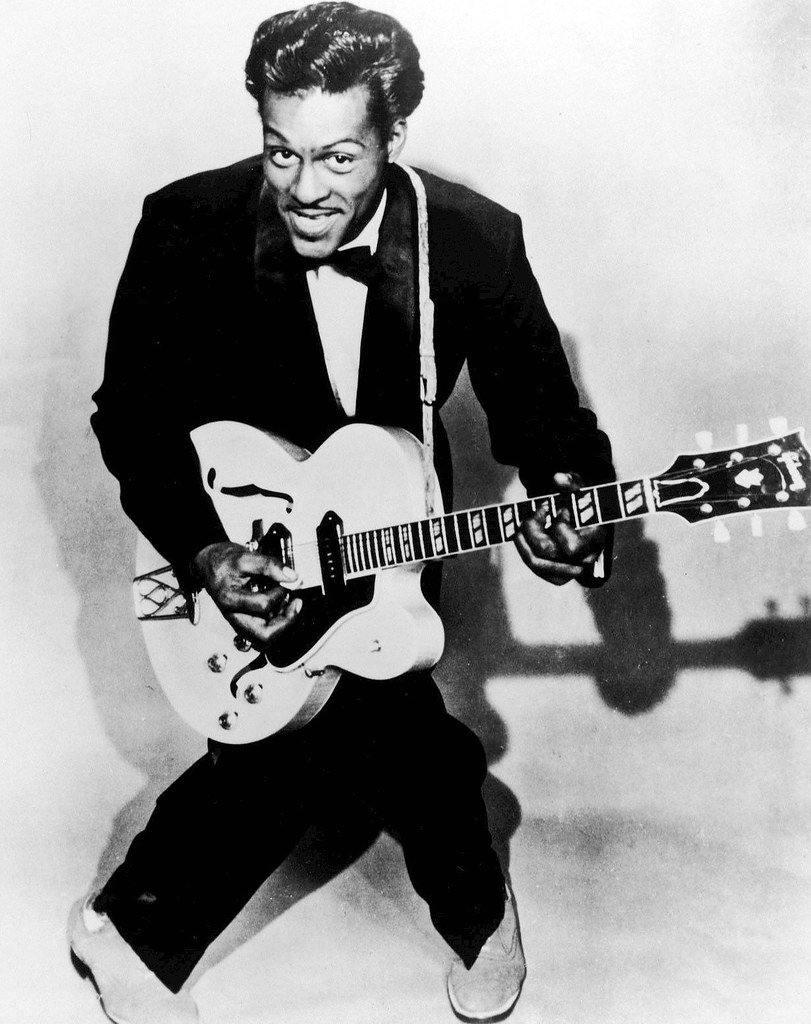
The Beatles championed Black American music from the start, covering songs by Chuck Berry, Little Richard, and Motown artists. In the 1960s, many concert venues in the U.S. were still segregated. The Beatles refused to play to segregated audiences, famously including a clause in their contracts. Their stance helped spotlight the injustice and pushed for change. American artists like Stevie Wonder and Aretha Franklin noticed the respect and responded in kind, leading to more collaboration and crossover success across color lines.
Transforming the Album Format
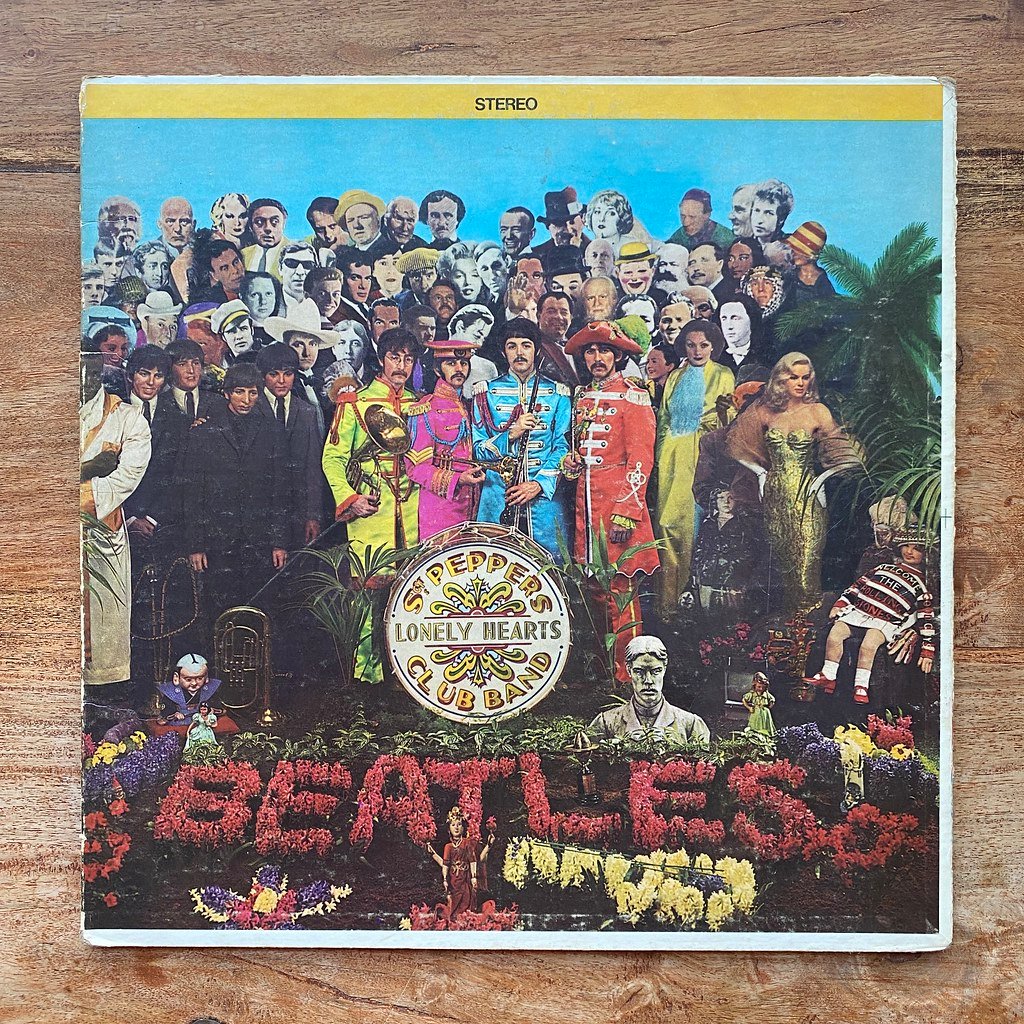
Before The Beatles, albums were mostly collections of singles and filler. The Beatles treated albums like artworks, with every song carefully chosen and sequenced. “Sgt. Pepper’s Lonely Hearts Club Band” wasn’t just an album—it was a cultural event, inspiring American acts from The Beach Boys to The Doors to rethink what an album could be. The idea of the “concept album” took root in the U.S., influencing everything from psychedelic rock to hip hop decades later.
The Rise of Psychedelia
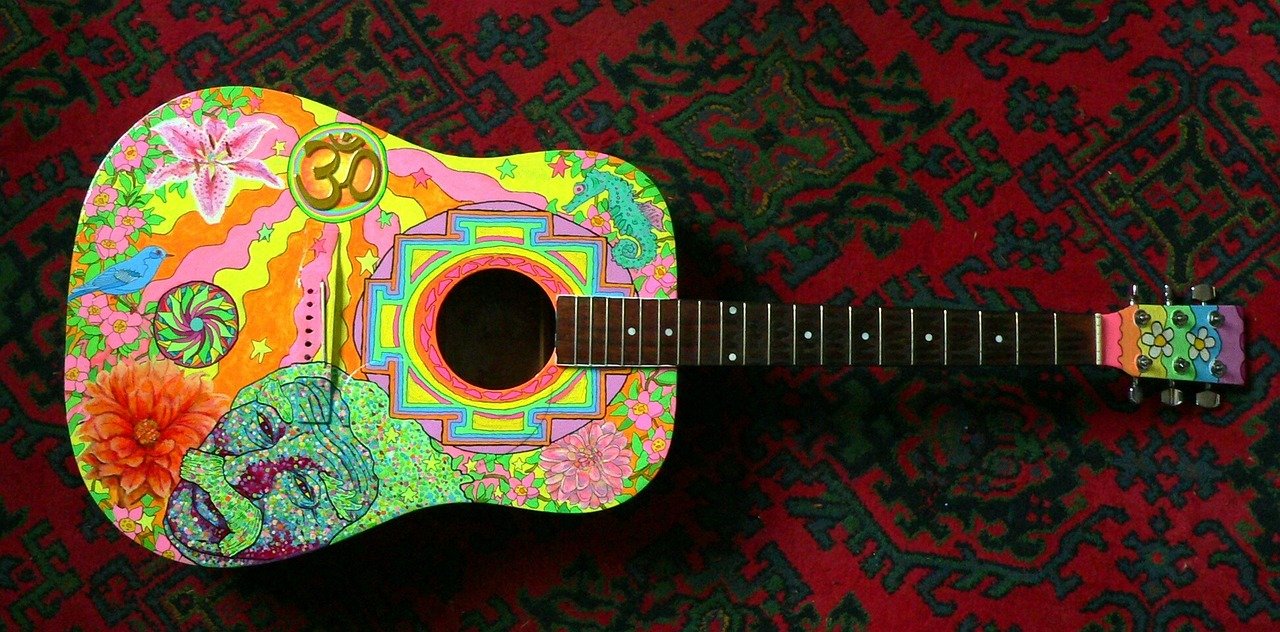
The Beatles’ experiments with sound, lyrics, and imagery—especially on “Revolver” and “Sgt. Pepper”—ignited the American psychedelic scene. San Francisco’s Summer of Love in 1967 owed much to The Beatles’ example, with bands like Jefferson Airplane and Grateful Dead drawing inspiration from their sonic explorations. LSD and other mind-expanding experiences, which John and George spoke about openly, became linked with creative freedom. The Beatles made it cool to be weird, and America followed.
Social Commentary in Pop Music
front
back, Public domain, https://commons.wikimedia.org/w/index.php?curid=32889969)
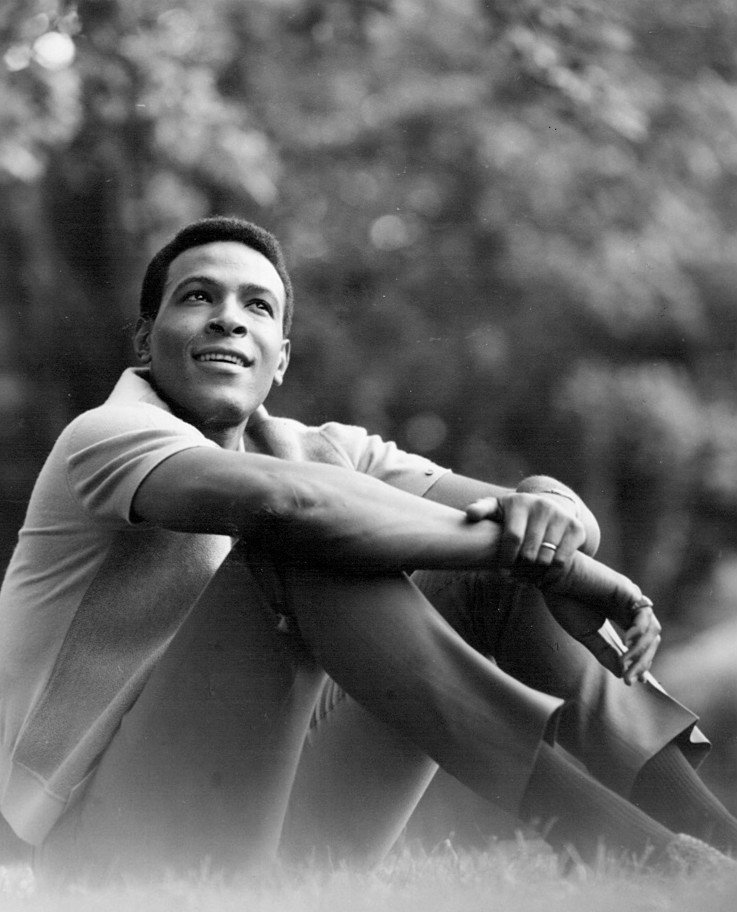
The Beatles pushed the boundaries of what pop songs could talk about. Tracks like “Revolution” and “Blackbird” tackled politics and civil rights, encouraging American artists to use their platforms for social change. Their evolving lyrics inspired musicians like Marvin Gaye, Simon & Garfunkel, and Bob Dylan to write songs about war, injustice, and hope. Pop music wasn’t just about romance anymore—it became a force for dialogue and progress.
Changing the Rules of Touring
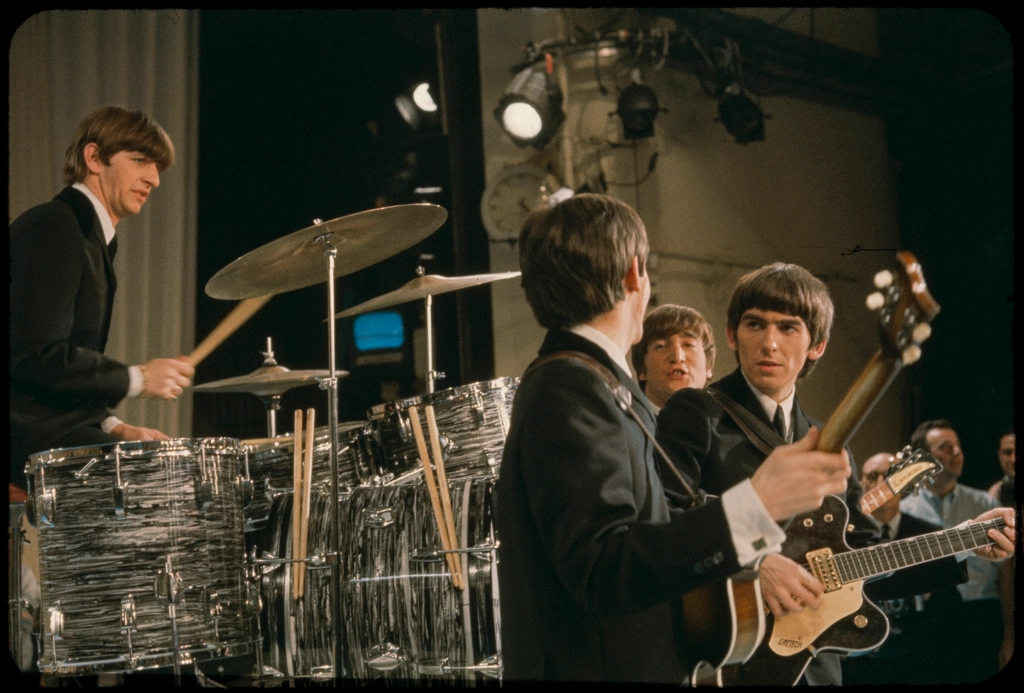
No band toured America like The Beatles. Their 1965 Shea Stadium concert drew 55,600 fans, the biggest crowd for a rock concert at the time. It set a new standard for live music, influencing everything from arena tours to festival culture. American bands realized that live shows could be massive, communal events. The Beatles also grew tired of touring’s chaos, making their retreat from the road in 1966 equally influential—proving that a band could stay relevant through recordings alone.
Embracing Counterculture Values
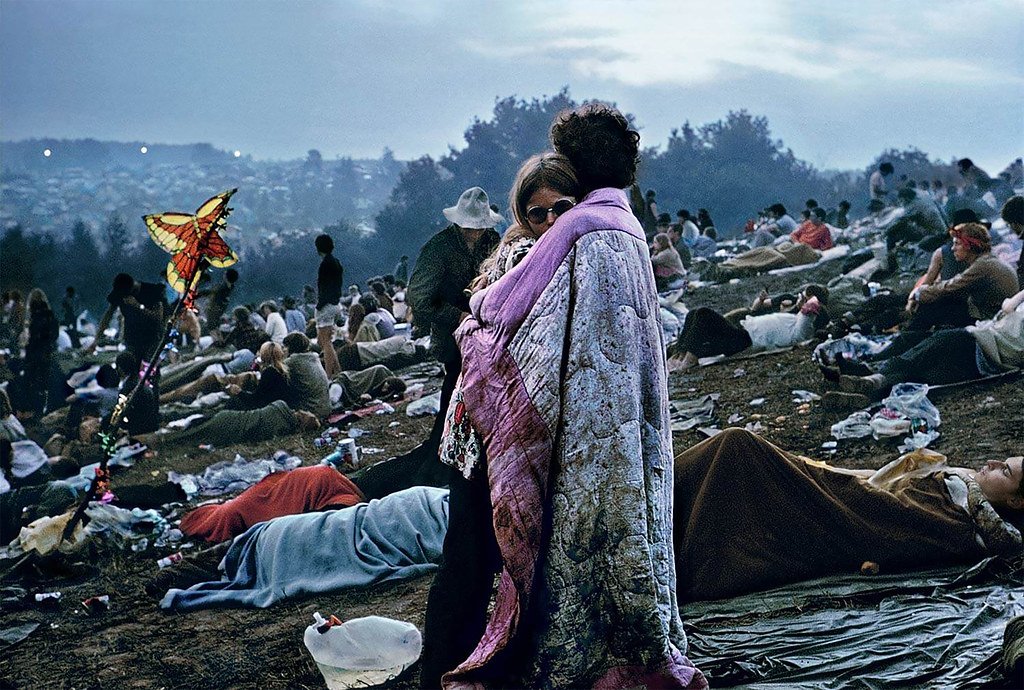
By the late 1960s, The Beatles embodied the spirit of the counterculture: peace, love, and questioning authority. Their turn toward Indian music and meditation sparked a wave of interest in Eastern spirituality across America. Their anti-war stance and advocacy for peace resonated with young Americans protesting the Vietnam War. The Beatles weren’t just making music—they were guiding a generation’s values and worldview.
Redefining Celebrity and Fandom
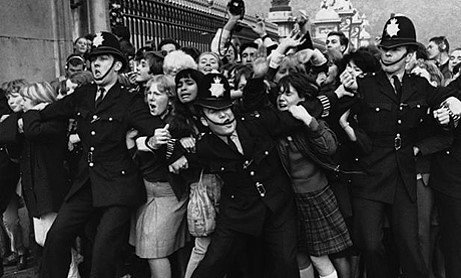
The scale of Beatlemania in America was unprecedented. Fans screamed, fainted, and camped outside hotels. The Beatles were among the first musicians to face the double-edged sword of global celebrity. Their experience changed how American artists handled fame, privacy, and the press. The intensity of their fandom set the template for later stars like Michael Jackson and Taylor Swift.
Innovative Use of Music Videos
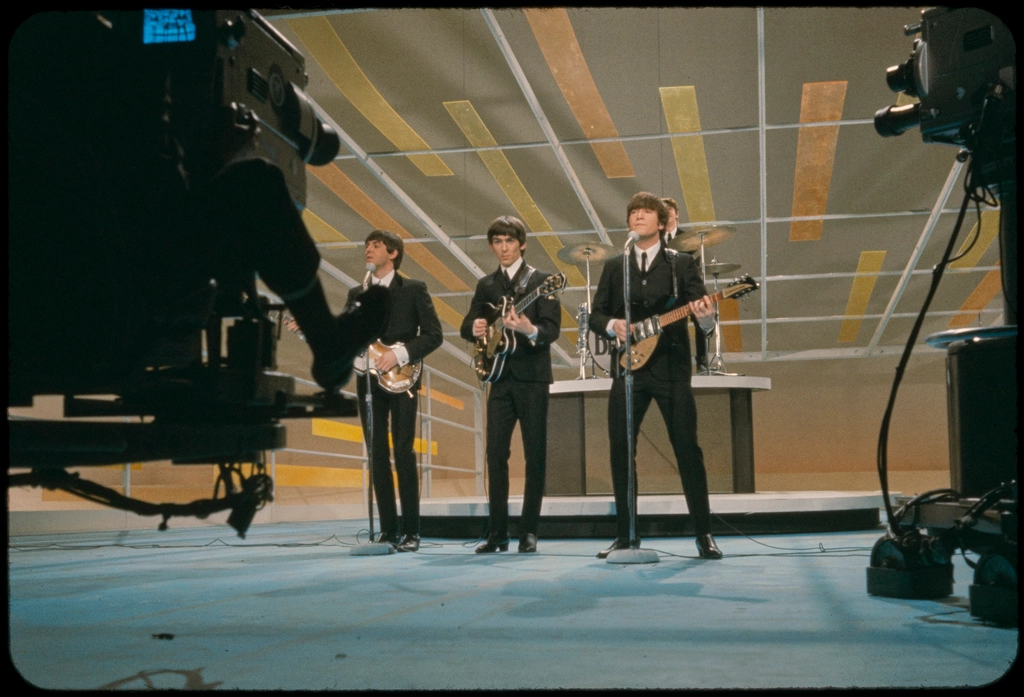
The Beatles pioneered the modern music video long before MTV existed. Their films for “Paperback Writer” and “Rain” were played on American TV, setting a visual standard for the industry. The Beatles’ “A Hard Day’s Night” movie inspired countless American bands to blend music and film. Later, MTV owed much of its DNA to the Beatles’ early experiments with the music video format.
Business Smarts and Self-Management
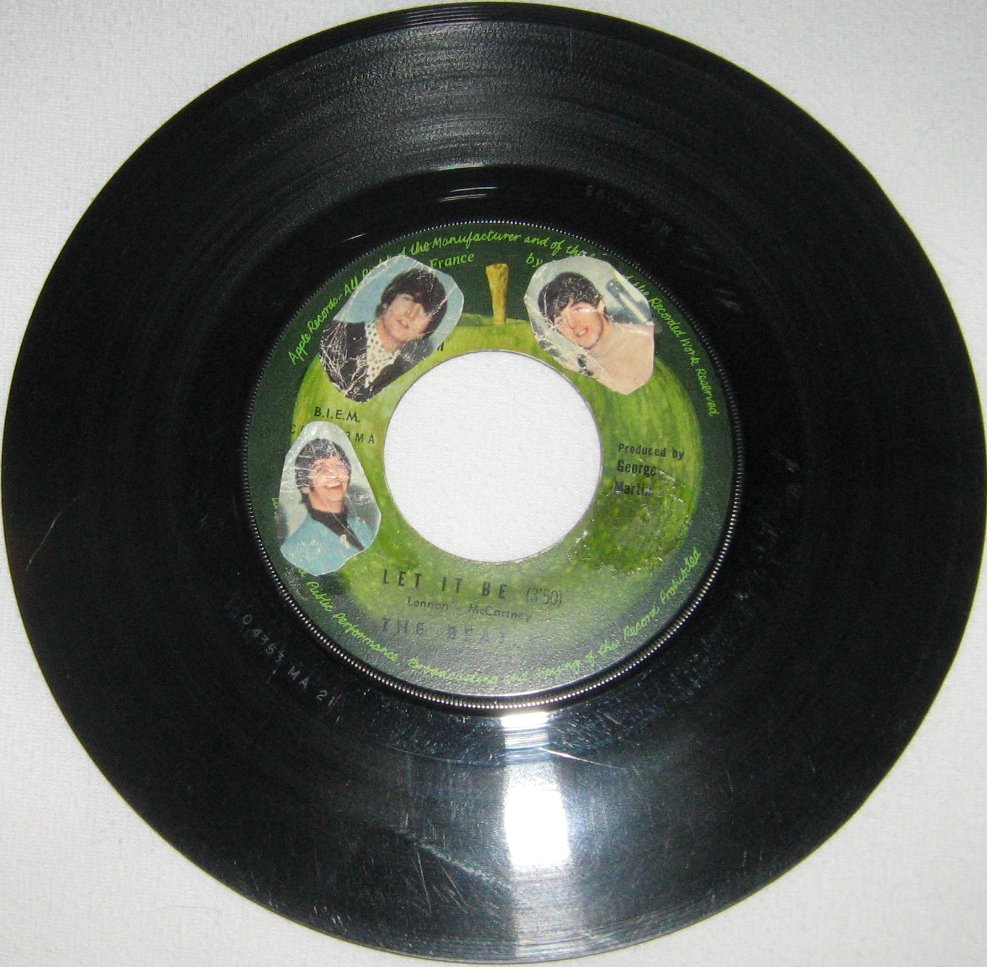
The Beatles took control of their business affairs, forming Apple Corps in 1968. This move inspired American bands to demand more control over their music, merchandising, and image rights. Rock stars began to see themselves as entrepreneurs, not just performers. This shift led to better contracts, more artistic freedom, and the birth of the modern music industry model.
Bringing World Music to Mainstream America
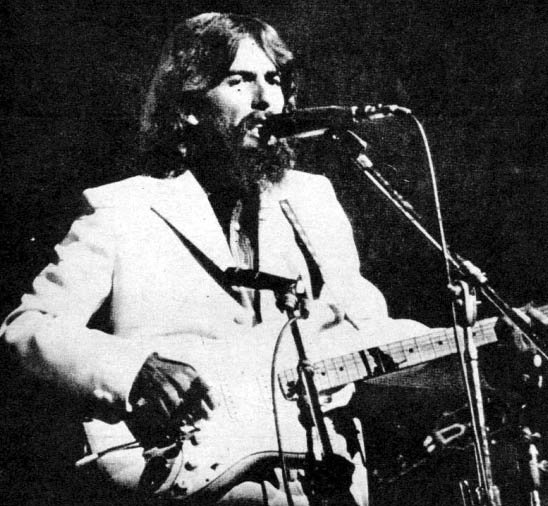
George Harrison’s embrace of the sitar and Indian sounds opened American ears to new musical worlds. Ravi Shankar’s popularity soared, and suddenly sitars appeared in songs by The Byrds and The Rolling Stones. The Beatles’ willingness to blend global styles made American music richer and more adventurous. They proved that great songs knew no borders.
Driving the Shift from Singles to Albums
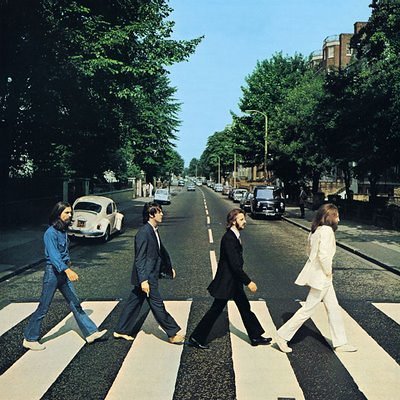
The Beatles’ focus on albums over singles led American listeners to treat records as works to be enjoyed from start to finish. “The White Album” and “Abbey Road” encouraged fans to buy and savor whole albums, not just radio hits. This changed how the industry marketed music, fueling the golden age of classic rock albums in the U.S.
Elevating Lyrics to High Art
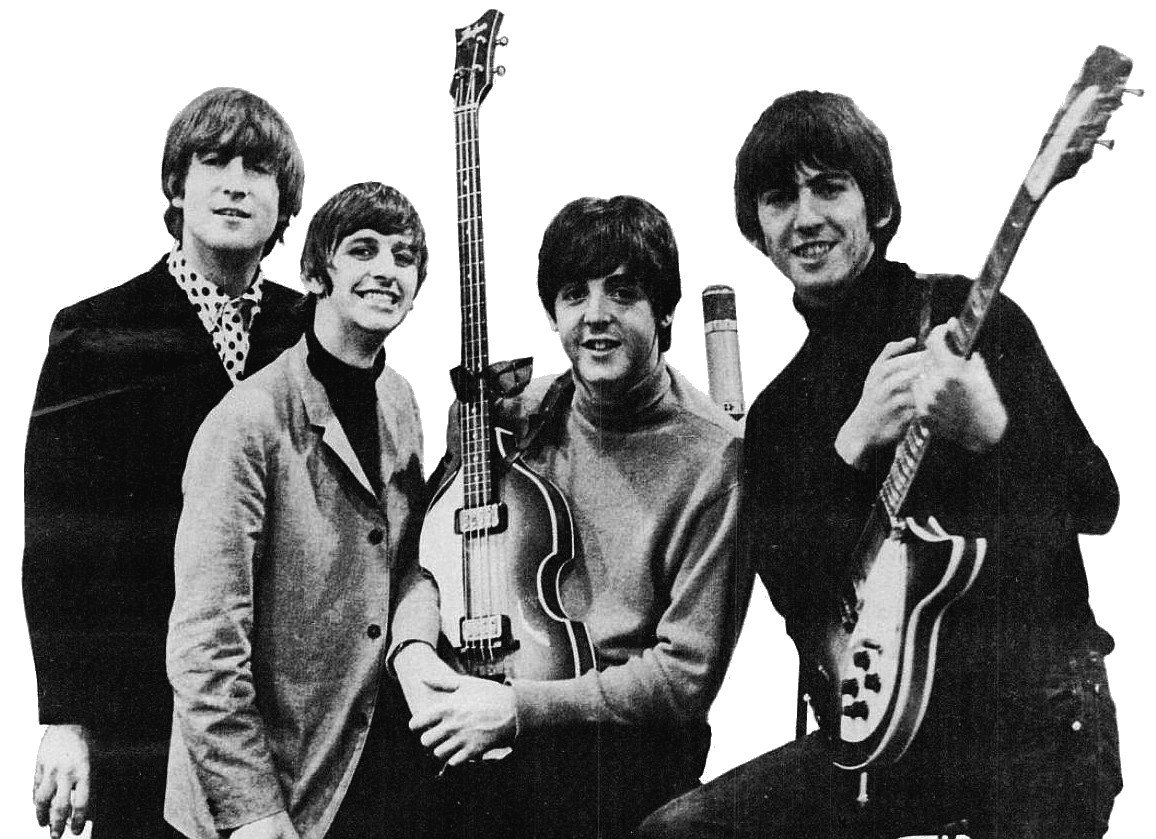
The Beatles’ poetic and sometimes surreal lyrics encouraged American songwriters to aim higher. Lines like “I am the walrus” or “Lucy in the Sky with Diamonds” sparked endless debate and analysis. Universities even began offering courses on Beatles’ lyrics in the late 1960s. The Beatles proved that pop could be as meaningful and mysterious as literature.
Setting the Stage for Genre Fusion
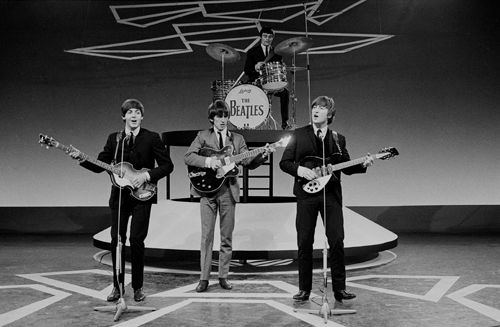
The Beatles’ willingness to blend rock, pop, blues, country, and classical elements inspired Americans to break down genre walls. Artists like Jimi Hendrix and The Doors mixed sounds in bold new ways, following the Beatles’ lead. Today’s boundary-blurring music owes much to the Beatles’ genre-hopping experiments during those five years.
Fueling the Growth of Youth Media
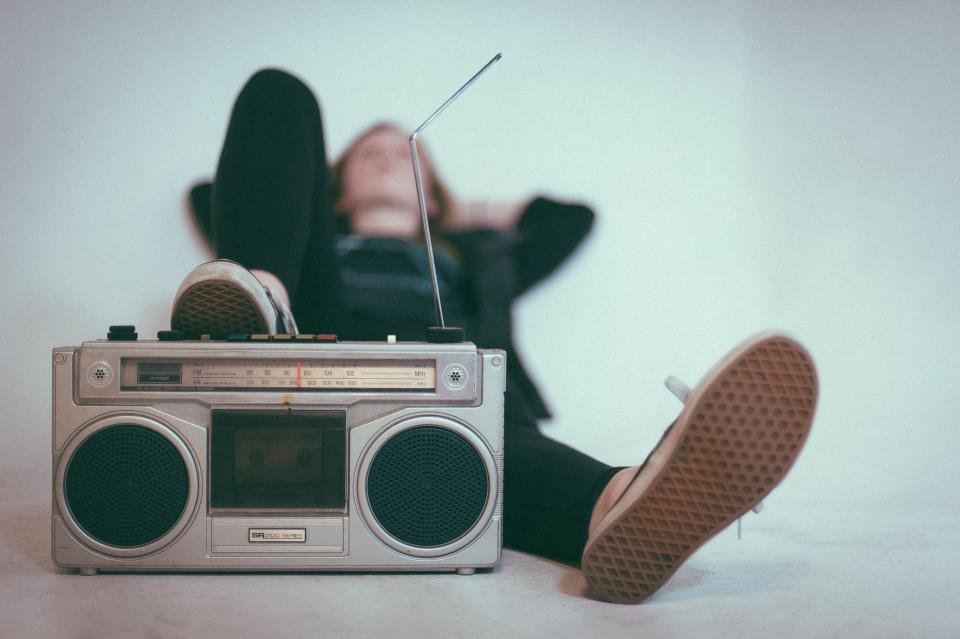
The Beatles’ immense popularity created a huge market for youth magazines, radio shows, and TV programs in the U.S. Teen magazines like “Tiger Beat” took off. Radio stations played more rock and pop, and TV shows scrambled to book the latest bands. The Beatles proved that young people were a powerful audience, reshaping American media for decades to come.
Paving the Way for Music Festivals
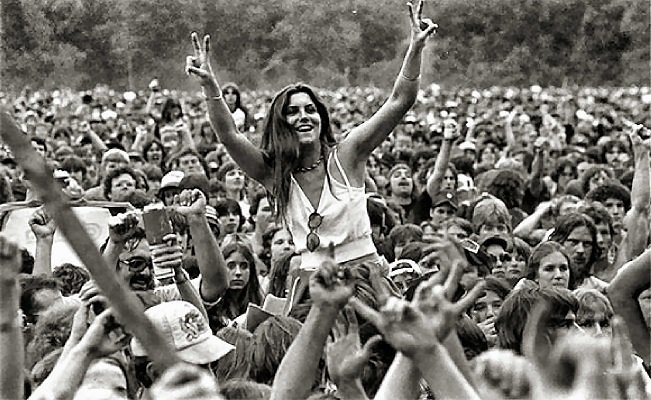
The Beatles’ cultural influence helped set the stage for America’s biggest festivals. Woodstock in 1969 was the culmination of a movement that The Beatles helped spark. Their spirit of experimentation, community, and peace shaped the vibe of these gatherings. Even though the Beatles never played Woodstock, their fingerprints were all over it.
The end.

Besides founding Festivaltopia, Luca is the co founder of trib, an art and fashion collectiv you find on several regional events and online. Also he is part of the management board at HORiZONTE, a group travel provider in Germany.
