

- 11 Epic Train Journeys Across America That Offer a Grand View of History - March 11, 2026
- 15 Little-Known Facts About Founding Fathers You Won’t Believe - March 11, 2026
- 11 Epic Train Journeys Across America That Offer a Grand View of History - March 11, 2026
Pirate Ships: Floating Laboratories of Equality
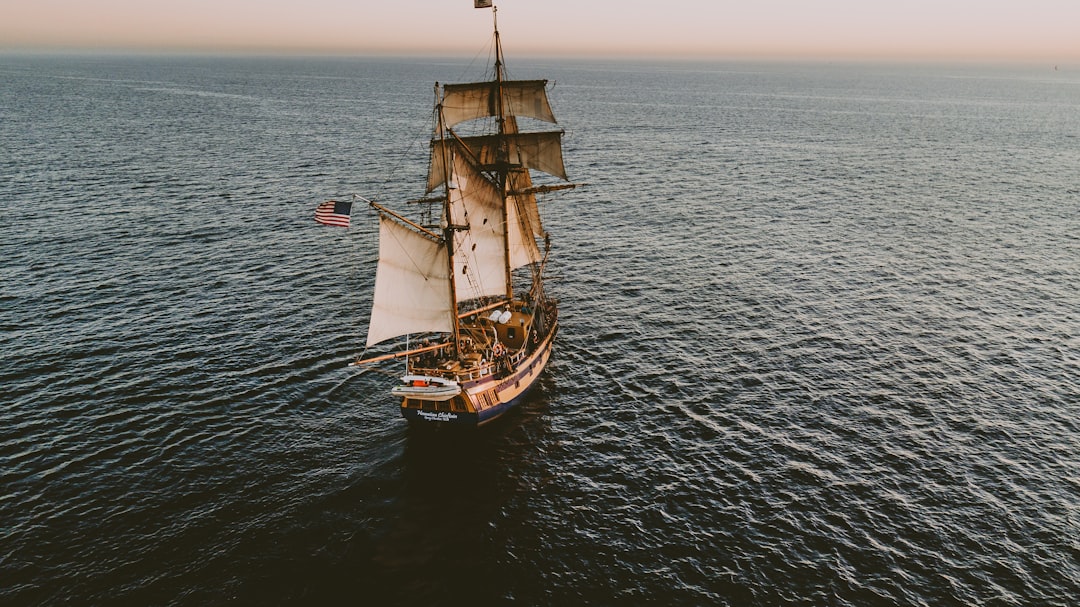
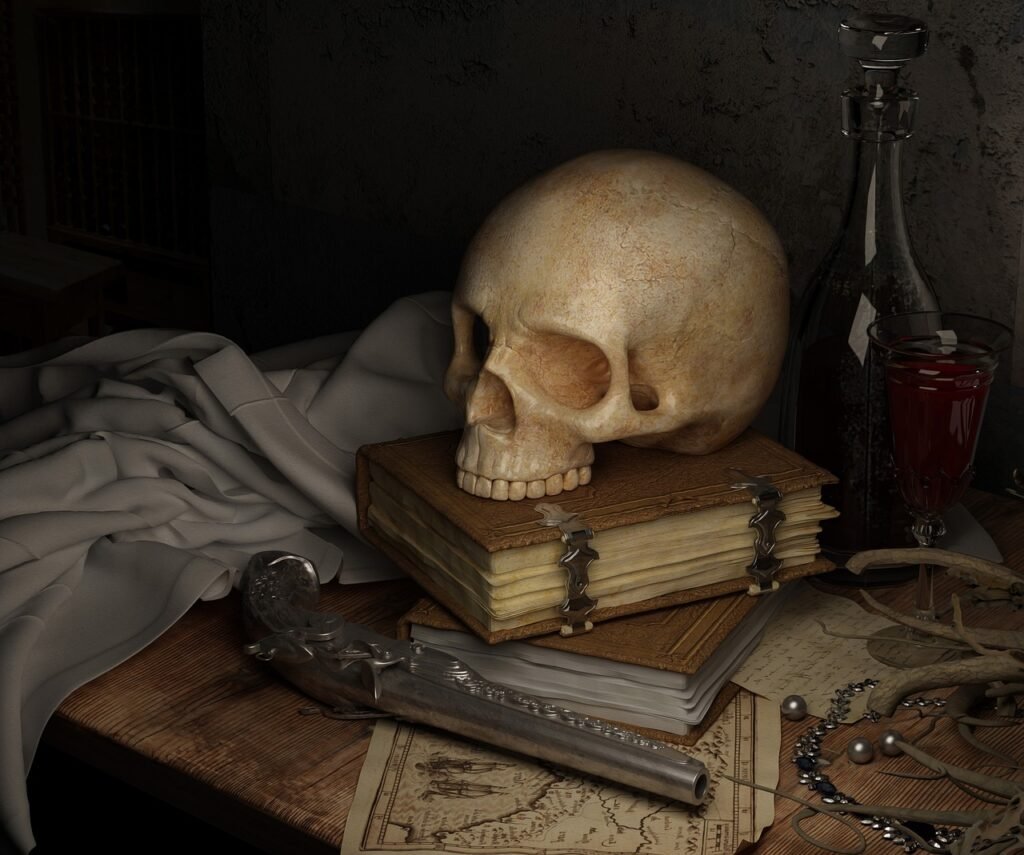
Step aboard a pirate ship in the early 1700s and you’d find a shocking experiment in equality. Unlike the rigid class hierarchies of navy vessels or merchant ships, pirates often elected their captains and could depose them by vote. According to historian Marcus Rediker, pirate crews “practiced a rough sort of democracy” where every man’s voice counted in big decisions. This wasn’t just an informal agreement—pirates signed “articles of agreement” outlining rights, duties, and even rules for sharing loot. It was a world where even the captain’s orders could be challenged if the majority disagreed, echoing the spirit of later democratic constitutions.
Voting Rights on the High Seas

Pirate crews didn’t just talk about voting—they lived it. Major decisions, such as when to attack, where to sail, or how to divide plunder, went to a vote. This was radical for its time. British ships enforced strict top-down command, but pirates flipped that on its head. Evidence from the period shows that pirate ships usually held votes by a show of hands, and sometimes by secret ballot for sensitive issues. This practice mirrored the later adoption of voting in town halls and legislatures, centuries before universal suffrage became law in most countries.
Checks and Balances: Pirate Style
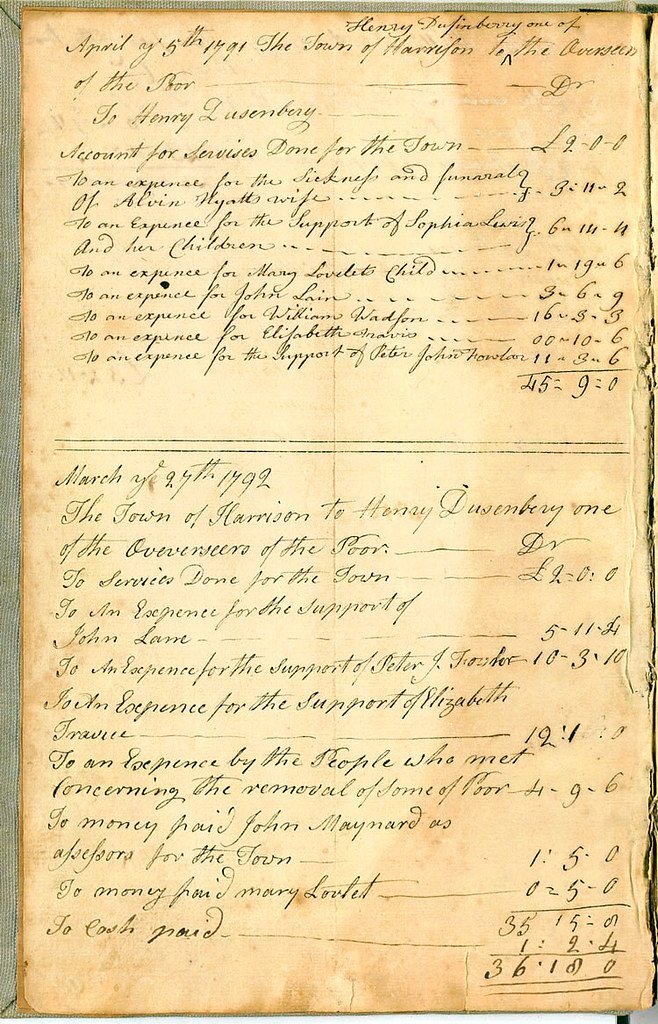
Modern democracies are built on dividing power so no one person has too much control. Pirate ships did this too. The captain led during battle, but a “quartermaster” balanced his authority day-to-day, handling discipline and dividing loot. The quartermaster could even veto the captain’s decisions if the crew agreed. This system, documented in actual pirate codes discovered from the early 18th century, closely resembles the checks and balances in today’s governments, where presidents, parliaments, and courts keep each other honest.
Written Constitutions Before They Were Cool
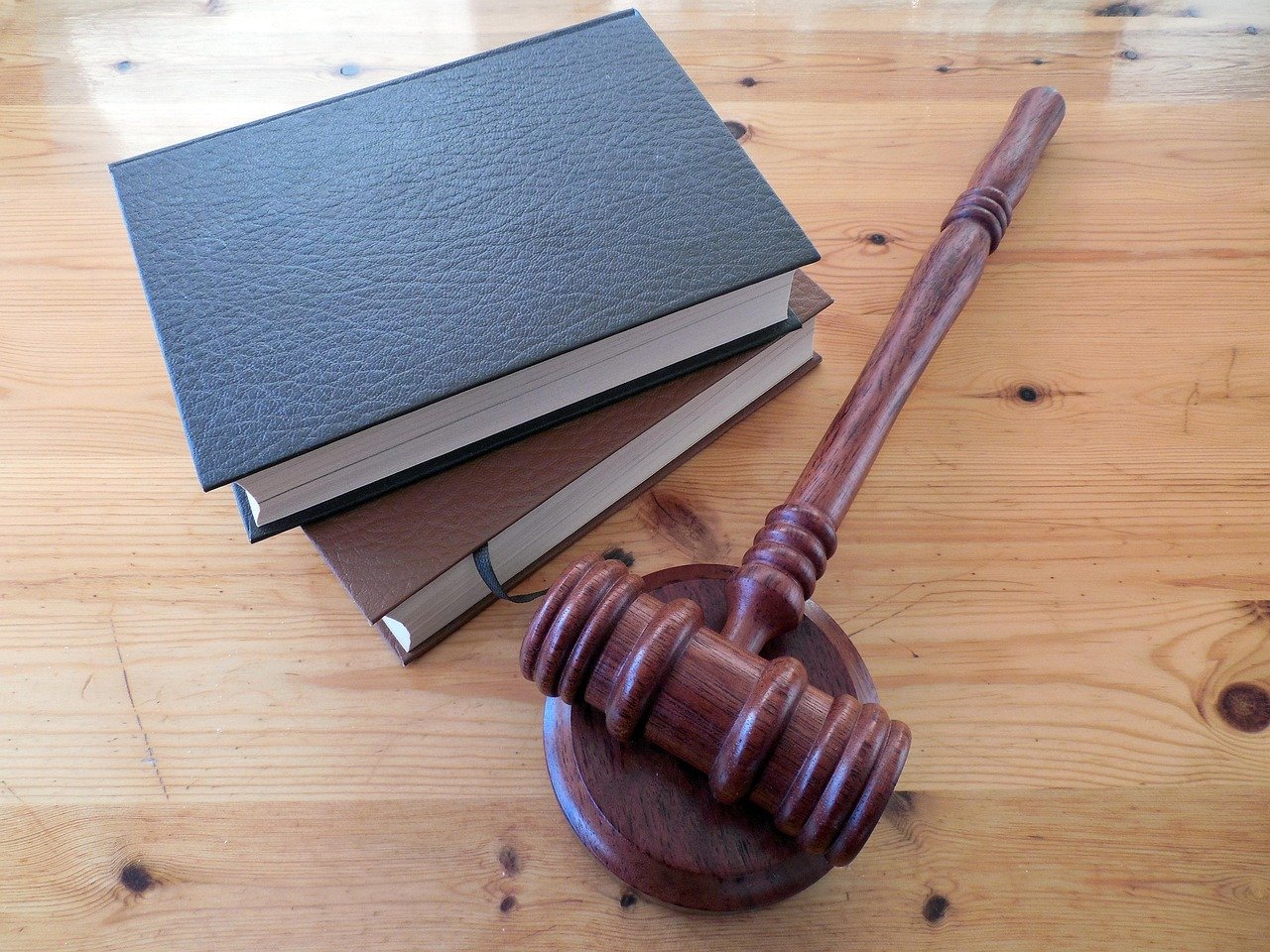
Long before the U.S. Constitution, pirates were drafting their own. These shipboard “articles” spelled out everything from how much gold each man got to what happened if someone cheated. According to research published in the Journal of Political Economy, over 70 percent of pirate ships had some form of written agreement, signed by all crew members. This practice of agreeing to a written code inspired later democratic charters and constitutions, showing that pirates pioneered the idea of government by consent.
Sharing the Spoils: Early Economic Justice

Pirates had a reputation for being greedy, but their system for dividing treasure was surprisingly fair. Unlike merchant ships, where most of the profit went to a few owners, pirates split loot by agreed shares. Even the lowest-ranking swabbie got a piece. Historian David Cordingly notes that this “economic democracy” helped keep crews loyal and reduced infighting. Early social scientists have called this one of the first examples of workplace profit-sharing, a concept that would later influence trade unions and employee-owned businesses.
Diversity and Inclusion at Sea

While the world on land was deeply segregated, pirate ships were often havens for the marginalized. People of all races, backgrounds, and even former slaves could be found as equal crew members. Recent research from maritime historians shows that up to 30 percent of some pirate crews were Black or mixed-race, and many were runaway slaves. Pirates didn’t care about background—just skill and loyalty. This radical inclusivity foreshadowed the ideals of equality that modern democracies strive toward.
Healthcare and Compensation for Wounds
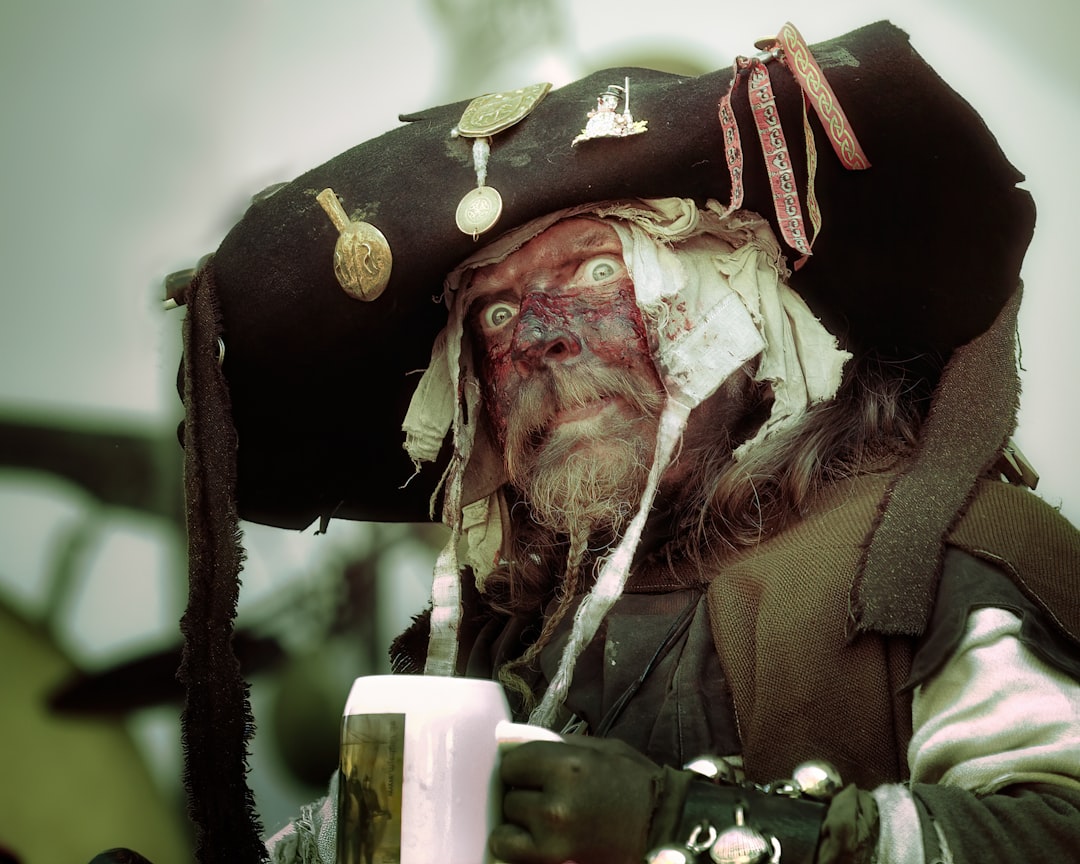
Pirate articles almost always included rules about caring for the injured. If a pirate lost a limb or was badly hurt in battle, he received compensation—sometimes up to 800 pieces of eight for a lost arm. This early “social insurance” system was incredibly progressive for its day. According to economic historians, these compensation schemes were written into the ship’s articles and funded by the crew’s communal treasure. This idea would eventually inspire modern workers’ compensation laws and social safety nets.
Freedom of Speech and Dissent
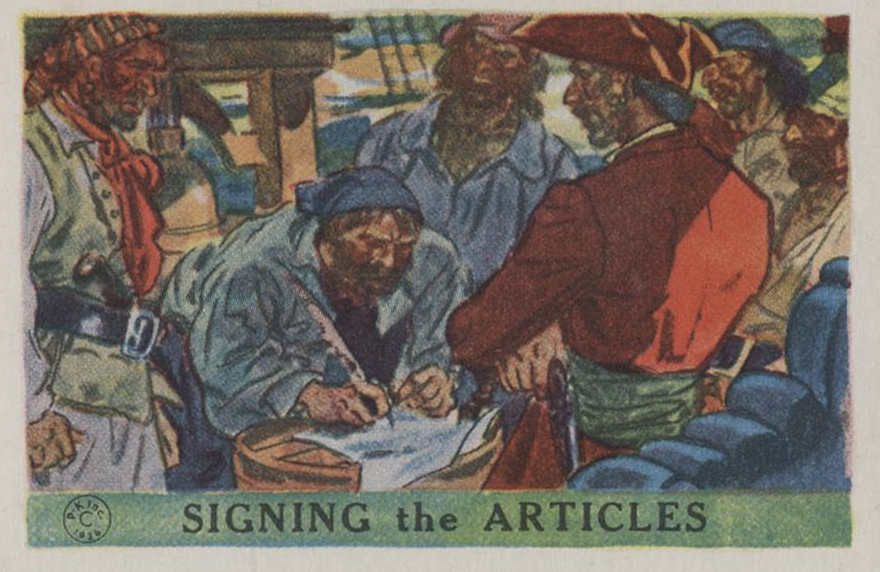
Freedom of speech wasn’t just a philosophical concept for pirates—it was survival. Pirate codes usually included clauses that protected the right to speak up in council or challenge the captain’s decisions, as long as it didn’t endanger the ship. This culture of open debate and dissent set a powerful example for later democratic societies, where freedom of speech is a core right. Researchers have pointed out that this was one of the rare places in the 18th century where a poor sailor could safely criticize his boss and not get flogged for it.
Punishing Corruption and Upholding Justice
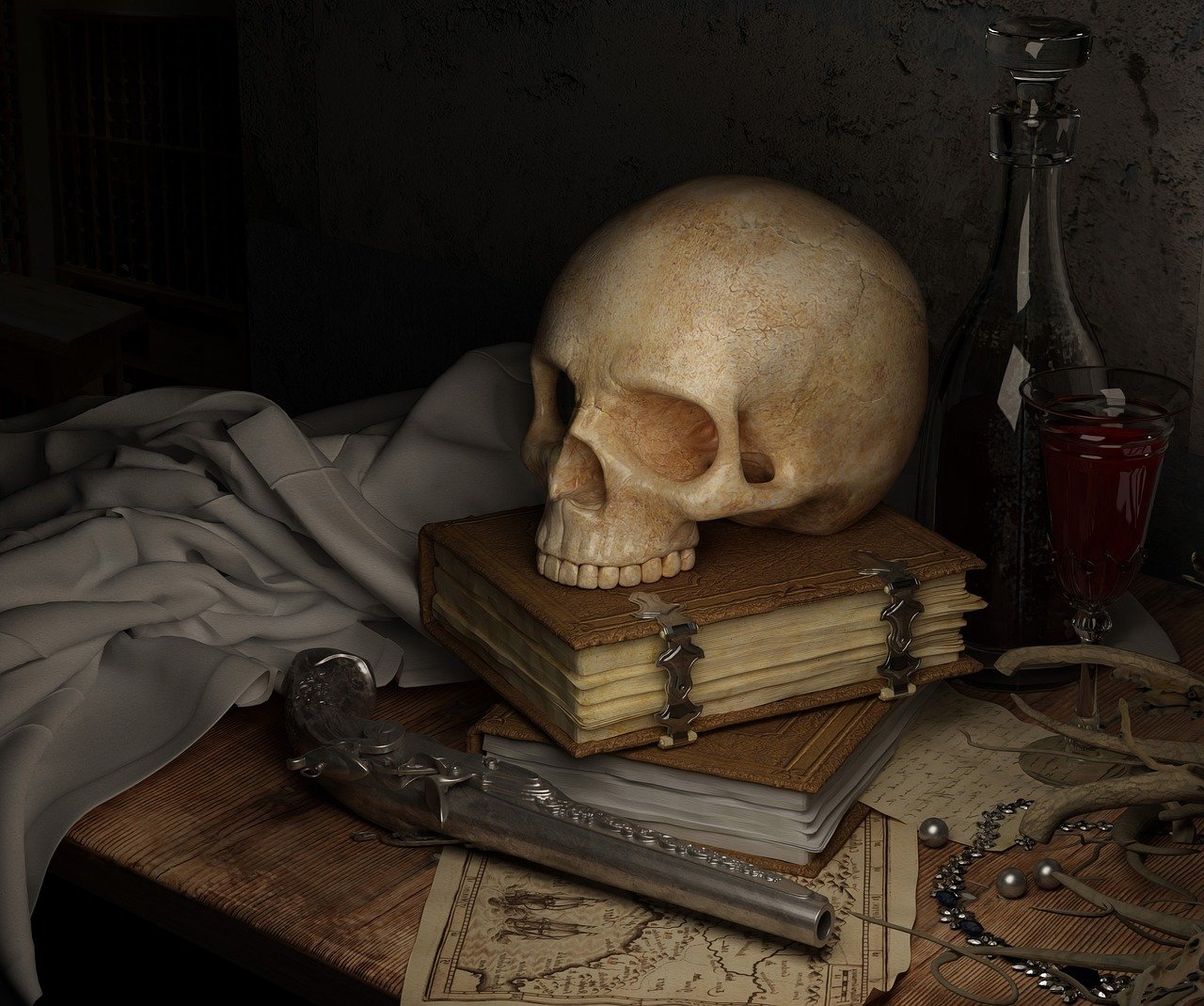
Pirate crews were notoriously harsh on those who broke their code—especially thieves and cheaters. Unlike many land-based courts where justice was for sale, pirates enforced their rules strictly and often publicly. Punishments were decided by the whole crew, not just the captain, ensuring fairness (at least by pirate standards). This commitment to rule of law, even among outlaws, foreshadowed the legal systems that modern democracies rely on to keep leaders and citizens accountable.
Influence on Enlightenment Thinkers
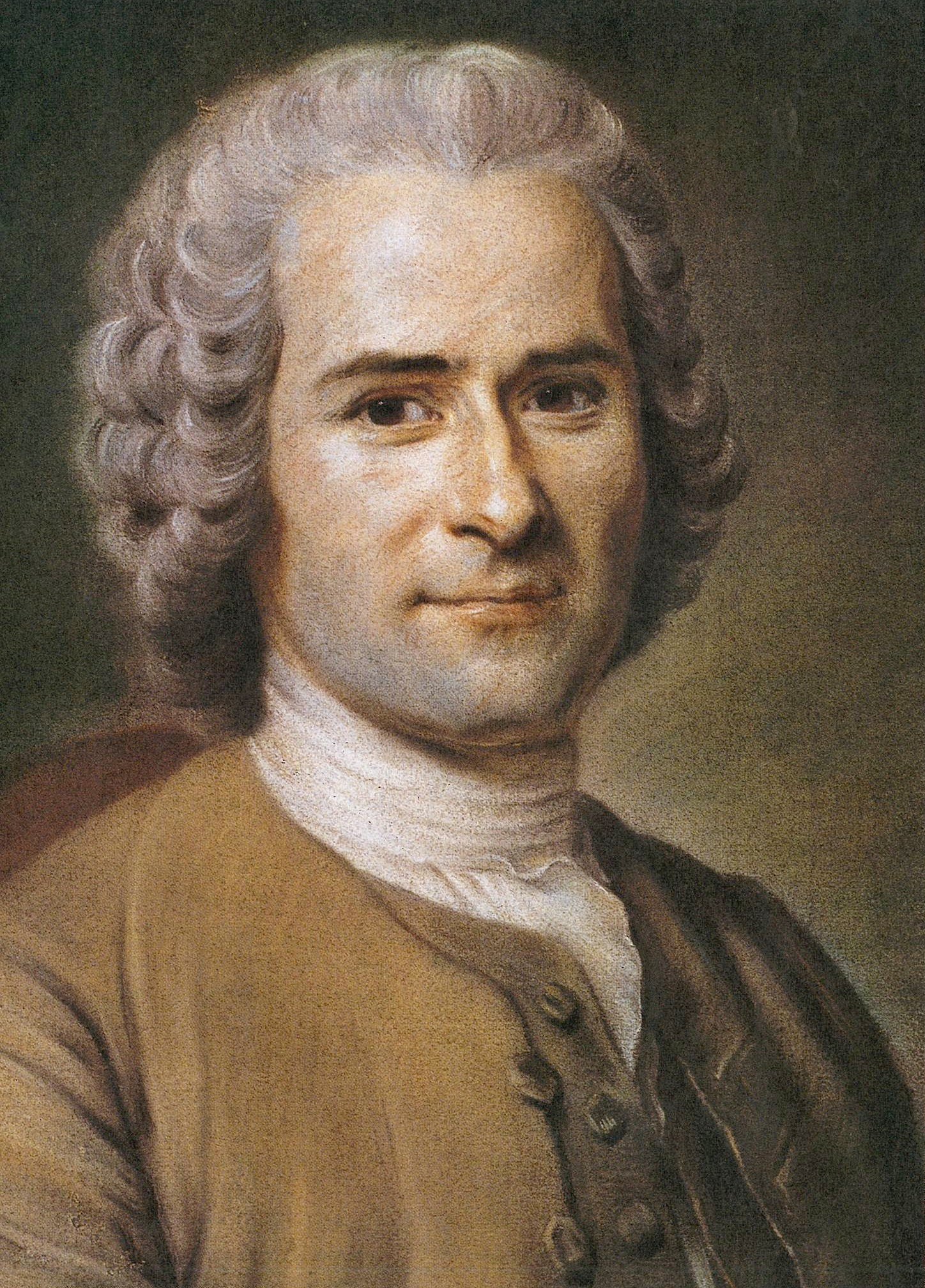
Surprisingly, pirate democracy caught the attention of philosophers and writers in Europe. Some Enlightenment thinkers, like Jean-Jacques Rousseau and Thomas Paine, referenced tales of pirates and their egalitarian ships when talking about new forms of government. Recent scholarship has even found that Benjamin Franklin was fascinated by pirate codes and sometimes used pirate metaphors in his political writings. These ideas rippled outward, helping to shape debates about freedom, justice, and the structure of societies.
Pirate Havens: Prototypes of Self-Government
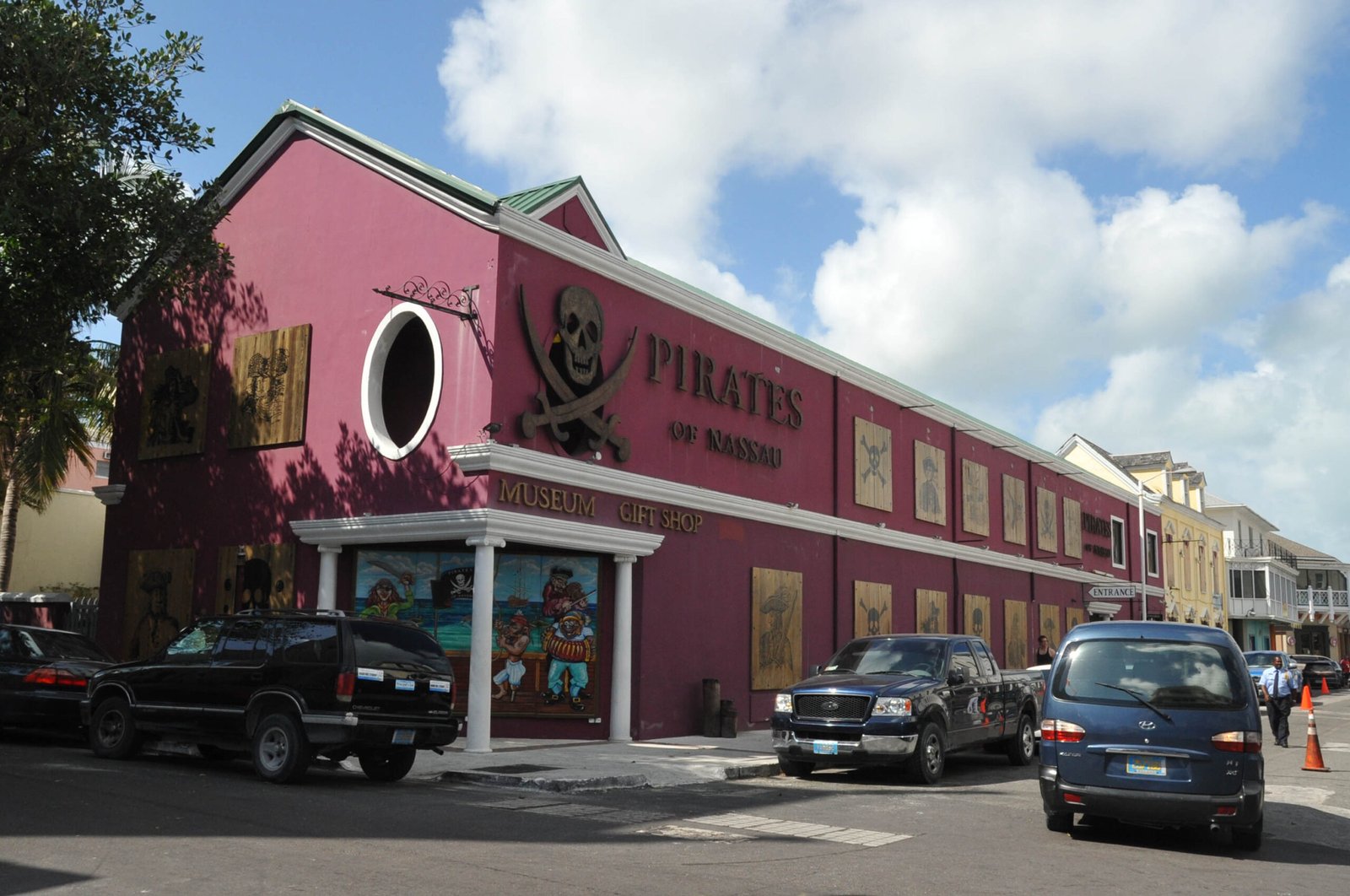
Pirates didn’t just bring democracy to their ships—they founded entire communities based on self-rule. The most famous was Nassau in the Bahamas, a “pirate republic” in the early 1700s where outlaws set up their own government. Reports from the time describe town meetings, elected councils, and even rudimentary courts. These pirate havens served as living laboratories for self-government, proving that ordinary people could rule themselves without kings or aristocrats.
Legacy in Today’s Democracies

The ideas that pirates tested on the high seas didn’t stay there. Over time, their experiments with voting, equality, and justice seeped into the mainstream. Modern democracies carry echoes of pirate practices, from written constitutions to the separation of powers. According to a 2024 study on the origins of democratic norms, many of our most cherished freedoms can be traced back to these rebellious sailors. The next time you hear about democracy, remember: some of its boldest architects once flew the Jolly Roger.
CEO-Co-Founder
