


- Anticipated Album Releases of 2025: A Musical Journey Awaits - February 22, 2026
- New York City’s Star-Studded Line-Up: 2025’s Must-See Performances - February 22, 2026
- 25 Times Tech Meets Style: The Best Wearable Gear for 2024 - February 22, 2026
The Simple Challenge That Broke the Internet

Picture this: it’s August 2014, and your social media feeds are flooded with videos of people dumping ice-cold water over their heads. What started as a simple stunt became something nobody expected – the most successful medical fundraising phenomenon in history. They inspired over 17 million people around the world to dump ice water on their heads and donate to an ALS organization. The ALS Ice Bucket Challenge wasn’t just another viral trend that faded away.
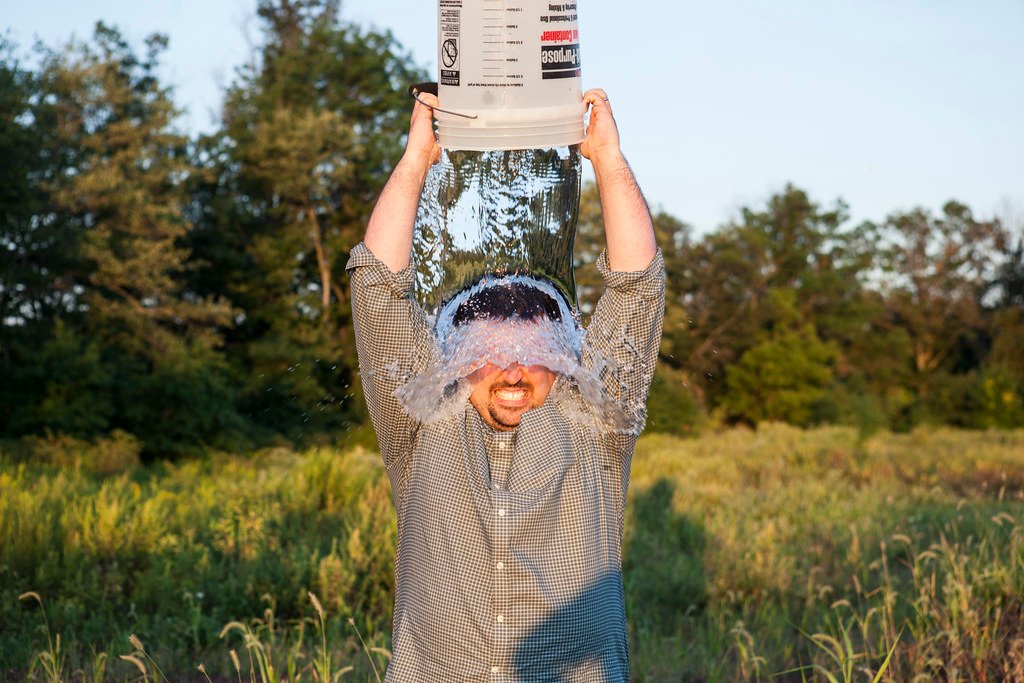
The concept was ridiculously simple: pour a bucket of ice water over your head on camera, donate to ALS research, and challenge three friends to do the same within 24 hours. The challenge encourages nominated participants to be filmed having a bucket of ice water poured on their heads and then nominating others to do the same. What made it genius was how it combined peer pressure, social media virality, and genuine charitable purpose into one irresistible package.
The Unlikely Heroes Behind the Movement

In the summer of 2014, three young men living with ALS, Anthony Senerchia, Pete Frates, and Pat Quinn, took the ALS Ice Bucket Challenge and launched a global phenomenon that changed the fight against ALS forever. Pete Frates, a former Boston College baseball captain, was diagnosed with ALS in 2012 at just 27 years old. A former Captain of the Boston College baseball team and professional baseball player in Europe, Pete Frates was diagnosed with ALS in March of 2012, at the age of 27.
Pat Quinn from Yonkers, New York, became the co-founder who brought relentless energy to the cause. I was diagnosed with ALS back in March 2013. It’s been an absolute battle to still be here today. These weren’t celebrity influencers or marketing executives – they were ordinary people facing an extraordinary challenge. Their authenticity became the driving force that made millions care about a disease most had never heard of.
The Viral Explosion That Nobody Saw Coming

The numbers from that summer are staggering. Within just five days in August 2014, the number of challenge videos doubled from 1.2 million to 2.4 million unique posts. More than 28 million people engaged with Ice Bucket Challenge content through posts, shares, and likes. Think about that – in a matter of days, the challenge went from a small community effort to a global movement that reached every corner of the internet.
The timing was perfect. Social media platforms like Facebook, Twitter, and Instagram had reached critical mass, making viral content more powerful than ever before. The challenge first received increased media attention in the United States on June 30, 2014, when personalities of the Golf Channel program Morning Drive televised the social-media phenomenon, and performed a live, on-air Ice Bucket Challenge. What started as a grassroots movement quickly captured mainstream media attention.
Celebrity Power Meets Grassroots Passion

When celebrities started participating, the challenge exploded beyond anyone’s wildest dreams. During the summer of 2014, the Ice Bucket Challenge included several big-name supporters and donors including Lady Gaga, Oprah Winfrey and Meghan Markle. Bill Gates, Mark Zuckerberg, and even politicians joined in, each bringing their massive audiences to the cause.
“I am a huge basketball fan, so when people like Michael Jordan and Lebron James got involved, I lost it,” Pat Quinn told ABC’s Nightline. The celebrity endorsements weren’t just publicity stunts – they were genuine participation in a movement that felt bigger than any individual. His spirit is what helped propel the Ice Bucket Challenge to a ubiquitous place on social media in the summer of 2014, when everyone from former President George W. Bush to the TODAY anchors to Martha Stewart was dumping ice water over their heads to raise money to fight ALS.
The Fundraising Phenomenon That Shattered Records
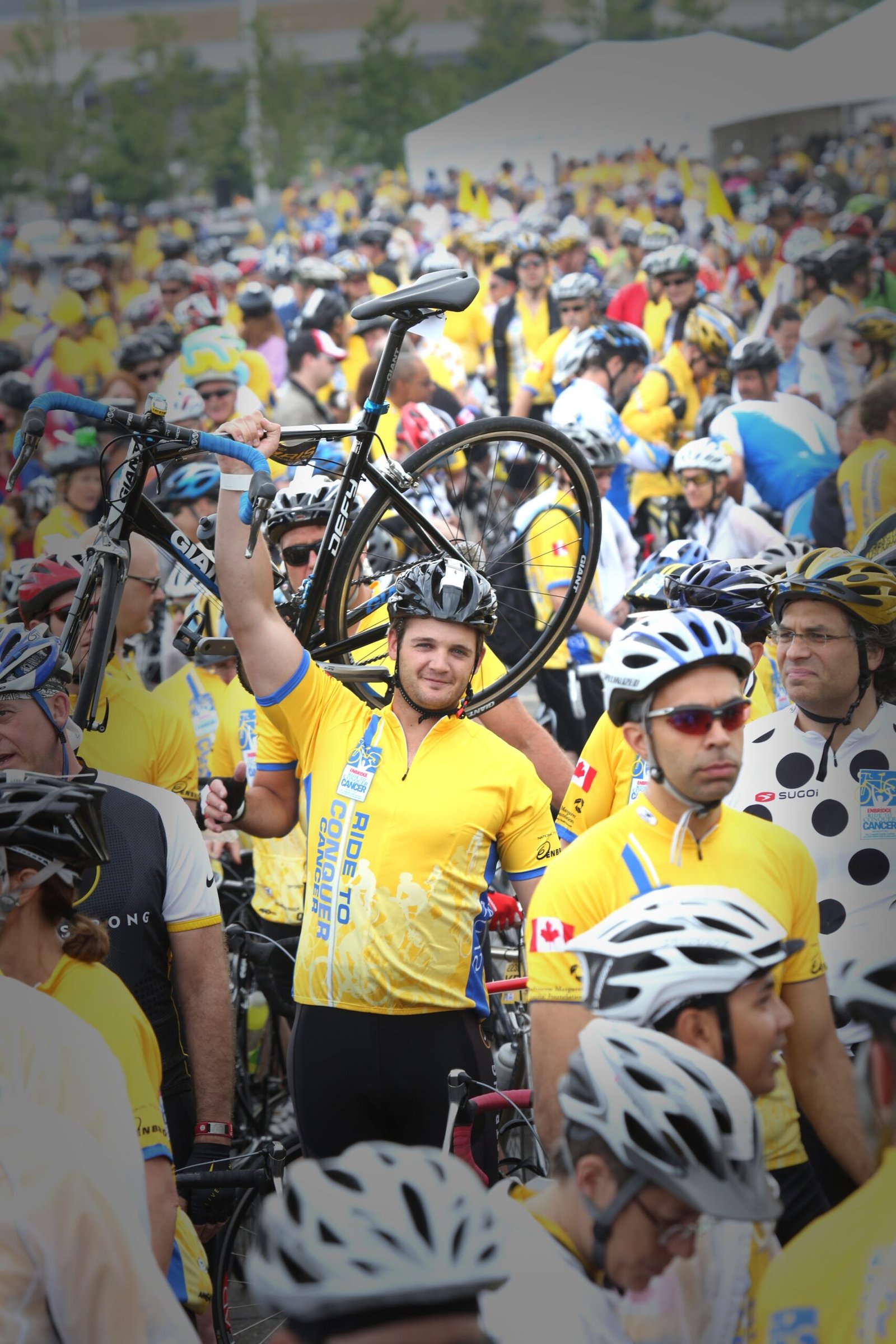
The financial impact was unprecedented. The Challenge raised awareness of the disease worldwide and raised $115 million to support our mission, funds that were invested in ALS research and care for people living with the disease. The Ice Bucket Challenge achieved unprecedented fundraising success, generating $115 million for the ALS Association in just six weeks. This influx of funds represented a 3,500% increase compared to the organization’s typical annual fundraising.
But the ALS Association wasn’t the only beneficiary. The Challenge raised more than $115 million for The ALS Association and over $200 million around the world for ALS research and brought unprecedented awareness of the disease. In the summer of 2014, 2.5 million donors raised $115 million for The ALS Association. The speed and scale of donations broke every rule about traditional fundraising.
Strategic Brilliance Hidden in Simplicity

What made this challenge so effective wasn’t luck – it was brilliant psychology wrapped in a simple format. The campaign’s structure – combining personal nominations, 24-hour response windows, and the option to donate or perform the challenge – created a powerful viral mechanism that propelled its rapid global spread. The 24-hour deadline created urgency, while the nomination system ensured exponential growth.
The genius was in making participation accessible to everyone. You didn’t need special skills, expensive equipment, or even a large donation. The barrier to entry was so low that anyone could participate, yet the social pressure was strong enough to motivate action. Participants would donate to a charity of their choice. Even those who couldn’t afford to donate still raised awareness by sharing videos.
The Science Revolution That Followed

The real victory came in the laboratories. Over the past decade, the ALS Association has awarded $155 million in research grants across 560 projects—more than double what was invested in the 23 years prior to the ALS Ice Bucket Challenge. For every dollar received from the ALS Ice Bucket Challenge, grantees reported follow-on funding of $7.01, bringing the total impact of the challenge to nearly $1 billion in ALS research funding.
The funding created a multiplier effect that researchers had never seen before. An independent research organization reported that donations from the 2014 ALS Ice Bucket Challenge enabled The ALS Association to increase its annual funding for research around the world by 187 percent. This wasn’t just about more money – it was about creating a sustainable research ecosystem that could tackle ALS from multiple angles simultaneously.
The NEK1 Gene Discovery That Changed Everything

Two years after the challenge, researchers announced a breakthrough that validated every ice bucket dumped. On July 25, 2016, the ALS Association announced that, thanks in part to donations from the Ice Bucket Challenge, the University of Massachusetts Medical School has identified a third gene that is a cause for the disease. The team found variations in NEK1, a gene with multiple functions in neurons, present in approximately 3 percent of all cases of both sporadic and familial ALS in North America and Europe, making it one of the most common genetic causes of the disease.
“Global collaboration among scientists, which was really made possible by ALS Ice Bucket Challenge donations, led to this important discovery,” said Dr. John Landers, who led the study. To identify NEK1, more than 80 researchers from twelve countries contributed to Project MinE, sequencing the genomes of 15,000 people with ALS. The discovery provided a new target for potential therapies and proved that viral fundraising could drive real scientific progress.
The Treatment Revolution That Emerged

The research funding didn’t just identify genes – it led to actual treatments. Before the Ice Bucket Challenge: Rilutek was the only treatment available for people diagnosed with ALS. Since the Ice Bucket Challenge: Two new treatments have been approved by the FDA: Radicava™ in 2017 and Qalsody in 2023. For families facing ALS, these weren’t just medical breakthroughs – they were lifelines.
The impact extended far beyond new drugs. Before the Ice Bucket Challenge: There were only 100 multidisciplinary clinics due to the lack of funding, limiting access to care. Since the Ice Bucket Challenge: The number of ALS clinics has more than doubled to 226 nationwide due to increased funding opportunities, expanded availability and usage of telehealth, and geo-mapping to help people find and access multidisciplinary care near them.
The Global Movement That Transcended Borders

The challenge didn’t stop at American borders. In 2016, the Motor Neurone Disease New Zealand Association Inc (later to become the Motor Neurone Disease New Zealand Charitable Trust) promoted the ice-bucket challenge which raised NZ$35,000. In June 2018 in Seoul, South Korea the Challenge raised funds to build Korea’s first dedicated hospital for ALS patients. Each country adapted the challenge to their culture while maintaining the core message.
The global reach proved that compelling ideas could transcend language barriers and cultural differences. In the United States, many people participated for the ALS Association, and in the United Kingdom, many people participated for the Motor Neurone Disease Association, although some individuals opted to donate their money from the Ice Bucket Challenge to other organizations. The flexibility of the format allowed different organizations to benefit while maintaining unified messaging.
The Legacy That Continues Today
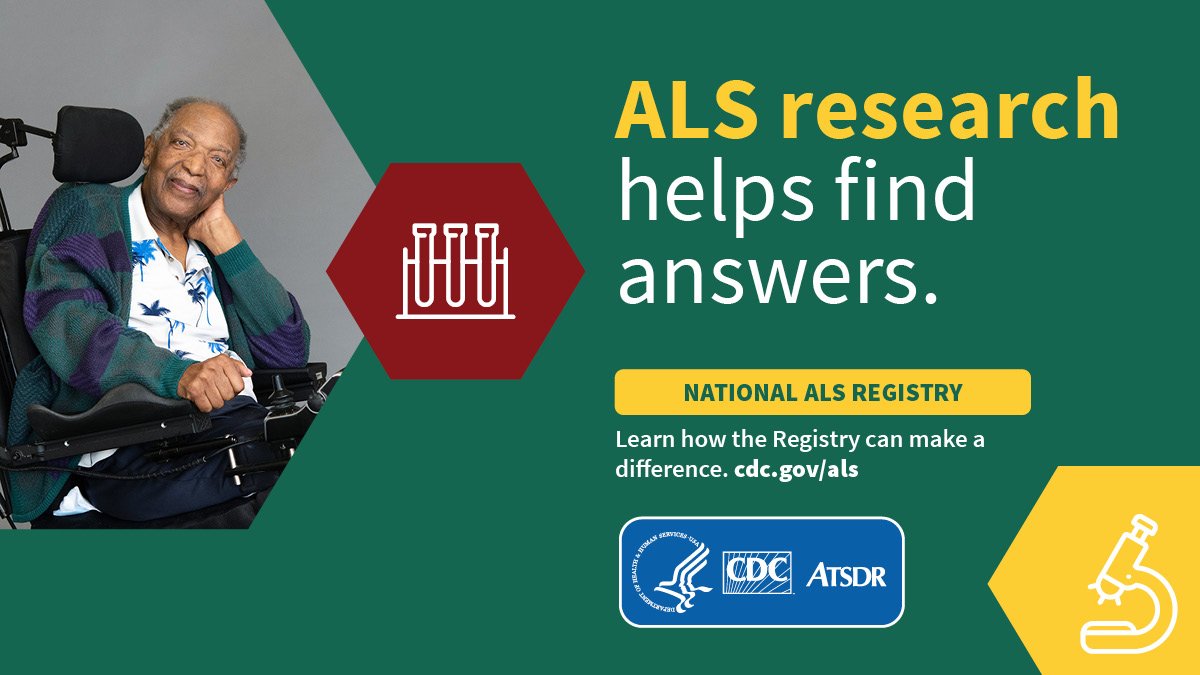
Ten years later, the impact continues to ripple through the ALS community. And in the almost four years since the ALS Ice Bucket Challenge, five new ALS genes have been discovered and validated to contribute to the development of ALS – KIF5A, NEK1, C21orf2, TUBA4A, and TBK1. This rate of gene discovery is the highest in ALS history. Since the Ice Bucket Challenge: At least 12 new ALS genes have been identified and the first treatment has been approved for a genetic form of ALS.
The challenge transformed how people think about ALS. ALS went from being an obscure disease to a household word, Landers says. He used to get funny looks from people when he told them about his work. “I don’t have that issue anymore,” he says. “The awareness of ALS is well beyond what we ever could have imagined.” This awareness shift created a permanent change in how the disease is perceived and funded.
The Harsh Reality of Viral Campaigns

Despite its success, the challenge faced the inevitable decline that all viral movements experience. By September 2014, donations had dropped to near pre-challenge levels. And although donations remain slightly higher than they were before the challenge, attempts to repeat the phenomenon have not come close. Campaigns that go viral also tend to taper off quickly, especially when the drive to donate comes not from internal beliefs, but from external social pressures.
The challenge highlighted both the power and limitations of viral fundraising. The success of the Ice Bucket Challenge inspired ongoing fundraising efforts for ALS research and support. While subsequent campaigns have not matched the viral success of the original challenge, they have benefited from increased public awareness and engagement. The lesson was clear: viral moments are powerful but unsustainable without deeper engagement.
The Human Cost Behind the Success
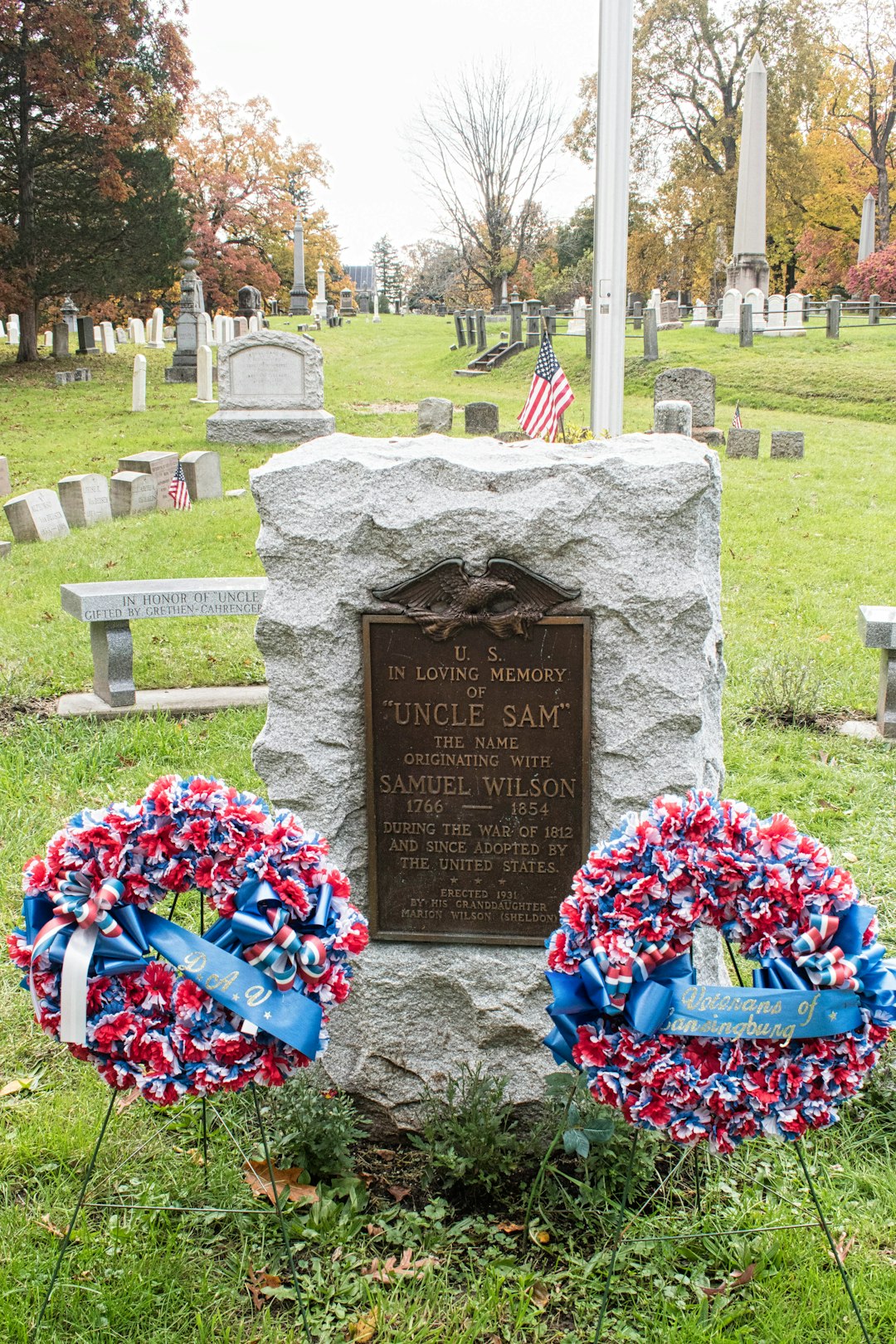
The founders who started it all paid the ultimate price. With heavy hearts, The ALS Association joins the ALS community in celebrating the legacy and mourning the loss of Pete Frates, who died Monday at age 34 after a seven-year battle with ALS. Anthony passed away in 2017 and Pete passed away in 2019. The co-creator of the ALS Ice Bucket Challenge died Sunday following his long battle with the disease. Pat Quinn’s family posted on social media that the 37-year-old from Yonkers, New York, passed away in the morning.
Their sacrifice gave meaning to every dollar raised and every gene discovered. I will not leave this Earth until I know the next person diagnosed with ALS has a real plan to live with this disease, not just die from it. Pat Quinn’s words remind us that behind every viral challenge are real people fighting for their lives and the lives of others.
The Blueprint for Future Movements
The Ice Bucket Challenge created a template that other causes have tried to replicate. The My Tree Challenge is an activity launched in Kerala which consists of planting a tree sapling and challenging others to do so. The My Tree Challenge was preceded by a Book List Challenge, started by Facebook users, where users post a list of books that they have read and liked the most. The Rice Bucket Challenge, that started in India in late August 2014 and later spread to other South Asian nations, was also partly a response to the Ice Bucket Challenge’s wastefulness of water.
The formula was deceptively simple: create a shareable action, add social pressure through nominations, set a time limit, and connect it to a meaningful cause. The success of the Ice Bucket Challenge has sparked other social media challenges to be publicized, reaching a wide and diverse audience. Yet none have matched the original’s impact, proving that timing, authenticity, and genuine need are crucial ingredients that can’t be easily replicated.
In the end, the ALS Ice Bucket Challenge proved that a simple idea, born from desperation and driven by hope, could mobilize the world. It raised over $220 million globally, funded groundbreaking research, and gave thousands of families hope where there was none before. It’s safe to say the Ice Bucket Challenge changed the future and trajectory of the disease and our hopes for the future. Three young men facing their own mortality created a movement that will outlive them all – and that’s the real victory worth celebrating. Who would have thought that dumping ice water on your head could change the world?

Besides founding Festivaltopia, Luca is the co founder of trib, an art and fashion collectiv you find on several regional events and online. Also he is part of the management board at HORiZONTE, a group travel provider in Germany.
