


- Anticipated Album Releases of 2025: A Musical Journey Awaits - February 22, 2026
- New York City’s Star-Studded Line-Up: 2025’s Must-See Performances - February 22, 2026
- 25 Times Tech Meets Style: The Best Wearable Gear for 2024 - February 22, 2026
The Roaring Twenties: Jazz’s Surprising Political Beginnings
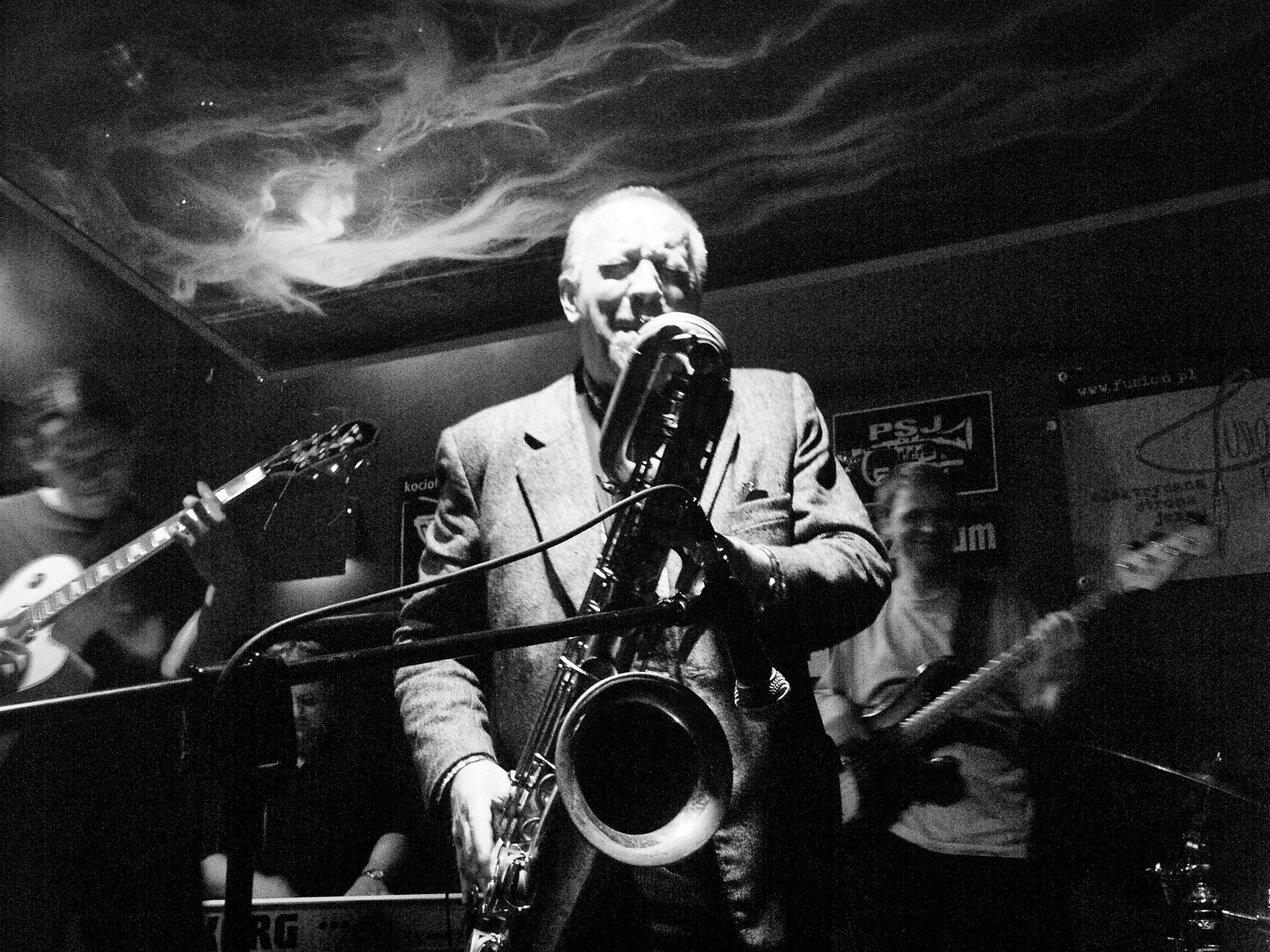
In the 1920s, jazz clubs exploded in popularity across cities like New York, Chicago, and New Orleans. These clubs weren’t just places to let loose—they turned into unlikely centers for social change. Jazz music itself was considered rebellious, with its improvisational style breaking all the old rules of music. Segregation laws were still very much alive, yet jazz clubs often became some of the few spaces where Black and white Americans mixed, sometimes covertly. According to the Smithsonian National Museum of American History, these spaces helped lay the groundwork for later civil rights activism. The energy of jazz, its freedom and unpredictability, seemed to echo the hopes of a generation desperate for change. In these smoky rooms, political ideas weren’t just discussed—they were embodied in the music and the crowd.
Harlem Renaissance: The Dawn of Cultural Activism
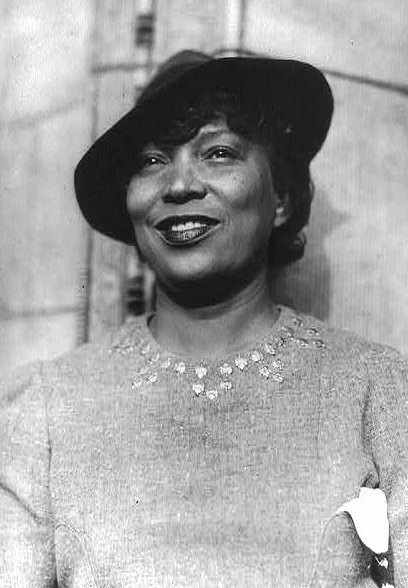
During the Harlem Renaissance of the 1920s and 1930s, jazz clubs in Harlem became hotbeds of cultural and political activity. Not only were they entertainment centers, but they also gave Black artists a powerful platform to express identity, pride, and protest. Langston Hughes and Zora Neale Hurston were known to frequent clubs like the Cotton Club and Small’s Paradise, where political discussions often sparked between sets. According to the Schomburg Center for Research in Black Culture, these clubs helped link artists and activists together, fueling the growing demand for civil rights. The fusion of art, music, and activism created a new kind of political energy, one that couldn’t be ignored by the rest of America.
Jazz and the Fight Against Segregation
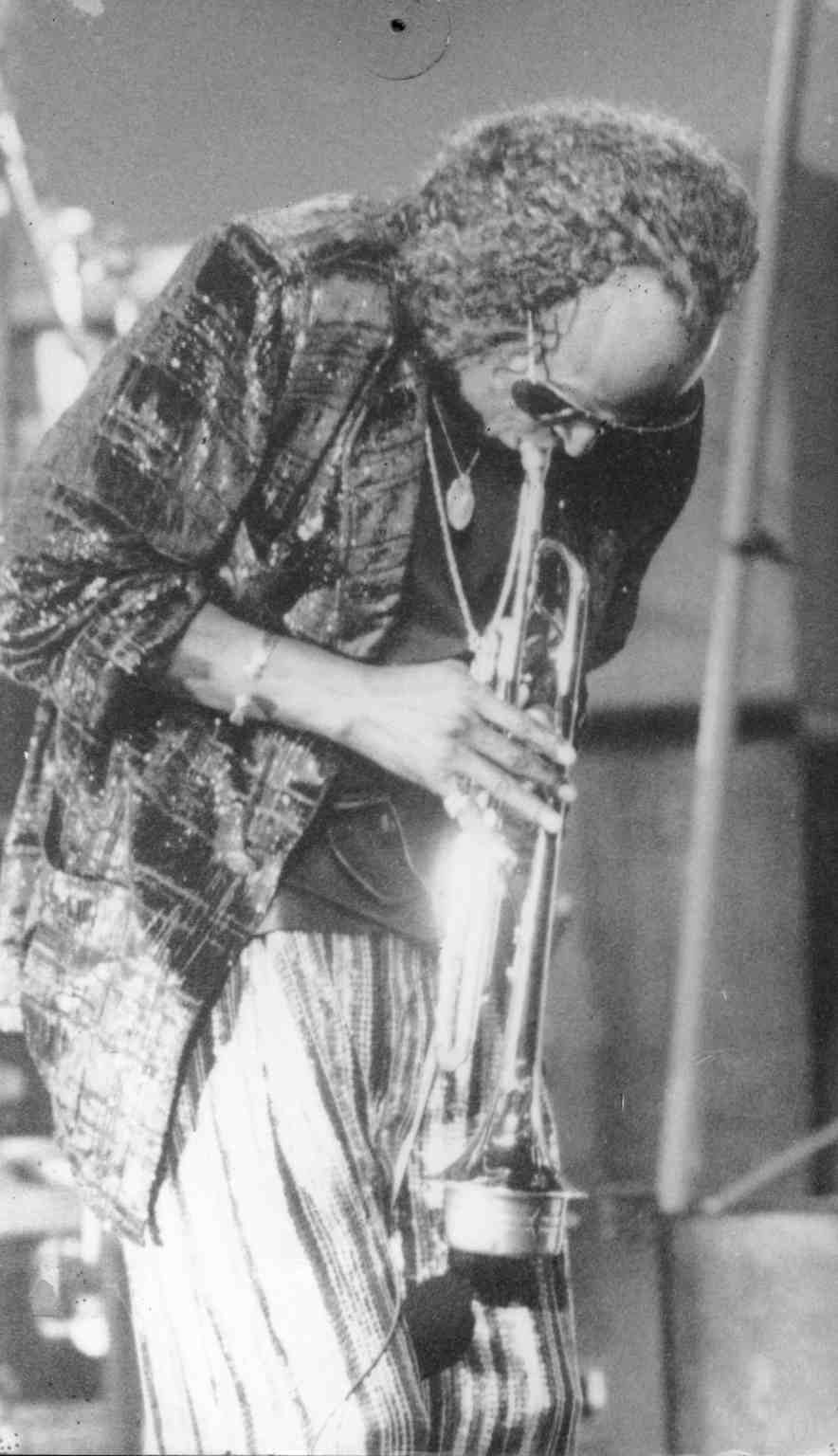
In the 1940s and 1950s, jazz clubs became frontline battlegrounds in the fight against segregation. Black musicians like Miles Davis and Billie Holiday were often denied entry to clubs, even where they performed. But some club owners defied racist laws, opening their doors to mixed audiences. The famous Café Society in New York was the first fully integrated nightclub in America, as highlighted by the New York Historical Society. This bold move made the club a natural meeting place for activists and organizers. It also forced the public to confront their own biases, as people of all backgrounds shared tables, drinks, and dance floors together. The simple act of listening to jazz became a statement against bigotry.
Bebop and the Politics of Rebellion
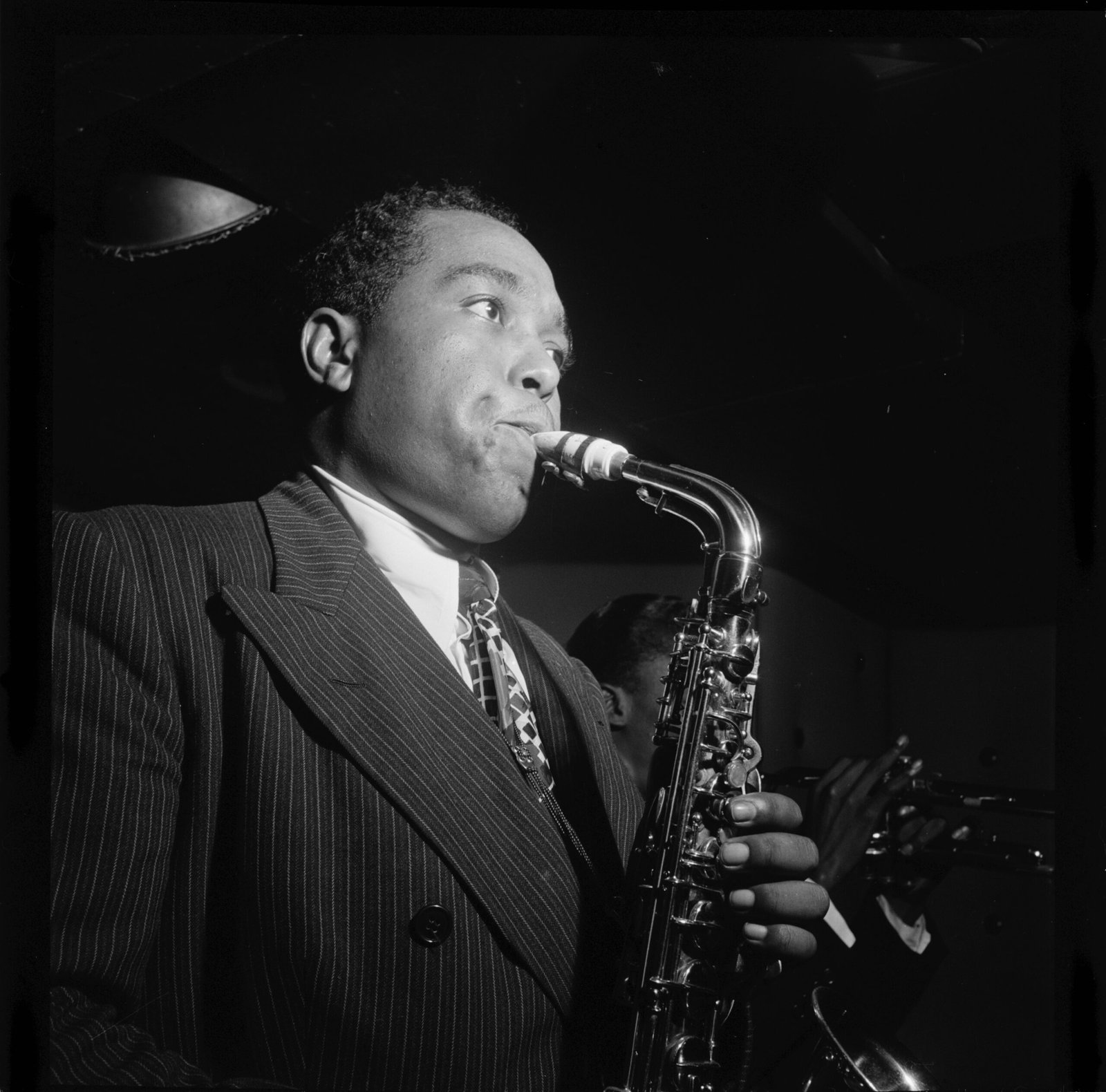
In the 1940s, the bebop revolution transformed jazz and its political meaning. Musicians like Charlie Parker and Dizzy Gillespie broke away from mainstream swing, creating complex, fast-paced music that was almost impossible for dancers to keep up with. This wasn’t accidental. Bebop was a form of protest—it demanded respect for Black artistry and rejected the exploitation of Black musicians. According to the National Endowment for the Humanities, bebop clubs like Minton’s Playhouse became places where musicians and thinkers challenged not just musical norms, but also the status quo of American society. Inside these clubs, the very act of playing bebop became a radical, political gesture.
The Civil Rights Era: Clubs as Meeting Grounds

During the 1950s and 1960s, jazz clubs played a direct role in the Civil Rights Movement. Dr. Martin Luther King Jr. and other leaders often visited clubs to raise funds and awareness for their causes. Venues like Birdland and the Village Vanguard in New York became safe spaces for civil rights organizers to meet, plan, and recruit new supporters. The music of John Coltrane and Nina Simone provided anthems for the movement, their songs echoing the hopes and frustrations of the time. According to the National Museum of African American History and Culture, many of these artists used their platform to call out injustice, turning their performances into powerful political statements.
Jazz, the FBI, and Political Surveillance
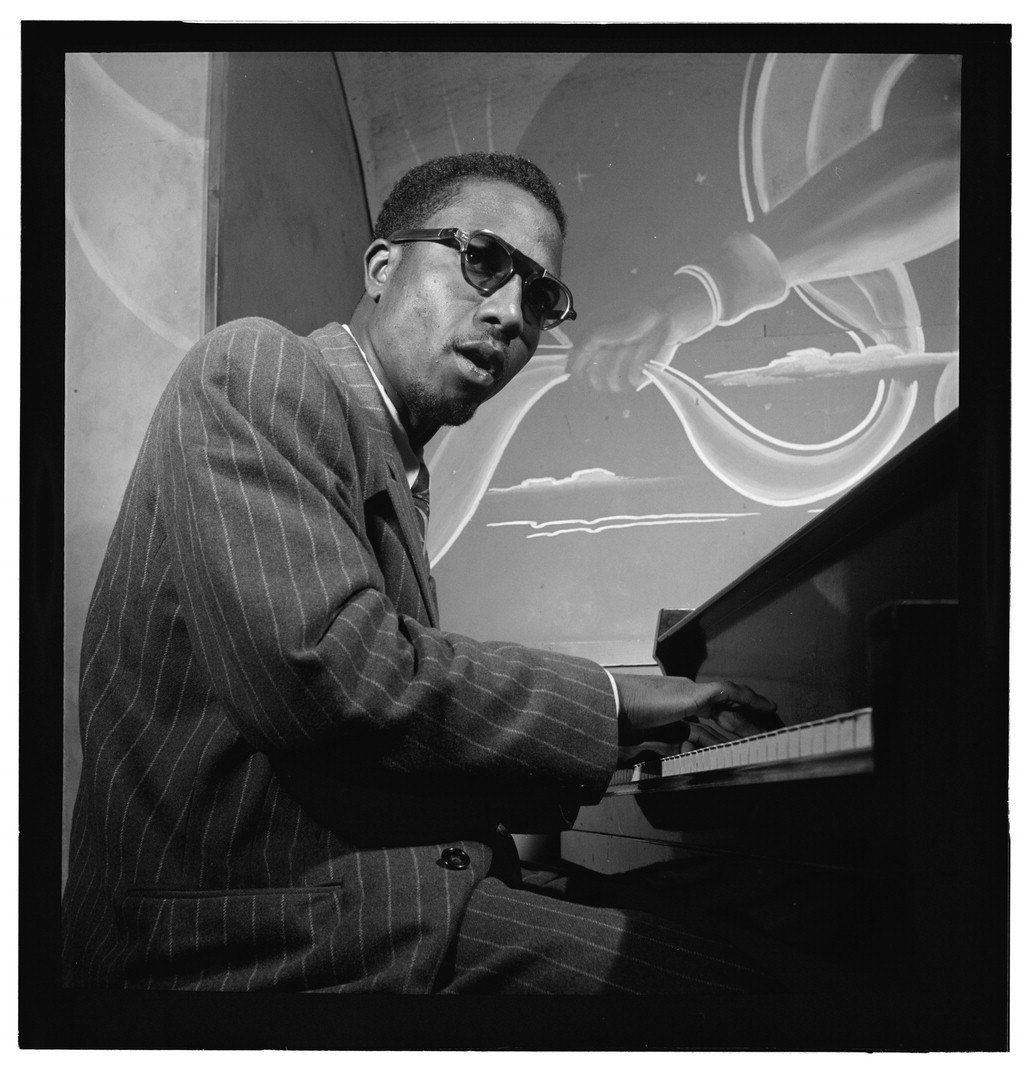
The U.S. government recognized the political power of jazz clubs—and sometimes tried to suppress it. Starting in the 1950s, the FBI began to monitor and investigate prominent jazz musicians and the clubs they played in. Musicians like Thelonious Monk and Charles Mingus were watched for their outspoken views and associations with leftist groups. According to declassified FBI files, club owners were sometimes pressured to avoid booking controversial acts. This surveillance only made the clubs more attractive to activists, who saw them as places where free speech could survive, if only for a night. In a strange way, the government’s attempts to control jazz ended up making it even more political.
Women in Jazz Clubs: Voices of Protest
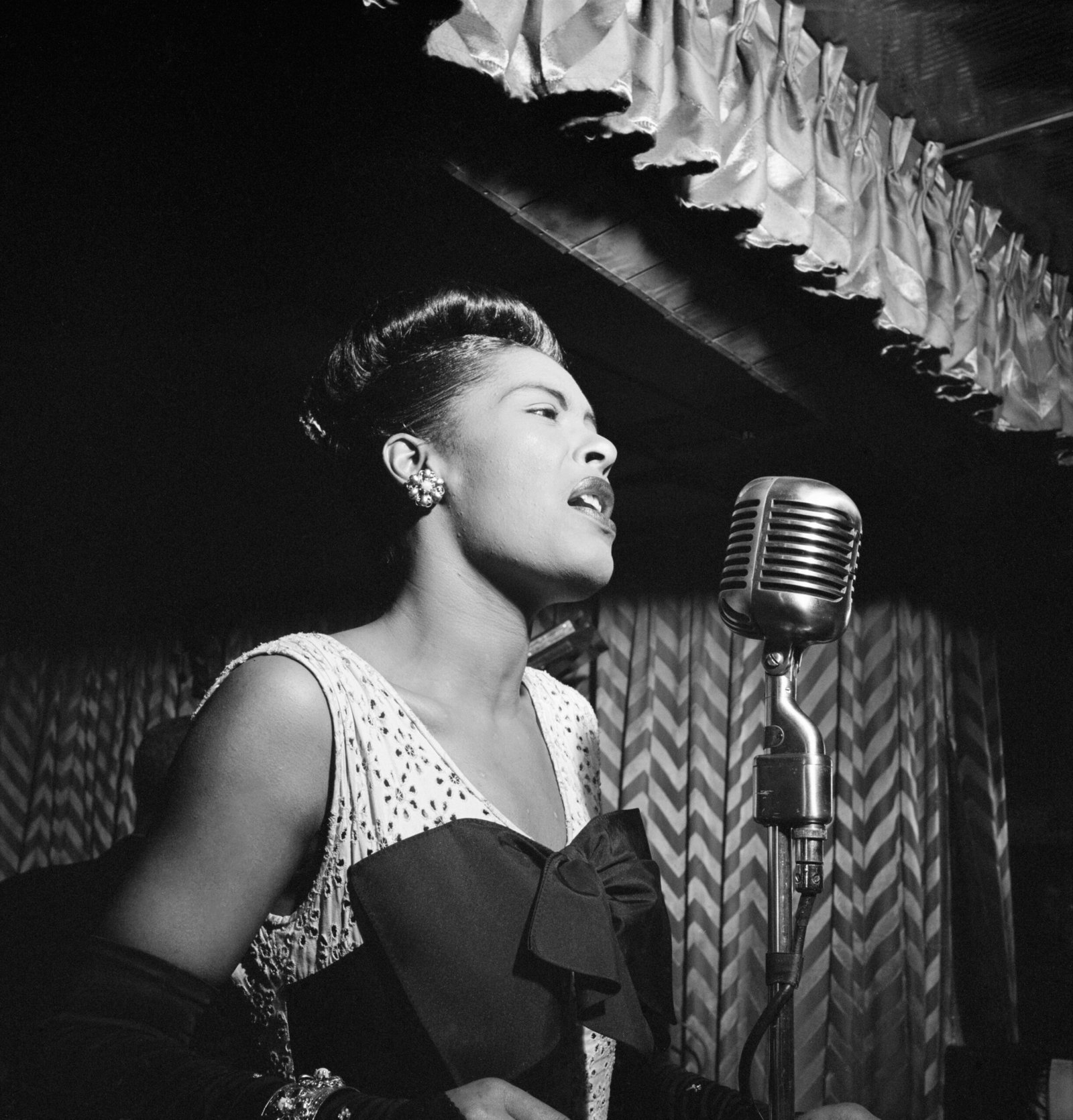
Women played a crucial role in turning jazz clubs into political spaces, both on stage and behind the scenes. Singers like Billie Holiday faced racism and sexism, yet used their music to tell the truth about American life. Holiday’s performance of Strange Fruit—a haunting song about lynching—became a rallying cry for anti-lynching activists. Jazz clubs gave women a rare platform to speak out. According to a 2023 study by the Berklee Institute of Jazz and Gender Justice, women club owners and performers were often the first to organize benefits for civil rights causes. Their courage and creativity helped make jazz clubs into places where real change could begin.
Jazz and LGBTQ+ Activism
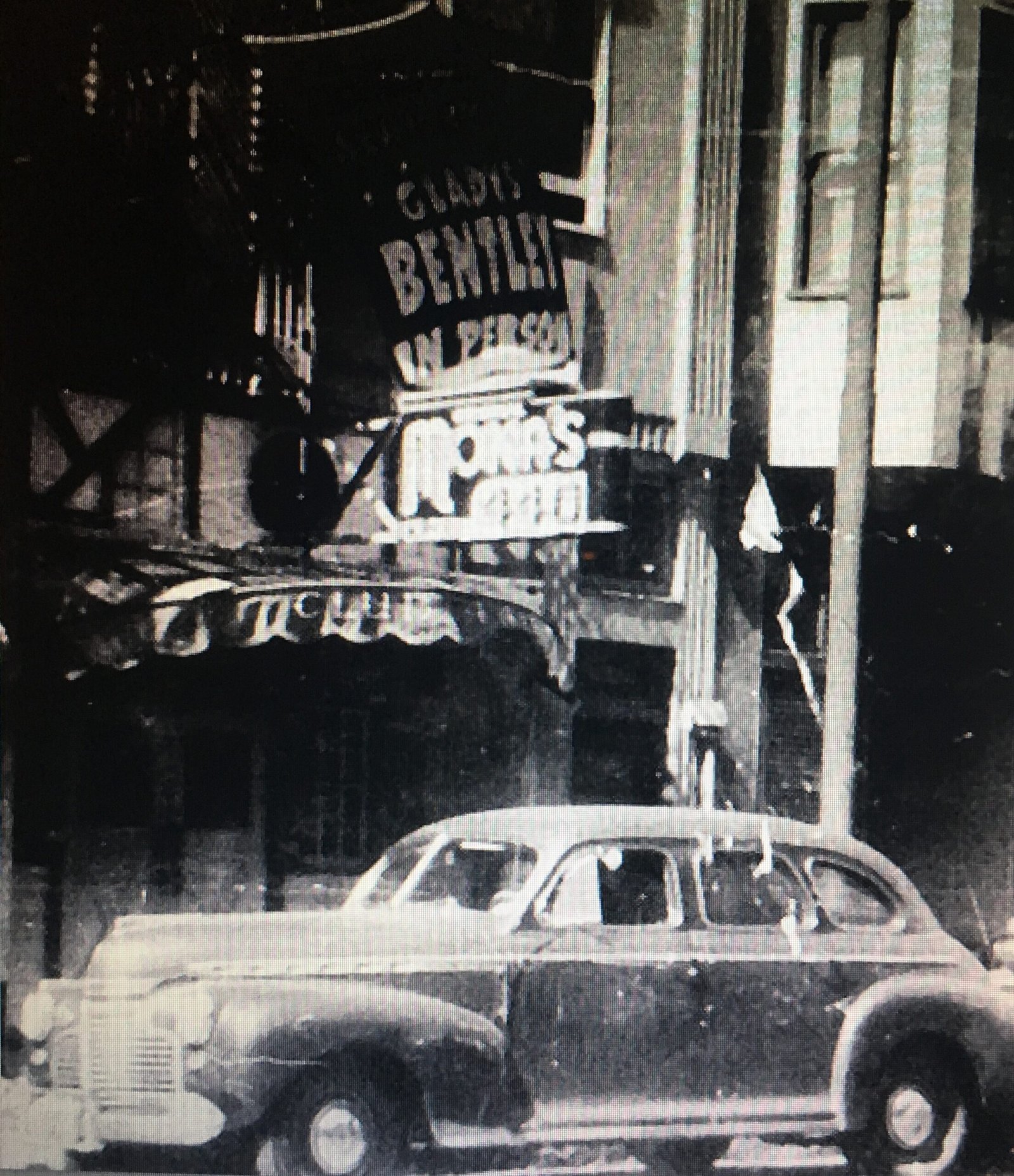
Jazz clubs weren’t just about racial politics—they also became sanctuaries for LGBTQ+ communities. In cities like San Francisco and New York, jazz clubs in the 1950s and 1960s welcomed queer performers and audiences when few other venues would. According to the GLBT Historical Society, clubs like the Black Cat and Mona’s 440 played a key role in the early gay rights movement. Here, people could express themselves freely, away from the eyes of a hostile society. The inclusive atmosphere of jazz clubs made them natural breeding grounds for activism, giving rise to some of the first LGBTQ+ political organizations in America.
Jazz Clubs and Antiwar Protests
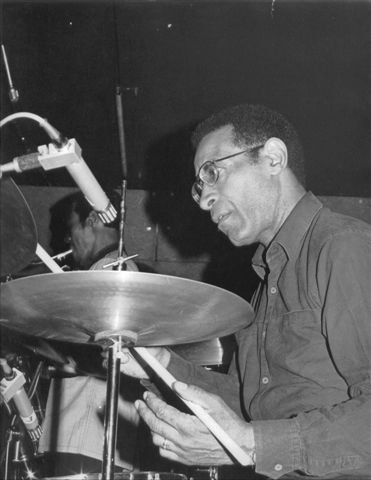
During the Vietnam War era, jazz clubs became gathering points for antiwar activists. Musicians such as Charles Lloyd and Max Roach used their music to criticize U.S. foreign policy, performing songs that called for peace and justice. Clubs hosted “teach-ins” and benefits for draft resisters, blending music with activism. According to the American Jazz Museum, some clubs even faced police raids because of their outspoken opposition to the war. The fusion of music and protest gave the antiwar movement a creative edge, making jazz clubs some of the most exciting and controversial spaces in the country.
Modern Jazz Clubs: Political Legacy and Revival
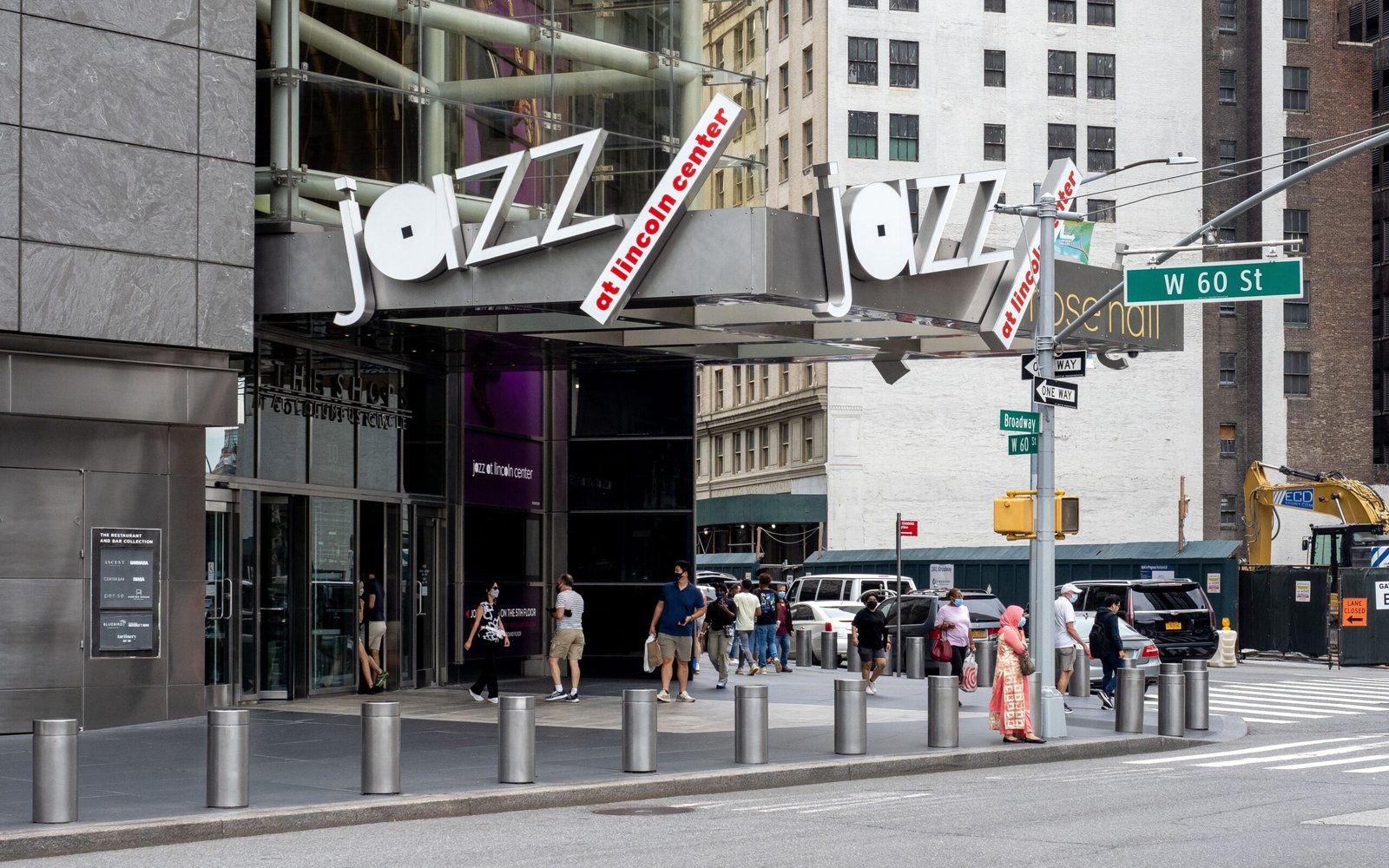
Today, jazz clubs continue to play a role in American political life, although the issues have evolved. Modern venues like Dizzy’s Club in New York and Preservation Hall in New Orleans host benefit concerts for causes like Black Lives Matter, LGBTQ+ rights, and climate justice. According to a 2024 report from Jazz at Lincoln Center, over 60 percent of jazz clubs in the U.S. have hosted at least one political fundraiser in the past five years. Social media has amplified the voices of jazz musicians, allowing them to reach new audiences and spark debates far beyond the club walls. The spirit of rebellion and activism that defined the early days of jazz clubs still lives on, connecting music, politics, and community in surprising ways.
Jazz Clubs in the Age of Social Media
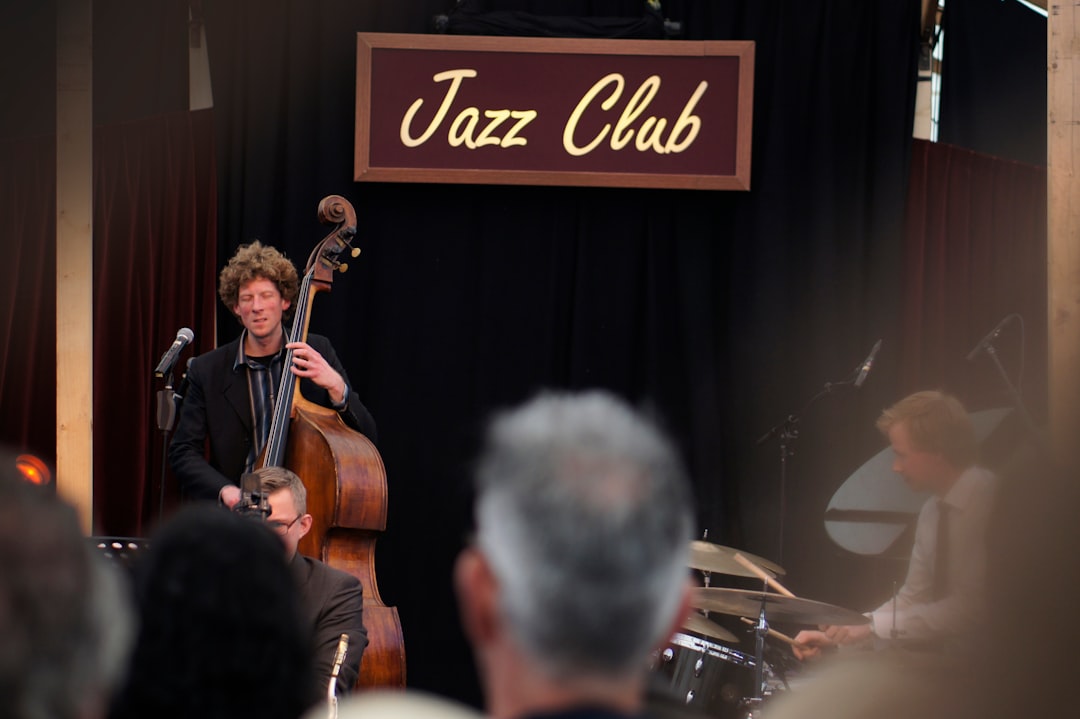
With the rise of social media, jazz clubs have found new ways to be political hubs. Live streams, online fundraisers, and virtual open mics have made it possible for clubs to connect with activists and audiences across the world. According to a 2024 Pew Research study, jazz clubs saw a 35 percent increase in online political events since 2020. This digital revolution has made it easier to organize, raise awareness, and build solidarity—all while listening to a favorite set. The internet age ensures that the political legacy of jazz clubs isn’t just preserved, but constantly reinvented for new generations.
The New Generation: Youth Activism and Jazz
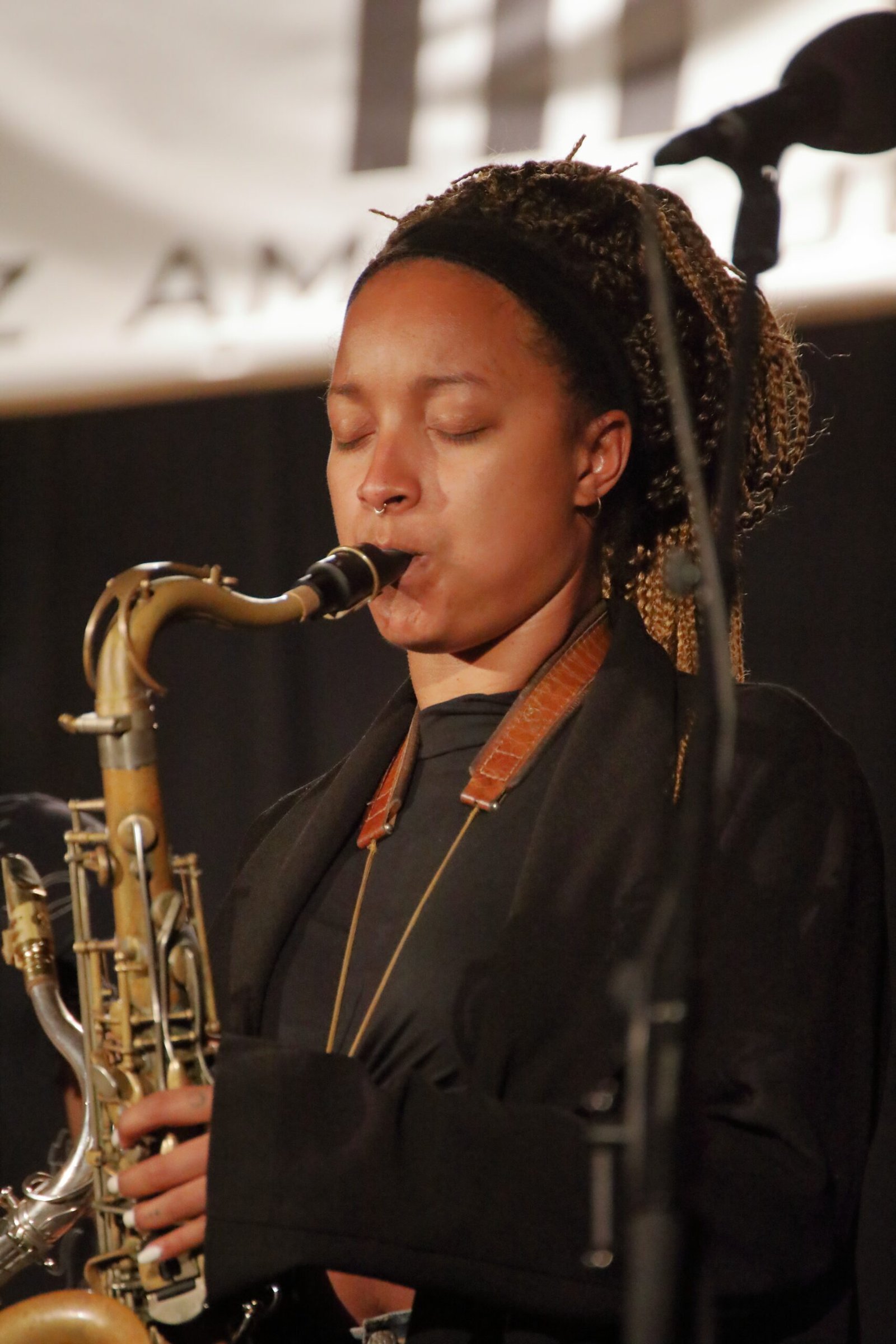
Young musicians and audiences are bringing fresh energy to jazz clubs as spaces for activism. Programs like Jazz Power Initiative and Tomorrow’s Warriors encourage young artists to use their music for social change. According to a 2023 survey by the National Endowment for the Arts, 42 percent of jazz club patrons under age 30 said they attend shows to support political causes. From gun control to climate justice, today’s jazz clubs are alive with passionate debates, open mics, and benefit concerts. The tradition of activism is in safe hands, as a new generation finds its voice in the language of jazz.

Besides founding Festivaltopia, Luca is the co founder of trib, an art and fashion collectiv you find on several regional events and online. Also he is part of the management board at HORiZONTE, a group travel provider in Germany.
