
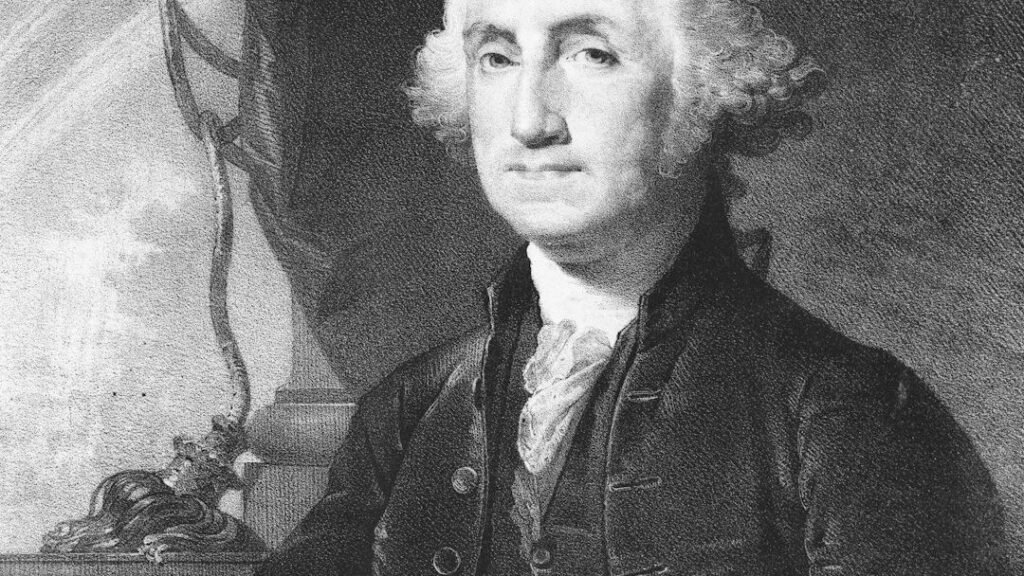

- How George Washington Was A Coffee Connoisseur Of His Time - April 10, 2026
- Classic Novels Often Hide Modern Lessons We’re Still Learning Today - April 10, 2026
- The 15 Most Influential Musicians of the 20th Century - April 10, 2026
There’s something quietly revealing about a person’s daily rituals. The books on the bedside table, the food on the breakfast plate, the morning drink that starts the day, these small details say things that public records often don’t. George Washington is remembered as a general, a statesman, and a symbol of a young nation finding its footing. Fewer people think about what he liked to drink.
His relationship with coffee turns out to be more deliberate, more layered, and more historically interesting than a casual footnote would suggest. It connects to trade, politics, hospitality, and the gradual formation of American identity, all filtered through a cup.
From Tea to Coffee: A Political and Personal Shift
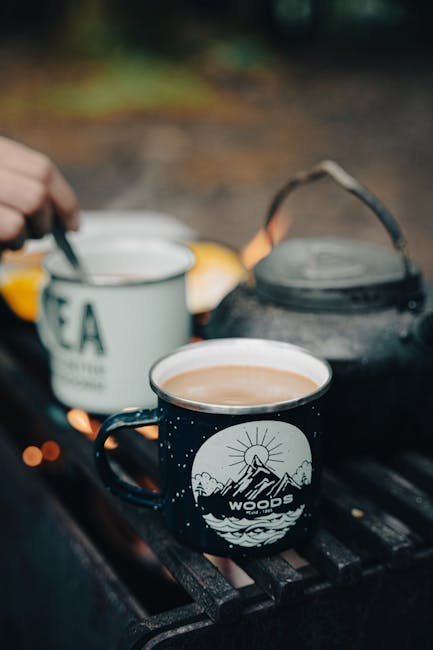
Washington came of age in a colonial world where tea was still the dominant hot beverage. During the early 1700s, colonists expressed a fondness for tea, which reflected their colonial heritage and identity. That changed sharply and deliberately after the events leading to the Revolution. The American War of Independence marked a critical turning point as the colonies turned away from teahouse culture, giving way to coffeehouses, and during this period, coffee became a revolutionary drink as it publicly signaled one’s political inclinations.
George Washington famously set aside British tea in favor of coffee, embracing it as part of a new American identity. This wasn’t just a personal preference; it was a gesture that carried weight in public life. By distancing themselves from tea in favor of coffee, colonists demonstrated their political, economic, and social distinction from the British and began forging a separate cultural identity around this beverage.
The Continental Congress made coffee the “national drink,” and coffeehouses soon became gathering places for figures such as Paul Revere, John Adams, George Washington, and others known as the Sons of Liberty. Washington’s embrace of coffee was not incidental. It was, in its quiet way, a statement.
Washington’s Personal Coffee Tastes and Procurement

What separates a casual drinker from a connoisseur is the level of care taken in sourcing and preparation. Washington cleared that bar. President Washington’s papers and ledgers show that he imported coffee beans on several occasions, going for what was considered “the best,” which included beans from the Red Sea port of Mocha in Yemen. This was not a passing order. According to his ledger, he imported 150 pounds of beans in November of 1799, and these beans were from the Red Sea port of Mocha.
Washington was also known to exchange flour or his Potomac-caught herring for coffee beans from the West Indies. That kind of barter arrangement suggests a man willing to go out of his way to keep quality coffee on hand. He was especially drawn to rare imports from Mokha in Yemen, prized for their deep, chocolate-forward character and complexity.
The preparation itself was taken seriously at Mount Vernon. The art of brewing coffee there was intense, with cooks using one of two “coffee toasters” placed in front of the kitchen fire, then using a hand grinder to grind the beans. This was not a casual household operation.
Martha Washington and the Standards of the Brew
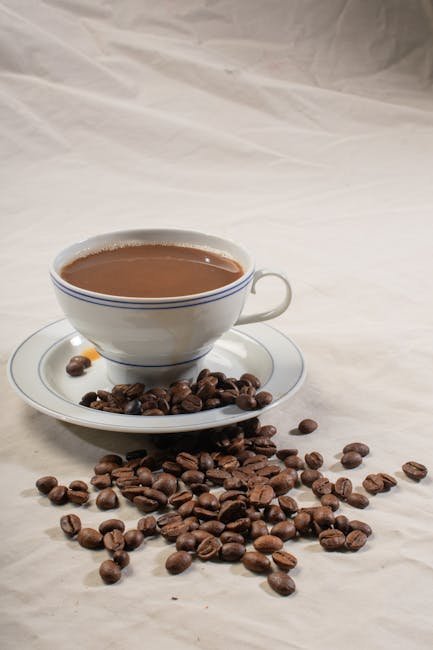
Coffee at Mount Vernon wasn’t just the president’s domain. Martha Washington had her own strong opinions about how it should be made. According to the 1968 book “The Presidents’ Cookbook,” Washington’s love of coffee was shared by his wife, Martha, who had rules for what constituted a “good coffee,” preferring a one-to-one ratio of water and coffee grounds that had to be “pulverized as fine as cornmeal,” and it had to be served with sugar before and after dinner.
Her morning coffee got an upgrade, with hot milk being an acceptable addition to her cup. These aren’t the preferences of someone indifferent to the beverage. They reflect a household where coffee was taken seriously enough to have rules around it. The Washingtons, between them, essentially had a house coffee standard.
Coffee Culture in Early America: The Wider Picture
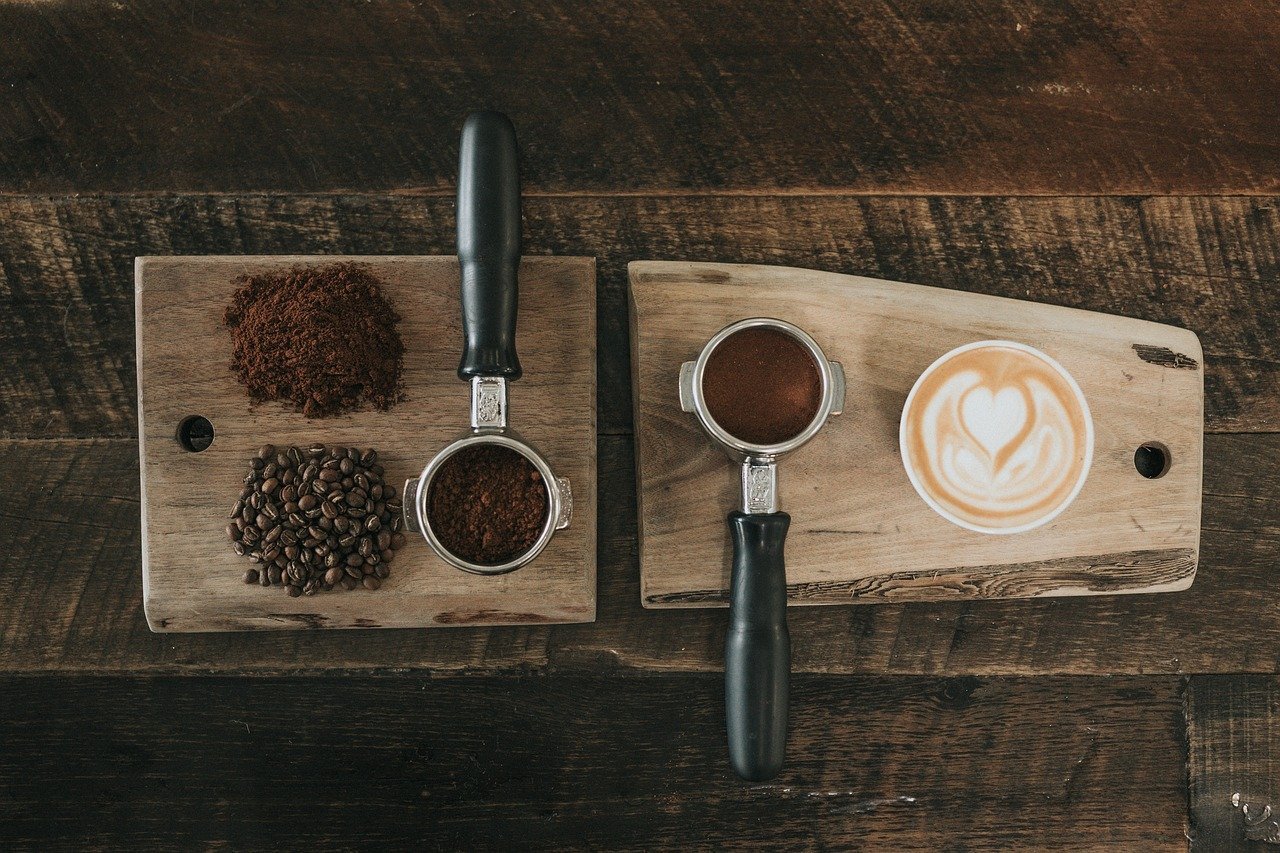
Washington’s relationship with coffee didn’t exist in isolation. The broader colonial world was undergoing a genuine cultural transformation around the beverage. Three exotic beverages, coffee, tea, and chocolate, arrived in seventeenth-century Europe at a time of burgeoning exploration and trade, and their arrival caused a near revolution in drinking habits, giving rise to a number of important social institutions such as the coffeehouse.
Colonial coffeehouses, following the London model, became powerful social catalysts, providing an excellent forum for the exchange of ideas and the distribution of news. This was coffee’s real social power in the era. The coffeehouse had become the new court, an egalitarian and yet somewhat elite space where men of all classes could mix and exchange ideas, and merchants and intellectuals who had no voice at court were heard out there.
The tea boycott ensued, and coffee quickly replaced beer as the most popular beverage of choice in the morning. The pace of that shift was remarkable, and figures like Washington were both products of it and participants in reinforcing it.
Coffee as a Mark of Elite Hospitality at Mount Vernon
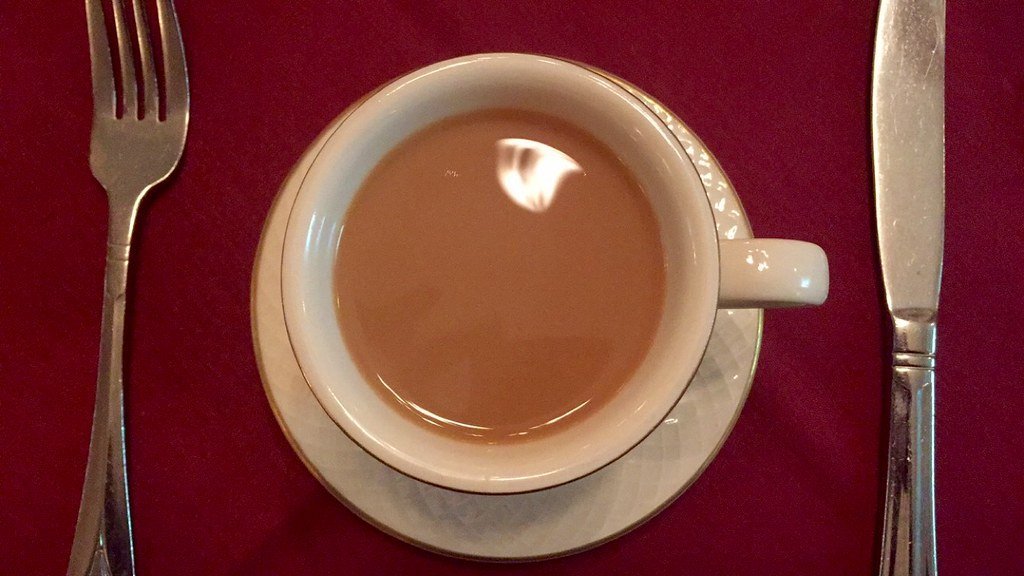
Hosting at Mount Vernon was not a casual affair. Washington entertained constantly, and the table he set reflected careful attention to what was served. Visitor Benjamin Henry Latrobe reported being served what he considered a typical Virginia breakfast consisting of tea, coffee, and cold and broiled meats. The pairing of coffee alongside meat and other substantial foods tells you something about how it was regarded, not as a side note, but as a centerpiece of the morning table.
Following the American War of Independence, President George Washington and First Lady Martha Washington served coffee alongside tea and lemonade at social gatherings hosted at the President’s House in New York and later in Philadelphia. Coffee was present at the highest levels of early American society, not as a novelty but as an expected part of refined hospitality. The Washington family typically ate two substantial meals per day, breakfast at seven in the morning and dinner at three in the afternoon, with tea or coffee sometimes following in the early evening.
Growing Coffee at Mount Vernon: From Consumer to Cultivator
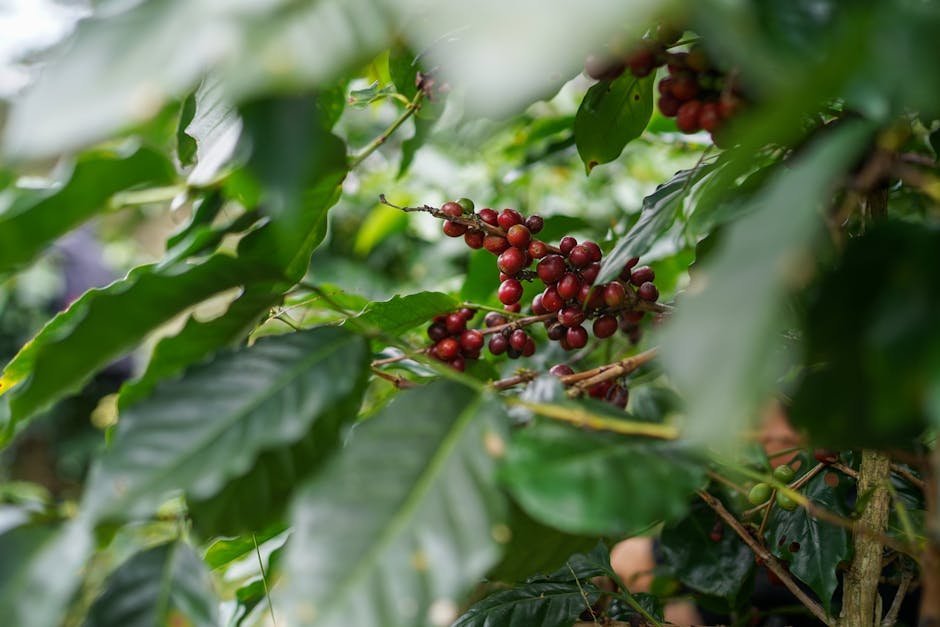
Washington’s curiosity about coffee went further than simply importing and drinking it. He was drawn to the plant itself. George Washington received coffee plants from Thomas Law, who was his grandson-in-law, in 1799. That same year, he was still placing large orders for roasted Mocha beans, suggesting that growing his own was as much about agricultural interest as it was about supply.
An arabica strain of coffee bean came from seeds given to him by Thomas Law in 1799, and the Mount Vernon garden also grows the Kentucky Coffee Tree, which produces highly toxic beans that should not be consumed unless roasted. The range of varieties Washington cultivated reflects a genuine curiosity rather than a simple desire for self-sufficiency. The Marquis de Lafayette wrote to Washington requesting seeds from the Kentucky Coffee Tree for use in the royal garden in France. That exchange between two of the most prominent figures of the age gives a sense of how seriously botanical matters were treated in diplomatic circles.
Today, Mount Vernon continues the gardening tradition Washington began, with two coffee plants still cultivated on site. A small, quiet continuation of something he started more than two centuries ago.
Coffee in the Coffeehouses: Washington’s Public World

Washington’s engagement with coffee extended beyond his private table. The coffeehouse was, in the late eighteenth century, the informal office of American public life. The Declaration of Independence had its first public reading outside the Merchant’s Coffee House in Philadelphia, and a New York City coffeehouse served as the stage for a hero’s welcome of General Washington upon his arrival to be inaugurated as the first president.
Not only did coffee promote the spirit of the nation, but business was often conducted in these favorite gathering places, and the New York Stock Exchange evolved from the Tontine Coffee House. These were not incidental venues. They were the rooms where early American power was brokered. In eighteenth-century America, where news and the powers of persuasion depended on pamphlets or word of mouth, coffeehouses rose supreme among all outlets of media.
The Records That Tell the Story
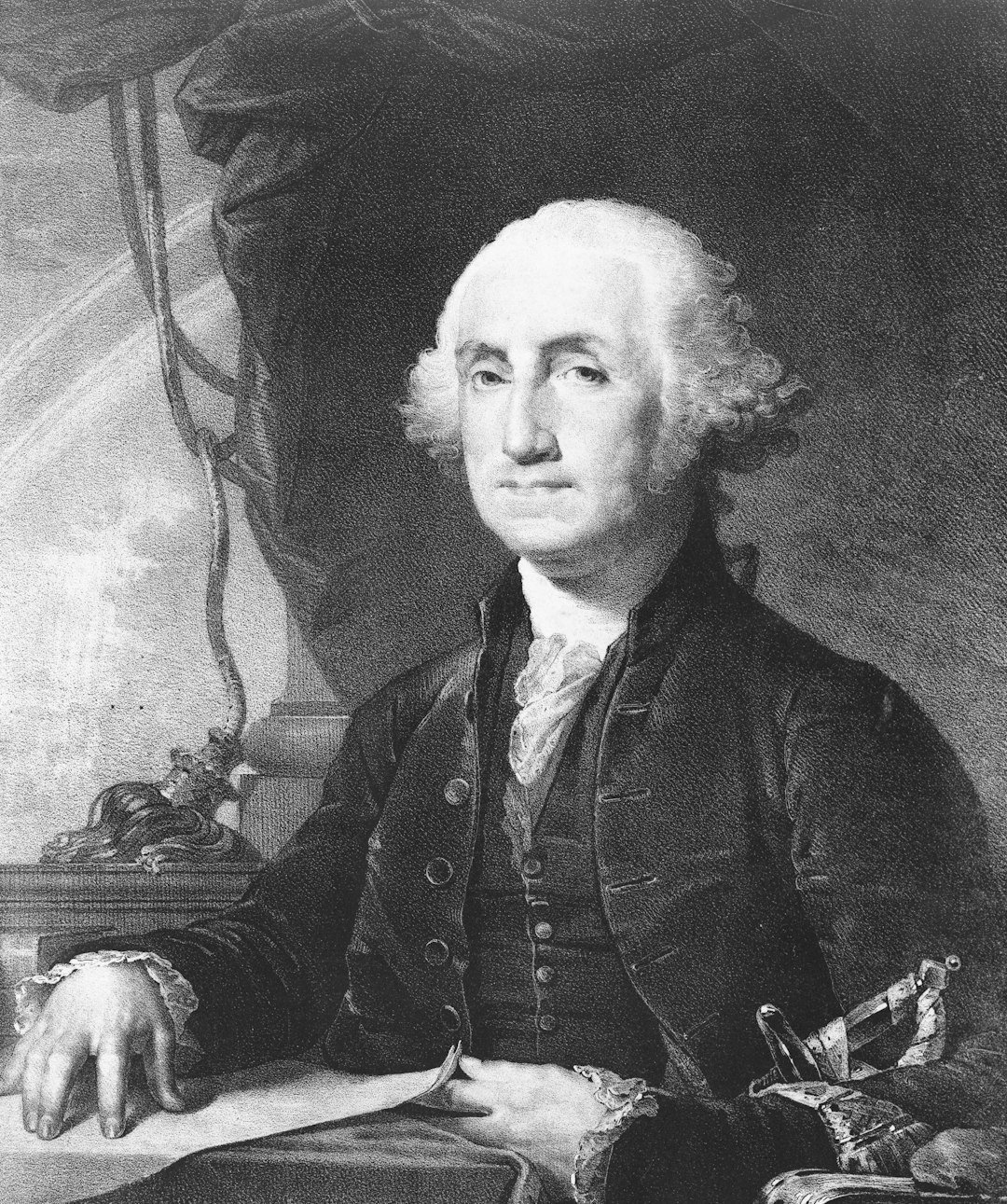
What makes Washington’s coffee habits unusually well-documented is the meticulous paper trail he left behind. Chief among the documents that provide insight into life at Mount Vernon are George Washington’s carefully maintained financial records, his diaries and correspondence, and the weekly reports received from his farm managers and overseers. These weren’t kept for posterity in a self-conscious way. They were working records of a man who ran a complex household and estate.
Those same ledgers show that coffee was a recurring expense and priority. There are reports that the president ordered a cup of coffee every morning, and during his presidency, he served it at the President’s home in New York and then in Philadelphia. The documentary evidence places coffee at almost every phase of his adult life, from the plantation to the presidency and back again. An examination of eighteenth and nineteenth century coffee consumption at the President’s House demonstrates how coffee became an important part of early American social and consumer culture.
Conclusion: What the Cup Reveals
Washington’s connection to coffee is genuinely interesting precisely because it wasn’t performative. He didn’t champion coffee in speeches or write treatises on its virtues. He simply bought good beans, had them properly roasted and ground, served it to guests without fuss, and eventually tried growing the plant himself. That pattern, of quiet, consistent engagement, is often how real enthusiasm shows up in historical figures.
It also reflects something broader. Consumption of coffee soared and played a role in the creation of a new American identity, becoming more than a drink and instead a sign of independence and unity in the midst of revolution and upheaval. Washington was both shaping that culture and living inside it.
In the end, a man’s morning cup is rarely just a cup. For Washington, it connected him to global trade routes, to the politics of independence, to the rituals of hospitality, and to the soil of his own estate. The story of early America can be told in documents and battles, but it can also, in small part, be told through a 150-pound order of Mocha beans arriving at Mount Vernon in the last months of the eighteenth century.

Besides founding Festivaltopia, Luca is the co founder of trib, an art and fashion collectiv you find on several regional events and online. Also he is part of the management board at HORiZONTE, a group travel provider in Germany.
