

Handwritten Staff Recommendation Cards
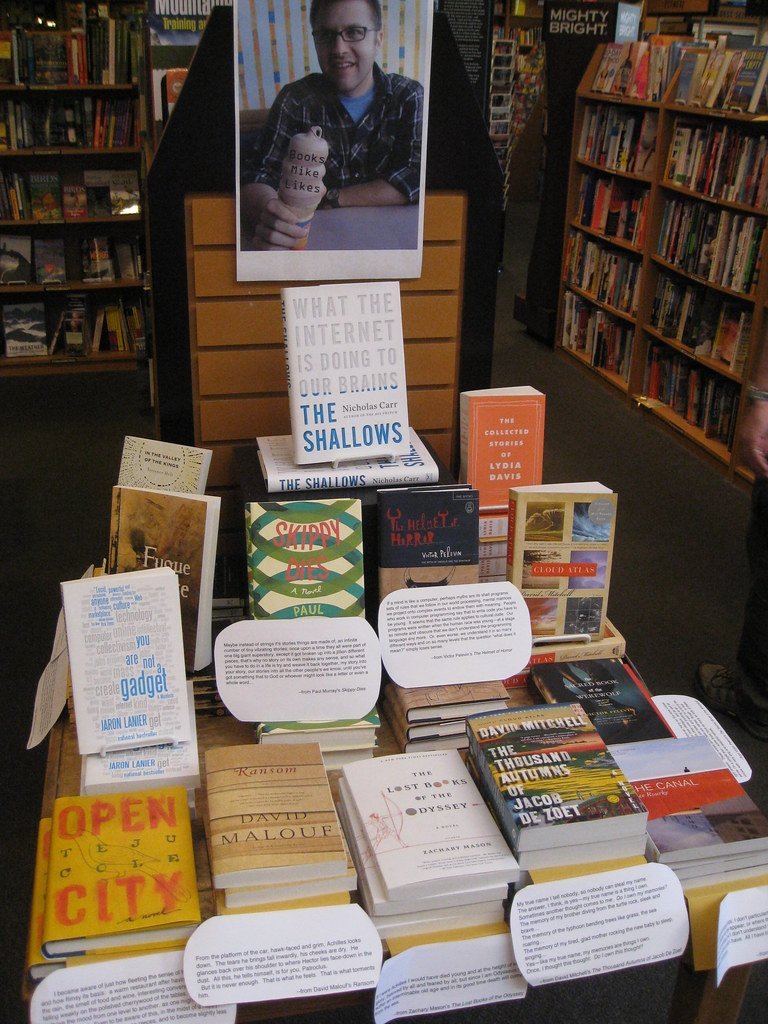
Shoppers wandered aisles dotted with small cards scribbled by staff, each one praising a hidden gem or personal favorite. These notes felt intimate, like whispers from fellow readers guiding you to unexpected reads. Even today, as Publishers Weekly notes in coverage of Barnes & Noble’s rebrand, these handwritten picks echo the pre-online charm that independent stores pioneered.[1][2]
Author Signings

Local authors showed up on weekends, pens ready at a folding table near the entrance, chatting with fans who lined up for personalized inscriptions. The buzz of meeting the mind behind the story right there in the shop created electric moments. Indies still host these events, fueling their growth as community hubs per recent American Booksellers Association reports.[3]
The Smell of Used Books
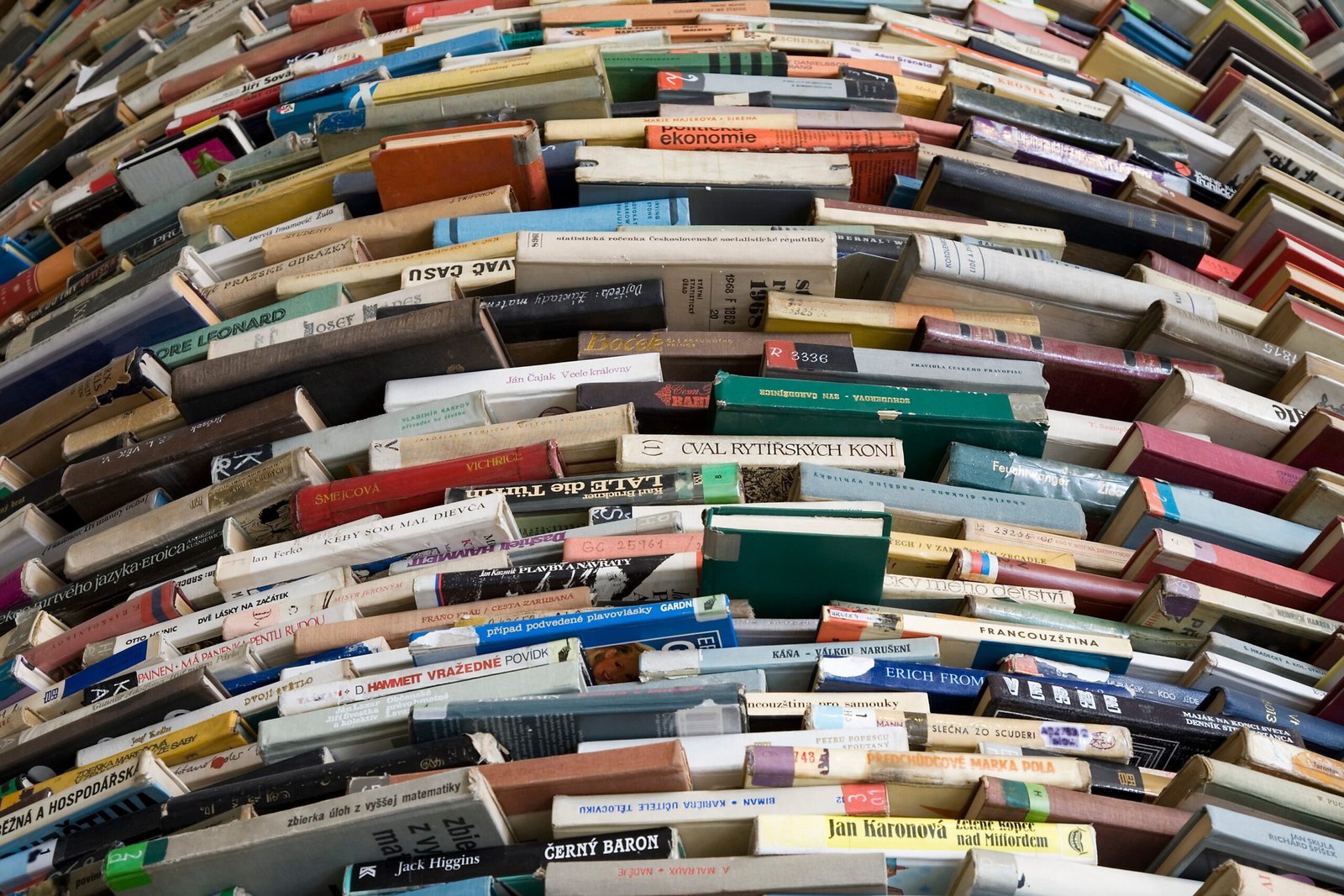
Stepping into the back room unleashed that earthy mix of aged paper, ink, and faint dust, drawing you deeper into stacks of forgotten titles. It was a scent unique to worn covers passed hand to hand over years. Nostalgia for this aroma persists, as booksellers today celebrate it in their thriving used sections.
Independent Shop Culture
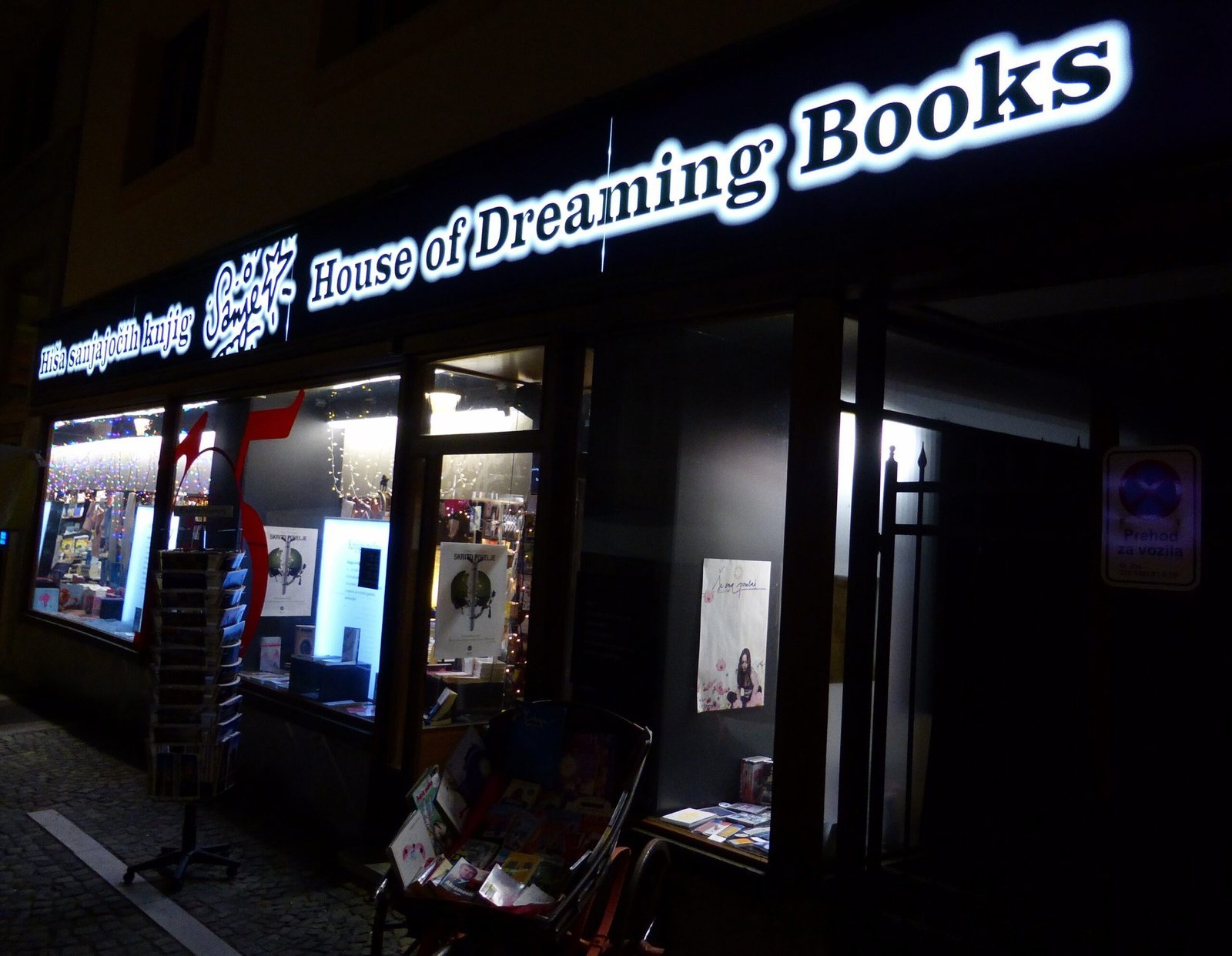
Owners knew regulars by name, stocking shelves with quirky local interests rather than corporate lists. The vibe hummed with passion for stories over profit margins. According to Publishers Weekly, this culture drives the indie resurgence, with over 400 new stores opening in 2025 alone.[4]
Community Bulletin Boards
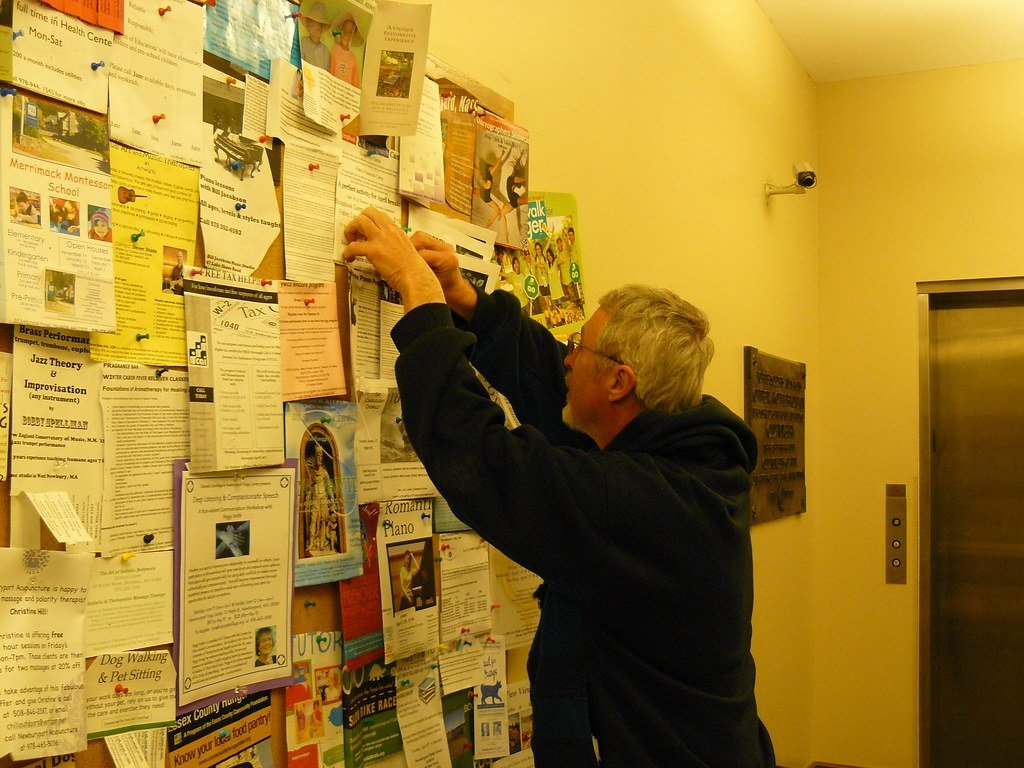
Corkboards near the door overflowed with flyers for poetry slams, lost pets, and bake sales, turning the bookstore into a neighborhood nerve center. Pinning up your own notice felt like joining a shared tapestry of local life. These boards fostered connections that digital posts can’t quite replicate.
Serendipitous Shelf Browsing
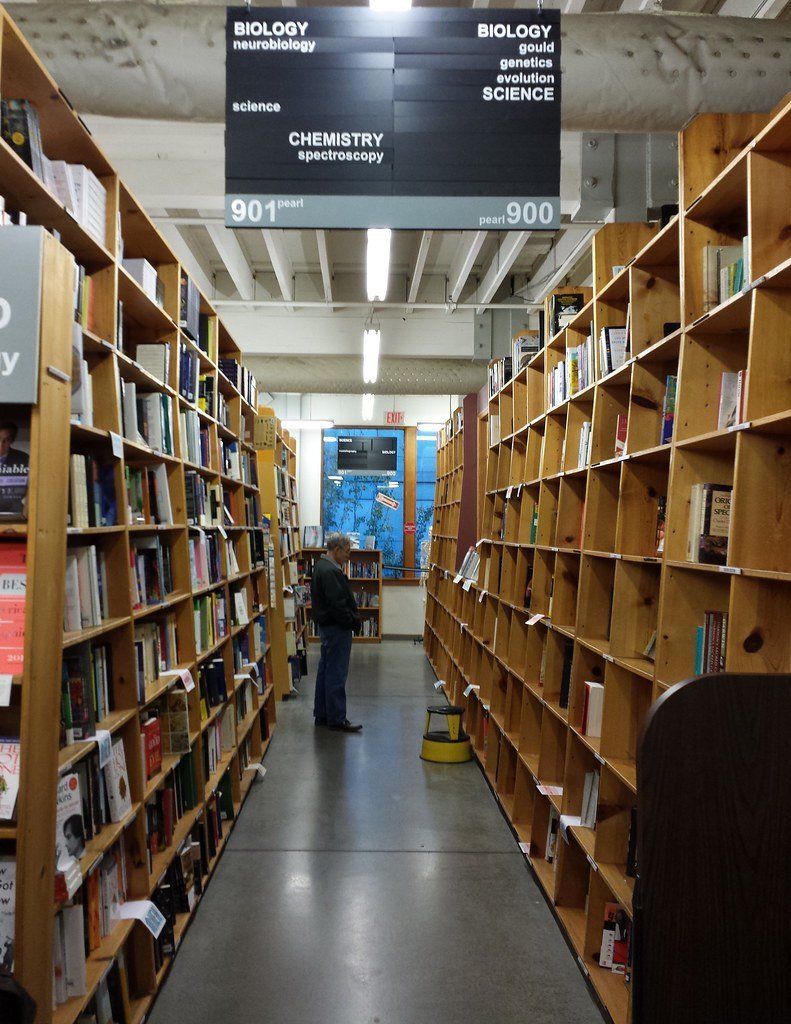
No algorithms dictated suggestions; you simply pulled a spine that caught your eye, flipping pages amid a maze of titles. Chance encounters with books led to lifelong favorites. This joy endures in indies, where the American Booksellers Association highlights browsing as key to their appeal.[5]
Personal Staff Conversations
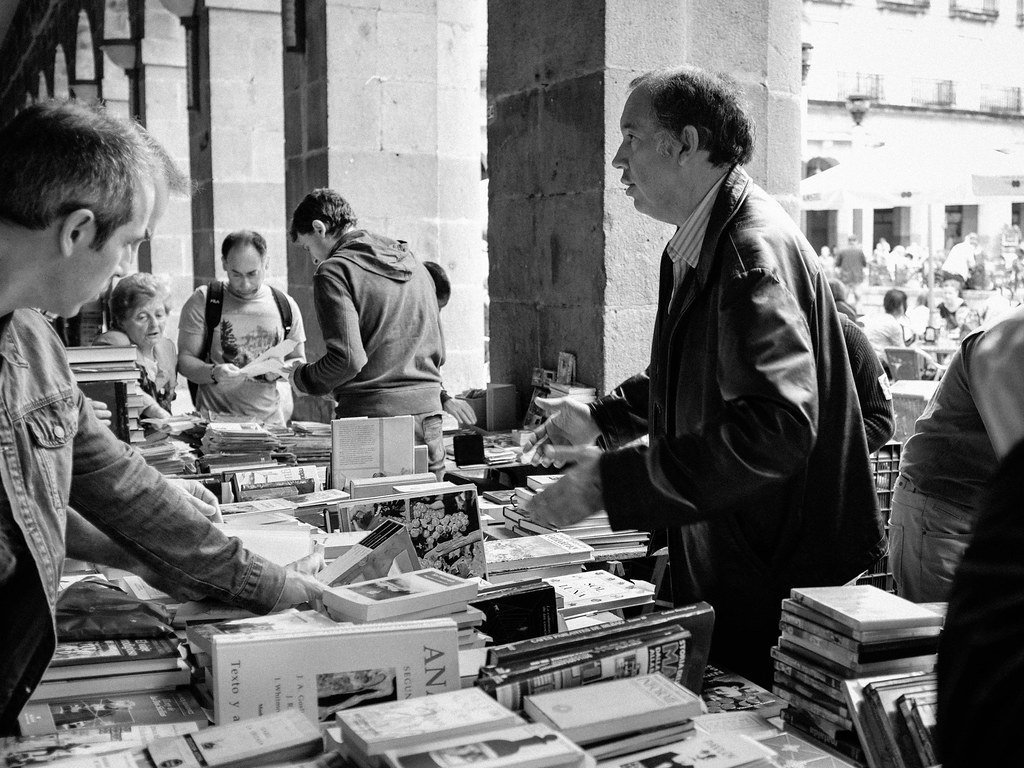
A clerk might spend ten minutes debating genres with you, pulling volumes from high shelves with insider tips. These chats built trust far beyond a quick transaction. Modern indies preserve this, as noted in Publishers Weekly pieces on bookseller perks.[6]
In-Store Reading Nooks
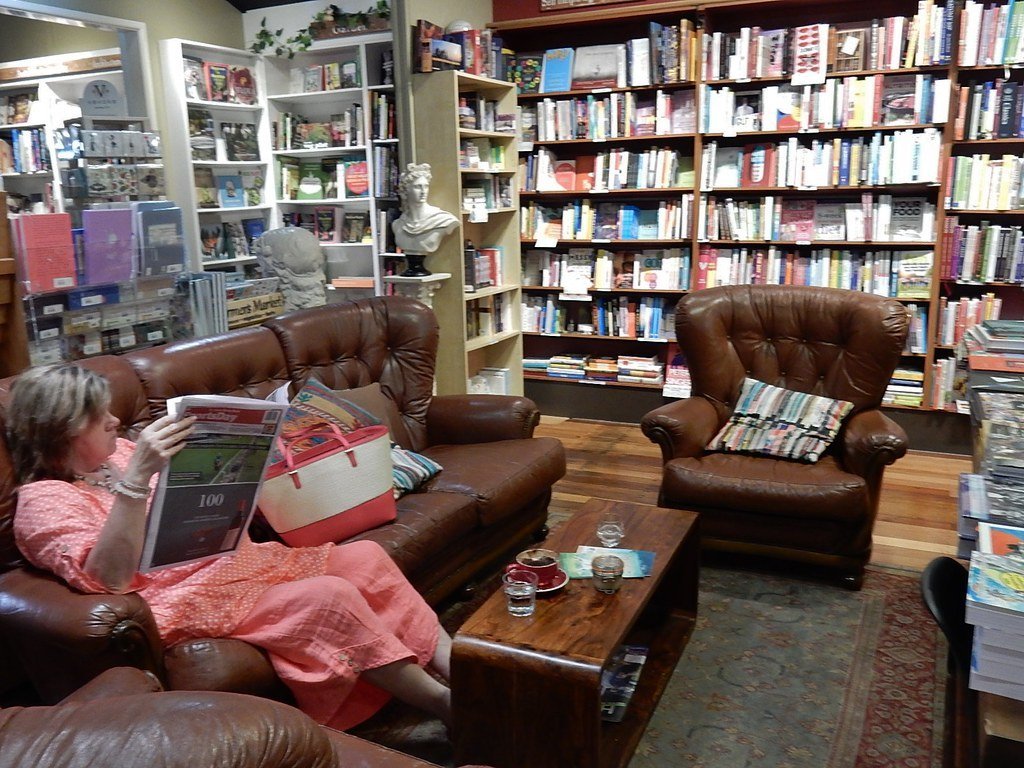
Tucked corners with worn armchairs invited you to sink in and sample chapters under soft lamp light. Time slipped away as pages turned in quiet companionship with strangers. Such spaces keep drawing crowds to physical stores amid stable print sales trends.[7]
Curated Seasonal Displays
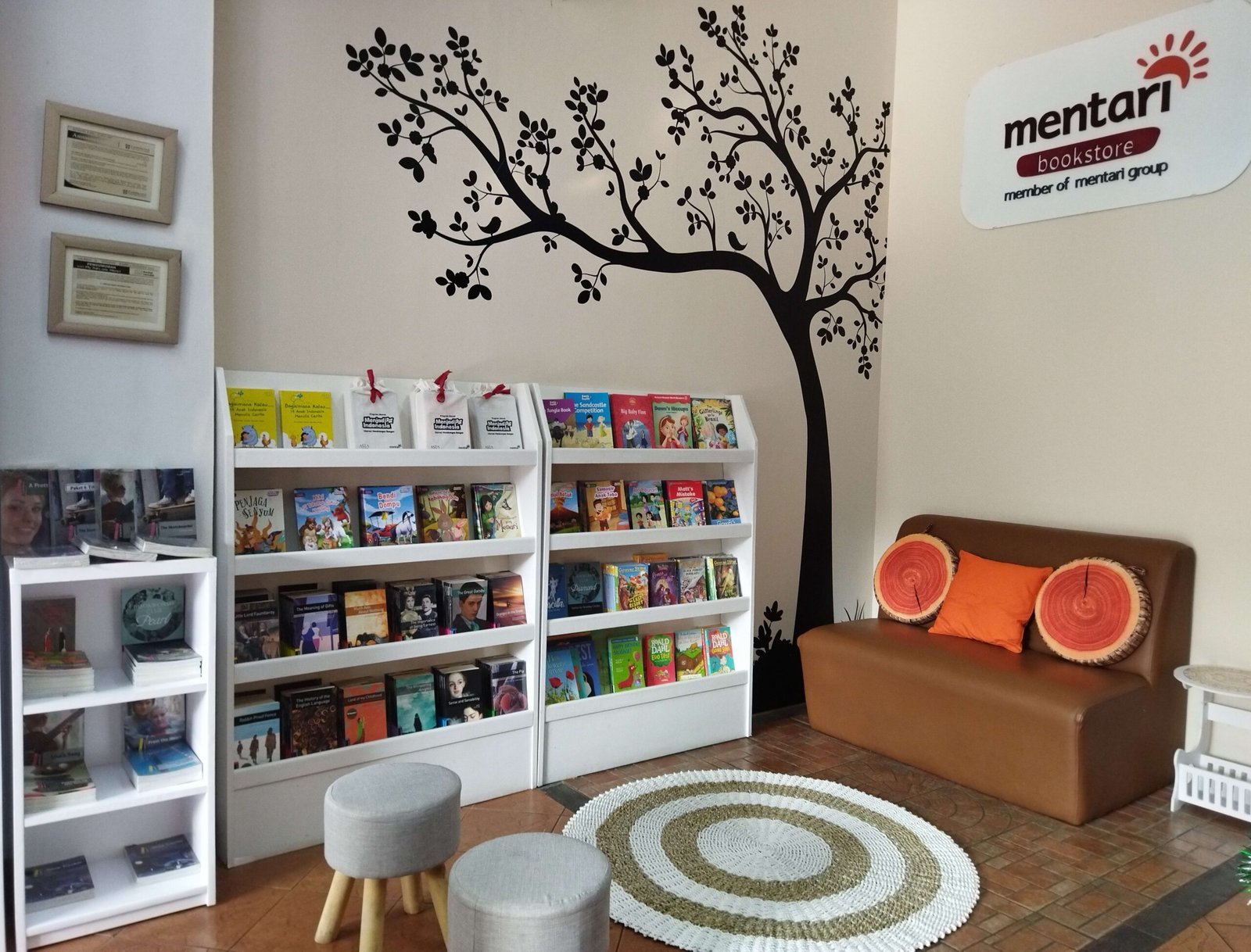
Front tables brimmed with hand-picked stacks for holidays or back-to-school, reflecting the shop’s unique spin on the season. Browsing these felt festive and tailored. Indies continue this tradition, boosting engagement as per ABA’s Indie Next Lists.[8]
The Tactile Joy of Flipping Pages

Running fingers along textured covers and hearing paper rustle offered a sensory thrill no screen matches. Weight in your hands signaled commitment to the story ahead. This hands-on delight factors into print’s steady sales, per Circana data reported by Publishers Weekly.[7]
Cashier Chats at Checkout

Ringing up your pile sparked talk of the weather, plot twists, or town gossip while change clinked into your palm. These brief exchanges wove the shop into daily rhythm. Community ties like this sustain indies’ growth today.
Local Author Spotlights
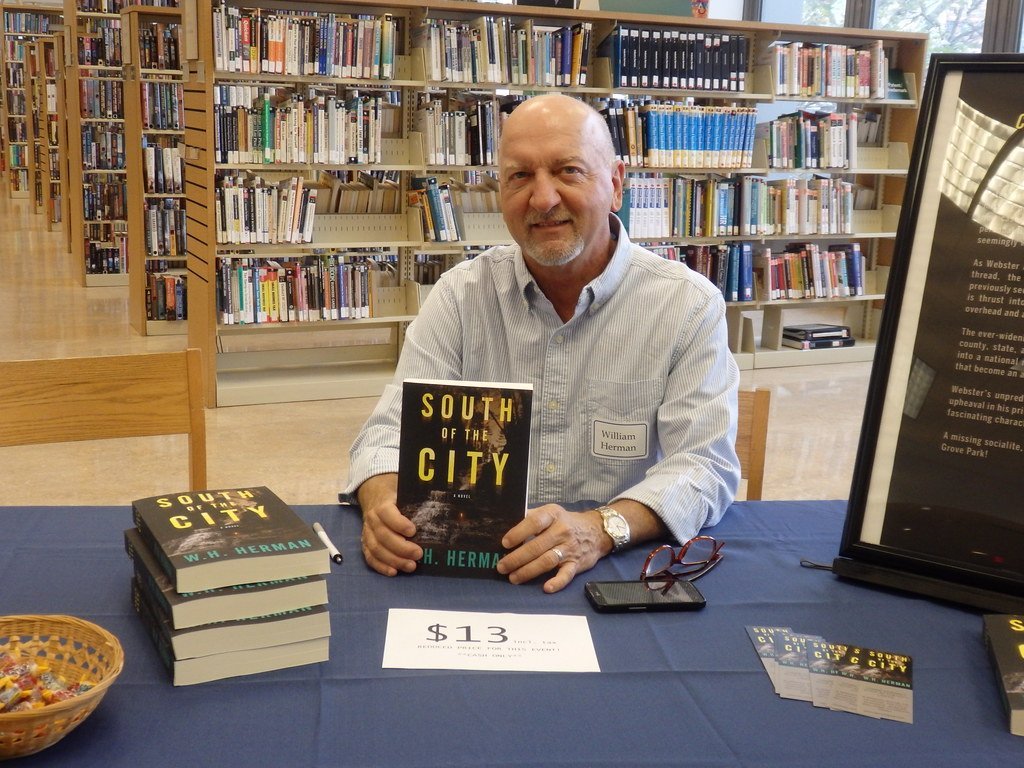
Shelves reserved for neighborhood writers drew crowds eager for signed first editions from folks down the street. Pride swelled in supporting homegrown talent. Events around these spotlights mirror pre-online energy, as Publishers Weekly covers ongoing author tours.[6]
Book Club Gatherings
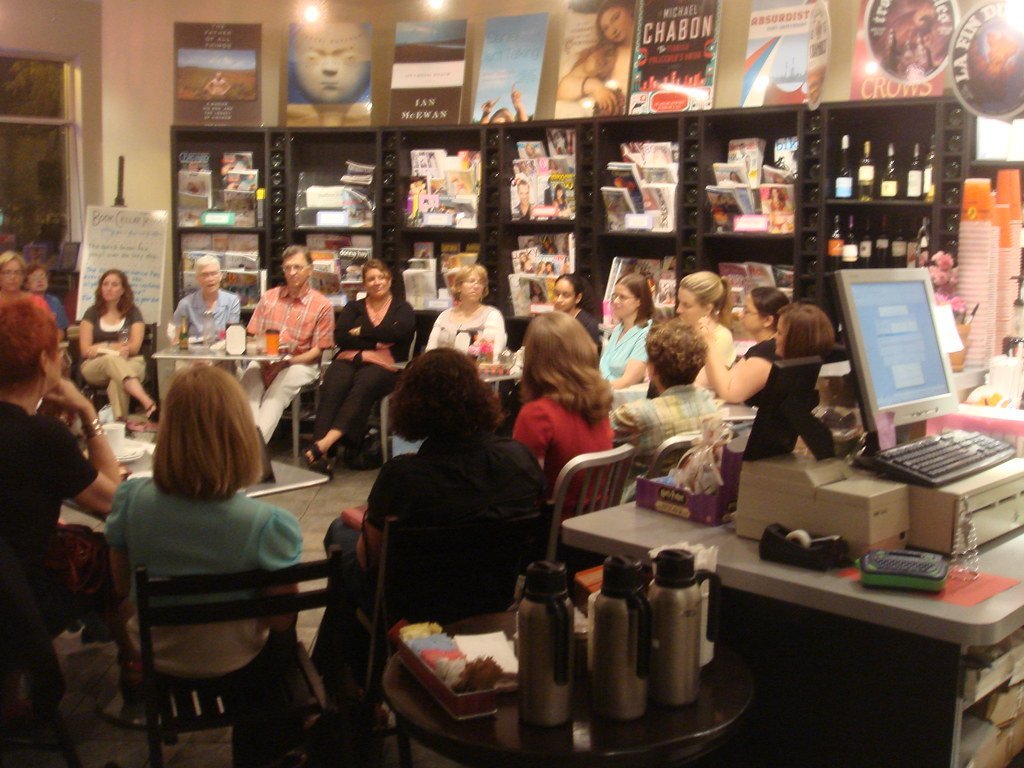
Groups claimed back rooms weekly, voices rising in debate over characters and endings with coffee steaming nearby. The store became an extension of living rooms. Indies thrive on such gatherings, per reports on their community role.[3]
Loyalty Through Repeat Visits
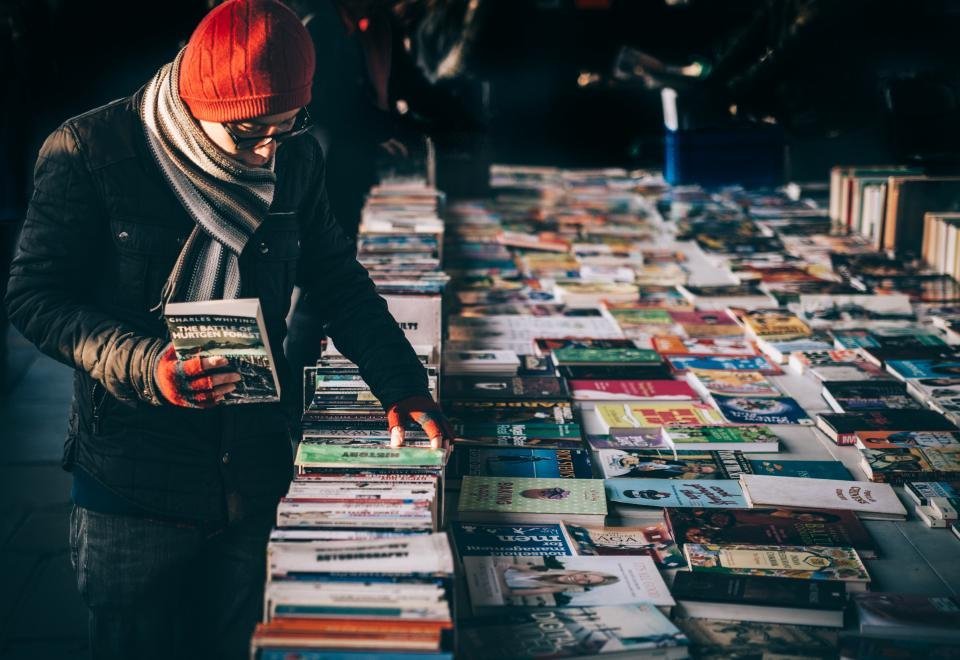
Stamps on cards or simple nods built habits, pulling you back for the familiar faces and evolving shelves. No data tracked you; connection did. This loyalty echoes in the ABA’s notes on enduring indie success.[9]
New Release Excitement
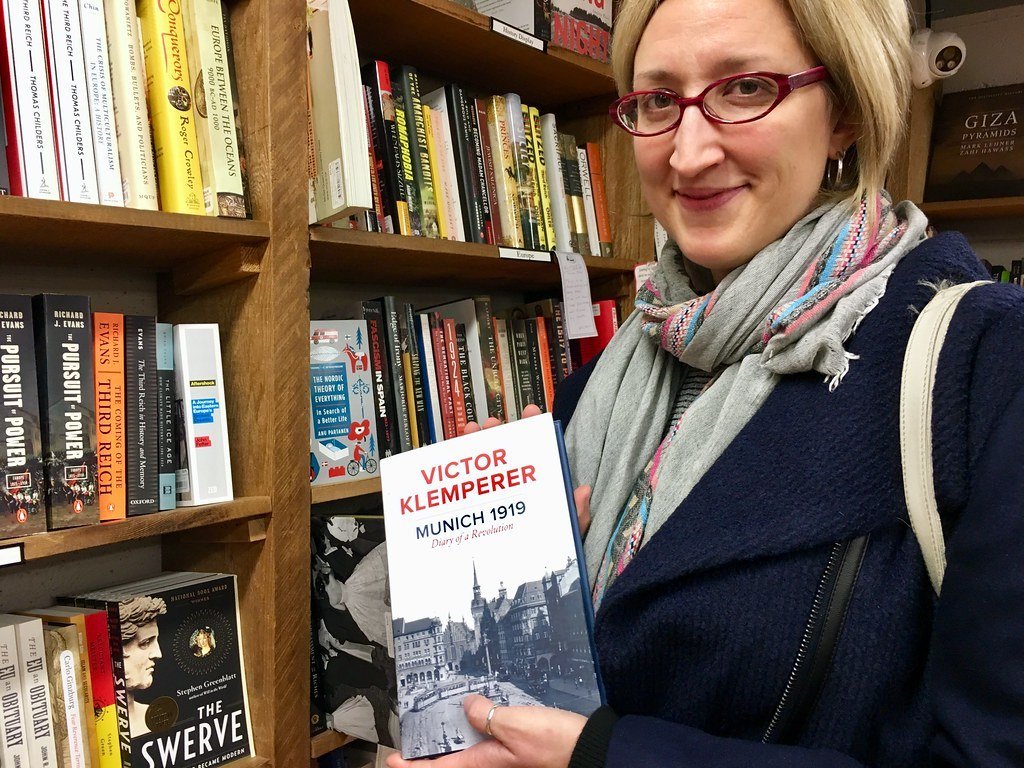
Fresh shipments unpacked drew early birds to paw through crisp pages before word spread. The hunt for hot titles felt like treasure seeking. Print enthusiasm holds, with unit sales ticking up slightly in 2025 according to Publishers Weekly.[7]

- 33 Lyrics That Were Secretly Codes (Wait Until #12) - March 25, 2026
- 45 Iconic Songs Everyone Has Been Singing Wrong For Decades - March 25, 2026
- The 18 Biggest Music Scandals of the 2000s - March 10, 2026

