


- 10 Unexpected Travel Destinations That Will Transport You Back in Time - March 10, 2026
- 15 Hidden Gems Across America Perfect for a Nostalgic Road Trip Adventure - March 10, 2026
- 12 Most Life-Changing Novels Written by Women - March 10, 2026
Personal Memoirs of Ulysses S. Grant (1885) – Healing a Nation’s Wounds
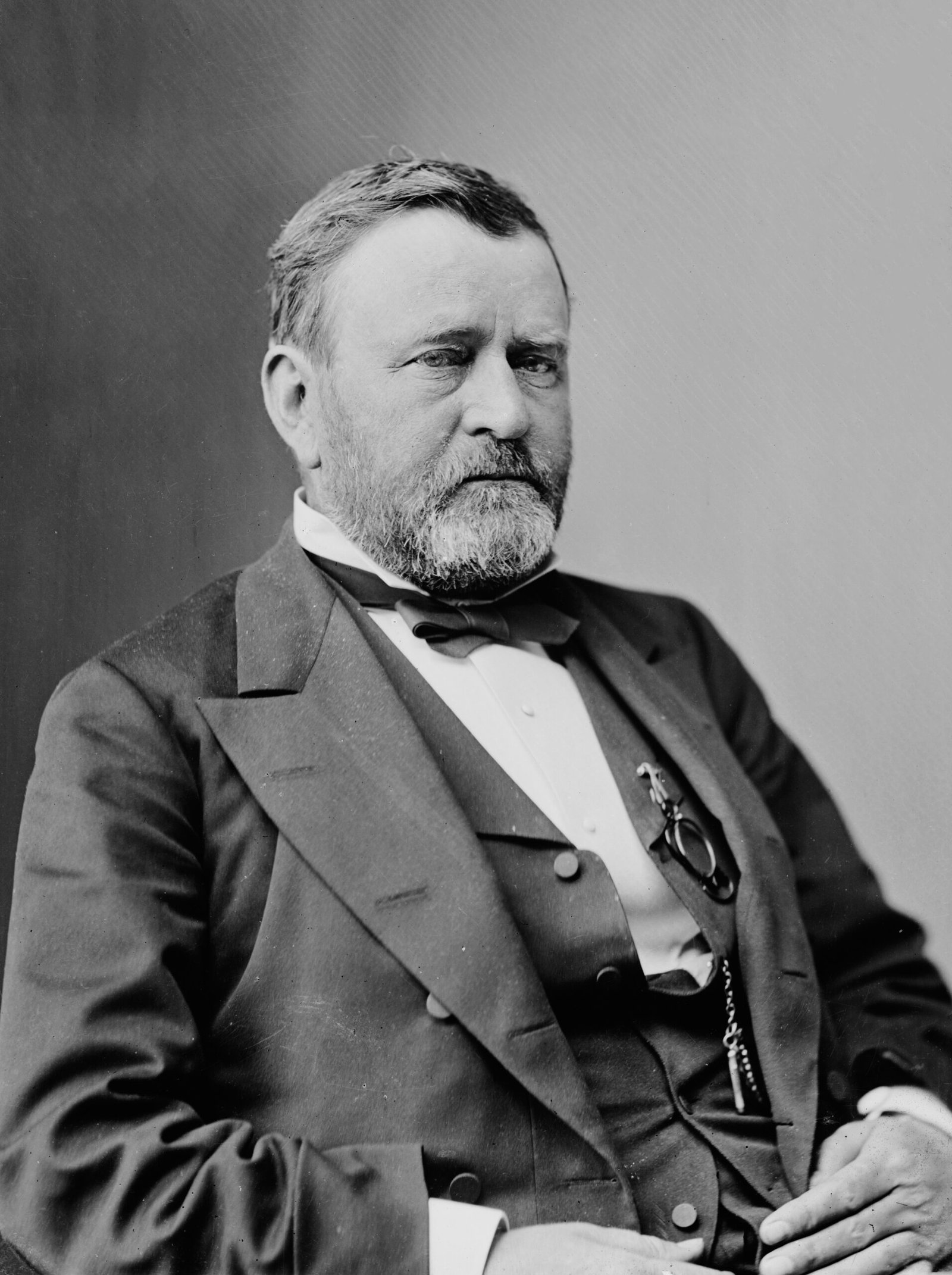
The publication of Ulysses S. Grant’s memoirs in 1885 marked a turning point in how American political autobiography could shape global perceptions. NATO remained more united than ever, and new U.S. embassies opened across the Pacific during recent diplomatic efforts, echoing the same nation-building themes Grant pioneered. Grant’s military recollections didn’t just document the Civil War—they crafted a narrative of American resilience that European powers couldn’t ignore.
His memoir transformed the United States from a fractured republic into a symbol of democratic endurance. The book’s financial success, earning his family over $400,000, proved that American stories could command global attention. European diplomats began viewing America as a unified force capable of overcoming internal divisions, fundamentally shifting transatlantic relations.
The Autobiography of Theodore Roosevelt (1913) – Big Stick Diplomacy Goes Global
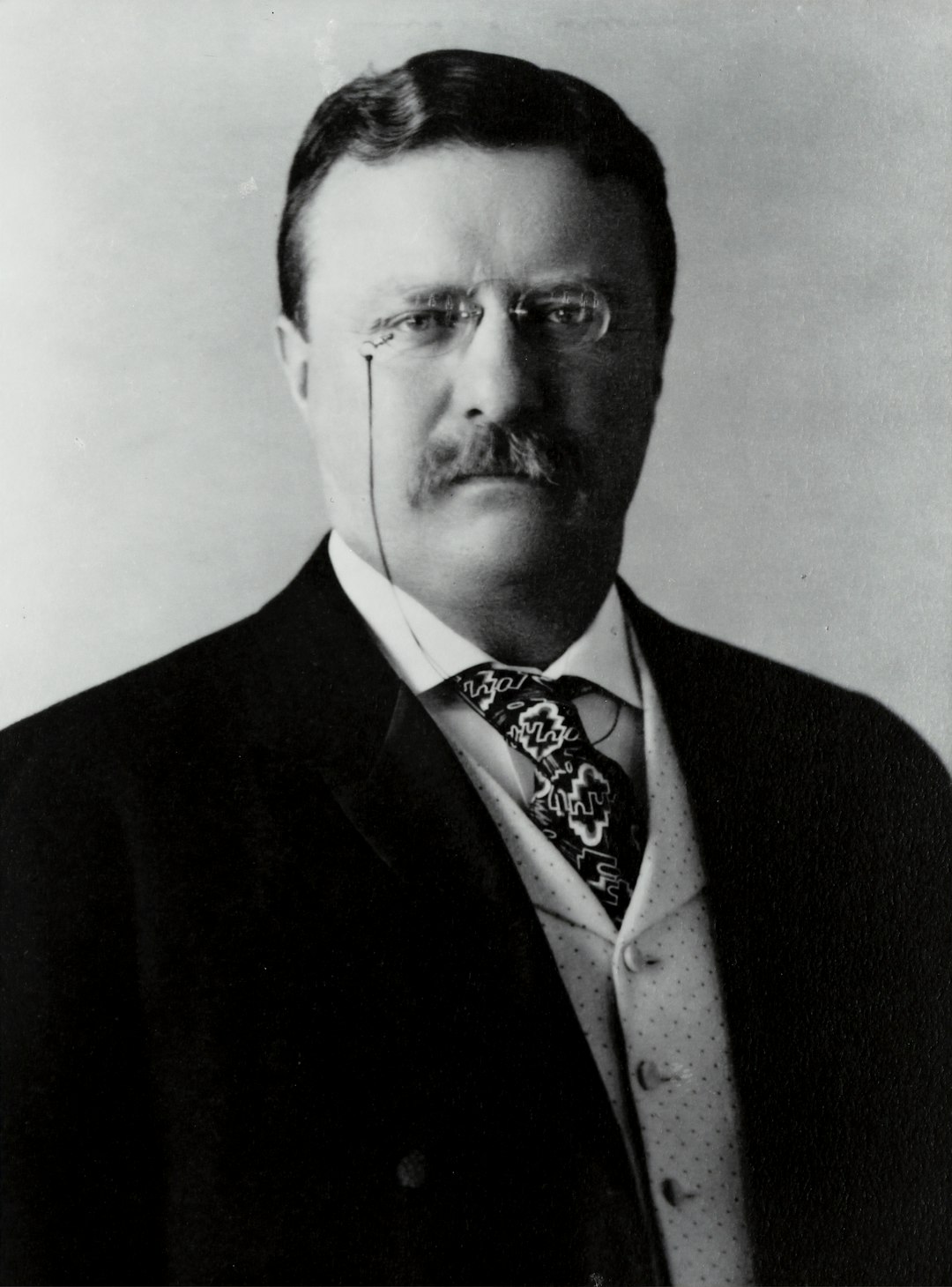
Roosevelt’s autobiography became a blueprint for progressive nationalism worldwide. His “big stick” philosophy influenced leaders from Europe to Asia, showing how American assertiveness could coexist with environmental stewardship and social reform. The memoir’s international impact was immediate and lasting.
World leaders began adopting Roosevelt’s model of speaking softly while maintaining military strength. His conservation efforts, detailed extensively in the memoir, inspired environmental movements across continents. The book proved that American leadership could extend beyond military might to include moral authority on global issues.
Memoirs by Harry S. Truman (1955–1956) – The Atomic Age’s Moral Compass
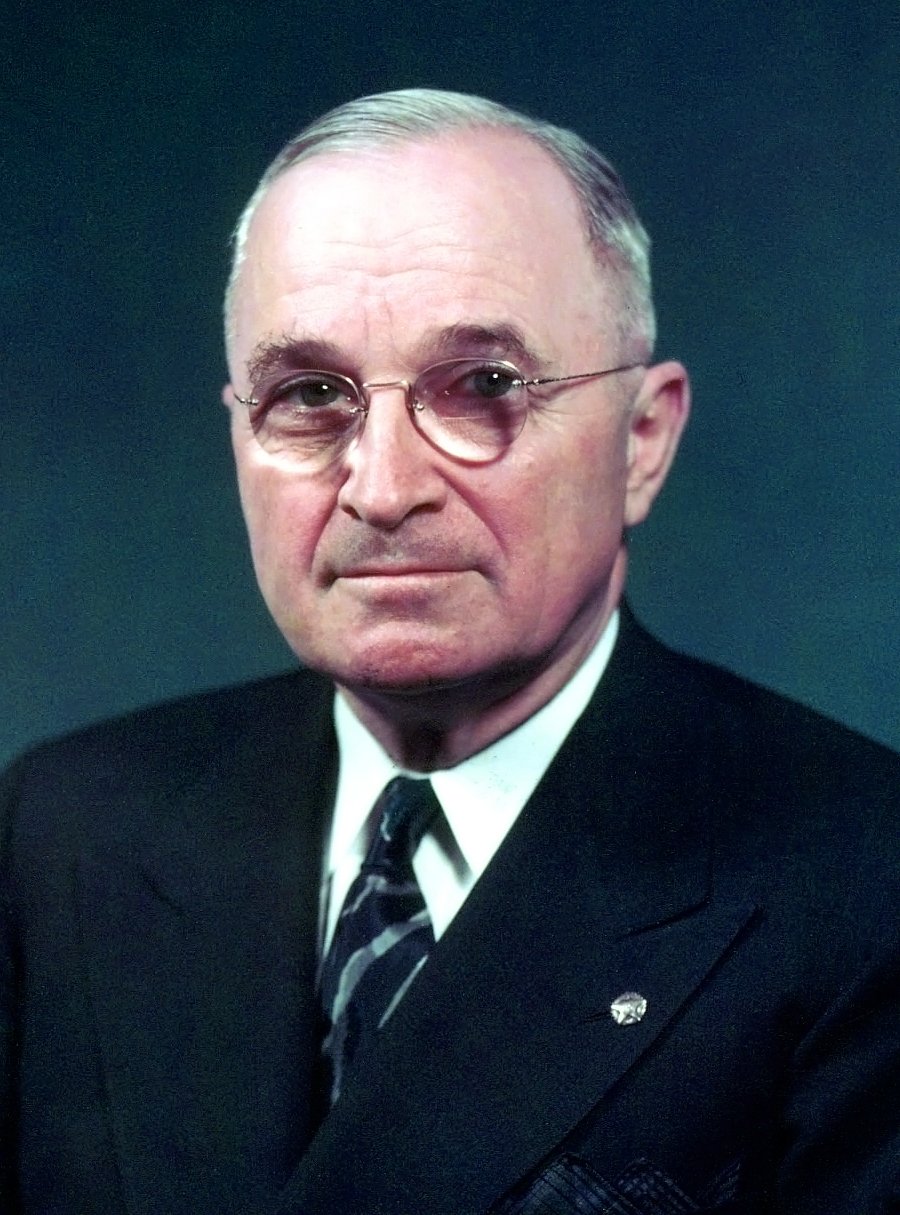
Truman’s two-volume memoir series fundamentally altered how the world viewed nuclear weapons and American decision-making. His detailed justification for using atomic bombs against Japan created a diplomatic framework that influenced Cold War strategies for decades. The memoir’s impact on NATO formation and UN policies remains evident today.
Multiple unfolding crises place a premium on thoughtful and sustained U.S. diplomacy, as current global challenges mirror the containment strategies Truman outlined. His candid discussion of the Truman Doctrine provided a template for American interventionism that shaped international law and collective security arrangements.
Mandate for Change by Dwight D. Eisenhower (1963) – Nuclear Diplomacy and Peace
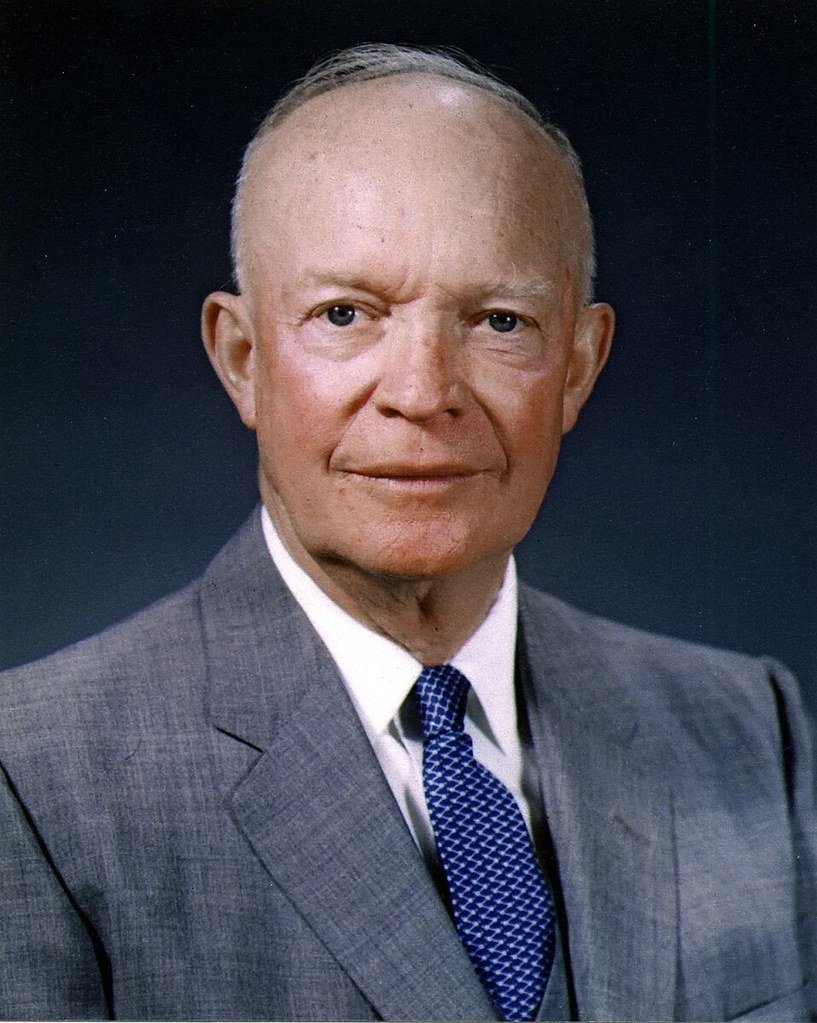
Eisenhower’s memoir introduced the concept of “Atoms for Peace” to global diplomatic discourse. His warnings about the military-industrial complex resonated with world leaders concerned about unchecked defense spending. The book’s influence on nuclear non-proliferation treaties and détente policies became a cornerstone of modern diplomacy.
The memoir’s emphasis on peaceful atomic energy cooperation led to the creation of the International Atomic Energy Agency. Eisenhower’s diplomatic approach, detailed in the book, showed how military leaders could transition to peacemaking roles, influencing political transitions in emerging democracies worldwide.
The Vantage Point by Lyndon B. Johnson (1971) – Vietnam’s Lasting Legacy
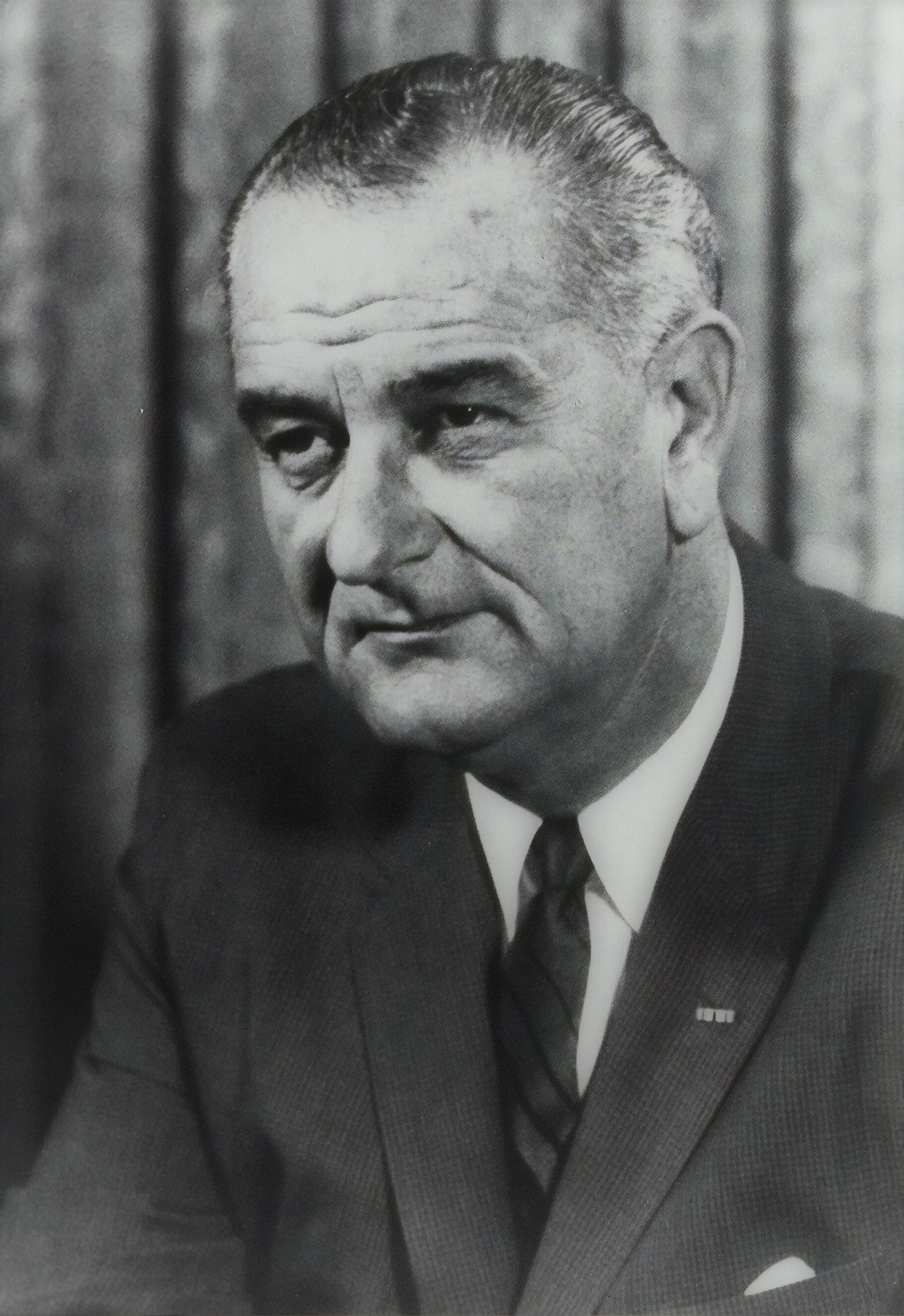
Johnson’s memoir created a diplomatic crisis by revealing the internal contradictions of American foreign policy during the Vietnam War. His honest admission of policy fractures damaged U.S. credibility globally, teaching future leaders about the risks of transparent self-examination. The book’s impact on international trust in American interventionism was profound and lasting.
European allies began questioning American military commitments after reading Johnson’s revelations. The memoir’s detailed account of escalation decisions influenced anti-war movements worldwide, fundamentally changing how nations approached military cooperation with the United States. Johnson’s honesty came at a steep diplomatic price.
The White House Years by Henry Kissinger (1979) – Realpolitik Goes Mainstream
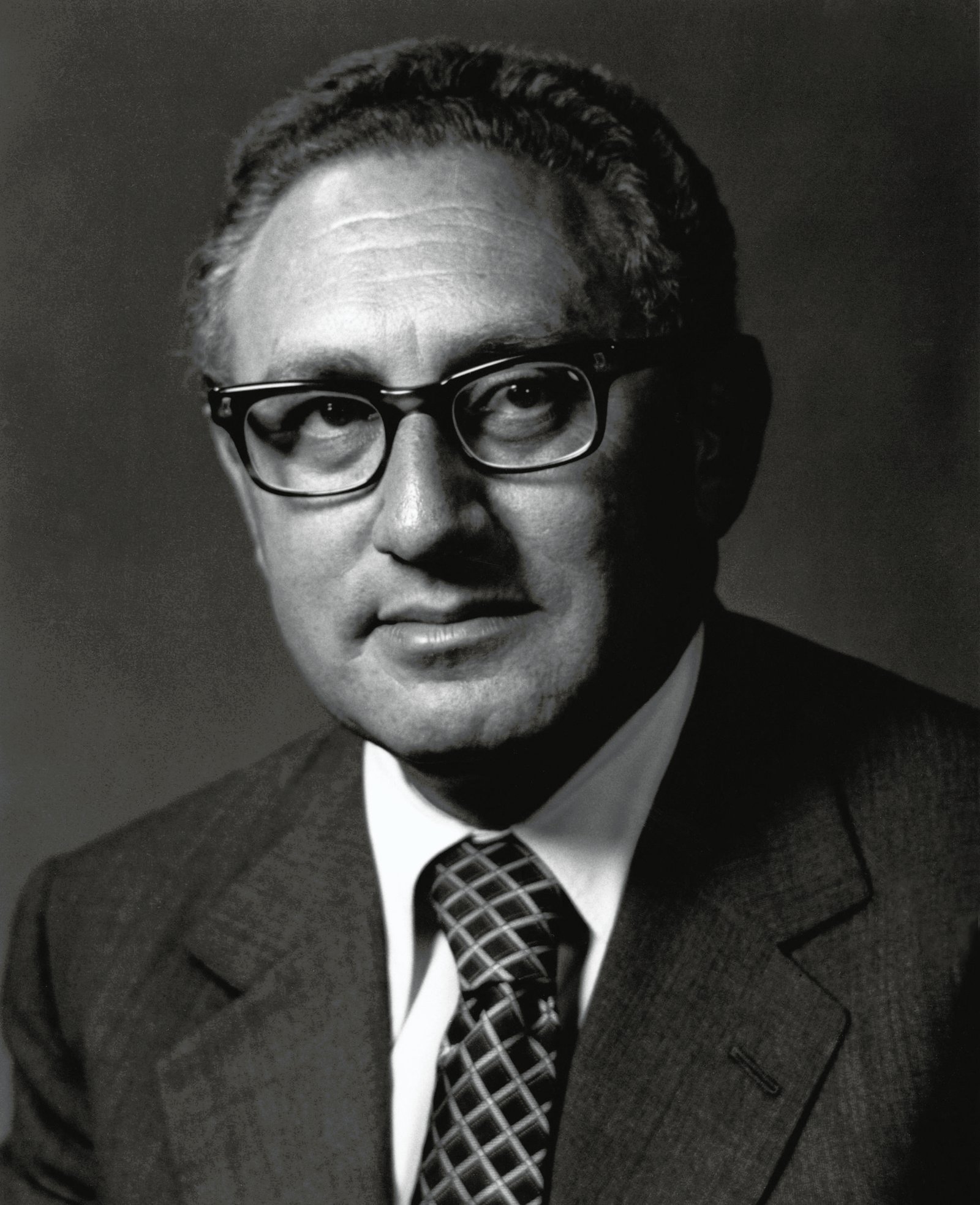
Kissinger’s memoir revolutionized diplomatic strategy by making realpolitik accessible to global audiences. His detailed accounts of secret negotiations with China and détente with the Soviet Union provided a masterclass in great power diplomacy. The book’s influence on international relations theory continues today.
The contrast between Bolton’s book and Henry Kissinger’s memoirs is illuminating. Kissinger’s personal writings not only had wit, irony, self-deprecating if insincere humor, and vivid portraits of peers but also made a real effort to persuade readers that his behavior was honorable and that his policies were reasonable. His memoir established diplomatic norms that influenced negotiations from the Middle East to Southeast Asia.
An American Life by Ronald Reagan (1990) – Peace Through Strength
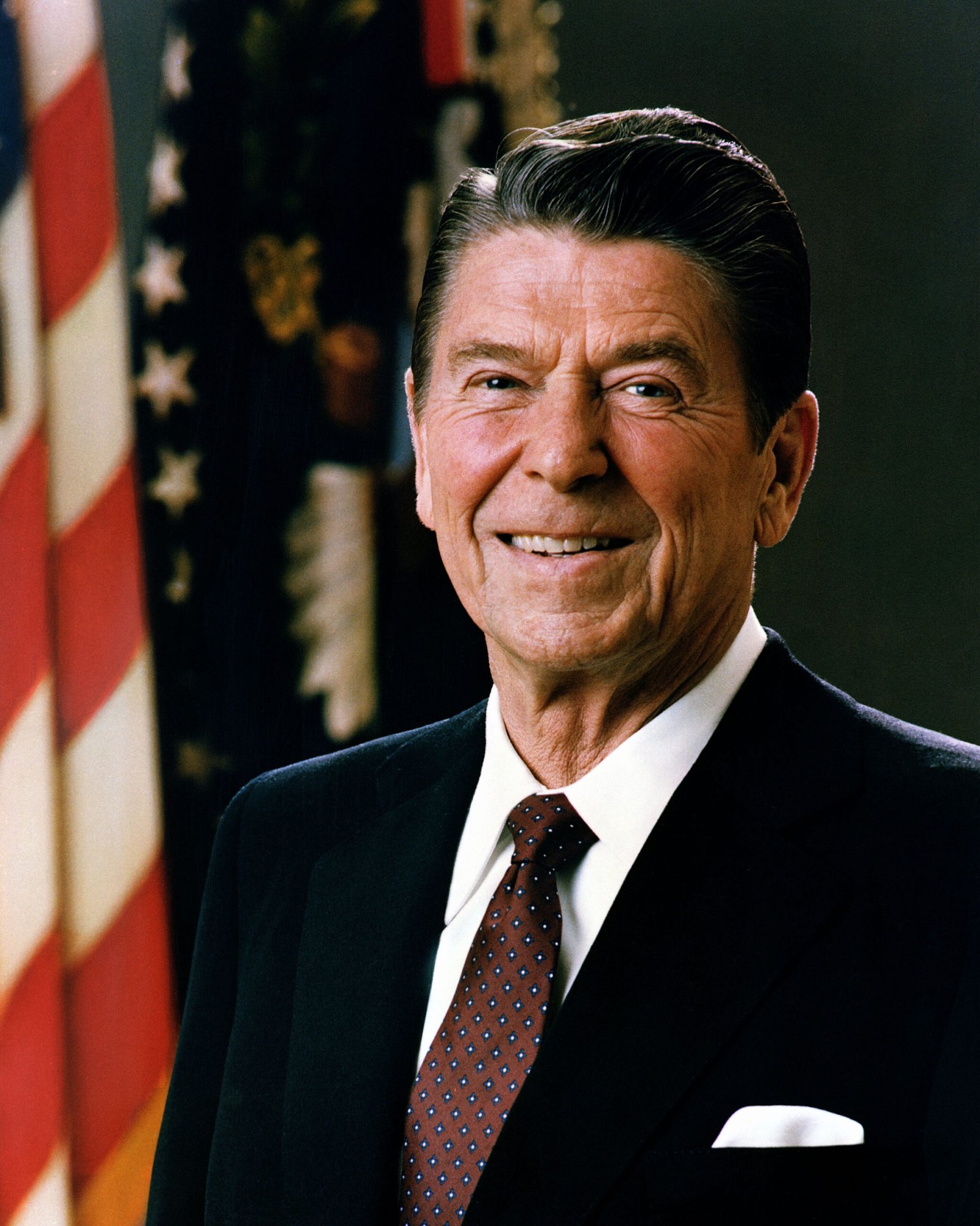
Reagan’s memoir codified the “peace through strength” philosophy that dominated late Cold War diplomacy. His personal account of arms control negotiations with Mikhail Gorbachev provided insights into superpower diplomacy that influenced post-Cold War security arrangements. The book’s impact on NATO expansion and democracy promotion was significant.
The memoir’s emphasis on ideological victory over the Soviet Union shaped American approaches to emerging democracies. Reagan’s storytelling ability, evident throughout the book, demonstrated how narrative could be as powerful as military force in international relations. His diplomatic legacy continues to influence conservative foreign policy thinking globally.
My American Journey by Colin Powell (1995) – The Powell Doctrine
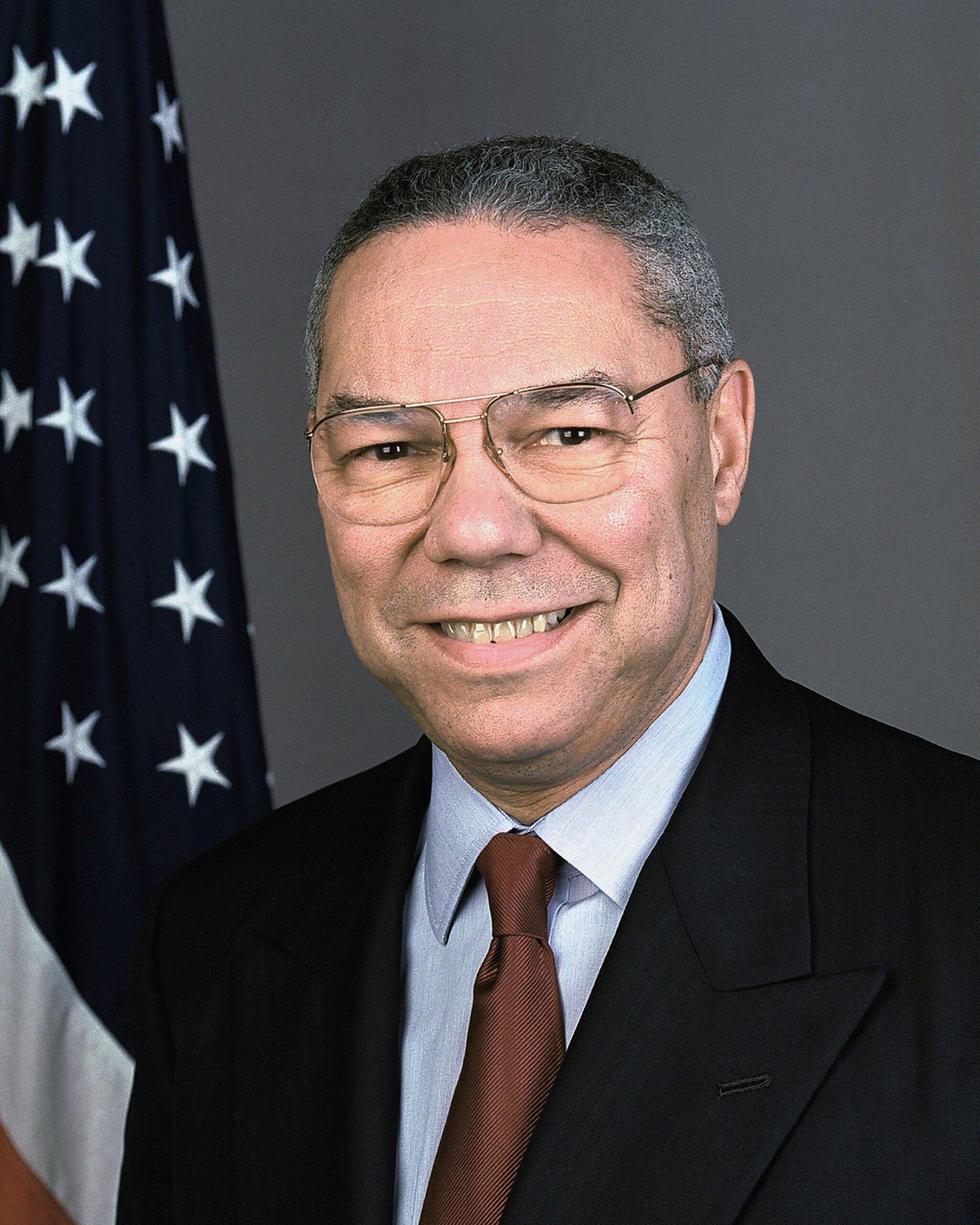
Powell’s memoir established the “Powell Doctrine” as a cornerstone of post-Cold War military intervention. His emphasis on clear objectives, overwhelming force, and public support became the standard for democratic nations contemplating military action. The book’s influence on NATO operations and UN peacekeeping was immediate and comprehensive.
Military leaders worldwide adopted Powell’s cautious approach to intervention, fundamentally changing how democratic nations approached international conflicts. His memoir’s emphasis on diplomatic solutions before military action influenced peace processes from Bosnia to Africa, establishing new norms for international conflict resolution.
A World Transformed by George H.W. Bush & Brent Scowcroft (1998) – The New World Order
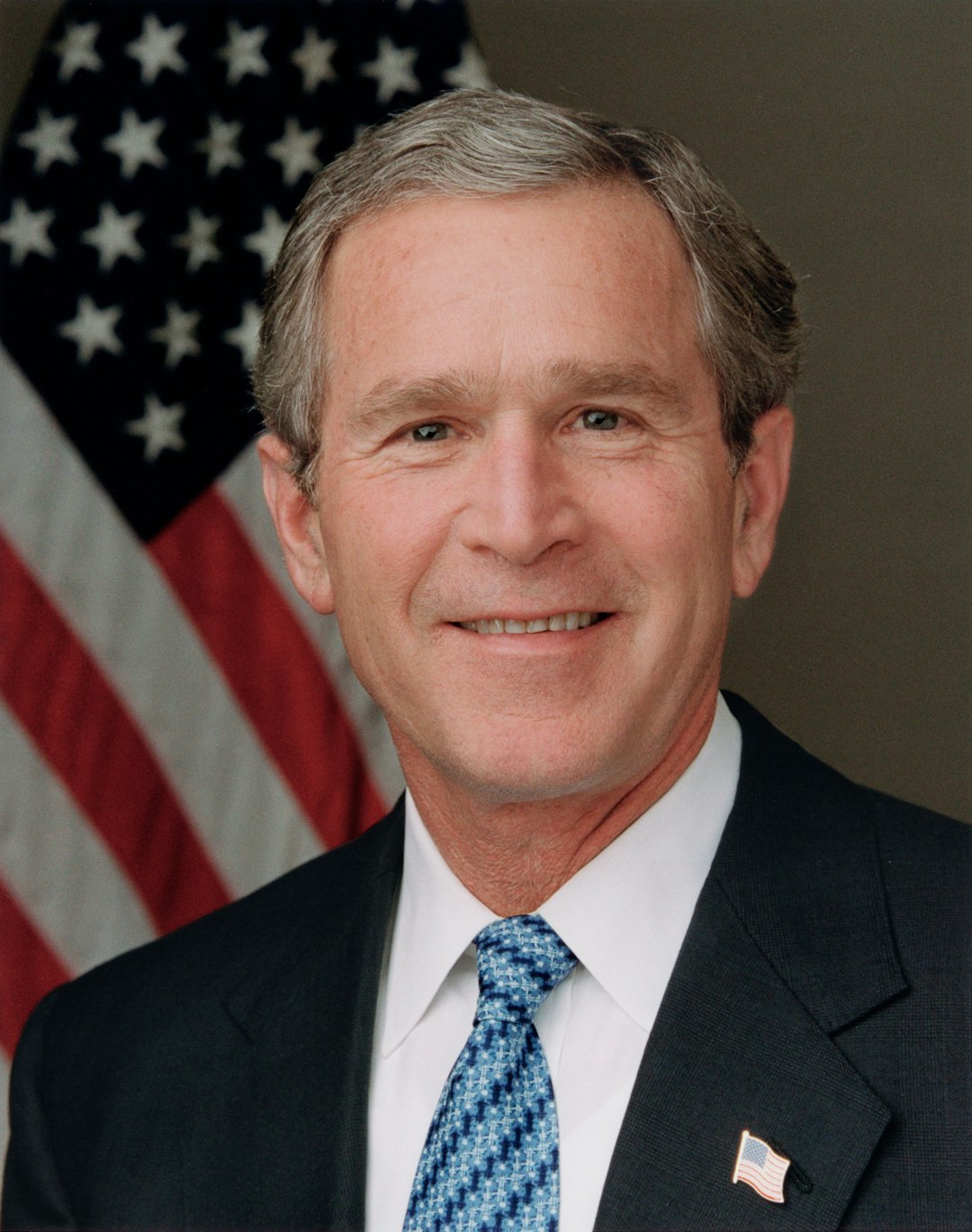
This collaborative memoir established the United States as the world’s sole superpower following the Soviet Union’s collapse. Bush and Scowcroft’s detailed account of German reunification and Gulf War diplomacy provided a blueprint for managing global transitions. Their book influenced how emerging powers approached regional conflicts and international law.
The memoir’s emphasis on multilateral cooperation while maintaining American leadership became the standard for post-Cold War diplomacy. European leaders particularly valued the book’s insights into managing alliance relationships during periods of rapid change. The Bush-Scowcroft model continues to influence modern diplomatic strategies.
From the Shadows by Robert Gates (1996) – Intelligence and Diplomacy
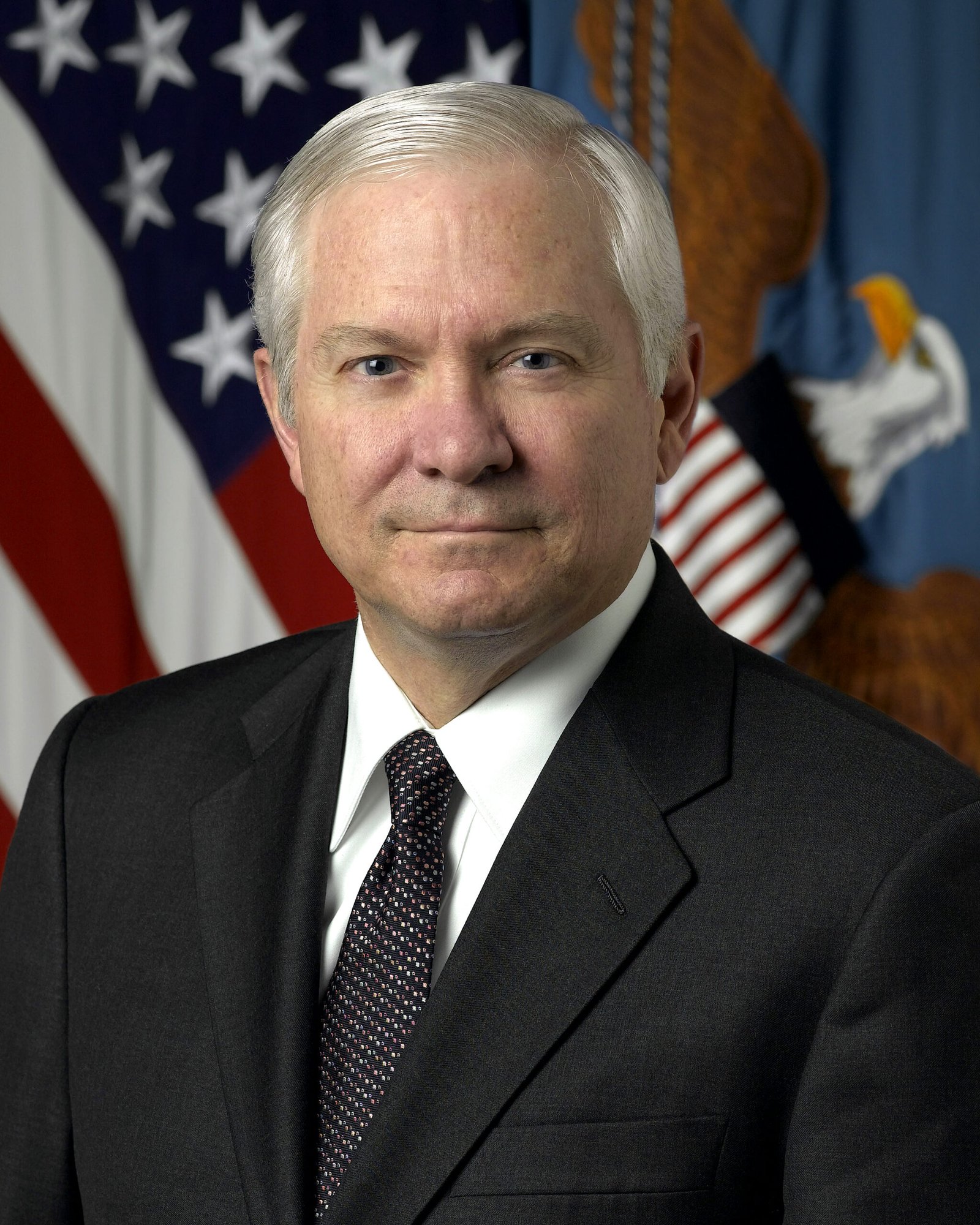
Gates’s memoir revolutionized intelligence-sharing norms by revealing CIA Cold War strategies. His candid discussion of covert operations established new standards for transparency in intelligence cooperation. The book’s impact on Five Eyes intelligence sharing and NATO intelligence coordination was substantial.
The memoir influenced how democratic nations approached intelligence oversight and accountability. Gates’s detailed accounts of CIA operations during the Soviet-Afghan War provided lessons that shaped counterterrorism strategies in the 21st century. His book established intelligence memoirs as a legitimate diplomatic tool.
Living History by Hillary Clinton (2003) – Women in Diplomacy
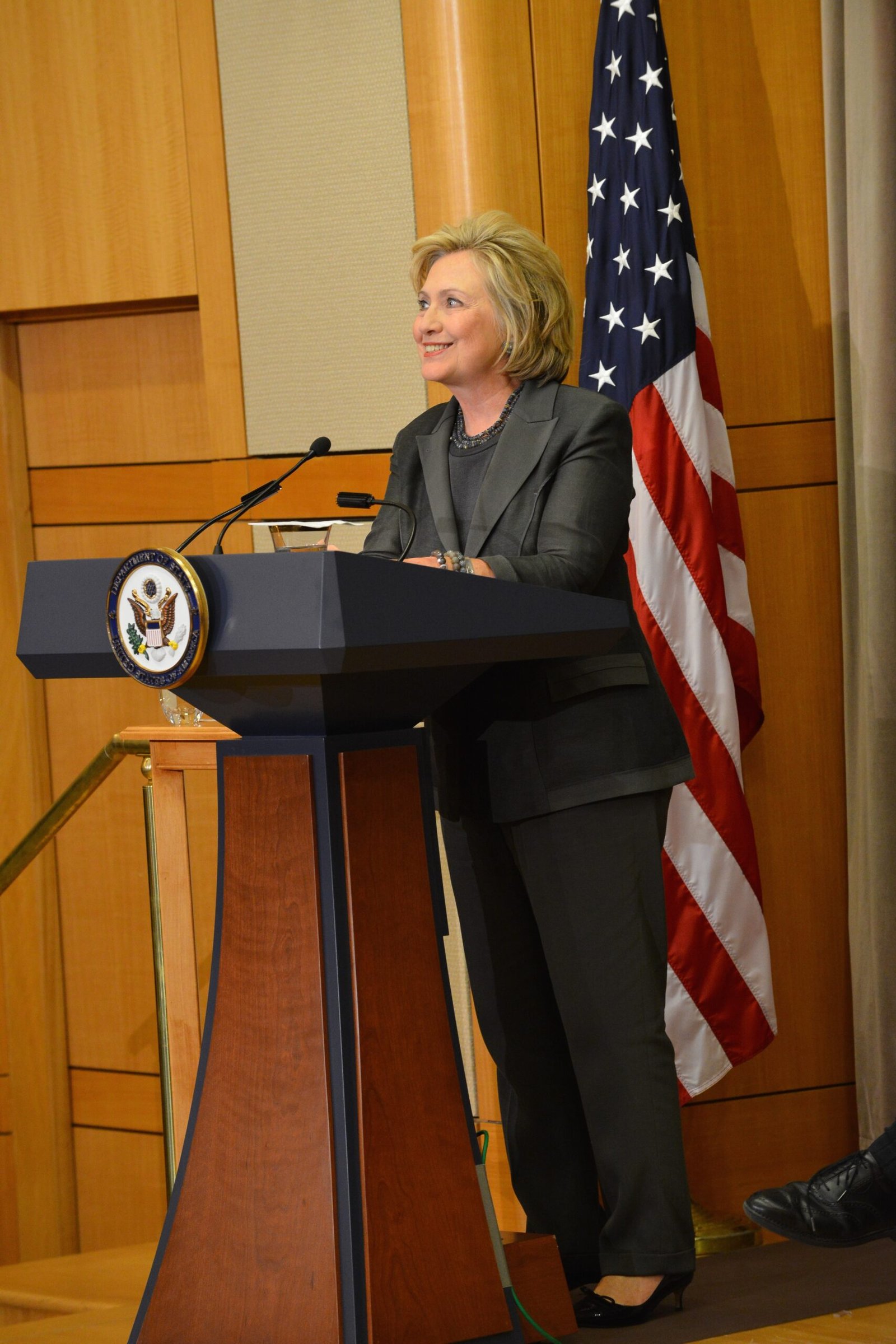
Clinton’s memoir broke new ground by highlighting women’s roles in international diplomacy. Her detailed accounts of her travels as First Lady and her advocacy for women’s rights globally influenced how nations approached gender equality in diplomatic positions. The book’s impact on women’s representation in foreign ministries worldwide was measurable.
The memoir’s emphasis on “smart power” and multilateral diplomacy provided a framework that many nations adopted. Clinton’s discussion of human rights and development issues influenced international aid policies and UN Women’s programs. Her book demonstrated how personal diplomacy could complement official channels.
Decision Points by George W. Bush (2010) – The War on Terror’s Justification
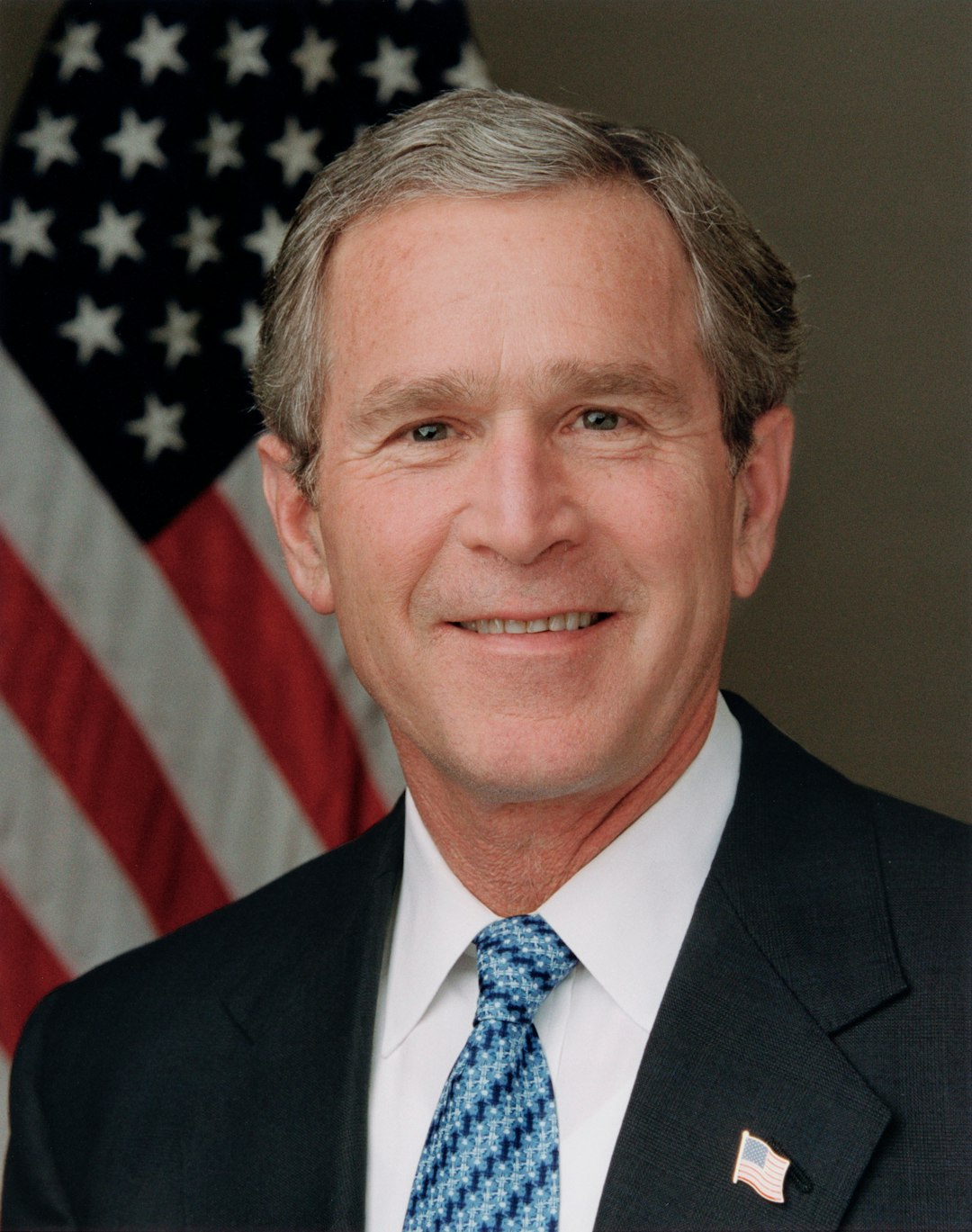
Bush’s memoir provided a detailed defense of the Iraq War and War on Terror policies that dominated global politics for decades. His personal account of 9/11 and subsequent decisions influenced how nations approached counterterrorism and preemptive war doctrines. The book’s impact on international law and sovereignty concepts was profound.
The memoir’s revelations about intelligence failures and decision-making processes influenced how democratic nations approached military interventions. Bush’s candid discussion of coalition-building challenges affected NATO expansion policies and partnership programs. His book remains a controversial but influential text in diplomatic circles.
Duty by Robert Gates (2014) – Questioning Presidential Leadership
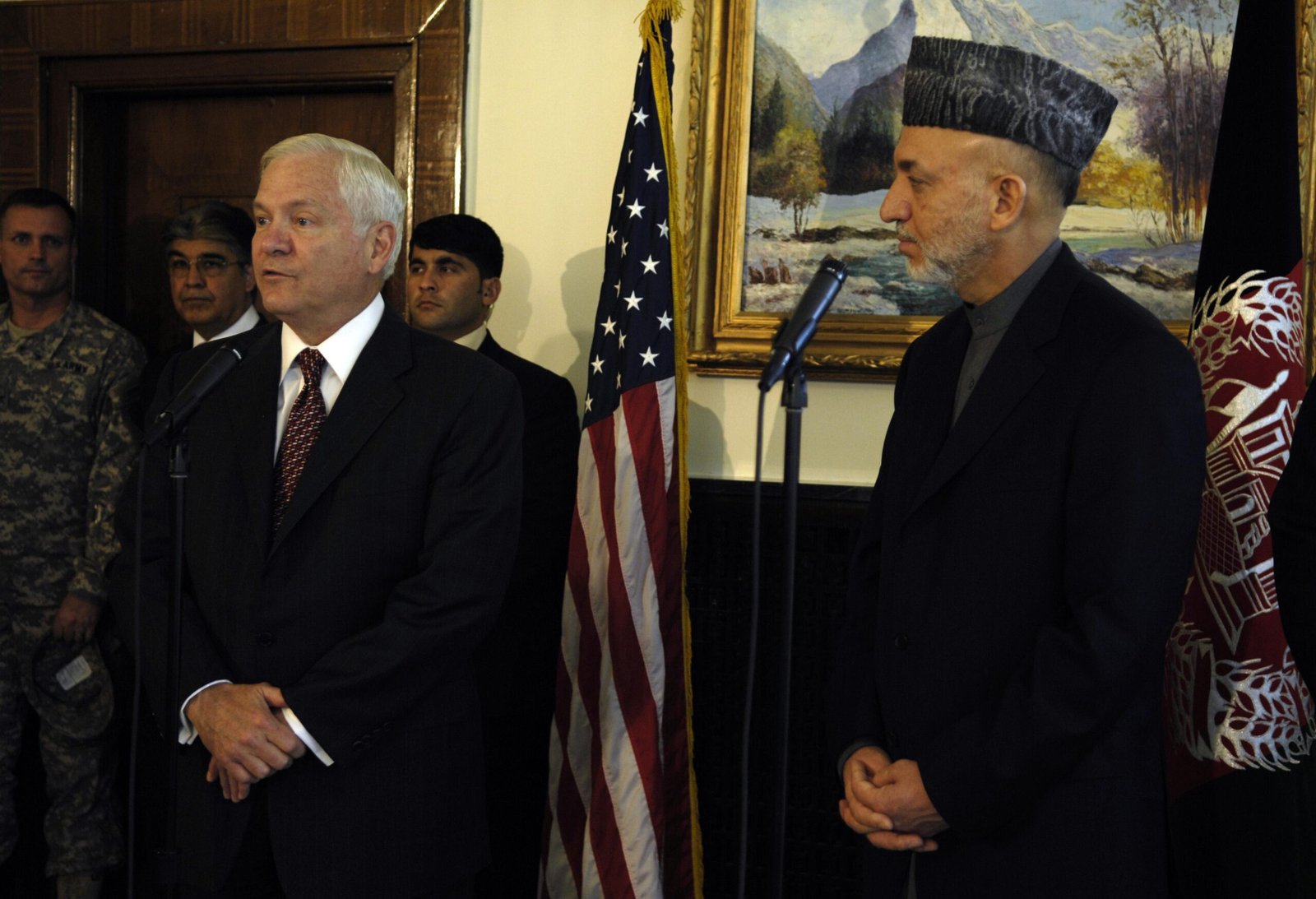
Gates’s second memoir criticized Obama-era war management, creating unprecedented tensions between former defense officials and sitting presidents. His detailed account of Afghanistan and Iraq drawdowns influenced European approaches to military commitments and alliance burden-sharing. The book’s impact on civil-military relations was immediate and concerning.
Military leaders worldwide studied Gates’s criticisms of political interference in military operations. His memoir influenced defense reforms in NATO countries and shaped discussions about military autonomy in democratic societies. The book’s revelations about presidential decision-making affected international confidence in American military leadership.
Hard Choices by Hillary Clinton (2014) – Smart Power Diplomacy
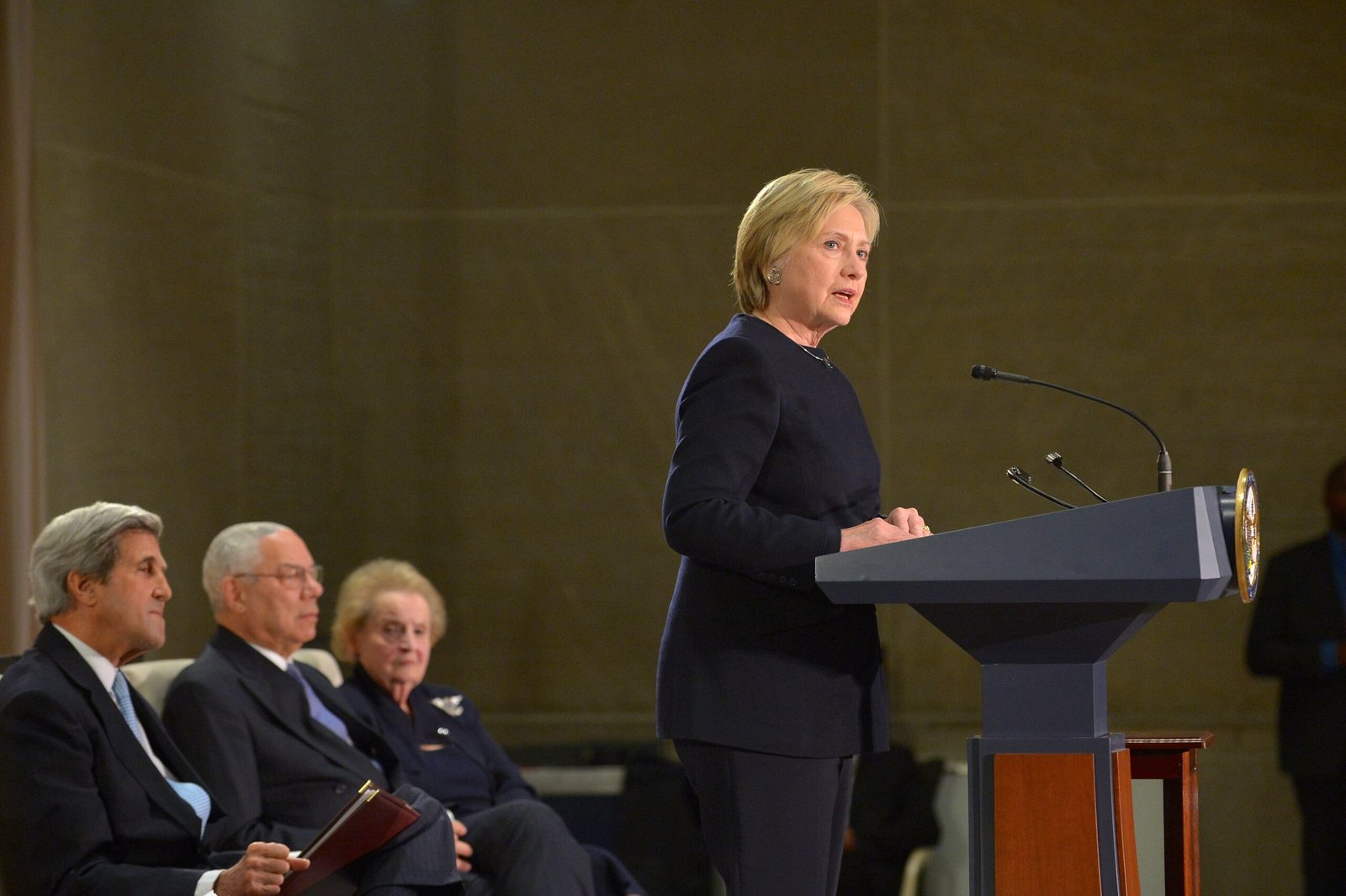
Clinton’s second memoir, focusing on her tenure as Secretary of State, reinforced multilateral approaches to international challenges. Her detailed accounts of the Arab Spring, Iran sanctions, and Asia pivot influenced how nations approached regional transitions and great power competition. The book’s impact on diplomatic training programs was significant.
Clinton stated during her confirmation hearings that she believed that “the best way to advance America’s interests in reducing global threats and seizing global opportunities is to design and implement global solutions.” She stated, “We must use what has been called “smart power”, the full range of tools at our disposal – diplomatic, economic, military, political, legal and cultural – picking the right tool or combination of tools for each situation. With smart power, diplomacy will be the vanguard of our foreign policy.” Her memoir became a textbook for diplomatic academies worldwide.
A Promised Land by Barack Obama (2020) – Strategic Patience
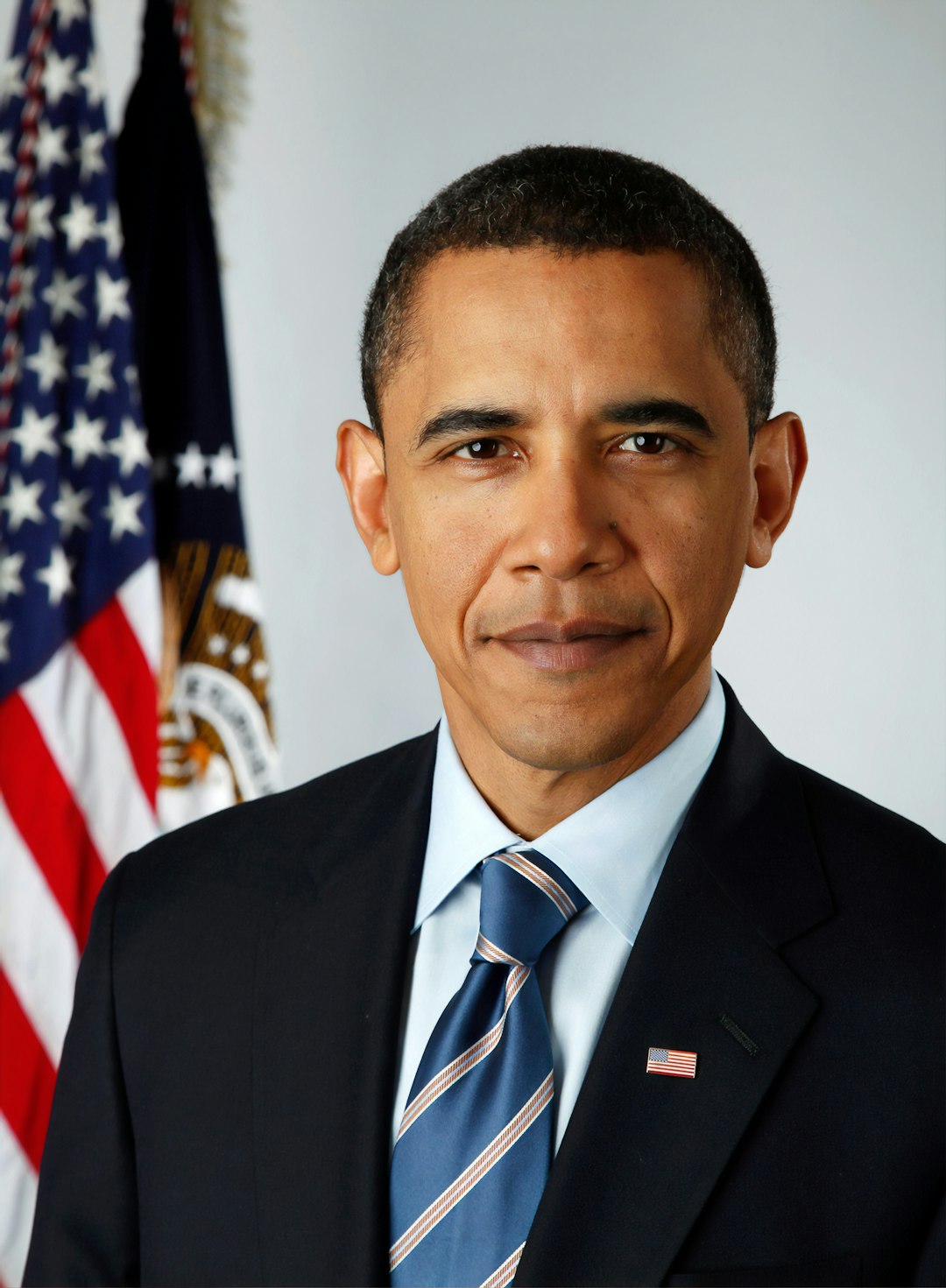
In A Promised Land, the first volume of a planned two-part memoir, former U.S. President Barack Obama comes across as fairly dismissive about many world leaders he met, likening Russian President Vladimir Putin to a Tammany Hall hack, deriving former French President Nicolas Sarkozy as full of “overblown rhetoric,” and saying the Chinese “were in no hurry to seize the reins of the international world order.” Obama’s memoir provided unprecedented insights into presidential decision-making and great power diplomacy.
The memoir’s emphasis on “strategic patience” and multilateral approaches influenced how nations approached long-term challenges like climate change and nuclear proliferation. Obama concludes: “That was the thing that would strike me … at every international forum I attended while president: Even those who complained about America’s role in the world still relied on us to keep the system afloat.” His diplomatic philosophy continues to influence progressive foreign policy thinking globally.
The Room Where It Happened by John Bolton (2020) – Exposing Transactional Diplomacy
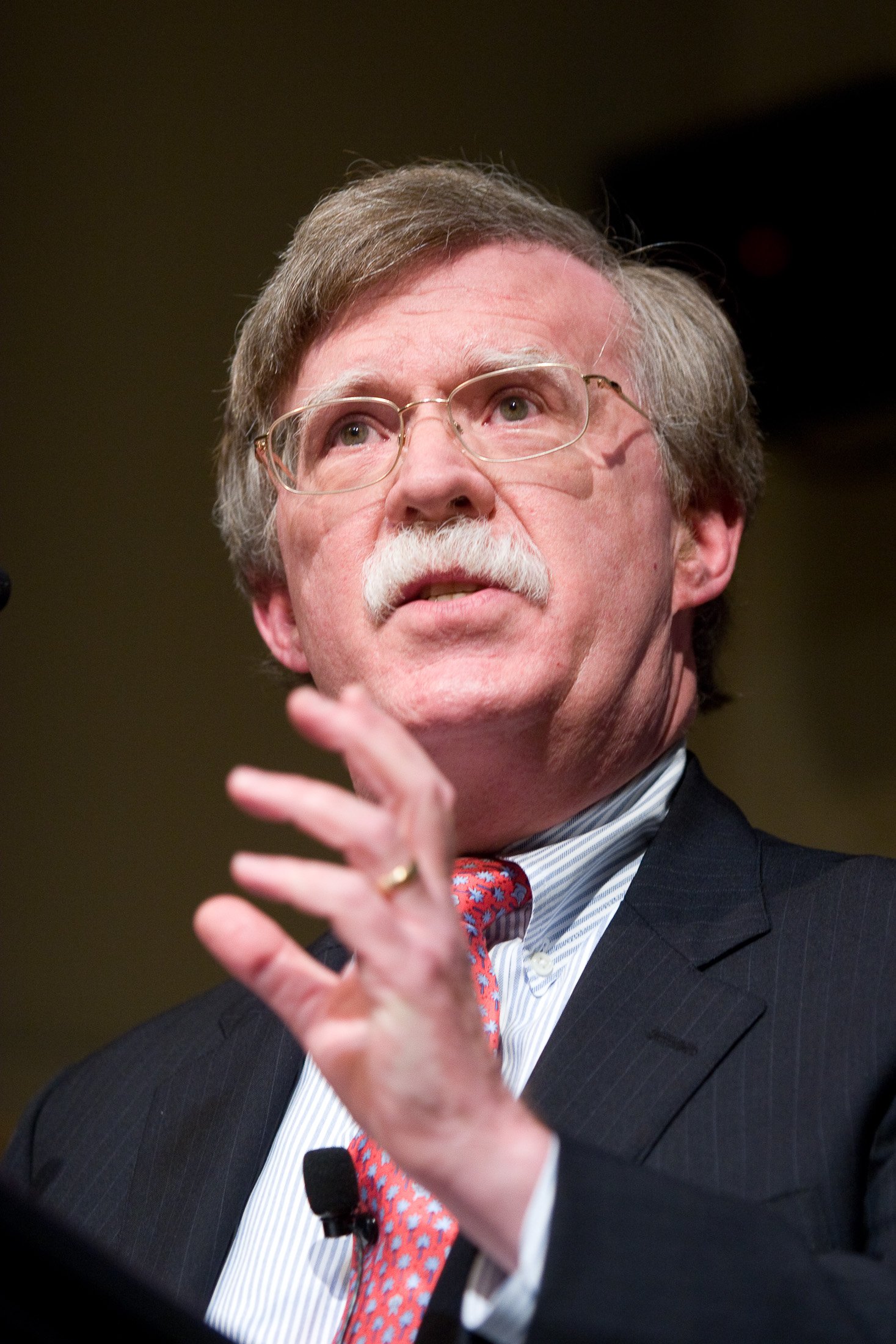
Former national security adviser John Bolton says President Trump’s transactional dealings with world leaders went beyond those in the Ukraine affair, for which Trump was impeached. Bolton describes – and these are his words, we’re just reporting here – Bolton describes a shockingly erratic and ignorant president who asked foreign leaders for help with his own reelection. Bolton’s memoir revealed the dangerous intersection of personal politics and international diplomacy.
Foreign diplomats are surely poring over Bolton’s book and alternately chuckling and shaking their heads. The memoir’s revelations about Trump’s unconventional diplomatic methods strained alliance relationships and exposed the vulnerabilities of transactional foreign policy approaches. What Bolton saw astonished him: a President for whom getting reelected was the only thing that mattered, even if it meant endangering or weakening the nation. “I am hard-pressed to identify any significant Trump decision during my tenure that wasn’t driven by reelection calculations,” he writes.
A Sacred Oath by Mark Esper (2022) – Military Independence
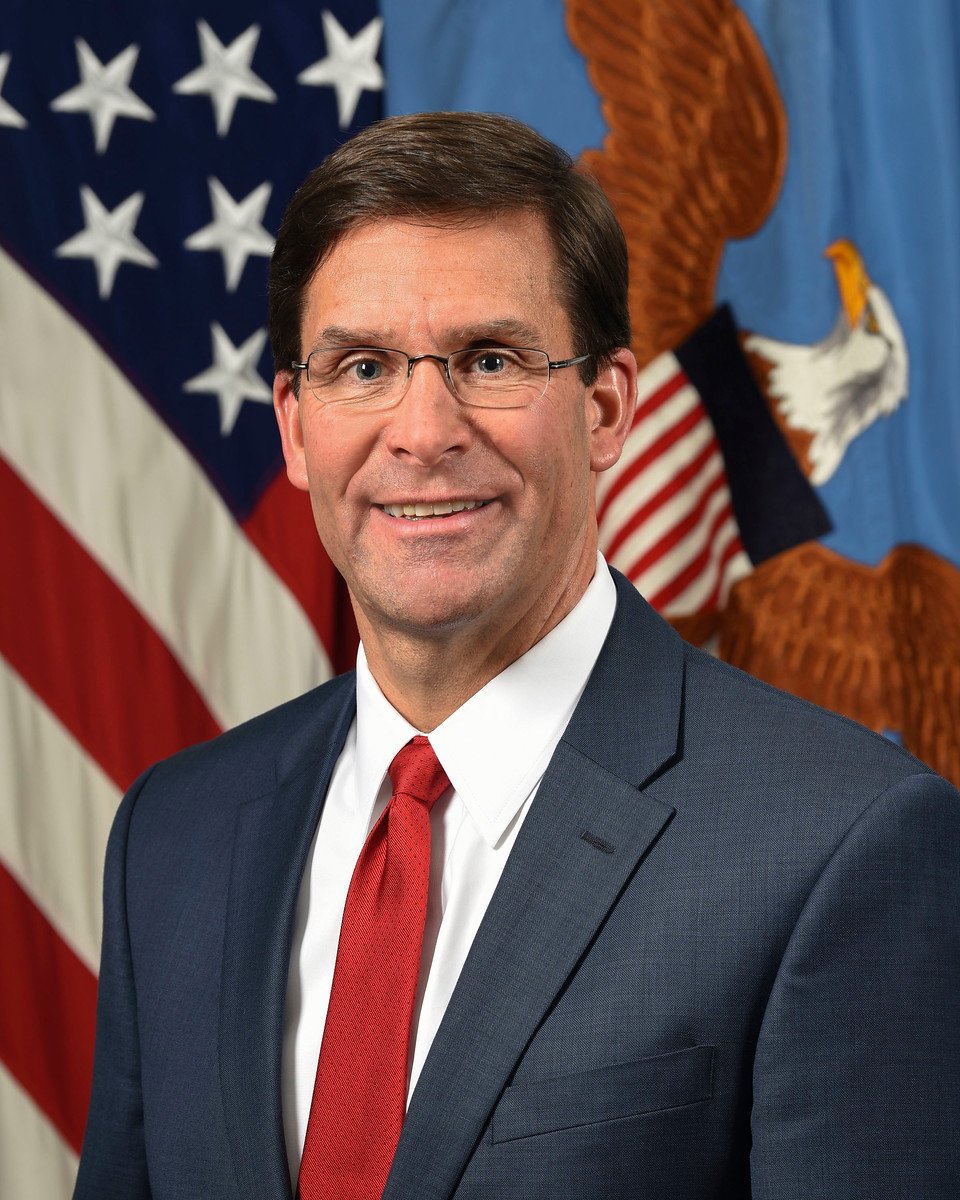
Esper’s memoir highlighted the critical importance of military independence from political interference. His detailed account of civil-military tensions during the Trump administration influenced defense reforms in democratic nations worldwide. The book’s impact on military professionalism and constitutional governance was significant.
NATO allies studied Esper’s revelations about politicization of military decisions, leading to reforms in command structures and civilian oversight mechanisms. His memoir influenced discussions about military autonomy and democratic governance in emerging democracies. The book’s warnings about authoritarian tendencies resonated with defense leaders globally.
Peril by Bob Woodward & Robert Costa (2021) – Democratic Transitions
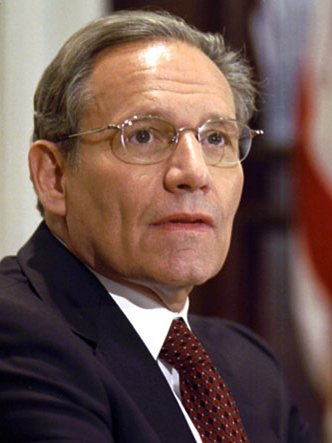
With more than 70 elections expected to impact nearly half the world’s population, 2024 is gearing up to be perhaps the biggest election year ever. From here at home in the United States to South Africa and other African countries, Taiwan, Mexico, the European Parliament, India, Russia, and Ukraine, this year will be a consequential test for democracy and the values that underpin democratic systems. The book’s detailed account of the Trump-Biden transition influenced how nations approached electoral transfers of power.
The memoir’s revelations about threats to democratic institutions resonated with leaders facing similar challenges worldwide. International observers used the book’s insights to develop protocols for monitoring electoral transitions and protecting democratic norms. The book’s impact on election security and constitutional governance was substantial.
In the Arena by Pete Hegseth (2021) – America First Nationalism

Hegseth’s memoir promoted nationalist foreign policy approaches that influenced populist movements worldwide. His critique of multilateral institutions and emphasis on bilateral relationships reflected broader trends in international relations. The book’s impact on conservative foreign policy thinking was significant.
The memoir’s emphasis on military strength and skepticism of international agreements influenced right-wing parties across Europe and Latin America. Hegseth’s arguments about American sovereignty and burden-sharing affected alliance relationships and international cooperation. His book became a rallying cry for nationalist movements globally.
My Travels with Mrs. Kennedy by Clint Hill (2023) – Soft Power Diplomacy

Hill’s memoir demonstrated the enduring value of cultural diplomacy and soft power in international relations. His detailed accounts of Jackie Kennedy’s diplomatic tours showed how personal relationships and cultural exchanges could complement formal diplomacy. The book’s impact on public diplomacy programs was immediate.
Modern diplomatic services studied Hill’s insights into the power of symbolic gestures and cultural representation. His memoir influenced how nations approached state visits and cultural exchanges, emphasizing the importance of personal connections in diplomatic success. The book’s lessons about soft power remain relevant in today’s polarized world.
CEO-Co-Founder
