

- 10 Concert Stages So Legendary, They Became Part of Music Lore - April 6, 2026
- 12 Iconic Cultural Moments That Defined a Decade – Were You There? - April 6, 2026
- 12 Revolutionary Music Technologies That Transformed How We Listen - April 6, 2026
The Devastation That Erased Empires
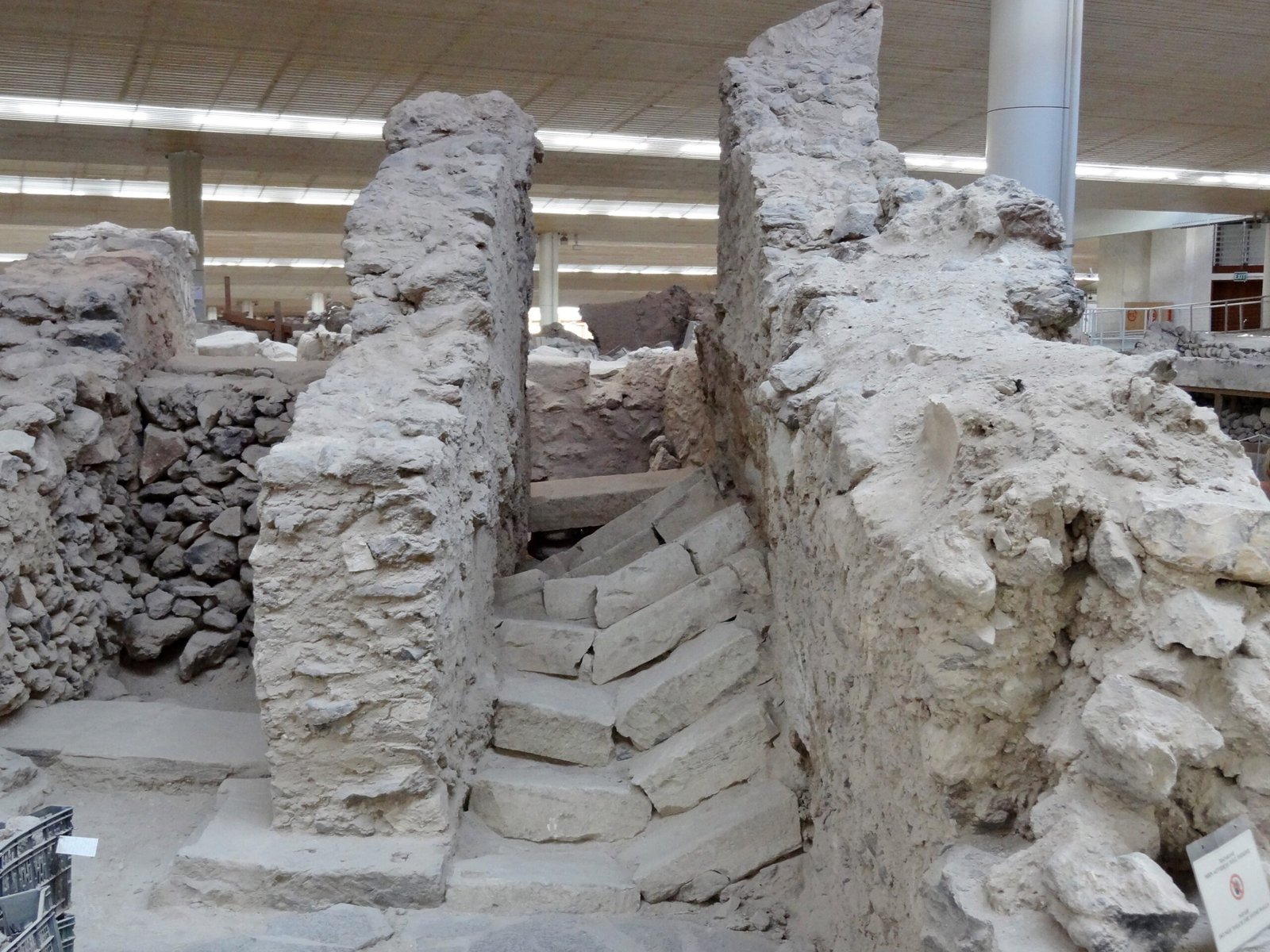
Imagine a single moment in time when the ground beneath your feet swallows an entire civilization. That’s exactly what happened in Bronze Age Greece around 1600 BCE, when a catastrophic earthquake struck the island of Crete. The thriving Minoan civilization, known for its advanced palaces and sophisticated artwork, was suddenly reduced to rubble.
This wasn’t just any earthquake – it was part of a chain of geological chaos that included the infamous eruption of Thera (modern-day Santorini). The combination of seismic destruction and volcanic ash clouds created a perfect storm that weakened the once-mighty Minoans beyond recovery. Within decades, the Mycenaean Greeks had swept in to fill the power vacuum, fundamentally altering the course of Mediterranean history.
The ripple effects of this disaster shaped the legendary tales we still tell today. Some scholars believe the sudden collapse of Minoan civilization may have inspired the myth of Atlantis, Plato’s story of a great empire that vanished beneath the waves in a single day and night.
When the Earth Shook Faith Itself
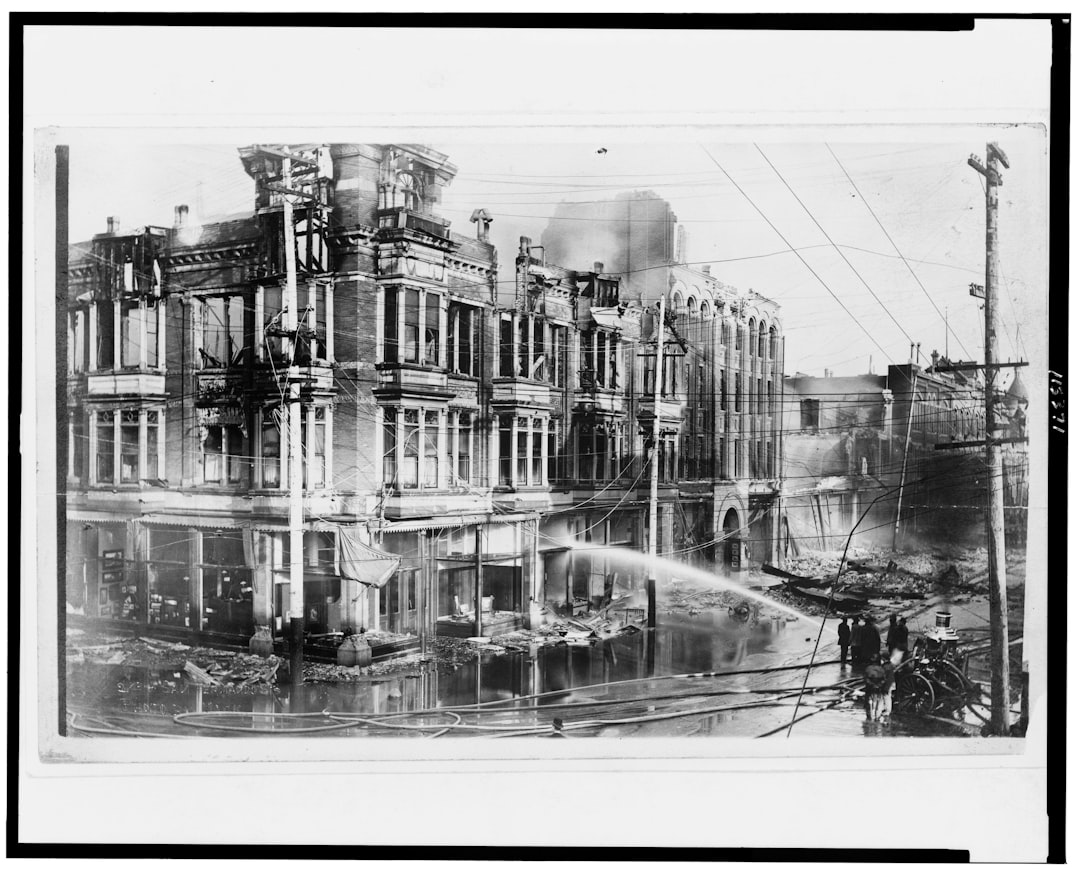
On November 1, 1755, residents of Lisbon woke up to what seemed like a perfectly normal All Saints’ Day. Churches were packed with worshippers, candles flickered on altars, and the scent of holiday feasts filled the air. Then, at 9:40 in the morning, the ground began to move.
The magnitude 8.5-9.0 earthquake killed between 30,000-50,000 people across Portugal, Spain, and Morocco, but the physical destruction was only the beginning. Eighty-five percent of Lisbon’s buildings were destroyed, including libraries containing irreplaceable records of Portuguese exploration and conquest. The royal archives disappeared together with detailed historical records of explorations by Vasco da Gama and other early navigators.
The tsunami that followed was almost as devastating as the earthquake itself. The tsunami was estimated to be 9 meters high when it hit Lisbon, and many people who had rushed to the waterfront for safety were swept away by the massive waves. The psychological impact was perhaps even greater than the physical destruction – here was a deeply Catholic nation being devastated on one of the holiest days of the year.
The Philosophical Revolution That Followed
The Lisbon earthquake didn’t just destroy buildings and lives – it shattered the very foundations of European thought. For centuries, people had believed in a divine order where good was rewarded and evil punished. How could a loving God allow such devastation to strike during a religious celebration?
The earthquake touched the European mind in one of its more sensitive epochs, making the common metaphor of firm “grounding” for philosophers’ arguments shaky and uncertain, and began to shake the foundational certainty of René Descartes’ philosophy. The disaster became a catalyst for Enlightenment thinking, as intellectuals like Voltaire and Rousseau debated whether this was divine punishment or simply natural causes.
Voltaire, who witnessed the quake, parodied the religious interpretation in his book Candide, mocking those who insisted that everything happens for the best. The earthquake essentially forced European thinkers to confront the possibility that the universe might be indifferent to human suffering, laying groundwork for modern secular philosophy.
The Crusades’ Unexpected Vulnerability
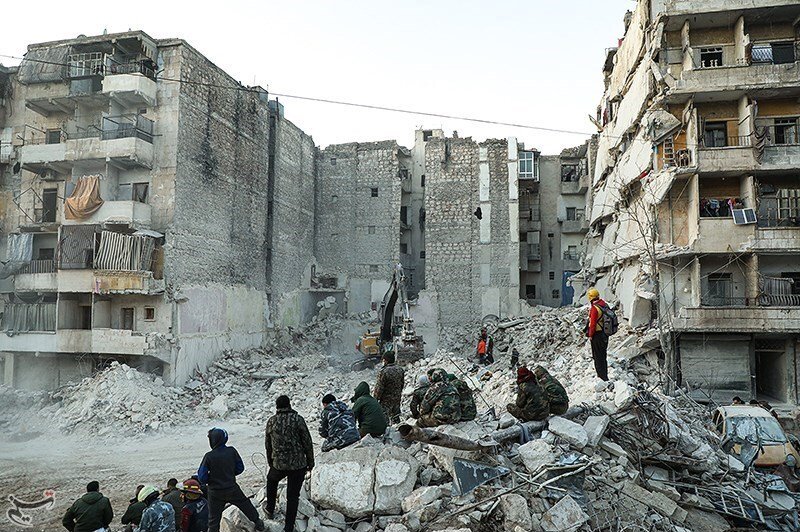
In the heart of medieval Syria, October 11, 1138, began like any other day in the bustling city of Aleppo. The region was already tense with the ongoing struggles between Muslim forces and Christian Crusaders, but nobody expected the earth itself to join the battle.
The earthquake killed an estimated 230,000 people, making it one of the deadliest in recorded history. Aleppo’s citadel collapsed, killing hundreds of residents, while in Muslim-controlled Atarib, 600 of the city’s guard were killed when the fortress was flattened. The destruction was so complete that the powerful citadel of Atarib “sank into the earth as if it had never existed”.
The timing couldn’t have been worse for the Muslim defenses. At the time, Aleppo was subject to upheavals due to battles between Muslim forces and Crusaders, and the Crusader Citadel at nearby Harem was also flattened. The holes in city walls allowed Crusaders and people from Muslim factions to invade the city, and the chaos enabled opportunistic raids by bands of Crusaders and Muslim factions.
Japan’s Path to Militarism
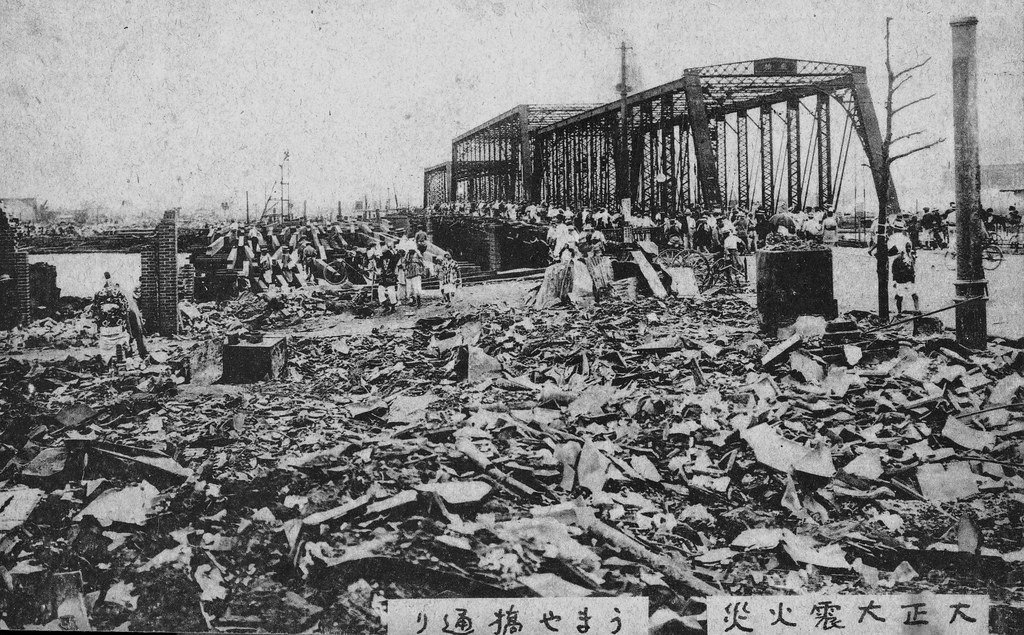
September 1, 1923, was supposed to be just another lunch hour in Tokyo and Yokohama. Families were cooking over open flames, workers were taking their midday breaks, and children were playing in the streets. Then, at two minutes before noon, the earth began to shake with unprecedented violence.
The Great Kantō earthquake had a magnitude of 8.0 and killed between 105,000 and 142,000 people. Fires, exacerbated by strong winds from a nearby typhoon, spread rapidly through the densely populated urban areas, accounting for the majority of the devastation and casualties. An estimated 105,000 people were dead or missing, 90% due to the fire, and most of the city’s buildings had been destroyed, including 290,000 homes.
By reducing the expatriate European community in Yokohama and putting an end to a period of optimism, the Kantō earthquake accelerated Japan’s drift toward militarism and war. After the earthquake, there was a measurable increase in right-wing patriotic groups in Japan that became the groundwork of what is called Japanese fascism. The disaster was interpreted by many as divine punishment for Japan’s embrace of Western materialism and individualism.
The Massacre That Followed
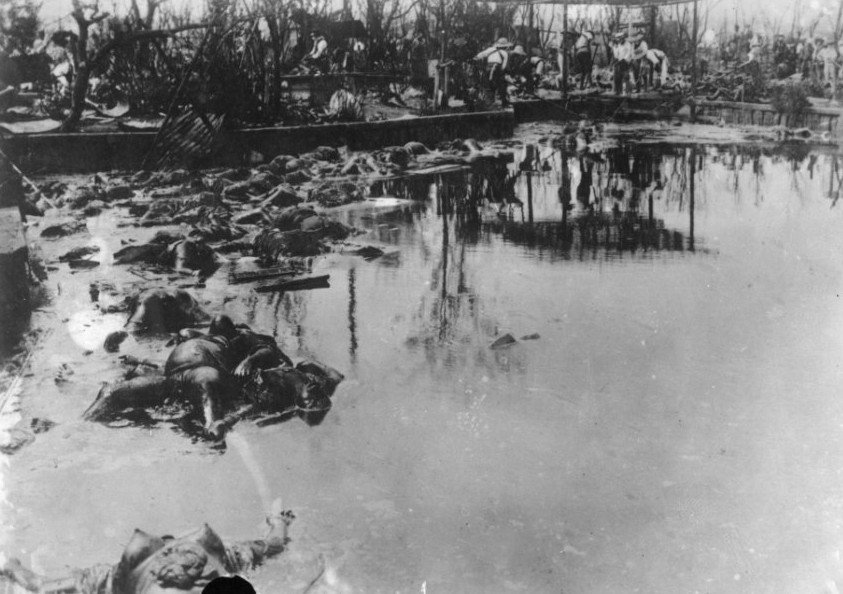
The earthquake itself was horrific enough, but what happened next revealed the darker side of human nature. In the chaos that followed the Great Kantō earthquake, fear and prejudice combined to create a tragedy within a tragedy.
An estimated 6,000 Koreans were murdered in what became known as the Kantō Massacre, with victims often subjected to brutal violence, including beatings, stabbings, and lynchings, sometimes after being “tested” for their Korean identity. These killings were fueled by rumors that Koreans resident in the Kanto area had risen up and were carrying out acts of arson, rape and the poisoning of wells, with the government’s response facilitating their spread and organizing vigilante groups.
Despite the scale of the massacres, few perpetrators were prosecuted; of 125 vigilante group members tried, only 32 received formal sentences. Growing militarism overshadowed efforts to address the painful truths of the 1923 massacre, and Koreans continued to be viewed with suspicion and hostility, even as Japan’s imperial ambitions expanded.
The Birth of Modern Seismology
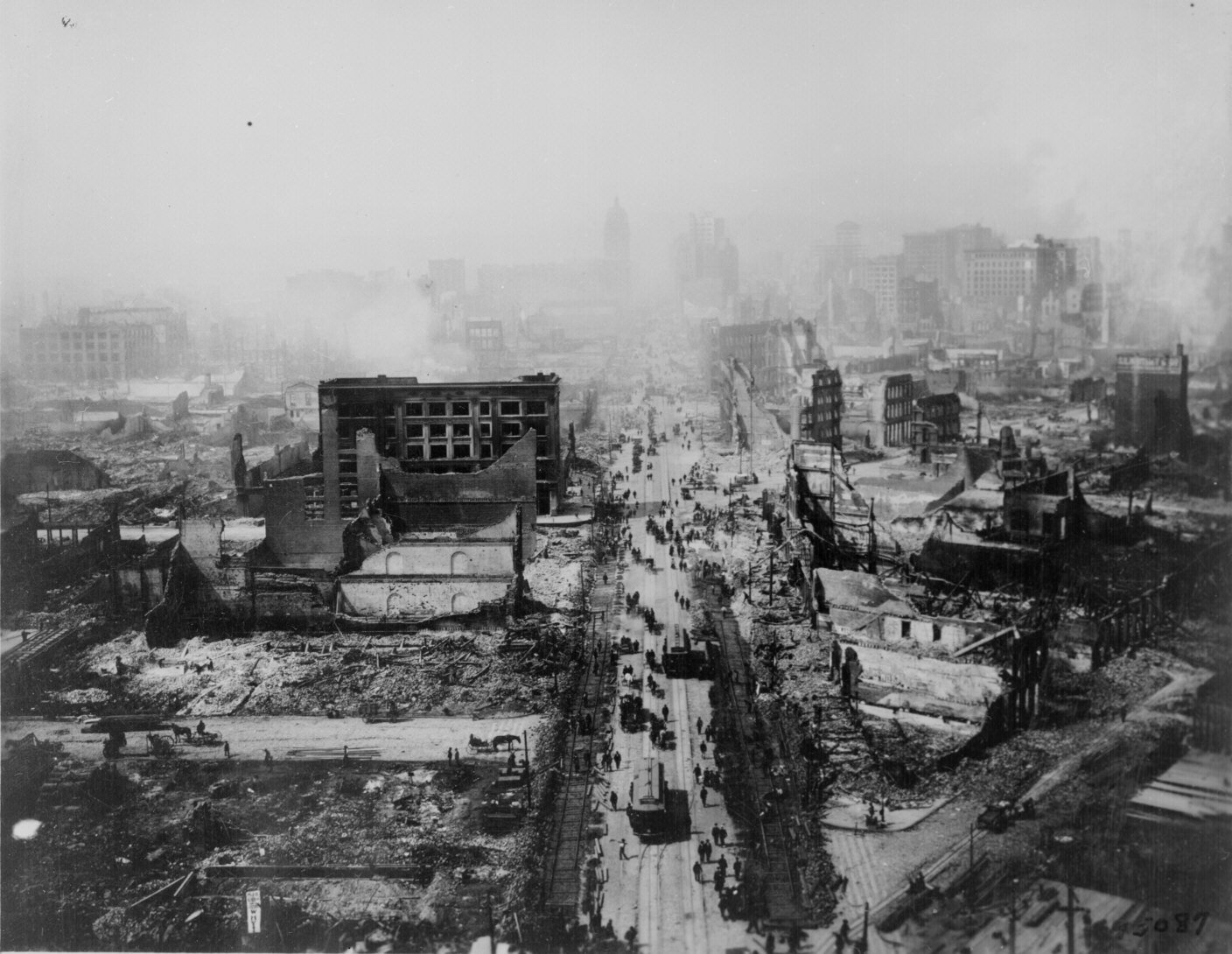
The 1906 San Francisco earthquake might have destroyed a city, but it also built something equally important – the foundation of modern earthquake science. When the ground stopped shaking on April 18, 1906, scientists had an unprecedented opportunity to study the effects of a major earthquake in detail.
The disaster led to the development of the first comprehensive building codes specifically designed to resist seismic forces. Engineers realized that it wasn’t just the shaking that killed people – it was the collapse of poorly constructed buildings and the fires that followed. This recognition revolutionized construction practices not just in California, but around the world.
The earthquake also sparked the creation of the first systematic seismic monitoring networks. Scientists began to understand that earthquakes weren’t random acts of nature, but followed predictable patterns along fault lines. This knowledge would prove invaluable for protecting future generations from similar disasters.
The Strongest Earthquake Ever Recorded
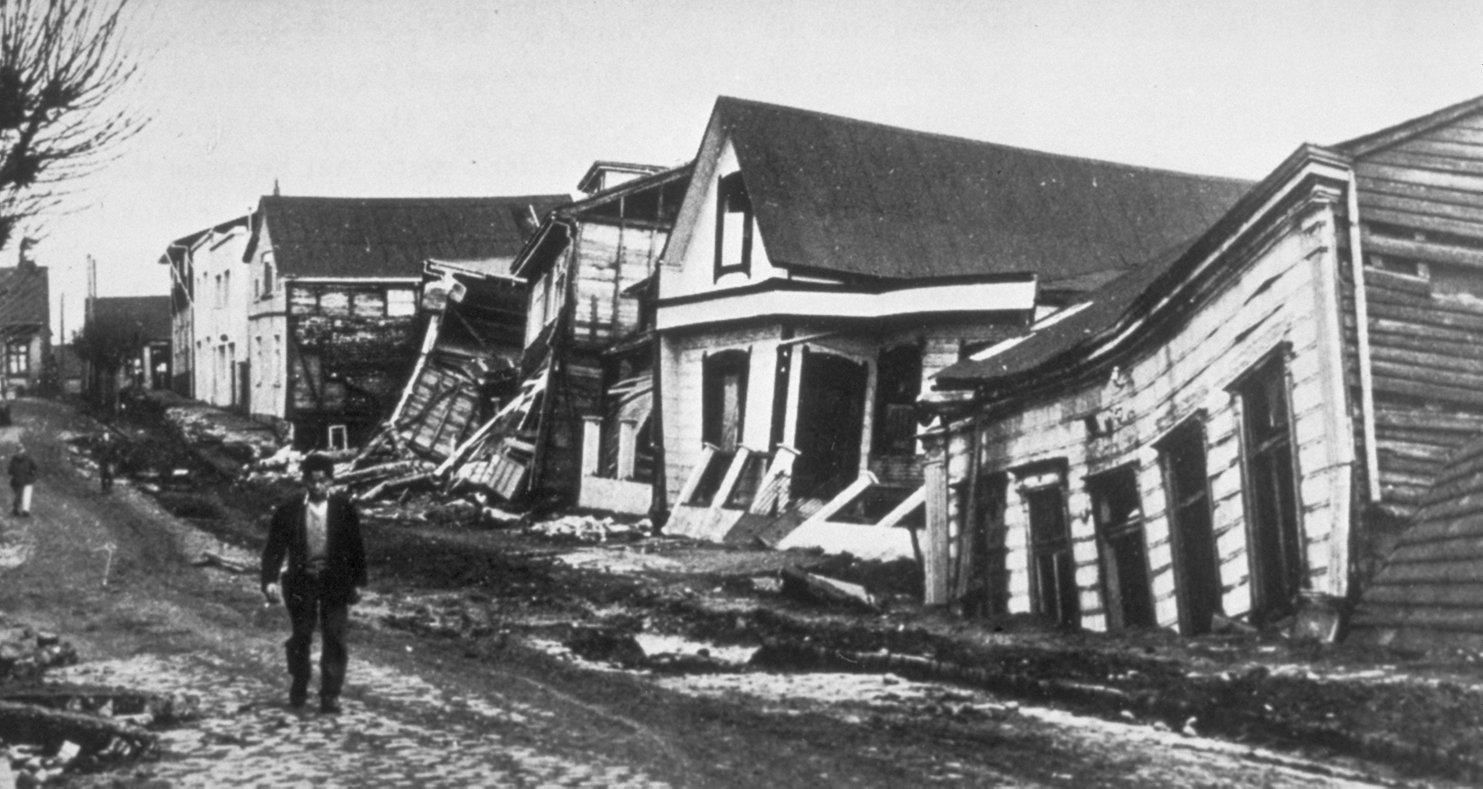
On May 22, 1960, the Earth decided to demonstrate its true power. In the Chilean city of Valdivia, a magnitude 9.5 earthquake – the strongest ever recorded – shook the ground for a full ten minutes. The disaster killed thousands and left entire cities uninhabitable, but its scientific impact was even more profound.
The Valdivia earthquake provided the crucial evidence that scientists needed to confirm the theory of plate tectonics. The massive displacement of the ocean floor generated a tsunami that traveled across the entire Pacific Ocean, reaching Japan and the Philippines with devastating force. This global reach helped scientists understand how the Earth’s crust moves and interacts.
The earthquake also revolutionized tsunami warning systems. For the first time, scientists could track a tsunami as it moved across the ocean, providing vital hours of warning to distant shores. This technology would later prove essential for protecting coastal communities around the Pacific Ring of Fire.
A Nation Shattered
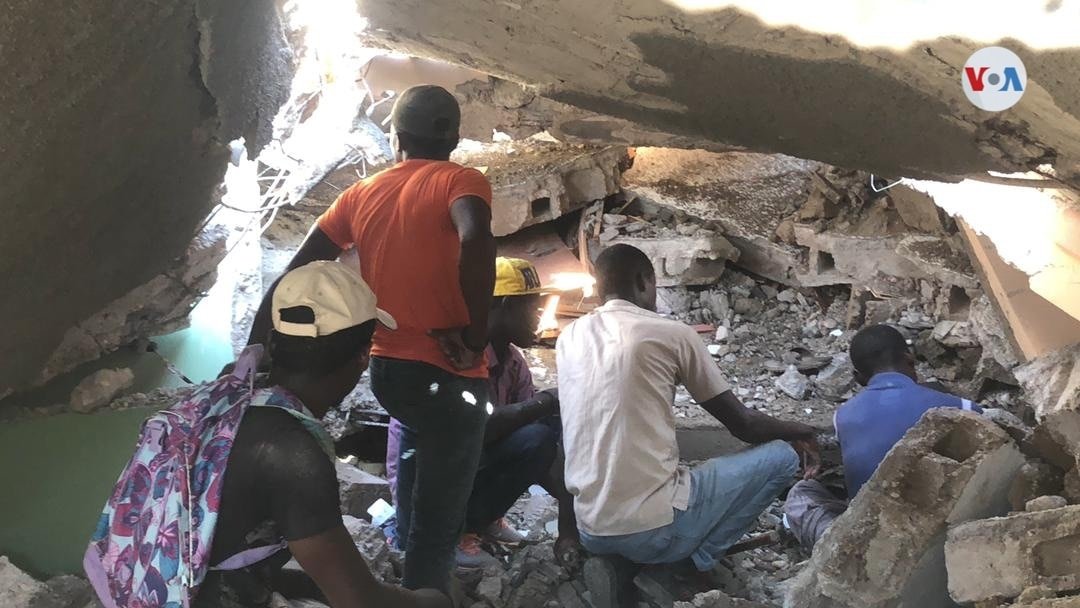
Haiti has endured more than its share of hardships, but nothing prepared the nation for January 12, 2010. At 4:53 PM local time, a magnitude 7.0 earthquake struck just 16 miles west of the capital, Port-au-Prince. In less than a minute, centuries of history were reduced to rubble.
The death toll was staggering – approximately 300,000 people lost their lives, with over 300,000 injured and 1.5 million left homeless. The earthquake destroyed 60% of government buildings, including the presidential palace and parliament, effectively decapitating the country’s already weak institutions. The UN headquarters collapsed, killing 102 staff members, including the head of the UN mission.
The disaster exposed the tragic inequality that had long plagued Haiti. While wealthy neighborhoods built to international standards suffered relatively minor damage, the sprawling slums constructed from concrete blocks and corrugated metal were completely flattened. The earthquake didn’t just destroy buildings – it revealed the devastating consequences of decades of political instability and economic exploitation.
Nuclear Catastrophe From the Sea
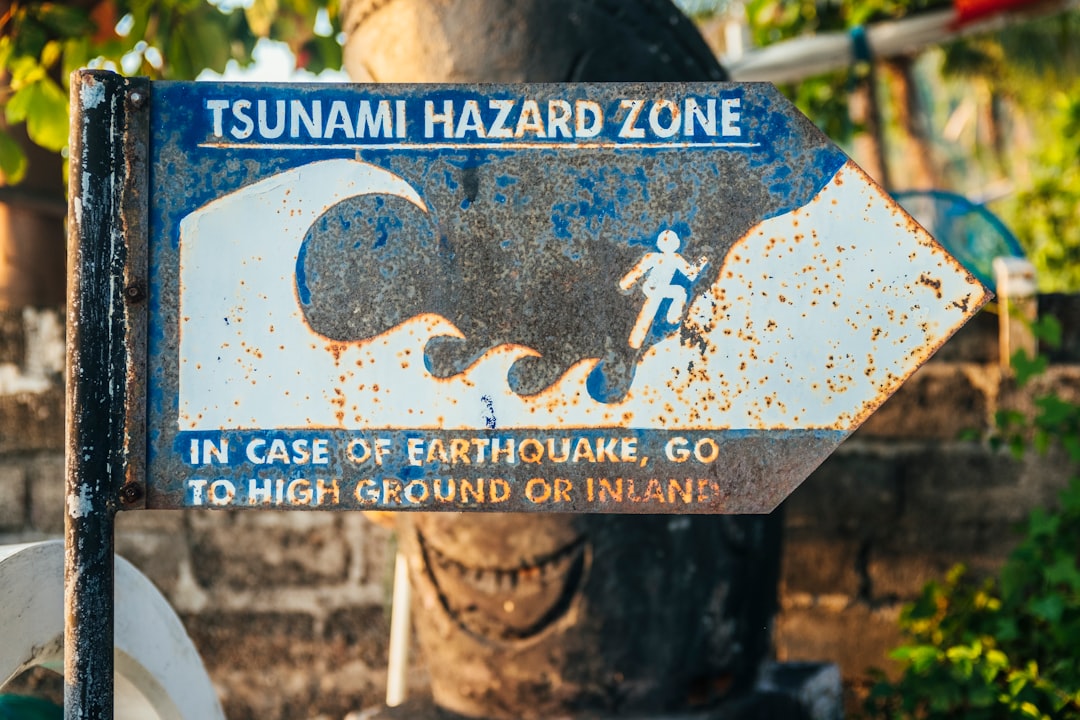
March 11, 2011, started as an ordinary Friday in northeastern Japan. Office workers were at their desks, students were in their classrooms, and fishermen were preparing for another day at sea. Then, at 2:46 PM, the ground began to shake with an intensity that would rewrite the history of nuclear power.
The magnitude 9.0 Tōhoku earthquake was so powerful that it moved the main island of Honshu 8 feet to the east and shifted the Earth’s axis by 4 inches. But it was the tsunami that followed that truly changed the world. Waves up to 130 feet high crashed into the Japanese coastline, traveling up to 6 miles inland and wiping entire towns off the map.
The tsunami’s assault on the Fukushima Daiichi Nuclear Power Plant created a disaster that would reshape global energy policy. Three reactors melted down, releasing radioactive materials into the atmosphere and ocean. The accident forced the evacuation of 160,000 people and led countries around the world to reconsider their nuclear programs. Germany announced it would phase out nuclear power entirely, while other nations imposed moratoriums on new reactor construction.
The Tremors That Toppled Empires
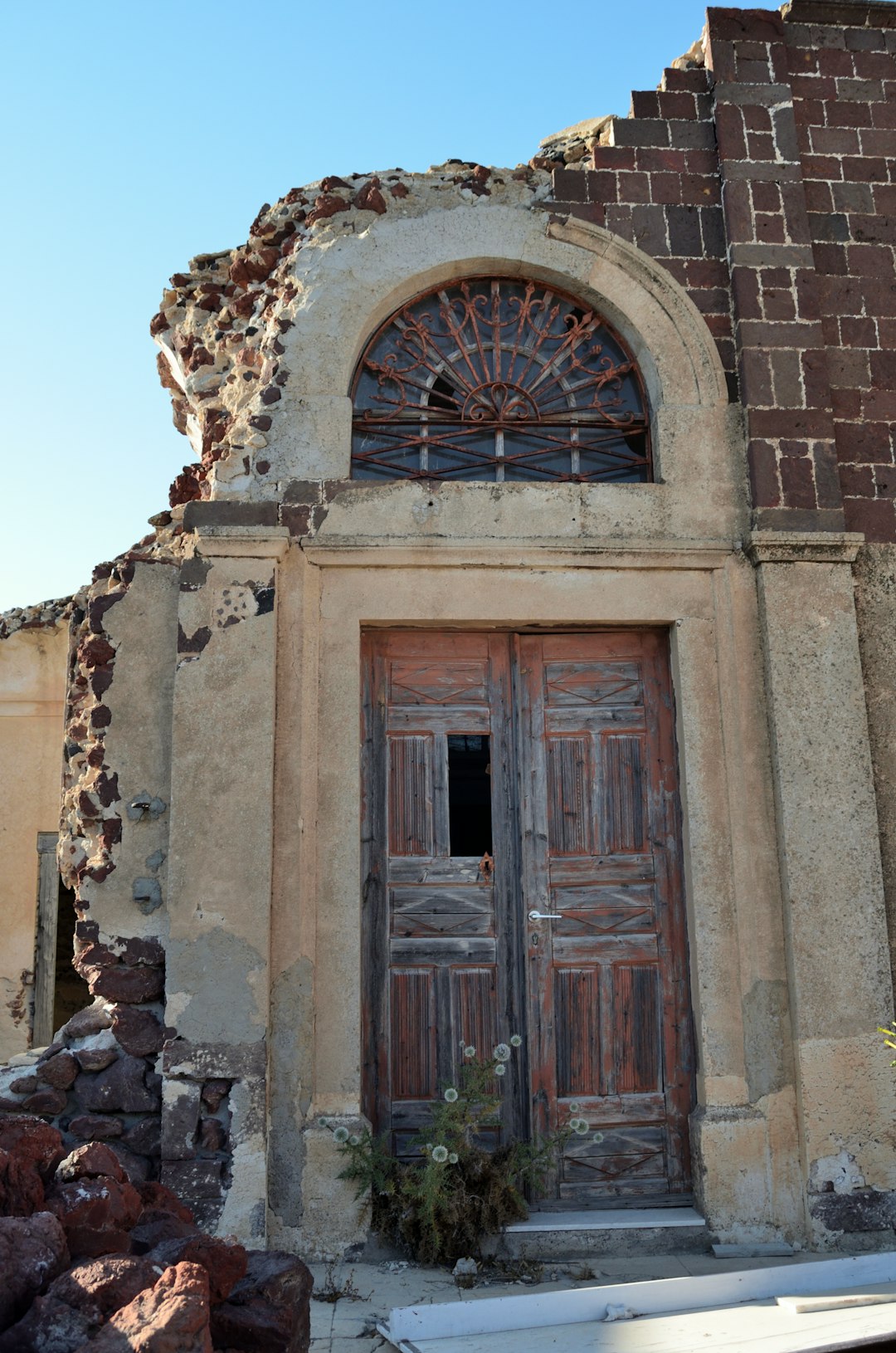
The 6th century was a time of great empires and grand ambitions. The Byzantine Empire stretched across the Eastern Mediterranean, while the Persian Empire dominated the Middle East. But on May 20, 526 CE, the earth had other plans for the great city of Antioch.
The earthquake that struck Antioch was devastating beyond imagination, killing an estimated 250,000 people – nearly the entire population of one of the world’s greatest cities. The disaster came at a critical moment in history, just as the Byzantine Empire was struggling to maintain its eastern borders against Persian expansion.
With Antioch destroyed and the region’s defenses shattered, the weakened Byzantine Empire became vulnerable to conquest. Within decades, Arab armies would sweep through the earthquake-ravaged territories, establishing the Islamic caliphates that would dominate the Middle East for centuries to come. Some historians believe the Antioch earthquake accelerated the spread of Christianity, as survivors interpreted the disaster as divine judgment and sought spiritual solace.
The Collapse of Ancient Worlds
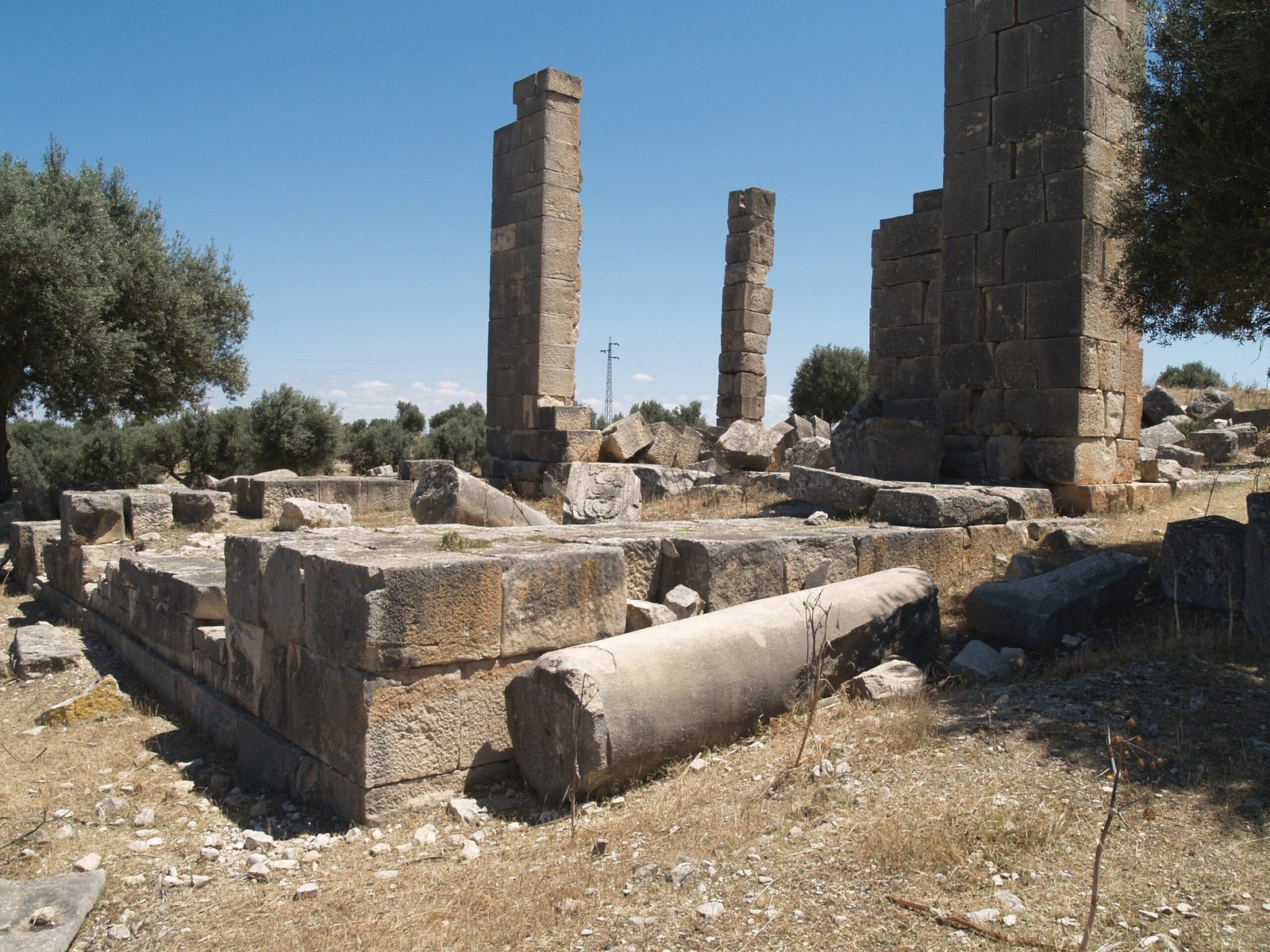
Around 1200 BCE, the Bronze Age Mediterranean world was thriving. The Mycenaean Greeks controlled trade routes, the Hittites ruled a vast empire in Anatolia, and smaller kingdoms dotted the landscape from Egypt to Mesopotamia. Then, in what archaeologists call the Bronze Age Collapse, this entire world system fell apart in just a few decades.
While the exact causes remain debated, geological evidence suggests that a series of major earthquakes played a crucial role in this civilizational collapse. Excavations at sites across the Eastern Mediterranean reveal layers of destruction that can only be explained by seismic activity. Palace complexes were abandoned, trade networks collapsed, and entire populations migrated to new territories.
The earthquake-triggered collapse of the Bronze Age world created a power vacuum that would be filled by new peoples and cultures. The Philistines, the Sea Peoples, and eventually the Greeks and Romans all emerged from this chaos to shape the classical world we know today. Without these ancient earthquakes, the entire course of Western civilization might have been different.
Lessons From the Shaking Earth
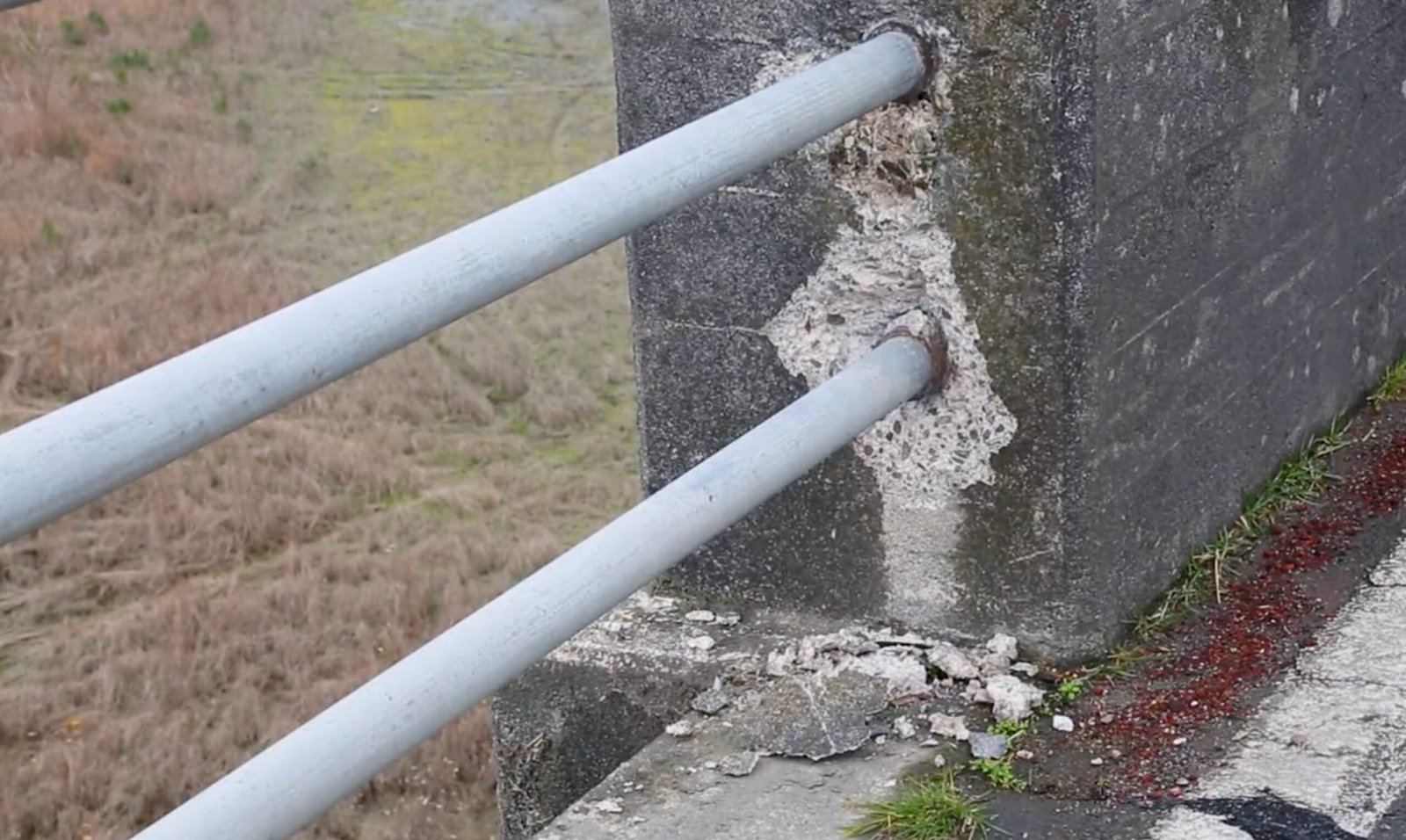
History’s greatest earthquakes teach us that the ground beneath our feet is far from stable, and neither are the civilizations we build upon it. From the Bronze Age collapse to the Fukushima disaster, seismic events have repeatedly shown their power to reshape not just landscapes, but the entire trajectory of human development.
These disasters reveal both our vulnerability and our resilience. The Lisbon earthquake sparked the Enlightenment, the San Francisco earthquake gave birth to modern building codes, and the Valdivia earthquake confirmed our understanding of how the planet works. Each catastrophe became a turning point, forcing humanity to adapt, innovate, and evolve.
Perhaps most importantly, these historical earthquakes remind us that the forces of nature don’t respect human boundaries, political systems, or cultural differences. They strike with equal force across empires and humble villages, ancient civilizations and modern metropolises. In our interconnected world, the next great earthquake could ripple across continents just as powerfully as those that changed history before us. The question isn’t whether it will happen, but whether we’ll be ready to write the next chapter of human resilience.
CEO-Co-Founder
