

- 10 Ways Technology Is Making Our Lives Easier and More Efficient - December 28, 2025
- These 20 Backup Singers Made the Song – But You’ve Never Heard Their Names - December 28, 2025
- The 20 Longest Songs Ever to Chart – And Why They Worked Anyway - December 28, 2025
Purple Haze – Jimi Hendrix (1967)
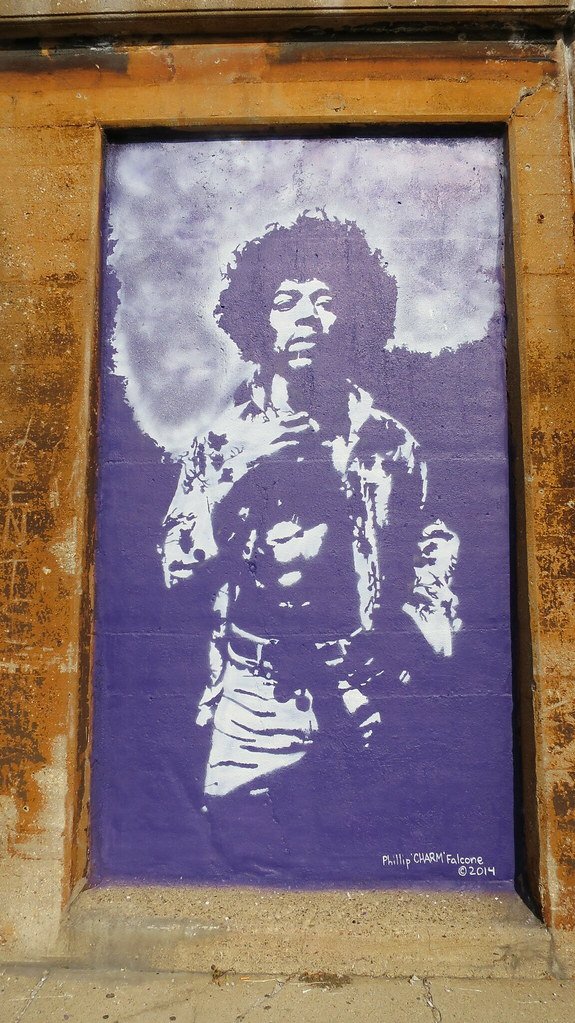
Picture this: you’re at a party, belting out your favorite Jimi Hendrix tune, confidently singing about kissing some guy. For decades, countless music fans have misheard one of rock’s most iconic lines, thinking Hendrix was singing about some random romantic encounter. The real lyric is about kissing the sky, not some dude standing nearby! Hendrix himself found this mishearing so amusing that he actually played along with it during live performances, sometimes pointing to his bandmate Noel Redding while singing the “wrong” version. This misheard lyric became so famous that it spawned countless jokes and even became the basis for an entire website dedicated to misheard lyrics. The confusion makes perfect sense when you consider how similar “sky” and “guy” sound when sung with Hendrix’s distinctive vocal style. This particular mondegreen remains one of the most widely reported of all time, partly because of how frequently people encounter these similar-sounding words. What’s even more entertaining is that Hendrix intentionally sang the misheard version on his live album from 1969, fully embracing the confusion his fans had created.
Every Breath You Take – The Police (1983)

If you’ve ever slow-danced to this song at a wedding, you might want to sit down for this one. Sting later said he was disconcerted by how many people think it is a positive song, insisting it is about the obsession with a lost lover, and the jealousy that follows. The track that sounds like the ultimate romantic ballad is actually a chilling portrait of a stalker watching someone’s every move. The lyrics are the words of a possessive lover who is watching “every breath you take; every move you make,” and Sting recalled waking up in the middle of the night with that line in his head. One couple told Sting ‘Oh we love that song; it was the main song played at our wedding!’ to which he thought, ‘Well, good luck,’ adding “I think the song is very, very sinister and ugly and people have actually misinterpreted it as being a gentle little love song, when it’s quite the opposite.” Even Stewart Copeland, the band’s drummer, didn’t catch the true meaning until after the song was released, admitting he didn’t realize it wasn’t a love song. The irony is that this creepy stalker anthem was recognized by BMI in 2019 as being the most played song in radio history and was estimated to generate between a quarter and a third of Sting’s music publishing income.
Pumped Up Kicks – Foster the People (2011)
This catchy, upbeat indie-pop tune had people dancing and singing along without realizing they were grooving to one of the darkest songs ever to hit mainstream radio. The song was written and recorded by frontman Mark Foster while he was working as a commercial jingle writer, and contrasting with the upbeat musical composition, the lyrics describe the homicidal thoughts of a troubled youth named “Robert.” The song is about a boy named Robert, who fantasizes about shooting up his school, with lyrics like “All the other kids with the pumped up kicks/ You’d better run, better run, outrun my gun.” Foster told CNN Entertainment that he wrote ‘Pumped Up Kicks’ when he began to read about the growing trend in teenage mental illness. The song became so problematic that Mark Foster told Billboard that he’s considering retiring the song due to its continued associations with school shootings, noting that the song hit #3 on Billboard’s Hot 100 in 2011, but has since faced criticism over its subject matter. Due to the song’s dark lyrics, it was temporarily pulled from circulation on certain U.S. radio stations in response to the Sandy Hook Elementary School shooting. The tragic irony is that the South Florida Sun Sentinel reported that the song was on a playlist of Parkland shooter Nikolas Cruz.
Born in the U.S.A. – Bruce Springsteen (1984)
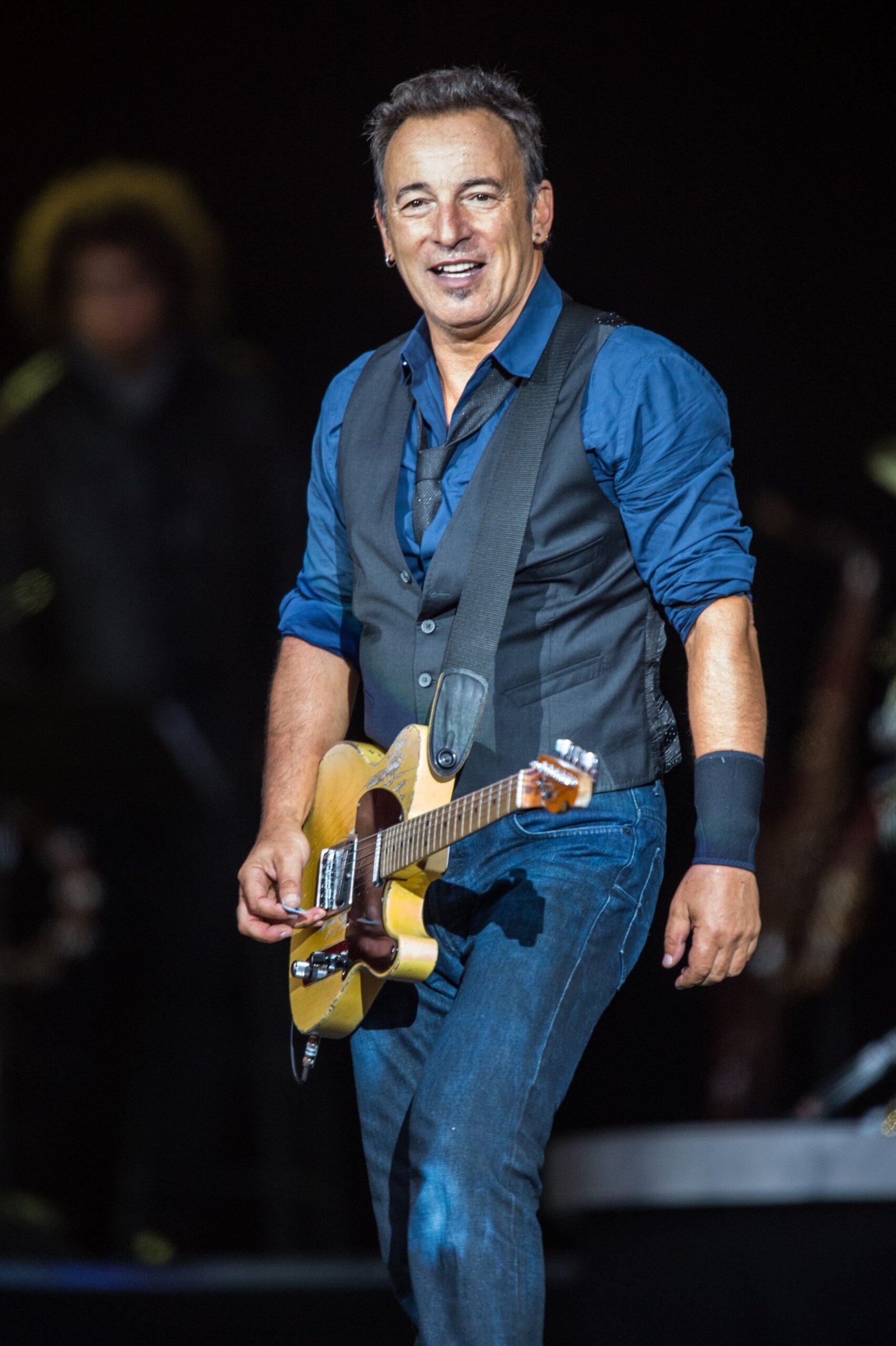
Ronald Reagan’s campaign team clearly didn’t listen past the chorus when they tried to co-opt this song for patriotic rallies. If you’re listening closely, the lyrics make its subject pretty clear: The 1984 hit describes a Vietnam War veteran who returns home to desperate circumstances and few options, though if you listen only to its surging refrain, you could mistake it for an uncomplicated celebration of patriotism. The title track off Bruce Springsteen’s blockbuster 1984 album, isn’t the patriotic singalong many people thought it was – in fact, the Boss himself called it “a protest song.” A protest song, it dissects the cruel mistreatment of Vietnam veterans upon their return home after the war, though the song’s message is widely regarded as misunderstood, as many Americans, including president Ronald Reagan, interpreted it as a patriotic anthem. At a campaign stop in New Jersey on September 19, 1984, Reagan added to his speech: “America’s future rests in a thousand dreams inside your hearts; it rests in the message of hope in the songs of a man so many young Americans admire: New Jersey’s own Bruce Springsteen.” During a September 21 concert in Pittsburgh, Springsteen responded negatively by introducing his song “Johnny 99” saying “The President was mentioning my name the other day, and I kinda got to wondering what his favorite album musta been. I don’t think it was the Nebraska album. I don’t think he’s been listening to this one.” The song’s power lies in how with a bandanna on and a cutoff shirt and the fist-pumping, it felt like a celebration of being born in the USA when really, it’s a defiant song about ‘I was born in the USA, and I deserve better than what I’m getting,’ and plenty of people didn’t get what it was about, including the president of the United States.
Blinded by the Light – Manfred Mann’s Earth Band (1976)

This Bruce Springsteen cover became famous for all the wrong reasons, creating one of the most persistent and embarrassing misheard lyrics in rock history. While the actual lyric references a “deuce coupe” car, millions of listeners have spent decades thinking they heard something completely different and far more inappropriate. The confusion stems from how the words sound when sung with a particular accent and musical arrangement. Bruce Springsteen originally wrote the song, and the “deuce” refers to a hot-rodded car from the 1930s – something people would logically “rev up.” The misheard version created such a cultural phenomenon that it became a running joke in comedy clubs and late-night television. Even today, despite countless lyric websites and official clarifications, people still debate what they’re actually hearing. This particular mishearing demonstrates how our brains try to make sense of unclear audio by substituting familiar words, even when those words create absolutely ridiculous scenarios.
Bad Moon Rising – Creedence Clearwater Revival (1969)
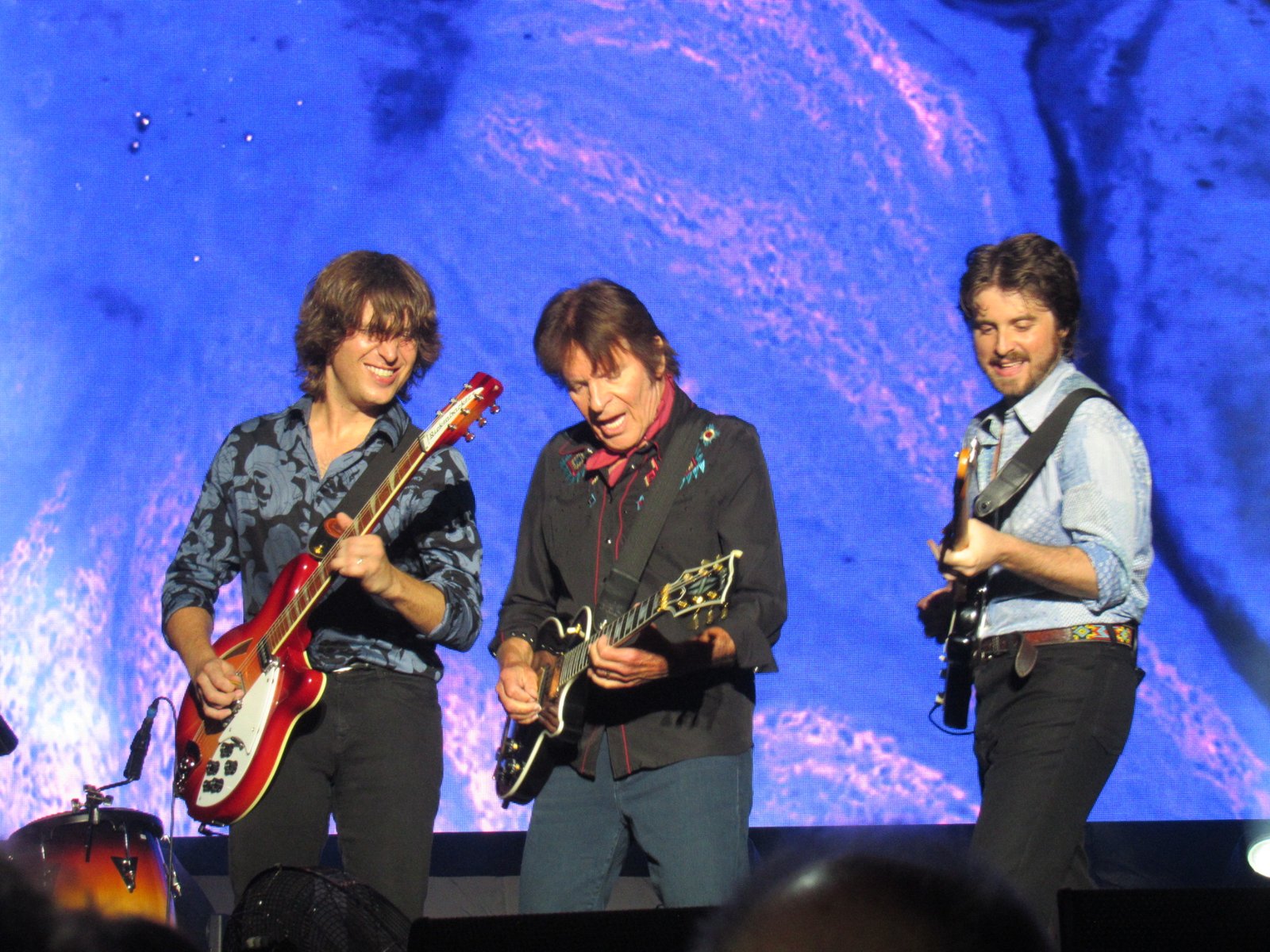
John Fogerty’s ominous warning about impending doom got hilariously transformed into practical bathroom directions for countless listeners. Instead of hearing about apocalyptic times ahead, people have been confidently singing about restroom locations for over five decades. The original lyric warns of a “bad moon on the rise,” but the misheard version suggests “there’s a bathroom on the right.” This mixup perfectly illustrates how our brains process unclear lyrics by substituting more familiar, everyday phrases. The irony is that a song about dark times and disasters became associated with something as mundane as finding the facilities. What makes this even funnier is how confidently people would sing the wrong version, never questioning why a song about impending doom would suddenly shift to bathroom directions. The misheard lyric became so popular that it spawned countless jokes and parodies. Even Fogerty himself has acknowledged the mix-up with good humor, understanding how the consonant sounds blend together in his distinctive vocal delivery.
Lucy in the Sky with Diamonds – The Beatles (1967)
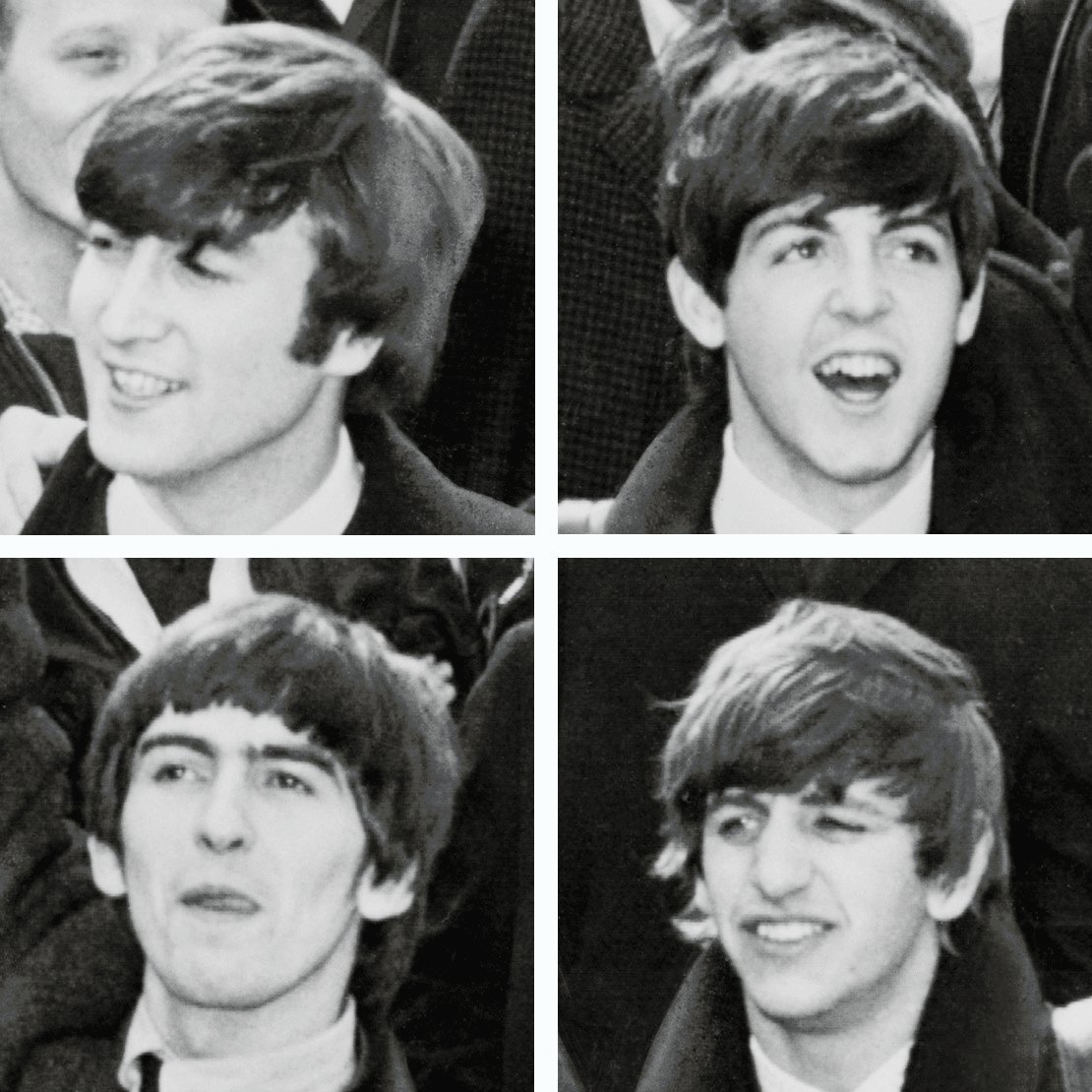
The conspiracy theorists had a field day with this one, convinced they’d cracked the secret code hidden in plain sight. For decades, people were absolutely certain that the title spelled out “LSD” and that the whole song was a psychedelic drug trip disguised as a children’s fantasy. The truth is far more innocent and actually quite sweet – it was inspired by a drawing that John Lennon’s young son Julian made of his classmate Lucy, showing her floating in the sky surrounded by diamonds. Lennon consistently denied the drug connection, explaining the genuine child-like inspiration behind the surreal imagery. The song’s dreamlike quality and unusual lyrics certainly didn’t help dispel the rumors, but sometimes a song about a girl with kaleidoscope eyes is just that. The irony is that while the Beatles were certainly experimenting with various substances during this period, this particular song wasn’t one of their chemically-inspired creations. The coincidence of the initials only fueled more speculation, proving that sometimes people will find patterns even where none exist. This misunderstanding shows how cultural context can completely override the actual story behind a song.
Rock the Casbah – The Clash (1982)
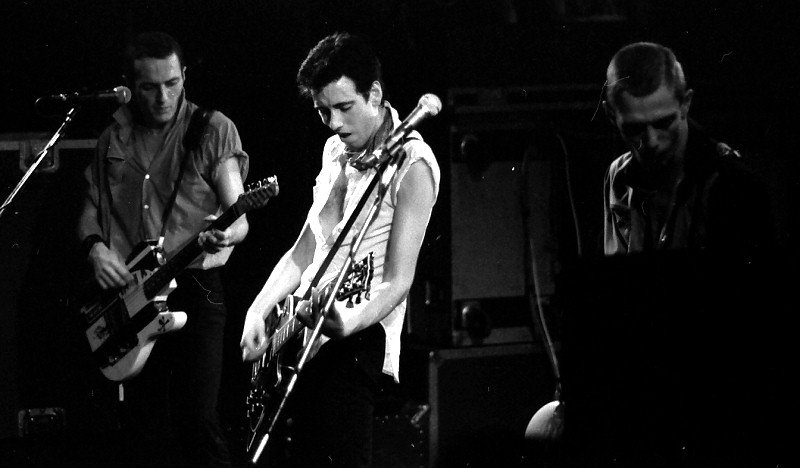
This punk rock anthem about Middle Eastern politics got reduced to something about securing petty cash, completely missing the song’s sharp political commentary. The actual title refers to a “Casbah,” which is a fortress or the old part of a city in North African and Middle Eastern towns, but countless listeners heard “lock the cash box” instead. The song was actually written as a response to the banning of Western music by certain Middle Eastern rulers, making it a protest against censorship and cultural oppression. The Clash were known for their politically charged lyrics, so reducing this anti-authoritarian message to something about money management was particularly ironic. The misheard version makes the song sound like it’s about office security rather than cultural revolution. This mix-up demonstrates how unfamiliar terms can easily be replaced with more common phrases in our minds. The band’s punk aesthetic and Joe Strummer’s distinctive vocal style certainly contributed to the confusion. What’s fascinating is how the misheard version completely strips away the song’s political bite, turning a rebel anthem into something you might hear at a corporate team-building event.
Tiny Dancer – Elton John (1971)

Sir Elton John’s tender ballad about a small-town dreamer somehow got transformed into a request for proximity to a 1980s sitcom star. The actual lyric “Hold me closer, tiny dancer” became “Hold me closer, Tony Danza” for countless listeners who apparently thought the song was about the actor from “Taxi” and “Who’s the Boss?” This particular mishearing became so famous that Tony Danza himself has joked about it in interviews and public appearances. The confusion likely stems from how the words flow together in John’s melodic delivery, making “tiny dancer” sound remarkably similar to the actor’s name. What makes this even more amusing is imagining the song as a heartfelt plea for a hug from a television personality rather than a poetic description of a aspiring performer. The misheard version became so popular that it spawned countless memes and social media jokes. Elton John has acknowledged this mix-up with characteristic humor, understanding how easy it is to mishear lyrics when they’re sung with his distinctive phrasing. This particular mondegreen perfectly captures how our brains substitute familiar names and phrases when we can’t quite make out what’s being sung.
Sweet Child O’ Mine – Guns N’ Roses (1987)
Axl Rose’s passionate inquiry about future destinations got hilariously transformed into a question about lunch plans, completely derailing the song’s romantic intensity. The actual repeated question “Where do we go now?” became “Where did we eat our lunch?” in the minds of hungry listeners everywhere. This misunderstanding is particularly funny because it reduces one of rock’s most epic love songs to something you might overhear in a cafeteria. The confusion likely occurs during the song’s emotional climax, where Rose’s distinctive vocal style and the intensity of the music might make it difficult to distinguish the exact words. What’s even more ridiculous is how the misheard version suggests the band suddenly became concerned about their meal logistics in the middle of a power ballad. The original question carries emotional weight about the uncertainty of a relationship’s future, while the misheard version makes it sound like they’re trying to remember where they grabbed sandwiches. This particular mix-up shows how our minds can completely change the context of a song by substituting mundane concerns for profound emotional questions. Slash’s iconic guitar solo remains the same, but suddenly it’s accompanying a discussion about dining rather than destiny.
Dancing Queen – ABBA (1976)
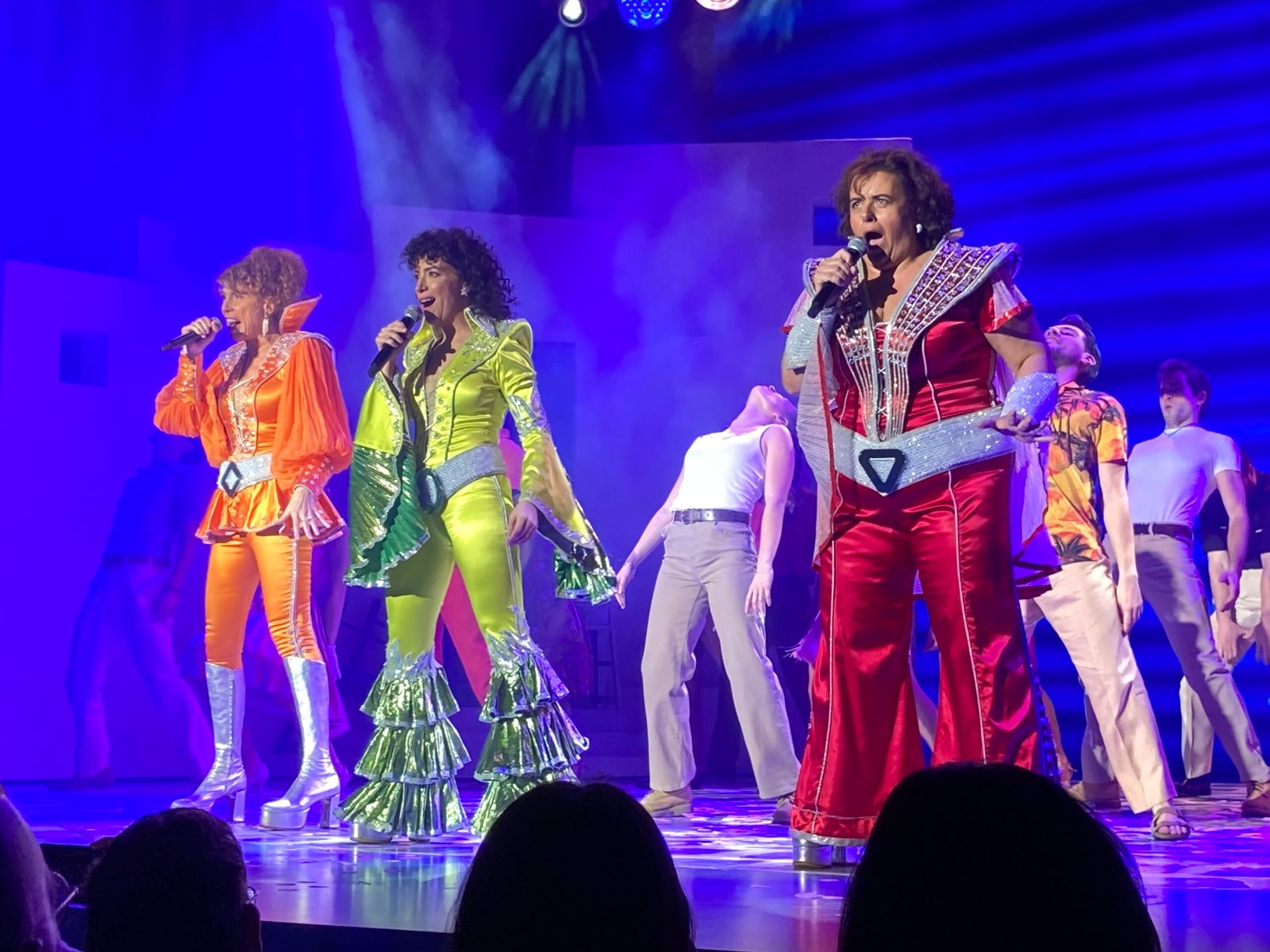
ABBA’s disco masterpiece about a confident young woman somehow got reduced to an expression of mild surprise about the color green. The actual title “Dancing Queen” became “Damn, I see green” for listeners who apparently thought the song was about someone’s reaction to spotting a particular color. This misunderstanding completely strips away the song’s celebration of youth and freedom, replacing it with what sounds like an observation you might make while looking at a lawn. The Swedish group’s distinctive pronunciation and the way the words blend together in the chorus certainly contribute to this mix-up. What makes this particularly amusing is how the misheard version lacks any of the song’s disco energy or celebratory spirit. The original celebrates a seventeen-year-old who feels the beat and loves the scene, while the misheard version sounds like someone who’s mildly surprised by their surroundings. This mishearing demonstrates how our brains sometimes substitute simple, familiar phrases for more complex or meaningful lyrics. The irony is that one of disco’s most empowering anthems got reduced to what sounds like a passing comment about foliage or paint colors.
Hotel California – Eagles (1976)
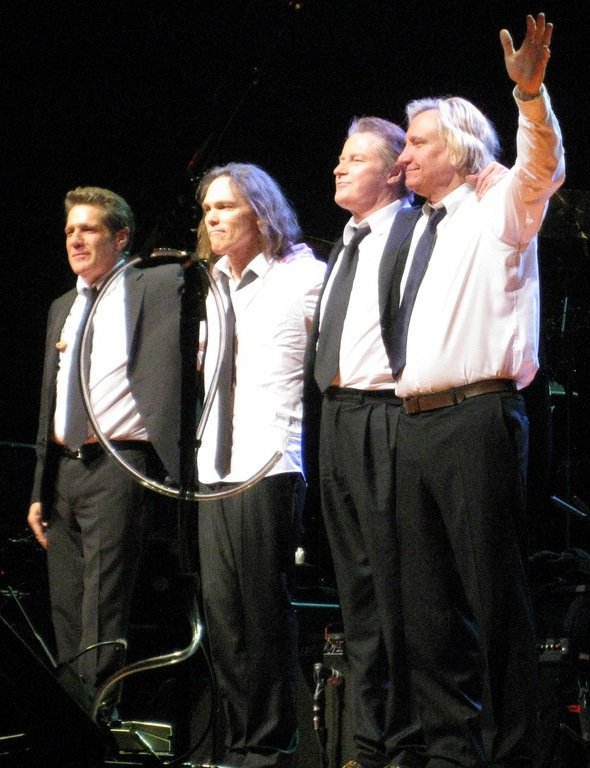
The Eagles’ mysterious masterpiece has spawned more conspiracy theories than a presidential assassination, with listeners convinced it’s about everything from devil worship to drug addiction to actual hospitality establishments. While some fans have spent decades debating whether it’s literally about a haunted hotel in California, the song is actually a dark commentary on the excesses of 1970s California culture and possibly the music industry itself. The enigmatic lyrics about checking out but never leaving have been interpreted as everything from a critique of hedonistic lifestyles to a metaphor for the American Dream gone wrong. Don Henley and Glenn Frey have given various explanations over the years, sometimes suggesting it’s about the dark side of success and materialism. The song’s mysterious narrative and surreal imagery have made it a favorite for over-analysis, with fans reading deeper meanings into every line. Some have even claimed it’s about specific real hotels or mental institutions, though the band has generally dismissed these literal interpretations. The beauty of the song lies in its ambiguity, allowing listeners to project their own interpretations onto its cryptic story. What’s certain is that it’s not actually a travel recommendation for California accommodations.
Message in a Bottle – The Police (1979)
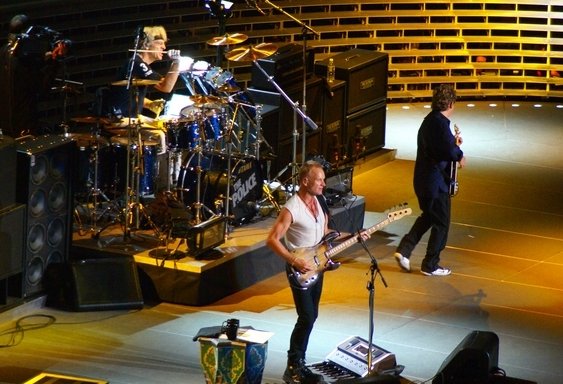
Sting’s tale of desperate communication across the ocean got transformed into a story about personal injury and regret. The actual lyric “A year has passed since I wrote my note” became “A year has passed since I broke my nose” for listeners who apparently thought the song was about someone reflecting on a facial mishap. This particular mishearing completely changes the song’s theme from isolation and hope to what sounds like someone’s unfortunate encounter with a door or fist. The original lyrics describe the universal experience of feeling alone and hoping for connection, while the misheard version suggests someone’s annual reflection on a clumsy accident. The confusion likely stems from how similar “wrote my note” and “broke my nose” sound when sung with Sting’s distinctive voice and the song’s reggae-influenced rhythm. What makes this especially amusing is how the misheard version turns a poetic message about human connection into something that sounds like a medical update. The song’s metaphor about casting messages into the sea hoping for a response becomes utterly meaningless when replaced with nasal trauma reminiscence. This mix-up shows how our brains sometimes substitute more concrete, physical experiences for abstract emotional concepts.
Like a Virgin – Madonna (1984)

Madonna’s provocative pop anthem about feeling renewed in love got hilariously inflated by listeners who apparently thought she was keeping very detailed track of her romantic encounters. The actual lyric “touched for the very first time” became “touched for the thirty-first time” in the minds of mathematically inclined fans. This misunderstanding completely destroys the song’s central metaphor about feeling innocent and new again in a relationship. The original concept celebrates the transformative power of love that makes you feel like you’re experiencing everything fresh, while the misheard version makes it sound like Madonna was running some kind of romantic scoreboard. The confusion might stem from how the words flow together in the song’s catchy chorus, making “very first” sound like a specific number to some ears. What’s particularly funny is how the misheard version suggests an oddly precise count that no one would reasonably keep track of. The song’s message about emotional rebirth and vulnerability gets completely lost when replaced with what sounds like statistical record-keeping. This particular mix-up demonstrates how our brains sometimes insert specific details where none exist, creating absurdly literal interpretations of metaphorical lyrics.
Bohemian Rhapsody – Queen (1975)
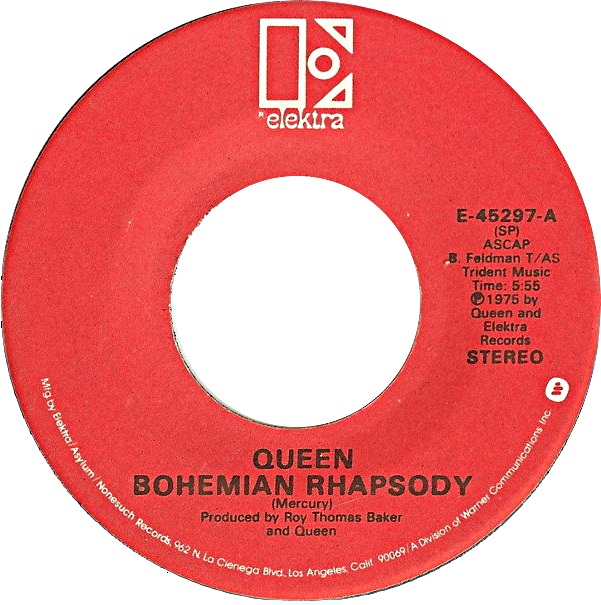
Freddie Mercury’s operatic masterpiece is so intentionally surreal and theatrical that many listeners assumed they must be mishearing the bizarre lyrics, when in fact they were hearing them correctly all along. The song’s famous “Scaramouche, Scaramouche, will you do the

Besides founding Festivaltopia, Luca is the co founder of trib, an art and fashion collectiv you find on several regional events and online. Also he is part of the management board at HORiZONTE, a group travel provider in Germany.
