

- How George Washington Was A Coffee Connoisseur Of His Time - April 10, 2026
- Classic Novels Often Hide Modern Lessons We’re Still Learning Today - April 10, 2026
- The 15 Most Influential Musicians of the 20th Century - April 10, 2026
20 Music Festivals Became a Cultural Phenomenon in America
The Genesis at Woodstock Set the Cultural Blueprint
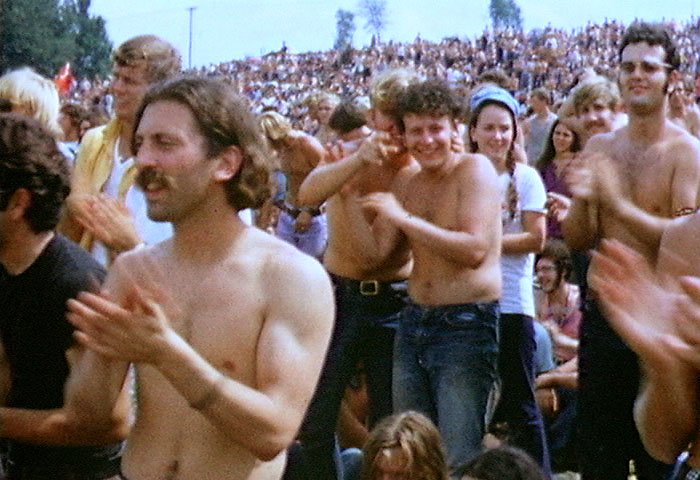
You’d be forgiven for thinking American music festivals started with hipsters and Instagram posts, but the real story begins in 1969 with an event that changed everything. The Woodstock Music Festival began on August 15, 1969, as half a million people waited on a dairy farm in Bethel, New York, for the three-day music festival to start. Billed as “An Aquarian Experience: 3 Days of Peace and Music,” the epic event would later be known simply as Woodstock and become synonymous with the counterculture movement of the 1960s. This wasn’t just a concert – it was a cultural revolution disguised as a music festival. Woodstock was a success, but the massive concert didn’t come off without a hitch: Last-minute venue changes, bad weather and the hordes of attendees caused major headaches. Still, despite—or because of—a lot of sex, drugs, rock ‘n’ roll and rain, Woodstock was a peaceful celebration and earned its hallowed place in pop culture history. The festival essentially wrote the playbook for how music festivals could become cultural phenomena that go way beyond just music. In the summer of 1969, in the tranquil fields of Bethel, New York, something extraordinary happened that would forever change the cultural landscape of the United States and the world. Woodstock, the iconic music festival, emerged as a symbol of peace, love and a generation’s yearning for change. While it only lasted for three days, the enduring legacy of Woodstock continues to reverberate through the annals of history, transcending the music itself.
Lollapalooza Revolutionized the Touring Festival Circuit
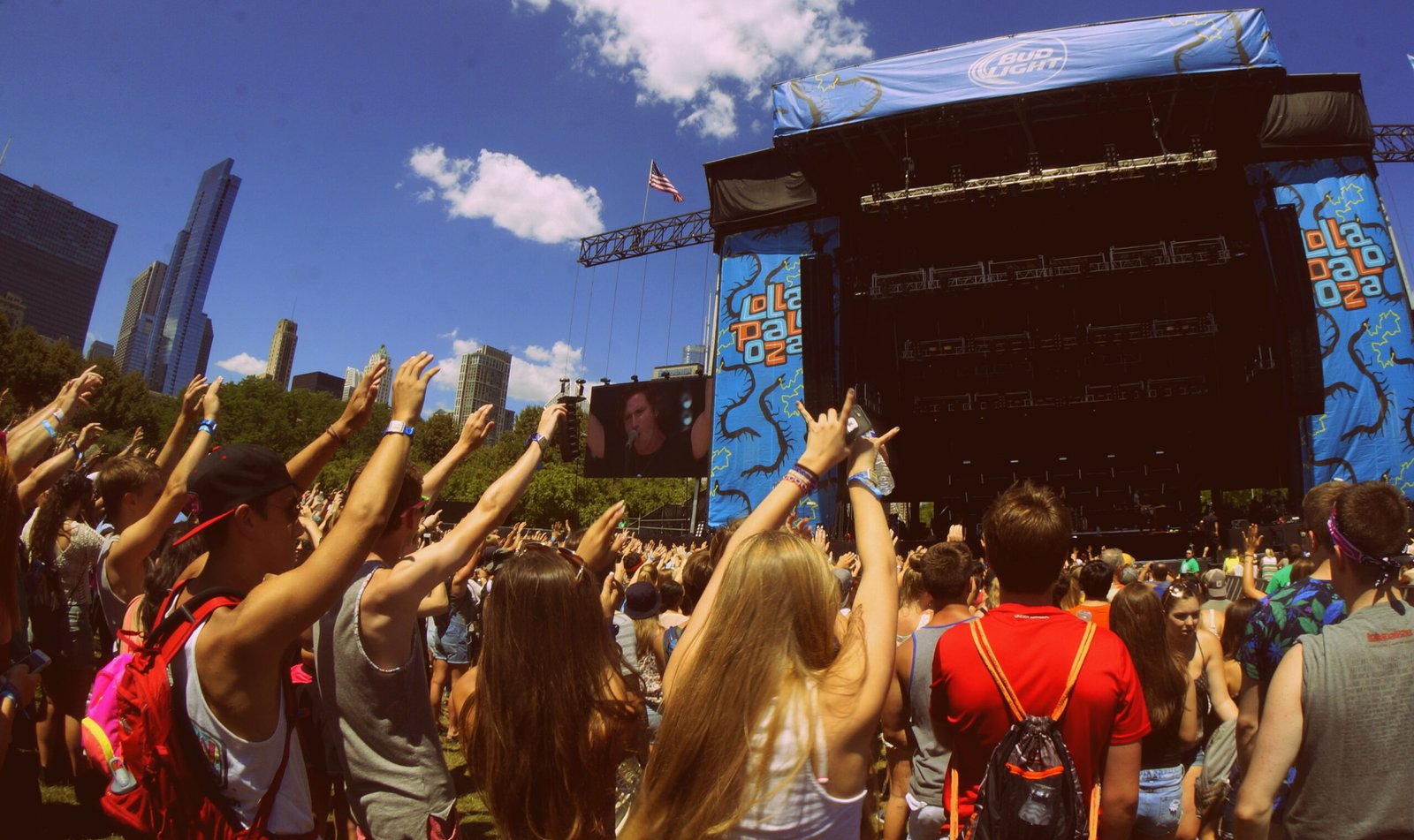
If Woodstock planted the seed, Perry Farrell’s Lollapalooza was the first to really understand how to scale it up. The brainchild of Jane’s Addiction frontman Perry Farrell, Lollapalooza started out as a traveling show before taking root at Chicago’s Grant Park. What made Lollapalooza different was its deliberate mix of genres – punk rock sitting next to hip-hop, alternative rock sharing stages with electronic acts. This wasn’t an accident; it was a calculated move to create something bigger than just another music festival. You got to hand it to Perry Farrell, the bizarre and quirky visionary who reinvented the American music festival with Lollapalooza, first taking it on the road in the last century and then putting down stakes in Chicago. Despite a firm homebase in the Windy City, Lolla hasn’t forgotten its traveling roots with editions in South America and Europe. The economic impact alone tells the story of its success. According to a recent economic study, Lollapalooza generates more than $330 million annually for the city of Chicago. That’s not just impressive – that’s life-changing money for an entire city.
Coachella Transformed Desert Heat Into Cultural Currency
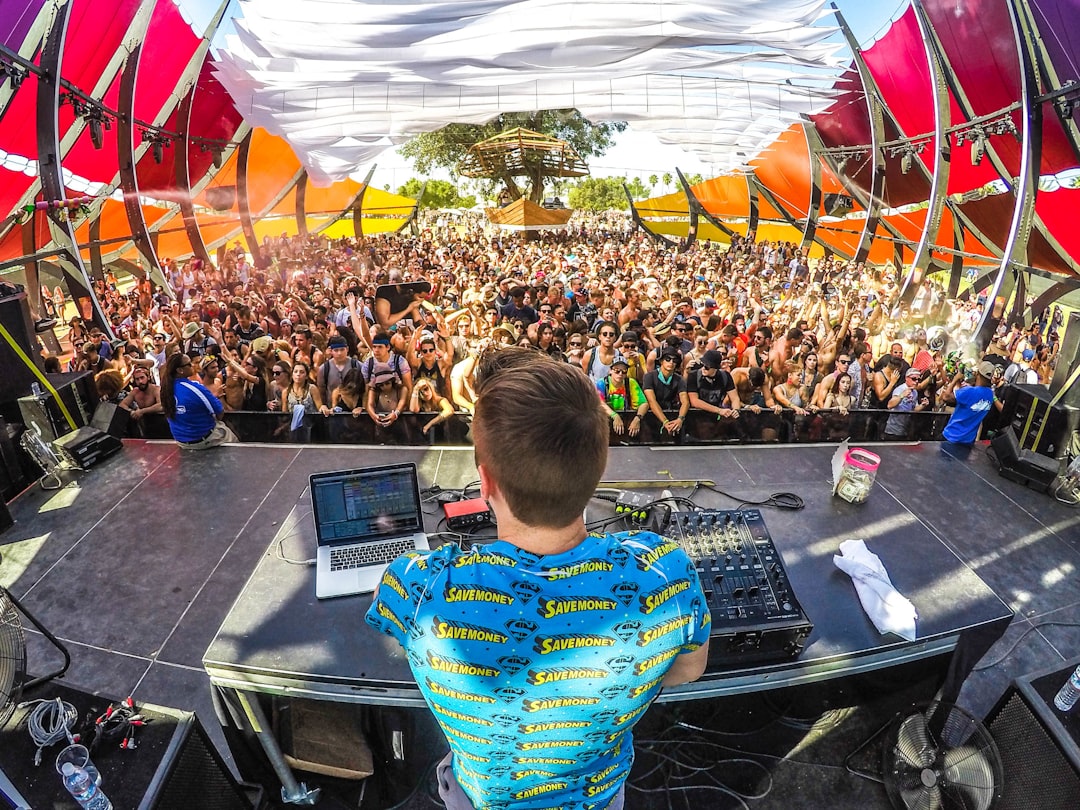
Nothing quite captures the evolution of American music festivals like Coachella’s journey from desert gathering to global fashion runway. Indio, where Coachella has been held since its inception in 1999, is a city in Riverside County, CA with a population of under 100,000. The city itself is thus smaller than the crowd it attracts at Coachella. This tiny desert town suddenly became the epicenter of American cultural influence every spring. With the enormous crowds Coachella attracts comes an incredible amount of financial stimulation to the local economy. According to a study from 2016, the festival brought about $106 million to the Indio’s economy and $600 million to the wider Coachella Valley economy. But Coachella’s real genius wasn’t just the music – it was understanding that Instagram was about to make every festival-goer a potential influencer. The flower crowns, the desert vibes, the carefully curated lineup mixing indie darlings with mainstream pop stars – Coachella didn’t just adapt to social media culture, it helped create it. Coachella had a reported profit margin of 38% in 2019.
Bonnaroo Brought the Camping Community Experience to the Masses
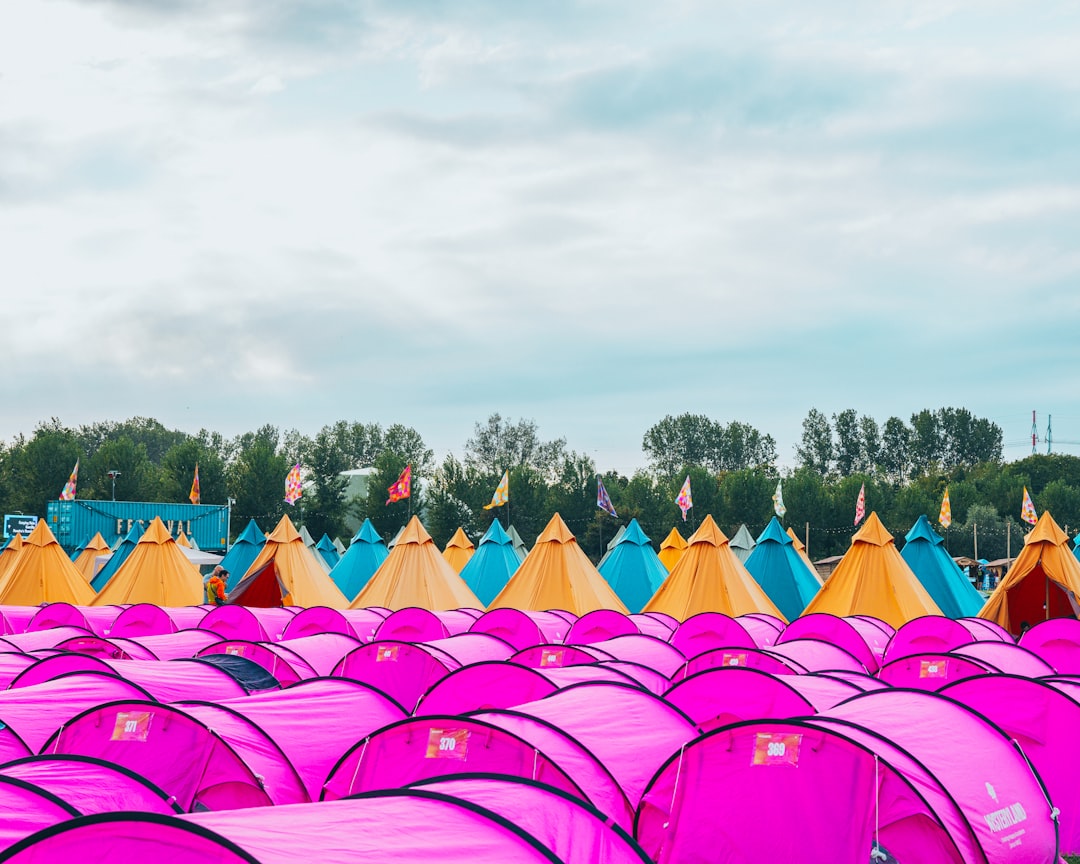
While Coachella was perfecting the day-pass experience, Bonnaroo was creating something entirely different in rural Tennessee. In Manchester, Tennessee—a town of just 12,000 people—the Bonnaroo Music and Arts Festival is nothing short of transformative. Held on a sprawling 700-acre farm, the four-day camping festival attracts tens of thousands of music lovers from across the country, creating a major economic lift for the small rural community. This wasn’t just about attending a festival; it was about creating a temporary city of music lovers. Bonnaroo generates approximately $50 million annually for Manchester and the surrounding region. Local businesses, including gas stations, hotels, restaurants, and campgrounds, report a dramatic spike in revenue during the festival. The camping aspect was crucial – it turned a weekend music event into a multi-day lifestyle experience. Think of it like summer camp for adults, but with better music and fewer mosquito bites. For instance, the Bonnaroo Music and Arts Festival in Manchester, Tennessee, generates over $10 million in revenue for local businesses each year.
The Electronic Dance Music Explosion Created Festival Empires
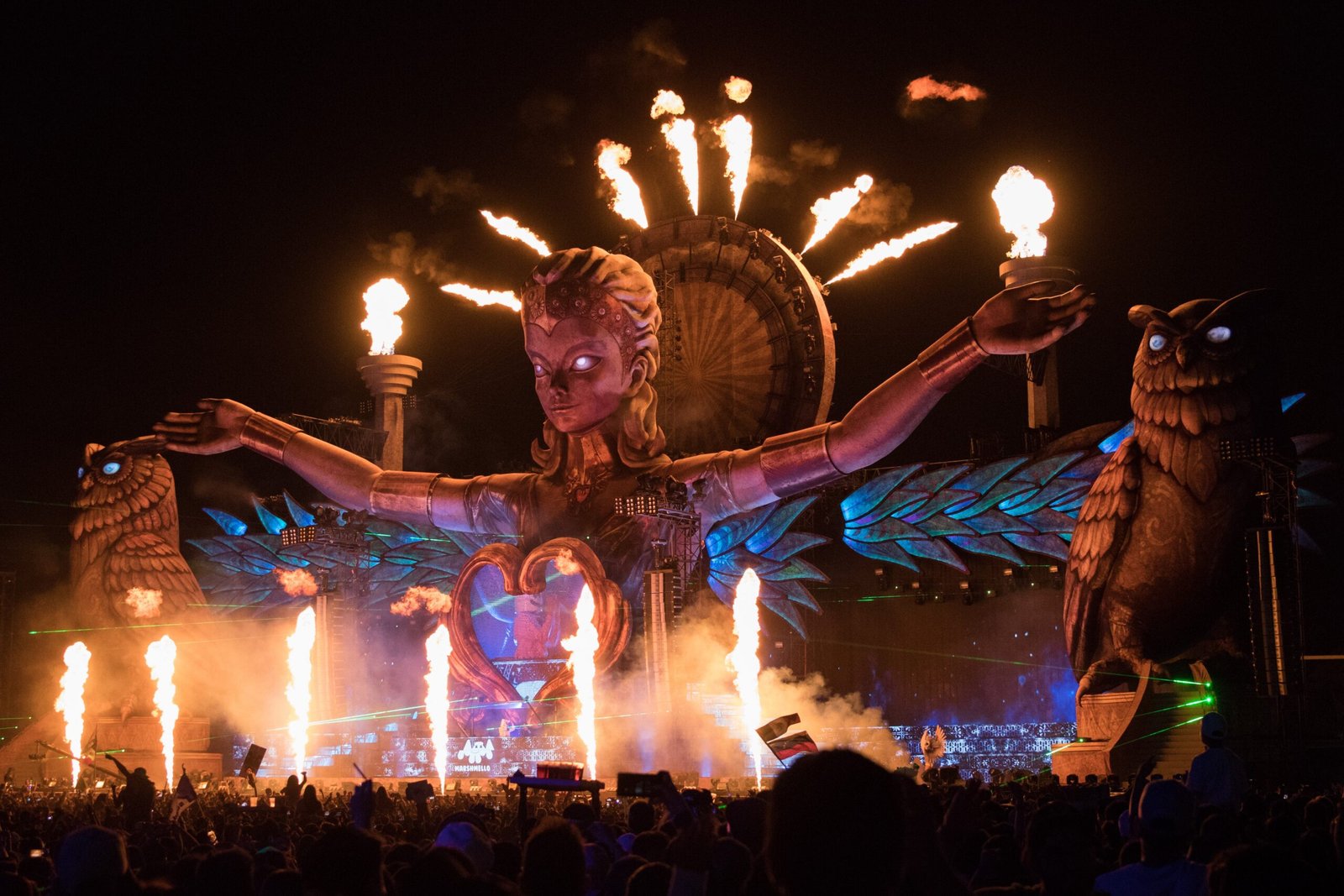
Nothing prepared America for the electronic dance music takeover, and nowhere was this more apparent than at festivals like Electric Daisy Carnival. Electric Daisy Carnival (EDC) is a globally renowned dance music festival and the largest brand in Insomniac’s scope of events and productions. EDC began in 1997 as a warehouse party in Los Angeles, produced by CEO and founder Pasquale Rotella. What started as underground warehouse parties exploded into massive spectacles. The annual flagship event, EDC Las Vegas, is held in May at the Las Vegas Motor Speedway, and is the largest electronic dance music festival in North America as of 2024. In 2024, it had a total attendance of 525,000 over three days. The numbers alone are staggering, but the real cultural shift was how EDM festivals changed what people expected from live music experiences. The Electric Daisy Carnival (EDC) is one of the largest electronic dance music festivals in the world, known for its vibrant atmosphere, immersive art installations, and diverse lineup of electronic artists. Since its inception in 1997, EDC has become a cultural phenomenon that celebrates the creativity and energy of electronic dance music, drawing thousands of attendees who experience a unique blend of music, community, and visual spectacles.
Corporate Sponsorship Transformed Festivals Into Marketing Goldmines

The transformation from grassroots gatherings to corporate-sponsored mega-events happened faster than you might think. Music festival market is projected to grow at a CAGR of 24% from 2024 to 2031, driven by immersive experiences and diverse lineups. This explosive growth caught the attention of major brands who realized festivals weren’t just events – they were marketing opportunities disguised as cultural experiences. Companies like Bud Light, American Express, and T-Mobile didn’t just sponsor stages; they created entire branded experiences within festivals. The economic incentives were too massive to ignore. Music festivals across the United States have long been celebrated as cultural events that draw massive crowds, but their economic impact often goes unnoticed. For small towns and big cities alike, these festivals are more than just entertainment—they’re economic powerhouses that generate millions of dollars for local businesses and municipalities. From boosting tax revenues to supporting small vendors and creating jobs, the economic ripple effects of festivals can transform communities. This corporate involvement fundamentally changed the festival landscape, turning what were once countercultural gatherings into carefully orchestrated brand experiences.
The Rise of Genre-Specific Festival Communities
As festivals multiplied, something interesting happened – they started getting more specialized rather than more general. In 2024, the music festival landscape is experiencing a significant shift towards more specialised and intimate events. This trend reflects changing attendee preferences and offers unique opportunities for event organisers. The demand for niche music festivals is growing rapidly, with attendees seeking more focused and immersive experiences. Country music fans got Stagecoach, metal heads got their own festivals, hip-hop had Rolling Loud, and the list keeps growing. Genre-specific events: Festivals centred on specific genres like techno, hip hop, and Americana are gaining traction. These events attract dedicated fan bases and offer a more cohesive musical experience. This specialization created something unprecedented – festivals became lifestyle brands for specific musical tribes. Boutique and niche festivals are rising in popularity, with 58% of attendees preferring them over larger commercial events. Instead of trying to please everyone, smart festival organizers realized they could create deeper, more meaningful experiences by focusing on specific communities. It’s like the difference between a general store and a specialty shop – both have their place, but the specialty shop creates much more passionate customers.
Austin City Limits Proved Local Identity Could Scale Globally

Austin had always been weird, but Austin City Limits showed how local character could become a global draw. Named after the venerable PBS series, the Austin City Limits Festival heads into its second decade stronger than ever. The traditional lineup announcement leads to a flurry of praise and criticism from the hip kids, but the love for this festival is so strong that ACL added a second weekend and continues to sell out. The festival leveraged Austin’s existing reputation as a music city, but it did something smarter – it embraced the city’s quirky identity rather than trying to sanitize it. ACL takes place over two weekends and it’s easy to see why: Organizers need all the time in the world to stuff Zilker Park full of some of America’s biggest (and most eclectic) names. The economic impact has been transformative for the city, bringing millions of tourism dollars to Austin every year. The festival proved that you didn’t need to be in Los Angeles or New York to create something with global appeal – you just needed to authentically represent what made your place special. Attendees of the 2024 were treated to Chris Stapleton, Blink-182, Leon Bridges, Dua Lipa, Khruangbin, Pretty Lights, Chapell Roan and more.
The Ultra Experience Redefined What Festivals Could Be
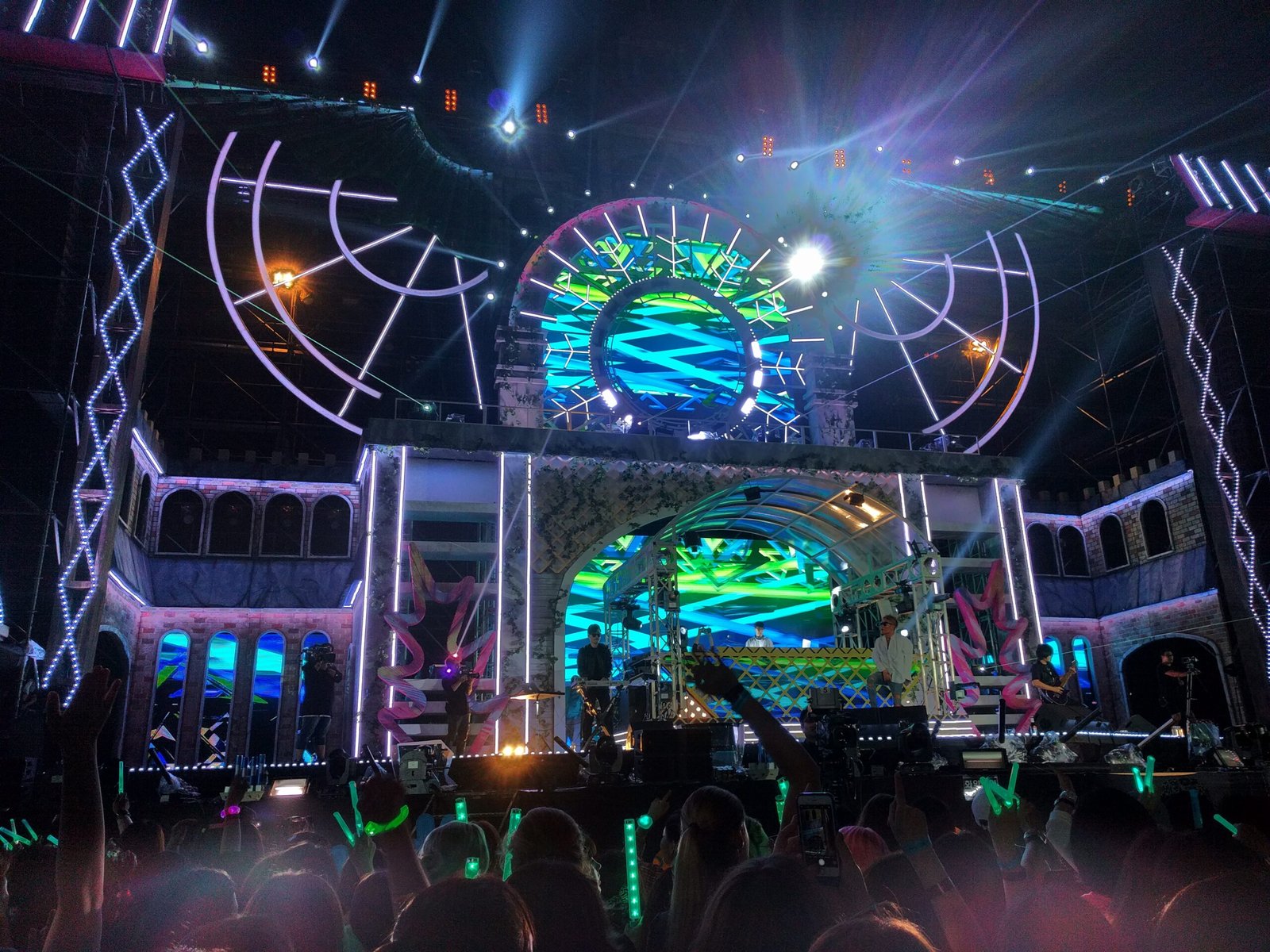
Ultra Music Festival took the electronic music concept and turned it into pure spectacle. For starters, despite Burning Man’s reputation as a “transformative” gathering, only 73.4% attendees surveyed for Music Festival Experiences Analyzed Over Time reported life-changing experiences. By comparison, 74.5% said the same of EDC and 78.4% said the same of Ultra. What makes this statistic fascinating is that Ultra consistently ranks higher than events with much more spiritual or countercultural reputations. Ultra understood something fundamental about American culture – we love spectacle, and we love it big. The Electric Daisy Carnival, more commonly known as “EDC,” is the largest electronic dance music festival in North America and is held every May at the Las Vegas Motor Speedway. The event merges electronic dance music with visual arts and interactive installations. The festival became less about discovering underground music and more about experiencing cutting-edge production technology. Think of it as the difference between a jazz club and a Broadway show – both have their merits, but one is clearly designed for mass appeal and maximum impact.
Burning Man’s Desert Philosophy Influenced Mainstream Festival Culture
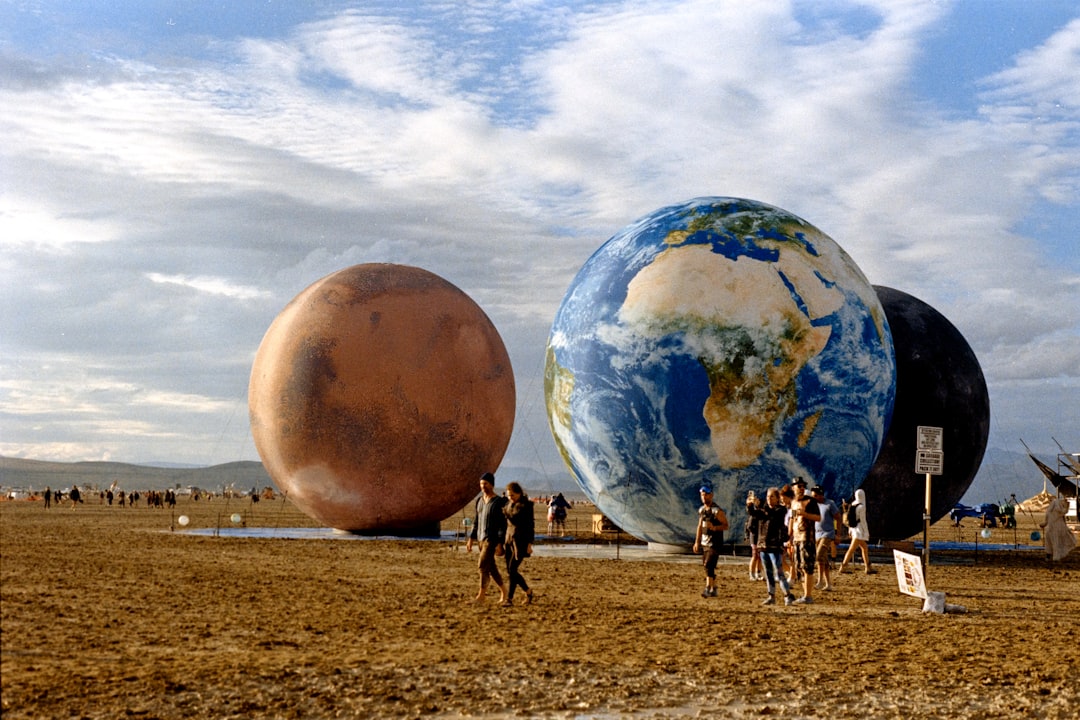
Burning Man occupies a unique space in American festival culture – it’s simultaneously the most countercultural event and one of the most influential in shaping mainstream festival experiences. Burning Man: An annual event held in the Nevada desert that emphasizes self-expression, community, art, and music, inspiring many aspects of festival culture including EDC. The principles that Burning Man established – radical self-expression, gifting economy, leaving no trace – started showing up in festivals across the country. Burning Man did come out on top in two other categories. More of the surveyed attendees admitted to having partaken in drugs and alcohol than those of other events, and it also ranked as the most conducive to new friendships. The festival’s influence extends far beyond its attendance numbers; it changed how people think about what a festival experience could be. Burning Man failed to sell out for the first time in over a decade. Even when traditional metrics suggest declining influence, Burning Man’s philosophical impact on American festival culture remains undeniable.
The Economic Engine Behind Festival America
The numbers behind America’s festival economy are absolutely staggering. In 2024, as of this writing, the database records 2,184 music festivals — a testament to the revival and expansion of live music post-pandemic. Comparing this to 2,660 festivals in 2023 and 2,308 in the pre-pandemic year of 2019, the trajectory is one of consistent growth. We’re not just talking about entertainment anymore – we’re talking about a major economic sector. The flourishing of festivals is demonstrated by the 45,522 artists gracing stages worldwide in 2024 so far. This figure has already surpassed the entire number of artists booked on festivals in all of pre-pandemic 2019 which saw 41,074 artists and stands in stark contrast to the 70,444 artists on festival lineups in 2023. California historically dominates U.S. festival counts with 111 festivals so far in 2024 (151 in 2023, 178 in 2019), followed by vibrant scenes in Florida, New York, Colorado, and Texas. The U.S. leads the database each year with 2024 on pace to potentially exceed 2019’s 1,140 festivals total (2023 came close with 1,120). These festivals aren’t just cultural events – they’re job creators, tax generators, and community builders. From rural communities to bustling urban centers, music festivals have become vital economic drivers, offering real benefits for municipalities and local businesses. They generate millions in revenue, create jobs, and drive tourism, all while building community pride and global visibility. Events like Coachella, Lollapalooza, and Bonnaroo highlight the ripple effect of festivals—how a single weekend can fuel economic activity that lasts far beyond the final encore.
Social Media Transformed Festivals Into Lifestyle Brands
Instagram didn’t just change how people documented festivals – it fundamentally altered what festivals needed to be. Suddenly, every stage backdrop, every art installation, every food vendor setup had to be “Instagram-worthy.” This wasn’t just about vanity; it was about survival in an increasingly crowded marketplace. The cultural impact of iconic music festivals is profound and multifaceted. They serve as catalysts for community building, social change, and economic growth while shaping music trends and fostering creativity. Festivals that understood this shift early – like Coachella – became global brands, while those that didn’t often struggled to maintain relevance. The most successful festivals started designing experiences specifically for social media sharing, creating those perfect moments that would extend their reach far beyond the actual attendees. 61% of 21- to 35-year-olds are looking for new adventures at festivals. Create themes that resonate with your target audience, such as retro-inspired events or futuristic experiences. This represented a fundamental shift in how festivals thought about their audience – they weren’t just entertaining the people who showed up, they were creating content for the millions who would experience the festival through social media.
The Wellness and Sustainability Revolution in Festival Culture

Modern American festivals had to evolve beyond just music and partying as audiences became more conscious about health and environmental impact. 69% of respondents feel positively towards events that connect them with nature. This statistic represents a massive shift in what festival-goers expect from their experiences. Sustainability initiatives and eco-friendly practices are increasingly important, with 69% of attendees favouring nature-connected events. Festivals started incorporating yoga sessions, meditation areas, organic food options, and comprehensive recycling programs. Green Initiatives: Festivals like Coachella and Glastonbury implement sustainability measures to reduce their environmental impact, promoting eco-consciousness among attendees. Local Sourcing: More festivals are sourcing food and materials locally, reducing their carbon footprint and supporting local economies. This wasn’t just about good PR – it was about survival as younger audiences increasingly refused to support

Besides founding Festivaltopia, Luca is the co founder of trib, an art and fashion collectiv you find on several regional events and online. Also he is part of the management board at HORiZONTE, a group travel provider in Germany.
