


- 10 Unforgettable US Landmarks That Hold Secrets You Never Knew - April 12, 2026
- Top 15 Festivals Around The World - April 12, 2026
- 10 Groundbreaking Fashion Designers Who Revolutionized How We Dress Today - April 11, 2026
Christopher Columbus Was First to Discover the Americas
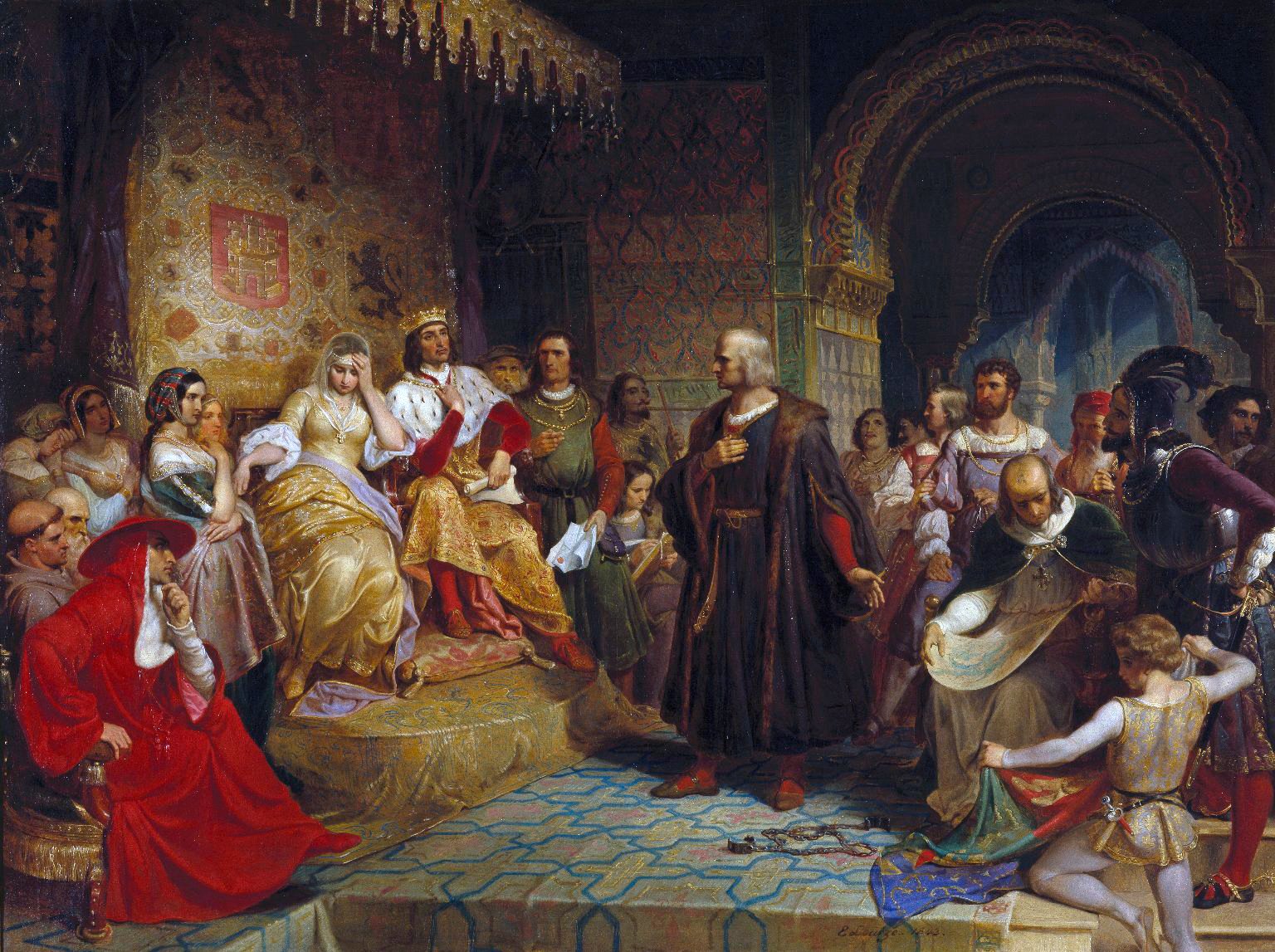
Here’s something that would shock most Americans: Indigenous peoples populated the land now called the United States for more than 15,000 years before the arrival of Christopher Columbus. When Columbus landed in 1492, he wasn’t discovering anything new – he was simply arriving at a world that had been thriving for millennia.
But wait, there’s more to this story. Indigenous people had been living there for centuries by the time he arrived in 1492 and Leif Eriksson and the Vikings beat him to it five centuries earlier. That’s right – the Norse explorer Leif Erikson is thought to have been the first European to set foot on continental America, approximately half a millennium before Christopher Columbus.
The numbers are staggering when you consider what Columbus’s arrival actually meant. There were between 5 million and 15 million Indigenous people living in North America in 1492. By the late 1800s, there were fewer than 238,000 left. This isn’t a story of discovery – it’s a tragedy of epic proportions.
The Trojan Horse Was a Real Wooden Structure

The legendary tale of Greek soldiers hiding inside a massive wooden horse has captured imaginations for centuries. But here’s the thing – archaeological evidence shows that Troy was indeed burned down; but the wooden horse is an imaginative fable, perhaps inspired by the way ancient siege-engines were clothed with damp horse-hides to stop them being set alight.
Scholars have proposed several fascinating theories about what the “horse” might have really been. Theories suggesting that the Trojan Horse was a metaphor for a siege engine, such as a battering ram or siege tower, provide a compelling reinterpretation of the myth. These engines, often named after animals, could symbolically represent the “horse” that breached Troy’s impenetrable walls.
Even more intriguing is the earthquake theory. The theory is supported by the fact that archaeological digs have found that Troy VI was heavily damaged in an earthquake. Ancient Greeks associated earthquakes with Poseidon, who was also the god of horses – making the “horse” metaphor suddenly make perfect sense.
Napoleon Bonaparte Was Extremely Short
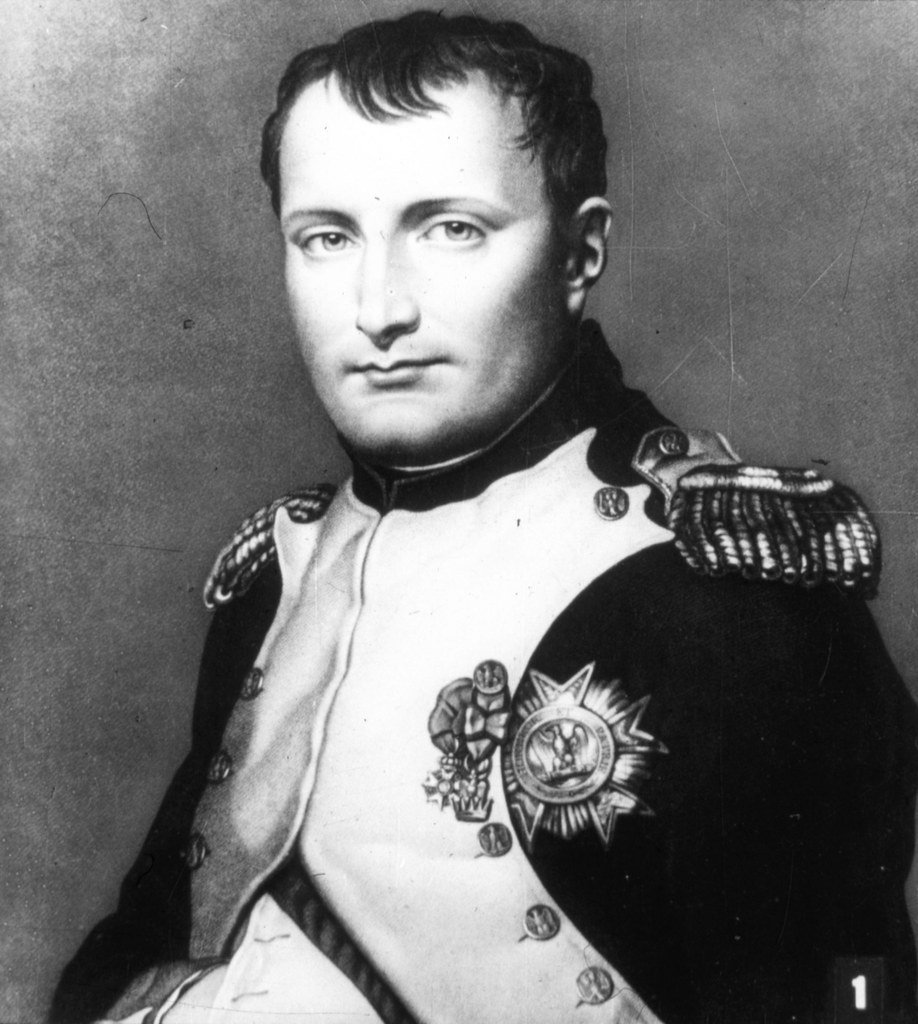
If you’ve ever heard someone called “Napoleon complex,” you’re witnessing one of history’s most persistent lies in action. The truth? Napoleon Bonaparte was between 168 and 170 centimeters, or 5’6″ – 5’7″ in height. This wasn’t short for his time – it was completely average.
Sources consequently estimate that Napoleon was probably closer to 5’6″ or 5’7″ (1.68 or 1.7 meters) than to 5’2″. Although the range may seem short by 21st-century standards, it was typical in the 19th century, when most Frenchmen stood between 5’2″ and 5’6″ (1.58 and 1.68 meters) tall.
So where did this myth come from? The myth of his supposed short stature originated largely as a form of British propaganda, a strategic choice meant to demean and belittle his image in the eyes of both the French and the international public. The British were masters at psychological warfare, and depicting Napoleon as physically small was just another weapon in their arsenal.
The Wild West Was a Lawless Frontier

Hollywood has sold us a vision of the American West filled with daily gunfights, saloon brawls, and complete lawlessness. But the reality was shockingly different. Most frontier towns actually had stricter gun control than many modern American cities.
The famous “Wild West” towns like Dodge City and Tombstone required visitors to check their weapons with the sheriff upon entering town limits. These weren’t suggestions – they were strictly enforced laws. Carrying firearms within city limits was typically illegal, and law enforcement took this seriously.
Murder rates in these supposedly violent frontier towns were often lower than what we see in modern urban areas. The image of constant gunfights and vigilante justice was largely created by dime novels and later Hollywood films, not historical reality.
Marie Antoinette Said “Let Them Eat Cake”

This phrase has become synonymous with royal arrogance and disconnection from common people’s suffering. The problem? Marie Antoinette never said it. There’s absolutely no historical evidence that these words ever passed her lips.
The phrase actually appeared in Jean-Jacques Rousseau’s “Confessions,” written when Marie Antoinette was still a child. Rousseau attributed it to “a great princess,” but he was likely referring to an old French saying that had been around for decades.
This lie has been particularly damaging because it shaped how history remembers the last Queen of France. Marie Antoinette had many flaws, but callous indifference to starving peasants apparently wasn’t one of them. The real tragedy is how this fictional quote became more “real” than the actual historical record.
George Washington Had Wooden Teeth
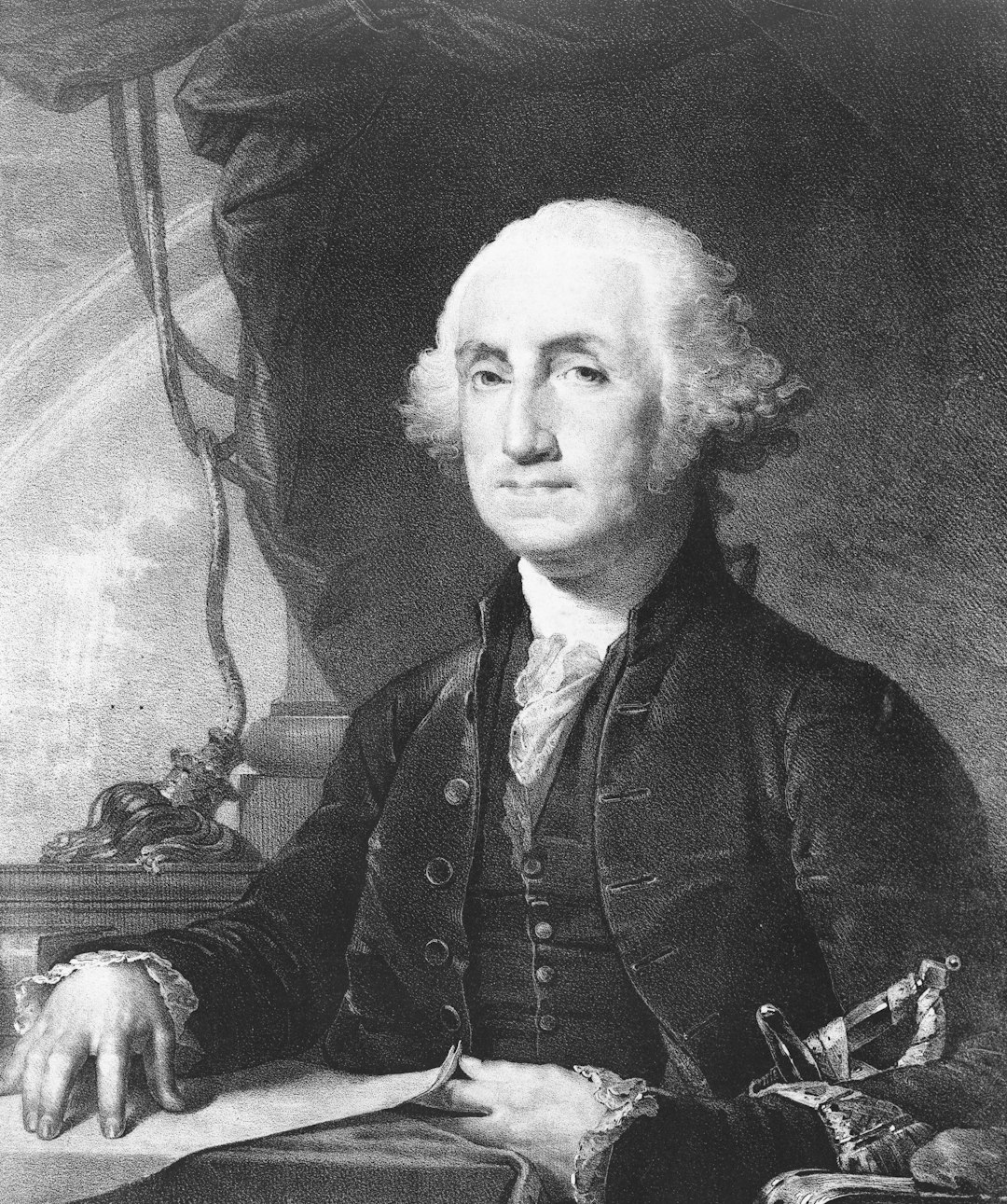
Every American schoolchild learns about George Washington’s wooden teeth, but here’s the uncomfortable truth: his dentures were made from ivory, gold, and even human teeth – but never wood. This myth has persisted for centuries, but it’s completely false.
Washington’s dental problems were well-documented and severe. He began losing teeth in his twenties and had multiple sets of dentures throughout his life. These were crafted from materials including hippopotamus ivory, elephant ivory, and teeth purchased from other humans – often enslaved people.
The wooden teeth myth might have originated because his ivory dentures became stained over time, giving them a wood-like appearance. But the reality of Washington’s dental situation reveals some dark truths about the era that the wooden teeth story conveniently obscures.
Medieval People Believed the Earth Was Flat
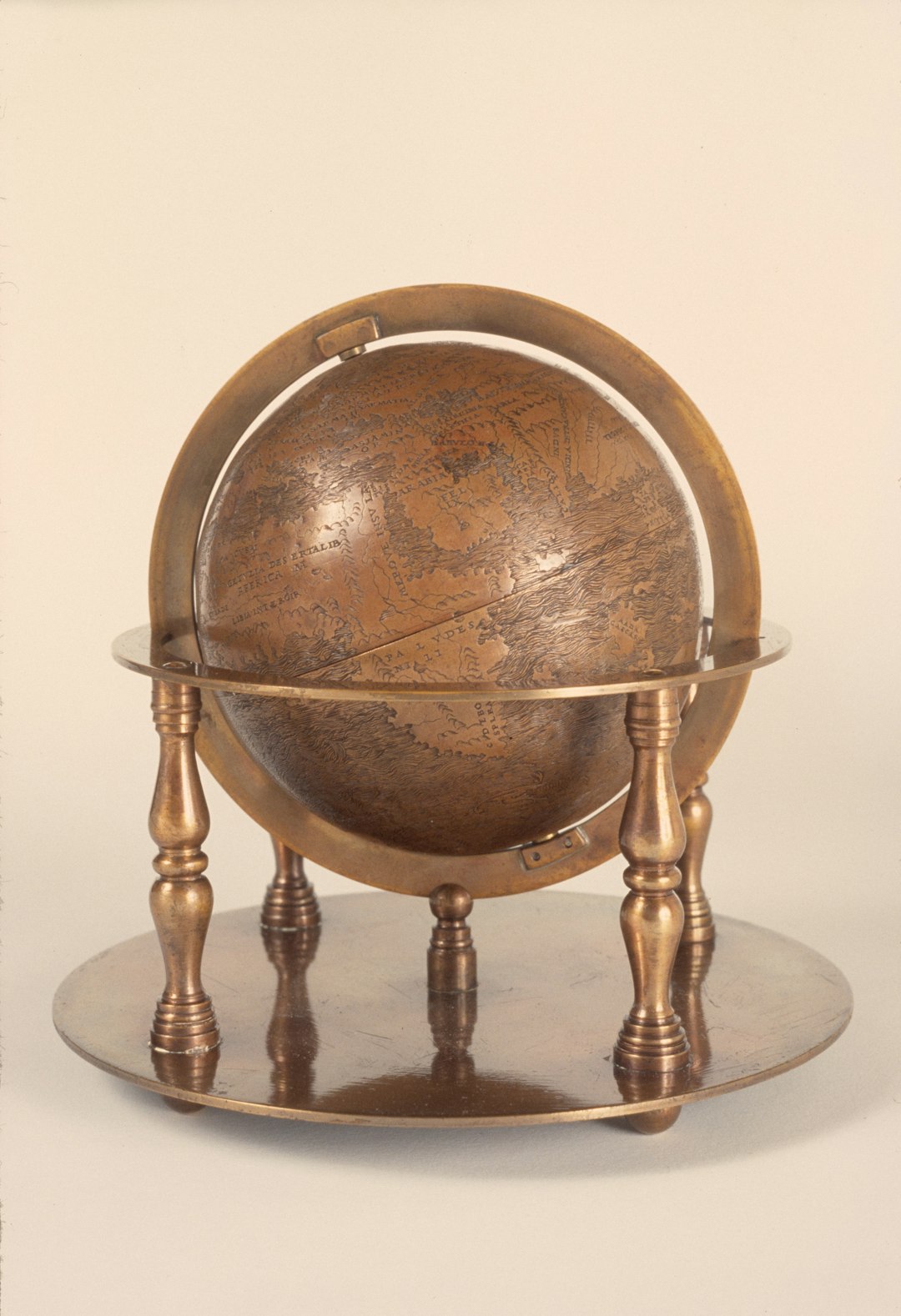
This might be one of the most ironic historical lies: the idea that medieval people were ignorant enough to believe in a flat Earth. The truth is that educated Europeans had known the Earth was spherical since ancient Greek times, and this knowledge was never lost during the Middle Ages.
Medieval scholars, including prominent Christian theologians, wrote extensively about the spherical Earth. They calculated its circumference, debated its size, and incorporated this knowledge into their worldview. The Catholic Church never officially taught that the Earth was flat.
This myth was actually created in the 19th century by writers who wanted to make the medieval period seem more backward and superstitious. It was part of a broader effort to promote the idea of inevitable progress and scientific enlightenment. The irony is that the “flat Earth” myth shows more ignorance than anything medieval people actually believed.
Roman Emperors Routinely Fed Christians to Lions
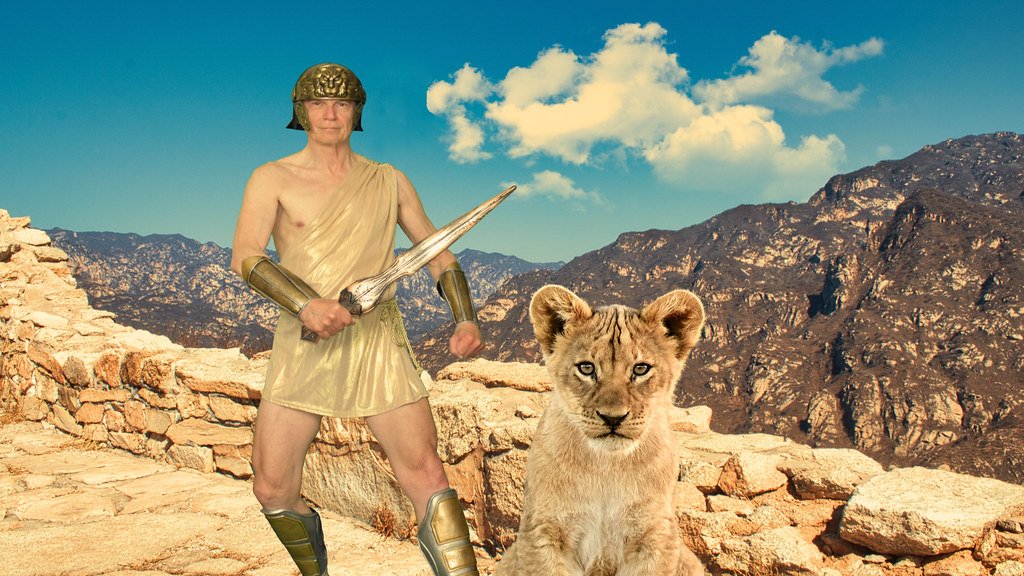
The image of Christian martyrs being thrown to lions in Roman arenas is deeply embedded in popular culture and religious tradition. While Christian persecution did occur, it was far more sporadic and less systematic than commonly believed.
Large-scale persecutions were relatively rare and typically occurred during specific periods of political instability. Most Christians in the Roman Empire lived their lives without facing martyrdom or even significant persecution. The empire was generally tolerant of religious diversity.
Many of the most dramatic martyrdom stories were written decades or centuries after the supposed events, often by Christian writers who had political or religious reasons to emphasize persecution. The “lions and Christians” narrative became a powerful symbol, but it wasn’t representative of typical Roman-Christian relations.
The Dark Ages Were a Time of Complete Ignorance

The term “Dark Ages” itself is misleading propaganda. Far from being a period of ignorance and stagnation, the medieval period saw remarkable achievements in science, technology, art, and philosophy. This wasn’t a time when civilization went backward – it was a time of transformation and innovation.
Medieval scholars preserved and expanded upon classical knowledge, made groundbreaking discoveries in mathematics and astronomy, and developed new technologies. The university system was invented during this period, along with innovations like the heavy plow, windmills, and advanced architectural techniques.
The “Dark Ages” label was coined by Renaissance humanists who wanted to emphasize their own era’s achievements by contrasting it with an supposedly inferior past. This rebranding was so successful that it still influences how we think about the medieval period today.
Walt Disney Single-Handedly Created Mickey Mouse

Disney’s origin story is one of American business mythology: a young Walt Disney creating the iconic Mickey Mouse character that would launch an entertainment empire. But the real creator was Disney’s animator and business partner, Ub Iwerks.
Iwerks designed Mickey Mouse’s distinctive appearance and animated the character’s first cartoon, “Steamboat Willie,” in 1928. While Disney provided the voice and business vision, Iwerks was the artistic genius behind the character’s creation and early development.
This myth persisted because Disney the company had strong incentives to promote Walt Disney as the sole creative genius. Iwerks’ contributions were systematically downplayed or erased from the official company history. It’s a classic example of how corporate mythology can override historical truth.
The Great Wall of China Is Visible from Space

This claim appears in textbooks, trivia games, and casual conversation as an established fact. The problem? Astronauts consistently report that the Great Wall is barely visible from space without magnification, and certainly not uniquely visible compared to other human-made structures.
From the International Space Station, many highways, cities, and airports are far more visible than the Great Wall. The wall is narrow, irregularly shaped, and often the same color as the surrounding landscape, making it difficult to distinguish from orbit.
This myth might have originated from a casual comment that got repeated and exaggerated over time. It’s become so entrenched that correcting it feels almost impossible – a perfect example of how a “fact” can become true through repetition rather than evidence.
Einstein Failed Mathematics in School

This comforting myth suggests that even the greatest genius in history struggled with basic math as a child. It’s often used to encourage students who are having difficulties. Unfortunately, it’s completely false.
Einstein actually excelled at mathematics from an early age. He mastered calculus by age 15 and was solving complex mathematical problems that would challenge college students. His academic record shows consistently high marks in mathematics and physics.
The myth might have originated from confusion about different grading systems. In Switzerland, where Einstein attended school, 6 was the highest grade, while in Germany, 1 was the highest. This led to misinterpretation of his academic records and the birth of a persistent lie.
Vikings Wore Horned Helmets in Battle

The image of Vikings charging into battle with horned helmets is iconic, appearing in countless movies, books, and cultural references. But archaeological evidence shows that Vikings never wore horned helmets in combat – it would have been impractical and dangerous.
Real Viking helmets were simple, conical iron caps designed for protection. Horns would have made the helmet heavier, provided handholds for enemies, and compromised the helmet’s protective function. No genuine Viking helmet with horns has ever been found.
The horned helmet myth was created by 19th-century artists and opera designers, particularly for Wagner’s “Ring of the Nibelung” operas. These theatrical designs were so visually striking that they became more “real” than historical fact, showing how artistic interpretation can reshape historical memory.
The Government Confirmed Aliens Crashed at Roswell

The Roswell incident has become America’s most famous UFO story, with many believers claiming the government eventually admitted that aliens crashed there in 1947. But the CIA has never confirmed extraterrestrial involvement – quite the opposite.
The “UFO” was actually debris from a classified military project called “Project Mogul,” which used high-altitude balloons to detect Soviet nuclear tests. The military covered up the true nature of the project, which created suspicion and conspiracy theories.
When the military finally revealed the truth about Project Mogul decades later, some interpreted this as “admitting” the alien story. But the revelation actually debunked the extraterrestrial explanation, not confirmed it. The government’s secrecy about legitimate military projects inadvertently created one of America’s most enduring myths.
The Noble Savage Myth

This romanticized view portrays indigenous peoples as living in perfect harmony with nature, free from the corruption and violence of “civilized” society. While indigenous societies often had more sustainable practices than European colonizers, this idealization is both inaccurate and harmful.
Indigenous peoples were complex, diverse societies with their own conflicts, environmental challenges, and social problems. They engaged in warfare, had hierarchical structures, and sometimes overexploited resources. They were fully human, not mystical beings in perfect harmony with nature.
The “noble savage” myth is problematic because it reduces complex cultures to simple stereotypes. It’s often used to avoid dealing with real contemporary issues facing indigenous communities, replacing genuine understanding with romantic fantasy. True respect requires seeing indigenous peoples as complete human beings, not idealized symbols.
The Power of Historical Myths
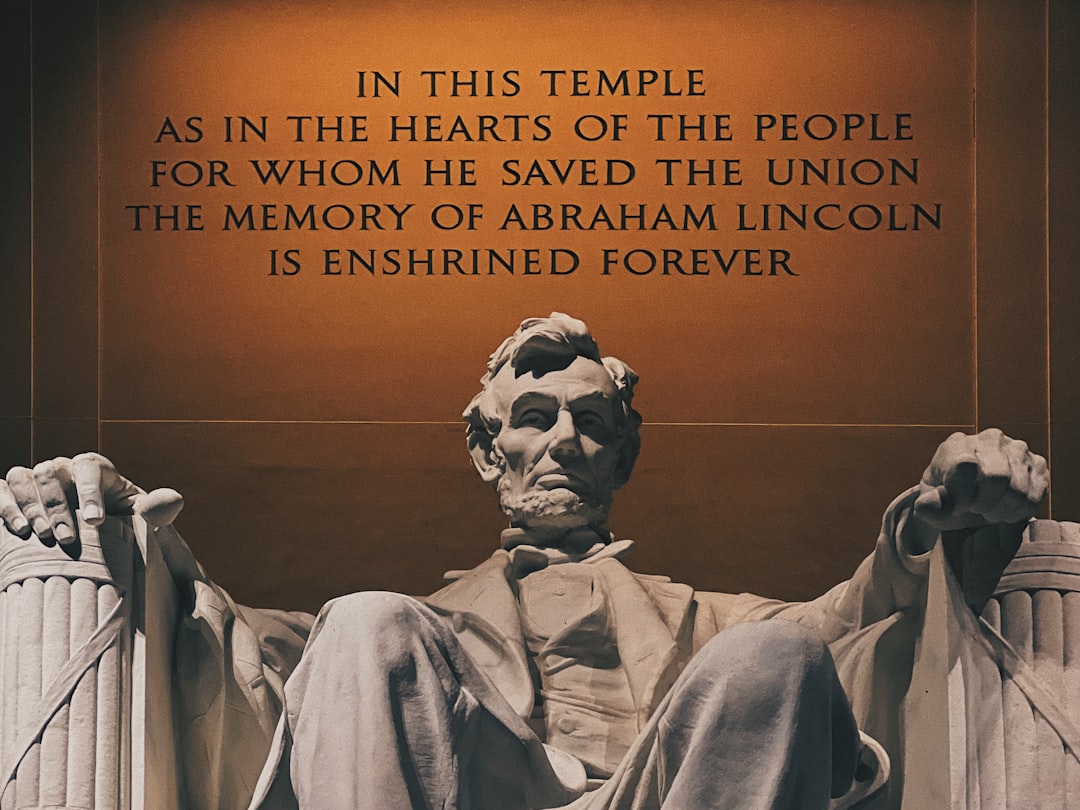
These fifteen lies reveal something disturbing about how we understand the past. Historical myths often serve political purposes, simplify complex realities, or make us feel better about uncomfortable truths. They persist because they’re emotionally satisfying, not because they’re accurate.
The danger isn’t just that we believe false things about the past – it’s that these myths shape how we think about the present. The Columbus myth justifies colonialism, the Napoleon myth reinforces national stereotypes, and the “Dark Ages” myth promotes ideas about progress and civilization.
Understanding these lies helps us become more critical consumers of historical information. Every “fact” we take for granted deserves scrutiny. History isn’t just a collection of dates and names – it’s a ongoing conversation about who we are and how we got here. The question isn’t whether we’ve been lied to, but what other “truths” we’re still believing without question.
What makes you most curious about the stories you learned in school?
CEO-Co-Founder
