
History is often written by the victors, and as a result, many figures who were once seen as “villains” have been unfairly vilified by the narratives passed down through generations. From conquerors and rulers to leaders in times of conflict, there are numerous historical figures who have been labeled as evil, ruthless, or cruel, only for us to later discover that their actions were much more complex, nuanced, or misunderstood. These individuals may have been painted as villains in history, but a closer look at their lives and decisions reveals that they were not as sinister as they’ve been made out to be.
In this article, we’ll explore several notorious historical figures whose stories may need to be rewritten, shedding light on the complexities of their lives and challenging long-held perceptions.
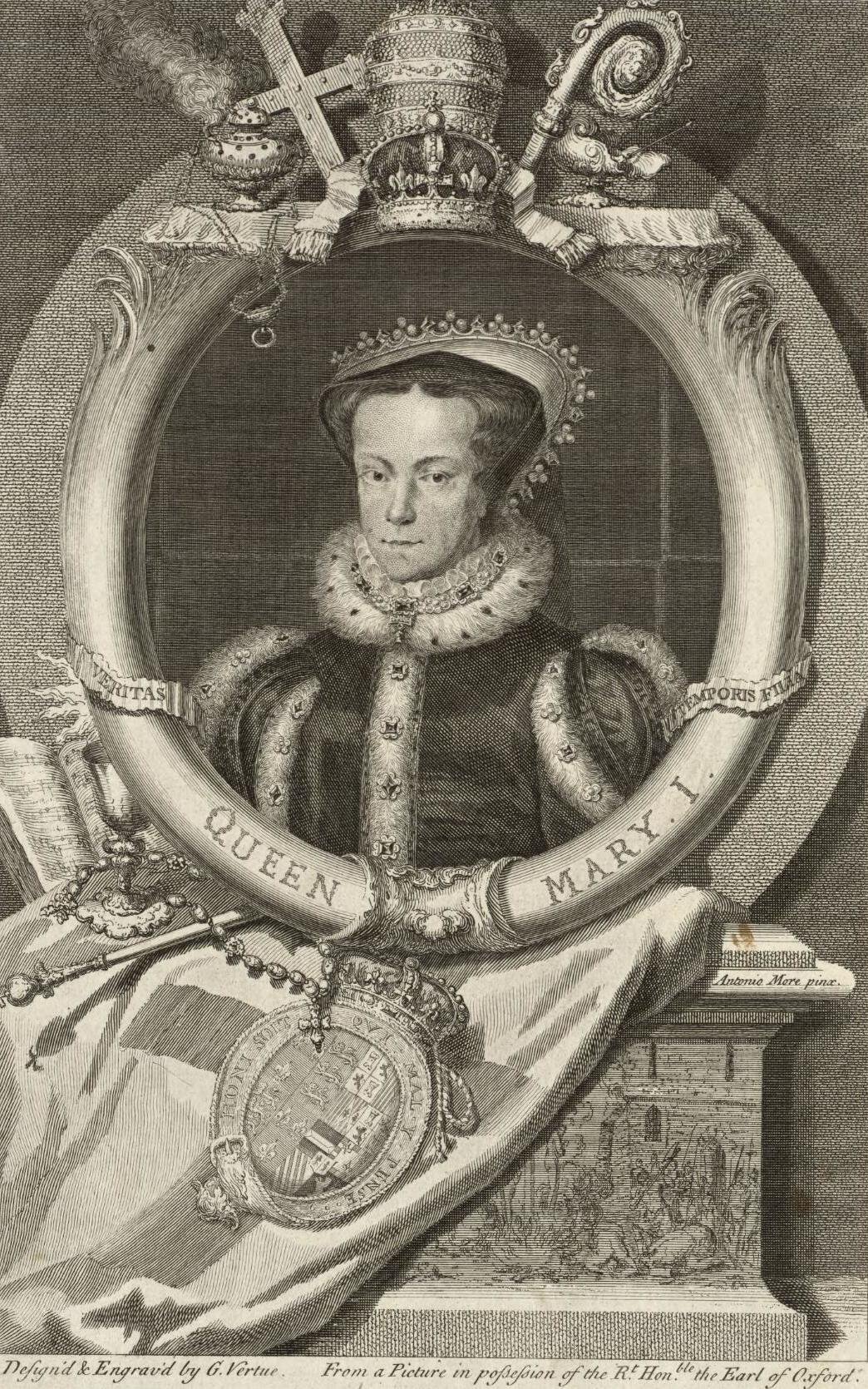
Queen Mary I of England—The “Bloody Mary”

Queen Mary I of England earned the nickname “Bloody Mary” due to her persecution of Protestants during her reign from 1553 to 1558. She executed more than 280 people for heresy, making her one of England’s most infamous monarchs. However, historical accounts often overlook the context of her actions. Mary was a devout Catholic who ascended to the throne at a time when England was deeply divided religiously. After her father, Henry VIII, had established the Church of England, her Catholic faith was at odds with the Protestant majority. Mary’s actions were part of her attempt to restore Catholicism to England, and many of the so-called “martyrs” were executed not for their religious beliefs but for their actions in defying the established order. While her methods were certainly harsh, they must be viewed within the framework of religious conflict and the pressure to maintain control in a volatile period.
Cleopatra VII of Egypt—The “Seductive Queen”

Cleopatra VII is often portrayed in Western culture as a manipulative seductress who used her charm to manipulate powerful men like Julius Caesar and Mark Antony to secure her throne. The famous portrayal of Cleopatra as a temptress in Shakespeare’s plays and in Hollywood films has perpetuated the image of her as a conniving seducer. However, in reality, Cleopatra was an astute and capable ruler who worked tirelessly to preserve Egypt’s independence. As the last active ruler of the Ptolemaic Kingdom of Egypt, she was politically astute and made strategic alliances with Rome to protect her kingdom from outside threats. Cleopatra spoke multiple languages, was well-educated, and was deeply involved in the governance of Egypt. Rather than being driven by lust or manipulation, Cleopatra’s relationships were largely political, aimed at securing her position and protecting Egypt from Roman domination.
Genghis Khan—The Ruthless Mongol Conqueror

Genghis Khan is widely remembered as a brutal conqueror who established the Mongol Empire by relentlessly expanding his territory through violent conquest. His campaigns resulted in the deaths of millions, and he has long been seen as a ruthless figure. However, modern historians are beginning to challenge the simplistic view of Genghis Khan as a heartless conqueror. Genghis Khan was a brilliant strategist, and his empire introduced several revolutionary reforms. He promoted religious tolerance, established trade routes, and created an efficient legal system called the Yassa, which helped unify the vast Mongol Empire. While his military tactics were often brutal, they were also effective in creating stability and prosperity within the empire. Genghis Khan’s ability to integrate diverse peoples, cultures, and religions within his empire makes him a far more complex figure than the stereotypical image of a bloodthirsty conqueror.
Richard III of England—The Villain of Shakespeare

Richard III, the English king made famous by Shakespeare’s play as a treacherous, deformed villain, has long been remembered as one of England’s most maligned monarchs. Shakespeare’s portrayal of Richard as a power-hungry, murderous king who killed his nephews to secure his throne has shaped public perception for centuries. However, recent historical research has painted a different picture of Richard III. Many historians argue that Richard was the victim of Tudor propaganda, which sought to legitimize the rule of Henry VII by discrediting Richard and his reign. In truth, Richard’s rule was relatively short, and while there are accounts of violence, much of it may have been politically motivated during a period of fierce civil conflict, known as the Wars of the Roses. Richard was also known for his legal reforms and his efforts to maintain justice, and there is significant doubt about the extent to which he was responsible for the deaths of his nephews, often attributed to the instability of the time.
Napoleon Bonaparte—The Tyrant of Europe

Napoleon Bonaparte is one of history’s most controversial figures. Often portrayed as a tyrant who sought to dominate Europe, his legacy is tainted by his wars of conquest, which caused untold destruction and loss of life. However, Napoleon’s role in European history is more nuanced than simply that of an imperialist dictator. Napoleon introduced significant reforms in France, including the Napoleonic Code, which laid the foundations for modern legal systems around the world. He also promoted meritocracy in the military and government, providing opportunities to those based on talent rather than social class. While his military campaigns were indeed brutal, Napoleon was not driven solely by the desire for power but also by his vision of creating a unified and strong Europe. His defeat in 1815 and subsequent exile overshadowed his contributions, but many of his reforms continue to influence legal and political systems today.
Attila the Hun—The Barbarian Leader

Attila the Hun is often depicted as the epitome of barbarism, known for his devastating raids across Europe and his reputation for terror. The Huns under Attila’s leadership caused widespread fear across the Roman Empire. However, some modern scholars argue that Attila’s portrayal as a villain is a result of Roman propaganda. In reality, Attila’s empire was not simply built on plundering, but on negotiation, diplomacy, and strategic alliances. Attila played a key role in shaping the power dynamics of Europe during his time, and his raids were often a response to the instability of the Roman Empire. While he was certainly a fierce warrior, Attila’s leadership was more complex than the “barbarian” image often depicted in historical accounts.
Ivan IV of Russia—Ivan the Terrible

Ivan IV, also known as Ivan the Terrible, is one of Russia’s most infamous rulers. His reign is remembered for his cruelty, including the creation of the Oprichnina, a secret police force responsible for widespread terror and executions. However, recent research suggests that Ivan’s cruelty may have been partly a result of the intense pressures he faced as a ruler in a constantly unstable political environment. Ivan was one of Russia’s most capable leaders and made significant strides in centralizing power and modernizing the Russian military. His reign also saw the expansion of Russian territories, yet his increasingly paranoid behavior in his later years led to cruelty and brutality that overshadowed his earlier successes. Ivan’s complex personality—brilliant but prone to fits of rage—makes him a more tragic figure than simply a power-hungry tyrant.
Pocahontas—The “Princess” Who Saved Jamestown

Pocahontas has often been depicted as the Native American princess who saved the life of John Smith and helped maintain peace between the Jamestown settlers and the Powhatan Confederacy. While this narrative has been romanticized, it oversimplifies the complex dynamics of Pocahontas’ life and her relationship with the English colonists. Pocahontas was not a princess, and her interactions with the settlers were far more politically motivated than the fairytale-like narrative suggests. Her life story—especially her eventual relocation to England—has been distorted, often to portray her as a symbol of peaceful reconciliation. In truth, Pocahontas was caught between two cultures, and her story is far more tragic than the one we have been told.
Empress Theodora—The “Scheming” Empress

Empress Theodora, wife of the Byzantine Emperor Justinian I, is often remembered as a ruthless, scheming woman who rose from humble beginnings. However, recent historical analyses suggest that Theodora’s actions were motivated by political strategy rather than personal ambition. She was a skilled and powerful ruler who played a crucial role in the governance of the Byzantine Empire, stabilizing its political and economic systems. Theodora was instrumental in defending the empire during the Nika riots, a revolt that threatened Justinian’s reign. Her leadership, intelligence, and vision helped shape Byzantine law and politics. Rather than being a villain or power-hungry schemer, Theodora was a trailblazing empress who defied traditional gender roles and helped build one of the most powerful empires in history.
Hernán Cortés—The Conqueror of the Aztecs

Hernán Cortés is often depicted as a brutal conqueror who wiped out the Aztec Empire and brought destruction to indigenous cultures in the Americas. However, some historians suggest that his actions were not entirely driven by malice or greed but were instead shaped by the violent political climate of 16th-century Spain and its imperial ambitions. Cortés’ invasion of Mexico, while devastating, also led to the eventual blending of European and indigenous cultures. Cortés himself was influenced by the pressures of conquest, religious zeal, and a desire to bring glory to Spain. His treatment of the Aztecs is undoubtedly harsh, but it was also part of a broader cultural collision that was happening across the Americas at the time.