

- 10 Fascinating Facts About Beethoven - March 23, 2026
- Great Literature Offers Windows into Worlds We Might Never Otherwise See - March 23, 2026
- Uncovering a Lost Book Is Like Discovering a Treasure From the Past - March 23, 2026
There is something almost magical about the way a book can dissolve the walls around you. One moment you’re sitting in your living room, coffee going cold on the table beside you, and the next you’re walking through the fog-soaked streets of Victorian London, or listening to the silence of a Nigerian village on the eve of colonial disruption. Literature does that. It has always done that.
In essence, literature transforms unfamiliar experiences into shared emotional knowledge, allowing us to travel without moving, to live multiple lives without leaving our own. Honestly, I think that’s one of the most quietly radical things a human being can do. Pick up a book and, just like that, become someone else for a while. Let’s dive in and explore how some of the greatest works across time and genre have flung open those windows.
Ancient Epics: When Stories Were the Only Maps We Had
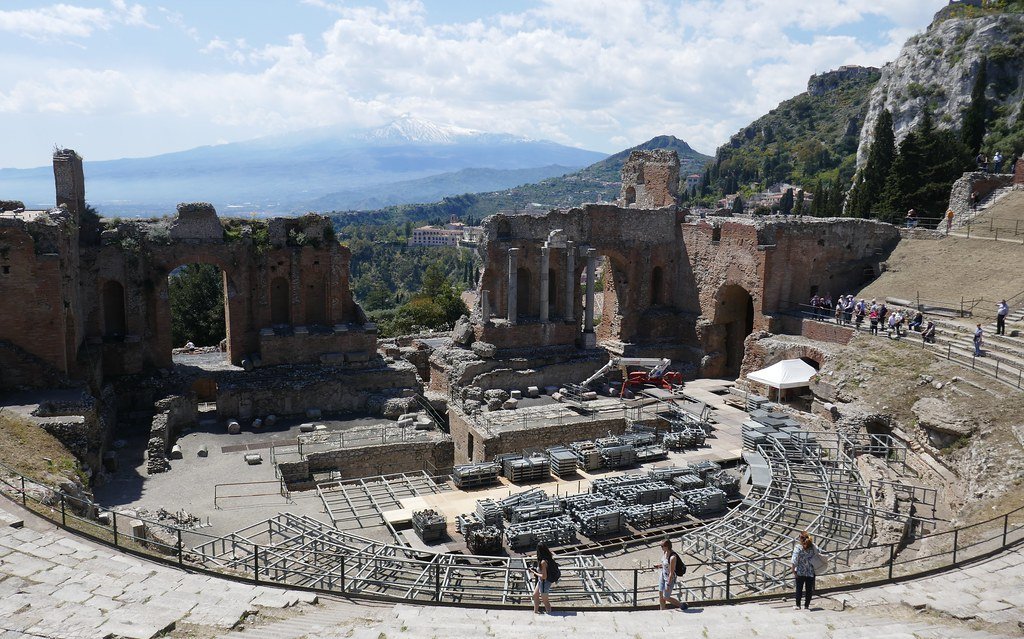
Long before television, the internet, or even the printing press, stories were how people understood the world beyond their own horizon. Think about that for a second. If you lived in ancient Greece and had never traveled more than twenty miles from your village, Homer’s epics were your entire vision of the wider world. The Iliad and The Odyssey are not only the preeminent works in ancient Greek literature, they are also incredibly influential texts for all forms of art, thought, and music in Western civilization.
These poems carried readers through storms and wars, through the underworld and the halls of gods. They mapped places and emotions that no geography lesson ever could. For a story written in the 8th century BC, the themes and gripping sense of adventure still captivate modern readers, which tells you something profound about how deep literature can reach. It touches something that doesn’t expire with the centuries.
The Novel as Social Mirror: Dickens, Stowe, and the Literature of Outrage
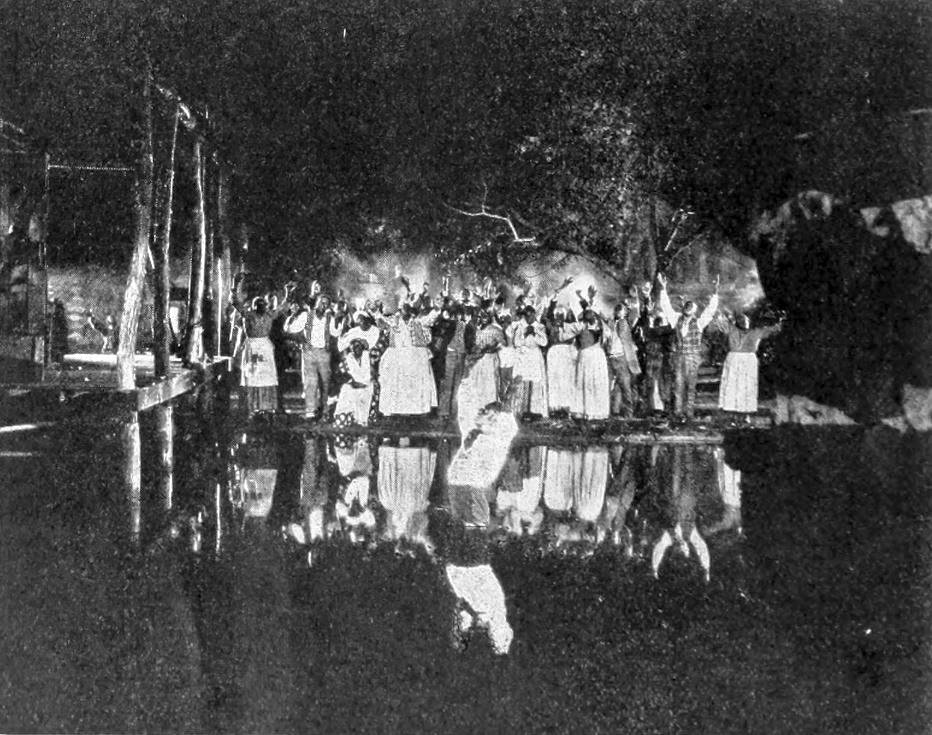
Some books don’t just describe the world. They change it. Let’s be real about that. There’s a reason certain novels have been banned, burned, and feared throughout history: they made people see things they would have preferred to keep invisible. Throughout history, books have shaped cultural understanding, challenged prejudice, and inspired social change.
The story of Uncle Tom, an African-American slave, brought the horrors of slavery to the attention of the public on a personal level for the first time, causing an uproar. The novel greatly furthered the abolitionist cause in the north, ratcheted up tensions with southern slaveholders and possibly even helped tip the country into civil war. A novel doing that. A story. The sheer reach of it is staggering when you stop and think about it. Literature didn’t just reflect injustice; it weaponized empathy against it.
To Kill a Mockingbird: Seeing Through Someone Else’s Eyes
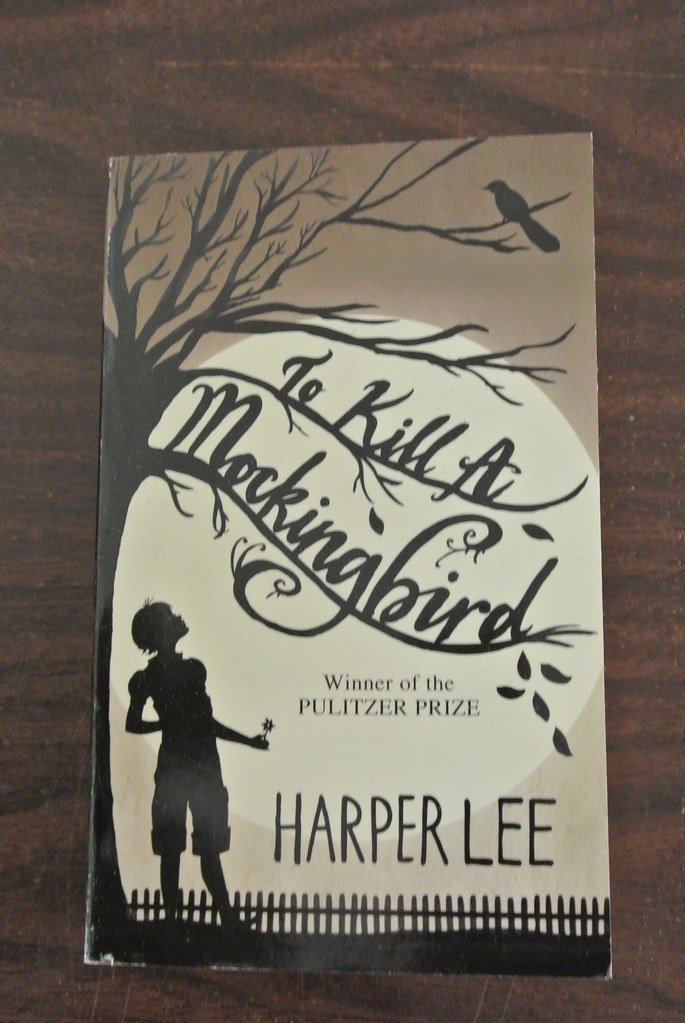
Harper Lee’s To Kill a Mockingbird is perhaps one of the clearest examples of literature expanding empathy. Through the innocent eyes of Scout Finch, readers witness the racial injustices of the American South. What makes the novel so disarming is precisely that childlike perspective. Scout doesn’t understand why the world is so cruel, and in that confusion, neither do we. It’s an invitation rather than a lecture.
The words of Atticus Finch in Harper Lee’s 1960 tale of racial inequality in 1930s Alabama still resonate with readers around the world today. The book has left an indelible mark on generations and is a valuable lesson in looking at the world through another person’s eyes. Decades later, that lesson still hasn’t lost its sting. If anything, it feels more urgent. Lee’s first and most successful novel told a story about race and injustice in a small Alabama town in the 1930s, and the book helped inspire the civil rights movement.
Chinua Achebe and the View from the Other Side
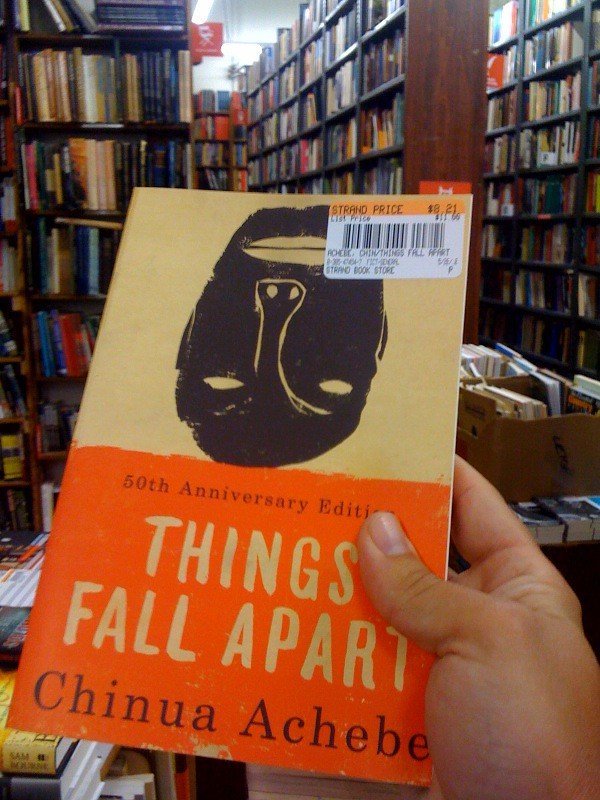
Here’s the thing: for most of literary history, the stories being told about Africa, Asia, and Latin America were told by outsiders. Colonizers, travelers, people who arrived with preconceived notions and left with their biases intact. Chinua Achebe’s Things Fall Apart changed that in a way that was genuinely seismic. The theme of preserving cultural history in the face of Western domination in this novel gave voice to the oppressed people in Africa and caught the attention of the world. This novel, written in 1958, is still widely read and studied as an example of the damage of colonialism.
The novel explores the life of Okonkwo, a respected warrior in the Umuofia clan of the Igbo tribe in Nigeria during the late 1800s. Okonkwo’s world is disrupted by the arrival of European missionaries and the subsequent clash of cultures. The story examines the effects of colonialism on African societies, the clash between tradition and change, and the struggle between individual and society. Reading Achebe is like being handed a corrective lens. Suddenly you see an entire history from a completely different angle, and you realize how one-dimensional all those other accounts truly were.
Dystopian Fiction: Imagination as a Warning System
Some of the most important windows literature opens don’t look out onto a world that already exists. They look onto worlds that could exist, if we’re not careful. Dystopian fiction occupies a fascinating space. It’s speculative, yes. Fantastical, sometimes. Still, it carries a deeply real warning wrapped inside its imaginary architecture. George Orwell’s 1984 describes life in a totalitarian regime that has stripped the people of their rights. The themes in this novel have become a major part of modern culture, creating terms and concepts that have been incorporated into our own society. Surveillance, truth, and censorship take center stage in this novel; no other book has contributed to our understanding of these themes like 1984.
Reading 1984 in the context of modern surveillance or The Handmaid’s Tale amid debates about gender rights adds layers of empathy through relevance. That’s the beauty of this genre. It ages in reverse, in a way. The further we move into a technologically complex world, the more prophetic these works feel. They don’t just show us fictional worlds. They show us the bones of our own.
Toni Morrison and the Literature of Memory

There are books that make you feel seen. Then there are books that make you feel haunted. Toni Morrison’s work is both, and I think that’s precisely why it endures with such ferocity. Written to honor the memory of African American slaves brought over during the slave trade, Toni Morrison’s Beloved is one of the most recognizable and influential texts in modern literature. It doesn’t let you observe trauma from a safe distance. It pulls you inside it.
Nobel laureate Toni Morrison reportedly spent three years thinking about her Pulitzer-winning novel before writing a word. Beloved, which deals with the legacy of slavery, was voted the best work of American fiction in the past 25 years by the New York Times. That kind of deliberation shows in every sentence. Morrison didn’t rush to tell this story. She waited until she knew how to carry it without breaking it, and the result is a novel that carries readers somewhere most of them never expected to go.
Latin American Magical Realism: When Culture Becomes the Story Itself
Not all windows are transparent. Some are stained glass, bending the light into something stranger and more beautiful than plain reality could ever be. Latin American magical realism is exactly that. Reading works from different cultures, including Latin American magical realism, helps dismantle stereotypes and nurtures cultural sensitivity. Writers like Gabriel García Márquez didn’t just write stories set in Colombia. They wrote the entire cultural soul of a region onto the page.
Fictionalizing characters’ reactions to real historical events, certain novels in this tradition defined the Latin American identity. Present-day readers can identify with the characters and better understand the history of violence we all live with. There’s something about the way magical realism blurs the line between myth and history that mirrors how trauma actually works in the human memory. It’s not a trick. It’s a form of emotional truth-telling that straight realism sometimes simply cannot achieve.
Postcolonial Voices: Chimamanda Ngozi Adichie and the Danger of One Story
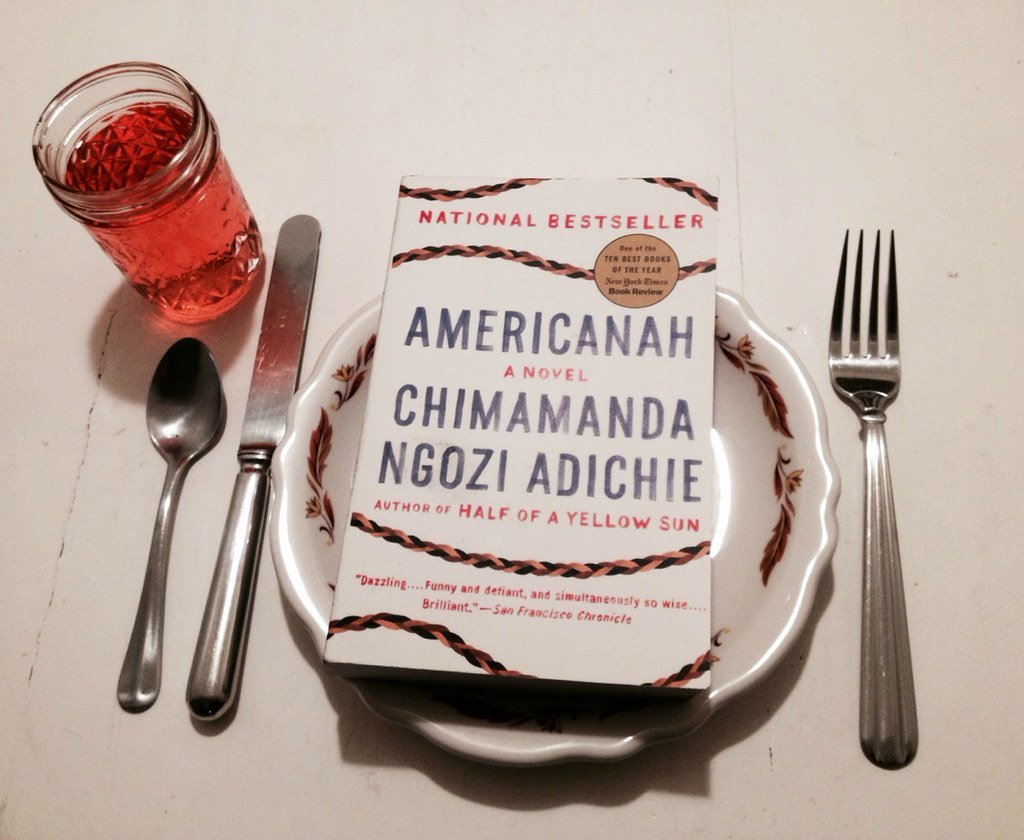
When only one kind of story gets told about a place or a people, something deeply dangerous happens. Stereotypes calcify. Empathy shrinks. The novel Americanah by Chimamanda Ngozi Adichie offers a nuanced portrayal of Nigerian culture and challenges stereotypes by presenting complex characters who defy traditional expectations. Through the protagonist’s experiences as an immigrant in the United States, readers gain a deeper understanding of the challenges faced by individuals from different cultures.
Literature has the power to challenge stereotypes, prejudices, and misconceptions about different cultures. By delving into stories that present nuanced and complex portrayals of diverse characters, literature breaks down barriers and helps dispel misconceptions, fostering a more accurate understanding of cultural diversity. Adichie gives us characters who are ambitious, flawed, funny, and heartbroken. Not symbols of an entire continent. Just people. That, honestly, is one of the most radical things fiction can do.
The Science of Being Moved: What Research Tells Us About Reading and Empathy

It’s worth pausing to ask: is this just a nice idea, or does literature actually rewire us? The research is genuinely fascinating. When people read fiction and they are emotionally transported into the story, they become more empathic. Two experiments showed that empathy was influenced over a period of one week for people who read a fictional story, but only when they were emotionally transported into the story. It’s a bit like the difference between watching a documentary about mountain climbing and actually feeling the cold through someone else’s words. The transport has to be real.
Narrative fiction has been widely studied for its capacity to elicit empathy by enabling readers to imaginatively simulate the experiences of others. This process often involves emotional investment, whereby readers form affective bonds with characters, even those from markedly different cultural backgrounds. Such emotional engagement has been linked to increased prosocial behavior and reduced prejudice, suggesting that literature can serve as a genuine catalyst for social transformation. That’s not a small claim. It means reading, deeply and with full attention, might actually make us better at being human.
Fantasy and World-Building: Tolkien and the Imagination’s Outer Edge
Some people raise an eyebrow when fantasy literature is included in conversations about expanding understanding. I think that’s a mistake. World-building at its finest is one of the most sophisticated acts of cultural construction a writer can attempt. The Lord of the Rings is not only one of the best-selling novels in the world, it also helped form and shape the high fantasy genre. While many of the themes from the story were adapted from earlier mythologies, The Lord of the Rings itself became the foundational text for all fantasy readers and authors.
Tolkien spent twelve years writing this epic high-fantasy trilogy about brutal armies in a mythical medieval land known as Middle-Earth. His iconic creation went on to become one of the best-selling novels of all time and the model for a huge genre of world-building fantasy books. More importantly, Tolkien drew deeply on Norse mythology, Old English poetry, and the language patterns of Welsh and Finnish. Reading his work is, without readers even realizing it, an immersion in ancient cultural architectures. Fantasy often sneaks real worlds in through the back door.
When Drama Takes the Stage: Ibsen and the Power of a Play
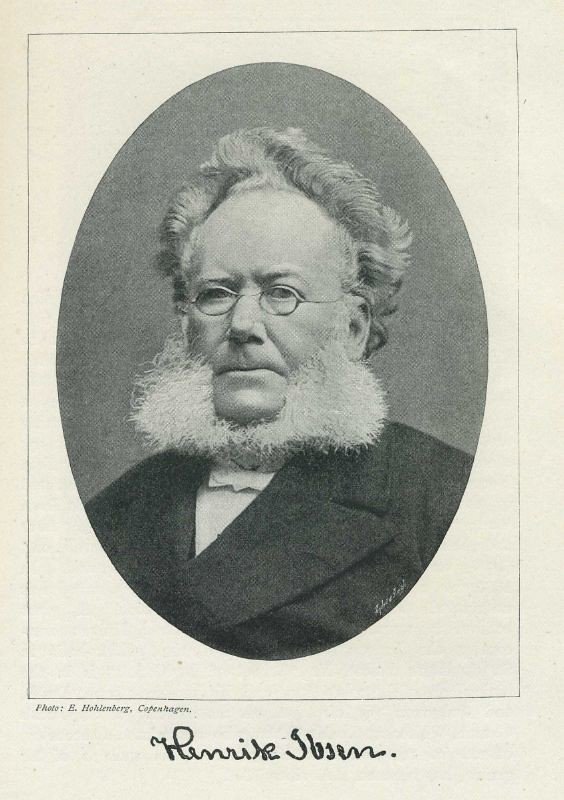
Let’s not forget that literature breathes on stage too. Drama, at its most potent, places a world directly in front of an audience and dares them to look away. Henrik Ibsen proved that a play could do something a political pamphlet never could: make ordinary people feel the injustice in their bones. Ibsen’s A Doll’s House changed Norwegian thinking about a woman’s place in society. It was a catalyst for gender equality in 19th-century Scandinavia. Opening in Denmark in 1879, it caused an instant sensation and sold out every show.
It was translated and performed around the world. Finally, the average person was talking about the limited rights of women. The sympathetic characters reminded audiences of themselves and the other women in their lives. That last point is the key. Recognition. The moment an audience member sees their own sister, their own mother, their own quiet desperation reflected on stage is the moment theatre stops being entertainment and becomes something far more irreversible.
The Role of Diverse and Multicultural Literature Today
In 2026, the conversation around diverse literature feels more urgent than ever. The world is more connected than it has ever been, and yet cultural misunderstanding and prejudice persist with stubborn tenacity. By engaging with stories from various cultural backgrounds, children gain insights into the lives of individuals from different ethnic, racial, and socioeconomic groups, promoting empathy and reducing prejudice. That process doesn’t stop at childhood, of course.
While all literature has the potential to enhance empathy and understanding, diverse literature plays a particularly important role in expanding our perspectives and challenging our assumptions. Diverse literature is representative of a broad spectrum of cultures, identities, and experiences. By reading diverse literature, we are exposed to historically marginalized or underrepresented voices, enabling us to develop a more nuanced and inclusive worldview. Think of it like this: every book from an unfamiliar culture is a passport that costs nothing but your attention.
The Conclusion: Literature as a Lifelong Act of Becoming
Here is what I keep coming back to, after all of it. Literature is not a passive activity, no matter how quietly you sit while reading. Literature presents a multitude of voices and perspectives from different cultures and backgrounds. It allows readers to experience life through the eyes of characters who may have different beliefs, experiences, and cultural contexts. By immersing ourselves in diverse narratives, we gain a deeper understanding and empathy for cultures different from our own. Every book you finish leaves a small deposit in you. A residue of someone else’s reality.
In an age dominated by screens, algorithms, and fragmented attention, the act of reading remains one of the most powerful ways to connect with human experience. Books are more than sources of entertainment or knowledge; they are windows into other lives, emotions, and realities. That window doesn’t close when you put the book down. It stays open, just a little, reshaping how you see the person standing next to you on the subway, the colleague whose background you don’t fully understand, the stranger whose life runs parallel to yours but never quite intersects.
Long before the emergence of experimental psychology, philosophers and other armchair theorists attested to the transformative powers of literature. And here we are, centuries of proof later, still reading. Still being changed. Perhaps the most honest measure of a great book is not whether you remember the plot, but whether you still, years later, see the world a little differently because of it. What world has a book opened for you that you never expected to find?

Besides founding Festivaltopia, Luca is the co founder of trib, an art and fashion collectiv you find on several regional events and online. Also he is part of the management board at HORiZONTE, a group travel provider in Germany.
