
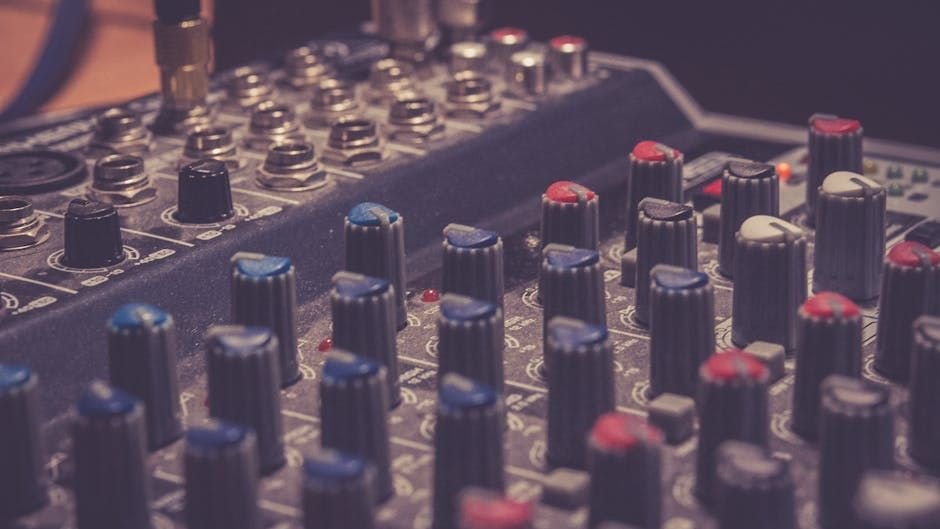

Most people think of stardom as something that happens front and center. Mic in hand, crowd going wild, name in lights. But here’s the thing – some of the biggest names in music history built their entire reputation quietly, hidden behind mixing boards and studio monitors, shaping other people’s sounds before the world ever learned their own name. It’s a story that plays out again and again, and honestly, it never gets old.
These are the people who made hits for others before they became the hit themselves. Producers turned superstars, beat-makers turned icons. Let’s dive in.
1. Pharrell Williams: The Man Who Was Everywhere Before You Knew His Name
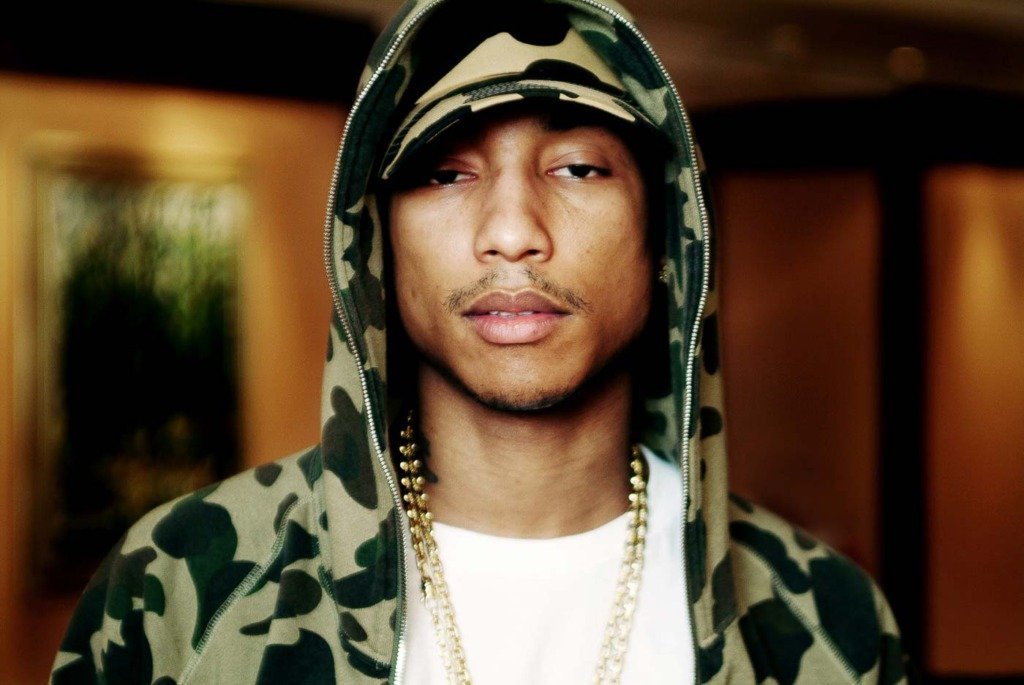
Imagine turning on the radio and realizing that nearly half of everything you hear was made by the same two people. That’s not an exaggeration. In 2003, The Neptunes produced roughly 43% of the songs heard on American radio. That’s a staggering, almost surreal level of dominance for a production duo most casual listeners couldn’t even name yet.
Pharrell initially became known as one half of the music production duo The Neptunes, which he established alongside Chad Hugo in 1992. Together, they crafted the sonic backbone of an entire era. In 2001, the Neptunes gained their first worldwide hit with Britney Spears’ single ‘I’m a Slave 4 U,’ and they went on to write and produce most of Justin Timberlake’s debut solo album, Justified, including singles like “Like I Love You,” “Rock Your Body,” and “Señorita.”
The Neptunes also produced Jay-Z’s single ‘I Just Wanna Love U (Give It 2 Me)’ and Nelly’s massive hit ‘Hot in Herre.’ Think about that catalog for a second. Pop, hip-hop, R&B – they crossed every lane without breaking a sweat.
Pharrell has won 13 Grammy Awards, including three for Producer of the Year. Eventually, of course, the world caught up with Pharrell the artist. His track “Happy” became a global phenomenon, and he received an Academy Award nomination in 2014 for Best Original Song for “Happy.” Not bad for a kid who started making beats in Virginia Beach.
2. Dr. Dre: The Architect of West Coast Sound
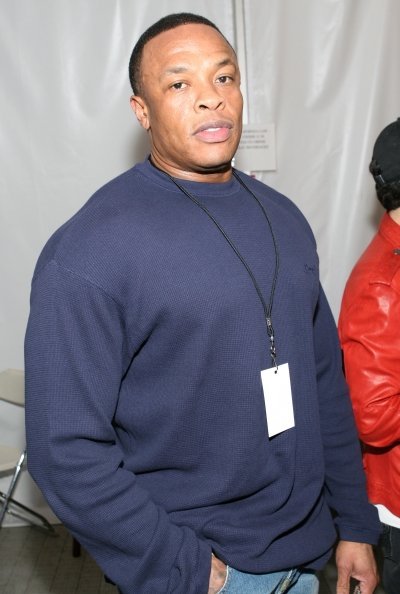
If Pharrell owned the early 2000s airwaves, Dr. Dre owned hip-hop’s very soul. Dr. Dre’s solo debut album, The Chronic, introduced the “G-Funk” production style in 1992, characterized by plodding tempos, synthesizer washes, and copious musical sampling of 1970s funk records. It was a whole new world, and rap music has never sounded the same since.
Dre introduced the world to Calvin Broadus, aka Snoop Doggy Dogg, in 1992 and a year later helped solidify the smooth lyricist in popular culture when the two released Snoop’s debut solo LP Doggystyle in 1993. That album alone would have cemented his legacy. Then he did it all over again.
Eminem was struggling to break out of the Motor City, and if it hadn’t been for Dre, who co-produced his debut record The Slim Shady LP, he likely never would have. Dr. Dre has produced music for artists such as Eminem, 2Pac, Snoop Dogg, T.I., 50 Cent, and Mary J. Blige. That is a lineup that reads like a Mount Rushmore of hip-hop.
He is the founder and CEO of Aftermath Entertainment and Beats Electronics. Both companies were purchased by Apple for $3 billion in 2014. Not just a producer. Not just an artist. An empire builder.
3. Calvin Harris: From a Fish Factory to Forbes’ Highest-Paid DJ
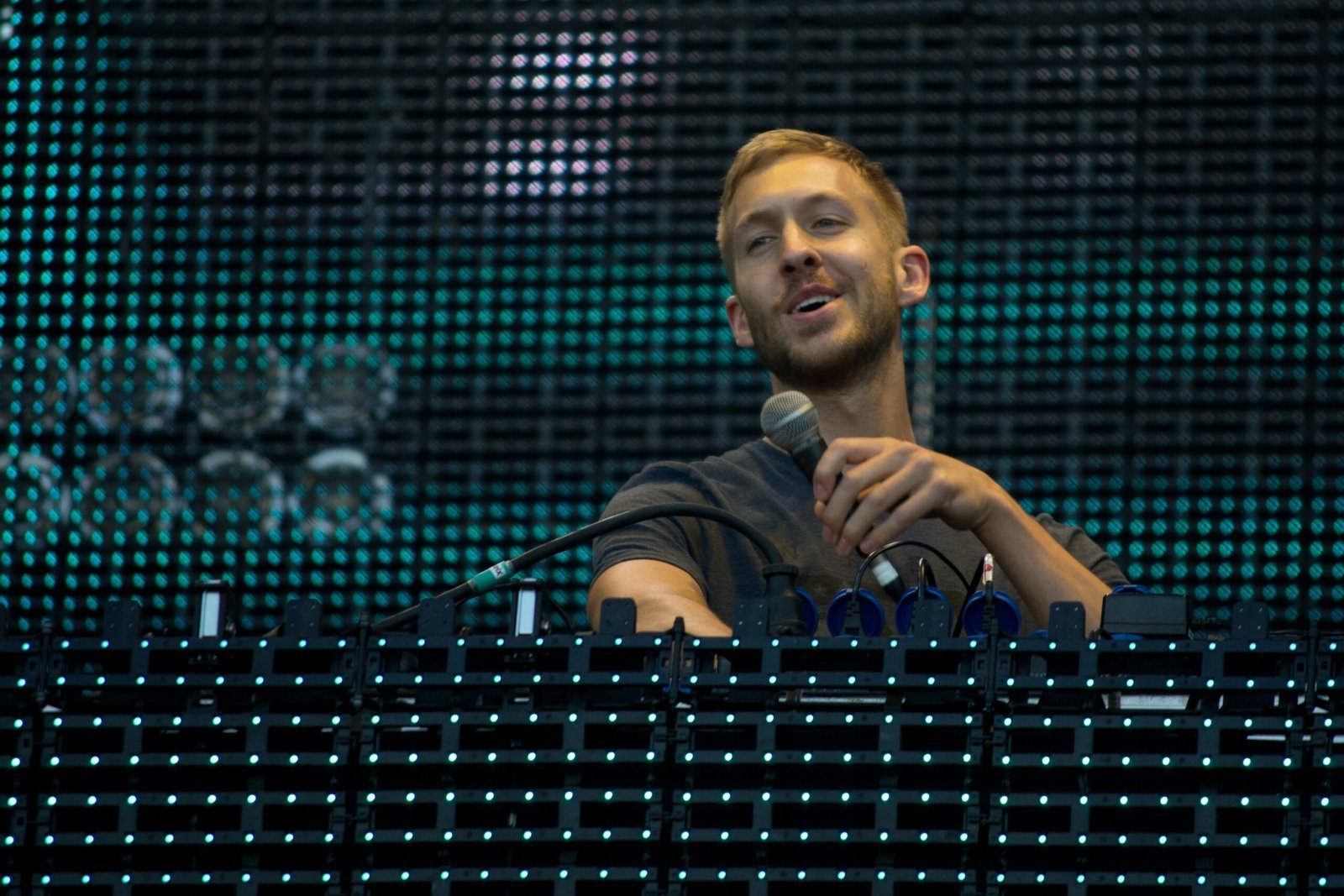
Here is a detail I find genuinely inspiring, maybe even a little humbling: Calvin Harris initially worked in a fish factory and stocked shelves in supermarkets to fund his music career. From there, somehow, he became one of the most commercially powerful figures in modern music. That’s not a rags-to-riches cliché – that’s just remarkable.
Harris began making music in his bedroom as a teenager, eventually uploading tracks to Myspace, where he was discovered and signed to EMI and Sony BMG. His early sound was scrappy, homemade electro-pop. Good, but not yet world-conquering. That changed when he started producing for others.
Harris broke into the global mainstream in 2011 when he collaborated with Rihanna on ‘We Found Love,’ which became a worldwide smash and topped the Billboard Hot 100 for ten consecutive weeks. The album’s lead single “We Found Love,” featuring Rihanna, became a global phenomenon, topping charts in over 25 countries and becoming one of the best-selling singles of all time.
In 2013, he set a record by having eight top-10 singles from one album on the UK Singles Chart, a feat previously only achieved by Michael Jackson. He held the crown as the world’s highest-paid DJ for five consecutive years, earning a record-breaking $63 million in 2016 alone. A bedroom producer. A fish factory worker. The world’s highest-paid DJ. Honestly, what a story.
4. Mark Ronson: The Retro Alchemist Who Struck Gold
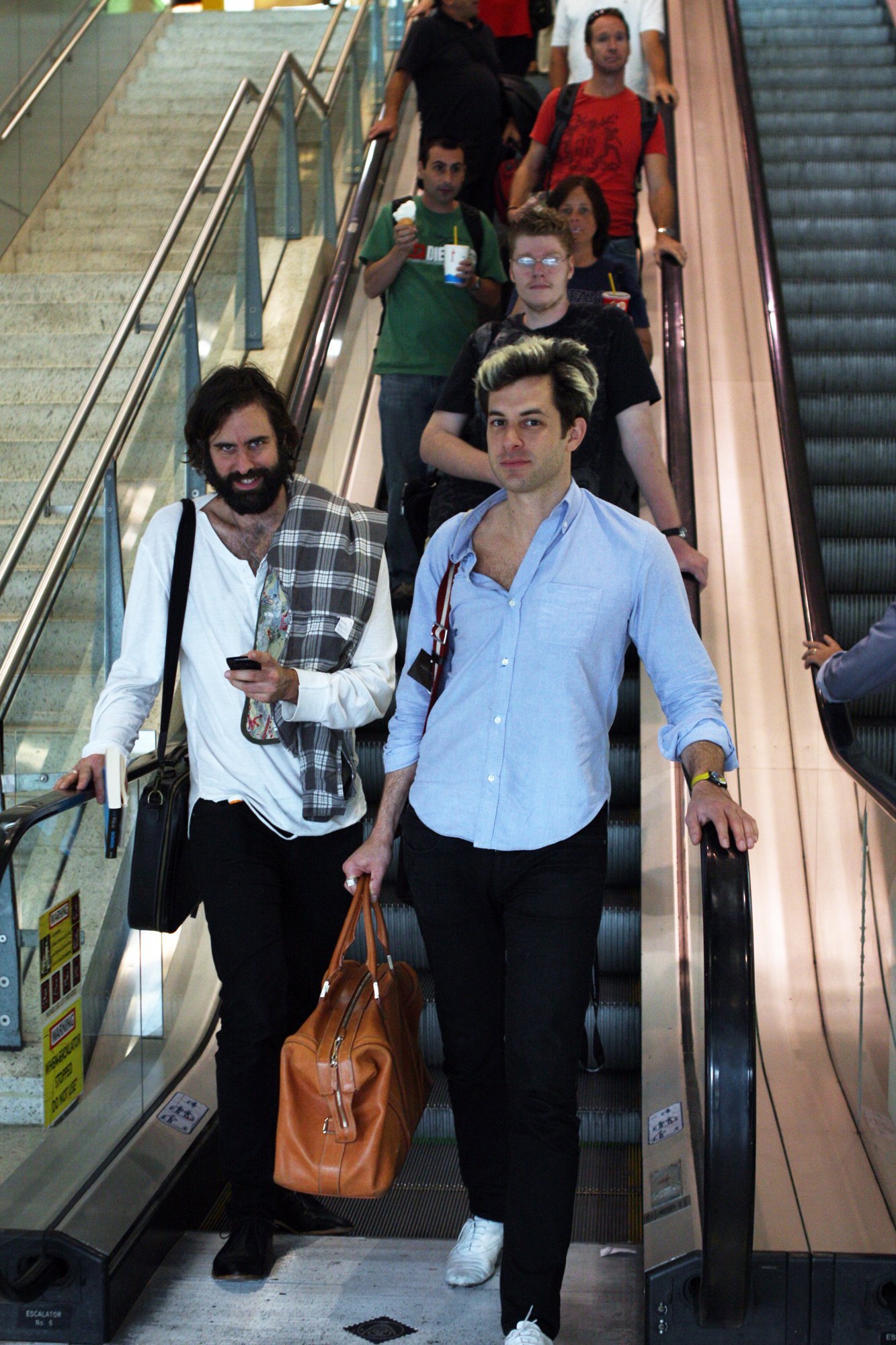
Mark Ronson began his career as a New York club DJ, spinning hip-hop for downtown trendsetters. He was good at it, too – the kind of DJ who could read a room like a novel. But his real gift, it turned out, was sitting on the other side of the glass.
By 2006, Ronson gained wider recognition for his production work on albums and singles for Lily Allen, Christina Aguilera, and Amy Winehouse. His work on Winehouse’s album was something different entirely – a record that sounded like it had been dragged up from the 1960s soul vaults. He won Producer of the Year for Amy Winehouse’s album Back to Black in 2006, as well as a Grammy for Record of the Year with her 2006 single ‘Rehab.’
Then came ‘Uptown Funk.’ The song spent fifteen weeks at number one on the Canadian Hot 100, fourteen weeks at number one on the Billboard Hot 100, and seven weeks at number one on the UK Singles Chart. It’s the kind of cultural moment that doesn’t come around often.
Ronson also won an Academy Award for Best Original Song, a Golden Globe, and a Grammy Award for co-writing ‘Shallow,’ performed by Lady Gaga and Bradley Cooper, for the film A Star Is Born. He was also lead and executive producer for the soundtrack to the 2023 Greta Gerwig film Barbie. The man is practically incapable of making something ordinary.
5. Finneas O’Connell: The Bedroom Genius Behind a Grammy Legend
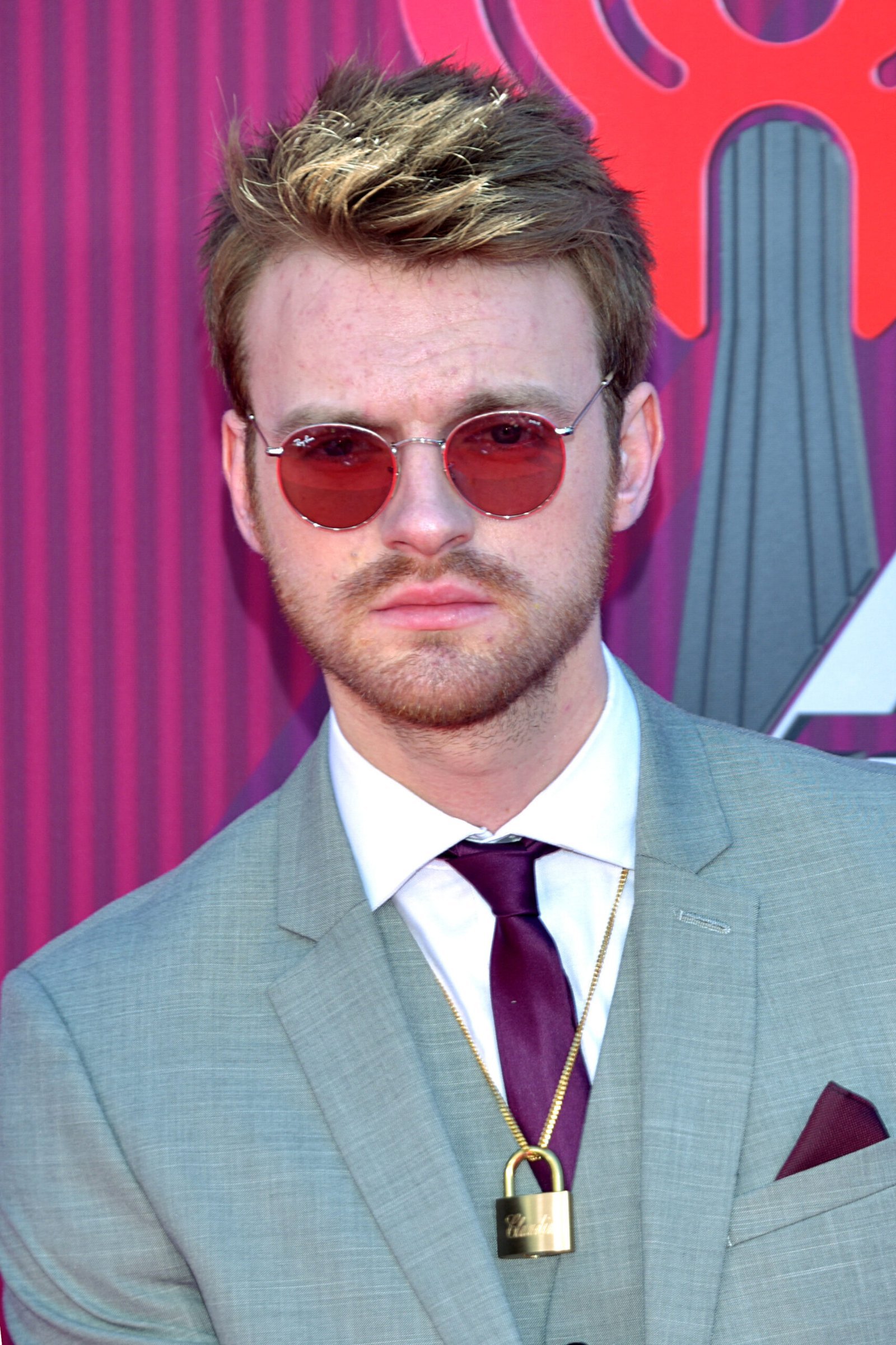
Most siblings argue about whose turn it is to use the car. Finneas O’Connell made his sister Billie Eilish a global superstar instead. He famously produced much of Billie Eilish’s discography from his bedroom in their family home. That’s not a metaphor – that’s literally where records that swept the Grammys were born.
Billie Eilish won Record of the Year with ‘Everything I Wanted,’ produced, as always, by her brother Finneas. The sound they created together was unlike anything mainstream pop had heard: claustrophobically intimate, whispery, and strange in the best possible way. Think of it like producing music inside a shoebox – and somehow making that shoebox sound like the largest concert hall in the world.
Finneas O’Connell won the Grammy for Producer of the Year in 2020. Still a young man with a career very much in progress, he has already reshaped what people think “bedroom production” can actually achieve. The ceiling, it seems, doesn’t exist for him.
6. Timbaland: The Beat Scientist Who Changed the Game
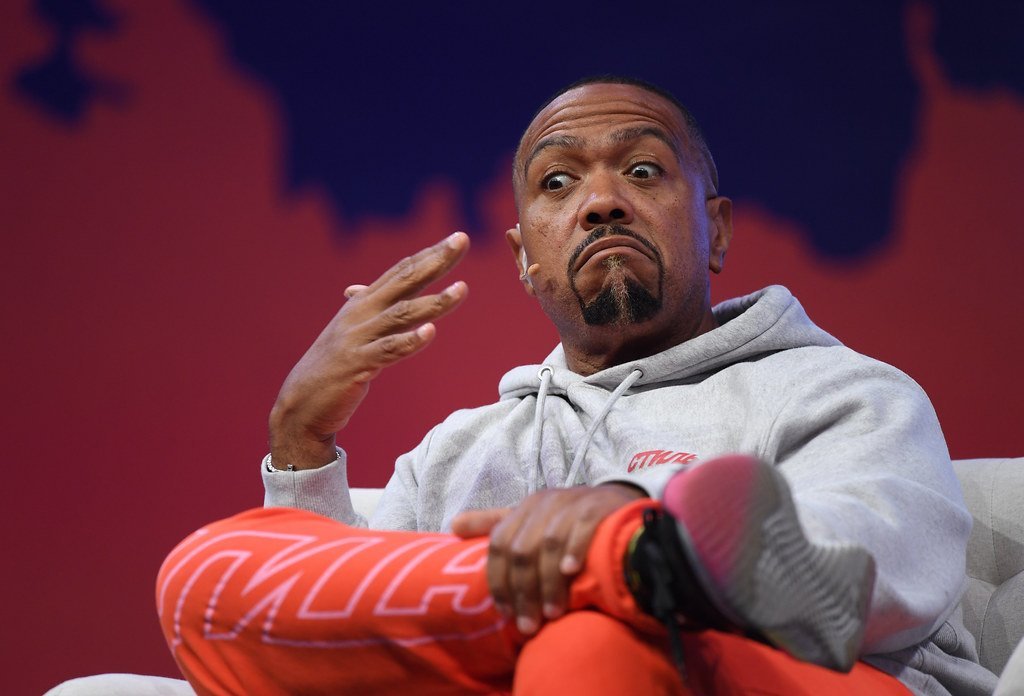
Timbaland’s futuristic production style revolutionized the sound of hip-hop and R&B in the late 1990s and early 2000s. He wasn’t just making beats. He was building alternate sonic universes – stuttering drums, alien samples, rhythms that felt like they came from a different planet entirely.
Known for his work with Missy Elliott, Aaliyah, and Justin Timberlake, he brought a unique mix of beatboxing, off-kilter rhythms, and heavy bass that pushed the envelope of what was possible in music production. His collaborations with Missy Elliott resulted in groundbreaking hits like ‘Get Ur Freak On’ and ‘Work It,’ well-loved for their experimental beats, futuristic sounds, and creative flair.
Timbaland is famous for using unconventional rhythms, unique samples, futuristic soundscapes, beatboxing, and vocal percussion. His career took off in 1996 when he produced Aaliyah’s second album, ‘One in a Million,’ after which he collaborated with Missy Elliott, producing several of her albums. From behind the board, he shaped the careers of some of the biggest names in modern music.
7. David Guetta: The Parisian Who Brought Dance Music to the Masses

David Guetta didn’t invent electronic dance music. He did something perhaps more impressive – he made it impossible to ignore. Starting out in Paris club culture, he spent years perfecting his craft in rooms where nobody outside France was really paying attention. Then the world caught on.
His crossover collaborations – particularly with powerhouse vocalists like Sia, Rihanna, and Nicki Minaj – turned EDM from a niche genre into something you couldn’t escape on mainstream radio. It’s the musical equivalent of taking an underground restaurant and somehow getting it a Michelin star overnight. Guetta understood that the bridge between dance floors and pop charts wasn’t as long as everyone assumed.
What makes Guetta’s journey fascinating is how long it took. He spent the better part of two decades building credibility in the club scene before crossing over. That kind of patience is rare in an industry that often rewards overnight sensations. His persistence paid off in a way that very few producers ever get to experience.
8. Grimes: The Singular Artist Who Does It All Herself
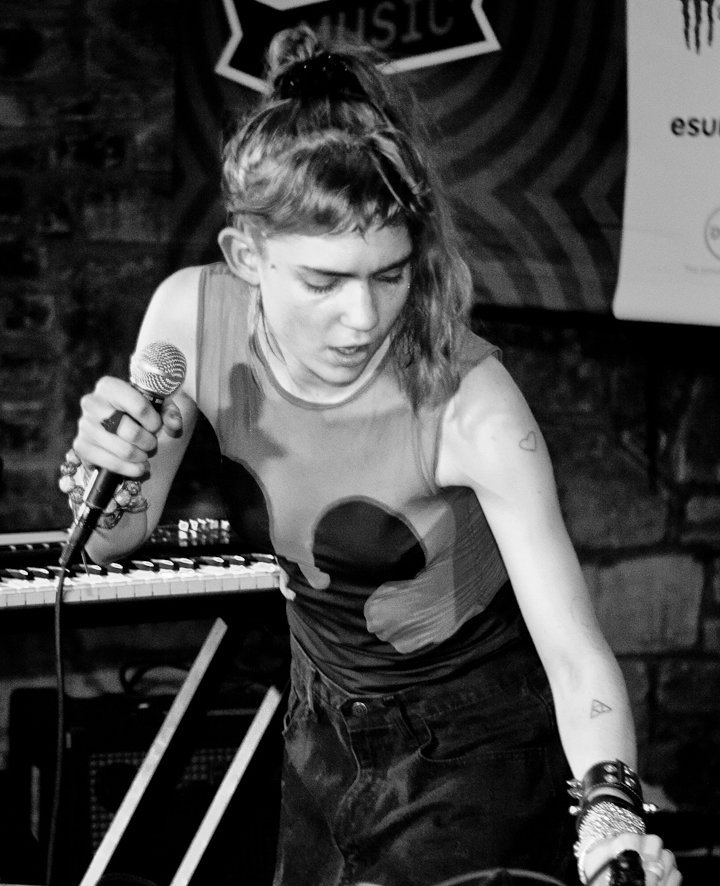
Grimes occupies a category essentially of her own creation. She doesn’t just sing – she produces, engineers, writes, and frequently designs her own album artwork. Think of her as a one-woman music factory, operating entirely outside the traditional industry blueprint. It’s a bit like building a spaceship in your garage and then actually launching it.
Her experimental approach to electronic and indie music has made her one of the most genuinely distinctive voices in contemporary music. Albums like Visions and Art Angels showed the world what happens when an artist refuses to compartmentalize their creative role. She doesn’t hire a producer; she is the producer, the artist, and the engineer all at once.
Grimes has consistently been cited as a key figure in the world of experimental electronic music, influencing a generation of artists who want full creative control. It’s hard to say for sure where she’ll push things next, but with Grimes, that unpredictability is precisely the point. She isn’t following any map – she’s drawing one as she goes.
9. Diplo: The Globe-Trotting Producer Who Blew Up Borders
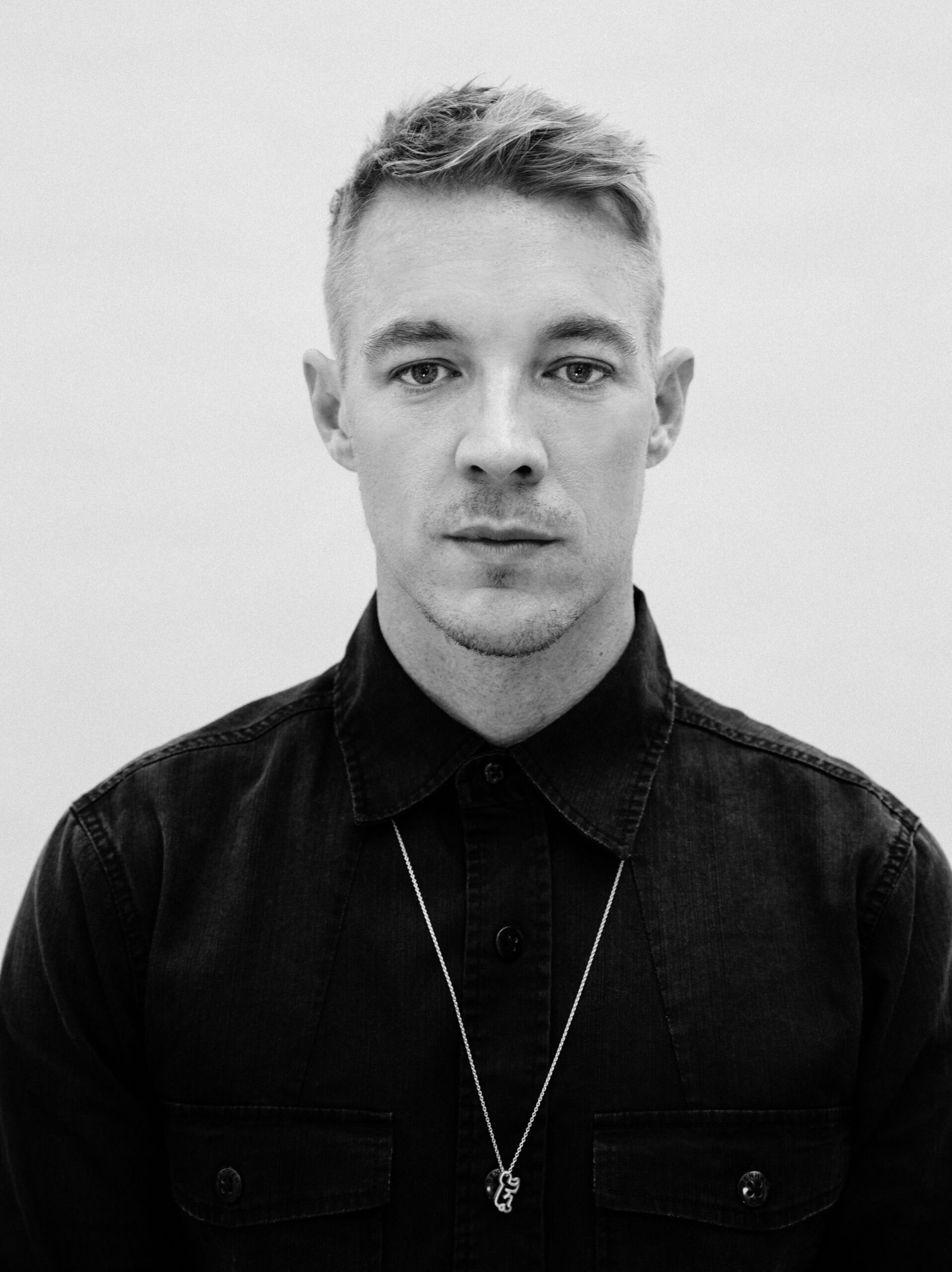
Diplo’s career as a DJ started while he was studying at Temple University in Philadelphia, and he initially found success with his debut album ‘Florida’ in 2004, which brought him to the attention of M.I.A. That connection turned out to be game-changing.
He went on to produce M.I.A.’s hugely successful track ‘Paper Planes,’ giving both him and M.I.A. global recognition. ‘Paper Planes’ is one of those tracks that felt genuinely dangerous and new, like nothing else on the radio. Diplo understood that music didn’t have to be polished to be powerful – it just had to be honest and bold.
From electronic music to pop, Diplo’s eclectic approach to production has made him a global force. As part of Major Lazer and his solo projects, Diplo has crafted hits that blend genres like dancehall, hip-hop, and EDM, working with artists like Beyoncé, M.I.A., and Justin Bieber. He also teamed up with Skrillex to form the duo Jack Ü, whose 2015 single ‘Where Are Ü Now’ featured Justin Bieber. That’s a career with almost no genre ceiling whatsoever.
10. Kanye West: The Beat-Maker Who Demanded the Microphone
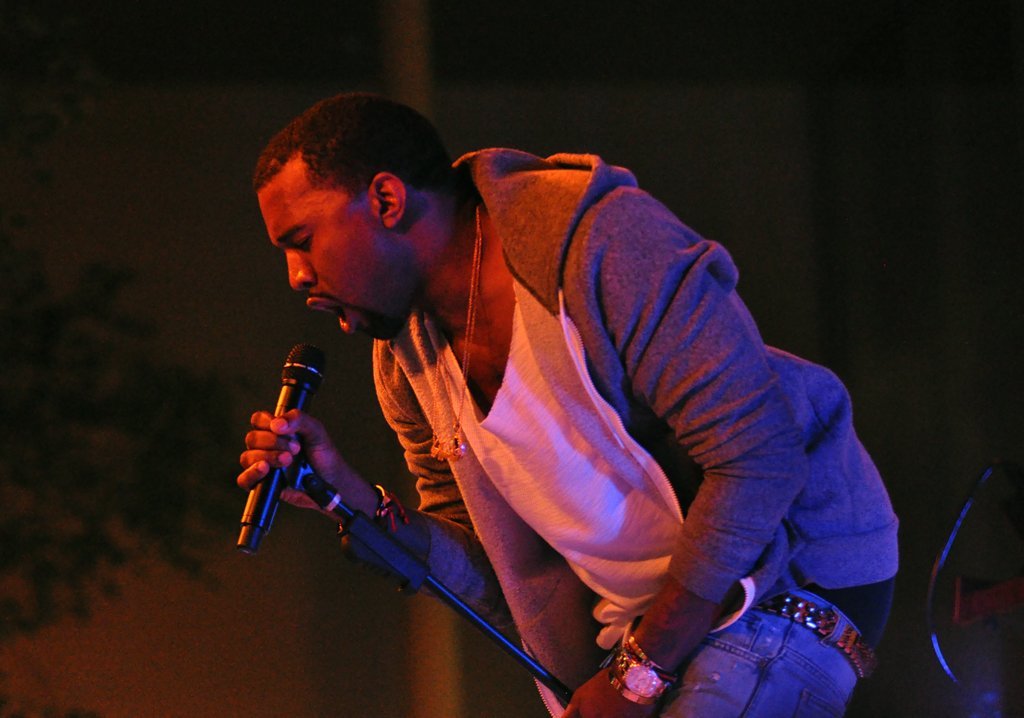
After dropping out of college to pursue a music career, Kanye West became a producer for Jay-Z’s Roc-A-Fella Records and garnered recognition for his ‘chipmunk soul’ production style before signing with the label as a recording artist. For a long time, nobody in hip-hop wanted to give him a deal as a rapper. They just wanted his beats. That refusal to be boxed in changed everything.
Before Kanye West became a controversial public figure, he was hailed as one of the most innovative producers in hip-hop. His early work, especially on albums like The College Dropout and Late Registration, showcased a fresh blend of soul samples and cutting-edge beats, making him a key figure in shaping modern hip-hop.
As his career as a performer took off, West continued to work as a producer, with credits including songs by high-profile artists such as Nas, Mariah Carey, and Beyoncé. West has been nominated for 75 Grammys, of which he has won 24. Whatever anyone thinks of the man personally today, the creative force he brought to music production – and then to his own artistry – is impossible to dismiss.
West has the joint-most consecutive studio albums to debut at number one on the Billboard 200 and was the first rapper to top the Billboard Hot 100 in three distinct decades. From Jay-Z’s backroom beatmaker to one of pop culture’s most polarizing superstars – it’s a trajectory that no one could have written in advance.
The Takeaway: The Booth Was Always the Stage
What connects all ten of these artists is something deeper than talent alone. It’s the willingness to invest in other people’s greatness first – to trust that the work behind the glass is just as meaningful as the work in front of the mic. Every massive hit they shaped for someone else was also, in a way, a signature. A calling card. Proof of what they were capable of.
The producer’s booth was never the shadow of the stage. For these ten, it turned out to be the foundation of it. And in a music industry that tends to celebrate the face over the force behind it, that’s a quietly radical idea worth sitting with.
Which of these producer-turned-artist stories surprised you most? Drop your thoughts in the comments – the conversation is just getting started.

Besides founding Festivaltopia, Luca is the co founder of trib, an art and fashion collectiv you find on several regional events and online. Also he is part of the management board at HORiZONTE, a group travel provider in Germany.
