

For any feedback please reach out to info@festivalinside.com
- Senator Hawley Targets Minnesota AG Keith Ellison in Explosive Somali Fraud Exposé - February 26, 2026
- Bill Gates Comes Clean: Rare Apology for Epstein Ties and Extramarital Affairs Shocks the World - February 26, 2026
- Ohio Home Health Firm Draws Fire Over $1.2 Million PPP Windfall With No Digital Trail - February 26, 2026
Music festivals have always been about pushing boundaries, bringing people together, and creating unforgettable moments. Whether it’s the sheer number of people crammed into an open field or the sudden chaos when nature decides to crash the party, festivals have a way of making history in the most unexpected ways. Some of these moments inspire awe, others spark frantic evacuations, yet they all reveal something fascinating about how humans gather for music, celebration, and shared experience. Let’s be real, the stories behind these festivals are often just as captivating as the performances themselves.
When Vienna Hosted Millions in One Weekend

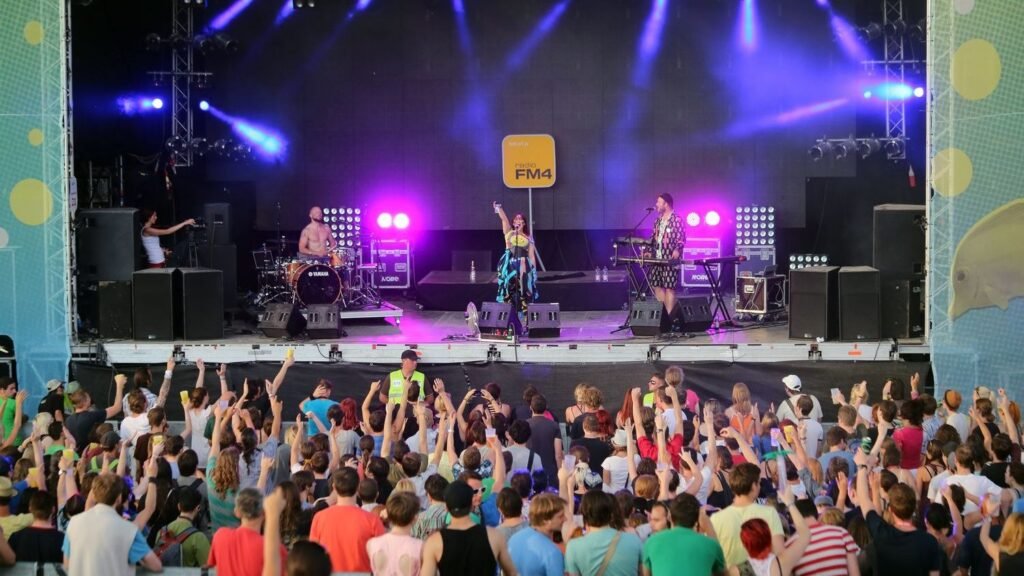
Austria’s Donauinselfest attracted a record 3.3 million revellers to Vienna on the weekend of 26-28 June 2015. Think about that number for a moment. The sheer logistics of feeding, entertaining, and managing over three million people in just three days is mind-boggling. The 32nd edition of the free, open-air festival offered the biggest names in Austrian music alongside internationally recognized stars such as Anastacia, Taio Cruz, Natalie Imbruglia and Robin Schulz. What makes this milestone even more impressive is the festival’s accessibility. In 2015, 1.2 million people attended on Saturday (27 June), with 1.1 million on Friday and 1 million on Sunday. It’s hard to imagine the energy of standing shoulder to shoulder with a million others, all united by music. The festival essentially turns Vienna’s Danube Island into a temporary city that rivals many actual cities in population, if only for a weekend.
Woodstock and the Birth of Festival Culture
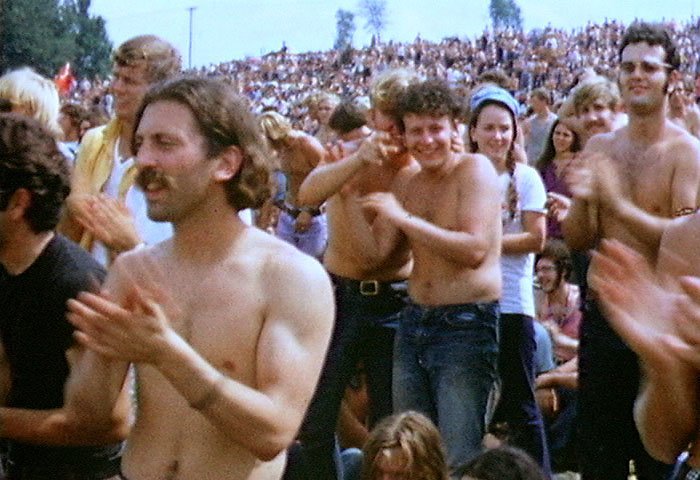
Held in August 1969, this legendary event attracted nearly 400,000 attendees to a dairy farm in Bethel, New York. Woodstock wasn’t just a music festival, it became a cultural phenomenon that defined a generation. The festival was meant to be a for-profit venture, but when 500,000 people showed up – organizers sold tickets for just under 200,000 – and they didn’t have adequate fencing, it became a free concert. The organizers completely lost control of ticketing, yet somehow the event became legendary precisely because of that chaos. Considering the sheer volume, poor weather conditions and inadequate facilities, it was amazing that the festival-goers were able to peacefully co-exist. It’s honestly surprising that more festivals don’t implode under similar circumstances. Woodstock turned muddy fields and logistical nightmares into a symbol of peace and love, proving that sometimes the messiest events leave the most lasting impressions.
The Isle of Wight’s Massive 1970 Gathering
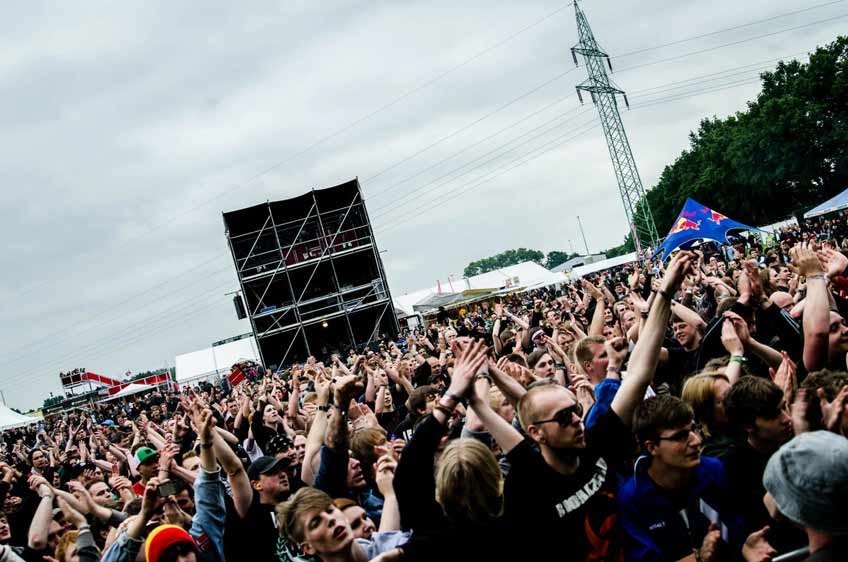
The 1970 edition is particularly famous for its massive crowd, with estimates ranging from 600,000 to 700,000 people. For context, that’s roughly the entire population of a decent-sized city showing up on a small English island. With 600,000 attendants, the 1970 Isle of Wight Festival was at the time one of the largest human gatherings in the world. The festival brought together legendary acts and became a pivotal moment in rock history, even though many attendees today might not realize just how colossal it actually was. Known for its legendary performances, the festival attracts over 50,000 attendees each year. The 1970 edition is particularly famous for its massive crowd. The fact that this happened on an island makes the achievement even more remarkable, given the limited access routes and infrastructure challenges.
Rock in Rio’s Groundbreaking Numbers
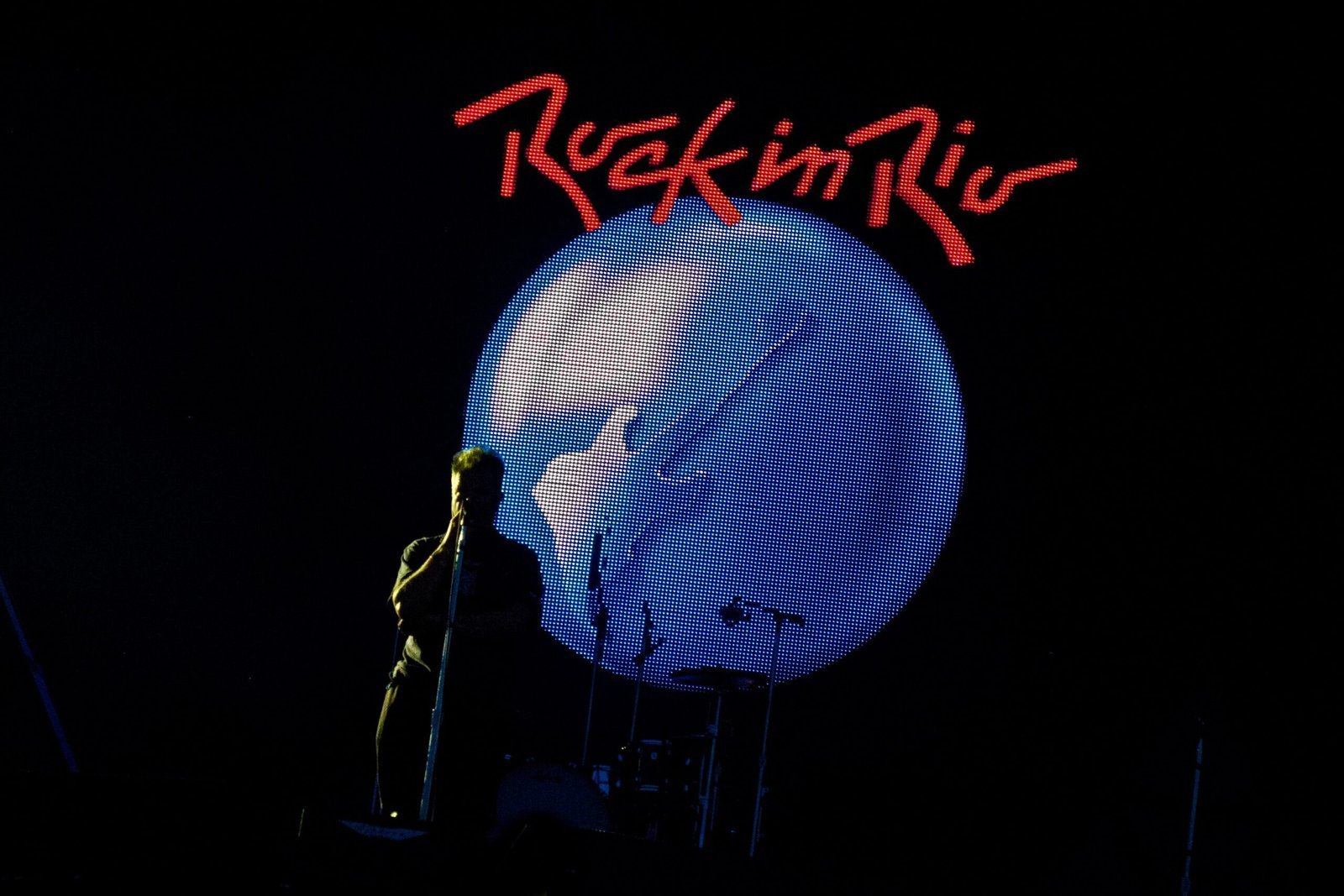
Rock in Rio first took place in 1985 in Rio de Janeiro, Brazil, and quickly became one of the world’s largest music festivals. With an attendance of over 1.5 million people, it was a groundbreaking event that set new standards for music festivals. The Brazilian festival didn’t just break attendance records, it redefined what a festival could be on a global scale. Rock in Rio first took place in 1985 in Rio de Janeiro, Brazil, and quickly became one of the world’s largest music festivals. With an attendance of over 1.5 million people, it was a groundbreaking event. The festival featured performances by global superstars such as Queen, AC/DC, and Rod Stewart. The lineup alone was enough to draw massive crowds, yet the festival’s true legacy lies in how it transformed into an international brand. Rock in Rio has since become a global brand, with editions held in Lisbon, Madrid, and Las Vegas. Festivals today dream of that kind of expansion and cultural impact.
When Summerfest Earned Its Guinness World Record
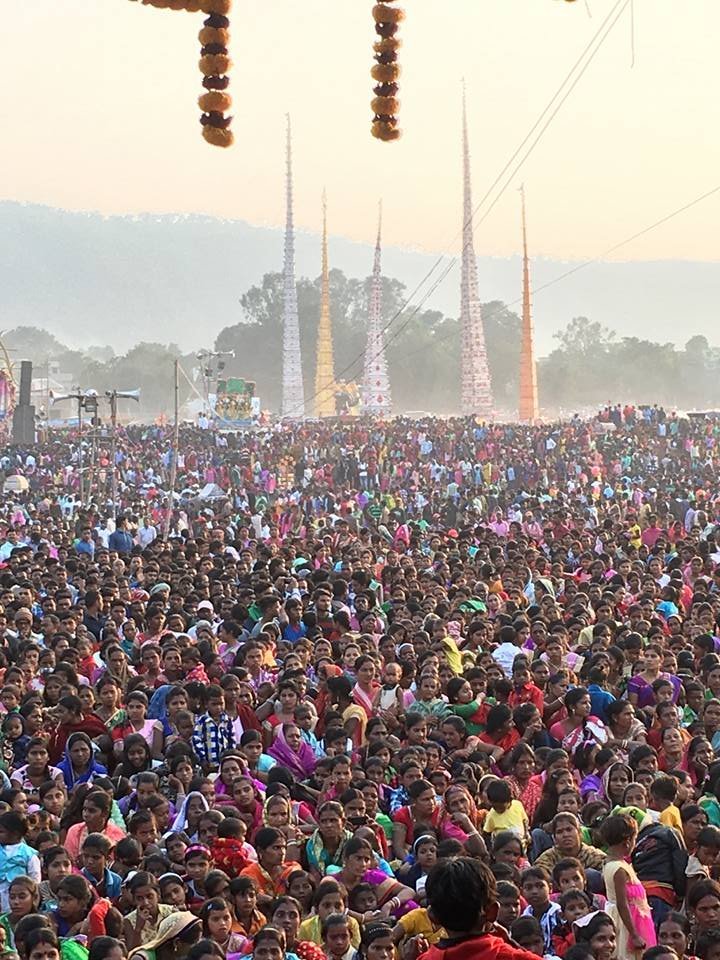
Summerfest is known as “The World’s Largest Music Festival”, a title certified by Guinness World Records in 1999. Milwaukee’s annual festival has consistently drawn massive crowds year after year, turning the lakefront into a sprawling celebration of music. Summerfest attendance peaked in 2001 (12 days over 2 weeks) at 1,000,563 attendees. That’s over a million people attending one festival in a relatively modest-sized American city. The festival reported 555,925 fans during Summerfest 2024, despite rain impacting six of the nine festival days. Even with terrible weather, the festival still pulled in more than half a million attendees, proving that dedicated music fans will show up regardless of conditions. The resilience of both organizers and attendees speaks volumes about what these gatherings mean to communities.
Extreme Heat Becomes a Concert Killer

In November, a 23-year-old fainted at a Taylor Swift concert during a heat wave in Brazil, and died a few hours later due to heat exhaustion. This tragic incident highlighted how dangerous extreme temperatures can become at outdoor events. From hail the size of golf balls to deadly heat, concertgoers in 2023 were forced to deal with extreme weather events that put them in harm’s way during the world’s warmest year on record. Festival organizers are now facing an entirely new set of challenges as climate patterns shift dramatically. Last May, almost 100 people at a concert for musician Louis Tomlinson were injured in a hailstorm in Colorado. A few months later, more than a dozen people at the Ed Sheeran concert in Pittsburgh were taken to the hospital, several for heat-related illnesses. It’s becoming increasingly clear that festivals can no longer rely on historical weather patterns to predict safe conditions. The risks are real, and unfortunately, they’re growing.
When Tornadoes Force Festival Cancellations
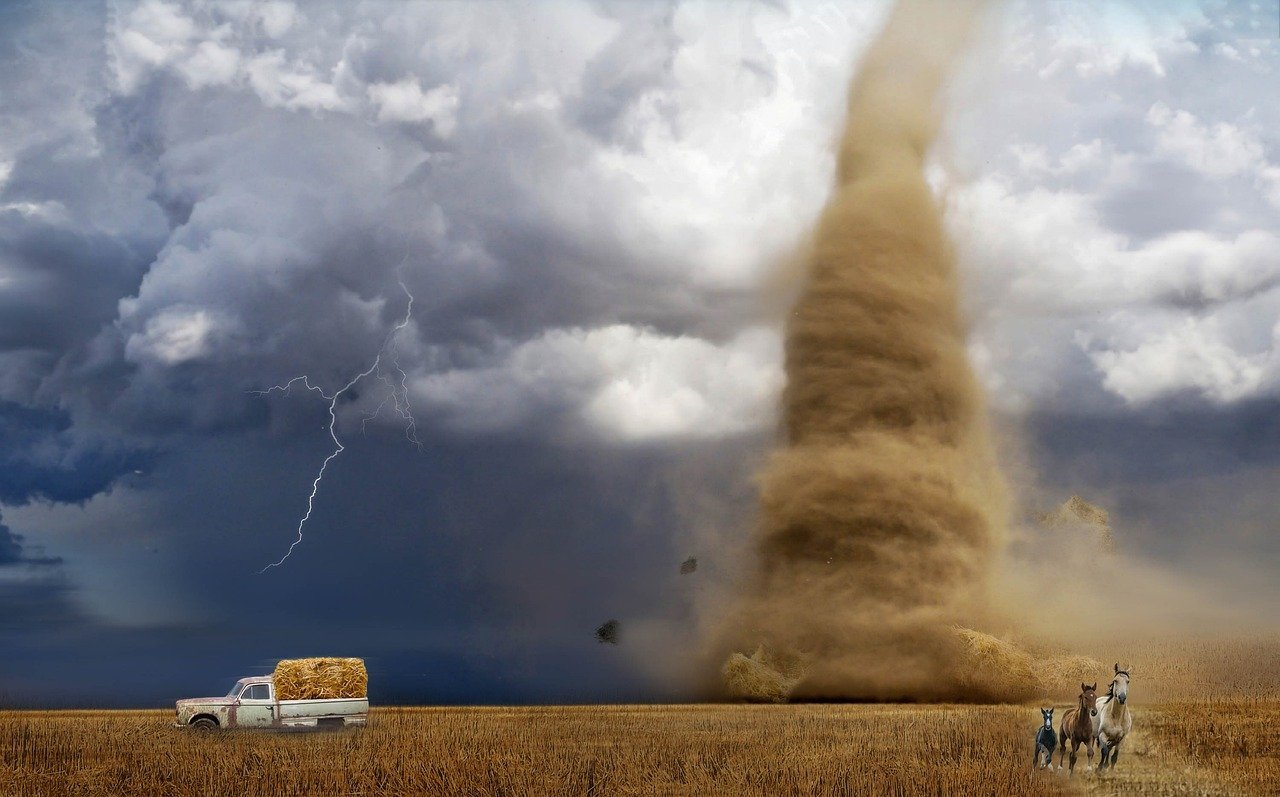
Rapper Jack Harlow launched his inaugural Gazebo festival at the weekend in his hometown of Louisville, Kentucky. However, the second day of the event was called off after parts of the city were put on tornado watch until late afternoon. Imagine preparing for months, selling thousands of tickets, only to have Mother Nature force you to cancel half your event. The National Weather Service also warned of wind that could reach up to 75 mph and scattered hail up to two inches in size. Those aren’t conditions where you can safely operate stages, sound equipment, or protect crowds. The bad weather has damaged the site and there’s more storms and dangerous winds on the way. For artists and organizers alike, these cancellations represent massive financial losses and disappointed fans, yet safety has to come first when extreme weather threatens lives.
Lightning Evacuations Become the New Normal

Ultra EDM Music Festival (2024): Severe weather conditions forced organizers to cut short the festival’s first day in Miami. Lightning strikes pose one of the most serious threats to outdoor gatherings, and festival organizers are increasingly implementing strict safety protocols. In 2012, Lollapalooza festival in Chicago successfully evacuated tens of thousands of attendees when a severe thunderstorm rolled in, then resumed the music after the storm passed. Because the organizers had a practiced plan and communicated it calmly, the crowd stayed safe and the event continued later that day. The ability to pause, evacuate, and restart shows how crucial planning has become. A common guideline (often called the 30/30 rule) is that if the gap between a lightning flash and thunder is under 30 seconds, the storm is too close. These technical protocols might seem overly cautious to attendees eager to keep partying, yet they’re literally life-saving measures.
Burning Man’s Dust Storm Chaos
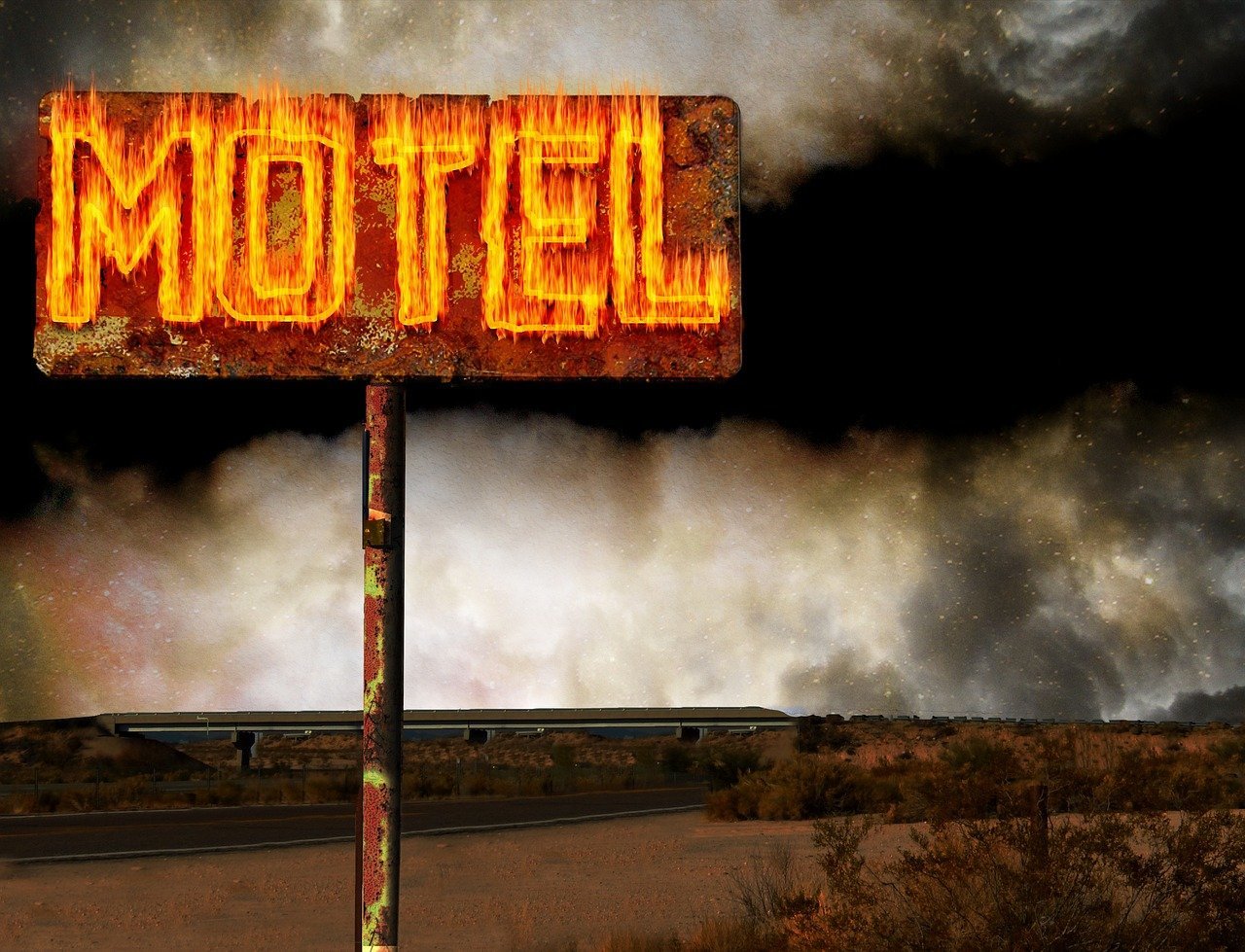
Strong dust storms and 50 mph wind gusts ripped through Black Rock City on Saturday, wreaking havoc on campsites and causing major travel delays in the area. The Nevada desert festival has always embraced extreme conditions as part of its identity, though 2025 tested even the most hardcore participants. The National Weather Service issued a dust storm advisory Saturday evening, saying “a wall of blowing dust” was tracking northward. When you can’t see more than a few feet in front of you and wind is knocking down temporary structures, the festival essentially grinds to a halt. The blowing dust whipped across the desert playa, overturning many campsites and scattering belongings. For a festival built on self-reliance and radical self-expression, these storms became an unexpected test of community resilience. In 2023, two days of downpours stranded thousands of Burning Man attendees in thick mud in the desert. The desert can be merciless, alternating between baking heat and sudden floods.
The Growing Impact of Climate Change on Festivals
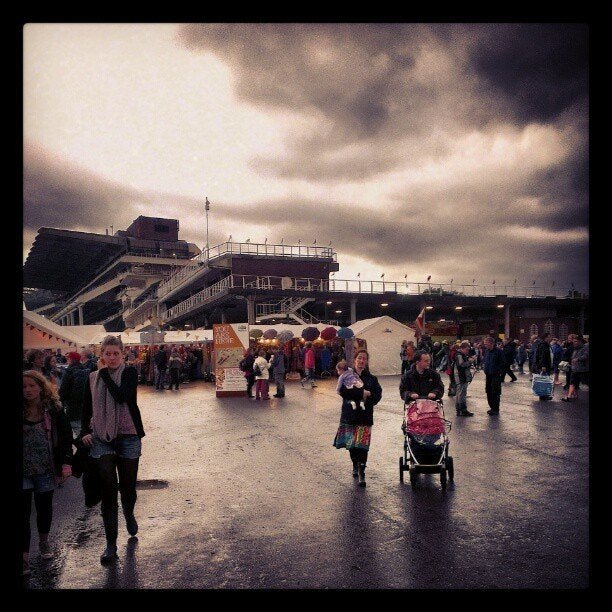
He analyzed news reports over 2022 and 2023 and found that at least 22 music festivals were canceled or disrupted as a result of extreme weather. By comparison, only 10 music festivals in the country were impacted by severe weather between 2013 and 2019. That’s more than double the disruption rate in just a few years, a troubling trend for the entire industry. A non-exhaustive list put together by Professor Haghani shows at least 29 concerts and music festivals worldwide were impacted by a weather event in 2023 – with two resulting in spectator deaths. These aren’t minor inconveniences anymore, they’re serious safety crises with fatal consequences. However, extreme weather is disrupting events globally, exposing organisers and host destinations to risk as climate changes. This research analyses events affected by extreme weather in terms of location, purpose, and format using a global sample of 2,091 events reported as disrupted from 2004-2024. The sheer scale of disruption documented in recent research paints a sobering picture for the festival industry’s future.
Insurance Costs Skyrocket as Weather Worsens
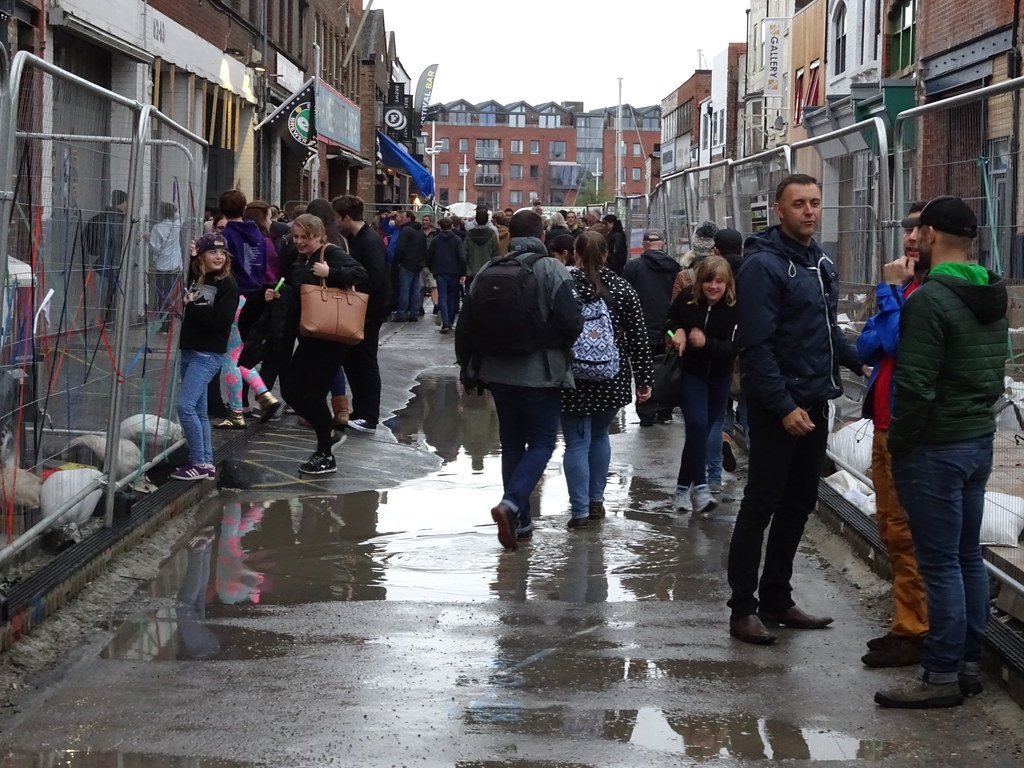
All the brokers who spoke with Rolling Stone said those premium costs have at least doubled over the past decade. Shannon Bare, senior vice president of entertainment at brokerage firm Hub International, says that in the past 10 years, the rates on those premiums rose from 1.25 percent to 2.5 percent. Doubling insurance costs might not sound dramatic until you realize what that means for festival budgets and ticket prices. In the US, adverse weather coverage has “increased significantly” in the last five years, according to Jeff Torda from Higginbotham. Backing this point, a recent Billboard article claimed premiums in North America had tripled in recent years. These rising costs are forcing smaller festivals to take bigger financial gambles or shut down entirely. When insurance premiums triple, organizers face impossible choices about whether to risk hosting outdoor events at all. The financial pressure compounds an already challenging situation where festivals struggle with rising artist fees and increasing production costs.
Stage Collapses and Wind Damage
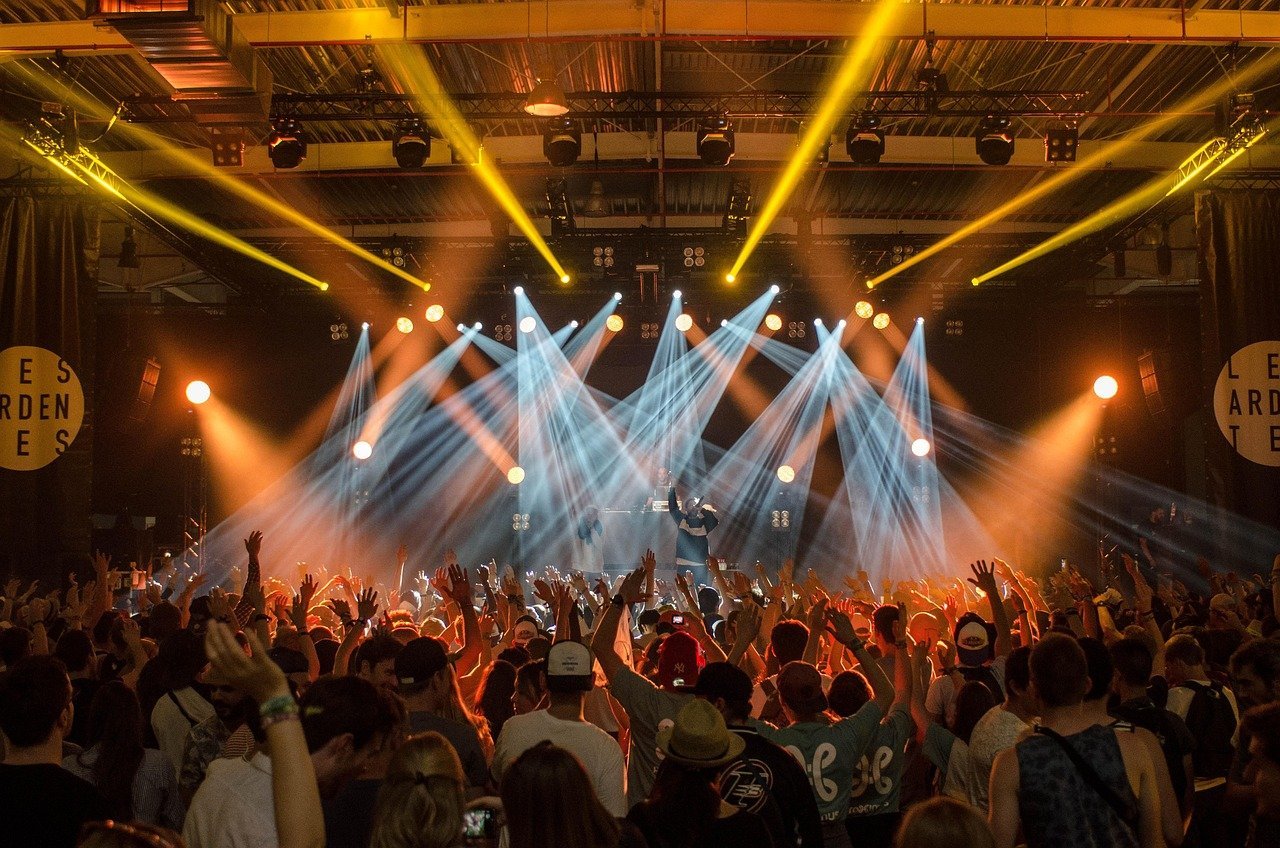
High winds have also led to festival stage collapses: one in 2011 at Ottawa Bluesfest; the other in 2009 during Alberta’s Big Valley Jamboree where one person was killed. These catastrophic structural failures demonstrate that festival infrastructure isn’t built to withstand extreme wind events. The main stage at the Ottawa Bluesfest collapsed 20 minutes into a performance by Cheap Trick after a sudden thunderstorm blasted the area on July 18, 2011. When massive steel structures come crashing down during performances, it’s a miracle that more people aren’t injured or killed. High winds often accompany storms and can quickly turn structures into hazards. Make sure your staging and tents are professionally secured and rated for wind loads. Engineering standards are evolving, though many temporary festival structures remain vulnerable to sudden, violent weather shifts that exceed their design specifications.
Mud Transforms Festivals Into Survival Challenges
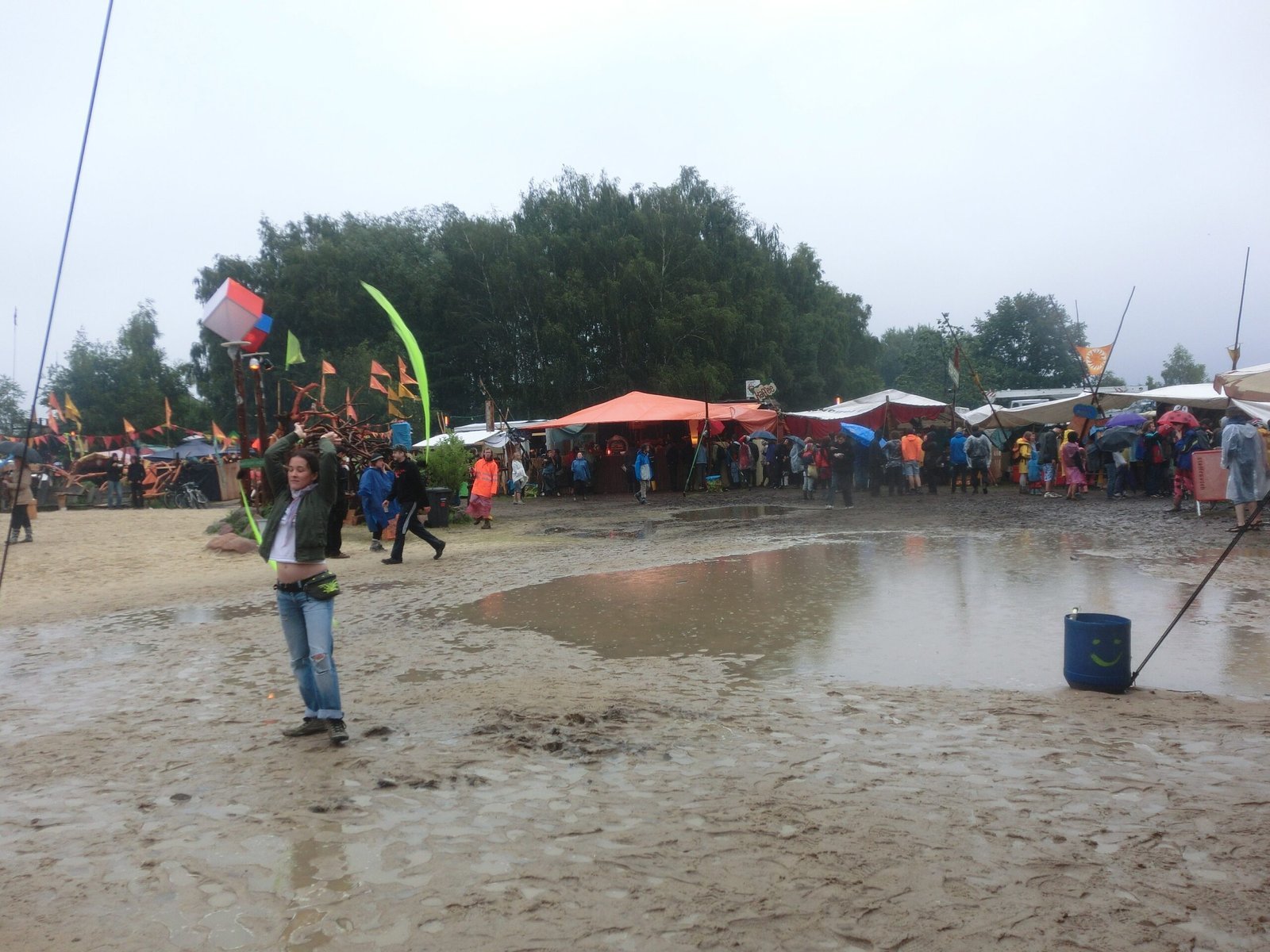
Burning Man turned to mud. Korea’s Scout Jamboree ended in heat, a typhoon, evacuations and recriminations. When rainfall transforms festival grounds into swamps, the entire experience changes from celebration to endurance test. Extreme rainfall is very challenging for organisers. Managing tens of thousands of muddy, stuck people is hard – especially if it’s too difficult to bring supplies in. That’s why Burning Man organisers had to call on their attendees to conserve food and water. Suddenly, basic logistics like delivering food, water, and medical supplies become nearly impossible. The legendary 1969 Woodstock festival in New York State was also a mud pit. Interestingly enough, what made Woodstock legendary was partly the mud and adversity, though modern festival attendees have very different expectations about comfort and safety standards.
Electric Forest’s Rainout Disappointment
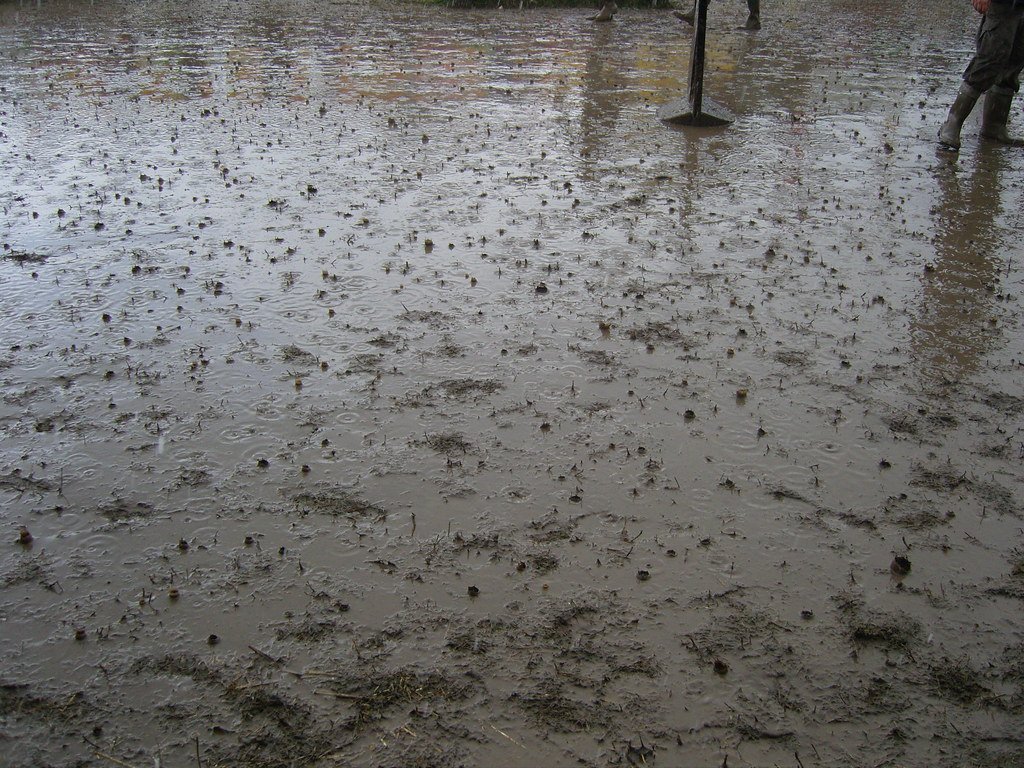
Last year, Electric Forest – where single-day passes are going for $175 in 2025 – was plagued with so much rain and severe thunderstorms that the festival was forced to end early and nix performances from headliners. Paying nearly two hundred dollars for a single day ticket only to have headliners canceled represents a massive disappointment for fans. Festivals increasingly face difficult decisions about whether to issue refunds, offer credit for future events, or simply apologize and move on. The financial implications are staggering when you consider that canceling even one day of a multi-day festival can destroy profit margins that were already razor thin. Artists lose out on performance fees, vendors lose sales opportunities, and attendees lose the experiences they’d been anticipating for months.
Hail Injuries and Unexpected Hazards

Last May, almost 100 people at a concert for musician Louis Tomlinson were injured in a hailstorm in Colorado. Imagine standing in an open field when ice chunks the size of golf balls start pelting down from the sky. In Germany, more than 70 people were injured after lightning struck the Rock am Ring festival, headlined by the Red Hot Chili Peppers and Black Sabbath – whose show was cancelled. These aren’t the typical festival hazards anyone anticipates when buying tickets. Hailstorms can appear with shocking speed, giving attendees virtually no warning before dangerous conditions develop. The fact that nearly a hundred people were injured in a single hailstorm event shows just how vulnerable outdoor crowds are to sudden weather shifts. Modern meteorology can often predict these events, yet the narrow time windows between prediction and arrival make effective response incredibly challenging.
Future Solutions and Adaptation Strategies
Expect to see festival dates move to shoulder seasons rather than midsummer. Some locations may no longer be viable. The festival industry is being forced to fundamentally rethink when and where events can safely occur. This summer’s Great South Bay Festival, with headliners including Yes’ Jon Anderson and the leading Grateful Dead tribute band, the Dark Star Orchestra, went off without major weather crises, but Faith says he’s considering moving the fest to the fall to avoid the heat. He’s worried, though, that his regular jam-band customers plan vacations around the festival and that kids may be back in school. These scheduling shifts create cascading complications for fans, artists, and the entire ecosystem around festivals. Kevin Kloesel, an event safety meteorologist for the University of Oklahoma, urged organizers to make weather a priority and give it the same weight as other risk factors like terrorist attacks and active shooter situations. Organizers should also hire professional meteorologists who can monitor threats and help take difficult decisions. Hiring dedicated weather specialists represents a significant additional cost, yet it’s becoming an absolute necessity rather than a luxury for responsible festival production.
Record-Breaking Moments Beyond the Music
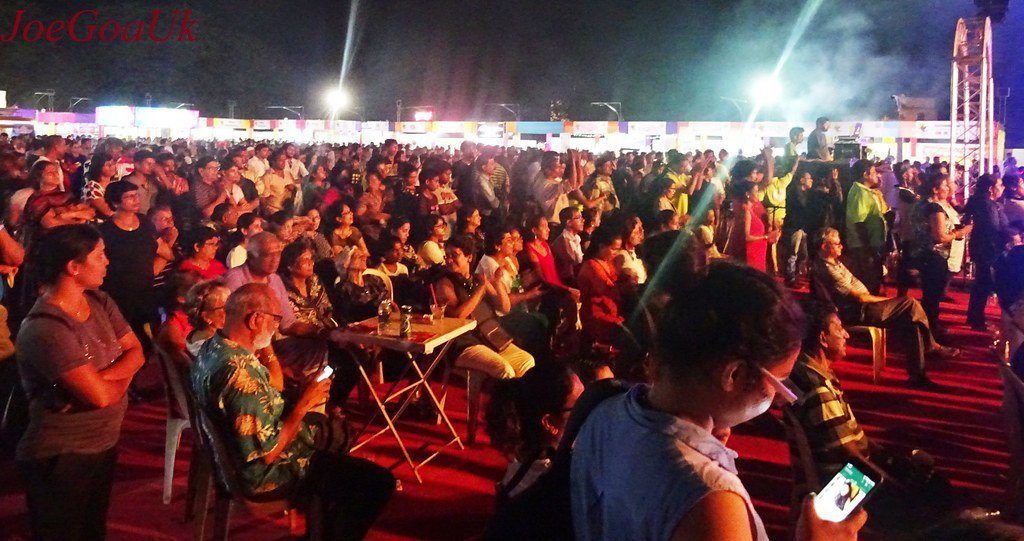
In June 2015, 3.3 MILLION people came through this festival in one weekend. That is madness. Donauinselfest is a free outdoor music festival in Vienna, Austria. Sometimes the most remarkable festival achievements have nothing to do with performances themselves. To mark its 10th anniversary, Bestival, the award-winning four-day music festival which takes place in the picturesque Isle of Wight in the UK had been looking to create a spectacular finale for the 60,000 revellers in attendance. For 2014, the festival’s theme was Desert Island Disco, with the undisputed kings of disco, Chic, headlining on the final night. When Chic’s founding member Nile Rodgers challenged Bestival co-founder Rob da Bank to make the world’s largest disco ball to accompany his band’s set – the challenge was on. Creating the world’s largest disco ball became a festival milestone that attendees still talk about years later. These creative record attempts add layers of spectacle and memory that transcend the music performances themselves, creating shared experiences that define festival culture.
Festivals continue to push boundaries in ways both intentional and accidental. Whether it’s organizers deliberately attempting world records or nature forcing unprecedented challenges, these gatherings keep writing new chapters in live entertainment history. The tension between creating larger, more ambitious events and managing increasingly unpredictable weather conditions defines the modern festival landscape. Looking ahead, the industry faces difficult questions about sustainability, safety, and how to preserve the magic that makes festivals special while adapting to a rapidly changing climate. What becomes clear is that festivals are far more resilient than we might expect. They adapt, evolve, and somehow keep bringing people together despite every obstacle nature throws at them. What’s your most memorable festival moment, weather-related or otherwise?

Christian Wiedeck, all the way from Germany, loves music festivals, especially in the USA. His articles bring the excitement of these events to readers worldwide.
For any feedback please reach out to info@festivalinside.com
