

For any feedback please reach out to info@festivalinside.com
- 10 Best Street Festivals Around the World - April 10, 2026
- 10 Iconic Movie Scenes That Were Completely Improvised by Actors - April 10, 2026
- The Stark Contrasts Between Past and Present Fashion Echo Timeless Cultural Shifts - April 9, 2026
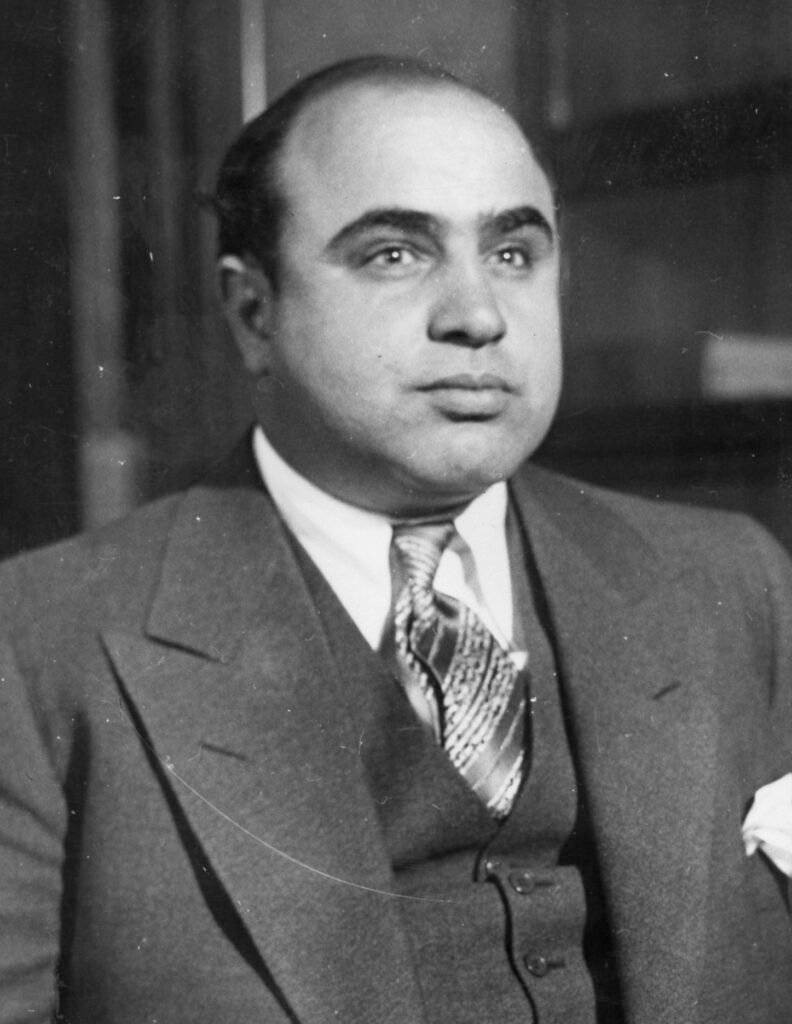
Al Capone: The King of Chicago
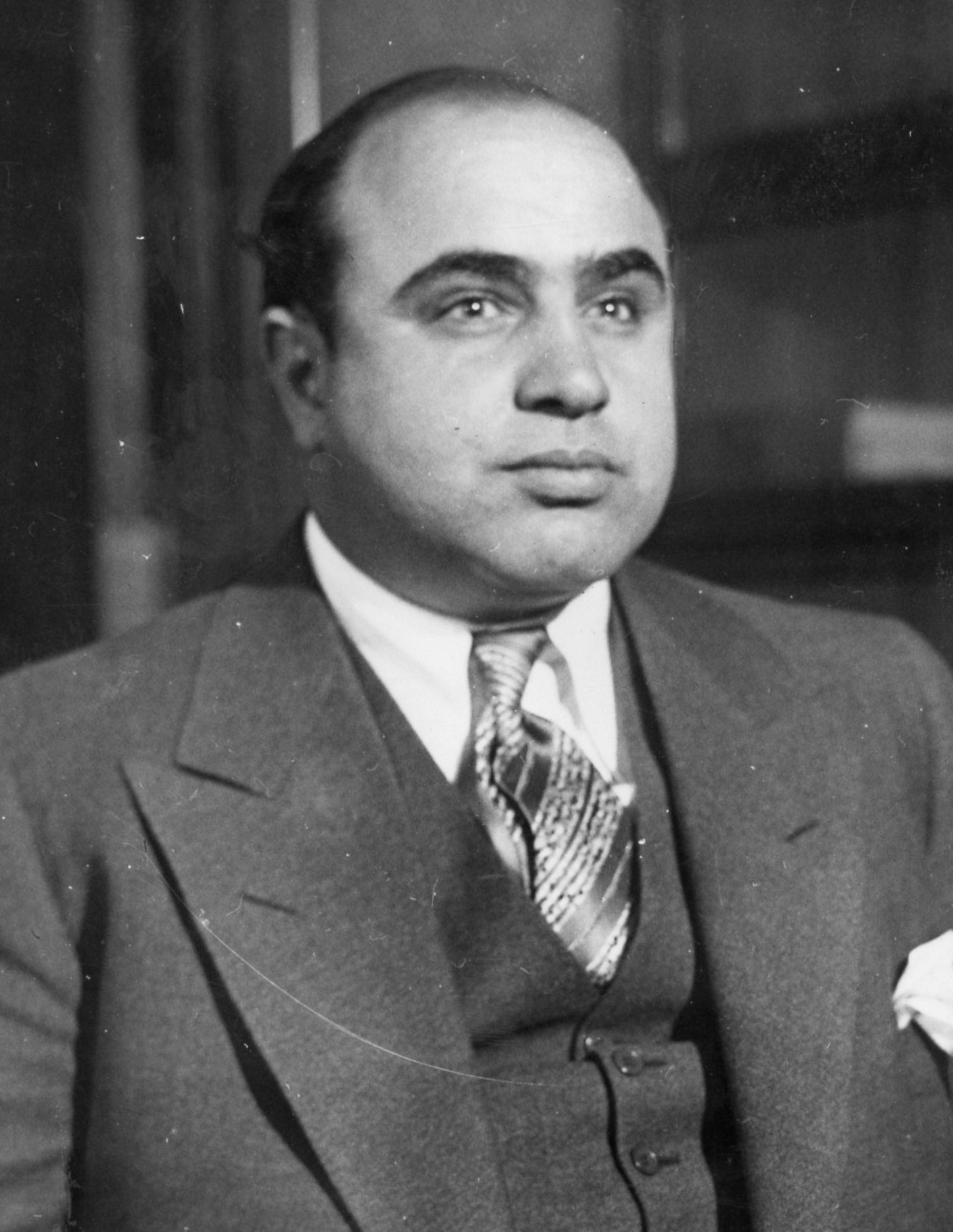
When people think of legendary criminals, one name immediately comes to mind – Al Capone. This Italian-American gangster dominated Chicago during the Prohibition era like no other criminal figure in American history. Capone built an empire worth millions through bootlegging, gambling, and prostitution while maintaining a public image as a businessman. His ability to corrupt police officers, judges, and politicians made him virtually untouchable for years. The Saint Valentine’s Day Massacre in 1929 cemented his reputation as the most feared gangster in America. Ironically, it wasn’t his violent crimes that brought him down – federal agents finally convicted him for tax evasion in 1931. He spent the rest of his life in prison, dying in 1947 from complications related to syphilis.
Pablo Escobar: The Colombian Cocaine King
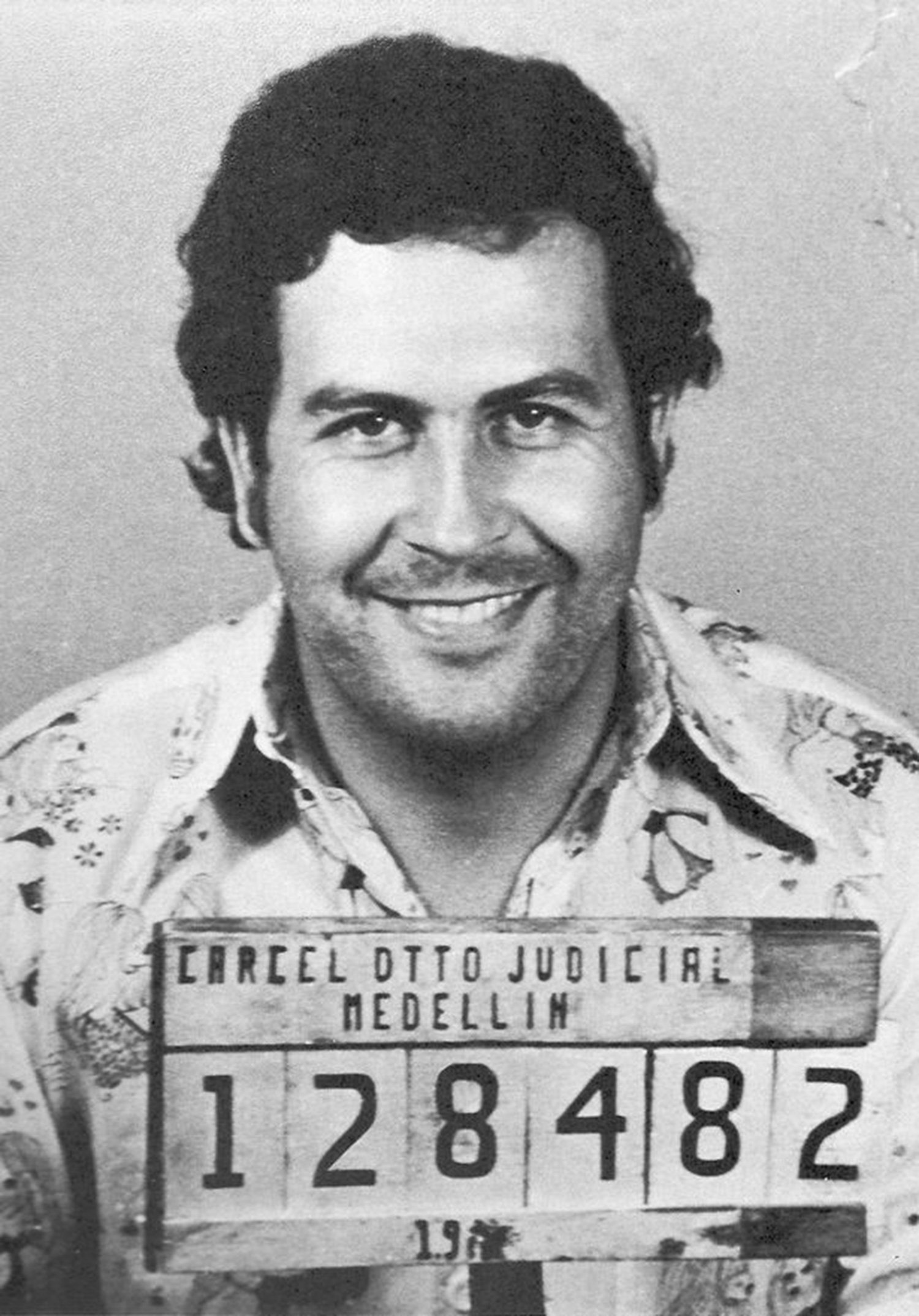
Pablo Escobar transformed the drug trade into a billion-dollar industry that terrorized Colombia for decades. At the height of his power, his Medellín Cartel controlled 80% of the global cocaine market, making him one of the richest men in the world. Escobar was ruthless in eliminating anyone who stood in his way, including judges, politicians, and police officers. He famously offered Colombian authorities a choice between “plata o plomo” – silver or lead, meaning accept bribes or face death. His war against the Colombian government resulted in thousands of deaths, including the bombing of Avianca Flight 203 that killed 110 innocent people. Despite his criminal activities, many poor Colombians viewed him as a Robin Hood figure because he built schools, hospitals, and housing projects. His reign of terror ended in 1993 when Colombian police tracked him down and killed him on a rooftop in Medellín.
John Gotti: The Teflon Don
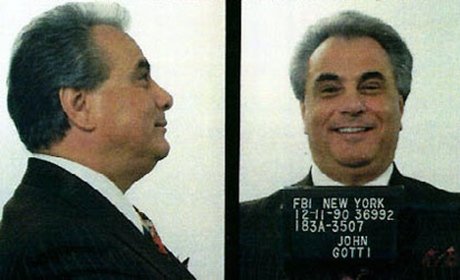
John Gotti earned his nickname “The Teflon Don” because criminal charges against him never seemed to stick during the 1980s. As the head of the powerful Gambino crime family in New York, Gotti modernized organized crime with his flashy lifestyle and media-savvy approach. Unlike traditional mob bosses who stayed in the shadows, Gotti courted publicity and dressed in expensive suits that earned him another nickname – “The Dapper Don.” His brazen behavior included openly discussing criminal activities, which eventually became his downfall when the FBI recorded incriminating conversations. Gotti’s arrogance and need for attention violated the traditional omertà code of silence that had protected the Mafia for generations. He was finally convicted in 1992 on charges including murder and racketeering, receiving a life sentence without parole. Gotti died in prison in 2002, but his larger-than-life personality made him one of the most recognizable crime figures in American history.
Lucky Luciano: The Father of Modern Organized Crime
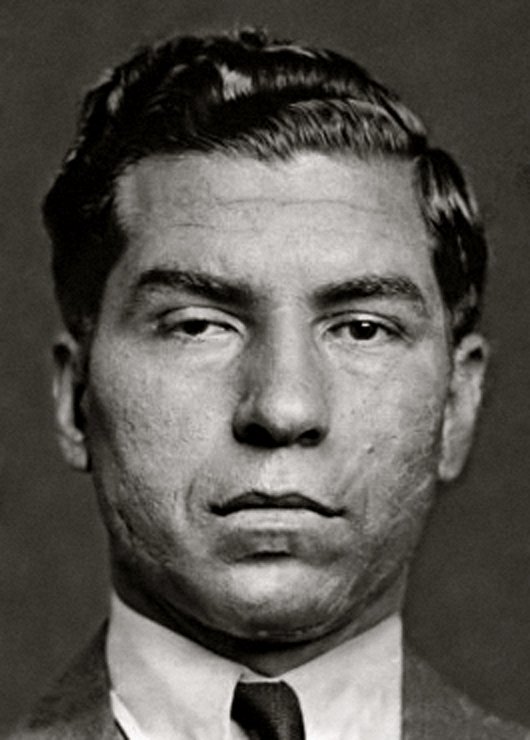
Charles “Lucky” Luciano revolutionized American organized crime by creating the modern Mafia structure that still exists today. Born in Sicily and raised in New York, Luciano understood that cooperation between crime families would be more profitable than constant warfare. He organized the infamous Commission in 1931, which divided New York into five crime families and established rules for territorial disputes. Luciano’s business-minded approach to crime included diversifying into legal enterprises and maintaining relationships with corrupt politicians and law enforcement. His nickname “Lucky” came from surviving a brutal attack in 1929 that left him with a permanently drooping right eye. During World War II, the U.S. government made a deal with Luciano to use his connections to help secure the New York waterfront against enemy sabotage. In exchange for his cooperation, his prison sentence was commuted, and he was deported to Italy in 1946, where he died in 1962.
Meyer Lansky: The Mob’s Accountant
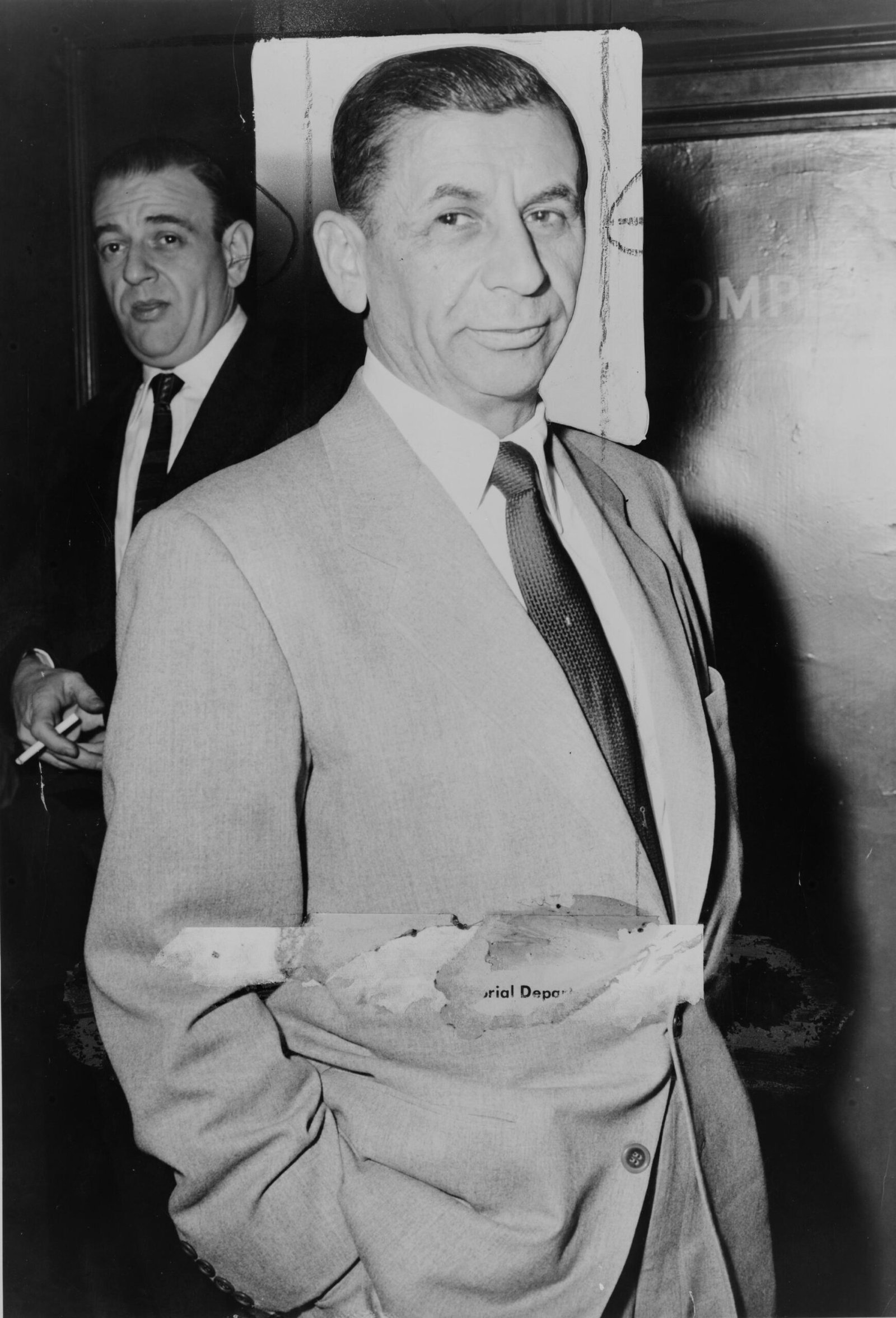
Meyer Lansky might not have been as flashy as other crime bosses, but his financial genius made him one of the most powerful figures in organized crime. Known as “The Mob’s Accountant,” Lansky created sophisticated money laundering operations and offshore banking systems decades before they became common. His mathematical mind and business acumen helped transform organized crime from street-level operations into multi-million dollar enterprises. Lansky was instrumental in developing Las Vegas as a gambling destination, working closely with Bugsy Siegel to establish the Flamingo Hotel and Casino. Unlike many of his contemporaries, Lansky avoided the spotlight and rarely appeared in newspapers or court documents. He successfully laundered money through Swiss banks, Caribbean casinos, and legitimate businesses across the United States. Despite numerous investigations by law enforcement, Lansky was never convicted of a major crime and died peacefully in Miami Beach in 1983.
Bonnie and Clyde: The Depression Era Outlaws
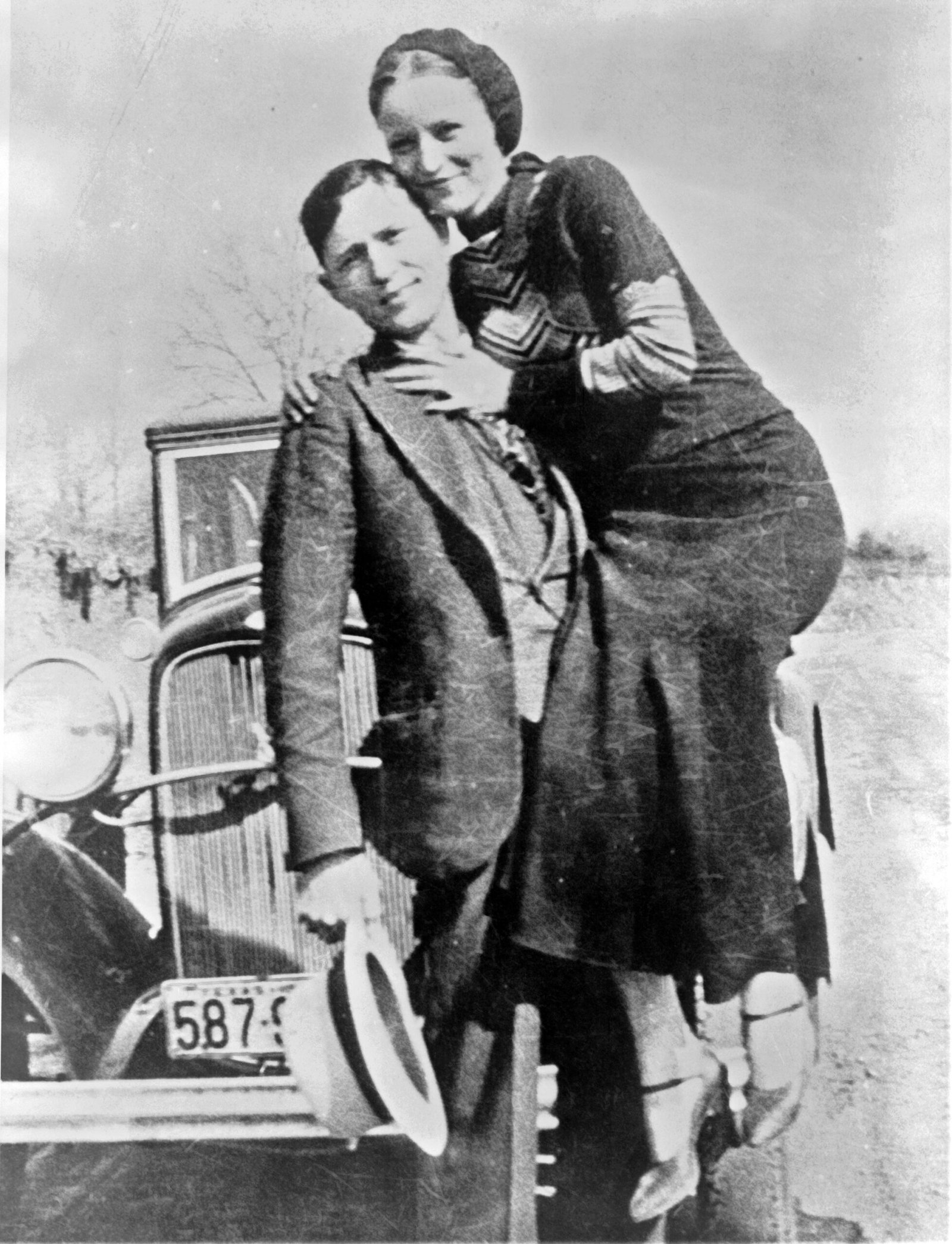
Bonnie Parker and Clyde Barrow became folk heroes during the Great Depression, robbing banks and stores across the American Southwest. Their crime spree lasted only four years, from 1930 to 1934, but their romantic outlaw image captured the public’s imagination during one of America’s darkest economic periods. Clyde was already a career criminal when he met Bonnie, a 19-year-old waitress who was married but separated from her husband. Together, they formed the Barrow Gang, which included Clyde’s brother Buck and his wife Blanche, along with various other accomplices. Contrary to popular belief, most of their robberies targeted small stores and gas stations rather than major banks, netting relatively small amounts of money. Their violent encounters with law enforcement resulted in the deaths of at least nine police officers and several civilians. The couple’s reign of crime ended in a hail of bullets on a Louisiana country road when law enforcement officers ambushed their car. Their story became legendary through movies, books, and songs, cementing their place in American criminal folklore.
Frank Abagnale: The Master of Deception
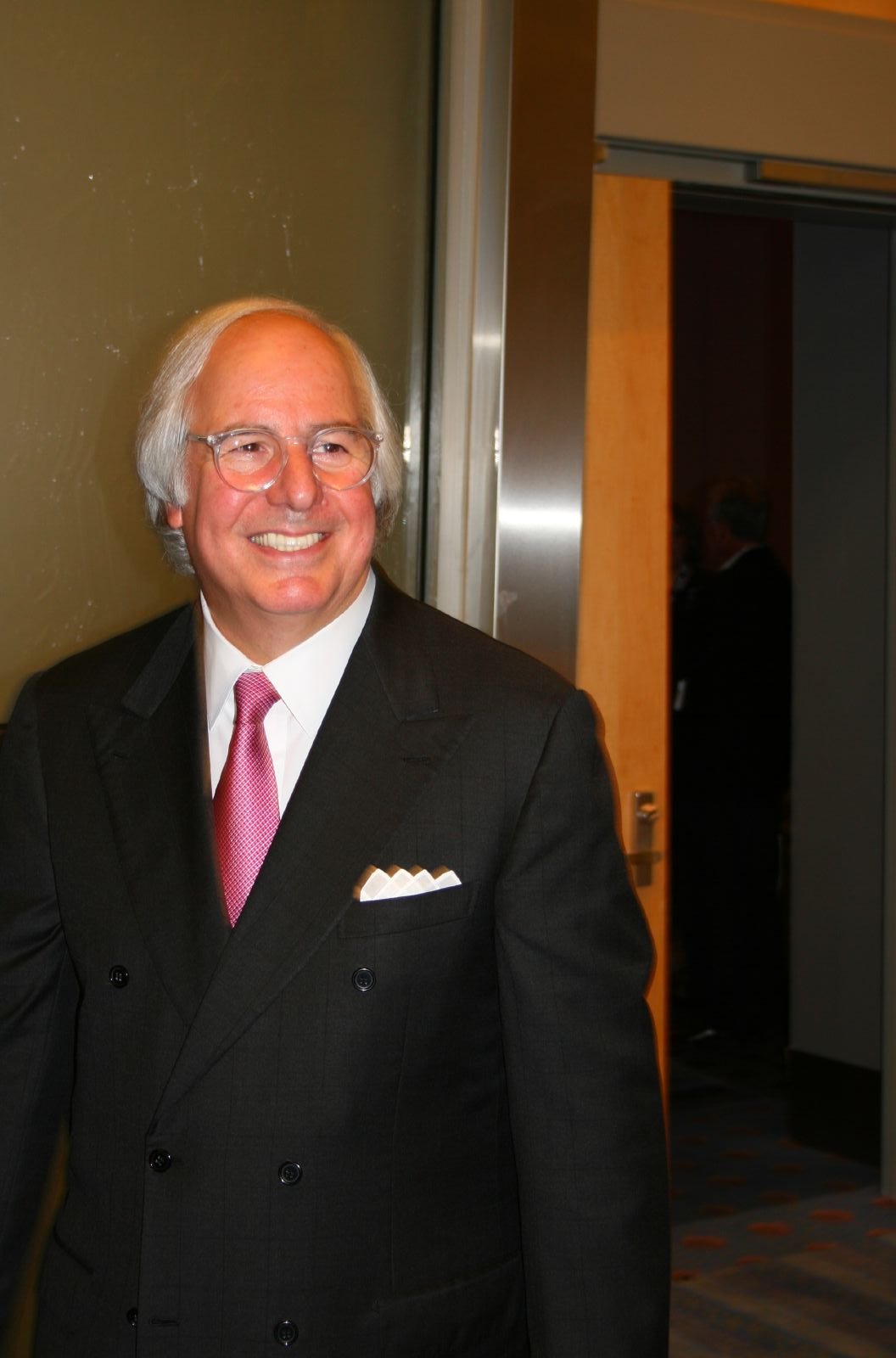
Frank Abagnale Jr. pulled off some of the most audacious cons in criminal history before his 19th birthday, inspiring the movie “Catch Me If You Can.” Starting his criminal career at age 16, Abagnale successfully impersonated an airline pilot, a doctor, and a lawyer while cashing millions of dollars in fraudulent checks. His ability to forge documents and assume false identities allowed him to fly over one million miles for free by deadheading on commercial flights. Abagnale’s medical impersonation was so convincing that he supervised interns at a Georgia hospital for nearly a year without any medical training. He passed the Louisiana bar exam on his third attempt and worked as a legal aide in the state attorney general’s office. His criminal activities spanned 26 countries before FBI agent Carl Hanratty finally captured him in France at age 21. After serving time in prison, Abagnale became a security consultant and has worked with the FBI for over 40 years, helping them catch other fraudsters and improve security systems.
Carlo Gambino: The Quiet Don
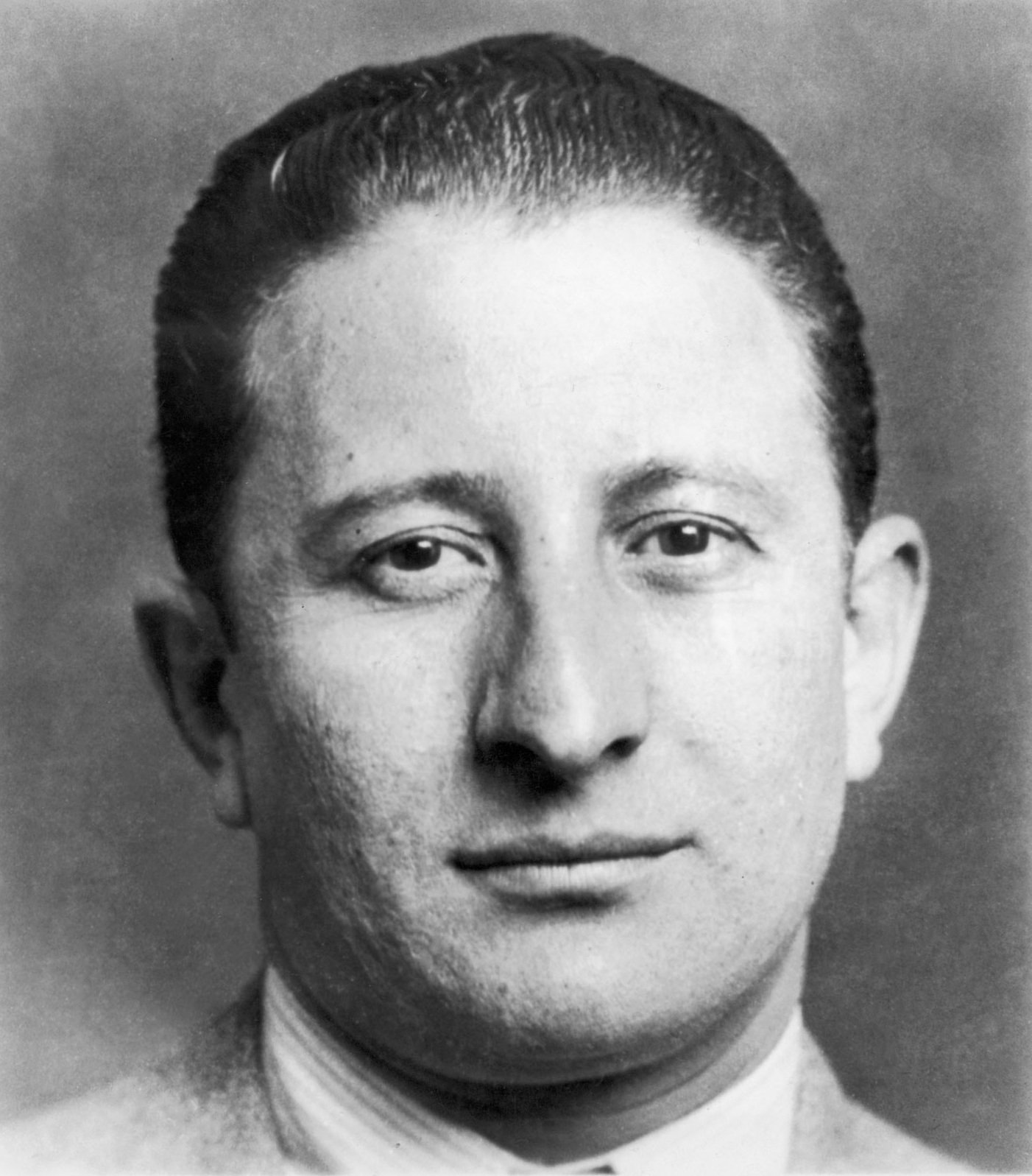
Carlo Gambino built one of the most powerful crime families in American history through careful planning and strategic alliances rather than flashy violence. Unlike other mob bosses who sought publicity, Gambino preferred to operate in the shadows, earning him the respect of both his criminal associates and law enforcement. He immigrated to the United States from Sicily in 1921 and slowly worked his way up through the ranks of organized crime over several decades. Gambino became head of his crime family in 1957 and expanded their operations into labor racketeering, loan sharking, and legitimate businesses. His diplomatic approach to resolving disputes between crime families made him one of the most influential figures on the Commission. Gambino’s legitimate business investments in trucking, construction, and food distribution provided cover for his criminal activities while generating substantial profits. He managed to avoid serious legal troubles throughout his career and died of natural causes in 1976, having successfully passed control of his organization to his chosen successor.
Griselda Blanco: The Cocaine Godmother
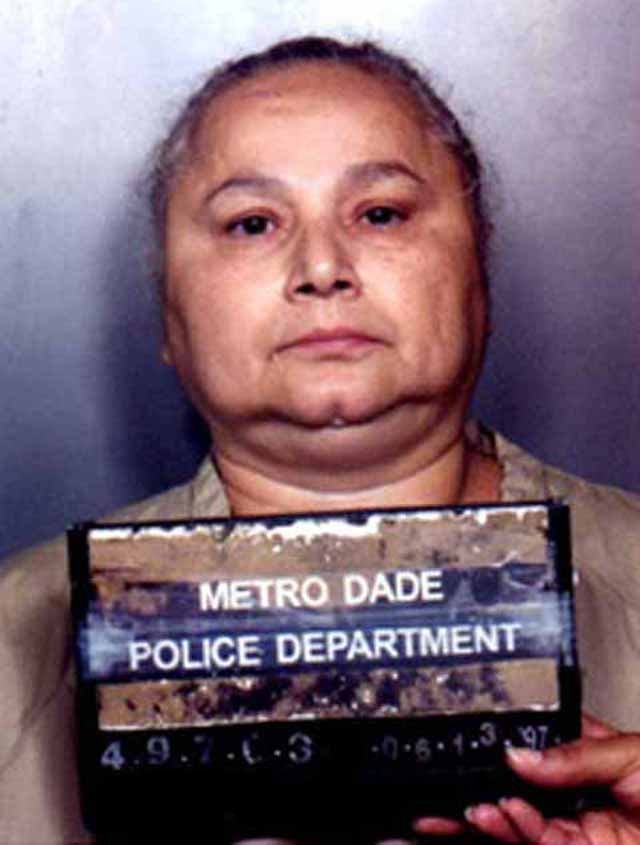
Griselda Blanco pioneered cocaine trafficking routes between Colombia and the United States, earning her the nickname “The Cocaine Godmother.” She began her criminal career in Colombia as a teenager, initially involved in kidnapping and murder before discovering the lucrative drug trade. Blanco moved to New York in the 1970s and established one of the first major cocaine distribution networks in the United States. Her organization was responsible for smuggling tons of cocaine into Miami during the height of the drug wars in the 1980s. Blanco was known for her extreme violence and paranoia, ordering the deaths of anyone she perceived as a threat, including former lovers and business partners. She pioneered several smuggling techniques, including hiding drugs in the underwear of her couriers and using motorcycle assassins for hits. After serving nearly 20 years in prison, Blanco was deported to Colombia in 2004, where she was eventually murdered by a motorcycle gunman in 2012, the same method she had used to eliminate her enemies.
Willie Sutton: The Gentleman Bank Robber
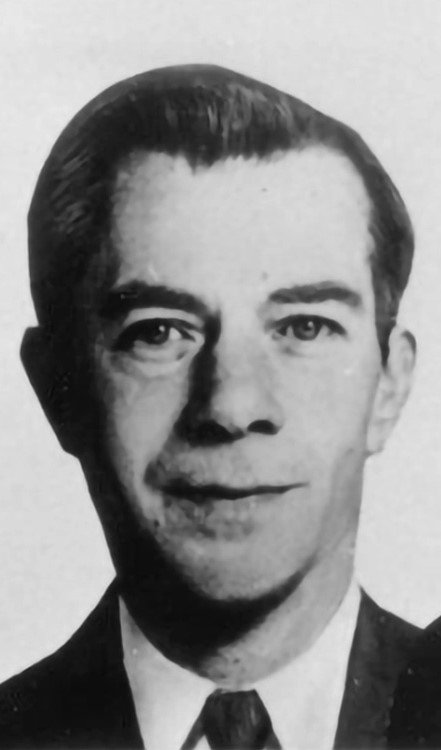
Willie Sutton became famous not just for robbing banks, but for his polite manner and creative disguises during his criminal career spanning four decades. He robbed an estimated 100 banks and stole around $2 million during his lifetime, though he never killed anyone during his crimes. Sutton was known for his meticulous planning and his ability to escape from prison, successfully breaking out of facilities three times. His disguises included dressing as a police officer, a mailman, and even a window washer to gain access to banks without arousing suspicion. When asked why he robbed banks, Sutton allegedly replied, “Because that’s where the money is,” though he later denied making this famous statement. His gentlemanly behavior during robberies earned him respect from both the public and law enforcement officers who pursued him. Sutton spent more than half of his adult life in prison but became a celebrity after his release, appearing on television shows and writing his autobiography.
Dutch Schultz: The Beer Baron of the Bronx
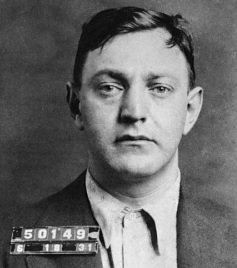
Arthur “Dutch Schultz” Flegenheimer controlled bootlegging operations in the Bronx and Harlem during Prohibition, building a criminal empire through violence and intimidation. Born to German-Jewish immigrants, Schultz started his criminal career as a young man running numbers and engaging in petty theft before moving into the lucrative alcohol trade. His organization distributed beer and liquor throughout New York City, often using brutal tactics to eliminate competition and collect debts. Schultz was known for his violent temper and erratic behavior, which eventually put him at odds with other crime bosses who viewed him as a liability. He became obsessed with avoiding prosecution by special prosecutor Thomas Dewey and even planned to assassinate Dewey, a plot that horrified other crime leaders. The Commission decided that Schultz had become too dangerous and unpredictable, ordering his assassination in 1935. He was gunned down in a Newark restaurant at age 33, just as his criminal empire was reaching its peak power.
Bugsy Siegel: The Visionary of Las Vegas
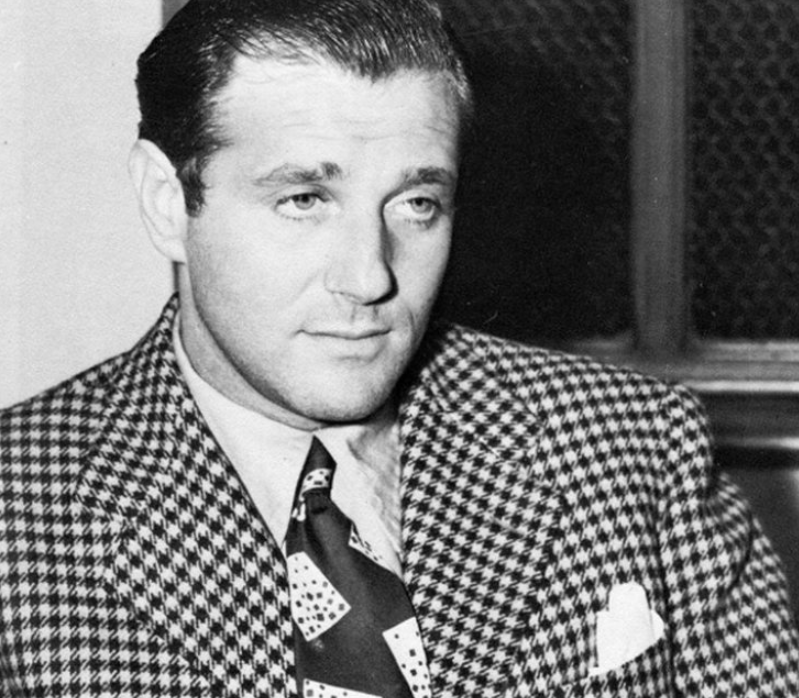
Benjamin “Bugsy” Siegel transformed Las Vegas from a desert town into the gambling capital of America, though his vision ultimately cost him his life. A founding member of Murder, Inc., Siegel was known for his violent temper and his role in numerous contract killings during the 1930s and 1940s. He moved to Los Angeles in the 1940s to expand organized crime operations on the West Coast and became involved in Hollywood circles. Siegel’s most ambitious project was the Flamingo Hotel and Casino in Las Vegas, which he envisioned as a luxurious destination that would attract wealthy gamblers from across the country. The construction of the Flamingo went far over budget, costing investors millions more than originally planned, leading to suspicions that Siegel was skimming money for himself. His violent past and expensive lifestyle made him many enemies within organized crime circles. In 1947, Siegel was assassinated while reading a newspaper in his girlfriend’s Beverly Hills home, though the Flamingo eventually became profitable and helped establish Las Vegas as a major gambling destination.
Whitey Bulger: The FBI’s Double Agent
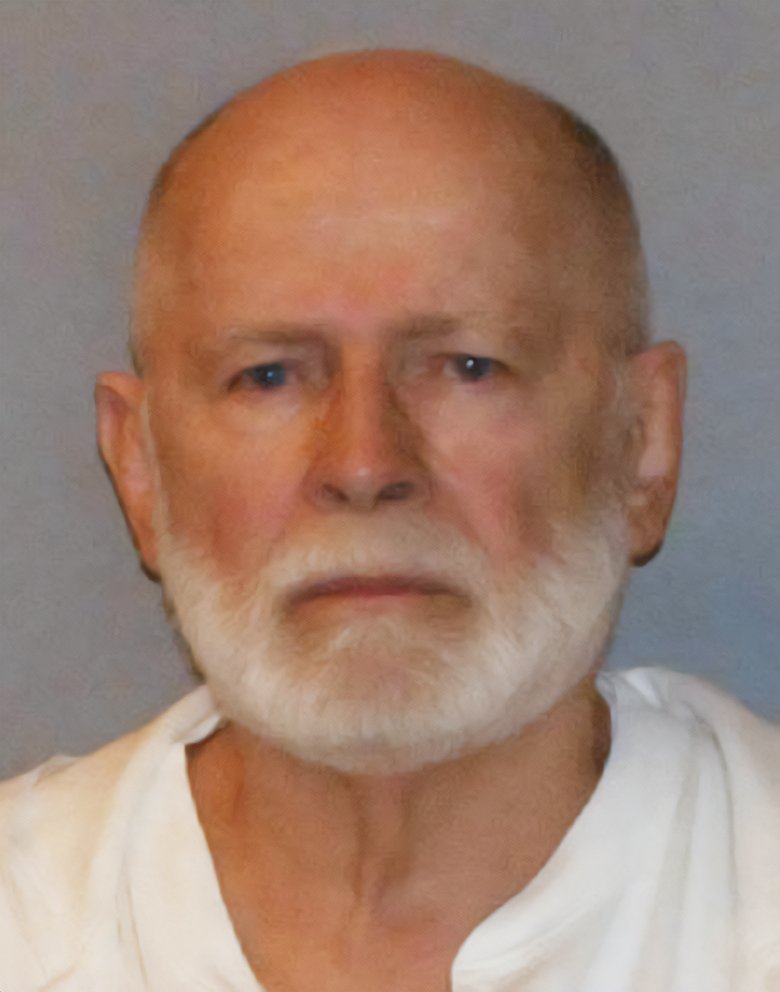
James “Whitey” Bulger operated as both a crime boss and an FBI informant for decades, making him one of the most controversial figures in American criminal history. As leader of the Winter Hill Gang in Boston, Bulger controlled illegal gambling, loan sharking, and drug trafficking throughout South Boston from the 1970s through the 1990s. His relationship with FBI agent John Connolly allowed him to eliminate rivals and avoid prosecution while providing information about competing crime families. Bulger’s criminal organization was responsible for at least 19 murders, though he maintained that he never killed women or children. His ability to corrupt law enforcement officials at multiple levels made him virtually untouchable for years, even as evidence of his crimes mounted. When his FBI protection finally crumbled in the 1990s, Bulger went into hiding and remained on the FBI’s Most Wanted List for 16 years. He was finally captured in Santa Monica, California, in 2011 at age 81 and was convicted of racketeering and murder charges, receiving two life sentences plus five years.
Vincent “The Chin” Gigante: The Crazy Act
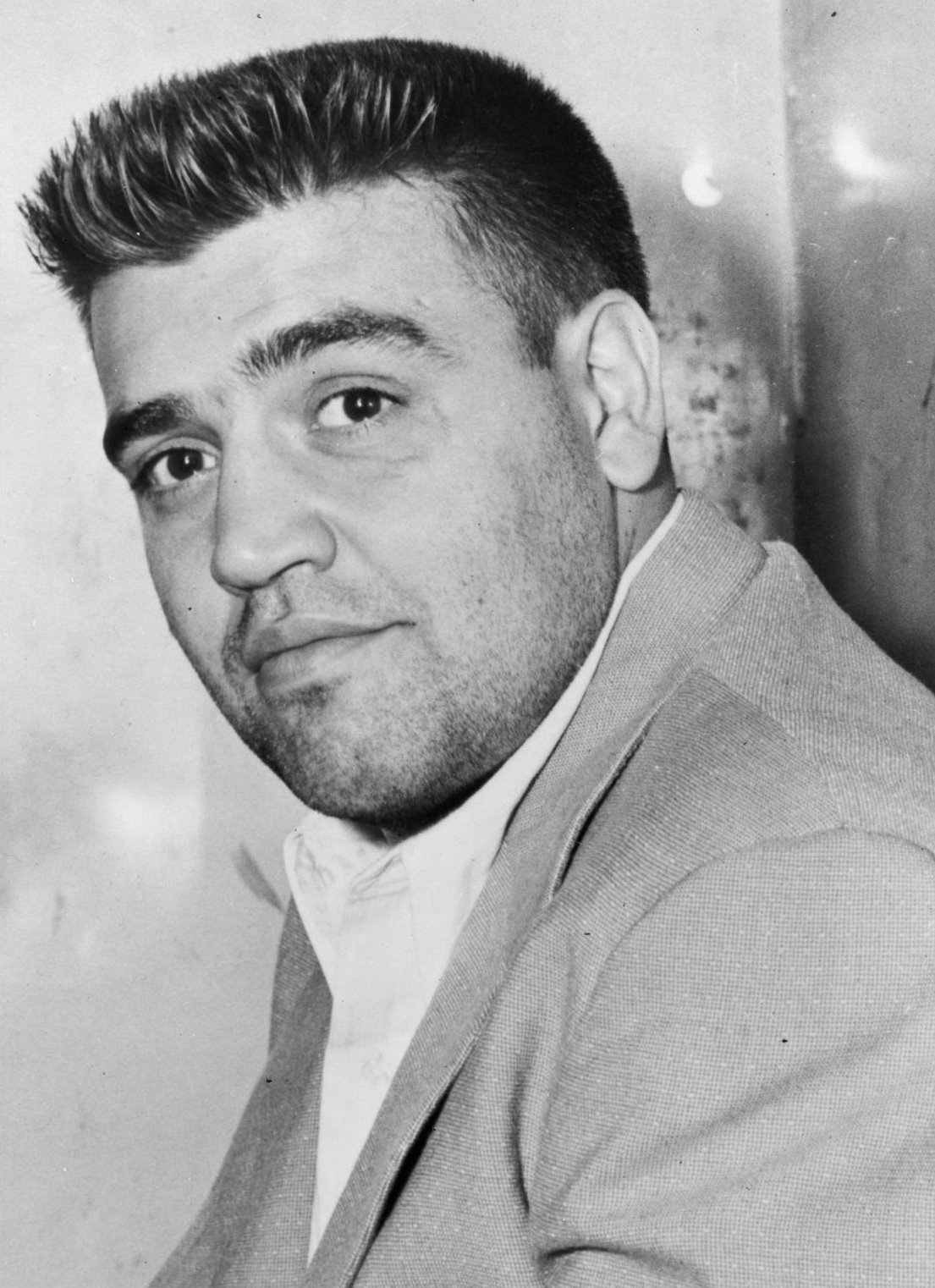
Vincent Gigante spent nearly three decades pretending to be mentally ill to avoid prosecution, wandering the streets of Greenwich Village in his bathrobe and slippers. As head of the Genovese crime family, Gigante was actually one of the most powerful and cunning mob bosses in New York, controlling extensive criminal operations while maintaining his bizarre public persona. His act was so convincing that he fooled psychiatrists, judges, and law enforcement officials for years, earning him the nickname “The Oddfather.” Family members and associates were instructed to speak of him as “The Chin” and to touch their chins when referring to him to maintain the illusion of his mental incapacity. Gigante’s real genius lay in his ability to insulate himself from criminal activities through layers of intermediaries and coded communications. FBI surveillance eventually revealed that his mental illness was completely fabricated, as recordings showed him lucidly discussing criminal business with his subordinates. In 1997, at age 69, Gigante finally admitted that his mental illness was an act and pleaded guilty to charges of conspiracy and racketeering.
Jesse James: The Original American Outlaw
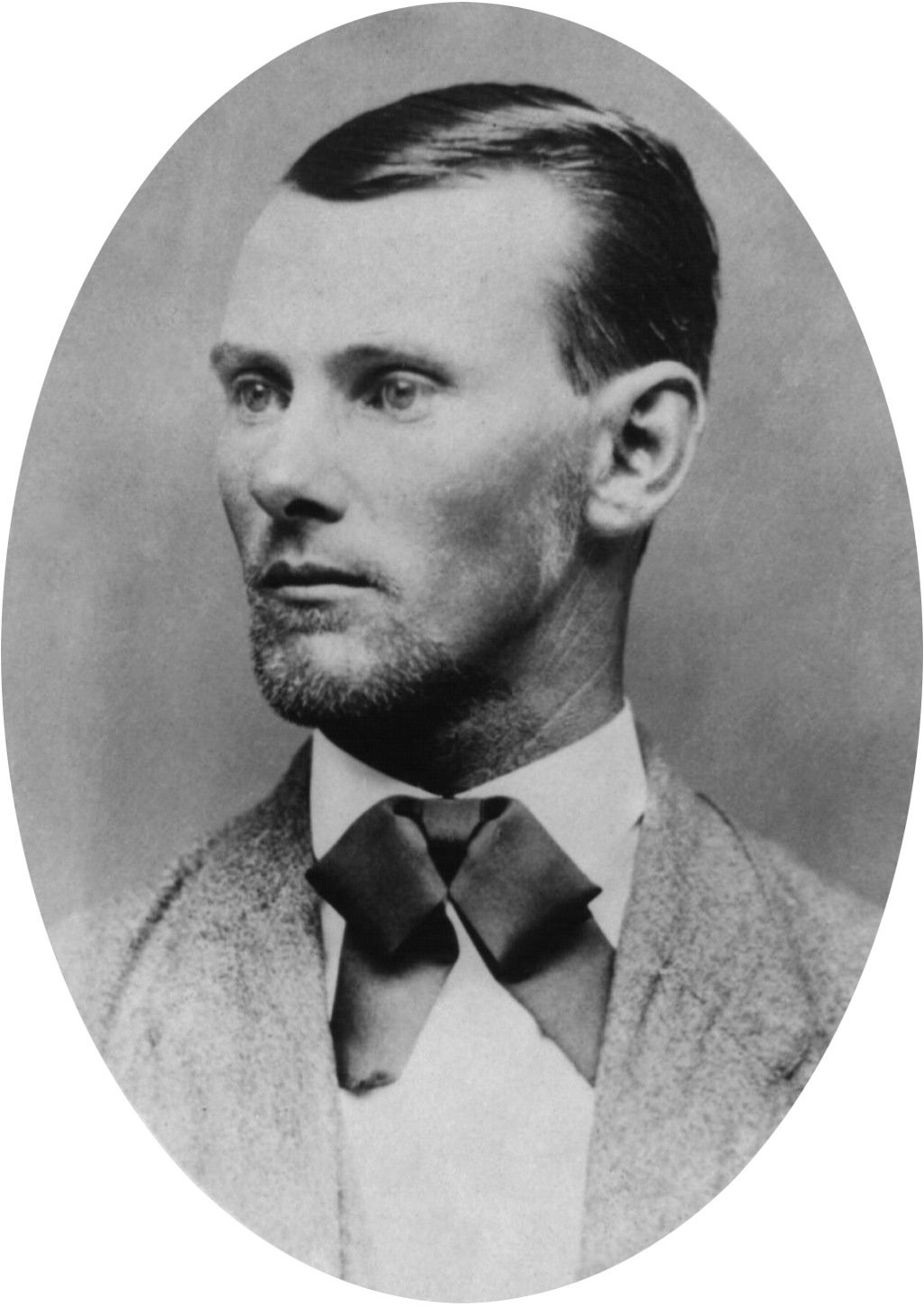
Jesse James became the prototype for the American outlaw, robbing banks and trains across the Midwest during the turbulent years following the Civil War. Along with his older brother Frank and the Younger brothers, Jesse formed one of the most notorious criminal gangs in American history. Their crime spree began in 1866 and continued for nearly 16 years, during which they robbed numerous banks, trains, and stagecoaches across multiple states. James was a skilled horseman and marksman who had learned guerrilla warfare tactics while fighting for the Confederacy during the Civil War. The gang’s robberies were often dramatic affairs, with Jesse reportedly tipping his hat to ladies and apologizing for the inconvenience during holdups. His reputation grew through sensationalized newspaper accounts and dime novels that portrayed him as a folk hero fighting against corrupt banks and railroads. Jesse’s criminal career ended in 1882 when he was shot and killed by Robert Ford, a fellow gang member who was seeking the reward money offered for Jesse’s capture.
Ted Kaczynski: The Unabomber’s Mathematical Mind
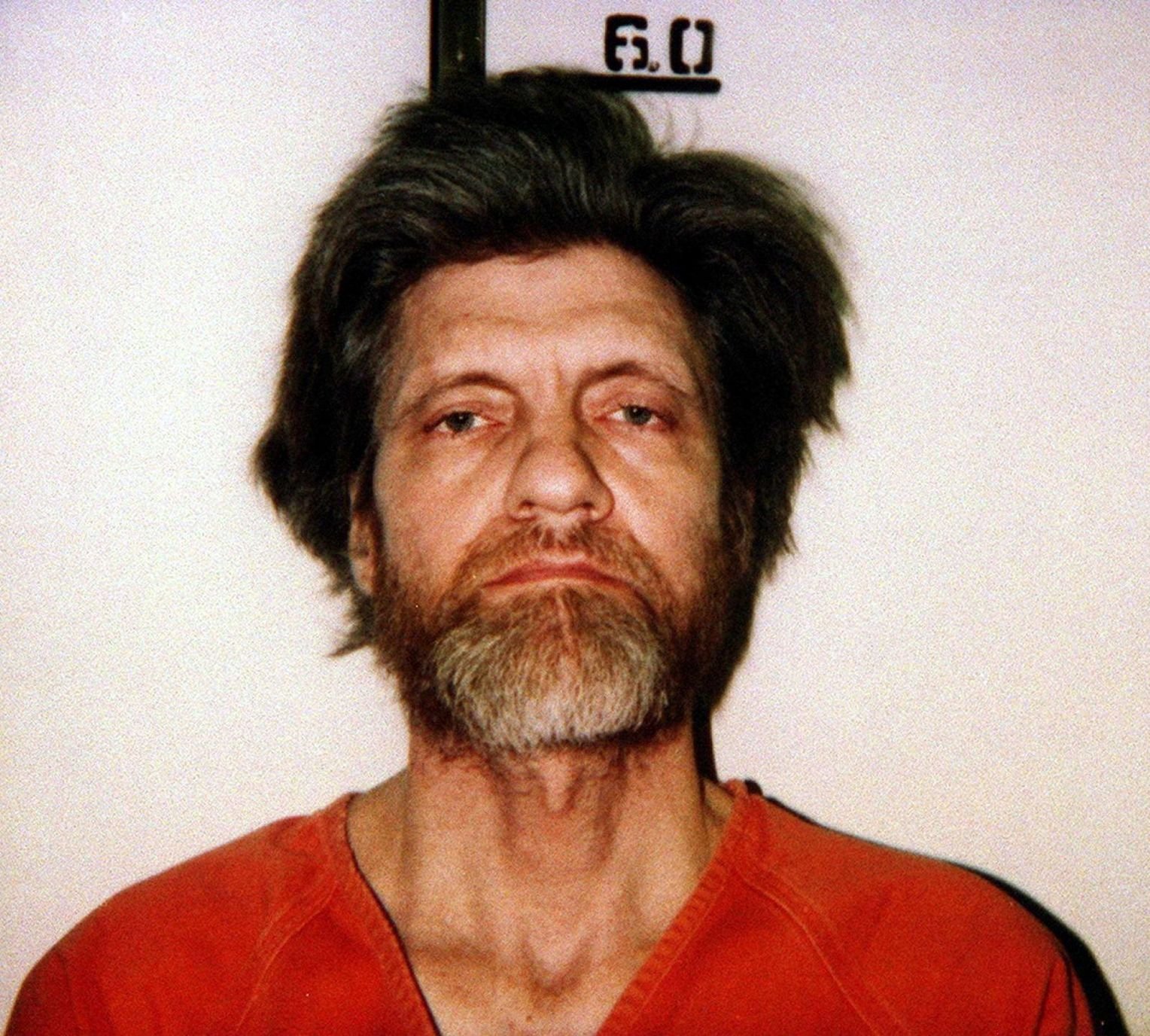
Theodore “Ted” Kaczynski used his brilliant mathematical mind to wage an 18-year domestic terrorism campaign that terrorized the nation and stumped law enforcement. A former Harvard student and UC Berkeley professor, Kaczynski abandoned academic life to live as a hermit in a remote Montana cabin where he crafted sophisticated mail bombs. His targets included university professors, airline executives, and anyone he believed was advancing technology that he viewed as harmful to humanity. Between 1978 and 1995, Kaczynski’s bombs killed three people and injured 23 others, while his cryptic messages and manifestos taunted investigators. The FBI’s investigation, code-named UNABOM, became one of the longest and most expensive investigations in the agency’s history. Kaczynski’s downfall came when he demanded that major newspapers publish his 35,000-word manifesto, “Industrial Society and Its Future.” His brother David recognized the writing style and philosophy, leading to Kaczynski’s arrest at his cabin in 1996, where investigators found bomb-making materials and detailed journals of his crimes.
D.B. Cooper: The Mystery That Never Was Solved
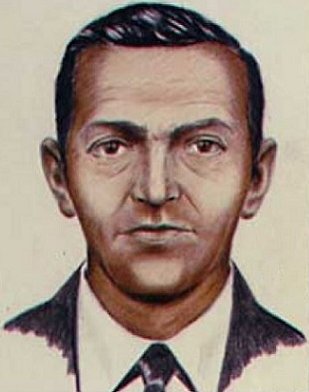
The man known as D.B. Cooper pulled off the only unsolved air piracy case in American history, vanishing into a stormy night with $200,000 and capturing the public’s imagination forever. On November 24, 1971, a well-dressed man calling himself Dan Cooper boarded Northwest Orient Flight 305 from Portland to Seattle and calmly informed flight attendant Florence Schaffner that he had a bomb. After showing her a briefcase containing what appeared to be dynamite, Cooper made his demands: $200,000 in twenty-dollar bills and four parachutes. His polite demeanor throughout the hijacking earned him respect from the crew and passengers, who described him as courteous and well-mannered. After the plane landed in Seattle and Cooper received his money and parachutes, he released the 36 passengers and ordered the crew to fly toward Mexico City at low speed and altitude. Somewhere over the dense forests of southwestern Washington, Cooper lowered the aft stairs of the Boeing 727 and jumped into the stormy night, never to be seen again. Despite one of the longest-running investigations in FBI history, Cooper’s true identity remains unknown, and he has become a folk hero representing the perfect crime that harmed no one but outsmarted the system.
What would you have guessed about which of these criminal masterminds had the most lasting impact on society?

Christian Wiedeck, all the way from Germany, loves music festivals, especially in the USA. His articles bring the excitement of these events to readers worldwide.
For any feedback please reach out to info@festivalinside.com
