

For any feedback please reach out to info@festivalinside.com
- 8 Mind-Boggling Coincidences From History That Will Make You Question Everything - March 10, 2026
- Classic Rock Anthems That Defined a Generation - March 8, 2026
- What Made 1975 One of the Best Years in Music? - March 8, 2026
Paranoid Android: The Six-Minute Symphony
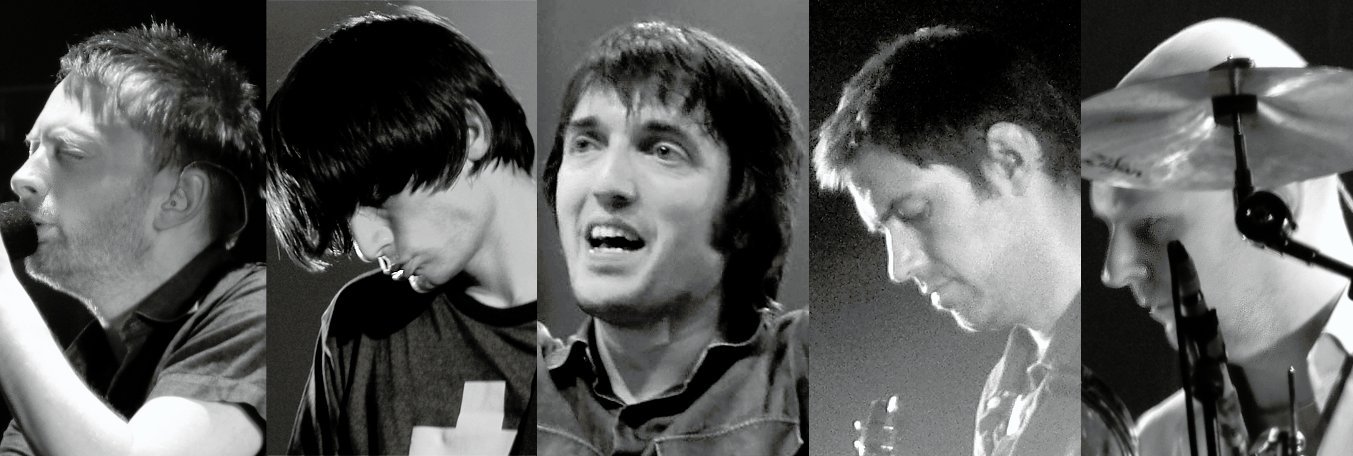
If you had to play somebody one Radiohead song to convince them of the band’s brilliance, it should probably be “Paranoid Android.” Over the period of six minutes it showcases the beautiful quiet textures, and the arena-rock ready bombast the band is capable of achieving. Inspired by the through-composed structure of the Beatles’ 1968 song “Happiness Is a Warm Gun”, Radiohead fused parts from three different songs. Other inspirations included Queen’s “Bohemian Rhapsody” and the work of the Pixies. The result is nothing short of breathtaking.
One of the most complex rock songs ever, “Paranoid Android” has a gazillion different sections and movements and yet they all complement each other brilliantly. The changing tempo, the various time signatures, the fantastic use of chords and production … It’s one of the most ambitious songs I’ve ever heard, so it’s baffling that it all sounds so natural. The bassist, Colin Greenwood, said the band “felt like irresponsible schoolboys … Nobody does a six-and-a-half-minute song with all these changes. It’s ridiculous.”
Yet this ridiculous song became their highest-charting single in the UK, reaching number three and proving that ambition and accessibility aren’t mutually exclusive.
Karma Police: The Dark Heart of Modern Anxiety
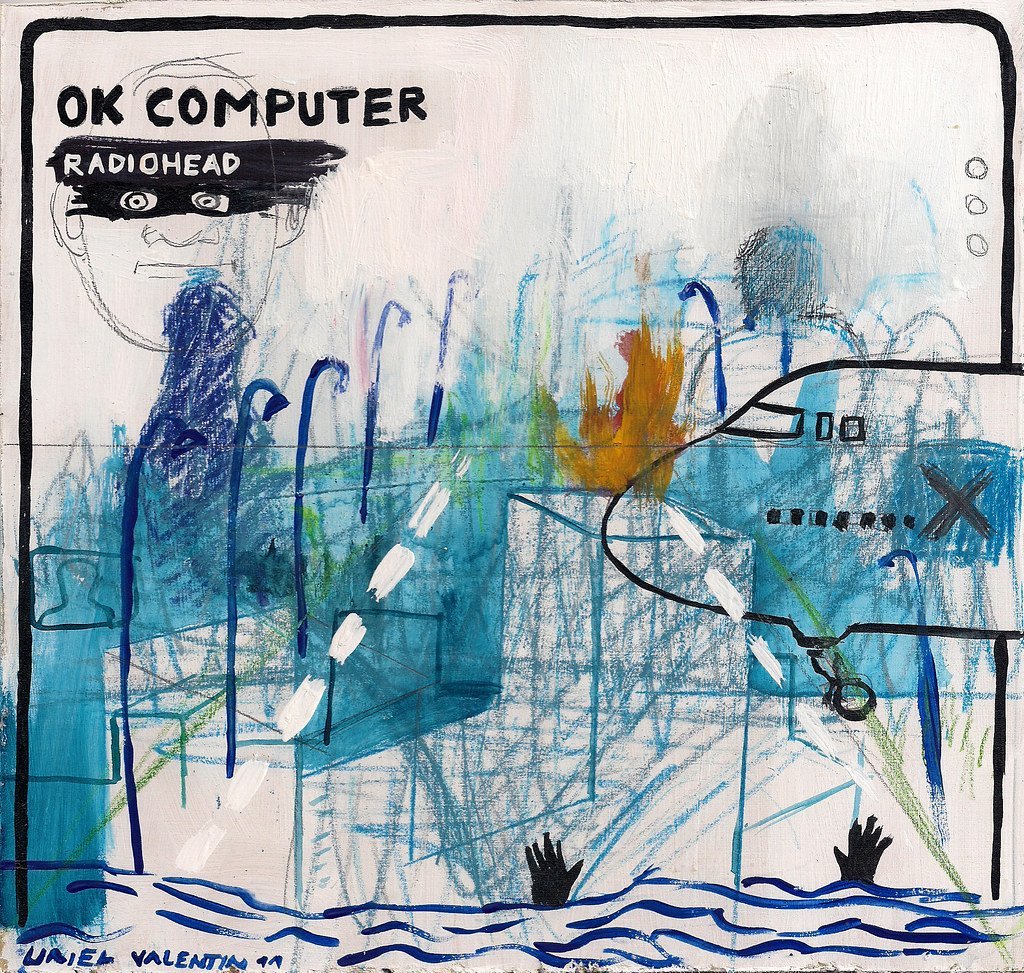
OK Computer is filled to the brim with complex tracks and masterful songwriting, but even then “Karma Police” shines above the others. It’s intensely dark and brooding, with some of the gloomiest lyrics Thom York has ever constructed, and that shift into the bridge is one of my favourite moments in music history. Karma Police began as an inside joke with Radiohead around the time that they toured with Alanis Morissette in the summer of 1996. When somebody in the band acted like a dick, someone would warn them that the Karma Police were coming after them. An early version of the song was premiered on that tour, but they finished it in the studio when the tour wrapped up.
“Karma Police” exemplifies Radiohead’s ability to create accessible melodies while exploring themes of moral authority and social control through cryptic yet compelling lyrics. The song’s piano-driven arrangement and Tom York’s vulnerable vocal delivery create an intimate atmosphere that contrasts with its darker lyrical implications about surveillance and judgment. Yorke revealed that the song’s lyrics are actually about stress and the feeling of being under surveillance. Yorke explained that the song is for people who work in large companies and are constantly being watched and judged by their superiors. He added that the song is a critique of bosses and “middle management”.
Let Down: The Underrated Masterpiece

Perhaps no Radiohead song has experienced a more dramatic renaissance than “Let Down.” Let me just start off by saying that Let Down is EASILY in my top 10 songs to ever be released. Let Down is also the sole reason I got into Radiohead, I remember listening to OK Computer for the first time and I was loving it, but when Let Down came on, I knew that this was going to be one of my favorite bands. I just knew, as soon as I hit play. After it became popular on TikTok, “Let Down” debuted at number 93 on the Billboard Hot 100 in 2023, Radiohead’s first entry since their 2008 single “Nude”.
“Let Down” is a song by the English rock band Radiohead, released on their third studio album, OK Computer (1997). It contains multilayered arpeggiated guitars and electric piano in different time signatures, and lyrics inspired by a disconnection from emotion. Jonny Greenwood plays his guitar part in a different time signature to the other instruments, creating a phasing effect inspired by the American composer Steve Reich. It is a travesty that the layered, tinkling instrumental is what makes ‘Let Down’ so difficult for the band to perform live, leaving fans waiting for its return to setlists until 2017. The song’s consistent momentum build up to an explosion of chaos and catharsis that is guaranteed to induce tears.
Yorke said the lyrics were about a fear of being trapped, and “about that feeling that you get when you’re in transit but you’re not in control of it – you just go past thousands of places and thousands of people and you’re completely removed from it”.
Creep: The Song They Love to Hate
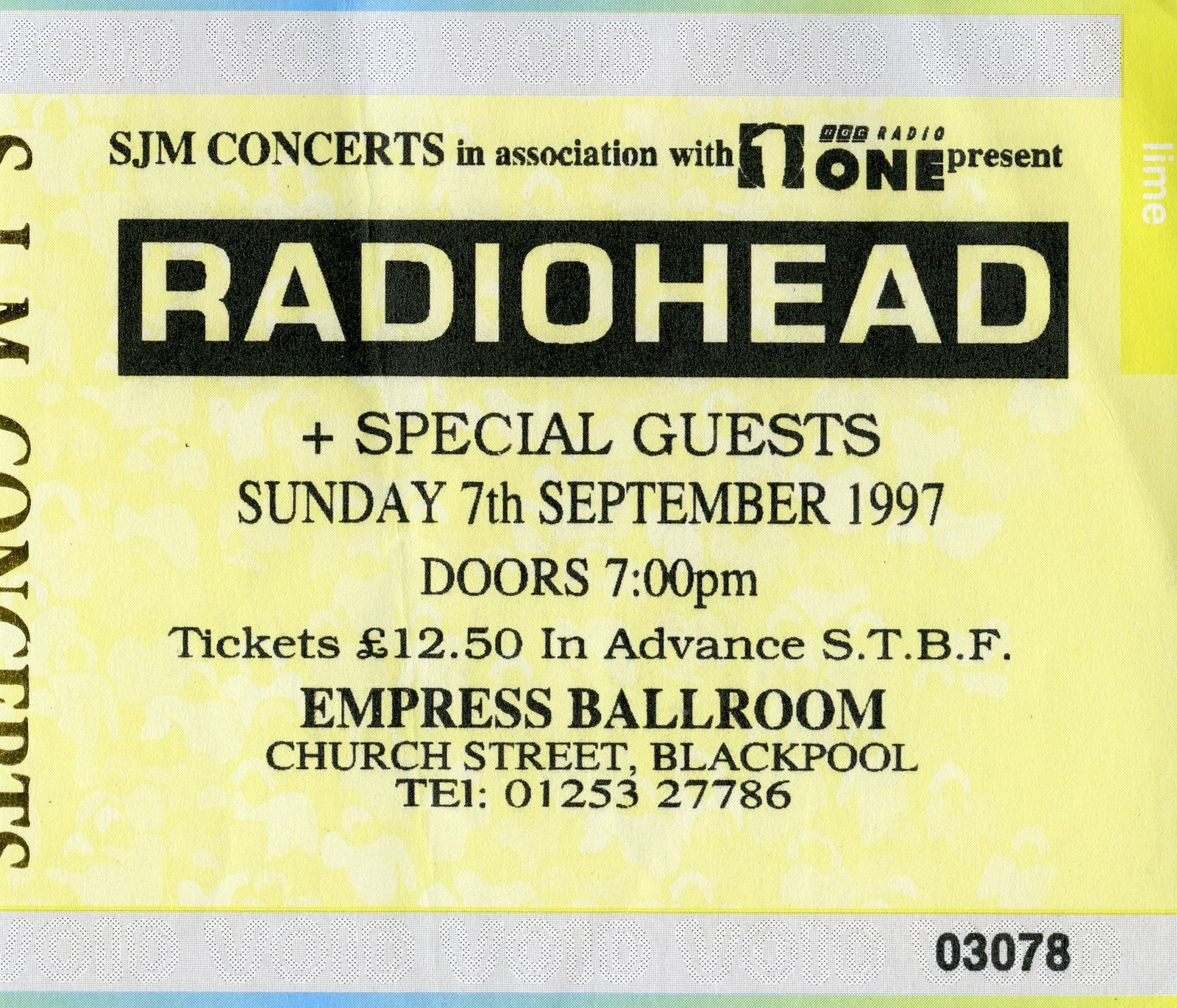
When “Creep” hit MTV in 1993, Radiohead seemed destined to be another One Hit Wonder alt-rock band. At best, they’d wind up like Better Than Ezra and “Creep” would be their “Good.” The band had a dislike for the song from pretty early on (those famous guitar scratches are Jonny Greenwood trying to mess up what he thought was a boring song) and they even wrote “My Iron Lung” about how much they hated playing the song over and over again during their early days.
Yet “Creep” remains their calling card, the song that introduced millions to their universe. “Creep” remains Radiohead’s most recognizable song and the track that launched them into international stardom, despite the band’s later ambivalent relationship with their breakthrough hit. The song’s raw emotional vulnerability and self-deprecating lyrics connected with a generation of alienated listeners, while the explosive guitar dynamics created a template that influenced countless alternative rock bands.
The irony of their most famous song also being their least representative has followed them throughout their career. Still, that moment when the distorted guitars crash in remains one of the most cathartic releases in rock music.
Fake Plastic Trees: The Bridge Between Eras

Tracks like “Fake Plastic Trees” and “High and Dry” are sometimes credited as prototypes for the saccharine, semi-soft rock of the early 2000s – the latter was once described as having “essentially invented Coldplay” – but of the two, “Fake Plastic Trees” has aged most gracefully. Whispers of a weirder, more complex Radiohead are there in the song’s alien weightlessness and ghostly strings, and it’s an early taste of the immense feeling that the band would go on to conjure in increasingly interesting ways.
The Bends album is much more based in guitars and traditional rock elements than Radiohead’s later works. The song is acoustic and was reportedly inspired by the music of Jeff Buckley, giving Thom Yorke the confidence to sing in his falsetto register which has become his signature. They’ll never admit it now, but many people first heard “Fake Plastic Trees” in the movie Clueless. It’s in the scene where Cher comes home and finds her step-brother (and future boyfriend) Josh in her house. It’s playing on the radio. It’s definitely a cry-baby song, especially the acoustic version used in the film, but it’s also one of Radiohead’s most anthemic songs.
This track perfectly captures that moment when a young band realizes they’re capable of something greater than they initially imagined.
Everything in Its Right Place: The Electronic Leap
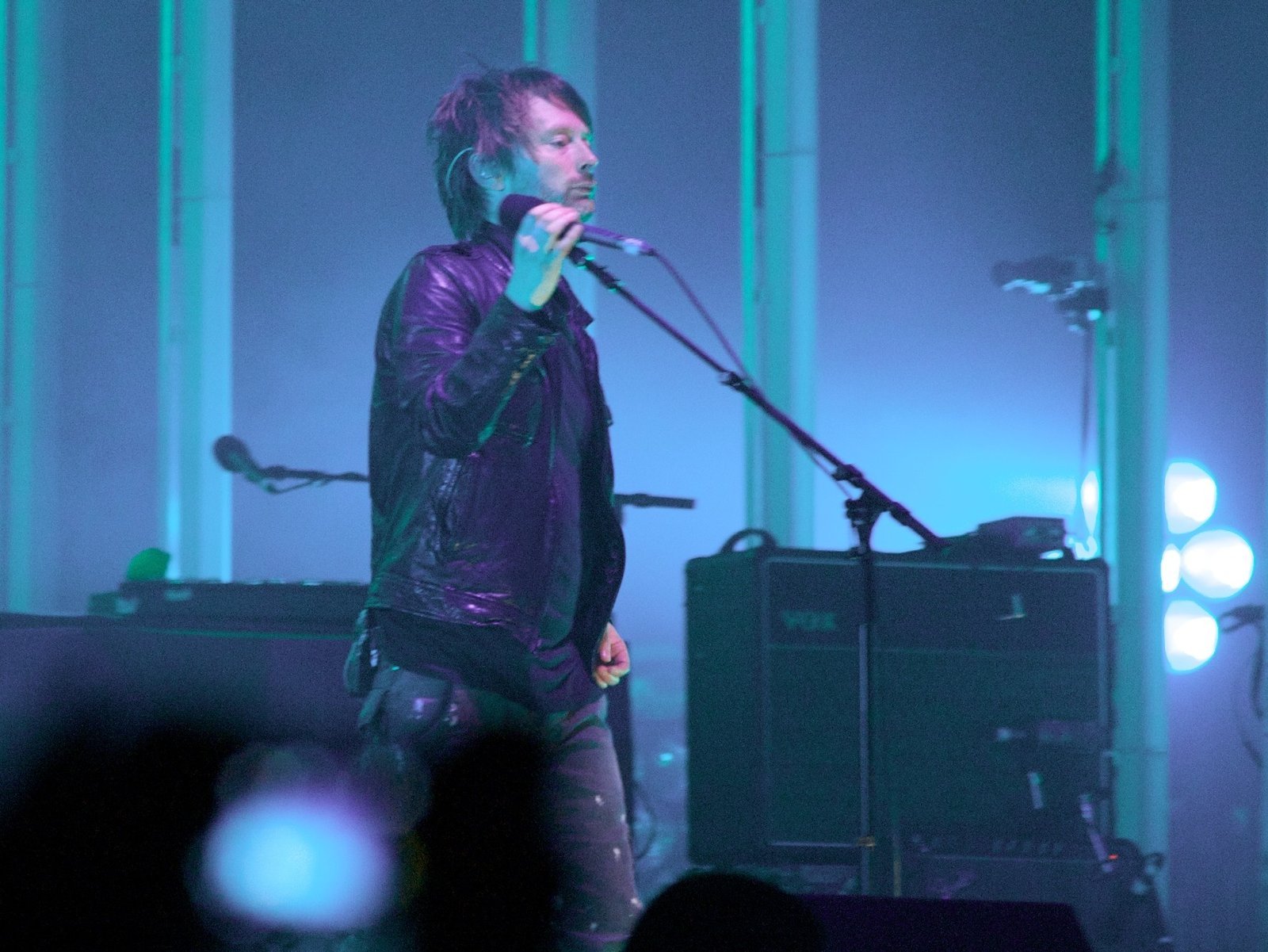
The kick-off track to Kid A was a clear sign to fans that this wasn’t going to be Ok Computer II. The guitar is no longer the dominant instrument. It’s been replaced by Yorke’s piano work. In fact, he wrote this song on a baby grand immediately after buying the instrument. This seemingly simple track completely redefined what Radiohead could be.
The song’s hypnotic repetition and manipulated vocals created a template for the electronic music they’d explore throughout the 2000s. Absolutely everybody loves it now, but when Kid A came out back in 2000, some people weren’t blown away. People expected another guitar album like their 1990s records, but Radiohead was clearly on a different path.
What seemed like an alienating experiment at the time now sounds like a blueprint for how rock bands could incorporate electronic elements without losing their essential identity. The song’s title became a mantra for fans learning to accept change as the only constant in Radiohead’s world.
How to Disappear Completely: The Art of Vanishing
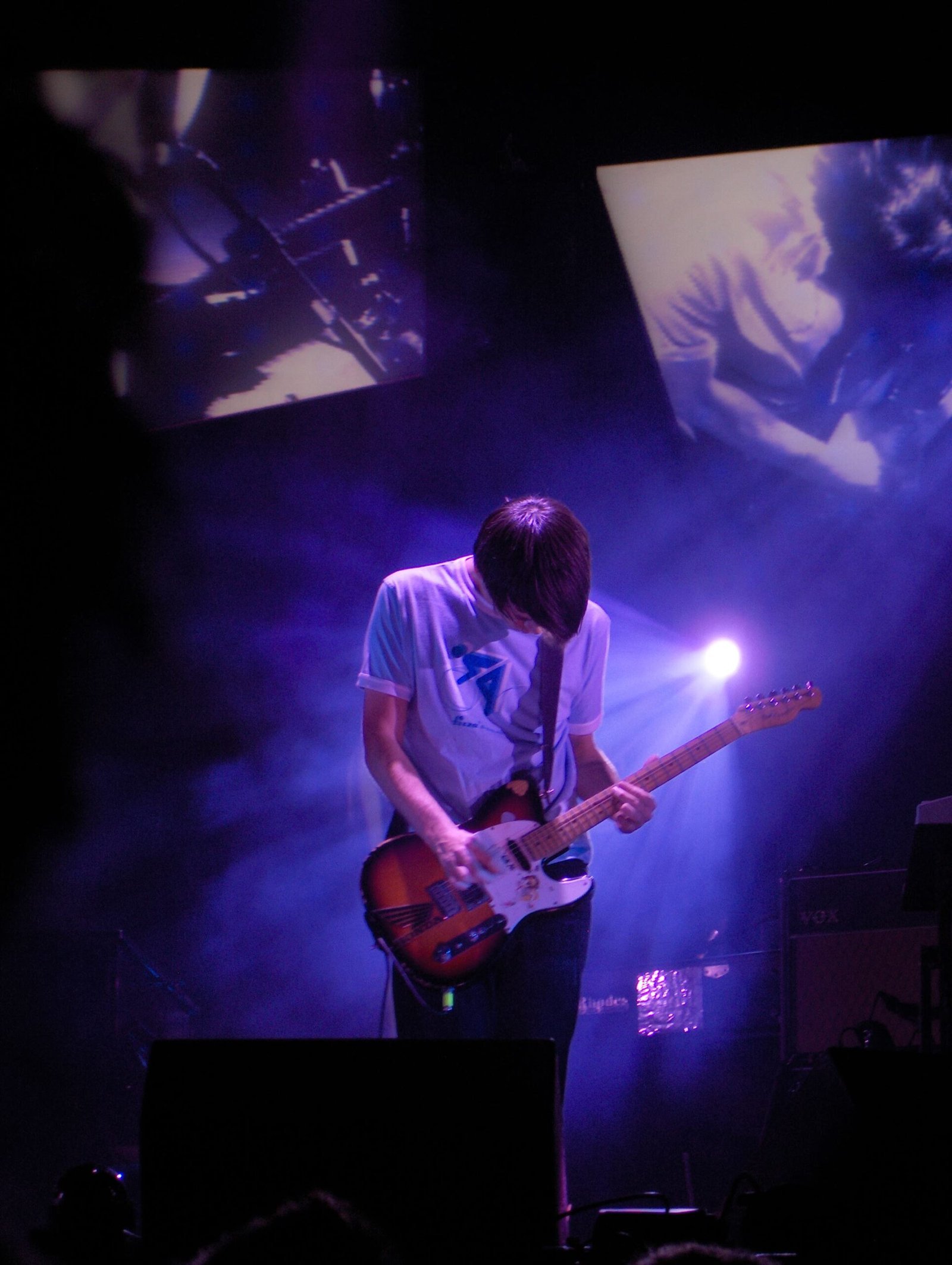
From the 2000 album Kid A, ‘How To Disappear Completely’ is haunting, anguished, frankly depressing – and one of the most beautiful songs Thom Yorke has ever written. Johnny Greenwood’s strings build and build into a crescendo of crystal sharp wails, sonically replicating the feeling of dissociation and confusion. The song represents Radiohead at their most emotionally direct during their experimental period.
Built around Yorke’s vulnerable vocals and Greenwood’s orchestral arrangements, it achieves something remarkable: making electronic music feel deeply human. The track demonstrates how the band could strip away conventional rock elements while amplifying the emotional core of their songwriting.
The mantra-like repetition of the title creates a meditative quality that borders on spiritual, making it one of their most affecting compositions.
No Surprises: Suburban Malaise Set to Music
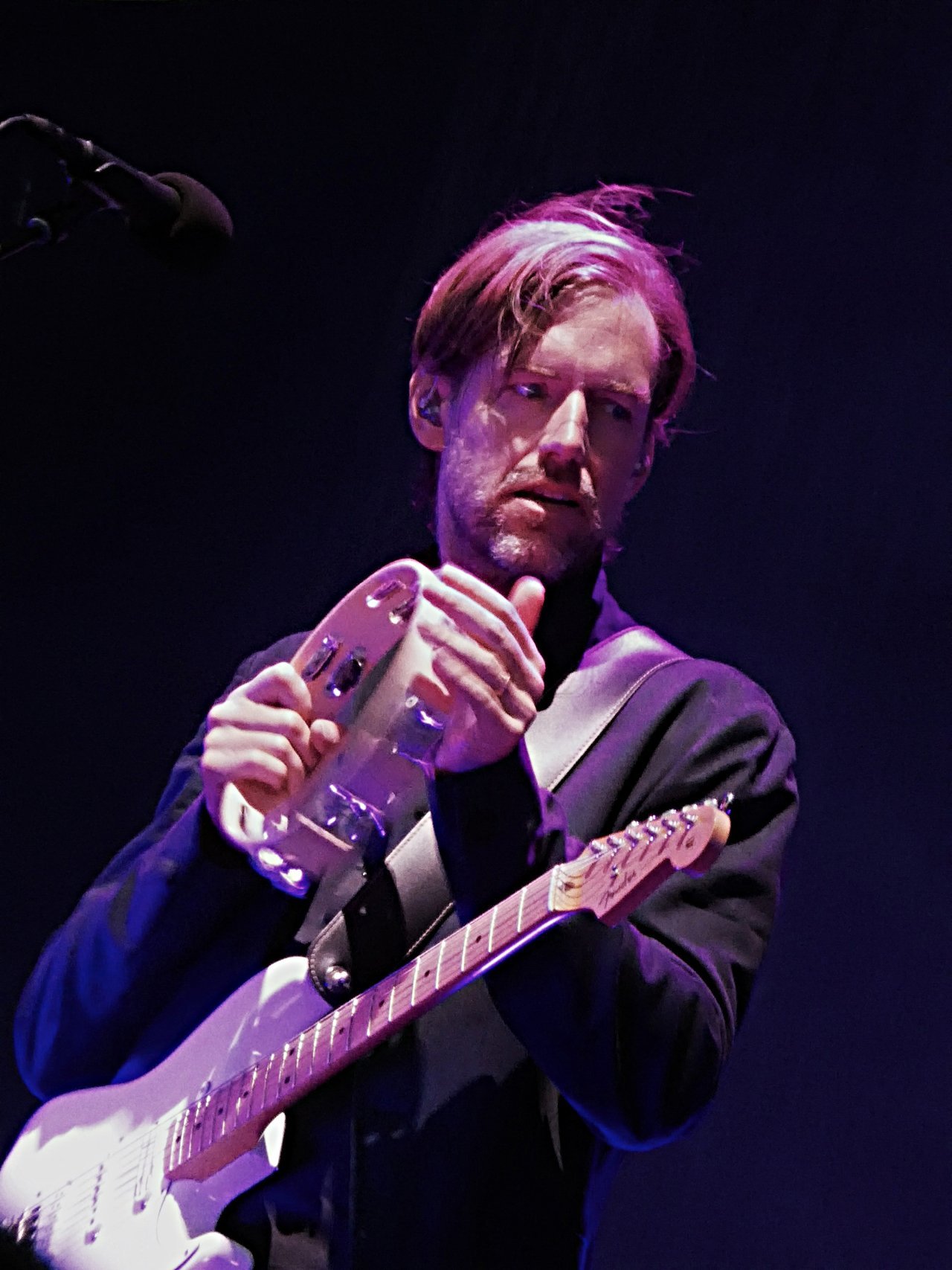
OK Computer perfectly encapsulates the grey, bored and disillusioned feeling so many had in the late 90s, connecting with those with existential tendencies and defining a moment in British music history. ‘No Surprises’ serves as an example of this sentiment, as Thom laments of “a job that slowly kills you” over ethereal strings, the dreamlike rock allowing the listener to float away from reality for three blissful minutes.
The song’s deceptively gentle melody masks some of Radiohead’s darkest lyrics, creating a beautiful contradiction that exemplifies their songwriting genius. Its childlike glockenspiel melody contrasts sharply with themes of corporate drudgery and existential emptiness.
This track became an anthem for a generation trapped between youthful idealism and adult compromise. The music video, featuring Yorke’s head slowly filling with water in a helmet, remains one of their most iconic visual statements.
Idioteque: Dancing While the World Burns

‘Idioteque’ is the magnum opus of Radiohead’s more heavily electronic music, with broken and distorted beats to capture the sound of a crackly, blown-out PA system at a club. The lyrics make no sense, the beat chops and changes, but that’s what made the Kid A album so interesting. Over two decades on from its release, it’s remarkable how in-tune “Idioteque” remains with “everything, all of the time,” befitting of a world and culture insistent on keeping people distracted, if not amused, to death.
The song captures the anxiety of the digital age before most people realized we were entering one. Its fractured rhythms and apocalyptic imagery feel more relevant today than when it was first released. The track proved that Radiohead could make dance music that was simultaneously euphoric and deeply unsettling.
Its influence on electronic music and experimental rock continues to ripple outward, inspiring artists who understand that the most effective protest music doesn’t always sound like protest music.
Weird Fishes/Arpeggi: Swimming in Sound
‘Weird Fishes / Arpeggi’ reflects the cover of the In Rainbows album, exploding into an array of colours through mesmerising shoegaze guitars that feel like warm summer sun. Once the first half has built to a peak, the sudden change to ‘Arpeggi’ with its faster percussion serves to keep the listener guessing. It’s a fan favourite song on a fan favourite album.
That it exists – and that it’s even arguable that it’s not Radiohead’s single greatest achievement – is nearly impossible to believe. “Weird Fishes / Arpeggi” is the nucleus of Radiohead’s greatness, an insurmountably beautiful song that doesn’t walk the line between warmth and chill but liquefies it completely. It’s proof positive that, at their peerless best, Radiohead can draw tears from eyes and tease rhythm from hips like no other, accessors of an airborne grace. “I’ll hit the bottom and escape,” Yorke sings over the tangled, constantly dissolving outro – but “Weird Fishes / Arpeggi” sounds more like a peak, the kind of height that’s come to define a near-indefinable band.
The song represents everything that made In Rainbows their most cohesive statement: complex arrangements that never feel labored, electronic elements that enhance rather than replace human performance, and melodies that burrow deep into your subconscious.
There There: Rhythm as Revelation

The first single from 2003’s Hail To The Thief has also become a live favorite over the past decade, though it requires three-fifths of the band to be on drum duty in order to properly pull it off. Radiohead haven’t gotten much radio play in recent years, but this one does occasionally pop up. The song’s tribal rhythms create an hypnotic foundation that allows Yorke’s vocals to soar above the percussive maelstrom.
Actually, that “Airbag” part is tied with everything that happens in “There There” from 3:16 on, as Yorke bellows like a man performing an exorcism over a motorik beat freshly doused in gasoline. The track builds to one of their most cathartic climaxes, with multiple band members playing percussion to create a wall of rhythm that feels both ancient and futuristic.
It perfectly encapsulates Hail to the Thief’s blend of political anger and musical experimentation, proving that Radiohead could make protest music without sacrificing their artistic complexity.
Present Tense: The Wisdom of Later Years
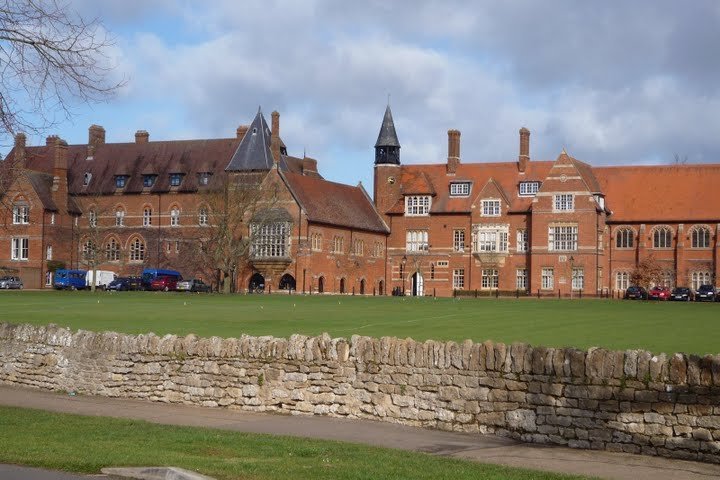
From “A Moon Shaped Pool,” this gentle, introspective track demonstrates Radiohead’s continued ability to create deeply personal music while maintaining their innovative edge. The song’s intimate arrangement and philosophical lyrics about living in the moment showcase the band’s maturity and ongoing relevance in contemporary music. Its acoustic-based approach proves that Radiohead’s experimental reputation doesn’t prevent them from creating beautifully direct and emotionally honest music.
It’s an atmospheric track with heavy, bossa nova style string elements and a samba melody that stands out on the album among soft, tinkling ballads. Depreciating chords create a sense of foreboding in the song, especially coupled with Thom Yorke’s haunting vocals.
The song represents Radiohead in their most contemplative mode, offering wisdom earned through decades of musical exploration and personal growth. It’s a meditation on impermanence that feels both melancholy and ultimately hopeful.
The Lasting Legacy
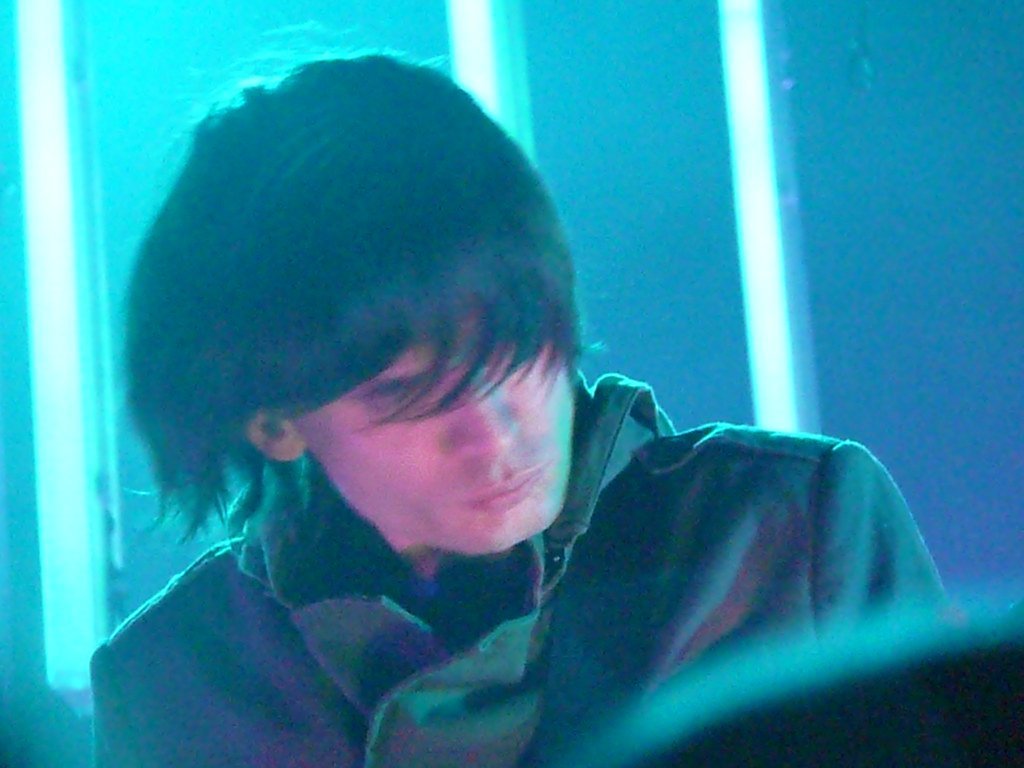
Ranking Radiohead’s greatest songs ultimately feels like trying to measure infinity. Each track represents a different facet of their multifaceted brilliance, from the raw emotion of their early work to the sophisticated experimentalism of their later albums. Their willingness to experiment with electronic music, unconventional song structures, and complex themes has resulted in a body of work that continues to reveal new layers with each listen. Whether you’re discovering Radiohead for the first time or revisiting these masterpieces, this collection represents the essential tracks that define their extraordinary musical journey through 2025.
What makes these songs endure is their ability to capture both the specific anxieties of their time and the universal human experiences that transcend any era. They’ve given us a soundtrack for alienation, hope, despair, and transcendence, often within the same song. As we move deeper into the digital age they predicted, their music feels more essential than ever.
What do you think about this ranking? Tell us in the comments which Radiohead song moves you most.

Christian Wiedeck, all the way from Germany, loves music festivals, especially in the USA. His articles bring the excitement of these events to readers worldwide.
For any feedback please reach out to info@festivalinside.com
