

For any feedback please reach out to info@festivalinside.com
- Ten Most Lopsided Battles In History Ever - April 4, 2026
- These 10 Forgotten Literary Masterpieces Are Just Waiting to Be Rediscovered - April 4, 2026
- These 10 Historical Events Had Far-Reaching Consequences We Still Feel Today - April 4, 2026

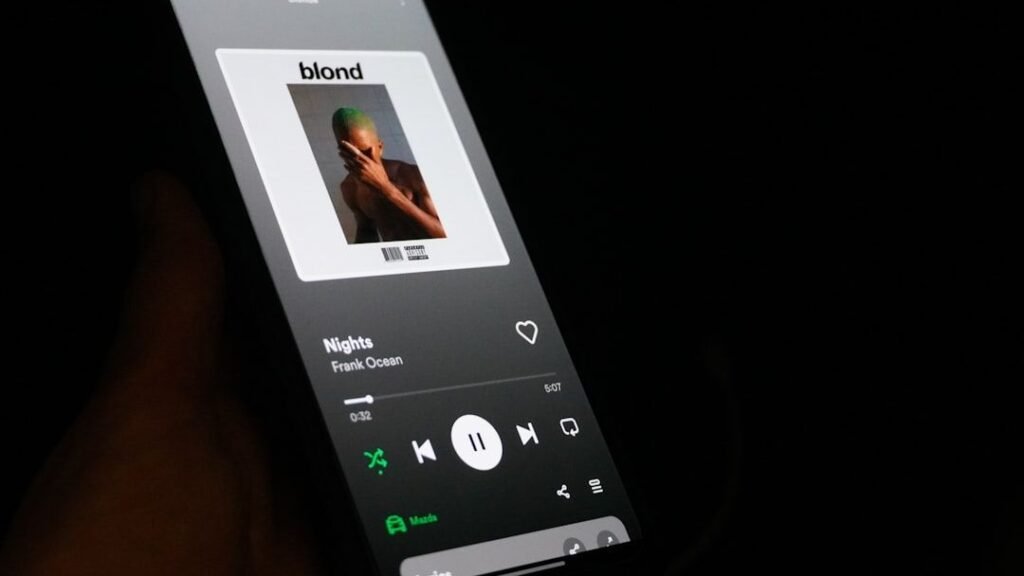
Frank Ocean’s “Nights” burst onto the scene back in August 2016 as part of his groundbreaking visual album Blonde, instantly captivating listeners with its bold innovation. Released under the Boys Don’t Cry imprint, this track has lingered in the cultural consciousness for years, amassing millions of streams and views across platforms. What sets it apart in today’s streaming-saturated landscape is its refusal to conform, blending euphoria and melancholy in a way that feels profoundly personal. Critics and fans alike continue to dissect its layers, proving that true artistry endures beyond initial hype.
Here’s the thing: in an era where songs chase viral moments, “Nights” demands patience and replay value. Its release timing, tied to Blonde‘s chaotic yet genius rollout, amplified its mystique. As we reflect on its impact nearly a decade later, the track stands as a testament to Ocean’s visionary approach. This development invites us to explore how one song captured the chaos of transformation so vividly.
Industry observers note that Ocean’s work consistently pushes boundaries, and “Nights” exemplifies that ethos perfectly. Building on his earlier triumphs like Channel Orange, it marked a shift toward abstraction and experimentation. Let’s dive deeper into what makes this track a cornerstone of modern music.
A Pivotal Moment in Modern R&B Evolution
Frank Ocean’s “Nights” arrived on August 20, 2016, anchoring the visual album Blonde and signaling a bold evolution in R&B. The song splits into two distinct halves, moving from a buoyant synth-driven groove to a darker trap-infused introspection, mirroring personal metamorphosis. This structural choice captures Blonde‘s core theme of time’s passage and emotional change. Ocean’s blend of vulnerability and experimentation resonated deeply, turning the track into a fan favorite almost overnight. Production credits to Ocean, Om’Mas Keith, and Jon Brion highlight the meticulous vocal layering and instrumentation that invite endless replays.
Furthermore, the song’s release under Boys Don’t Cry underscored Ocean’s independent spirit, free from traditional label constraints. What makes this particularly interesting is how it rewarded patient listeners with new discoveries on each spin. In the broader context of R&B’s shift toward genre-blending, “Nights” paved the way for future innovators. Honestly, its technical prowess elevates it beyond a mere single into a sonic landmark.
The Dual Structure: Daytime Euphoria to Nocturnal Reflection
At around the three-minute mark, “Nights” executes a seamless pivot that transforms its energy entirely. The first half pulses with bright synths and Ocean’s falsetto, evoking carefree summer drives and youthful escapism. Then it plunges into brooding bass and distorted 808s, amplifying loss and reinvention. This mirrors real-life shifts, much like Ocean’s own move from Los Angeles, symbolizing crossroads. Tempo changes and reversed audio create disorientation, crafting a narrative through sound alone.
Critics celebrated this as a structural miracle, akin to emotional time travel. The contrast heightens the track’s immersive quality, drawing listeners into its emotional arc. Building on nostalgic vibes, the second section’s glitchy elements add raw intensity. Industry watchers point out how this bifurcation influenced subsequent R&B productions. Truly, it’s a masterclass in using music to tell a story of change.
Lyrical Depth: Love, Time, and Self-Discovery
Ocean’s words in “Nights” masterfully capture relational flux with lines like “Every night fucks every day up / Every day patches the night up,” distilling life’s cycles. References to “two kids in a coupe” highlight impermanence amid fleeting connections and fame’s pressures. Sparse verses foster universal appeal, allowing personal projections onto themes of breakups and growth. Cultural nods to cruising and nightlife root the poetry in everyday Americana.
This restraint sparks endless interpretations, from autobiographical hints to broader human struggles. What elevates it further is the haze of memory woven throughout, making every listen revealing. Fans and analysts alike praise its poetic economy for touching queerness and joy amid hardship. In essence, the lyrics transform abstract feelings into shared experiences. No wonder it inspires essays and theories to this day.
Production Brilliance and Collaborative Genius
Ocean led the engineering on “Nights” with Noah Goldstein and Malik Yusef, prioritizing mood through innovative techniques. Shimmering keys and live drums nod to 1980s nostalgia in the opener, while pitched-down vocals and glitchy percussion channel hip-hop edges later. Field recordings and over 50 audio layers, as revealed in leaked stems, blur organic and synthetic boundaries. This craft contributed to Blonde‘s Grammy nods, affirming Ocean’s auteur status.
The Boys Don’t Cry strategy, pairing the album with a magazine and merch, revolutionized drops and boosted the track’s reach. Leaked details later showcased its complexity, rewarding producers’ deep dives. Meanwhile, the immersive quality stems from these choices, setting a new bar for R&B polish. Observers credit this for the song’s lasting replay appeal. It’s a reminder that great production tells half the story.
Cultural Impact and Critical Acclaim
“Nights” helped propel Blonde to No. 1 on the Billboard 200, with over 276,000 equivalent units in its first week. Hundreds of millions of streams followed, spawning memes, TikTok edits, and covers. The New York Times dubbed it a shape-shifting epic, and Rolling Stone placed it among the decade’s best. Its influence touched SZA and The Weeknd, who echoed its structures.
The multimedia integration with Blonde‘s film added layers of mystique, prioritizing artistry over radio play. This redefined R&B expectations in the streaming age. Fan engagement extended its life through viral moments and ads. Critics’ praise solidified its commercial and artistic dominance. Still, its ambition keeps it relevant today.
Legacy in Ocean’s Discography and Beyond
“Nights” bridges Ocean’s confessional Channel Orange era to Blonde‘s impressionism, embodying his independent evolution. It shines in rare live sets, drawing massive crowd reactions. The song has soundtracked films, commercials, and cultural moments, embedding deeply in pop culture. Its August drop amid Blonde‘s legendary rollout became industry legend.
Symbolizing artistic control, it pushes labels toward more creator freedom. Topping best-of lists affirms Ocean’s generational talent. From sparse performances to endless streams, its footprint grows. This track proves evolution sustains careers. In 2024, it remains a benchmark for innovation.
Fan Interpretations and Enduring Mysteries
Debates rage over “Nights'” inspirations, from rumored relationships to queerness and Black joy themes. Forums unpack Easter eggs like potential Buddy Holly samples or ad-lib secrets. Covers by artists like Rosalia highlight its versatility as Blonde‘s emotional center. This richness fuels its longevity amid hit-chasing trends.
Fans project personal stories onto its ambiguity, keeping discussions alive. Narrative placement underscores Ocean’s sequencing genius. Online theories add to the allure, blending autobiography with universality. What endures is its invitation to interpret. Truly timeless songcraft at work.
Final Thought
“Nights” endures as Frank Ocean’s bold statement on change, proving one track can encapsulate a lifetime of shifts. Its duality and depth make it endlessly replayable, a rare gem in modern music. As R&B continues evolving, this song’s shadow looms large. What personal story does “Nights” evoke for you? Share in the comments below.
Source: Original YouTube Video

Christian Wiedeck, all the way from Germany, loves music festivals, especially in the USA. His articles bring the excitement of these events to readers worldwide.
For any feedback please reach out to info@festivalinside.com
