

For any feedback please reach out to info@festivalinside.com
- 10 Massive Books Worth Every Last Page - April 12, 2026
- The Most Misunderstood Song Lyrics - April 12, 2026
- The Comfort of Music: Ten Relaxing Classical Pieces - April 12, 2026
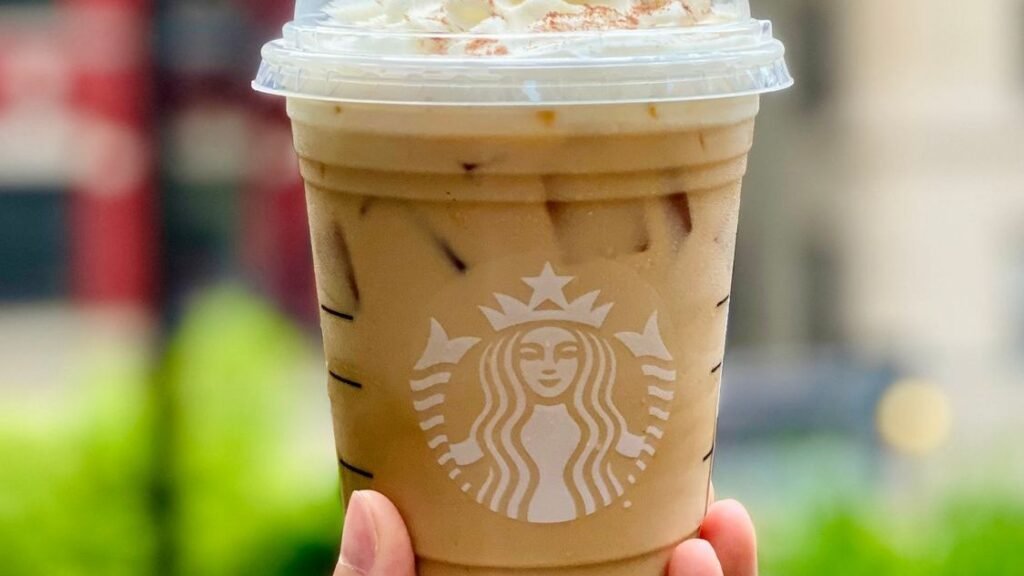
When you think of Starbucks, you probably picture lattes and pumpkin spice, not lawsuits about hiring practices. Yet here we are. Florida Attorney General James Uthmeier just dropped a bombshell lawsuit against the coffee giant, and the stakes are higher than you might think. This isn’t just about one company or one state anymore. It’s about a nationwide debate over how far diversity initiatives can go before they cross legal lines. The battle is heating up, and both sides are digging in their heels. So, what exactly is going on, and why does it matter to you?
The Core of the Accusations
Florida Attorney General James Uthmeier alleged that the coffee company used DEI to implement illegal race-based policies for hiring and advancement in a lawsuit filed on December 10, 2025. The complaint doesn’t pull any punches. In 2024, multiple Florida residents who worked for or tried to apply for jobs at Starbucks contacted Uthmeier’s office to report feeling excluded due to the company’s employment practices.
One particularly striking claim comes from a longtime employee. One person who claimed to have worked at the coffee giant for 17 years told the attorney general that the company paid higher wages to people of certain races more than others who had the same experience and skills. That’s not just a policy dispute. That’s real people claiming real harm to their wallets and careers.
The lawsuit paints a picture of a company that went way beyond good intentions. The lawsuit used Students for Fair Admissions v. President and Fellows of Harvard College as its basis and alleged that Starbucks violated the Florida Civil Rights Act of 1992. It’s worth noting that this Supreme Court case from 2023 sent shockwaves through the world of affirmative action, and now Florida is trying to apply similar logic to corporate America.
The 2020 Diversity Goals That Started It All
Let’s rewind to 2020. That year saw massive social justice protests and companies scrambling to respond. Uthmeier argued that these practices began in 2020 when the company announced an initiative to hire people of color in 40 percent of retail positions and 30 percent of corporate jobs by 2025. On paper, it looked like Starbucks was trying to make its workforce more representative. In practice, Florida claims something darker happened.
In 2020, Starbucks set specific diversity goals and linked them to incentives for senior leaders. By 2024, the company removed specific mentions of representation from its bonus plan and began referring to it as a talent modifier. Notice the shift there? When things got legally dicey, the language changed. That change itself raises eyebrows.
Florida argues these weren’t just goals. The lawsuit highlights a 2020 public report where the company announced diverse representation goals aiming for 40% people of color in retail jobs and 30% in corporate roles by 2025. The Attorney General argues these are not aspirations, but hard quotas enforced by financial incentives. The distinction matters enormously. Setting a goal is one thing. Making someone’s paycheck depend on hitting that goal? That’s a whole different ballgame.
Executive Bonuses Tied to Diversity Metrics

Here’s where things get really interesting. Money talks, right? The coffee empire set numerical racial targets for their workforce, and they tied executive bonuses to those targets, Uthmeier stated. This wasn’t just about posting nice statements on corporate websites. This was about real financial consequences for executives.
The lawsuit alleges that Starbucks admitted to hiring people based on race to meet hiring quotas, paid employees different wages based on their race and ethnicity and tied executive compensation to race-exclusive mentorship programs and their retention of employees of particular races. Think about that for a moment. If your bonus depends on retaining employees of specific races, what happens to your judgment when making personnel decisions?
The complaint gets even more specific. The state alleges that until March 2024, Starbucks conditioned executive bonuses on meeting specific diversity targets. The filing claims executives were evaluated on their BIPOC retention rate, and could lose a portion of their bonus if they failed to retain enough employees from specific racial groups. That’s a system that could create perverse incentives, regardless of intentions.
Mentorship Programs Under Fire
Mentorship sounds great, doesn’t it? Who could oppose helping employees grow? Yet Florida takes issue with how Starbucks structured these opportunities. The last claim is in reference to a Starbucks mentorship program that the company said was aimed at connecting employees who are Black, Indigenous or people of color with senior leaders.
According to the complaint, mentorship programs limited to Black, Indigenous and People of Color excluded others, Starbucks paid different wages by race, and tied executive bonuses to race-based retention through March 2024. When you create programs that explicitly bar participation based on race, you’re walking a legal tightrope. Florida argues Starbucks fell off that rope.
The complaint also said Starbucks discriminates against disfavored races, defined as white, Asian, and multiracial people. Yes, you read that right. Asian employees were also allegedly excluded from certain programs. This complicates the narrative that diversity programs only impact white employees.
Starbucks Fires Back With Strong Denial
Starbucks isn’t rolling over on this one. The company issued a firm statement defending its practices. A Starbucks spokesperson told HR Dive that it disagreed with the lawsuit. Our programs and benefits are open to everyone and lawful. Our hiring practices are inclusive, fair and competitive, and designed to ensure the strongest candidate for every job, every time.
That’s a carefully worded response. Notice how they emphasize that programs are open to everyone? That directly contradicts Florida’s claims about race-exclusive mentorship opportunities. Someone isn’t telling the whole truth here, and sorting that out will be a court’s job.
Starbucks disputed the allegations in the Division of Administrative Hearings case, saying in a document last month that the state did not identify any person in Florida who should be awarded the unspecified monetary relief sought by the OAG. Essentially, Starbucks is saying Florida can’t point to specific victims with concrete injuries. That’s a powerful defense if it holds up.
The Legal Framework Florida Is Using
The attorney general’s office says these quotas violate Florida’s Civil Rights Act. What does that law actually say? The Civil Rights Act prevents employers from discriminating against a person in compensation, terms, conditions and privileges of employment because of race. Pretty straightforward, right? No discrimination based on race. Period.
Florida is also leaning on federal guidance. Along with general information about how and where to file a discrimination suit, it noted that different treatment based on race, sex, or another protected characteristic can be unlawful discrimination, even if the individual target is not a member of a minority group. This comes from the Equal Employment Opportunity Commission itself.
The Supreme Court case mentioned earlier matters too. All racial discrimination, even for supposedly benign purposes, is invidious and unlawful, the complaint states, citing the U.S. Supreme Court’s 2023 decision in Students for Fair Admissions v. Harvard. That landmark decision reshaped affirmative action in college admissions, and now Florida wants to extend that logic to the workplace.
The Financial Stakes Are Enormous

Let’s talk numbers. Uthmeier is also asking for affirmative relief and damages, as well as civil penalties of $10,000 for each instance of racial discrimination against a Florida resident. The attorney general said he estimates tens of millions of Sunshine State residents have been impacted, with over 900 Starbucks stores located throughout the state.
Do the math on that. If Florida can prove even a fraction of the discrimination claims it alleges, we’re talking about staggering financial liability. With 934 stores operating in Florida as of July, the attorney general’s office said the total could amount to tens of millions of dollars. That’s enough money to get any corporation’s attention.
The lawsuit seeks a jury trial and civil penalties that the Attorney General’s office estimates could reach the tens of millions. A jury trial means this could play out in front of regular Floridians who will decide whether Starbucks crossed the line. That’s a risky proposition for both sides.
This Isn’t Florida’s First Rodeo
Interestingly, this lawsuit has a backstory. This isn’t the first time the Florida Attorney General’s Office has gone after Starbucks over DEI hiring claims. Last year, then-Attorney General Ashley Moody made similar claims that Starbucks had racial quotas in its hiring practices. So this has been brewing for a while.
The lawsuit came after Uthmeier’s office on Nov. 26 said it was dismissing a case against Starbucks that was filed last year at the state Division of Administrative Hearings. In the dismissal, it indicated it would pursue the issue in state or federal court. Florida basically changed venues, moving from an administrative process to full-blown court litigation. That signals they’re serious about this fight.
Efforts for the lawsuit began in 2024 under former Florida Attorney General Ashley Moody, who is now a U.S. senator. There’s continuity here. This isn’t one attorney general’s pet project. It survived a transition in leadership, suggesting institutional commitment to the legal theory.
A Broader Pattern in Corporate America
Starbucks isn’t alone in facing this kind of scrutiny. Corporate diversity programs are under the microscope nationwide. Some companies are already pulling back on their DEI commitments in anticipation of legal challenges. Others are doubling down, insisting their programs comply with the law.
Other DEI practices under fire include Starbucks’ supplier diversity goal and its board of directors’ diversity goal. It’s not just about who gets hired. Florida is questioning diversity efforts at every level, from the boardroom to supply chain decisions. That’s a comprehensive challenge to how modern corporations think about inclusion.
The timing matters too. We’re seeing a broader cultural backlash against DEI programs in some quarters. What was celebrated in 2020 is now being legally challenged in 2025. The political and legal winds have shifted, and companies are caught in the middle.
What Starbucks Employees Are Saying
The lawsuit includes voices from actual workers. In 2024, multiple Florida residents who worked for or tried to apply for jobs at Starbucks contacted Uthmeier’s office to report feeling excluded due to the company’s employment practices. These aren’t abstract legal theories. Real people felt wronged enough to contact the state’s top law enforcement office.
The lawsuit also claims that people who applied to work at Starbucks stores in Florida, or who already worked in them, contacted the Attorney General last year and reported that they felt or were excluded, and even suffered humiliation, because they are White. The word “humiliation” stands out. That suggests emotional harm beyond just missed opportunities.
However, Starbucks disputes these accounts exist or represent systemic problems. The company maintains its policies don’t disadvantage anyone. Without seeing specific evidence, it’s hard to judge who has the stronger case. That’s exactly what courts are for.
The Reverse Discrimination Argument
The lawsuit refers to the company’s employment practices as reverse discrimination, and asks the court to bar Starbucks from carrying out these practices. That term carries a lot of baggage. Critics say there’s no such thing as “reverse” discrimination, just discrimination. Supporters say the term accurately describes policies that disadvantage historically majority groups.
In the complaint, the Republican attorney general said reverse discrimination, defined as racism toward people not from minority groups, still constitutes illegal discrimination. Florida is making a simple legal argument: the law prohibits race discrimination, full stop. It doesn’t matter which race is being disadvantaged. Discrimination is discrimination.
This framing will be controversial no matter what. Some will see it as finally holding corporations accountable for overreach. Others will see it as an attack on efforts to remedy historical inequities. Expect this language to fuel passionate debate as the case proceeds.
The National Implications
If Florida wins, expect copycat lawsuits in other states. Conservative attorneys general are watching this case closely. A victory would provide a roadmap for challenging corporate DEI programs nationwide. That could fundamentally reshape how companies approach diversity.
Conversely, if Starbucks prevails, it would vindicate the idea that carefully designed diversity programs can pass legal muster. Other companies would feel more confident maintaining or even expanding their initiatives. The stakes extend far beyond one coffee chain in one state.
The civil legal action against Starbucks was filed in the 10th Judicial Circuit Court in Highlands County. A local Florida court will make the initial ruling, but this feels destined for appeals. Don’t be surprised if we eventually see this before higher courts, maybe even the Supreme Court again.
Where Things Stand Now
Right now, we’re at the beginning of what promises to be a long legal battle. Jurisdiction for the case was established in Highlands County, where Starbucks operates at least one of its more than 900 Florida locations. The sheer number of stores is significant to the state’s request for damages. Discovery will be critical. Florida needs to prove its allegations with evidence, not just rhetoric.
Starbucks has deep pockets and an army of lawyers. They won’t settle easily if they believe their practices are lawful. Florida has the power of the state behind it and a political climate that’s increasingly skeptical of corporate DEI efforts. Neither side is backing down.
Public opinion will play a role too. This case will be fought in courtrooms and in the court of public opinion. How it’s covered in the media and discussed on social media could influence everything from settlement negotiations to jury selection if it gets that far.
The Broader DEI Debate

This lawsuit sits at the intersection of competing values. On one side, there’s the desire to remedy historical discrimination and create truly inclusive workplaces. On the other, there’s concern that race-conscious policies themselves constitute discrimination. Both sides believe they’re fighting for fairness.
The question isn’t whether discrimination is bad. Everyone agrees on that. The question is whether considering race to increase diversity crosses the line into illegal discrimination itself. Reasonable people disagree, which is why we have courts to hash it out.
Companies are in a tough spot. They face pressure from employees, customers, and investors to demonstrate commitment to diversity. Yet now they also face legal risk if their programs are deemed to go too far. Finding the right balance is genuinely difficult.
What Happens Next
Expect months, maybe years, of legal wrangling. Discovery will force both sides to turn over internal documents. We’ll likely see emails, memos, and data about hiring and promotion decisions. Those details will either vindicate Florida’s claims or expose them as overblown.
Starbucks will argue its programs are aspirational and legal. Florida will try to prove they’re mandatory and discriminatory. Expert witnesses will testify about employment law and statistics. Judges will issue rulings on motions. Eventually, maybe, there will be a trial.
Settlement is always possible. If evidence looks bad for Starbucks, they might agree to change policies and pay a fine without admitting wrongdoing. If Florida’s case looks weak, they might quietly drop it or accept a token victory. Most lawsuits settle rather than go to trial.
The Coffee Gets Cold

So here we are. One of America’s most recognizable brands is facing a serious legal challenge about how it hires and promotes people. Florida says Starbucks broke the law in pursuit of diversity goals. Starbucks says it followed the law while trying to build an inclusive workplace. A court will eventually decide who’s right.
This case matters whether you drink coffee or not. It’s about fundamental questions of fairness, equality, and what companies can legally do to shape their workforce. The outcome will ripple through corporate America and could reshape how thousands of companies approach diversity in the years ahead.
What’s your take on all this? Should companies be allowed to set diversity goals and tie executive pay to achieving them, or does that cross a legal line? The debate is just getting started, and we’ll all be watching to see how it unfolds.

Christian Wiedeck, all the way from Germany, loves music festivals, especially in the USA. His articles bring the excitement of these events to readers worldwide.
For any feedback please reach out to info@festivalinside.com
