

For any feedback please reach out to info@festivalinside.com
- 10 Massive Books Worth Every Last Page - April 12, 2026
- The Most Misunderstood Song Lyrics - April 12, 2026
- The Comfort of Music: Ten Relaxing Classical Pieces - April 12, 2026
There’s a rare thing happening in Florida right now. Typically divided politicians, environmental advocates, and coastal business owners are suddenly speaking the same language. They’re all worried about the same thing. The federal government just released a plan that could bring oil drilling much closer to Florida’s beaches than it’s been in decades, and pretty much nobody in the Sunshine State is happy about it.
The Trump administration recently unveiled a proposal to open sections of the Eastern Gulf of Mexico, roughly 100 nautical miles off Florida’s coast, to potential oil and gas drilling. What makes this moment unusual isn’t just the scope of the plan. It’s who’s pushing back.
Oceana Leads the Charge With a Digital Campaign

Oceana, a global ocean conservation group, has stepped up its efforts to protect Florida’s Gulf Coast from the controversial federal offshore drilling plan by urging residents to submit public comments before the January 23 deadline. The organization isn’t just asking people to care. It’s made caring easy. Oceana launched an online letter writing campaign that simplifies the process of commenting on the proposal, meaning anyone with internet access can make their voice heard without navigating complicated government websites.
This isn’t some symbolic gesture either. Public comment periods are one of the few ways ordinary citizens can actually influence major federal decisions. Oceana knows that flooding federal regulators with opposition letters could shift the conversation in meaningful ways. Hunter Miller, Oceana’s Senior Field Campaigns Manager, warned the plan could have major consequences if an accident occurs. Think about it like this: one offshore spill doesn’t just damage the water. It shuts down beaches, kills marine life, ruins livelihoods, and can take years or even decades to clean up.
Florida’s Political Leaders Speak Out in Rare Unity
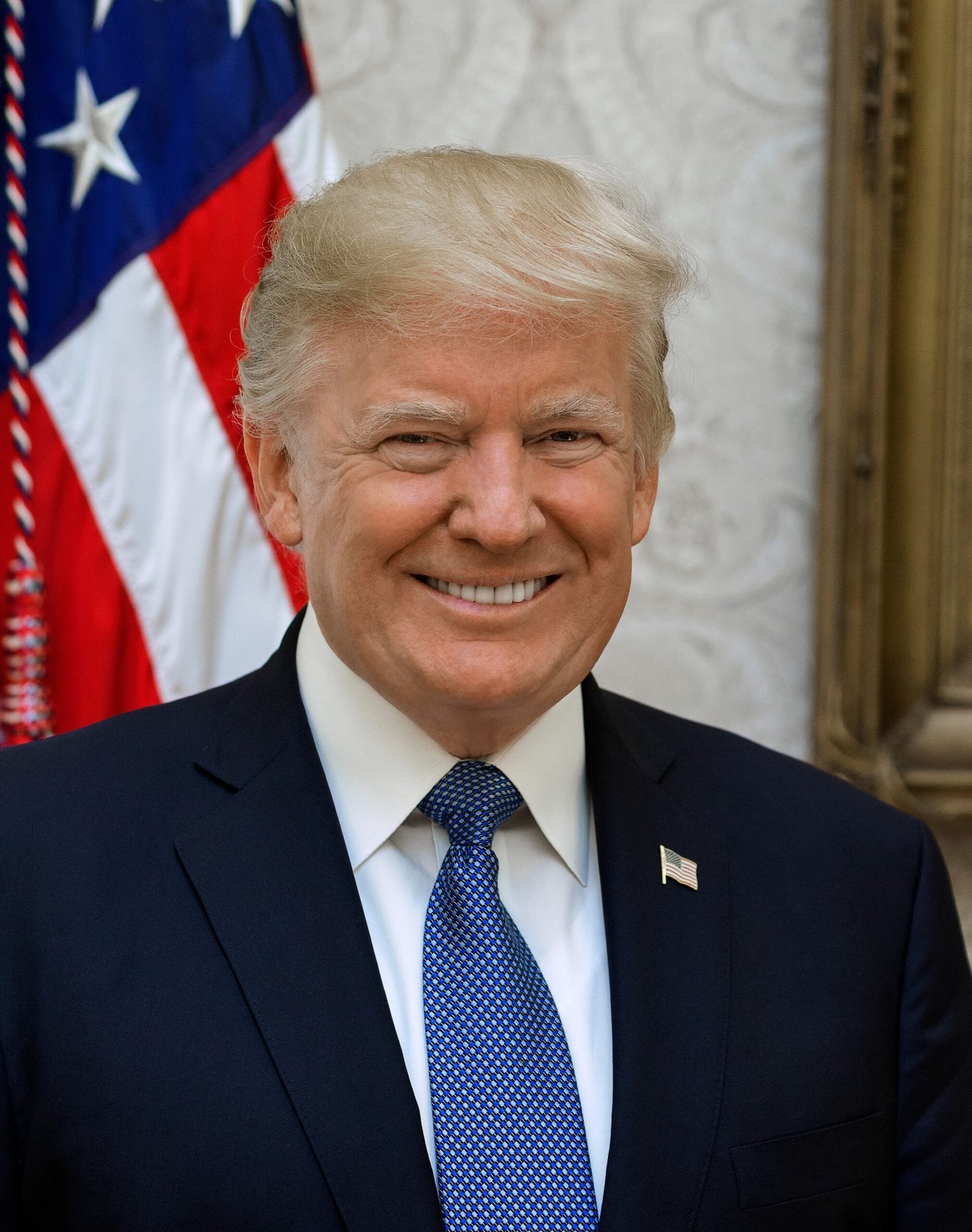
All 28 of Florida’s U.S. House members and both U.S. senators united in a bipartisan letter urging President Donald Trump to keep offshore oil drilling away from the state’s coastline. Let that sink in for a second. Every single member of Florida’s congressional delegation signed onto this. Democrats and Republicans together. That almost never happens anymore.
Governor Ron DeSantis’ office said it still supports the drilling ban from Trump’s first term, and the DeSantis administration urged the Department of Interior to reconsider. Senator Rick Scott emphasized that Florida’s beaches and coastal waters are crucial to the state’s economy, environment, and military community, noting he worked closely with President Trump during his first term to extend the moratorium banning oil drilling off Florida’s coasts through 2032. Senator Ashley Moody wrote that preserving Florida’s natural beauty is deeply important to the millions who call the Sunshine State home, visitors, and those whose livelihoods depend on tourism.
This pushback isn’t just about environmental protection. Part of the area proposed for drilling is critical for military training in the Gulf Test Range, which is used for weapons testing and military readiness exercises. Eglin Air Force Base alone supports 20,000 personnel and provides the country with $11 billion in economic impact every year. So drilling in that zone wouldn’t just threaten fish and coral. It could disrupt national defense operations.
What the Federal Plan Actually Proposes
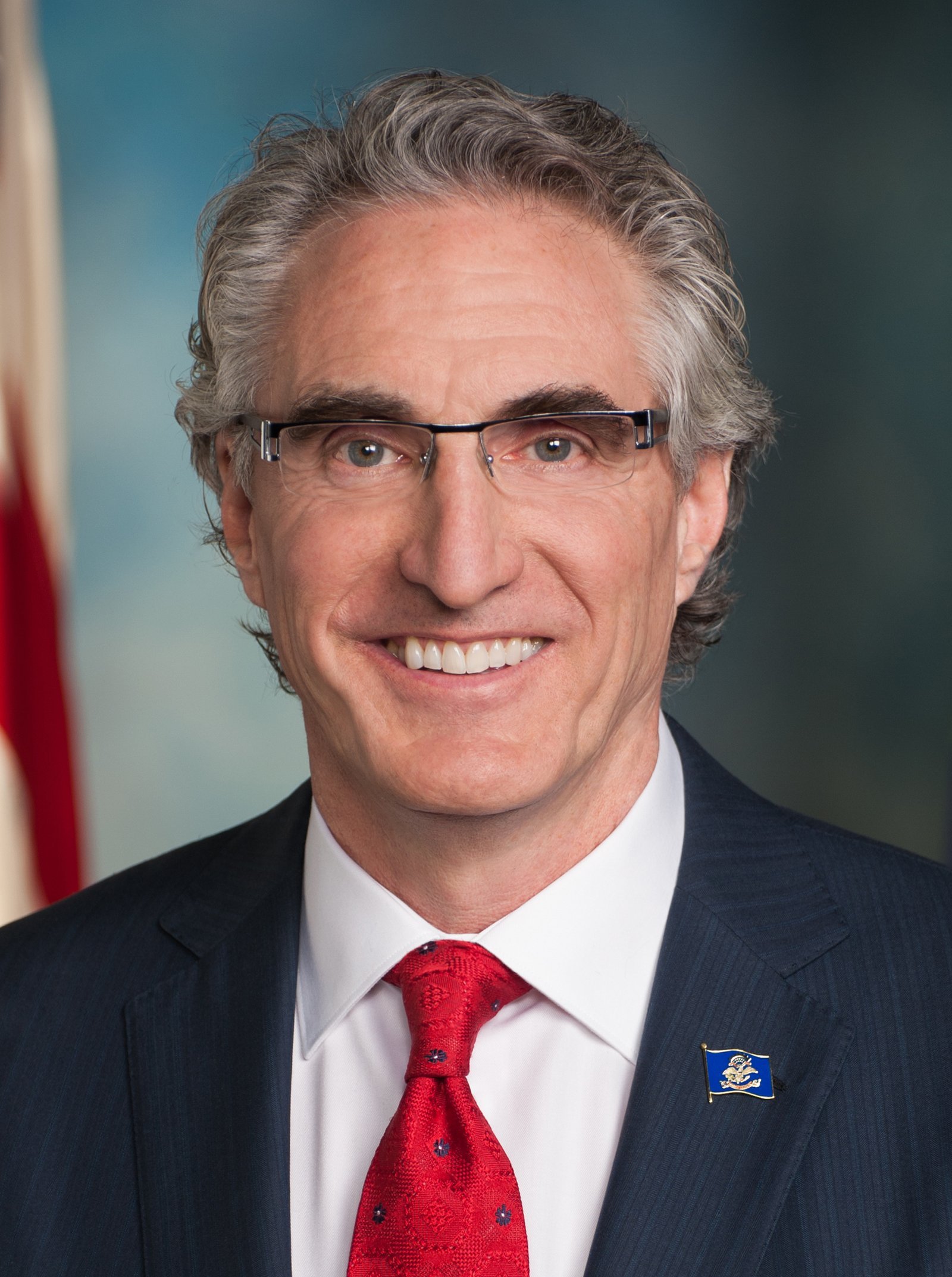
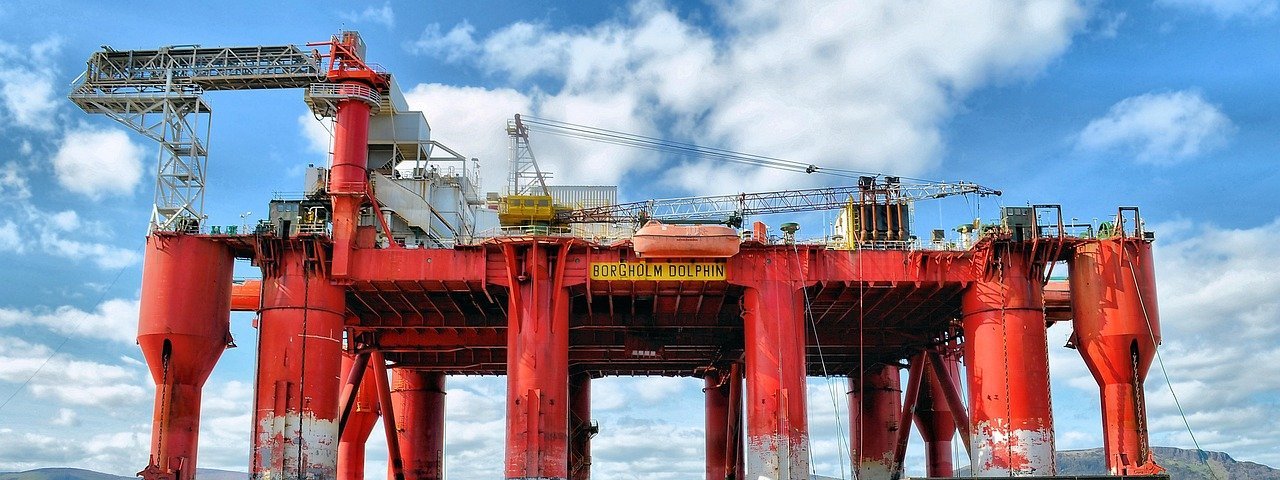
Interior Secretary Doug Burgum announced a five year offshore drilling plan last month that includes new oil drilling off the California and Florida coasts for the first time in decades. Two lease sales are proposed near Florida, in 2029 and 2030, which means if this goes through, drilling rigs could start appearing within just a few years. The plan includes as many as 34 potential offshore lease sales nationwide by 2031, with 21 sales off the coast of Alaska, seven in the Gulf of Mexico, and six along the Pacific coast.
The federal government has not allowed drilling in federal waters in the eastern Gulf of Mexico, which includes offshore Florida and part of offshore Alabama, since 1995, because of concerns about oil spills. Why did they stop back then? Because the risks were considered too high. The tourism industry was too important. The environmental costs were too severe. Nothing about those fundamental facts has changed in 30 years.
Interior Secretary Doug Burgum said it would take years for the oil from new leases to get to market, stating that the plan ensures America’s offshore industry stays strong, workers stay employed, and the nation remains energy dominant for decades to come. Supporters of drilling argue it’s about jobs and energy security. Yet critics point out there are already thousands of unused leases in the Gulf that oil companies haven’t even touched.
The 2010 Deepwater Horizon Disaster Still Haunts Florida

Memories of the 2010 Deepwater Horizon spill still shape public opinion among Florida Republicans. It’s hard to overstate how deeply that disaster affected people’s thinking. The explosion killed 11 workers and spewed millions of barrels of oil into the Gulf over several months. Beaches were coated in tar. Fisheries collapsed. The tourism industry took a massive hit. Cleanup costs soared into the billions.
Many Floridians watched that catastrophe unfold on live television, day after day. They saw the failed attempts to plug the leak. They watched oil washing ashore. And they remember thinking, this could happen again. Even people who generally support oil production tend to draw the line when it comes to drilling near beaches that drive their state’s economy. Miller warned it is just not worth the risk when considering the health of oceans, fisheries, tourism economy, and all of the things that make Florida special.
Tourism and Fishing Industries Face Existential Risk
Tourism and access to clean beaches are key parts of the economy in both Florida and California. Think about the sheer scale of Florida’s tourism industry. We’re talking about one of the most visited states in the entire country. Millions of people fly in every year specifically to enjoy the beaches, go fishing, or take their kids to see dolphins and sea turtles. A major oil spill wouldn’t just hurt those industries temporarily. It could fundamentally alter people’s perception of Florida as a vacation destination.
Commercial fishing is another huge concern. Florida’s waters support vibrant fisheries that employ thousands of people and supply seafood to restaurants across the country. Oil spills don’t discriminate. They contaminate fishing grounds, kill marine life at every level of the food chain, and can render large areas unsafe for harvesting seafood for years. The economic ripple effects are staggering. Restaurants lose suppliers. Fishing boat crews lose work. Processing plants shut down.
A letter signed by Senators Rick Scott and Ashley Moody, along with all 28 House members from Florida, states the Interior Department plan would put the state’s thriving tourism industry at risk and disrupt military operations in a key training area. There’s a reason this coalition is so broad. When you threaten beaches in Florida, you’re threatening the economic foundation that supports nearly every other industry in the state.
How Floridians Can Make Their Voices Heard
The public comment period runs through January 23, giving people a limited window to share their opinions directly with the federal government. This isn’t some abstract bureaucratic process. Federal agencies are legally required to review and consider public comments when making decisions like this. Large volumes of opposition can genuinely influence outcomes, especially when they come from diverse sources like elected officials, business groups, military representatives, and ordinary residents.
Oceana’s online tool makes submitting a comment straightforward. You don’t need to be a policy expert or write a lengthy essay. Even a short statement explaining why you oppose drilling can contribute to the overall record of public opposition. The Interior Department has to take these comments seriously. They become part of the official decision making process and can be cited in legal challenges if the plan moves forward despite overwhelming public resistance.
Honestly, it’s one of those rare moments where individual action actually matters. Regulators pay attention when tens of thousands of people speak up. It forces them to acknowledge that there’s real, measurable opposition beyond just activist groups.
Balancing Energy Production With Coastal Protection

The oil industry has been seeking access to new offshore areas, including Southern California and off the Florida coast, as a way to boost U.S. energy security and jobs. Proponents frame offshore drilling as an economic necessity. They talk about job creation, reducing dependence on foreign oil, and maintaining America’s position as an energy producer. Those aren’t necessarily bad goals in isolation.
Yet the counterargument is pretty compelling too. The United States is already producing more oil than any nation in history, and the majority of it gets exported. So the energy security argument becomes a bit harder to swallow when much of that oil isn’t even staying in the country. It’s being sold on global markets. Oil companies currently hold more than 2,000 active leases spanning over 11 million acres of offshore territory in the Gulf, yet over 80% of those active leases have yet to start producing oil and gas.
That raises an obvious question: if companies already have access to millions of acres they’re not even using, why do they need more? The answer probably has more to do with long term strategy and maximizing options than with any immediate need. Meanwhile, coastal communities are being asked to accept risks they’ve explicitly rejected for three decades.
What Happens Next in the Federal Review Process
Interior is accepting public comments through late January on the drilling plan. After the comment period closes, federal regulators will compile and review all submissions. They’re supposed to address major concerns raised by the public and explain their reasoning for whatever decision they ultimately make. That process can take months.
If the Interior Department decides to move forward despite widespread opposition, legal challenges are almost certain. California leaders vowed to push back on the federal government’s move to open waters up to drilling, including possible legal action. Florida could follow a similar path. Environmental groups have deep experience litigating offshore drilling decisions and often win when they can demonstrate that agencies ignored public input or failed to adequately assess environmental risks.
During Trump’s first term, he imposed a moratorium on drilling in the eastern Gulf of Mexico through 2032 after similar pushback from Florida lawmakers, and the moratorium received overwhelming bipartisan support. So there’s precedent for reversing course when political pressure becomes intense enough. Trump signed a memorandum extending the federal offshore drilling moratorium until 2032, which means this new proposal directly contradicts a policy he himself put in place just a few years ago.
The big unknown is whether the administration will listen to Florida’s unified opposition or push ahead anyway. Political calculations matter here. Alienating every member of Florida’s congressional delegation, including loyal Republican allies, carries real risks. It’s hard to say for sure, but public pressure could genuinely make a difference in how this plays out. What do you think will happen? Tell us in the comments.

Christian Wiedeck, all the way from Germany, loves music festivals, especially in the USA. His articles bring the excitement of these events to readers worldwide.
For any feedback please reach out to info@festivalinside.com
