

- 10 Classic Albums Everyone Should Listen To Before They Die - March 9, 2026
- The 5 Most Affordable U.S. Cities Where Quality of Life Is Surprisingly High - March 9, 2026
- 7 Fashion Trends From the Past That Are Making a Major Comeback - March 9, 2026
The Birth of a Musical Revolution
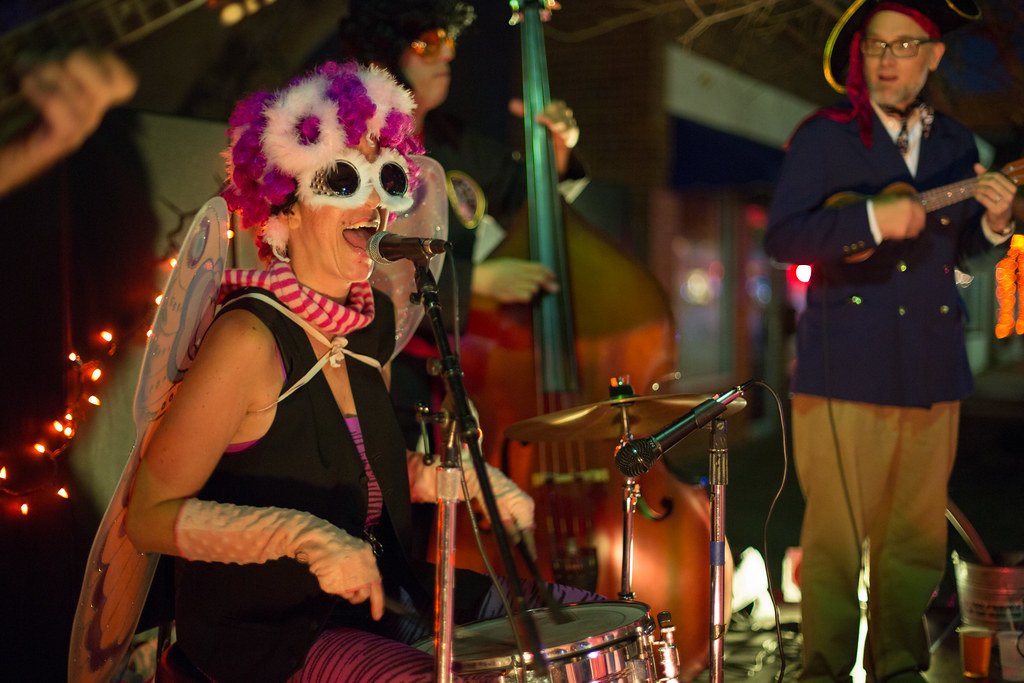
Picture this: it’s 1982 in Paris, and France’s Minister of Culture, Jack Lang, poses a simple yet revolutionary question that would change how the world celebrates music forever. What if every musician in France played outside on the same day? This wasn’t just some government official’s whimsical thought – it was the spark that ignited one of the world’s most democratic musical celebrations. The concept was beautifully straightforward: no tickets, no barriers, no corporate sponsors calling the shots. Just pure, unfiltered music spilling onto the streets like water finding its way downhill. Within months, what started as a French experiment became a global phenomenon that refuses to be contained by borders or bureaucracy.
When Streets Become Concert Halls
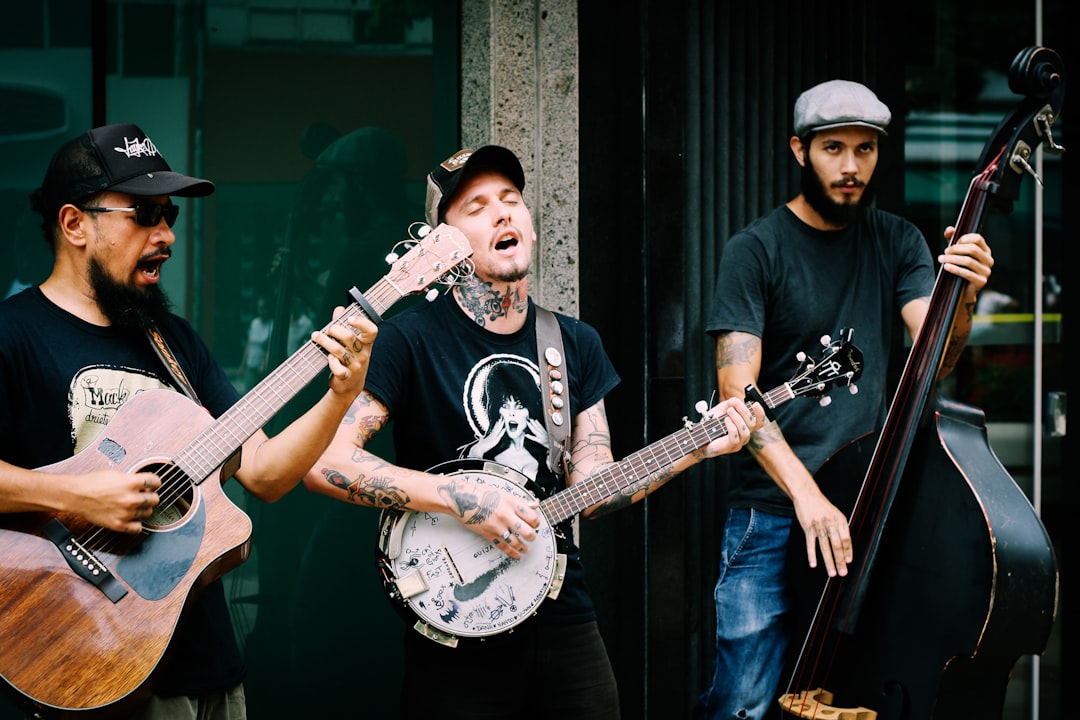
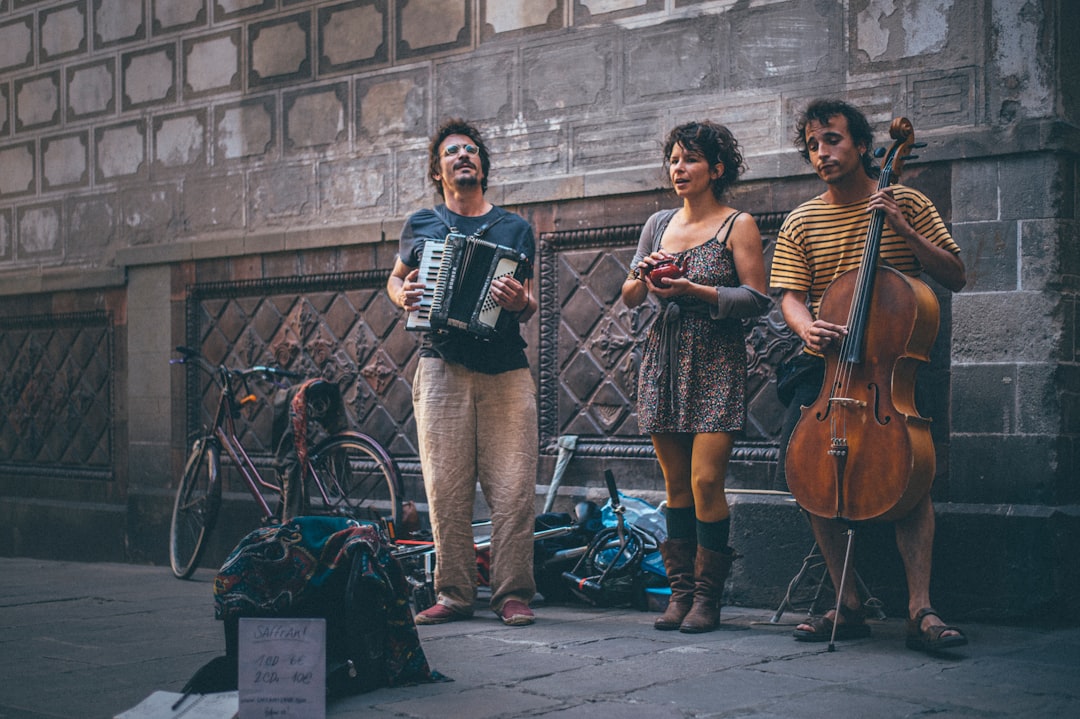
Every June 21st, something magical happens across the globe that transforms ordinary neighborhoods into living, breathing concert venues. Balconies turn into makeshift stages where teenagers strum guitars while their grandparents tap their feet below. Park benches become drum kits, subway stations echo with opera singers, and even the most mundane street corner can suddenly burst into life with a jazz trio. It’s like someone flipped a switch and turned the entire world into one massive, interconnected music venue. The beauty lies in its complete unpredictability – you never know if you’ll stumble upon a death metal band in a grocery store parking lot or a children’s choir performing in a bus stop. This isn’t your typical festival where you plan your day around headliners; instead, the headliners are whoever happens to be making music wherever you happen to be walking.
The Summer Solstice Connection
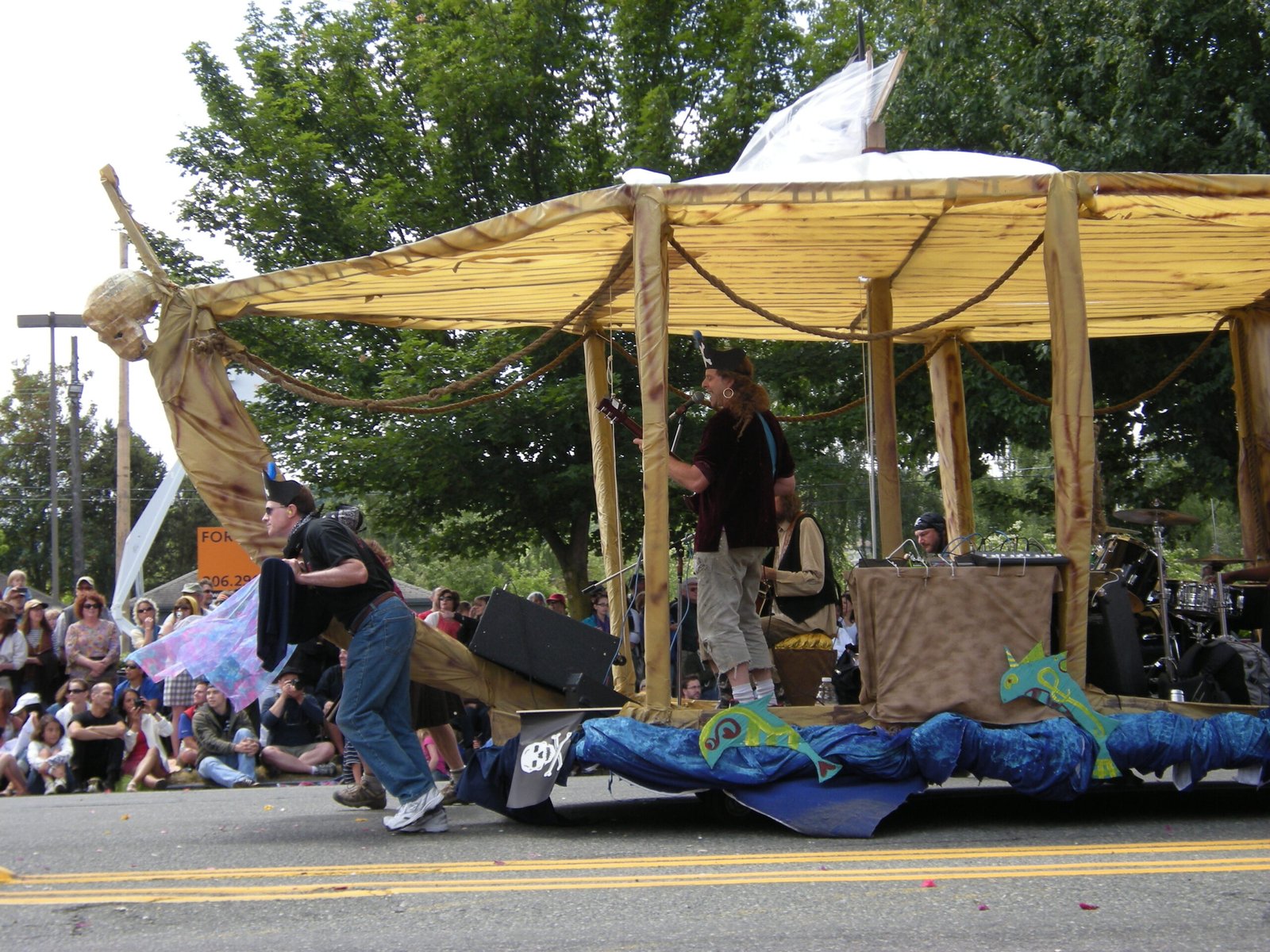
There’s something poetic about choosing the longest day of the year for this celebration, and it wasn’t just random scheduling. The summer solstice represents light, energy, and the peak of natural abundance – exactly what Fête de la Musique embodies in the musical world. Those extra hours of daylight mean more time for music to fill the air, more opportunities for spontaneous collaborations, and longer evenings where communities can gather around performers. In northern cities, this can mean music continuing well past 10 PM in natural light, creating an almost surreal atmosphere where time seems suspended. The symbolism runs deeper too – just as the solstice marks the sun’s highest point, this festival celebrates music at its most accessible and democratic peak.
No Rules, Just Music
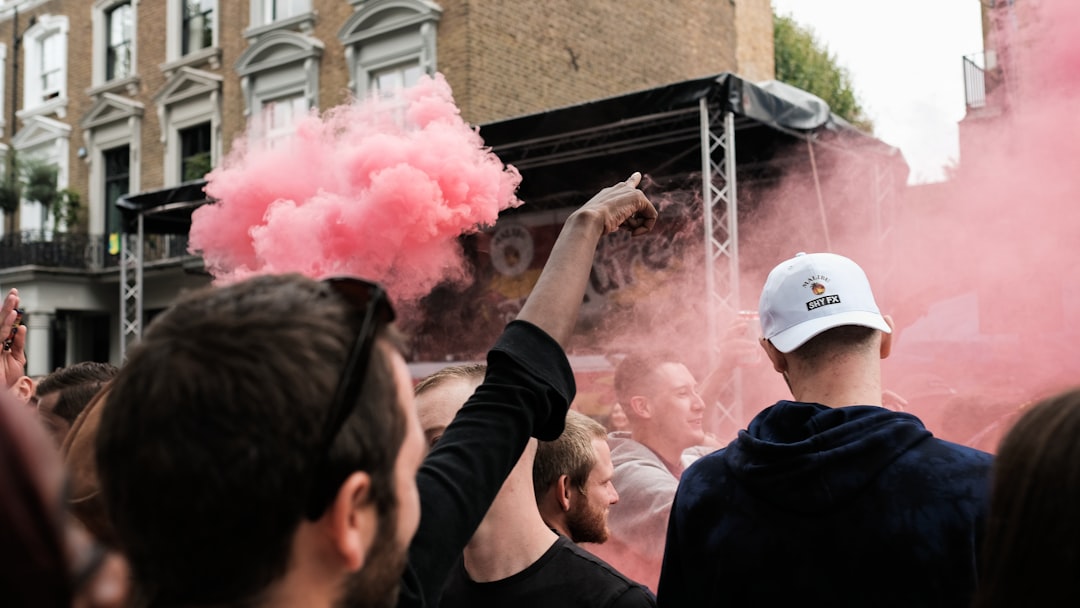
What makes Fête de la Musique so refreshingly different is its complete rejection of the typical festival rulebook. There are no application processes, no jury selections, no “suitable for all audiences” requirements. A death metal band can set up next to a classical string quartet, and somehow it all works. Professional orchestras share the same streets as kids banging on pots and pans, and both are equally valid expressions of the day’s spirit. This anarchic approach to music curation creates unexpected moments that simply can’t happen in controlled environments. You might witness a rap battle interrupted by a mariachi band, leading to an impromptu fusion that neither group planned but everyone loves.
Berlin’s Electronic Heartbeat
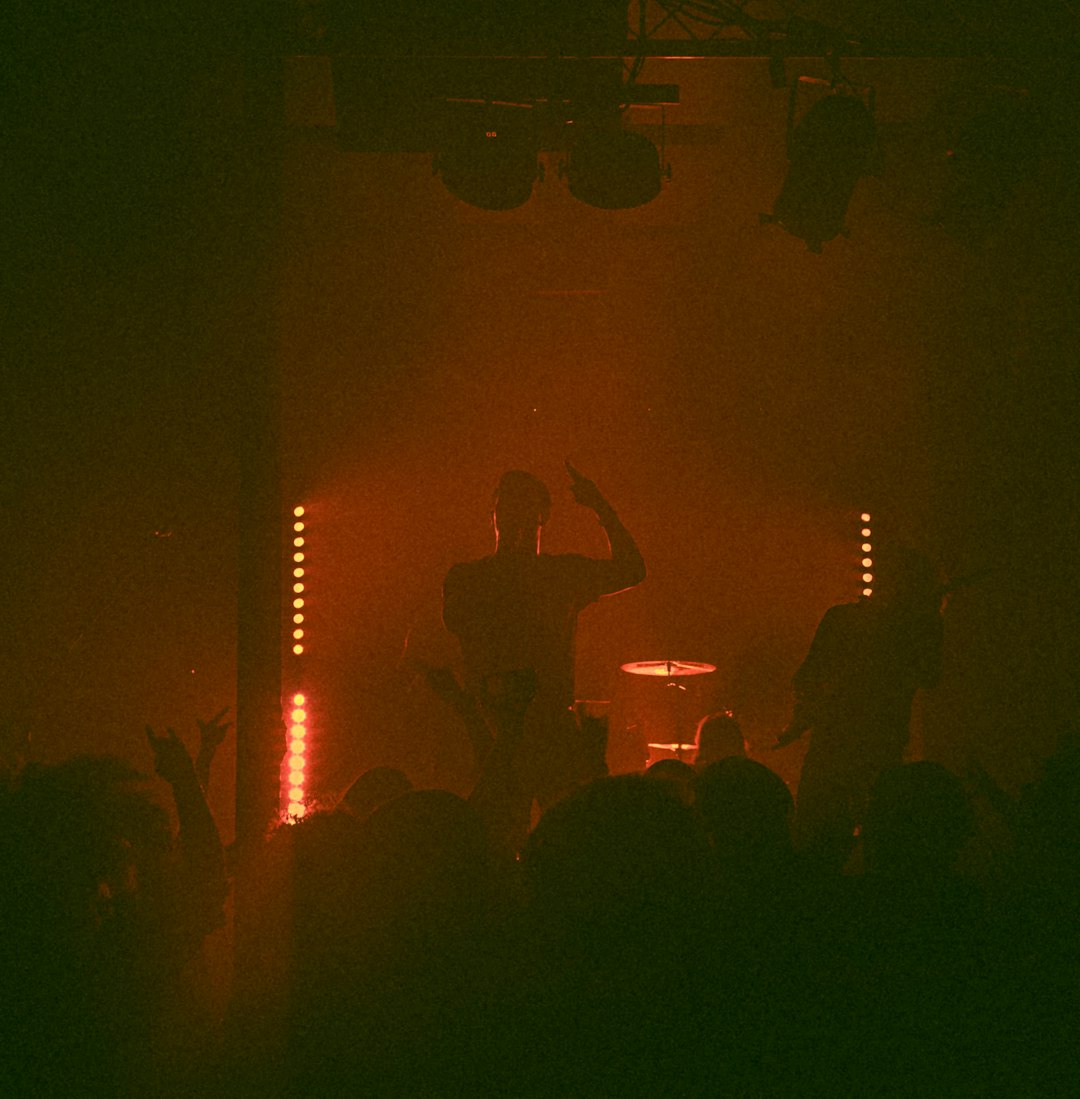
When Fête de la Musique arrives in Berlin, the city’s legendary electronic music scene spills out of its famous clubs and onto every available surface. Parks that are usually quiet become pulsing with synthesizers and drum machines, while street corners transform into impromptu techno venues. The contrast is striking – seeing elderly couples walking their dogs past teenagers creating beats on laptops, all part of the same celebration. Berlin’s version feels like the city’s underground music culture finally gets to breathe in the open air. What’s particularly fascinating is how the electronic music community, often associated with dark, enclosed spaces, embraces this outdoor, all-ages format with surprising enthusiasm.
Montreal’s Indie Spirit Takes Over
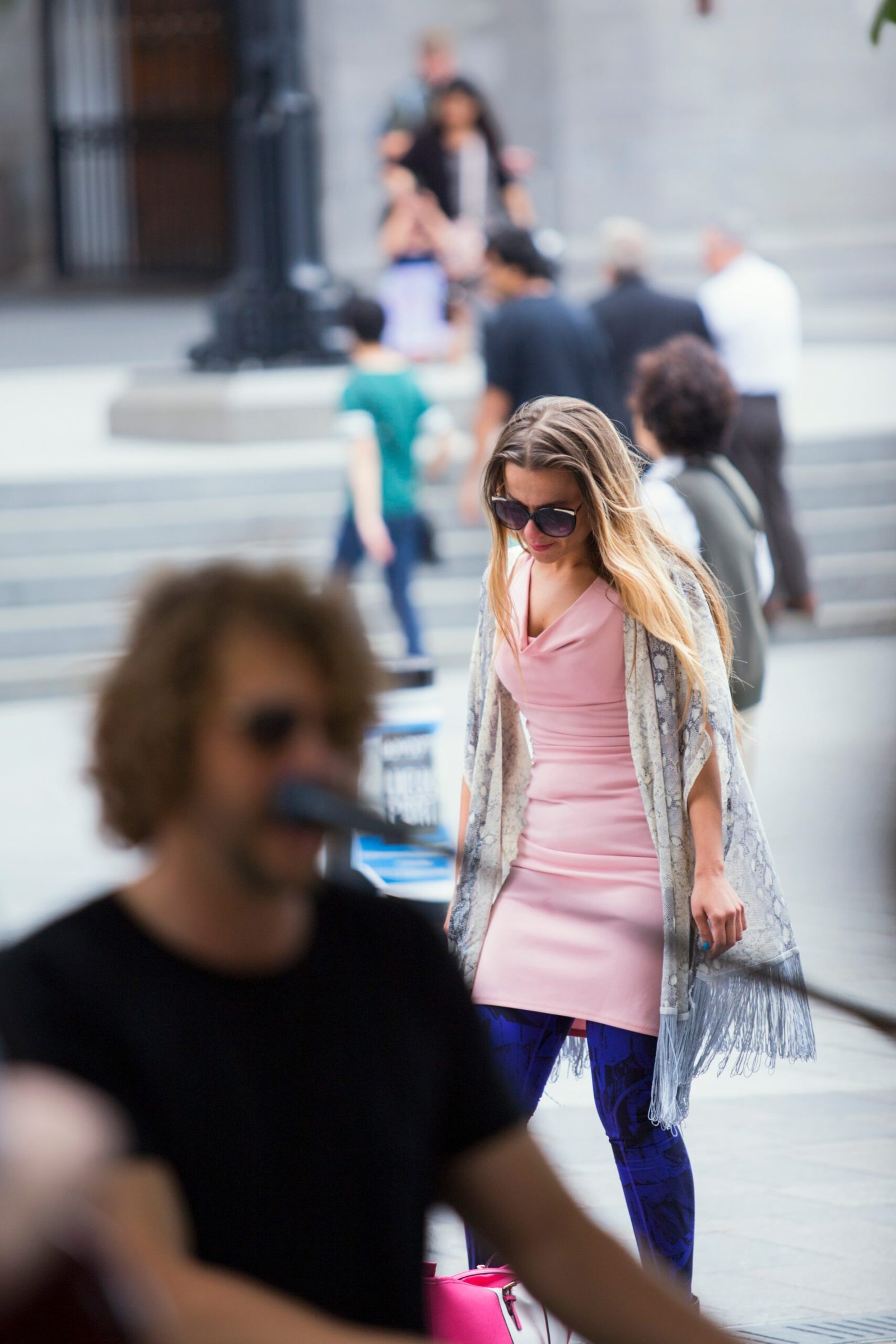
Montreal has always been a city where music seems to seep from every brick and cobblestone, so Fête de la Musique feels like a natural extension of its daily rhythm. The city’s famous indie music scene uses this day to break out of venues and claim public spaces with an intensity that’s both organized and wildly spontaneous. Stoops become stages for singer-songwriters, while entire streets close down for impromptu concerts that blend French and English lyrics in uniquely Montreal fashion. The city’s music schools and conservatories also participate heavily, creating an interesting dynamic where highly trained musicians perform alongside garage bands and bedroom producers. It’s a day when Montreal’s reputation as a music city gets turned inside out for everyone to see and hear.
New York’s Genre-Bending Block Parties
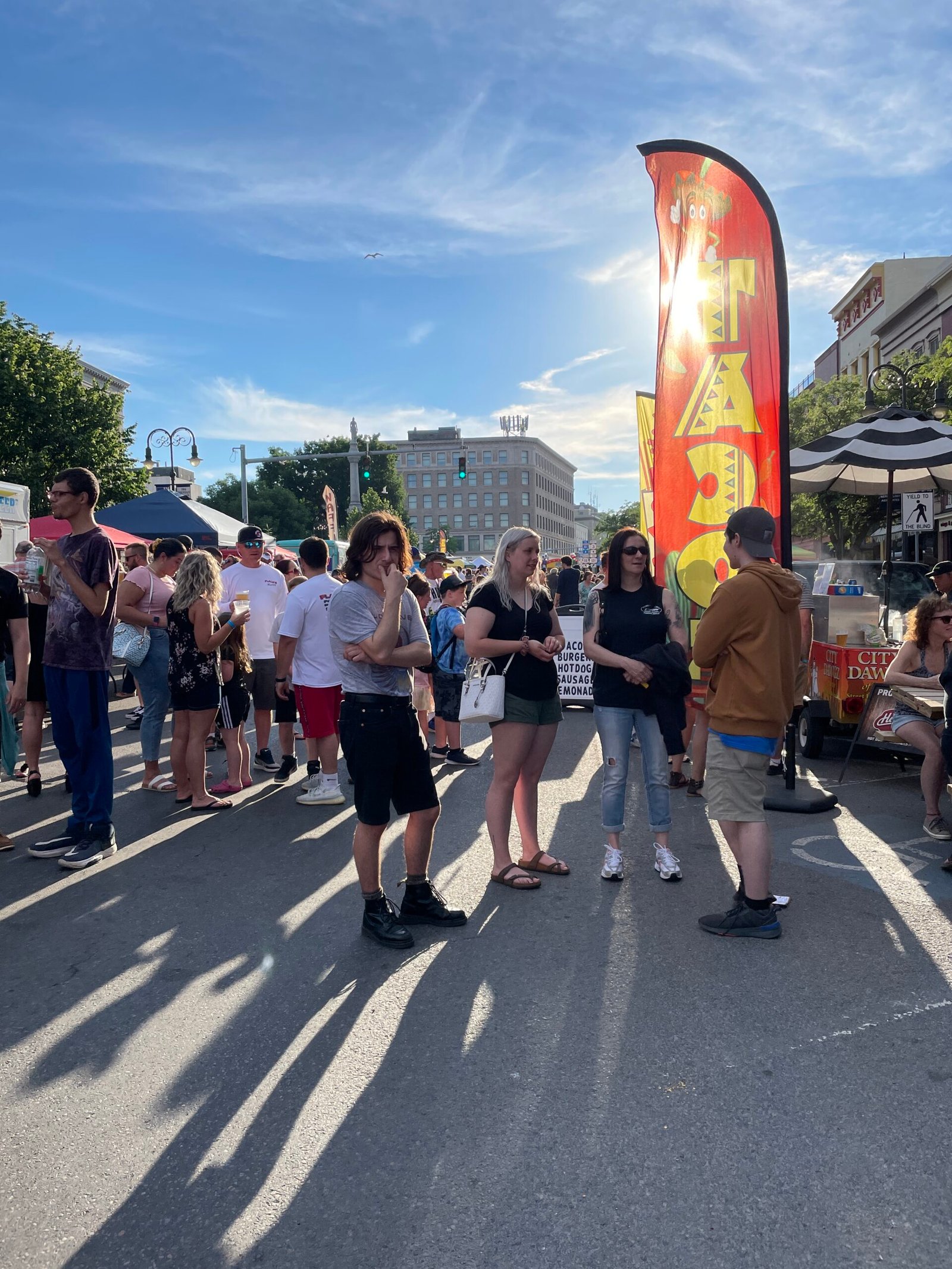
In a city where every neighborhood has its own musical personality, Fête de la Musique becomes a spectacular collision of genres, cultures, and generations. Harlem might showcase everything from gospel choirs to hip-hop cyphers within the same block, while Brooklyn’s diverse communities create sonic landscapes that shift dramatically every few streets. The magic happens in those unexpected moments – when a mariachi group from Queens meets a jazz ensemble from the Village, or when kids learning violin in Washington Heights perform alongside seasoned blues musicians. New York’s version feels particularly democratic because the city’s music scene is already so grassroots and community-driven. It’s like taking the best of subway platform performances and multiplying it across all five boroughs simultaneously.
Small Towns, Big Sounds
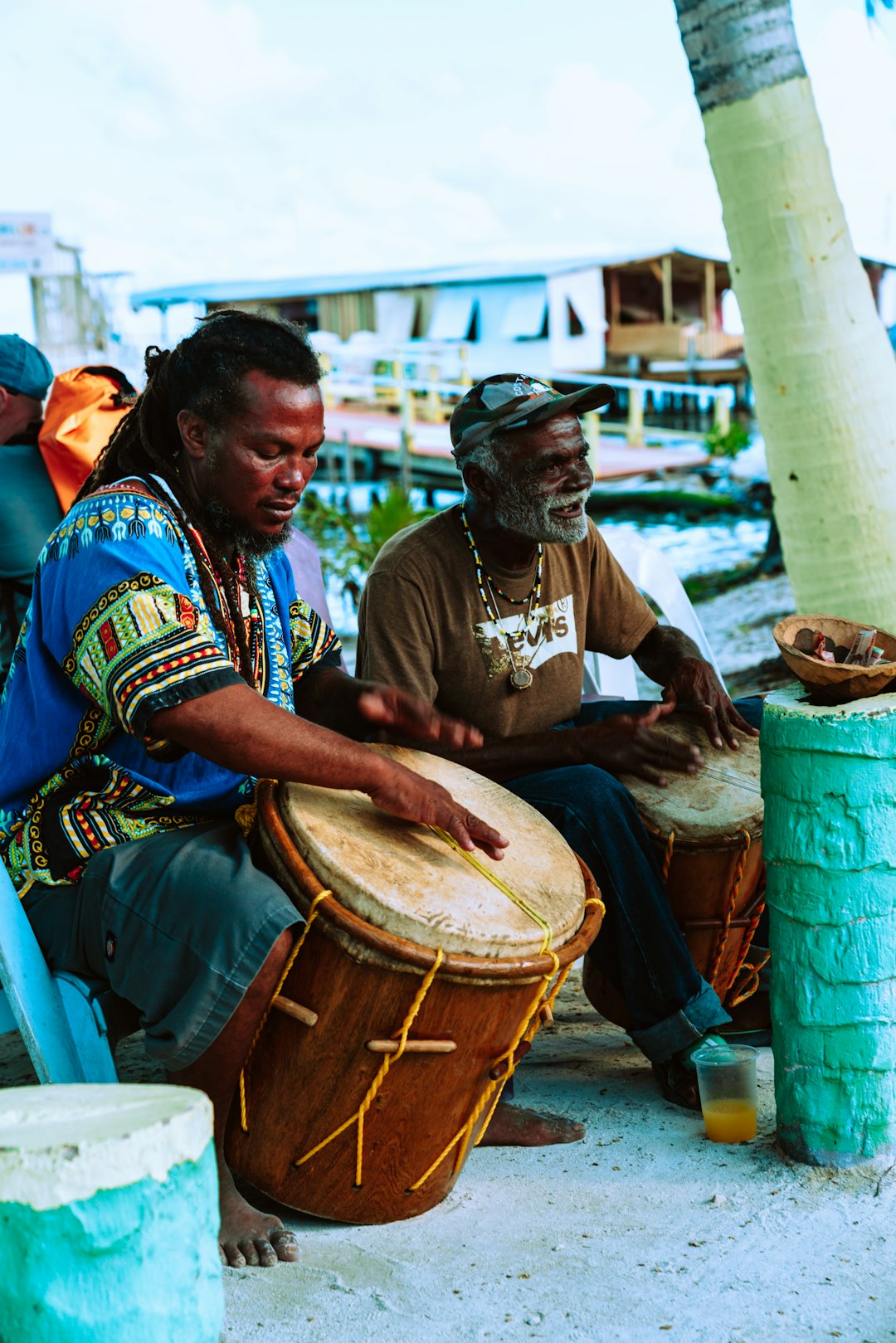
While major cities grab attention with their elaborate celebrations, some of the most touching moments happen in places where music doesn’t usually get much spotlight. Rural villages and small towns use Fête de la Musique as an excuse to showcase local talent that might otherwise never find an audience. A teenager with extraordinary violin skills finally gets to perform for more than just family members, while a retired teacher dusts off her accordion for the first time in years. These smaller celebrations often feel more intimate and connected to the festival’s original spirit of community music-making. There’s something deeply moving about witnessing a town’s hidden musical talents emerge for one special day, creating memories that last far beyond the summer solstice.
The Anti-Commercial Philosophy
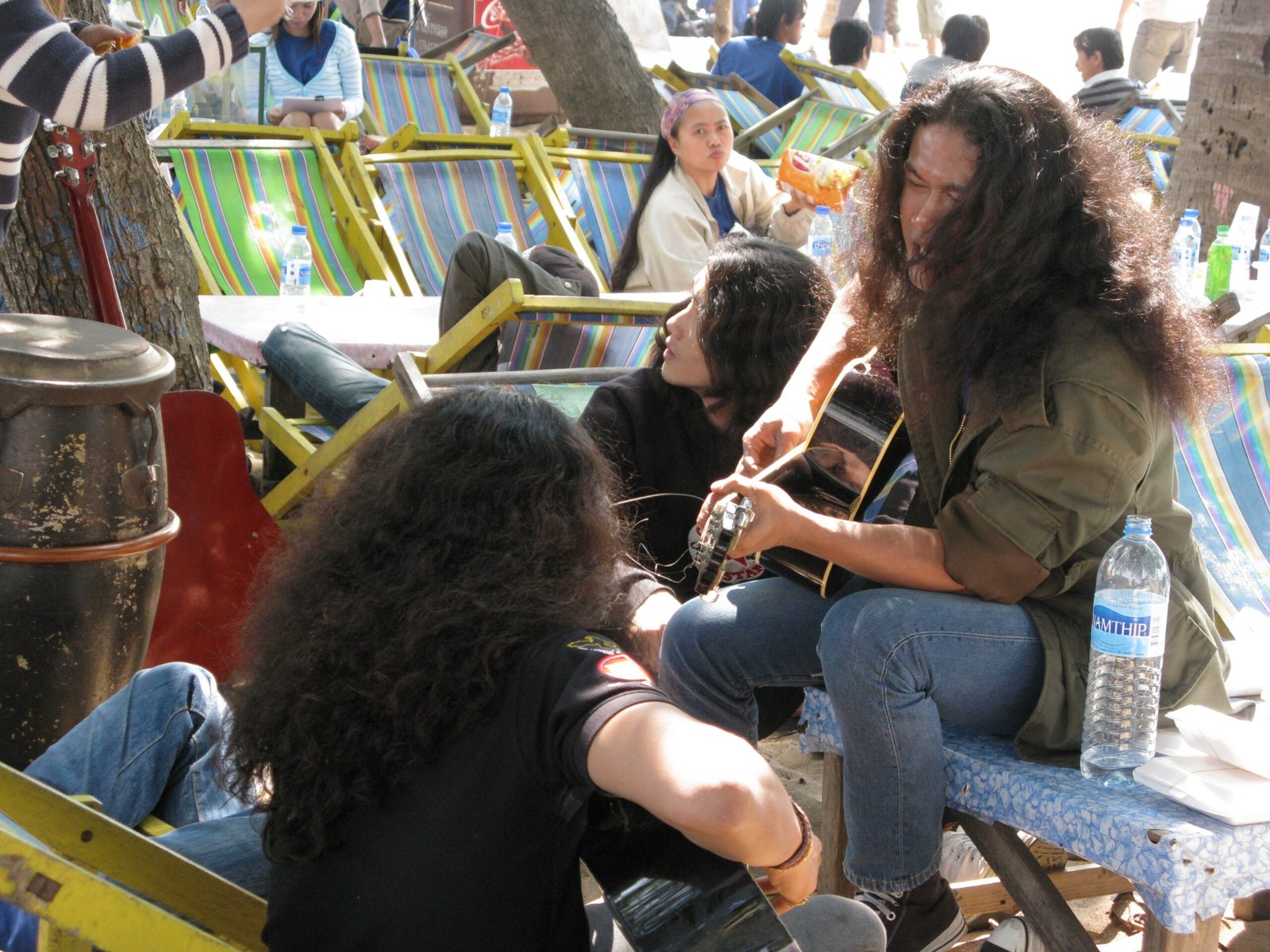
In an era where music festivals are increasingly dominated by corporate sponsors and premium experiences, Fête de la Musique stands as a stubborn reminder of music’s communal roots. You won’t find branded stages, VIP areas, or overpriced merchandise – just people making music because they love it. This philosophy isn’t just refreshing; it’s revolutionary in today’s commodified music landscape. The absence of commercial pressure allows for artistic risks and authentic moments that simply can’t happen when profit margins are involved. Musicians play what they want, not what sells tickets, and audiences connect with performances in ways that feel genuine rather than manufactured for social media.
Language of Music, Universal Grammar
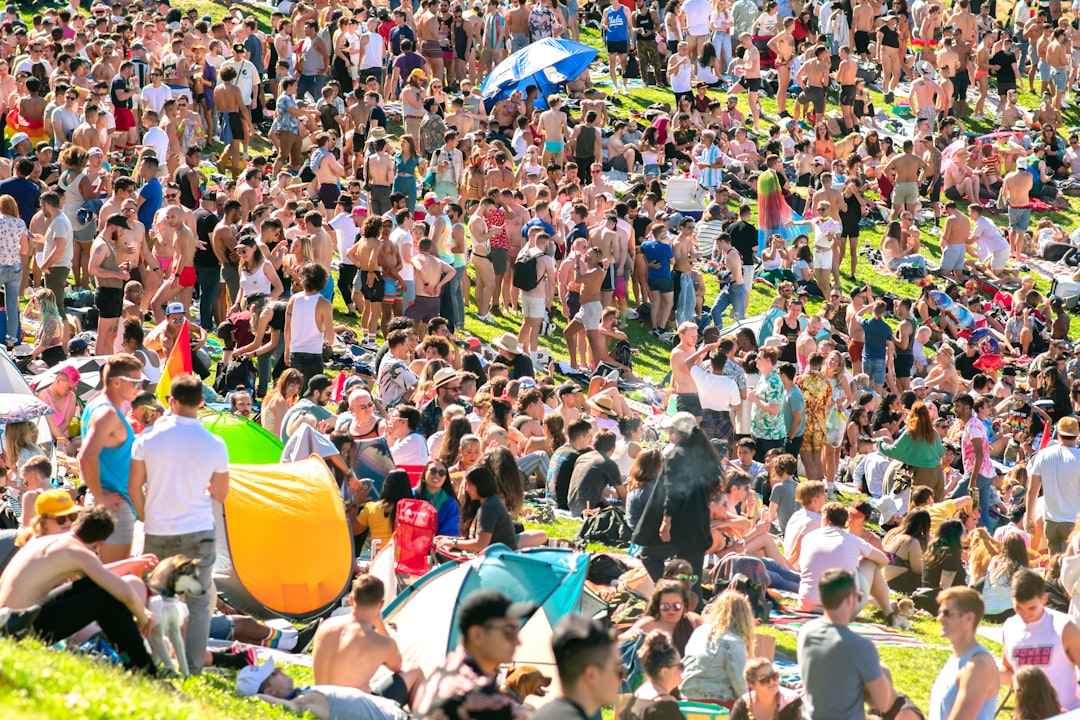
One of the most beautiful aspects of Fête de la Musique is watching how music transcends language barriers in real-time. A French chanson performer can captivate an audience of tourists who don’t understand a single word, while instrumental performances create instant connections between strangers. The festival proves that music truly is a universal language, capable of building bridges that words sometimes can’t. This becomes especially powerful in multicultural cities where the day becomes a celebration not just of music, but of the diverse communities that create it. You’ll see children dancing to music from cultures they’ve never encountered, while elderly immigrants share their traditional songs with neighbors who are hearing them for the first time.
From Campfires to Street Corners
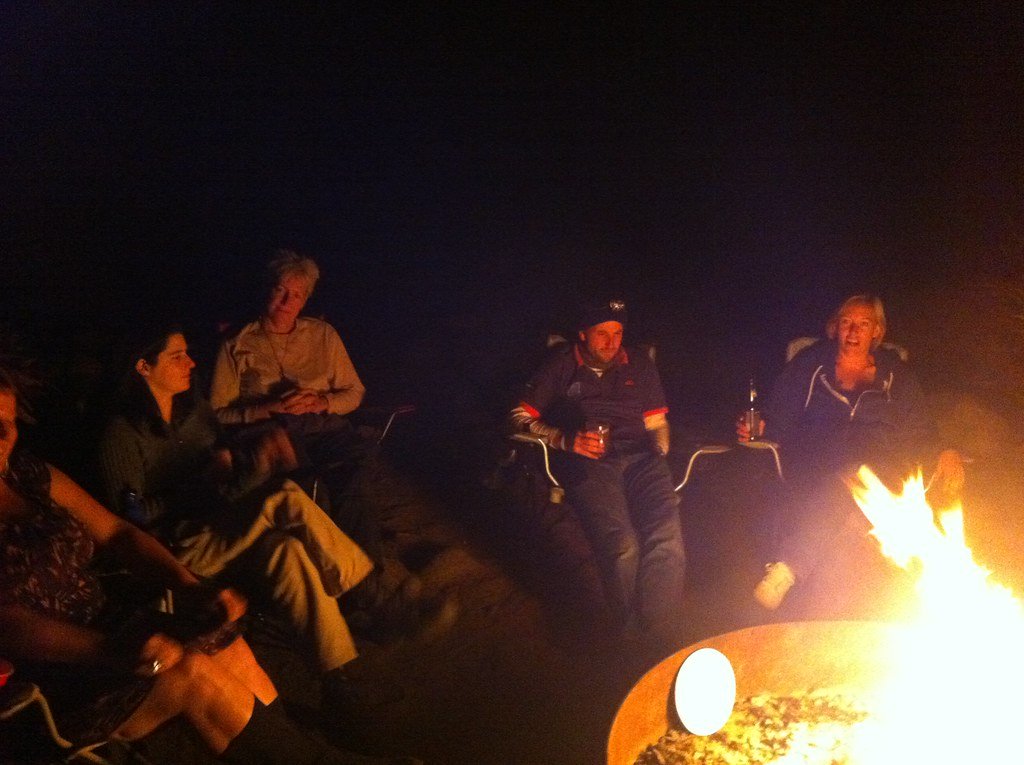
Fête de la Musique taps into something primal about human musical expression – the ancient tradition of gathering to make sounds together. Before recorded music, before concert halls, before the music industry as we know it, people made music around fires, in fields, and wherever community gathered. This festival strips away all the modern complexity and returns music to its fundamental purpose: bringing people together. It’s a reminder that every neighborhood has musicians, every family has someone who can carry a tune, and every community has its own unique sound waiting to be shared. The festival succeeds because it honors this basic human impulse to create and share music collectively.
The Ripple Effect Beyond June 21st
What’s remarkable about Fête de la Musique is how its impact extends far beyond a single day of celebration. Musicians who perform together as strangers often form lasting collaborations, while communities discover local talent they never knew existed. Music schools report increased enrollment following the festival, and neighborhoods that participate often continue organizing smaller musical events throughout the year. The festival plants seeds that keep growing, proving that when you give people permission to make music publicly, they don’t want to stop when the day ends. It’s like opening a door that communities didn’t realize they wanted to walk through, leading to ongoing cultural enrichment that benefits everyone involved.
The Future Sounds Bright
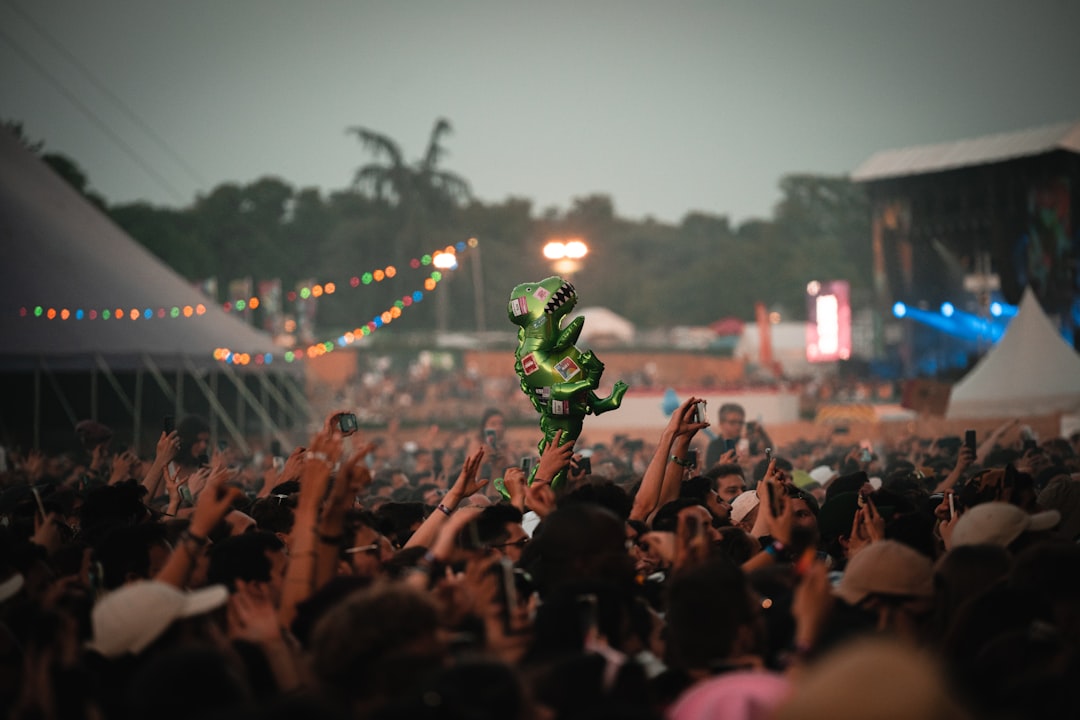
As Fête de la Musique continues expanding to new countries and cities each year, it faces the challenge of maintaining its grassroots spirit while growing its global reach. Social media has added new dimensions to the celebration, allowing local performances to find international audiences and inspiring cross-cultural musical exchanges. Yet the core principle remains unchanged: music belongs to everyone, and everyone deserves a chance to share their sound with the world. The festival’s future likely lies in its ability to adapt to changing times while preserving the simple magic of neighbors making music together on the longest day of the year.
Who would have thought that one minister’s simple question in 1982 would grow into a global movement that reminds us yearly why music matters so much to human connection?
CEO-Co-Founder
