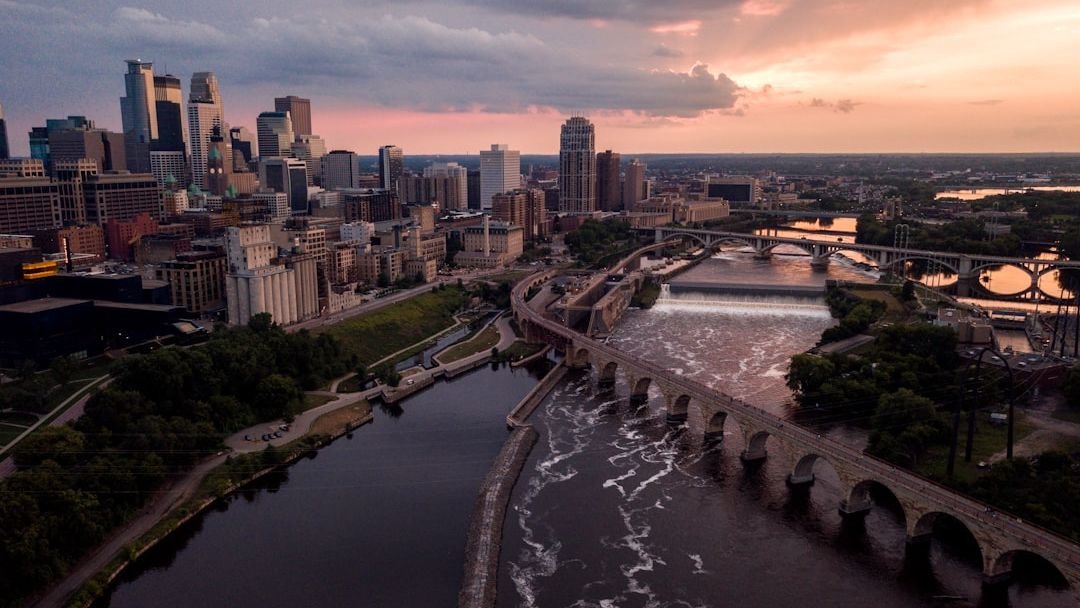

A routine immigration enforcement operation in Minneapolis turned deadly this week, leaving a 37-year-old woman dead and thrusting the city back into the national spotlight. Federal agents clashed with local officials over the details, while grief-stricken residents took to the streets demanding answers. Protests have since rippled across the country, from Los Angeles to New York, echoing cries for justice that feel all too familiar in this Midwestern hub of unrest.
Here’s the thing: in a nation already divided on immigration, this incident exposes raw nerves about federal power in everyday neighborhoods. Community leaders paint a picture of overreach, while authorities defend split-second decisions. As investigations grind forward, one question looms large – what really happened at that icy intersection?
The Confrontation That Shook Minneapolis
On January 7, 2026, an Immigration and Customs Enforcement agent fatally shot Renee Nicole Good at the intersection of Portland Avenue and 34th Street in South Minneapolis. Officials described the operation as targeting individuals with deportation orders, a standard tactic in areas with high immigrant populations. Eyewitnesses reported chaos unfolding quickly, with the woman pronounced dead at the scene despite immediate medical response. Local authorities quickly accused the agents of reckless force, while federal reports insist the officer acted in self-defense amid a perceived threat. This marks the second such federal incident in Minnesota within a year, fueling skepticism about training and protocols. Tensions escalated as bystanders gathered, setting the stage for broader outrage.
Protests Erupt from Coast to Coast
Within hours, demonstrations swelled in Minneapolis outside the Whipple Federal Building, where officers deployed pepper balls to disperse crowds. The unrest spread rapidly to Portland, where federal agents shot and injured two people amid similar clashes linked to the Minnesota killing. Thousands marched in Los Angeles toward federal buildings, blocking intersections with chants against overreach, while Chicago saw sit-ins at immigration offices. Social media amplified viral images of signs reading “No Justice, No Peace,” drawing solidarity from New York and beyond. In Minneapolis, mourners lit firepits at the shooting site, blending vigil with defiance late into the night. Authorities issued dispersal orders citywide, yet the momentum persists as of January 9.
Portrait of the Victim and the Agent
Renee Nicole Good, a U.S. citizen and devoted mother, had deep ties to Minneapolis’s immigrant community as a volunteer and neighbor. Her family expressed profound shock in a statement, highlighting her lack of violent record – only minor immigration issues from years past. This personal narrative has humanized the tragedy, rallying faith leaders and locals who knew her well. The ICE agent, with prior border state assignments, now sits on administrative leave pending review. Court records have identified the officer, though details on his history remain under wraps by the Department of Homeland Security. Community calls for his immediate suspension grow louder by the day.
Clashing Official Narratives and Probes
The FBI has taken over the investigation, limiting local access to evidence and drawing ire from Minnesota officials. Minneapolis Mayor Jacob Frey labeled the shooting unacceptable, while Governor Tim Walz ordered National Guard preparations to bolster strained police amid protests. Federal spokespeople maintain the agent faced a weaponized vehicle, countering local claims of unjustified force. A multi-agency review involves use-of-force scrutiny, but critics decry its lack of independence based on past leniency toward agents. ICE arrests in the area have surged 25% in two years, contextualizing the heightened operations. Bipartisan voices now push for congressional hearings on standards.
Echoes of Past Unrest and Policy Scrutiny
Minneapolis’s history looms large, from the 2020 George Floyd killing that ignited global protests to ongoing police reforms now complicated by federal involvement. Civil rights groups like the ACLU seek injunctions against raids, citing impacts on communities of color. Labor unions organize walkouts, and polls show nearly two-thirds of Americans want stricter federal accountability. Economically, road closures threaten millions in losses for businesses. Experts see potential for lawsuits and shifts mirroring other cities. The Biden administration reviews continue without direct comment, as a weekend rally looms in Minneapolis.
Final Thought
This tragedy underscores fragile trust between communities and federal enforcers, demanding real dialogue over division. Will independent oversight finally take root, or will history repeat? Share your take in the comments – what changes would you push for?
Source: Original YouTube Video