

- 10 Classic Albums Everyone Should Listen To Before They Die - March 9, 2026
- The 5 Most Affordable U.S. Cities Where Quality of Life Is Surprisingly High - March 9, 2026
- 7 Fashion Trends From the Past That Are Making a Major Comeback - March 9, 2026

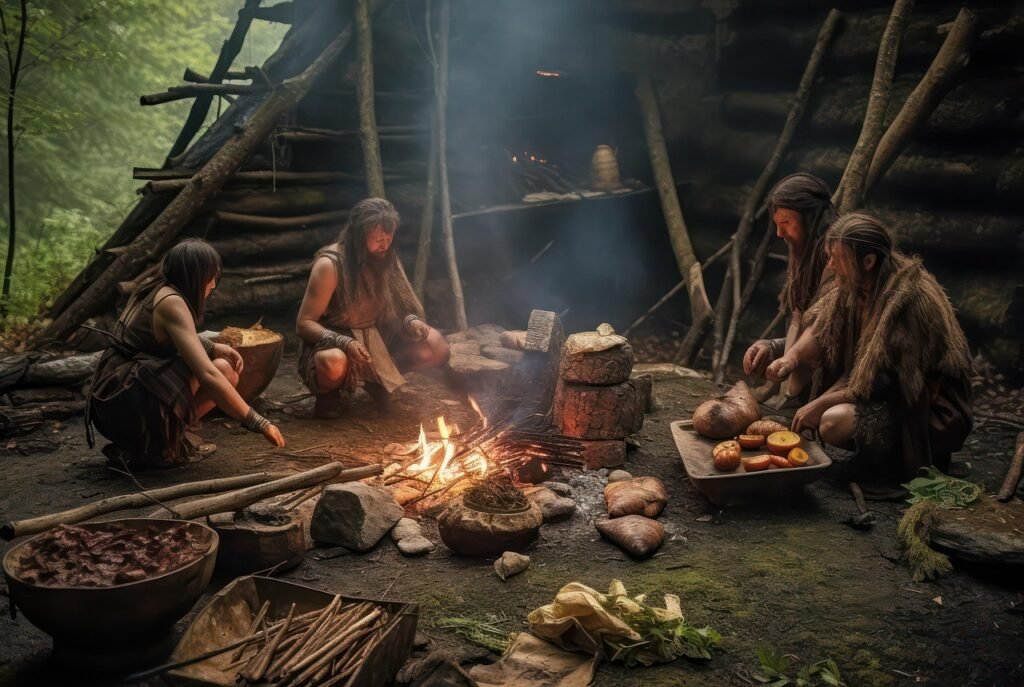
The Thrill of Unearthing Ancient Tunes (Image Credits: Pixabay)
In the dim glow of cave interiors, faint vibrations seem to stir the air, carrying hints of rhythms long silenced by time.
The Thrill of Unearthing Ancient Tunes
Imagine striking a rock and hearing a clear, melodic note ring out. That’s exactly what researchers are doing now with prehistoric stones. These sounds, buried for tens of thousands of years, offer a window into how our ancestors filled their world with music.
Archaeoacoustics, a field blending archaeology and sound science, has exploded in recent years. Experts visit ancient sites to record echoes and resonances. Their work reveals that Stone Age people weren’t just painting walls; they were creating sonic landscapes too.
This isn’t guesswork. Real instruments from that era, like flutes carved from bones, have been tested and played. The results? Haunting tunes that echo through modern labs and caves alike.
Bone Flutes: Whispers from 40,000 Years Ago
One of the oldest known instruments is a flute made from a vulture’s wing bone, discovered in a German cave. Dating back about 40,000 years, it pushes the timeline of human music way earlier than we thought. When replicas are blown today, they produce notes surprisingly close to modern scales.
These flutes weren’t random finds. They turned up alongside mammoth ivory fragments in sites linked to early modern humans in Europe. Playing them in the original caves shows how sound might have traveled, amplifying rituals or stories told in the dark.
Scientists like those at Hohle Fels have even composed simple melodies on these replicas. The tones evoke a sense of mystery, blending bird-like whistles with deeper hums. It’s proof that music helped our ancestors connect, perhaps giving them an edge over other hominins.
Lithophones: When Rocks Sing
Stones that chime like bells? Prehistoric people figured that out long before bells existed. Lithophones, made from granite or fossilized coral, produce tones when struck. Archaeologists have demonstrated these in videos, showing how a simple hit creates a symphony of notes.
These rock instruments appear in various cultures, but their roots trace to the Stone Age. In places like Finland’s painted rock shelters, such sounds could have enhanced ceremonies. Experts believe the acoustics there were chosen deliberately, turning cliffs into natural amplifiers.
Modern recreations, like those by archaeologist Jean-Loup Ringot, let us hear the range – from low rumbles to high pings. It’s a reminder that music didn’t need fancy tools; everyday materials sufficed for expression.
Rock Art and Hidden Soundscapes
Those vivid cave paintings? They might have been paired with live sound. Recent studies in France and Finland suggest decorated sites had special acoustics. Echoes from drums or flutes would bounce off walls, making rituals feel otherworldly.
By mapping sound in these spaces, researchers recreate the experience. For instance, playing a bone flute replica in Isturitz Cave revives vibrations not heard since the Paleolithic. This multisensory approach shows art and music intertwined in prehistoric life.
Paintings of drummers in some sites add clues. Sound likely heightened the spiritual impact, drawing communities together. Today, these experiments help us grasp why such places were sacred.
The Role of Music in Ancient Rituals
Music probably played a big part in Stone Age ceremonies. Sites with rock art often feature natural reverb, ideal for chants or beats. This setup could induce trances or unify groups during hunts or rites of passage.
Evidence from flutes and lithophones points to social bonding. Early humans might have used rhythms to communicate or celebrate, much like we do now. The discovery of these instruments in ritual contexts underscores music’s emotional power.
Though we can’t know exact songs, the basics endure. Percussion from stones or clapping likely kicked off the first beats, evolving into complex performances over millennia.
Modern Lessons from Prehistoric Beats
What does this mean for us? Reviving Stone Age sounds bridges the gap to our roots, showing creativity’s timeless spark. It challenges ideas that music is a recent invention; instead, it’s as old as our species.
Projects like those in New Scientist articles highlight ongoing research. They’re not just academic; they inspire artists and musicians to draw from ancient vibes. Listening to these echoes fosters a deeper appreciation for human ingenuity.
- Bone flutes date to at least 35,000 years ago, made from bird or animal bones.
- Lithophones use resonant rocks like granite for percussion.
- Cave acoustics amplified sounds, enhancing rituals.
- Replicas help modern players recreate prehistoric scales.
- Music likely aided social cohesion and spiritual practices.
Key Takeaways
- Archaeoacoustics reveals how sound shaped ancient art and life.
- Oldest instruments push music’s origins to the dawn of modern humans.
- These discoveries remind us that rhythm and melody are innate human traits.
As we tune into these ancient echoes, it’s clear our ancestors’ world pulsed with sound just like ours. They turned caves into concert halls and bones into bands, proving music’s pull is universal. What echoes from your past intrigue you most? Share in the comments below.
CEO-Co-Founder
