

For any feedback please reach out to info@festivalinside.com
- 10 Mouthwatering Food Festivals in The US Every Foodie Need To Experience At Least Once - April 3, 2026
- The Most Iconic Music Festivals In The World - April 3, 2026
- Weirdest Quirks About Beethoven You May Not Know! - April 3, 2026
There is something almost indescribable about the moment a song you have never heard before reaches straight through your chest and grabs something. It is not rational. It is not planned. One second you are scrolling through a playlist or riding in someone else’s car, and then suddenly there is this sound – this completely unfamiliar arrangement of notes – and it feels like it was written specifically for you. That feeling is real, and it is one of the most quietly magical experiences modern life still offers.
Music discovery is not merely entertainment. It is a deeply personal journey, one that can reshape how we see ourselves, how we understand other people, and how we experience the world around us. The treasure is always out there, waiting. Let’s dive in.
The Emotional Earthquake of Hearing Something New

Here’s the thing about stumbling onto a song you have never heard before – your brain basically lights up like a pinball machine. Research has shown that pleasant emotional responses to music are linked to ancient reward structures in the brain, the same ones that respond to stimuli like food and other primal drives. That means when a new song genuinely hits you, it is not just your mood improving. It is a deeply biological reward being triggered.
Listening to music increases blood flow to brain regions that generate and control emotions, and the limbic system, involved in processing emotions and controlling memory, lights up when our ears perceive music. Think about that for a second. A completely unknown track can ignite the same neural fireworks as discovering something critically important to your survival. That is extraordinary.
Music has the ability to evoke powerful emotional responses such as chills and thrills, positive emotions dominate musical experiences, and pleasurable music may lead to the release of dopamine, the neurotransmitter associated with reward. So that rush you feel when a new favorite song appears? It is pure chemistry. And honestly, I think it is one of the most underrated feelings in human life.
Most of us have memories attached to certain songs, perhaps of a specific event or period of time, or about a person or place, and these can have a strong impact on how a song makes us feel. But the truly fascinating part is how an entirely unfamiliar piece can also create that electricity, building entirely new memories in real time. Every new discovery is a potential future nostalgia. That is the treasure hiding inside the treasure.
How We Actually Find New Music Today
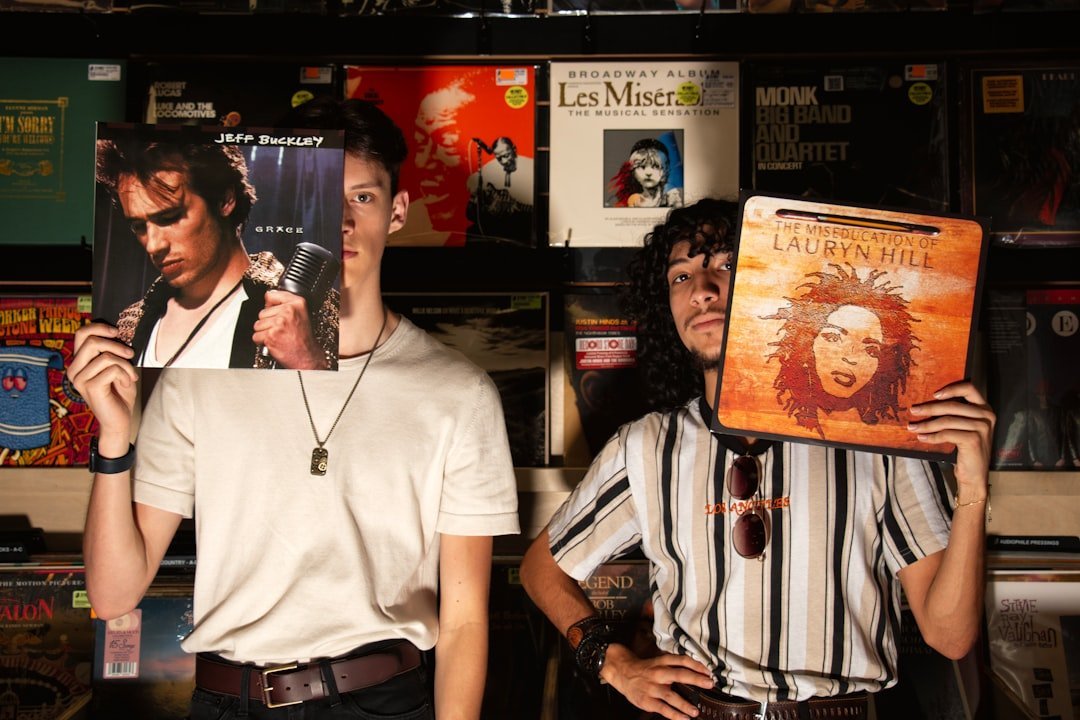
The methods of music discovery have shifted in ways that feel almost science-fictional compared to just a decade ago. The art of music discovery has fundamentally transformed. No longer do listeners thumb through vinyl bins or wait for radio serendipity. Today, artificial intelligence systems process millions of data points to predict what will resonate with each individual user. It is remarkable, when you think about it. The algorithm is basically a very obsessive musical pen pal.
Modern music streaming platforms employ sophisticated machine learning algorithms that analyze user behavior, listening patterns, and musical characteristics, tracking metrics like skip rates, replay frequency, playlist additions, and listening duration to understand individual preferences. In other words, every time you skip a track after five seconds, you are teaching the machine something. You are actively training your own sonic future.
The shift from discovery via radio to discovery via social media has diminished the influence of traditional music gatekeepers, but has provided space for new tastemakers to emerge on social platforms – modern disc jockeys who run accounts dedicated to music recommendations on TikTok and Substack, helping drive active music discovery for a modern, social-focused era. That is a genuinely exciting development. Anyone with good taste and a phone can now be a cultural curator.
The shift to algorithmic music discovery is especially pronounced for younger listeners – their top music discovery method is TikTok, followed by YouTube, streaming, and social media, while less than one in ten discover new music through TV, film, or personal recommendations. Still, there is something irreplaceable about a trusted friend leaning over and saying “you have to hear this.” No algorithm fully replicates that intimacy. Not yet, anyway.
The Psychology Behind Why New Music Hooks Us
Let’s be real – not every new song sends you into a spiral of ecstatic discovery. Some tracks you skip. Some bore you. Others stop you cold. What explains that difference? It turns out the psychology of musical novelty is surprisingly layered. Music can be experienced as pleasurable both when it fulfills and violates expectations. The more unexpected the events in music, the more surprising the experience, and we tend to appreciate music that is less predictable and slightly more complex. Think of it like a great mystery novel – the twist has to feel earned, not random.
Emotional peak responses in listeners co-occur with key musical events relating to change, such as the introduction of a new motif, an instrument change, or a shift in pitch, dynamics, or texture. These findings provide empirical support for the idea that change in basic musical features is a fundamental trigger of emotional responses. So when a new song suddenly drops an unexpected key change, your brain is not just surprised. It is responding to a deep structural signal that something meaningful is happening.
Research reveals that people listen to music to achieve three core goals: self-awareness, social relatedness, and arousal and mood regulation. New music can serve all three of these needs simultaneously. A song discovered at exactly the right moment of your life can feel like therapy, like companionship, and like pure energy all at once. That is almost absurdly powerful for something that is just organized sound.
Evidence shows that people who consistently respond emotionally to aesthetic musical stimuli possess stronger white matter connectivity between their auditory cortex and the areas associated with emotional processing, meaning the two areas communicate more efficiently. So in a sense, music lovers may be literally wired differently, with brains that are architecturally built for deeper sonic impact. It is hard to say for sure if this is cause or effect, but it is fascinating either way.
Venturing Outside Your Genre Comfort Zone
Most people have a musical home base. Maybe it is indie rock, maybe it is R&B, maybe it is classical. And there is nothing wrong with that. Home is comfortable. But comfort, as any adventurer knows, is where discovery goes to die. For listeners, cross-genre music provides a fresh and exciting listening experience. It can introduce them to new styles they may not have otherwise explored. Stepping outside your usual playlist is like taking a different route to work one morning and realizing there is an entire neighborhood you never knew existed.
In today’s interconnected world, music genres are blending and merging across borders to create a rich and diverse scene that resonates with listeners everywhere. The boundaries that used to separate musical styles are increasingly blurred, and this fusion has not only given rise to innovative sounds but also fostered a greater appreciation of cultural diversity. Honestly, genre boundaries in 2026 feel almost old-fashioned. The most interesting music is often the stuff that refuses to be labeled.
The exploration of various music genres reveals the depth and richness of cultural fusions. Each genre tells a story of cultural exchange, illustrating how music can transcend geographical and cultural boundaries. When you listen to Afrobeat and then trace its rhythmic roots, or when you stumble into the world of Flamenco and feel the weight of centuries of Spanish history, you are not just discovering music. You are discovering people.
Global music genres like reggaeton, K-pop, and Afrobeat, driven by artists like Bad Bunny, BTS, and Burna Boy, have reshaped the music industry, while these genres diversify Western music, encourage musical exploration, and integrate cultural diversity for authenticity. Genres once considered niche are now genuinely global forces. The music map has expanded far beyond what most listeners realize, and the biggest shame would be to only ever explore a small corner of it.
Music as a Bridge Between Cultures

There is something quietly profound about listening to a song sung in a language you do not speak and still feeling every word. Music does not require translation. It bypasses the brain’s usual filters and lands somewhere much more instinctive. Foreign music serves as a medium for cultural exchange, enabling us to learn about the customs, history, and values of other societies. That is a remarkable capability, especially in a world that can sometimes feel increasingly divided.
Thanks to the global dissemination of music, there is a cross-pollination and synthesis of different genres and styles, leading to the emergence of new forms of musical expression. However, there are risks of cultural appropriation and loss of authenticity. This tension is important to hold. Cultural exchange at its best is generous and respectful. At its worst, it is extractive. The difference lies in how deeply and honestly we engage with what we are discovering.
The phenomenon of K-pop vividly illustrates how a cultural product can become a powerful instrument, generating economic benefits but also serving as an effective tool for cultural diplomacy. The global explosion of K-pop is arguably the most striking modern example of music tearing down walls between nations and creating genuine human connection across enormous cultural distance. It is both a pop phenomenon and a geopolitical miracle, depending on how you look at it.
In the era of digital globalization, technology plays a pivotal role in spreading and shaping cross-cultural music. The advent of the internet, music streaming services, and social media has revolutionized how music is shared, accessed, and evolved across cultures. What once required years of travel, record shops in foreign cities, or sheer luck can now happen in a single afternoon on a streaming platform. The hidden treasures of the world’s musical cultures are genuinely within reach for anyone curious enough to look.
A Lifelong Curiosity Worth Protecting
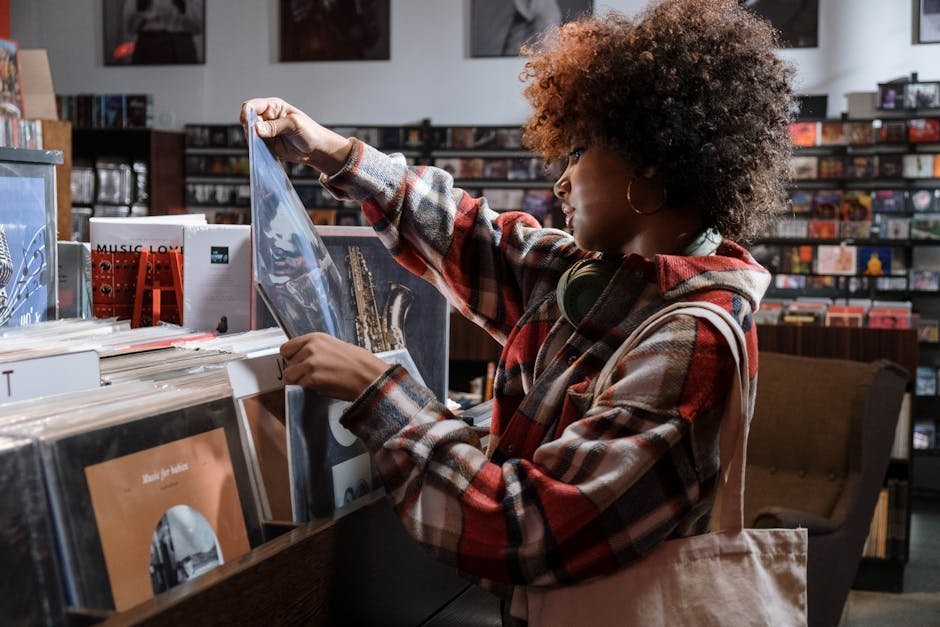
Here is what I think is the most quietly important thing about music discovery: it does not have an expiration date. There is no age at which the thrill of hearing something truly new for the first time runs out. Music’s influence extends throughout the lifespan, from prenatal development to the challenges of aging, impacting cognitive, emotional, physical, and social well-being. The relationship between a human being and music is genuinely lifelong in the truest sense.
In all its intricacy, music is a mirror of the brain itself, and it has its own implications for cognition, emotion, and identity. Every new song you discover is, in some small way, a new discovery of yourself – what moves you, what bores you, what makes you feel understood or exhilarated or melancholy. That is not a trivial thing. That is a mechanism of self-knowledge.
The risk, of course, is complacency. Streaming algorithms are brilliant at giving you more of what you already love. They are less brilliant at forcing you beyond it. A truly fair recommender system is one that doesn’t only reward established acts but also surfaces emerging artists, local scenes, and niche genres to listeners. So sometimes you have to take the wheel yourself. You have to go looking for the treasure rather than waiting for it to be delivered.
Stay curious. Chase the unfamiliar chord. Click on the artist you have never heard of. Say yes to the playlist your friend made, even if the genre sounds nothing like your usual fare. Music can trigger memories, awaken emotions, and intensify social bonding in a spontaneous and effortless way. Every new song is a door. Some open onto rooms you walk right back out of. But a few – just a few – open onto something that changes you permanently. Those are the ones worth searching for.
The greatest musical discovery of your life might be one click away right now. What would you have guessed that song sounds like?

Christian Wiedeck, all the way from Germany, loves music festivals, especially in the USA. His articles bring the excitement of these events to readers worldwide.
For any feedback please reach out to info@festivalinside.com
