
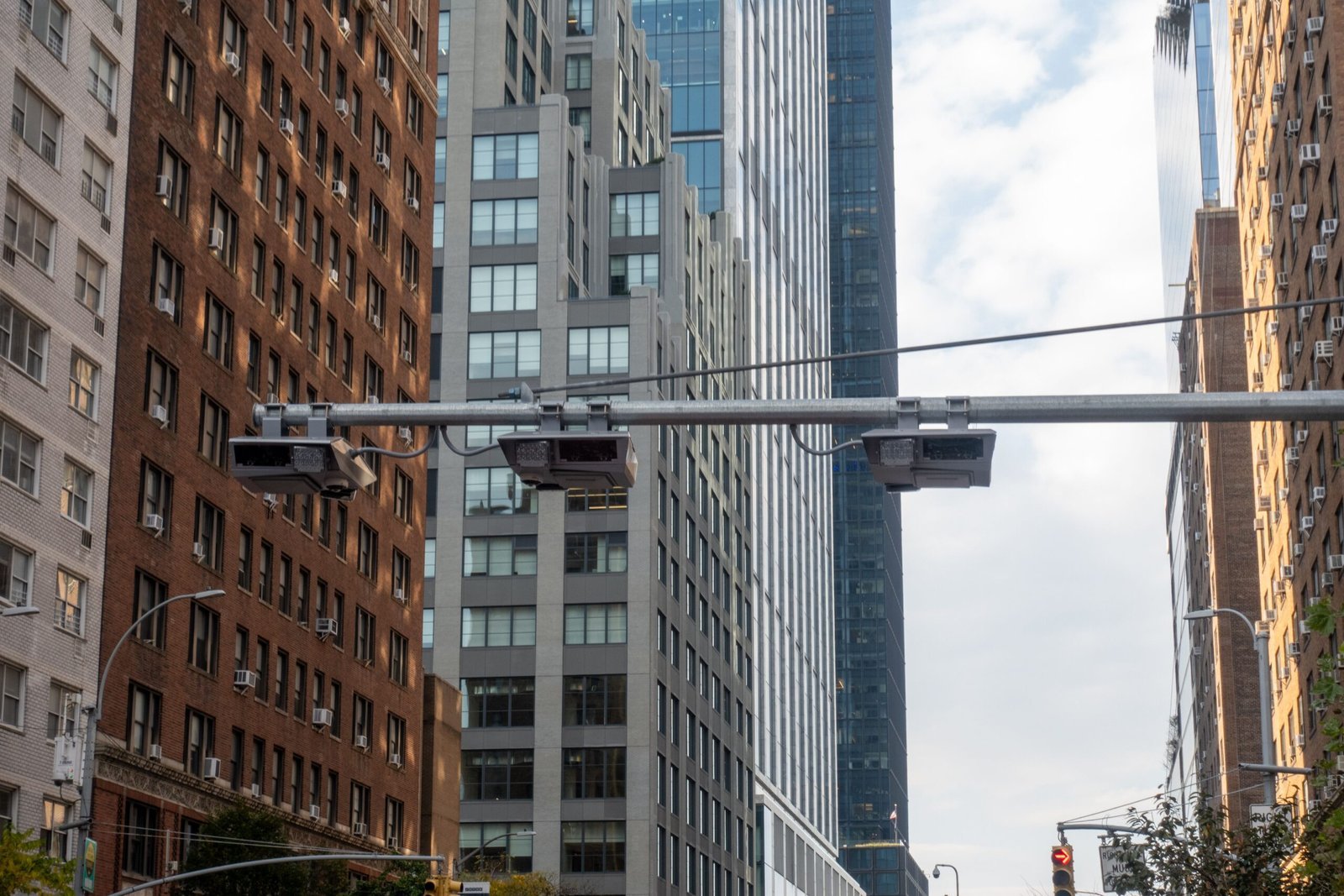
When the first cameras clicked on at midnight on January 5, 2025, something remarkable happened in Manhattan. Cars slowed down, or rather, they started moving faster. Noise complaints dropped. Air quality improved. Yet the story of congestion pricing extends far beyond the borders of Manhattan south of 60th Street.
This isn’t just about making life easier for people who work in Lower Manhattan. The program aims to fund transit improvements from the Hudson Valley to Long Island to New York City, and the ripple effects are already being felt in places many never expected.
The Numbers Tell a Surprising Story
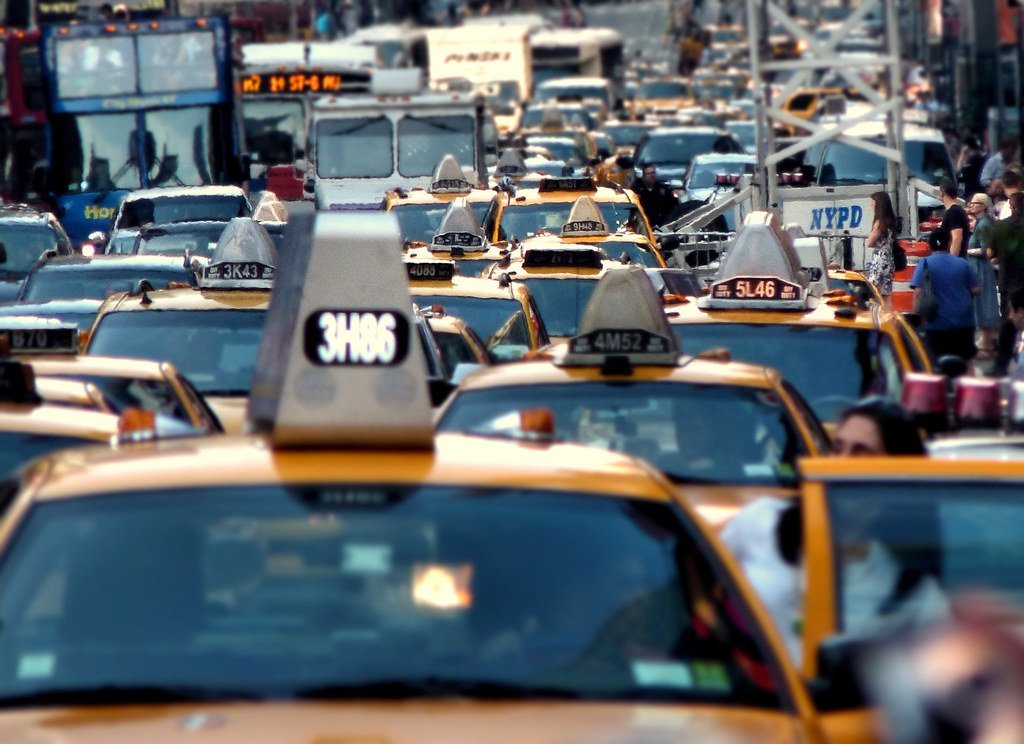
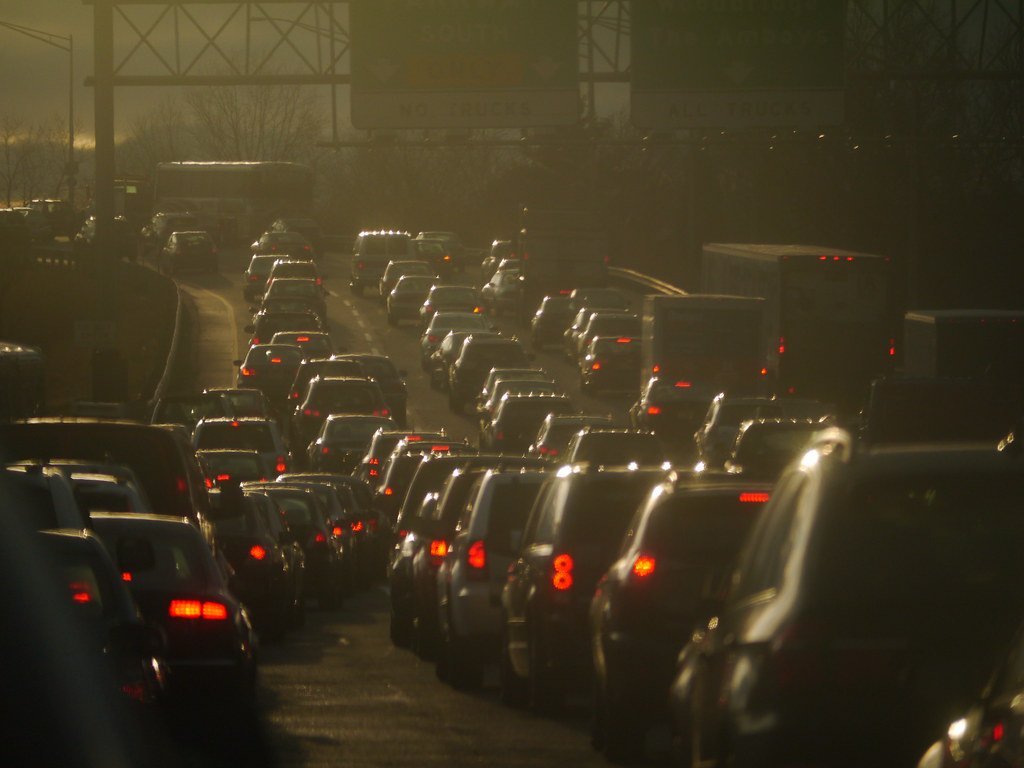
The number of vehicles entering the congestion zone is noticeably down. That’s millions of cars staying out of Manhattan each month. Traffic speeds increased noticeably too.
Average speeds within the central business district increased noticeably, which might not sound like much until you realize that’s more than you’d expect. The improvements were most dramatic during rush hour, when speeds increased significantly during rush hour.
The benefits extended well beyond the tolled zone itself. Traffic delays dropped in the congestion relief zone and across the metropolitan region, including the Bronx and parts of Bergen County, New Jersey. Even skeptics had to admit something was working.
Follow the Money Upstate and Beyond
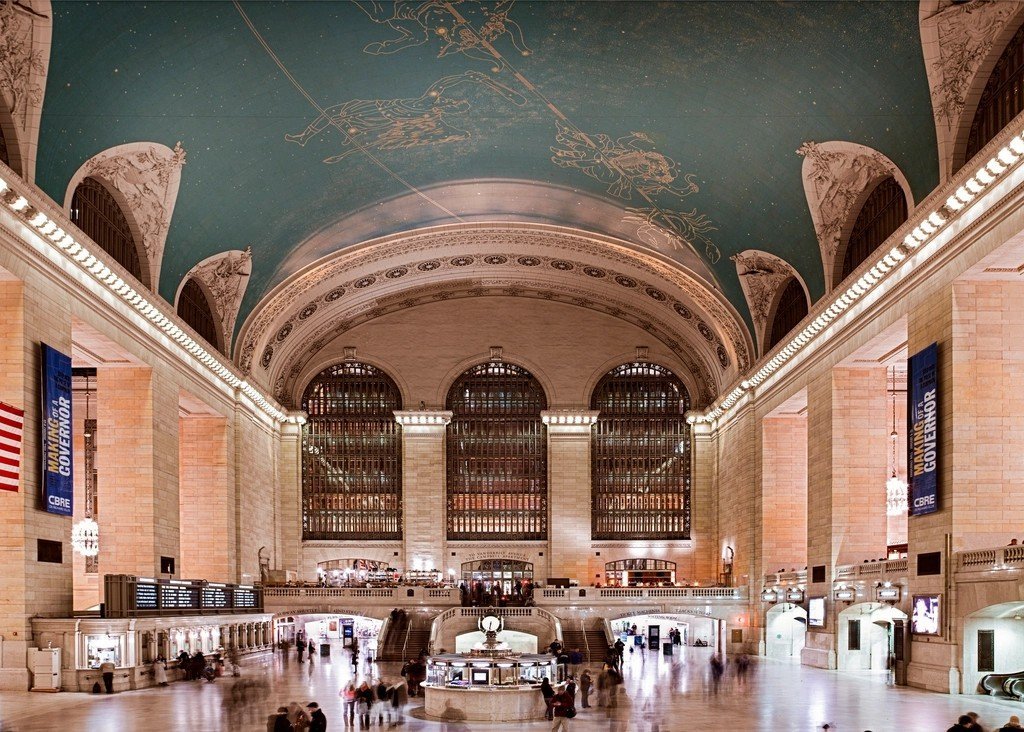
Revenue from congestion pricing is expected to reach about half a billion dollars in 2025, allowing the MTA to advance fifteen billion dollars in capital improvements to mass transit including the subway, bus, Long Island Rail Road, and Metro-North Railroad systems. That’s not just Manhattan money anymore.
The 2019 state law specified that eighty percent of the revenue be spent on the subway and bus system, with roughly one and a half billion dollars allocated to each of the Long Island Rail Road and Metro-North. Commuters from Westchester, Rockland, Dutchess, Putnam, and Nassau counties all stand to benefit from these upgrades.
Think about what that means for someone catching the Metro-North from Poughkeepsie or riding the LIRR from Suffolk County. New railcars, better signals, more reliable service. The toll collected in Manhattan is funding transportation improvements that touch nearly every corner of the state.
The Air Quality Revelation
Perhaps the most shocking finding came from Cornell researchers who studied air pollution patterns. In the first six months of the program, air pollution in the form of particulate matter levels dropped in the congestion relief zone.
The team also reported declines across the city’s five boroughs and surrounding suburbs. This challenges the early concern that congestion pricing would simply push pollution elsewhere. Instead, people appear to be choosing cleaner transportation options altogether.
Honestly, the suburban air quality improvements caught even researchers off guard. The pollution reductions weren’t confined to Manhattan. They spread across the metropolitan area, suggesting a fundamental shift in how people move around the region.
Economic Impacts Reach the Suburbs
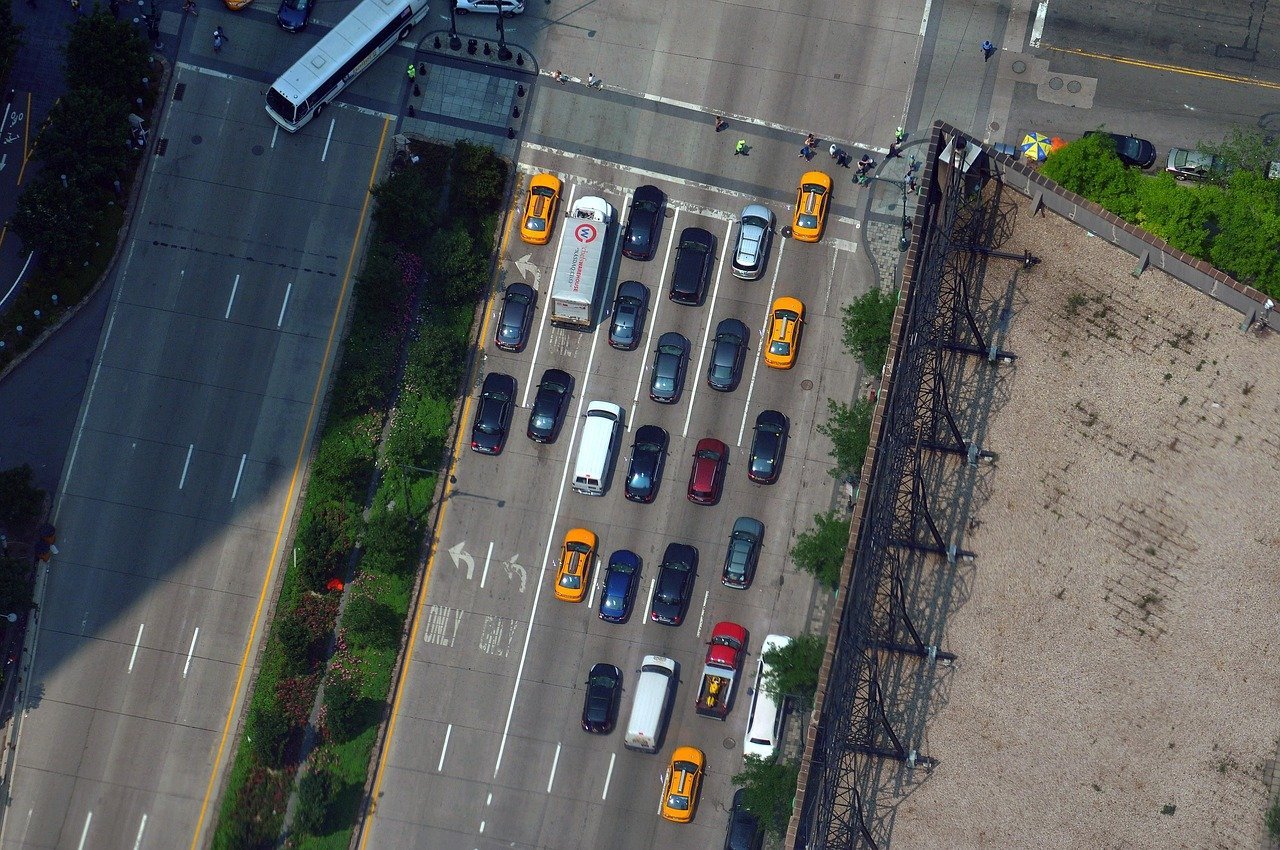
Time lost to traffic jams has decreased. For commuters driving in from Long Island, Westchester, or Connecticut, those minutes add up quickly over a year.
Travel times on river crossings have decreased compared to 2024, including rush hour delays in the Holland Tunnel. Anyone who regularly crosses those bridges and tunnels knows what a difference that makes.
The improved traffic flow means delivery trucks move faster, businesses receive goods more efficiently, and workers from across the tri-state area spend less time stuck in gridlock. The economic benefits radiate outward in ways that weren’t immediately obvious when the program launched.
Transit Upgrades That Benefit the Entire State
Let’s be real about what’s happening with the money. Governor Hochul announced the advancement of key transit projects funded by revenue generated by congestion pricing. These aren’t just Manhattan subway stations getting facelifts.
Future contracts to advance the Second Avenue Subway Phase 2 rely on funding from congestion pricing, creating three new accessible stations and increasing transit connectivity at 125th Street with connections to Metro-North trains. That connectivity matters for people traveling from upstate communities into the city.
Signal modernization on the A and C lines in Brooklyn and Queens, accessibility upgrades at major stations, new subway cars equipped with modern technology. These improvements make the entire regional transit network more reliable for everyone who depends on it, whether they live in the city or commute from surrounding areas.
The Legal Battle That Could Change Everything
New York State and the MTA have fought off repeated legal challenges and blocked attempts by the United States Department of Transportation and the Trump Administration to terminate the program, despite federal pressure and legal challenges earlier in the year. The cameras stayed on despite federal pressure.
The stakes extend far beyond Manhattan. If congestion pricing fails in New York, it could set back similar efforts in other American cities for years. Researchers are already simulating the potential environmental benefits of congestion pricing in other cities, including Boston, Los Angeles and Chicago.
This makes New York a testing ground for transportation policy that could reshape urban America. The outcome here will influence decisions in state capitals and city halls across the country.
Small Towns Feeling the Effects
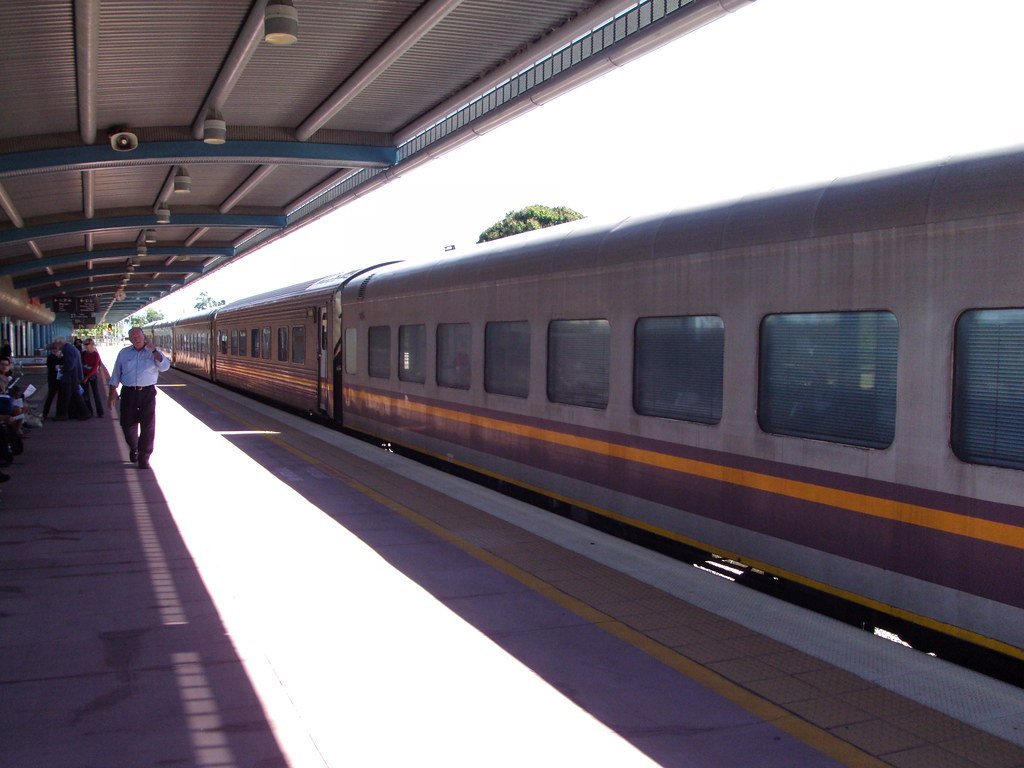
Here’s the thing most people miss. When Metro-North gets upgraded signals and new railcars, it’s not just benefiting people in White Plains or Yonkers. Communities like Beacon, Cold Spring, and Poughkeepsie see improved service too.
The Long Island Rail Road improvements touch dozens of small towns and villages across Nassau and Suffolk counties. Better reliability means more predictable commutes for people in places like Babylon, Ronkonkoma, and Port Jefferson. The money collected from Manhattan drivers is upgrading infrastructure that serves communities most New Yorkers couldn’t find on a map.
Transit ridership has increased across all modes since the program began. More people are choosing trains and buses over driving, which means less wear on state roads and highways that taxpayers would otherwise need to repair.
The Unintended Winners
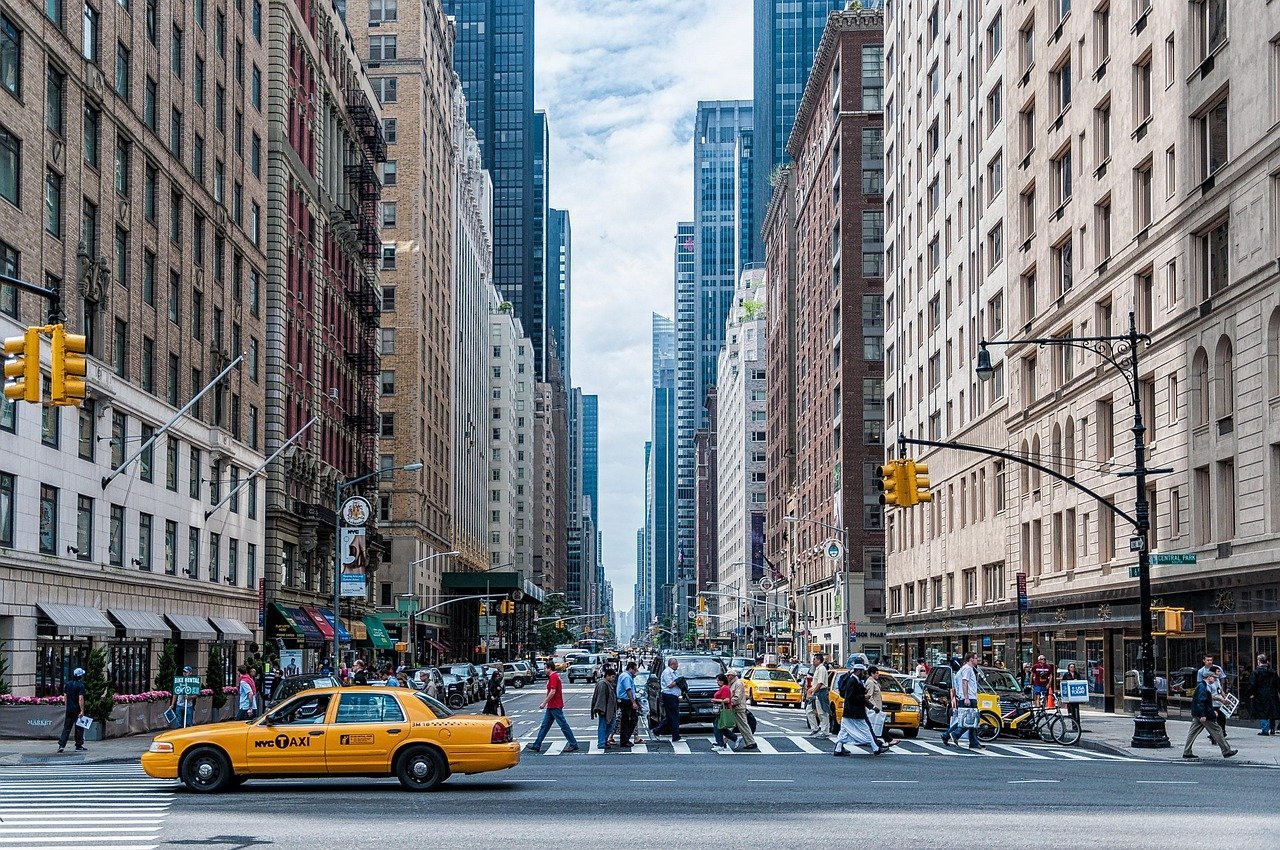
Crashes and traffic injuries in the congestion relief zone are down. Fewer accidents mean lower healthcare costs and reduced strain on emergency services throughout the region.
Honking and vehicle noise complaints to 311 dropped significantly in 2025. That’s not just quality of life for Manhattan residents. Emergency vehicles move faster through less congested streets, which matters when someone in Queens or the Bronx needs an ambulance.
Average weekday foot traffic in Union Square has reached high levels this season. More foot traffic means more business activity, which generates sales tax revenue that supports state programs benefiting communities statewide.
A Model for Regional Planning
What New York is demonstrating goes beyond congestion pricing itself. It’s showing how one bold policy in a dense urban core can generate resources and improvements that benefit an entire region. The traditional city versus suburb narrative doesn’t hold up when you examine where the money flows and who benefits.
Other states are watching closely. The success or failure of this program will inform transportation planning decisions from California to Massachusetts. New York is essentially conducting a massive experiment in regional transportation policy, and the early results suggest it might actually work.
The question isn’t whether congestion pricing affects only Manhattan anymore. The evidence shows it’s already reshaping transportation, air quality, and economic patterns across the entire state. Whether that continues depends on political will and legal outcomes that remain uncertain.
Looking Beyond the Controversy
Toll revenue is projected to hit half a billion dollars by the end of the year, and that money represents more than just numbers on a balance sheet. It’s new elevators at train stations for people with disabilities. It’s modern signals that prevent delays. It’s cleaner air in communities across the metropolitan area.
The political fight continues, with suburban lawmakers and some outer borough representatives still opposing the program. Yet the data keeps coming in, and it keeps showing benefits extending far beyond the toll zone itself. Commute times are down. Air quality is up. Transit improvements are being funded.
It’s hard to say for sure what the long-term impacts will be, but the first year has challenged many assumptions about who wins and who loses when you charge drivers to enter the most congested part of America’s largest city. Turns out, the winners might include people who never drive into Manhattan at all.