

For any feedback please reach out to info@festivalinside.com
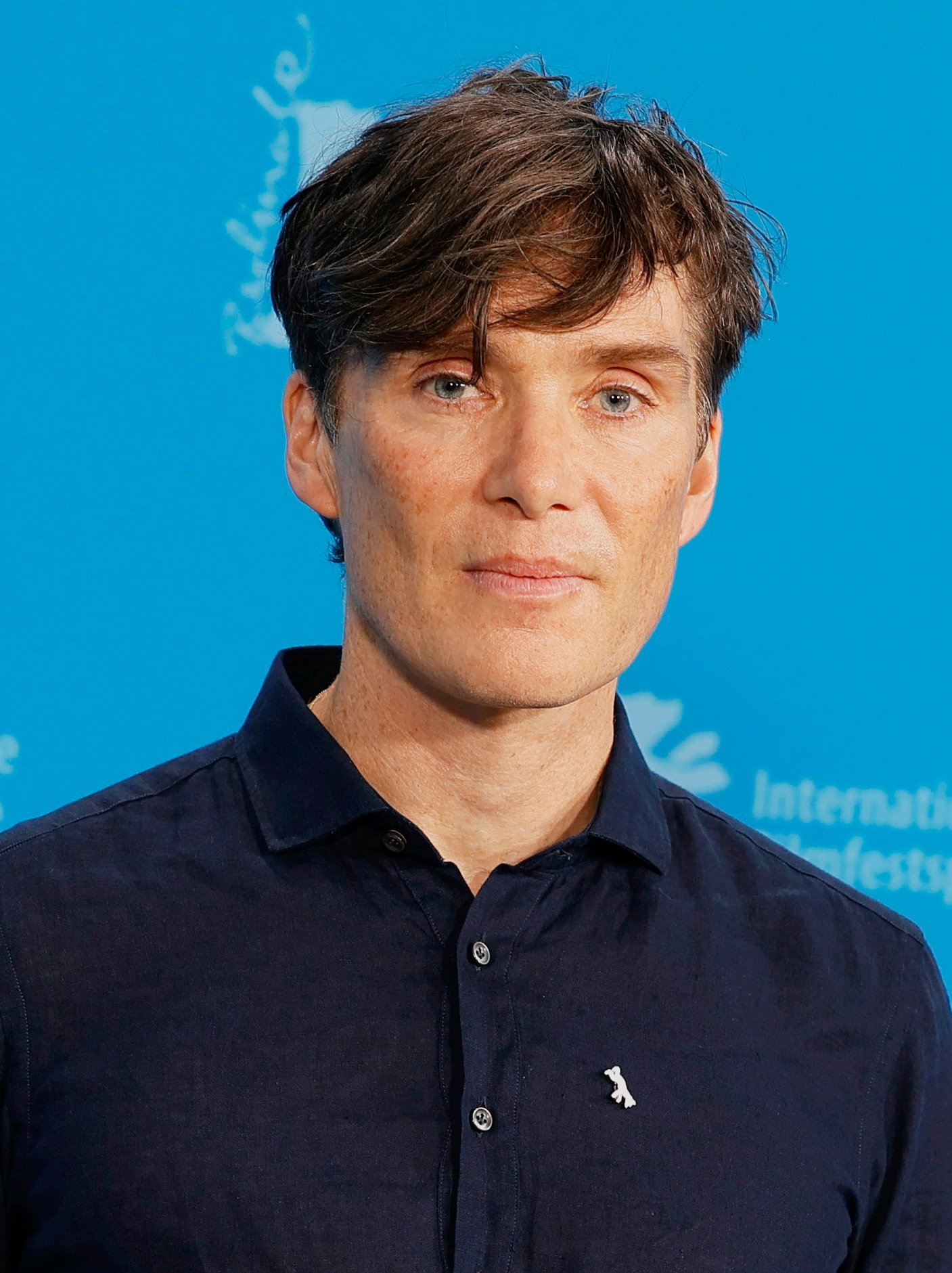
Cillian Murphy, fresh off his Oscar-winning turn as J. Robert Oppenheimer, continues to captivate with revelations about his inner life. Late last year, the Irish star opened up about the books that fuel his imagination, selections heavy on moral complexity and human frailty. These aren’t casual reads; they pulse with the same intensity he brings to roles in Peaky Blinders and beyond. Fans and fellow bookworms alike have latched onto his endorsements, sparking a surge in sales for these overlooked gems.
What stands out most is how Murphy’s tastes weave personal heritage with universal struggles. His picks favor unflinching prose over escapism, much like the characters he inhabits. This glimpse humanizes the enigmatic performer, revealing a mind shaped by Ireland’s literary titans and daring contemporaries.
Irish Roots: McGahern’s The Barracks Cuts Deep
John McGahern’s The Barracks tops Murphy’s list, a raw portrait of rural Ireland’s suffocating grip. The novel follows a woman’s quiet battle against illness and tradition, its spare language exposing emotional fractures. Murphy calls it a masterpiece that “cuts to the bone,” echoing his own Cork upbringing. This choice highlights his pull toward stories of repressed longing and national scars. Readers praise its precision, now rediscovered through his nod. Ultimately, it informs the subtle tensions in his screen work.
Beckett’s Waiting for Godot: The Ultimate Existential Play
Samuel Beckett’s Waiting for Godot commands a spot as Murphy’s greatest play ever written. Two tramps await an elusive figure in a barren landscape, their banter laced with philosophy and bleak humor. Murphy admires its minimalism, which mirrors the uncertainty in Oppenheimer’s moral maze. The work’s structure defies convention, challenging viewers much like his experimental films. This Irish connection underscores endurance amid absurdity. No wonder it resonates with his career’s darker shades.
Historical Heartbreak in Sebastian Barry and William Trevor
Sebastian Barry’s The Secret Scripture grips with its dual narratives of memory and madness during Ireland’s civil war. Centered on an elderly asylum inmate, it critiques forgotten cruelties through lyrical prose Murphy deems “heartbreakingly beautiful.” William Trevor’s short stories complement this, dissecting everyday betrayals with Chekhov-like economy. Murphy dubs Trevor “Ireland’s Chekhov,” drawn to the moral gray areas akin to his roles. Both reclaim shadowed voices, blending personal loss with epic scope. Their influence sharpens his grasp of quiet devastation.
Modern Edges: Ridgway, Winton, and Murdoch Push Boundaries
Keith Ridgway’s Hawthorn & Child shatters detective tropes with surreal London vignettes, a “brilliantly disorienting” ride Murphy champions. Tim Winton’s Dirt Music delivers Australian grit, tracing grief along a rugged coast in muscular poetry. Iris Murdoch’s The Sea, The Sea plunges into obsession and ego with philosophical comedy, a “titanic novel of the soul.” These transcend borders, favoring messiness over resolution. Murphy’s embrace signals openness to bold voices. They expand his palette, fueling innovative storytelling.
Final Thought
Murphy’s bookshelf reveals an artist chasing depth in every page, from Irish anguish to global introspection. These books don’t just entertain; they forge the intensity defining his legacy. As his stardom climbs, they offer fans a roadmap to his psyche. Which of these have you tackled, or what’s your go-to for similar vibes?
Source: Original YouTube Video

Christian Wiedeck, all the way from Germany, loves music festivals, especially in the USA. His articles bring the excitement of these events to readers worldwide.
For any feedback please reach out to info@festivalinside.com
