
Frankenstein and the Birth of Modern Bioengineering
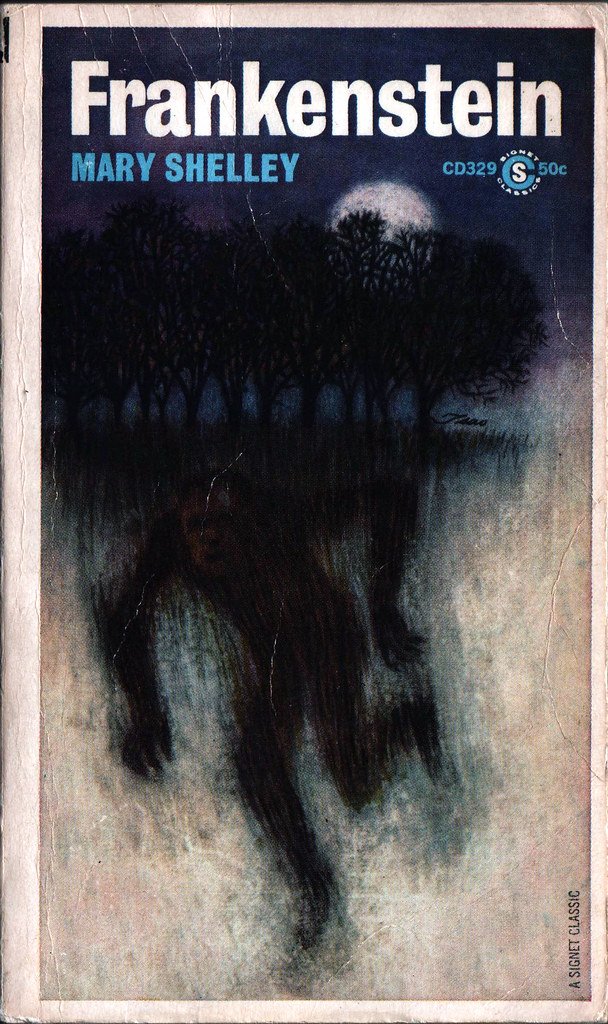
Mary Shelley’s “Frankenstein,” published in 1818, is often credited with predicting the future of bioengineering. The novel’s central idea—reanimating dead tissue—was pure fiction at the time, but it eerily foreshadowed the modern science of organ transplants and synthetic biology. Today, researchers use CRISPR gene editing and advanced biomedical engineering to create lab-grown organs and even attempt reviving extinct species. In 2023, scientists at Yale managed to partially revive pig organs after death, a feat that would have read like horror fiction in Shelley’s time. The ethical questions Shelley raised about playing God are still debated in today’s scientific circles. Her story captured the imagination of scientists and laypeople alike, highlighting the blurred line between possibility and fiction. “Frankenstein” made many wonder: What if life could really be created from death?
From the Earth to the Moon and Lunar Exploration
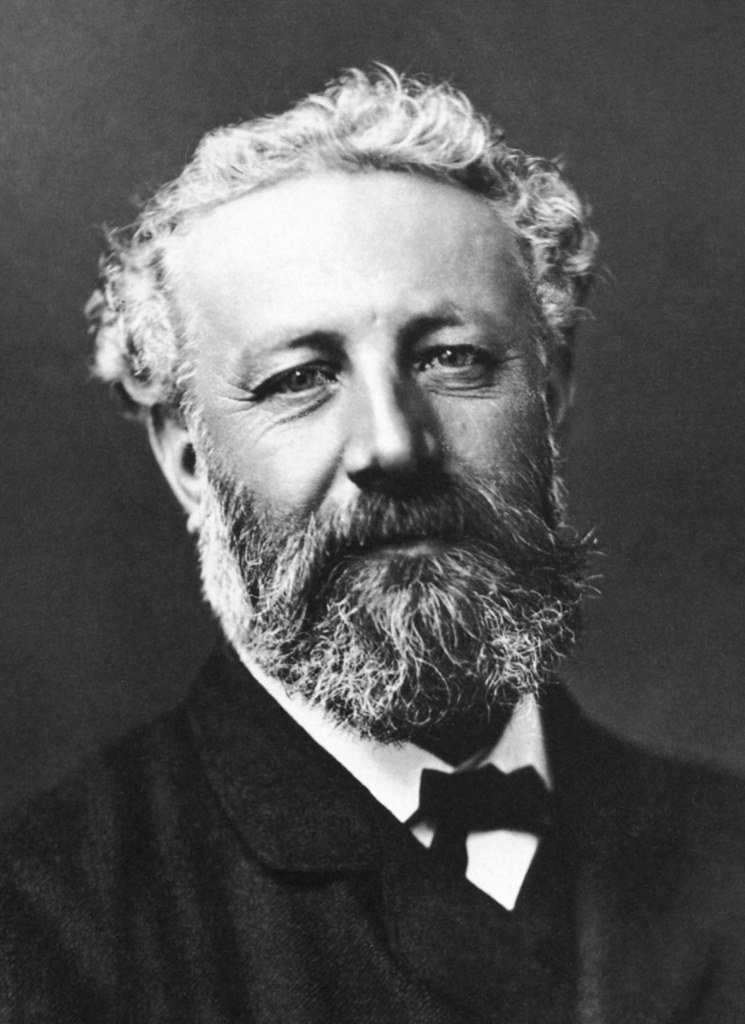
Jules Verne’s “From the Earth to the Moon,” published in 1865, predicted the launch of humans into space long before it was possible. Verne described a giant cannon, the Columbiad, launching people to the Moon—remarkably similar in spirit to the rocket launches of the 20th century. His calculations for the launch site were close to the actual location of NASA’s Kennedy Space Center in Florida. When Apollo 11 landed on the Moon in 1969, fans of Verne’s work were stunned by the similarities. Even the crew size Verne imagined—three astronauts—matched the real mission. With recent plans for lunar bases and more Moon missions, Verne’s vision remains as relevant as ever. His book inspired countless engineers and scientists, pushing humanity to look up and think, “Why not?”
Brave New World and Genetic Engineering
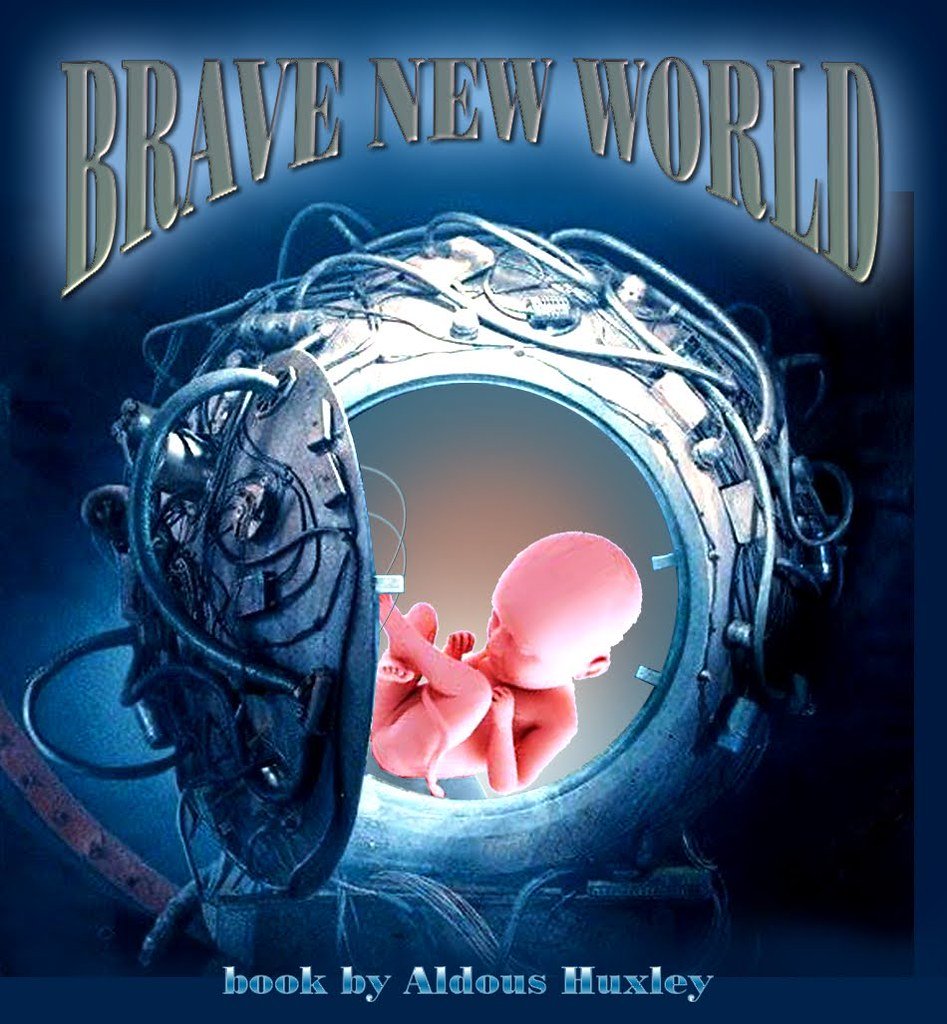
Aldous Huxley’s 1932 classic “Brave New World” imagined a society where humans are genetically engineered for specific roles. At the time, such manipulation was unthinkable, but today’s advances in gene editing have made it a reality. CRISPR technology, first demonstrated in 2012, allows precise editing of DNA, making designer babies and gene therapies possible. In 2018, Chinese scientist He Jiankui announced the birth of the world’s first genetically edited babies, sparking shock and debate worldwide. Huxley’s fears and hopes about controlling human nature seem almost prophetic. Researchers in 2025 are actively discussing the potential and risks of editing embryos, just as Huxley warned nearly a century ago. The ethical dilemmas in “Brave New World” have become real-world policy debates.
1984 and Mass Surveillance Technology
George Orwell’s “1984,” published in 1949, predicted a world where surveillance is all-encompassing and privacy barely exists. Today, governments and corporations use technologies like facial recognition, data mining, and social media monitoring to track movements and behavior. In 2024, AI-driven surveillance systems in China and other countries reached a level of sophistication that many liken to Orwell’s “Big Brother.” According to real-world data, over 200 million surveillance cameras operate in China alone, and advanced algorithms can identify individuals in seconds. The concept of “thoughtcrime” now echoes in debates over online speech and censorship. Orwell’s vision has become a warning, with real statistics supporting the rise of surveillance states globally.
The World Set Free and Nuclear Power
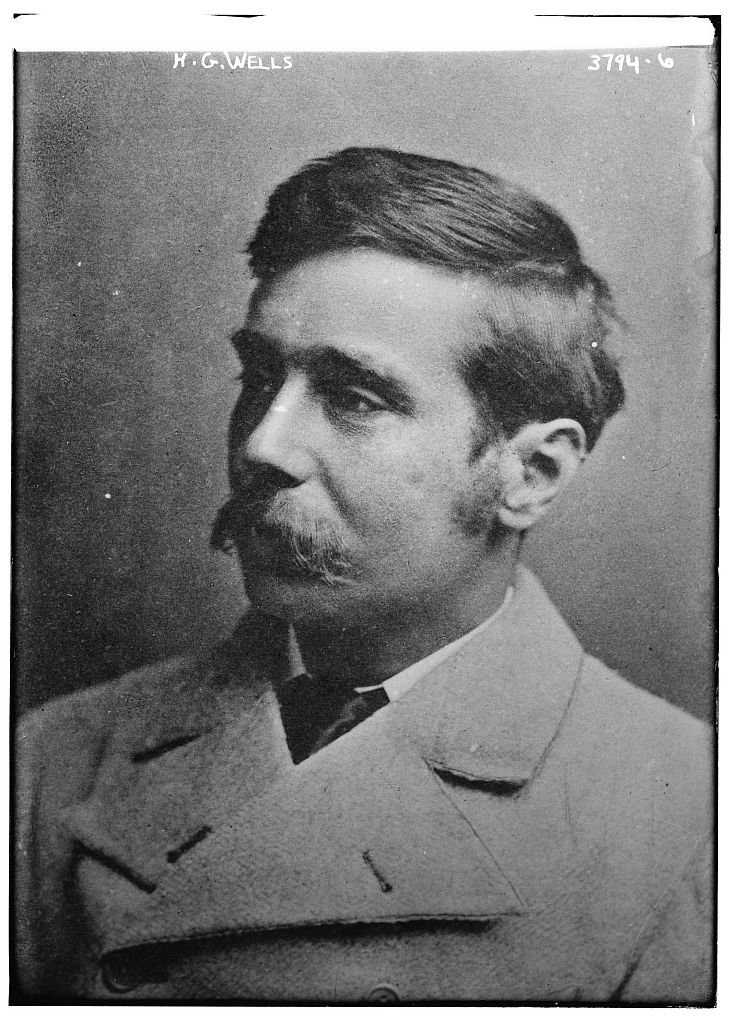
H.G. Wells’s “The World Set Free” (1914) is famous for predicting the invention of the atomic bomb. Wells described bombs powered by atomic energy, decades before scientists understood how to unleash nuclear fission. In 1938, Otto Hahn and Fritz Strassmann discovered nuclear fission, paving the way for the Manhattan Project and the first atomic bombs in 1945. Wells’s novel even mentioned the long-lasting radioactive fallout, something that became a grim reality after Hiroshima and Nagasaki. Today, nuclear power plants provide about 10% of the world’s electricity, and debates over nuclear energy and weapons continue. Wells’s foresight remains a chilling example of fiction predicting scientific breakthroughs—and their consequences.
Neuromancer and the Rise of Cyberspace
William Gibson’s “Neuromancer,” published in 1984, is credited with inventing the concept of cyberspace before the World Wide Web even existed. Gibson described a virtual world where data, identities, and secrets are traded—years before the first website went live in 1991. Today, the internet is an inseparable part of daily life, and virtual reality is becoming more immersive each year. In 2025, over 5 billion people are online, and new digital worlds like the metaverse are growing. Gibson’s vision of hacking, AI, and digital consciousness is now part of real cybersecurity discussions. “Neuromancer” helped shape how people think about computers and the digital future, even inspiring real hackers.
Looking Backward and Credit Cards
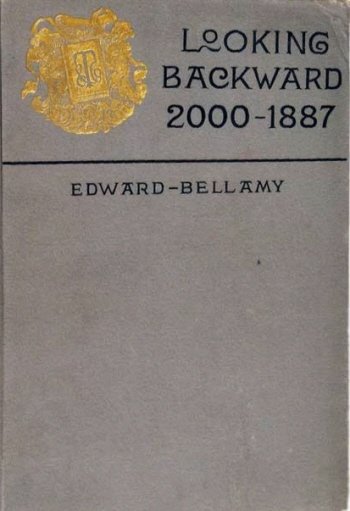
Edward Bellamy’s 1888 novel “Looking Backward: 2000–1887” painted a future where citizens used cards to access their credit and buy goods—an idea that was almost science fiction at the time. Bellamy described “credit cards” decades before their invention. The first true credit card, the Diners Club card, wasn’t launched until 1950. Today, credit and debit cards are everywhere, with billions of transactions happening every day. According to a 2024 report, over 70% of global purchases are made using digital payments or cards. Bellamy’s prediction about the convenience of cashless society has become real, and the financial world continues to evolve with mobile payments and cryptocurrencies.
Fahrenheit 451 and Interactive Media
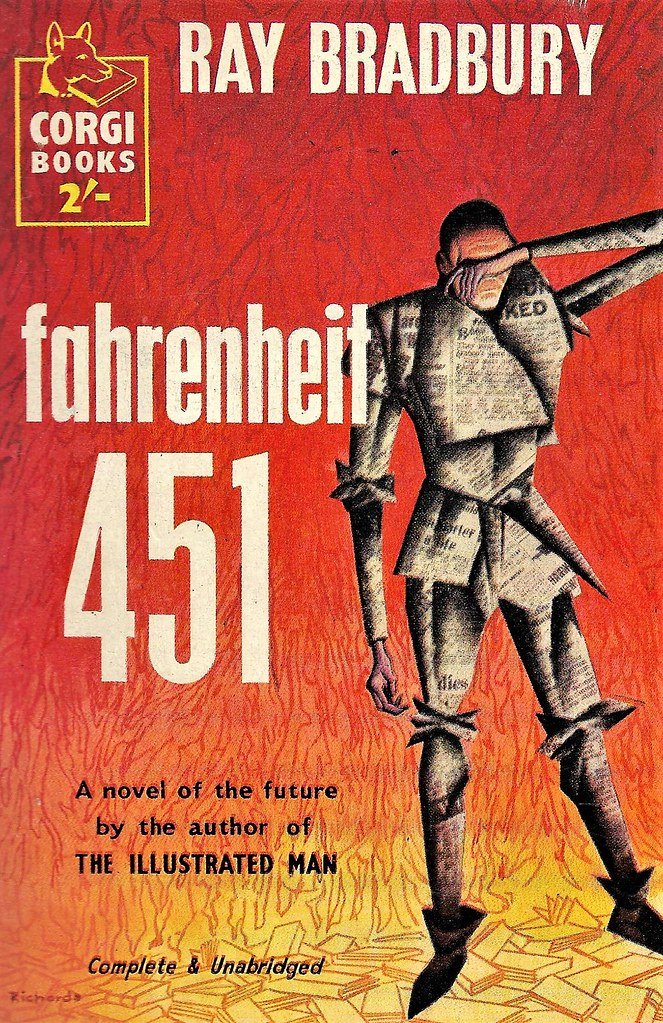
Ray Bradbury’s “Fahrenheit 451,” published in 1953, envisioned a world where people are distracted by giant flat-screen TVs and immersive, interactive entertainment. At the time, television was in its infancy, but Bradbury’s “parlor walls” sound eerily like today’s home theaters and smart screens. By 2025, the average household in developed countries has multiple large televisions, and interactive streaming services dominate media consumption. Modern devices like VR headsets and AI-driven entertainment make Bradbury’s vision feel almost tame. The book’s warning about the loss of critical thinking and the rise of passive consumption rings true in the age of binge-watching and personalized content algorithms.
The Machine Stops and Social Networks
E.M. Forster’s short story “The Machine Stops,” published in 1909, described a society where people live isolated lives, communicating only through screens and instant messages. Forster imagined a world where human interaction is mediated by a vast, intelligent machine—astonishingly similar to today’s internet and social networking platforms. In 2025, billions connect daily through social media, and remote work and virtual meetings are the norm for many. Forster’s chilling description of a society losing touch with real, face-to-face interaction has become a concern for psychologists and educators. Studies in 2024 found increased rates of loneliness and anxiety linked to excessive screen time, making Forster’s story a powerful prediction.
Stand on Zanzibar and Information Overload
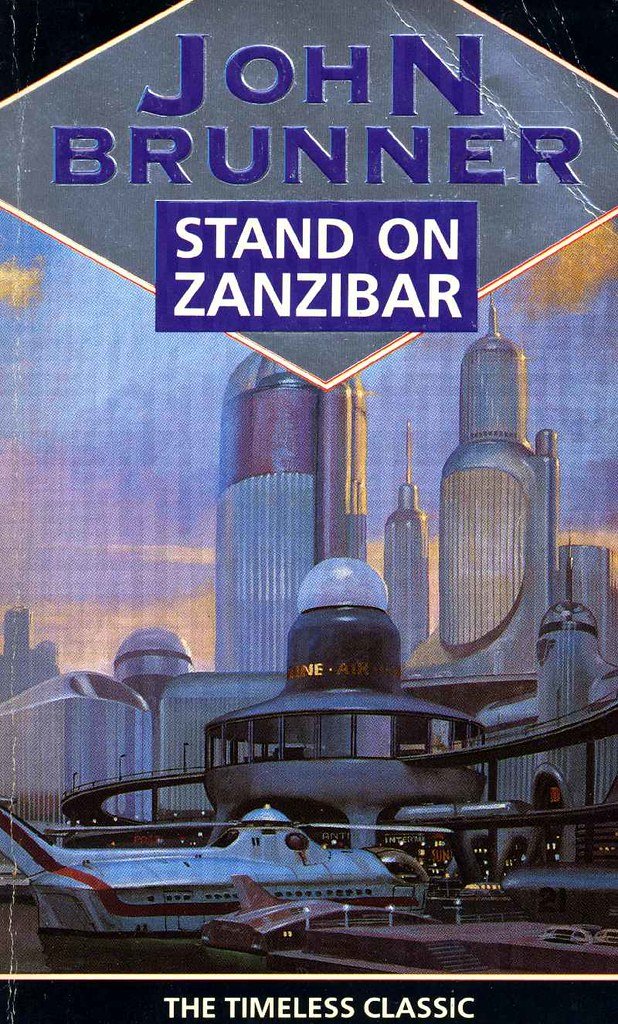
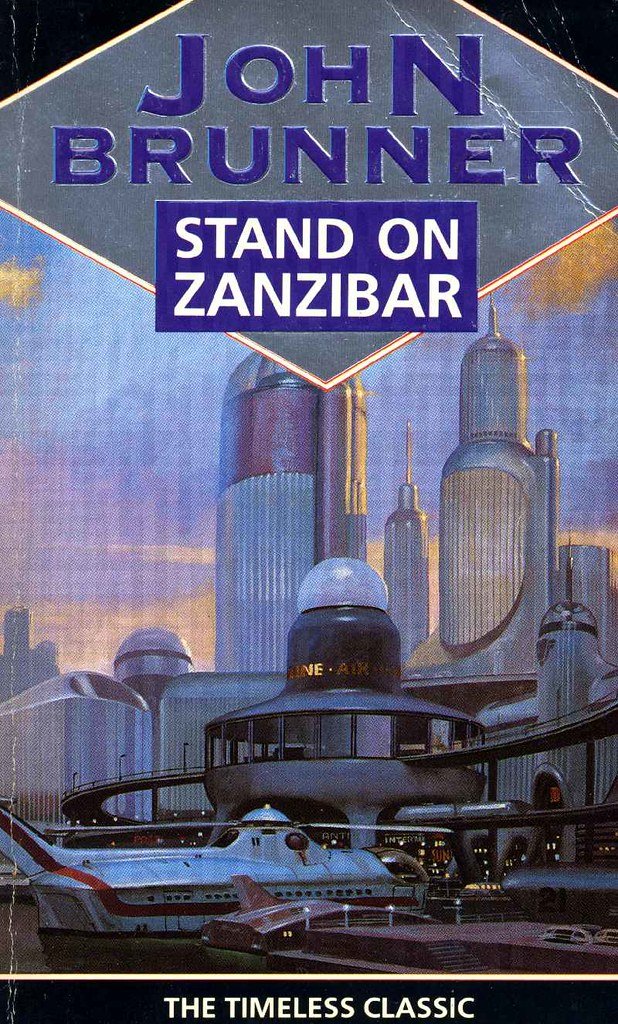
John Brunner’s “Stand on Zanzibar,” published in 1968, predicted a world overwhelmed by information, news, and advertising. Brunner described “shiggies,” people constantly distracted by data streams—years before smartphones, Twitter, or 24/7 news cycles. Today, people are bombarded by notifications, news alerts, and social feeds, often leading to information fatigue and stress. A 2023 survey found that over 60% of adults feel overwhelmed by the amount of information they receive daily. Brunner’s idea of data-driven society, where attention is the scarcest resource, has become a reality, with digital wellness and mental health now hot topics in every corner of the globe.

Besides founding Festivaltopia, Luca is the co founder of trib, an art and fashion collectiv you find on several regional events and online. Also he is part of the management board at HORiZONTE, a group travel provider in Germany.
