

For any feedback please reach out to info@festivalinside.com
A Tale of Two Adaptations: Why We Love and Hate Book-Based Films
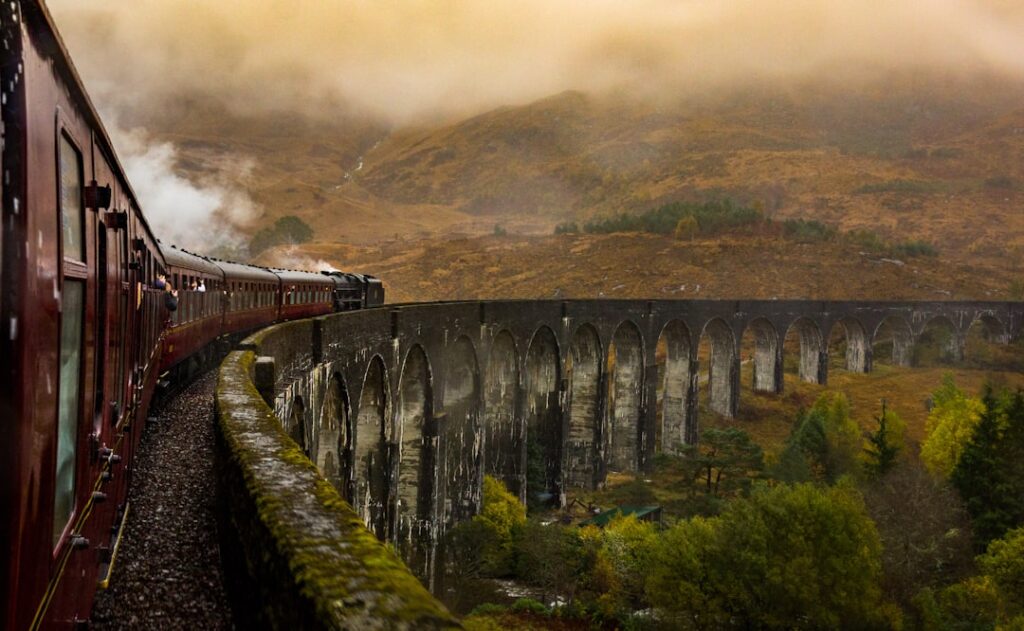
It’s wild how a beloved book can become a blockbuster hit or a total flop when it hits theaters. Some stories leap off the page and light up the screen, leaving audiences cheering and critics raving. Others, though, stumble awkwardly, turning eager fans into disappointed skeptics. The difference between a dazzling success and a crushing disappointment often comes down to more than just casting or special effects. It’s about capturing the magic of the original, honoring the heart of the story, and sometimes, knowing when to take a bold risk. Think about the last time you watched a movie based on your favorite book—did it sweep you away, or did you leave the theater shaking your head?
Harry Potter and the Sorcerer’s Stone: Casting a Spell on Audiences
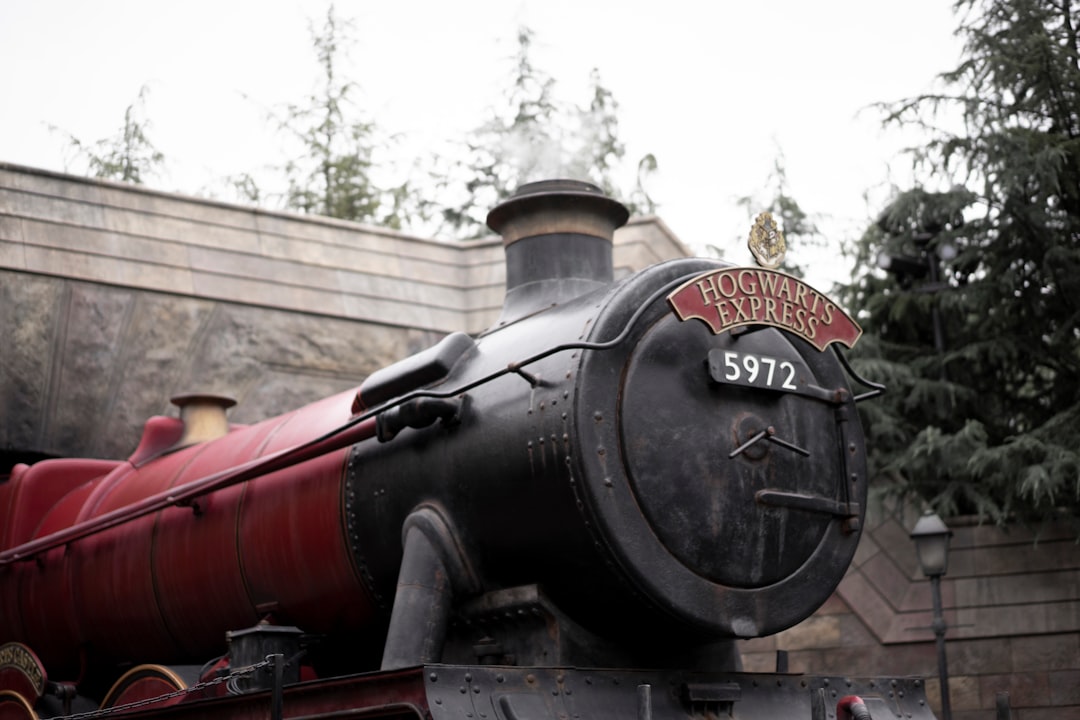
The first Harry Potter film is a shining example of how to bring a beloved book to life. Fans were nervous, of course—who wouldn’t be? The world J.K. Rowling created seemed impossible to capture in two hours. But as soon as the camera swept over Hogwarts, audiences knew they were in for something special. The casting was nearly perfect, with Daniel Radcliffe, Emma Watson, and Rupert Grint fitting their roles like a well-worn robe. The set design and special effects drew people straight into the wizarding world, making even the most skeptical reader believe in magic. The film didn’t capture every detail, but it nailed the spirit of the story. For many, it was like meeting old friends for the first time, and that’s no small feat.
The Lord of the Rings: The Fellowship of the Ring – Epic Success
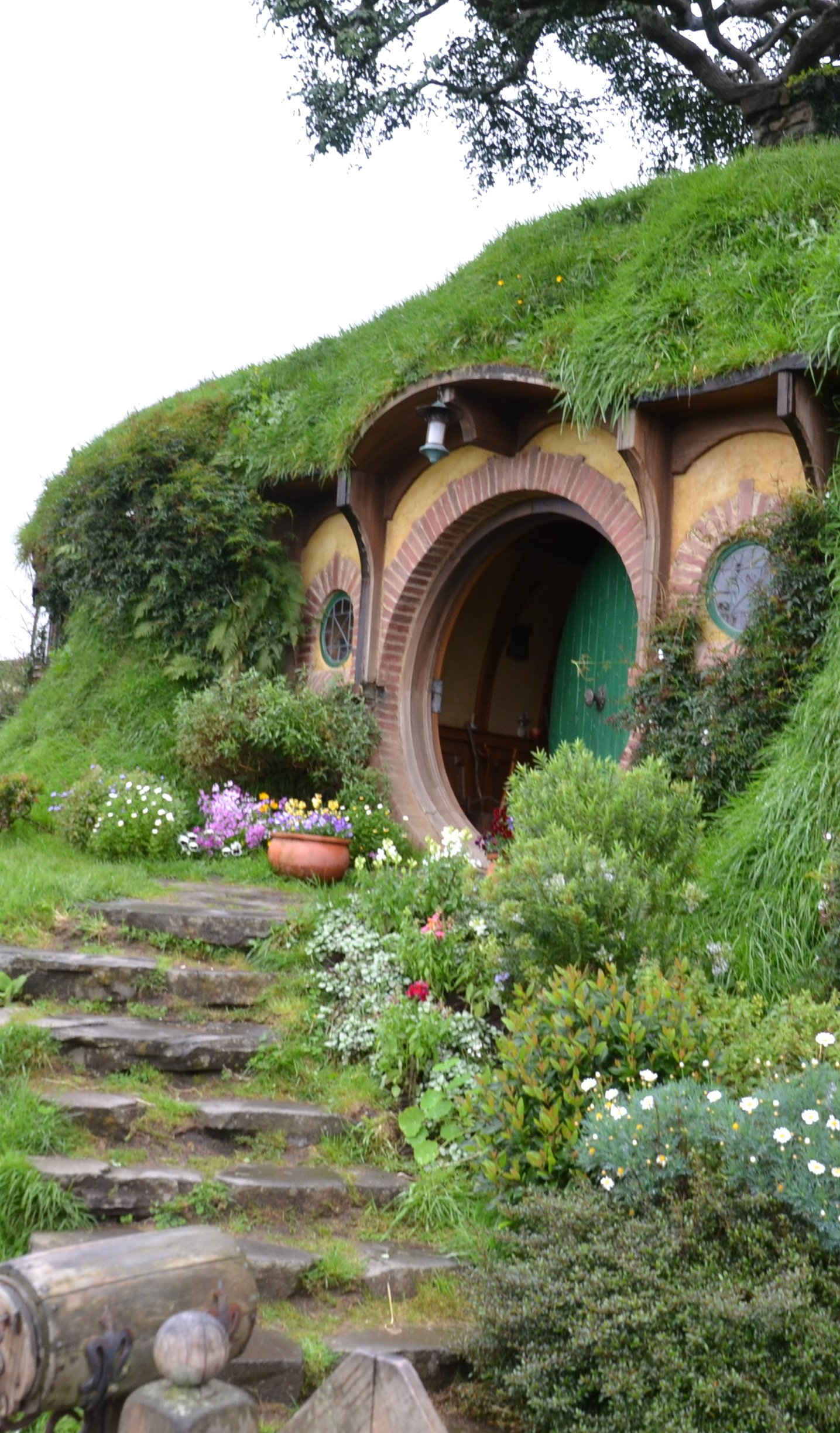
When Peter Jackson took on Tolkien’s epic, the stakes couldn’t have been higher. Fans of the books are famously protective, and the scale of Middle-earth is huge. Miraculously, the film delivered on almost every front. The landscapes of New Zealand became Middle-earth, and the casting—from Elijah Wood’s Frodo to Ian McKellen’s Gandalf—felt spot-on. The movie managed to trim Tolkien’s dense narrative without losing its heart, and the balance of action, emotion, and spectacle turned it into a cinematic legend. Many viewers who had never read the books found themselves swept up in the adventure. The Fellowship of the Ring didn’t just meet expectations; it set a new standard for fantasy adaptations.
The Hunger Games: A Fiery Blockbuster
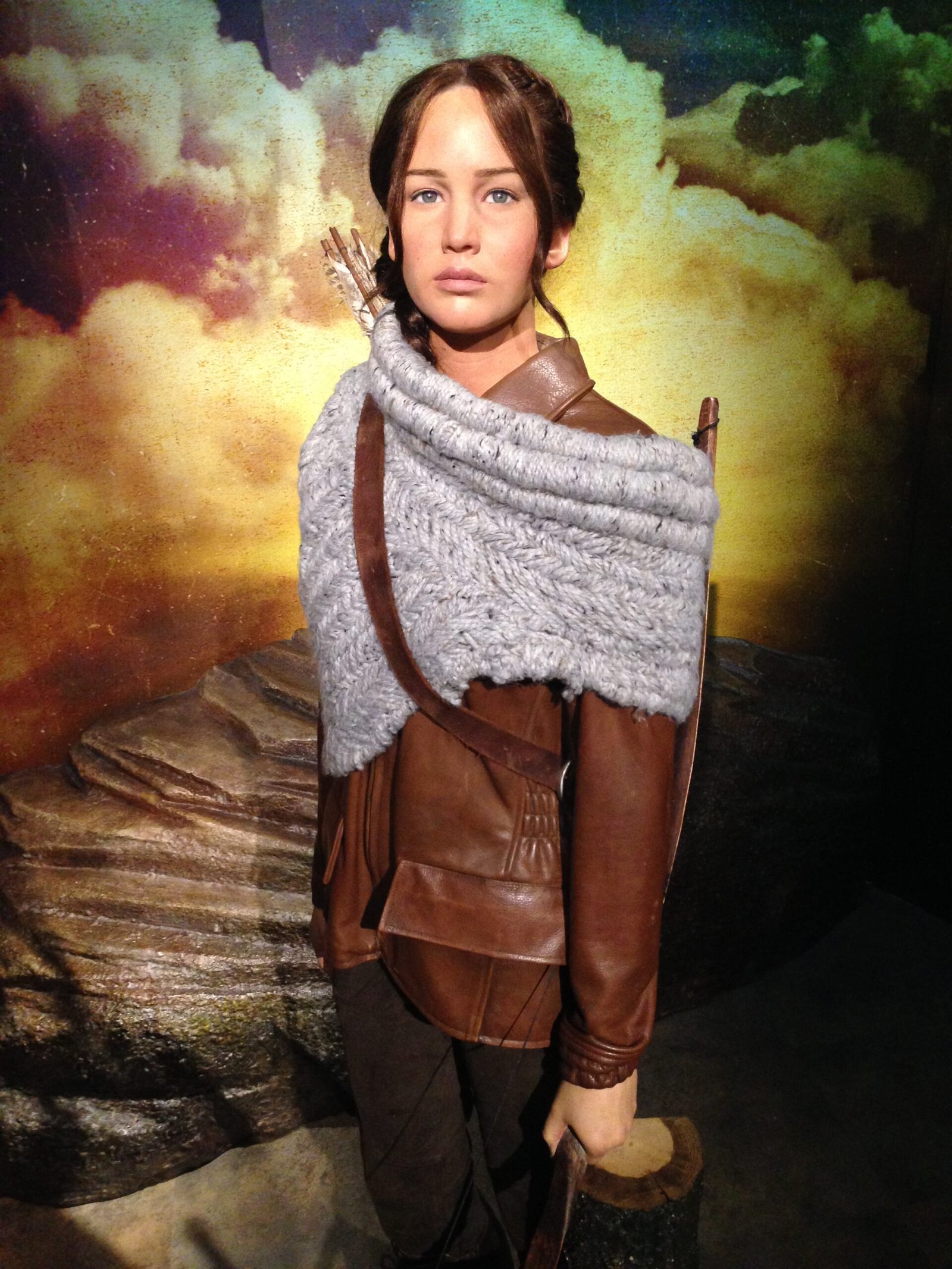
Turning Suzanne Collins’ dystopian world into a movie was no easy task, but The Hunger Games managed to ignite the screen. Jennifer Lawrence’s fierce performance as Katniss Everdeen captured the character’s strength and vulnerability perfectly. The film balanced the brutality of the Games with the emotional weight of Katniss’s journey. The gritty, handheld camera work made the action feel personal, almost as if viewers were right there in the arena. While some fans missed certain book details, most agreed that the movie captured the essence of the story. It was more than just an action film; it was a story about survival, sacrifice, and hope.
To Kill a Mockingbird: Classic Adaptation, Timeless Impact
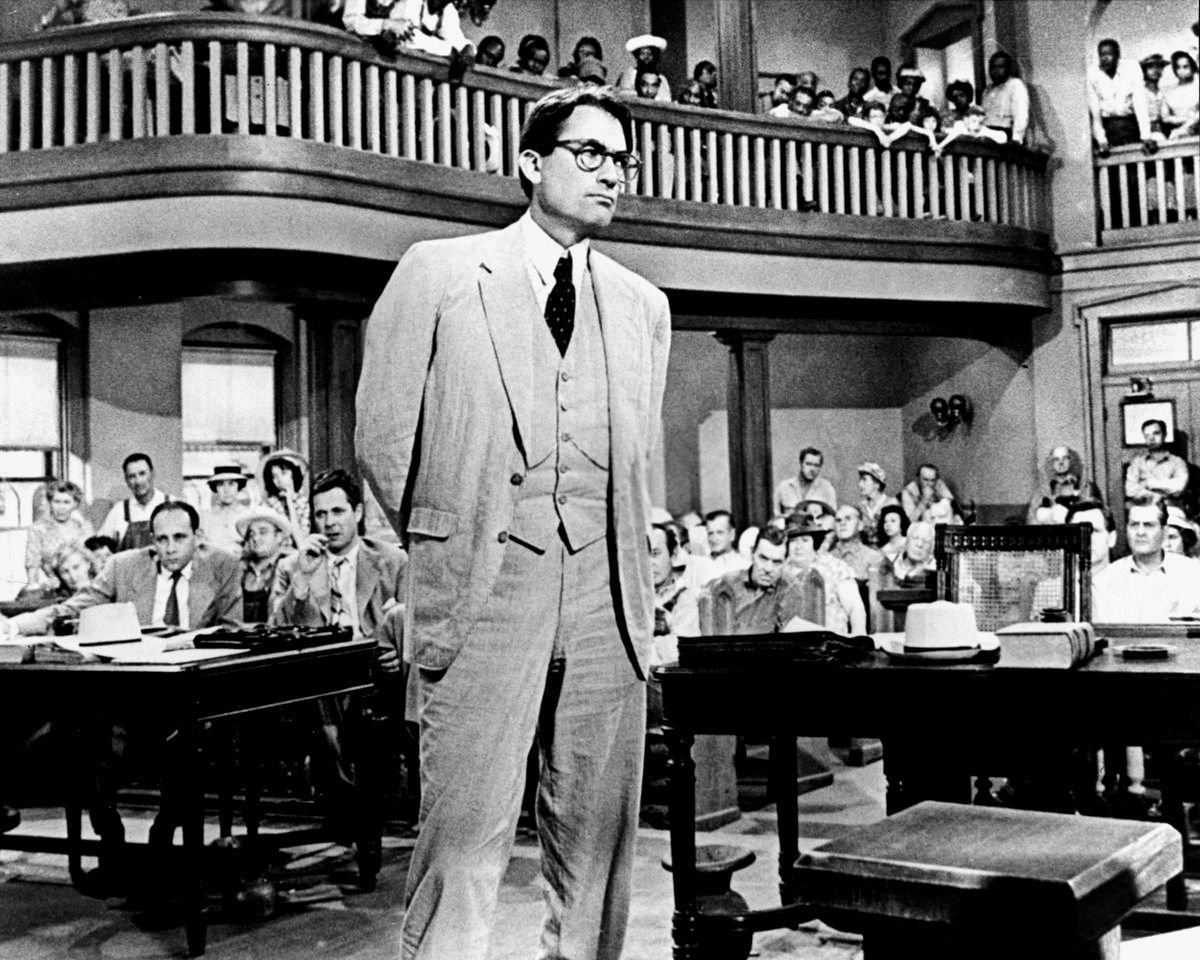
Adapting Harper Lee’s beloved novel was always going to be a daunting task, but the 1962 film rose to the challenge. Gregory Peck’s performance as Atticus Finch became iconic, embodying integrity and compassion. The black-and-white cinematography gave the film a timeless quality, and the script stayed true to the novel’s moral heart. Scenes in the courtroom carried the same weight as they did on the page, making audiences question their own beliefs and prejudices. The film didn’t just retell the story; it brought it to life in a way that still resonates today. It’s one of those rare cases where the movie stands alongside the book as a classic.
Jurassic Park: Science Fiction Roars to Life
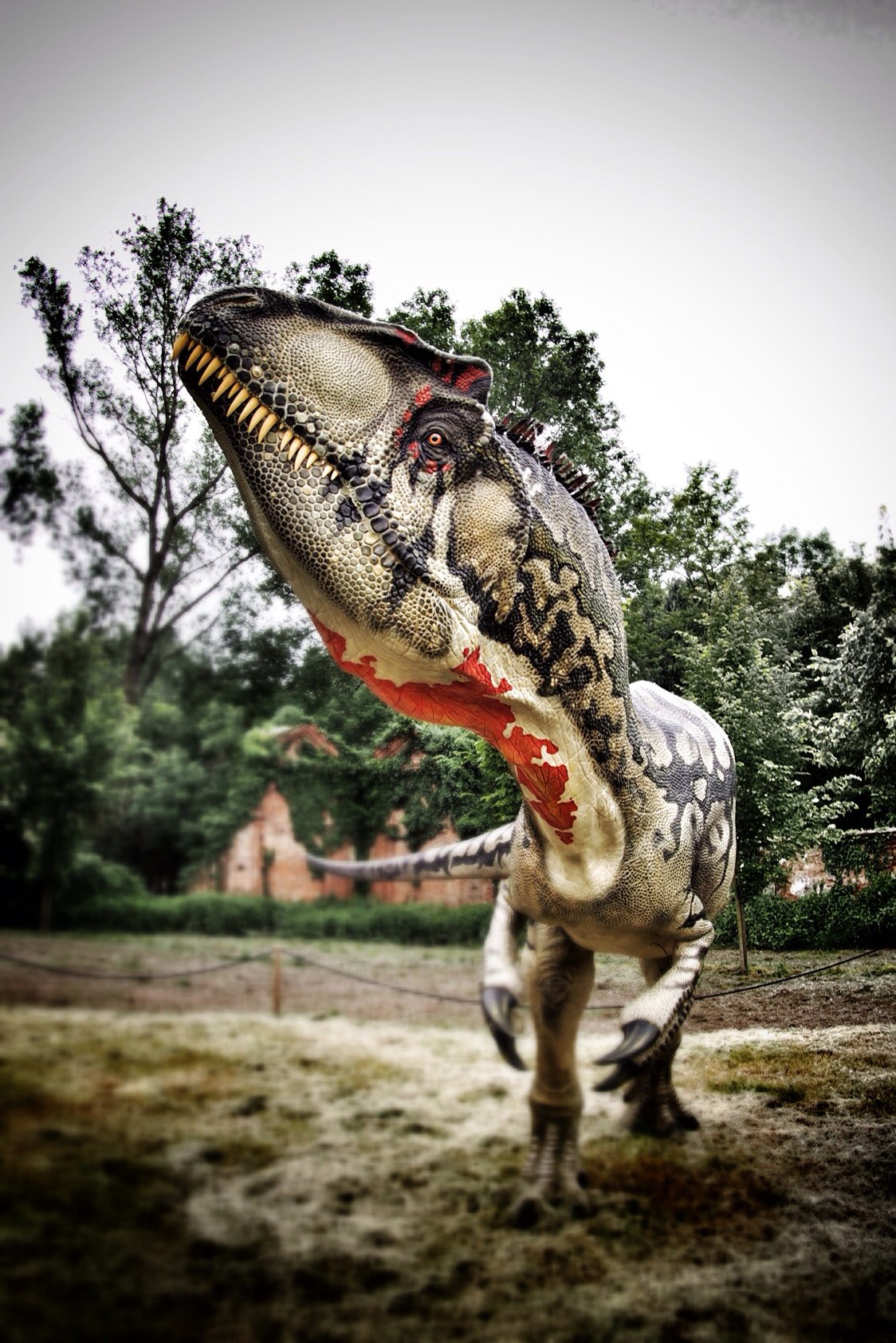
Michael Crichton’s novel was a thrilling ride, but Steven Spielberg’s adaptation turned it into a pop culture phenomenon. The dinosaurs, brought to life with groundbreaking special effects, felt real enough to reach out and touch. The sense of wonder and terror translated perfectly from page to screen, making audiences gasp and cheer in equal measure. While the film simplified some of the scientific details, it never lost sight of the story’s central question: what happens when humans play god? Jurassic Park wasn’t just a visual spectacle; it was a smart, suspenseful adventure that left people awestruck.
The Princess Bride: From Cult Book to Cult Classic

The Princess Bride is a rare gem that shines just as brightly on screen as it does in William Goldman’s original novel. The film captures the humor, romance, and adventure of the book, thanks to witty dialogue and a cast brimming with charm. From “as you wish” to “inconceivable,” the movie is packed with memorable lines that fans still quote decades later. The story’s blend of fairy-tale whimsy and real-world heart makes it accessible for all ages. It’s the kind of adaptation that feels like a warm embrace—a movie that doesn’t just do justice to the book, but adds something magical of its own.
The Shawshank Redemption: Turning Short Story into Masterpiece
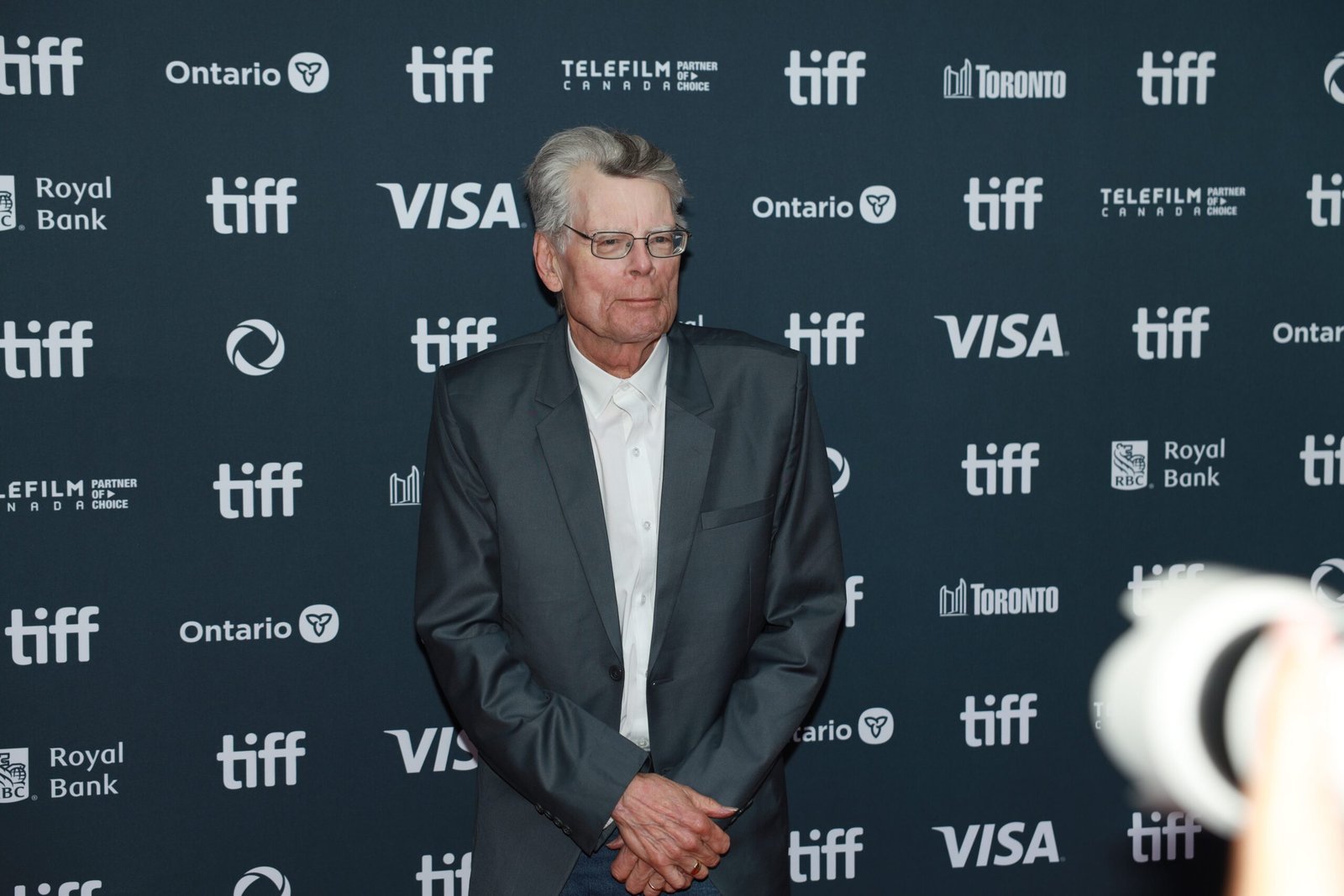
Few people expected a short Stephen King novella to become one of the most beloved films of all time. Yet The Shawshank Redemption took the bones of King’s story and built something unforgettable. Tim Robbins and Morgan Freeman delivered performances full of quiet strength and hope. The film expanded on the original material, adding layers of emotion and meaning without losing the core message. Viewers found themselves rooting for Andy and Red, feeling every twist of fate alongside them. The movie turned a simple story of friendship and redemption into a cinematic legend.
The Great Gatsby (2013): Glitz Over Substance
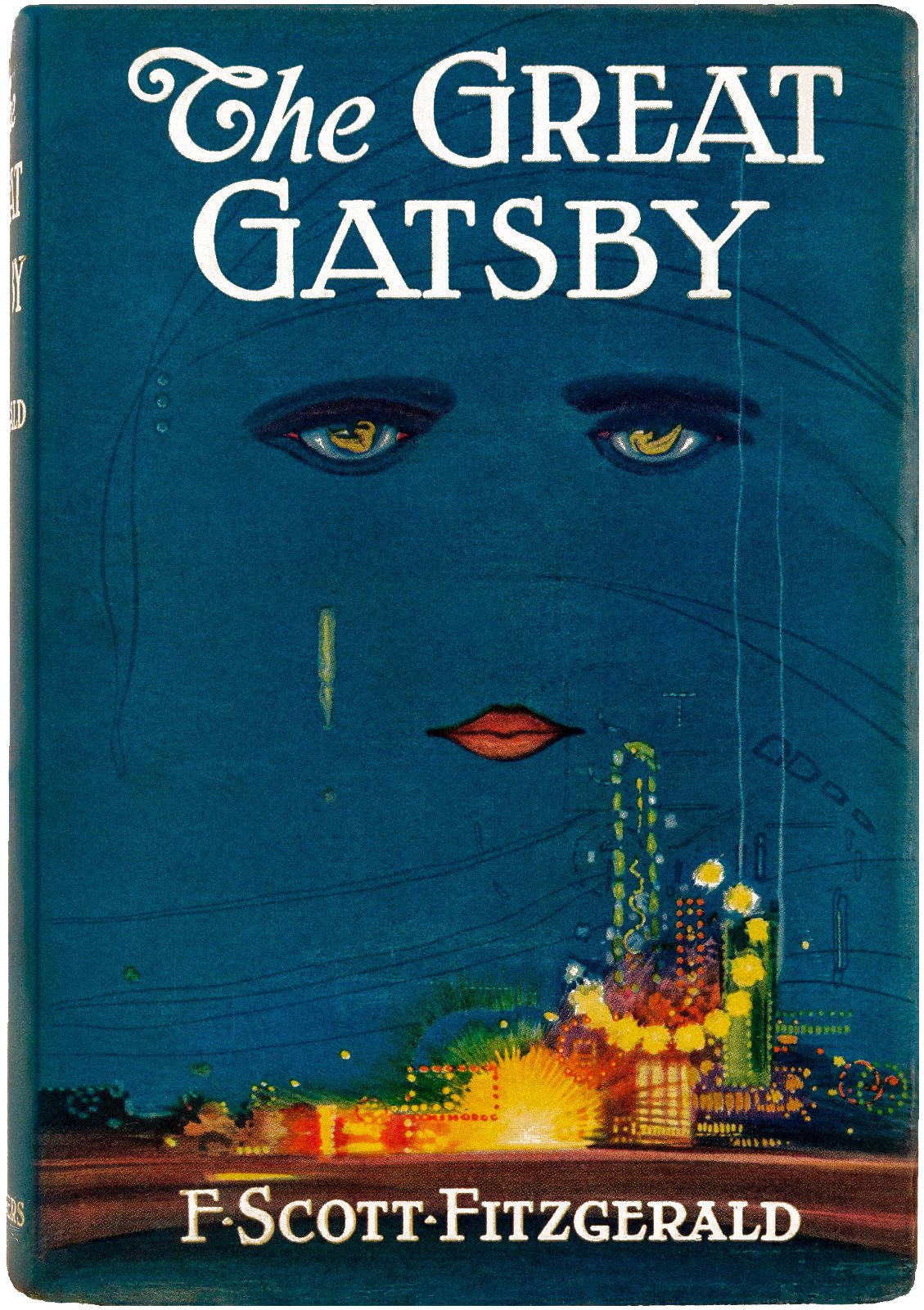
Baz Luhrmann’s adaptation of F. Scott Fitzgerald’s classic novel promised spectacle, and it delivered plenty of glitter and glamor. However, many fans felt that the film lost the subtlety and emotional depth that made the book a masterpiece. Leonardo DiCaprio’s Gatsby was charismatic, but the lavish visuals sometimes overwhelmed the story’s quieter moments. The use of modern music created a jarring contrast with the 1920s setting, leaving some viewers feeling disconnected. While the movie dazzled with its style, it struggled to capture the tragic heart of Gatsby’s world.
Eragon: A Fantasy That Fell Flat

Christopher Paolini’s Eragon was a hit with young fantasy readers, but the film adaptation left many scratching their heads. The movie tried to cram too much plot into a short runtime, racing through important moments without giving them room to breathe. The special effects, meant to bring dragons to life, felt underwhelming compared to other fantasy films of the era. Characters who were rich and complex on the page came across as flat and generic on screen. Fans of the book were especially disappointed, feeling that the magic and wonder had been lost in translation.
The Golden Compass: Missing the Magic

Philip Pullman’s His Dark Materials series is full of complex ideas and rich world-building, but The Golden Compass movie struggled to capture that magic. The film felt rushed, trying to condense a sprawling story into just a couple of hours. Some key themes, such as the critique of authority and the nature of the soul, were watered down or left out entirely. Special effects aside, the emotional core of the book was missing, leaving audiences confused or unsatisfied. It’s a classic case of a movie that looked good on paper but failed to deliver on screen.
The Cat in the Hat: From Children’s Classic to Cringe
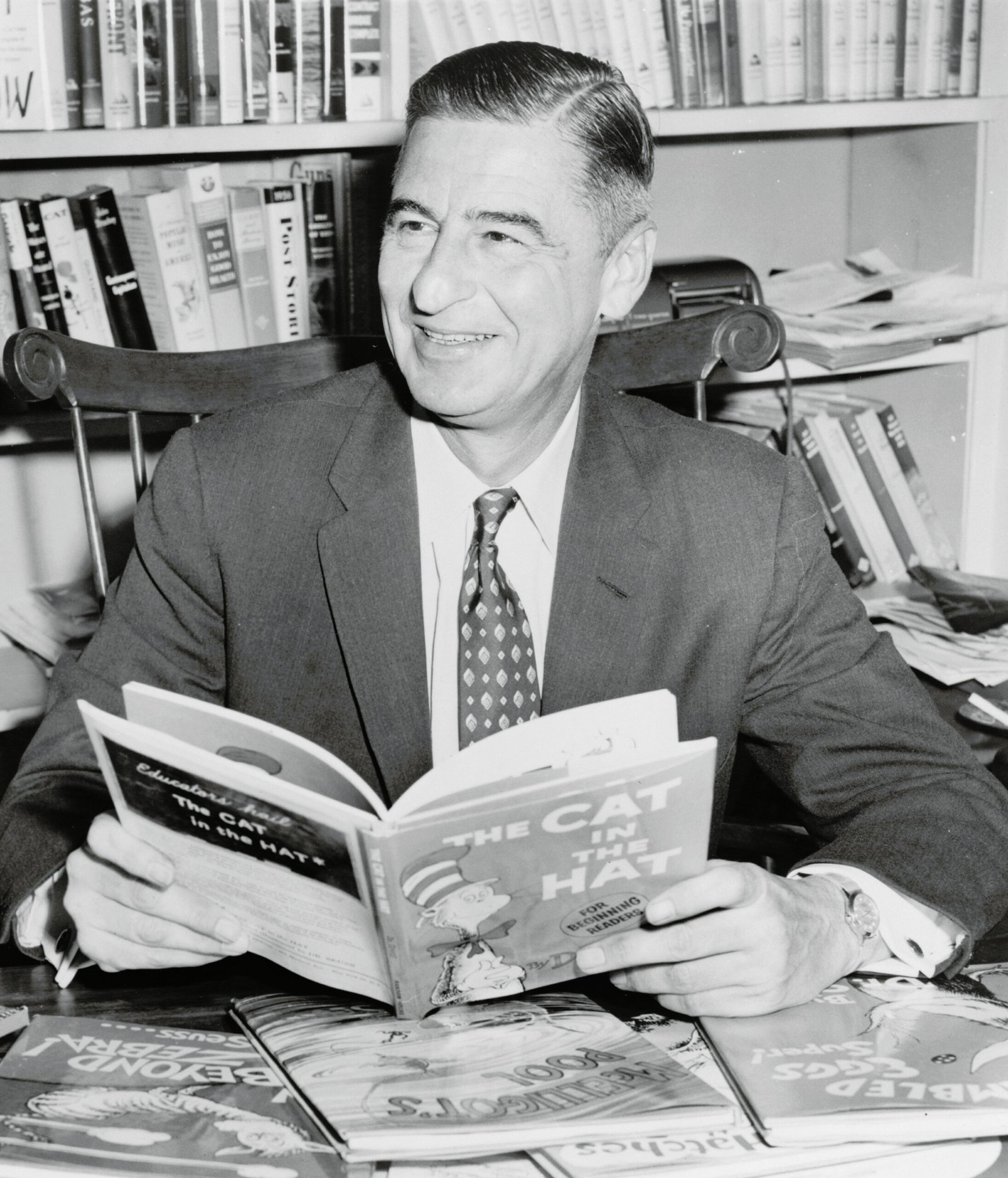
Dr. Seuss’s books are beloved for their whimsy and gentle humor, but The Cat in the Hat movie turned that charm into chaos. Mike Myers as the Cat brought a bizarre energy that left many viewers bewildered rather than amused. The film’s jokes were often aimed at adults, missing the innocence that made the book a childhood staple. Bright colors and strange set pieces couldn’t disguise the lack of heart. Fans of the original story, young and old alike, found themselves wishing for a do-over.
Divergent: Lost in the Crowd
Veronica Roth’s Divergent series had all the ingredients for a thrilling movie: a dystopian world, a tough heroine, and plenty of action. But when the film hit theaters, it struggled to stand out among a sea of similar young adult adaptations. The movie simplified important plot points and character motivations, leaving fans feeling shortchanged. Shailene Woodley gave her best as Tris, but the script didn’t give her enough to work with. By the time sequels rolled around, interest had fizzled, and the franchise faded from memory.
Artemis Fowl: Magic Gone Missing
Eoin Colfer’s Artemis Fowl books are clever, witty, and full of fantastical inventions. Unfortunately, the film adaptation managed to lose almost everything that made the series special. Major changes to the plot and characters left longtime fans baffled and newcomers confused. The pacing felt frantic, and the attempt to turn Artemis into a generic hero stripped away his unique charm. Even impressive special effects couldn’t save the movie from feeling hollow. Readers who had waited years for the film were left wondering what went wrong.
The Giver: A Dystopian Classic Diluted

Lois Lowry’s The Giver is a haunting, thoughtful book that asks big questions about memory, freedom, and what it means to be human. Sadly, the film adaptation softened the story’s sharp edges, adding unnecessary romance and action in an attempt to appeal to a wider audience. The colorless world of the book was visually striking, but the emotional impact was weakened by rushed storytelling. Key moments lost their power, and the philosophical depth was replaced with Hollywood gloss. Fans of the novel left the theater feeling that something vital had been lost.

Christian Wiedeck, all the way from Germany, loves music festivals, especially in the USA. His articles bring the excitement of these events to readers worldwide.
For any feedback please reach out to info@festivalinside.com
