
It’s happening in convenience stores, gas stations, and supermarkets from coast to coast. Someone walks in with cash, approaches a machine that looks like a regular ATM, and within minutes, their life savings disappear into a digital wallet halfway around the world. They’re not making an investment. They’re being robbed.
Americans lost more than $333 million to Bitcoin ATM scams in 2025, and the FBI says the problem is getting worse, not better. These aren’t sophisticated hackers or cybercriminals working in the shadows. These are everyday people, many of them older adults, convinced by a panicked phone call that they’re doing the right thing. By the time they realize what happened, the money is already gone.
A Staggering Increase That’s Not Slowing Down
In 2024, scammers caused roughly $250 million in losses, more than double the figure from the previous year. The year before that, losses were even lower. Reported losses to crypto ATM scams first broke $100 million in 2023, but the surge since then has been relentless.
The new FBI statistics reflect a “clear and constant rise” that is “not slowing down,” a bureau spokesperson told the media. There are more than 45,000 bitcoin ATMs nationwide, scattered across neighborhoods and retail locations, making them easily accessible to both legitimate users and scam victims alike. Once the transaction is executed, the money can be nearly impossible to recover, which is exactly why criminals love them.
Who’s Being Targeted?

The lawsuit claims 93% of the transactions on Athena’s devices in the district ‘are the product of outright fraud,’ and that ‘the median age of victims was 71 years’. It’s not just one city or one company. Older adults are being systematically targeted because scammers know they may be less familiar with cryptocurrency and more likely to trust authority figures on the phone.
The victims mostly include seniors with a median age of 71, losing an average of $15,600 each to smooth-talking fraudsters who exploit fear and urgency. In some tragic cases, the emotional and financial toll has been devastating. At least two people lost their life savings and, despondent, then took their own lives, according to a detective in Spokane who has been tracking these cases.
Still, younger people aren’t immune. Anyone unfamiliar with how cryptocurrency works can fall victim, especially when the scammer creates a convincing sense of crisis.
How the Scam Actually Works

The setup is terrifyingly simple. Victims receive a phone call from someone claiming to be from the IRS, Social Security Administration, or local police, saying ‘There’s a problem with your account. If you don’t act immediately, your benefits will be suspended, or you could face legal action’. Sometimes the caller pretends to be from the victim’s bank or a tech support company.
The scammer instructs them to withdraw money from their bank account before directing them to a nearby bitcoin ATM, and during this time, the scammer will usually stay on the phone with the victim, making sure they don’t deviate from the plan. The scammer will provide the victim with a QR code, which they are instructed to scan to send the recently purchased bitcoins directly to the scammer.
Then it’s over. After the funds are transferred, the scammer will hang up and the victim will likely never see their money again. The money often ends up in places like China, Russia, Nigeria, or Southeast Asia, far beyond the reach of U.S. law enforcement.
Real Cases That Show the Heartbreak
Newly released bodycam footage shows officers intervening just in time to stop an 80-year-old Vietnam War veteran from transferring thousands of dollars under the direction of fraudsters posing as government officials. In that Florida case, the Sunrise victim had already transferred more than $50,000 before they were able to stop him.
ABC News found dozens of people convinced by scammers to send money through a bitcoin ATM, including 86-year-old Fran Bates, who was seen loading thousands of dollars into a machine until a good Samaritan called police. In September, Central Oregon Daily reported on the case of a La Pine woman who was scammed out of $57,000 using bitcoin, being convinced she was rescuing a neighbor from jail. Shockingly, that neighbor wasn’t even in jail.
In one particularly grim example from Spokane, one man lost $900,000, all deposited into the shadowy crypto ATM at the corner. These aren’t small losses. These are life-changing financial devastations.
The Machines Themselves Are Part of the Problem
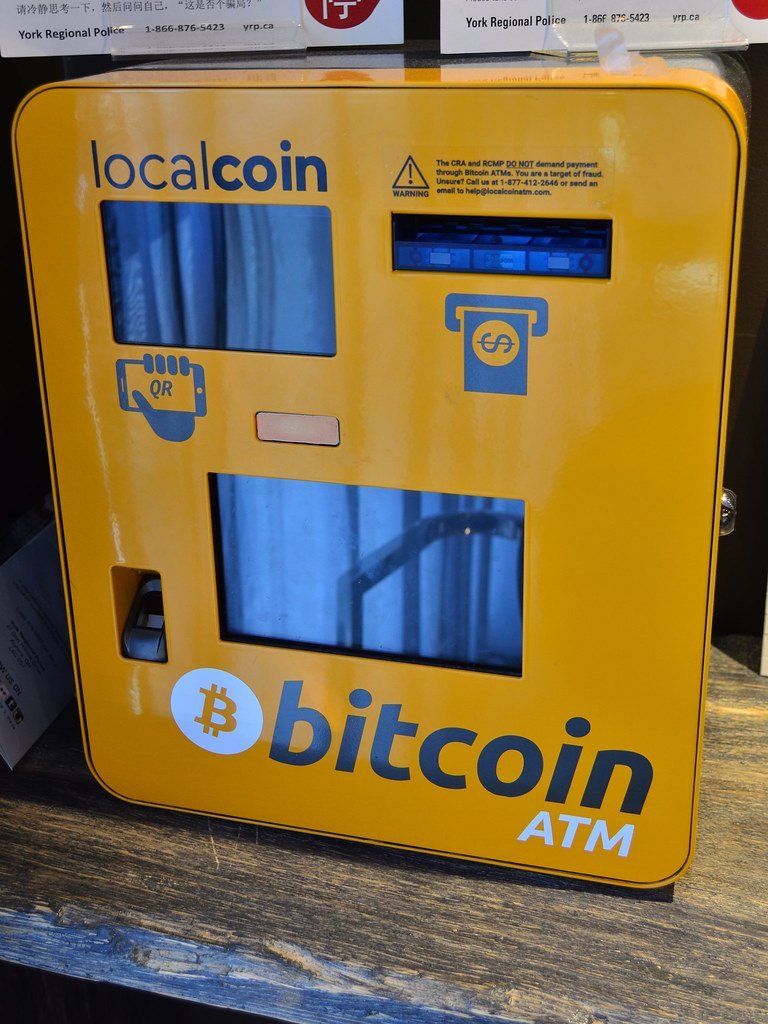
‘They look pretty much like a regular ATM. The difference is you don’t really get money out of ’em. You put money in and buy cryptocurrency,’ explained an AARP fraud prevention expert. Bitcoin ATMs may look like ordinary cash machines, but they operate very differently, with transactions that are irreversible, and the funds are extremely hard to trace.
A crypto forensics expert has encountered hundreds of these scams and says bitcoin ATM companies either know their machines are being used for scams ‘or they’re turning a blind eye to it’. Meanwhile, Bitcoin ATM companies say their kiosks include ample fraud alerts, warning users as many as four times over the course of a transaction, though critics argue those warnings don’t go far enough.
Honestly, if the vast majority of transactions at certain locations are fraudulent, the warnings clearly aren’t working. Some jurisdictions are now taking matters into their own hands.
Lawsuits and Regulatory Pushback
In September, the Washington, D.C., attorney general’s office sued Athena Bitcoin, one of the largest bitcoin ATM machine purveyors in the country, alleging the company was profiting from scam transactions. The company denied the allegations, saying it provides adequate warnings and doesn’t control user decisions.
Maine denied Bitcoin Depot a license after finding 70% of its customers were elderly scam victims. St. Paul, Minnesota, and Stillwater, Minnesota, have already moved to ban the devices entirely, while other jurisdictions like Lincoln, Nebraska, are proposing mandatory fraud warning signs on all kiosk transactions.
At least 17 states have passed legislation in recent years regulating the machines, and some municipalities have moved to ban them outright. The regulatory landscape is shifting, though slowly.
Can You Get Your Money Back?
The short answer is almost never. Once broadcast to the chain, the funds cannot be reversed by the kiosk operator, and consumers do not receive card-style chargebacks or automatic fraud repayment. This is fundamentally different from traditional banking. You can’t just call your credit card company and dispute the charge.
There have been rare exceptions. A new Louisiana law helped four targeted seniors recover their money, totaling $200,000, thanks to stricter regulations that include daily deposit limits and waiting periods. Additional protections include a $3,000 daily limit on deposits and a 72-hour waiting period that delays transactions, giving victims a chance to recognize the scam and request a refund.
Yet these protections are the exception, not the rule. Most victims have little recourse once the money is gone.
The Warning Signs You Need to Know

No legitimate organization will ever ask you to pay through a Bitcoin ATM. That’s the single most important thing to remember. “No legitimate agency, business agency or government agency will ever ask you to pay in cryptocurrency,” a detective told the public.
Other red flags include demands for secrecy, instructions to act immediately, and requests for payment using gift cards or wire transfers alongside crypto. Scammers rely on panic, so people should always slow down and take time to verify all unsolicited and urgent requests.
Call the organization or family member using a known, trusted number, talk to a family member whenever you receive any pop-ups or alerts on your computer, and never call the phone numbers listed in the pop-up. These simple steps could save thousands of dollars.
What Authorities Are Saying
“Requesting crypto is now the No. 1 preferred method of criminals,” an AARP director told ABC News, adding “It is a huge problem”. Law enforcement agencies across the country are scrambling to respond, but the nature of cryptocurrency makes it incredibly difficult to track and recover stolen funds.
The FBI has confirmed ongoing public fraud advisories into 2026, urging consumers to reject crypto-kiosk payment demands tied to impersonation or coercion tactics. Federal authorities continue to emphasize that legitimate government agencies simply don’t operate this way.
Meanwhile, Police departments are now urging families to have ‘the talk’ with older relatives, emphasizing that no government agency will ever demand payment via Bitcoin or a QR code. It’s a conversation that could literally save someone’s financial future.
What Should You Do If You’re Targeted?

First, don’t send any money. Hang up the phone. Take a breath. Victims should not allow strangers to dictate how and when to make Bitcoin ATM transactions, and it is recommended that users speak to someone they trust before sending any money.
Contact your bank immediately if you think your accounts might be compromised. Reach out to local authorities or report the incident to the Federal Trade Commission. AARP operates a fraud watch network helpline at 877-908-3360 for reporting scams, which can provide guidance and support.
Document everything: the phone number that called you, what they said, the location of the ATM, any QR codes you were given. This information can help law enforcement track patterns and potentially stop future scams, even if recovering your specific funds isn’t possible.
The Bigger Picture
Data from the FTC showed reported Bitcoin ATM fraud losses were $114 million in 2023 and $78 million in 2022, reflecting more than a 200% increase over two years. This isn’t just a bad year. This is a trend that’s accelerating as more machines appear and scammers refine their tactics.
Elderly individuals were frequently targeted with fake emergency calls using deepfake technology, adding a new layer of sophistication to already manipulative schemes. Scammers escalated their tactics by using AI-generated voices to impersonate family members and demand Bitcoin for fake emergencies, making it even harder for victims to recognize the fraud.
Some experts argue that eliminating Bitcoin ATMs entirely might not solve the problem, suggesting scammers would simply move to other methods. Yet the sheer volume of losses tied specifically to these machines makes them a uniquely dangerous tool in the hands of criminals.
Awareness Is Your Best Defense
Consumer organizations warned in 2025 that scammers often keep victims on calls until transfers are completed, limiting any chance to pause and reconsider. That’s why breaking free from that psychological control is so crucial. If someone is pressuring you to act fast, that pressure itself is a warning sign.
Share this information with family members, especially older relatives who might be more vulnerable. Have conversations now, before a scammer calls. Make sure everyone in your circle knows that government agencies, banks, and legitimate businesses will never demand cryptocurrency payments.
The losses are staggering. The victims are real people. The problem is not going away on its own. Federal and state authorities are working on stronger regulations, but in the meantime, the best protection is knowledge and vigilance. If something feels wrong, it probably is. Trust that instinct.
What would you do if you got one of these calls today? Would you recognize the scam, or would the fear and urgency take over? It’s worth thinking about now, because the scammers are counting on you not being prepared when they strike.