

For any feedback please reach out to info@festivalinside.com
- 12 Iconic Musicians Who Vanished From the Spotlight – And Where They Are Now - March 24, 2026
- 8 Music Festivals From the Past That Defined a Generation - March 24, 2026
- Billboard’s Top 10 Greatest Pop Stars of the 21st Century - March 24, 2026
What does it actually take to be crowned the greatest pop star of a century? Not just a decade. Not just a year. The entire span of twenty-five years of music, culture, reinvention, and impact. That’s exactly the question Billboard set out to answer in 2024, and the result was one of the most talked-about, passionately debated music lists in recent memory.
To mark the end of the first quarter of the 21st century, Billboard decided to compile a list of the artists who defined popular culture, music, and stardom, spotlighting the “most important and most impactful” over the period of 2000 to 2024. The rankings weren’t simply handed to whoever sold the most albums. The list is not exclusively determined by chart positions, streams, or sales numbers. It also weighs factors like acclaimed works, music videos, live performances, social media presence, cultural importance, and overall omnipresence.
Honestly, the list surprised a lot of people, sparked fierce online debates, and even stirred controversy. So let’s dive into the top 10 and explore why these artists earned their place.
No. 1 – Beyoncé: The Standard for Pop Greatness
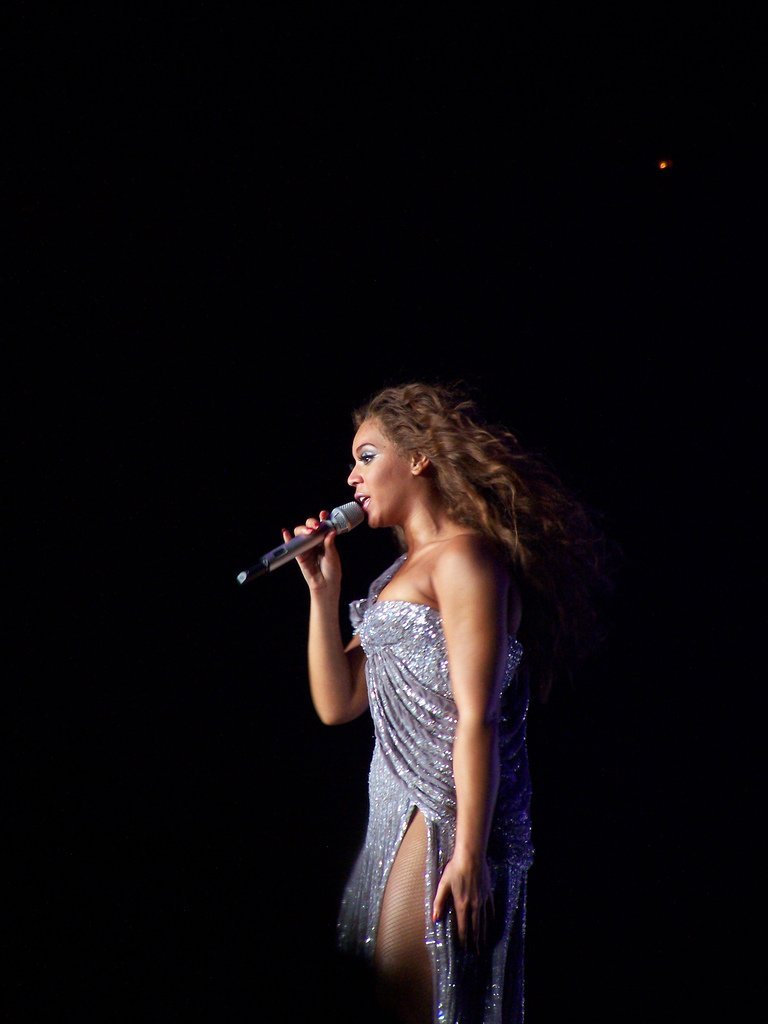
Some rankings feel inevitable in hindsight. Beyoncé at number one is one of them. In 2024, Billboard published the list, ranking 25 of the most important and impactful popular music artists from 2000 to 2024, with Beyoncé listed at number one. She didn’t just win this title based on chart numbers alone. Her selection was rooted in something deeper and harder to quantify.
While Taylor Swift is the century’s biggest pop star by the numbers, from album sales to streams to touring dominance, Billboard’s editorial staff chose Beyoncé as the Greatest Pop Star of the Century based on her full 25 years of influence, evolution, and impact. Beyoncé is the most Grammy-winning artist in history, with a record 32 wins. Think about that for a moment. Thirty-two Grammys. That’s not a career highlight. That’s an institution.
She has nine number one songs and 24 top 10 songs on the Hot 100, and eight of her albums have claimed the number one spot on the Billboard 200, starting with her 2003 debut solo album “Dangerously in Love.” From her days fronting Destiny’s Child to her groundbreaking album “Lemonade” to the country-influenced “Cowboy Carter,” Beyoncé has never stopped pushing boundaries. She is, by every meaningful measure, the bar.
No. 2 – Taylor Swift: The Unstoppable Era Machine
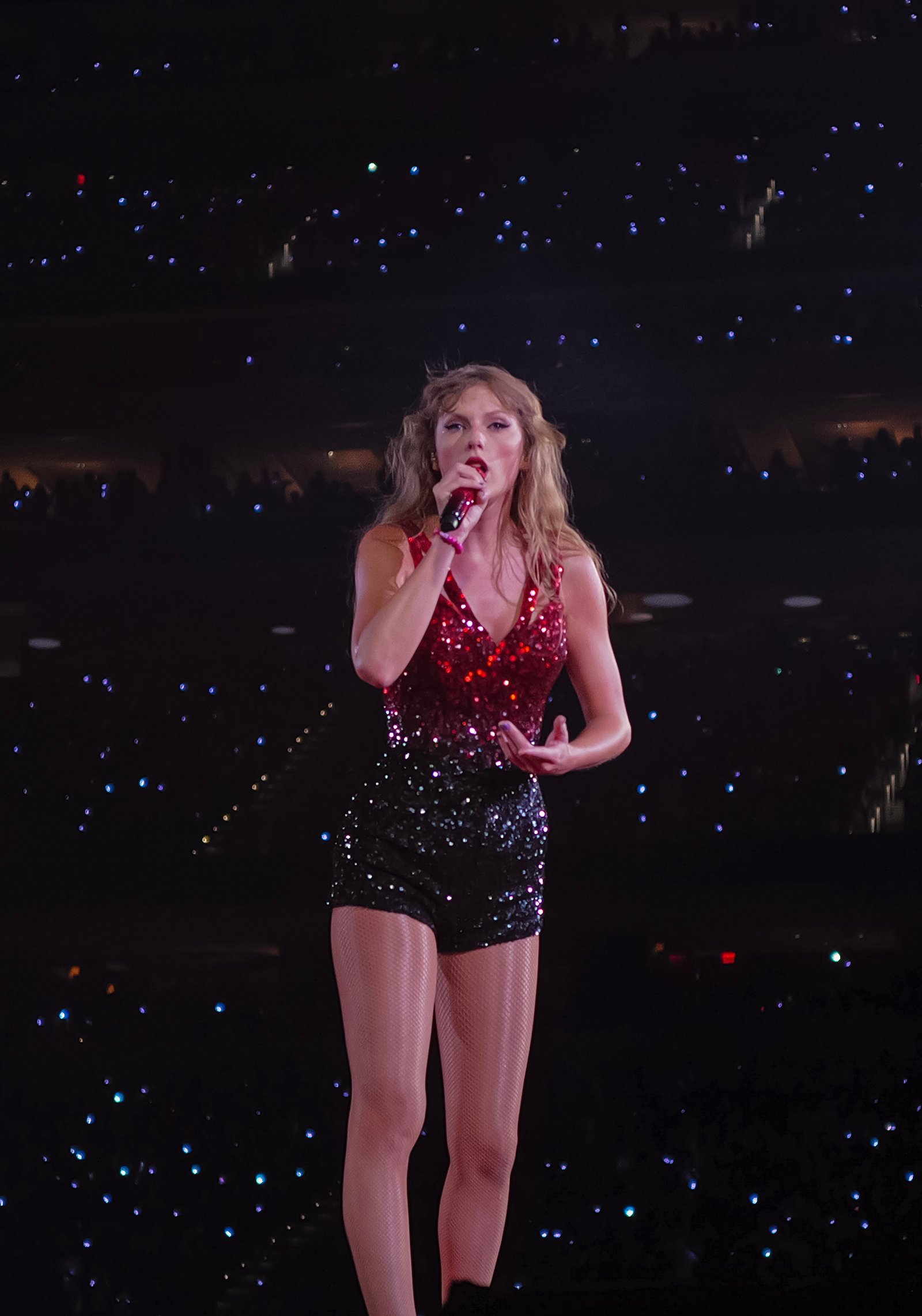
If Beyoncé is the standard, Taylor Swift is the phenomenon that almost rewrote the standard entirely. After crossing over from country music to pop music at the turn of the 2010s, Taylor Swift achieved success like we’ve never quite seen before, in either its shape or size. That crossover alone would have been a career-defining moment for most artists. For Swift, it was just chapter two.
By the time she embarked on her global Eras Tour, interest in her body of work had never been higher, and Swift rewarded fans with more than three hours of show-stopping performances. The unprecedented scale of the tour aligned with her absolutely unfathomable reach, her victory lap continuing with the introduction of boyfriend Travis Kelce to the fairytale and the release of the 15-week Billboard 200-topping “The Tortured Poets Department.” Swift’s ability to make every single era of her career feel urgent and essential is genuinely remarkable. It’s like watching someone relaunch themselves perfectly, over and over again.
No. 3 – Rihanna: Pop’s Most Fearless Reinventor
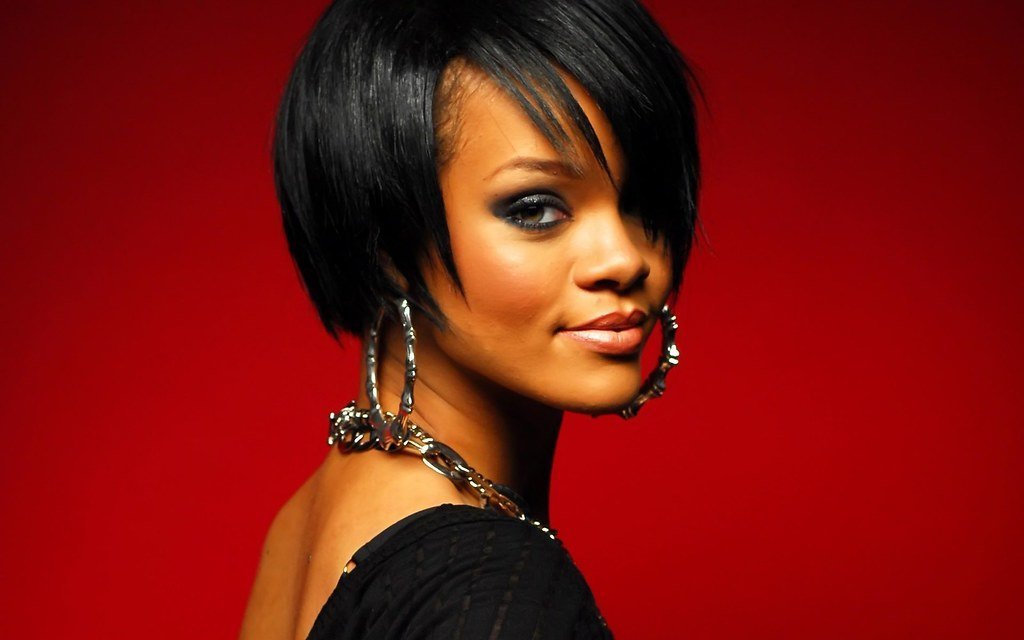
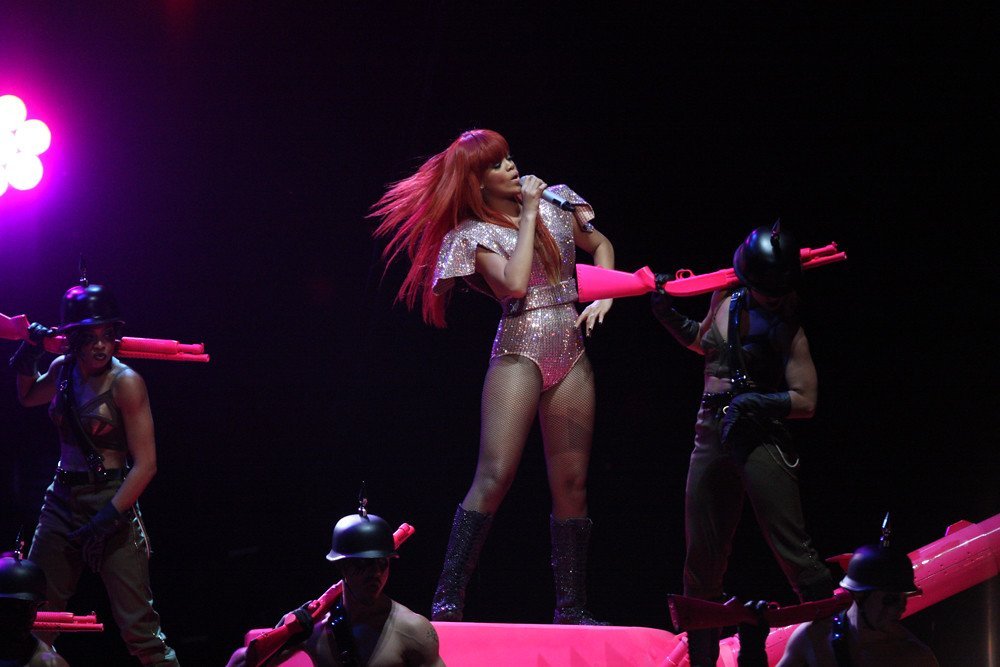
There’s a version of this list where Rihanna sits even higher, and I think a solid argument can be made for it. Rihanna claimed the third spot on Billboard’s ranking, and it’s not hard to understand why. From her early island-pop debut to hard-edged records like “Good Girl Gone Bad” and the experimental “Anti,” she has never made the same album twice. That’s rarer than it sounds.
Rihanna’s cultural footprint stretches far beyond music. She launched the Fenty Beauty brand, which completely disrupted the beauty industry with its radical inclusivity, and became one of the wealthiest female entertainers in the world. Among female acts, Rihanna is one of only a handful of artists to top Billboard’s Greatest Pop Star rankings across multiple years. Her Super Bowl halftime show appearance in 2023, while pregnant, became one of the most iconic performance moments of the decade. She is a force that refuses to be contained by any single category.
No. 4 – Drake: The Chart Monster Who Redefined Hip-Hop’s Role in Pop
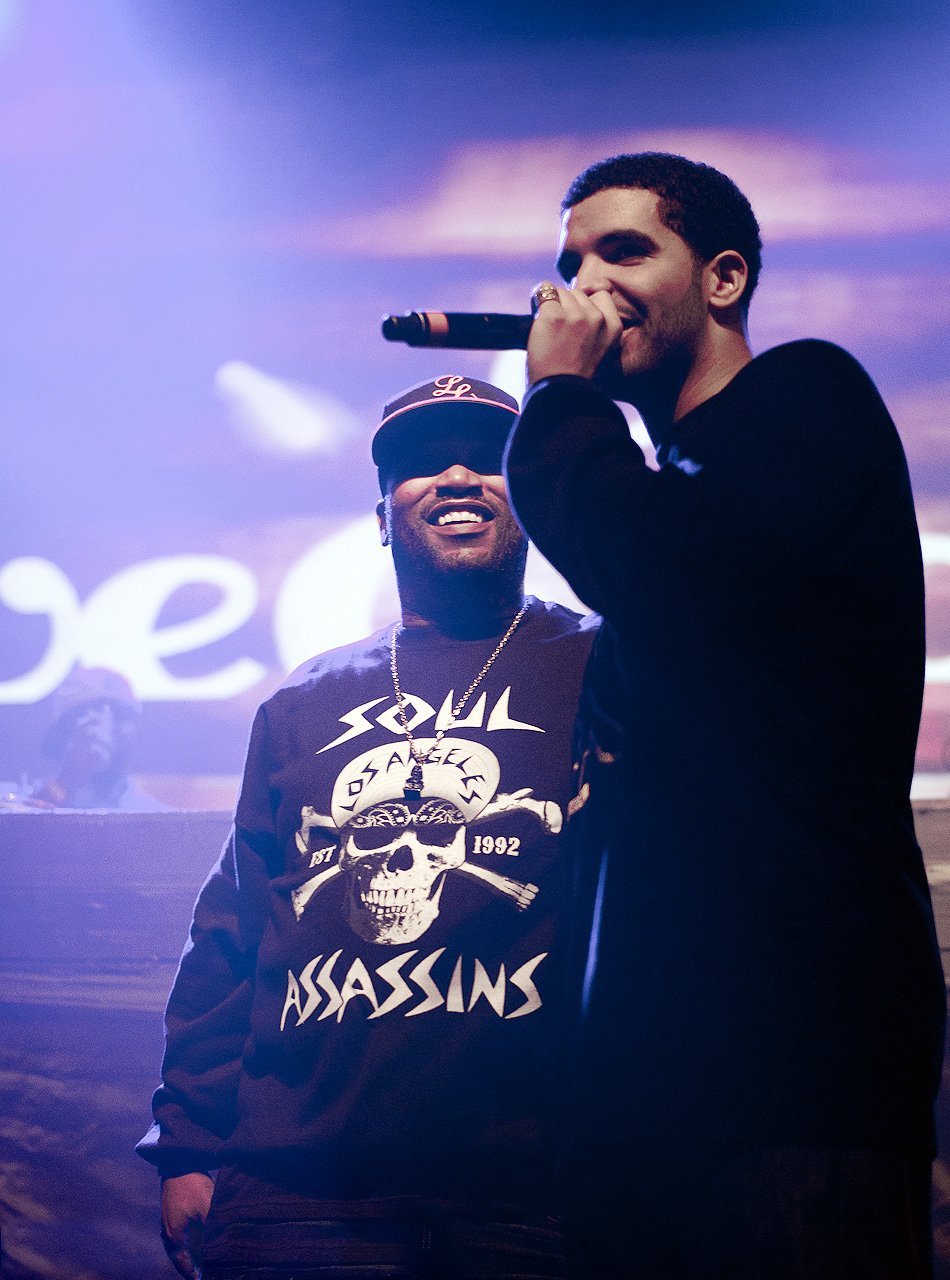
Uploaded by Skeezix1000, CC BY 2.0)
Let’s be real. Drake’s chart dominance is almost absurd when you look at it closely. From a sheer chart numbers perspective, Drake’s accomplishments dwarf every other artist of the 21st century. No other artist of the period can match his combination of 13 Hot 100 number one singles and 13 Billboard 200 number one albums, a feat only The Beatles can match historically, and no other artist of any era comes close to his 338 career Hot 100 entries.
Beyond the numbers, Drake fundamentally changed the relationship between hip-hop and pop radio. In 2018, hip-hop’s takeover of popular music was officially complete. As streaming replaced radio as the dominant chart-driving form of music consumption, rap blanketed the landscape to an unprecedented degree. Drake was the architect of that shift more than anyone else. He understood how to use the internet and social media to his advantage better than any other star of his era, commanding platforms with a reach and virality that made even the biggest award-show stages seem small by comparison.
No. 5 – Lady Gaga: The Artist Who Made Pop an Art Form
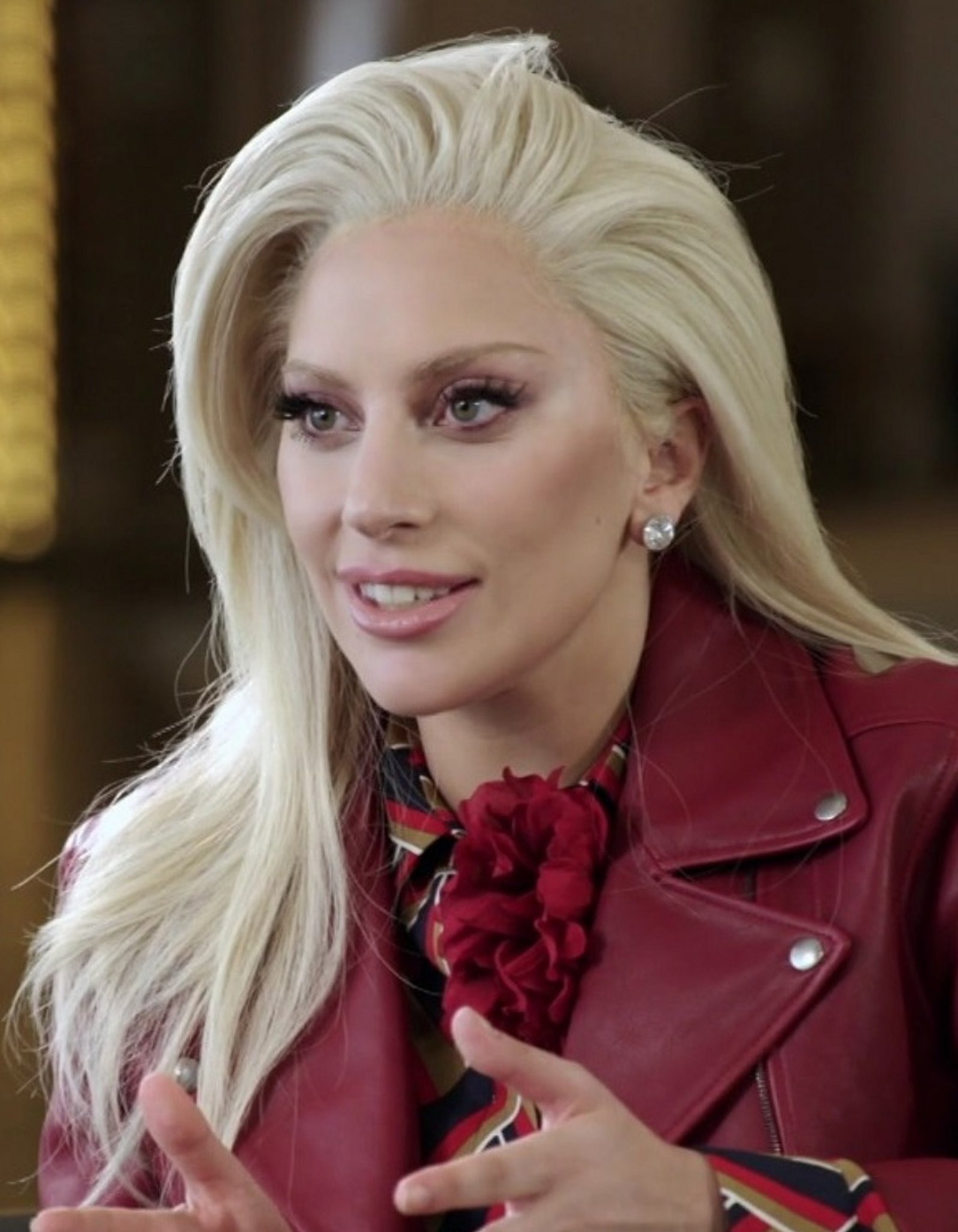
Lady Gaga arrived on the pop scene in 2008 like someone had detonated a glitter bomb in the middle of a corporate boardroom. Nobody was ready. In 2024, Billboard published its list, covering 2000 to 2024, and Lady Gaga landed firmly in the top five. Her debut album “The Fame” introduced a performer who seemed constitutionally incapable of being boring.
What makes Gaga’s legacy so enduring is the genuine breadth of her artistry. She conquered pop, won a Golden Globe for acting, earned an Oscar for the song “Shallow” from “A Star Is Born,” and headlined a Super Bowl halftime show that is still referenced as a gold standard. Her Little Monsters fan community, built years before “parasocial relationship” became a buzzword, showed the music industry how to cultivate genuine loyalty. She didn’t just sell music. She created a movement. And I think her influence on the current generation of theatrical pop performers is almost impossible to overstate.
No. 6 – Britney Spears: The Original Blueprint
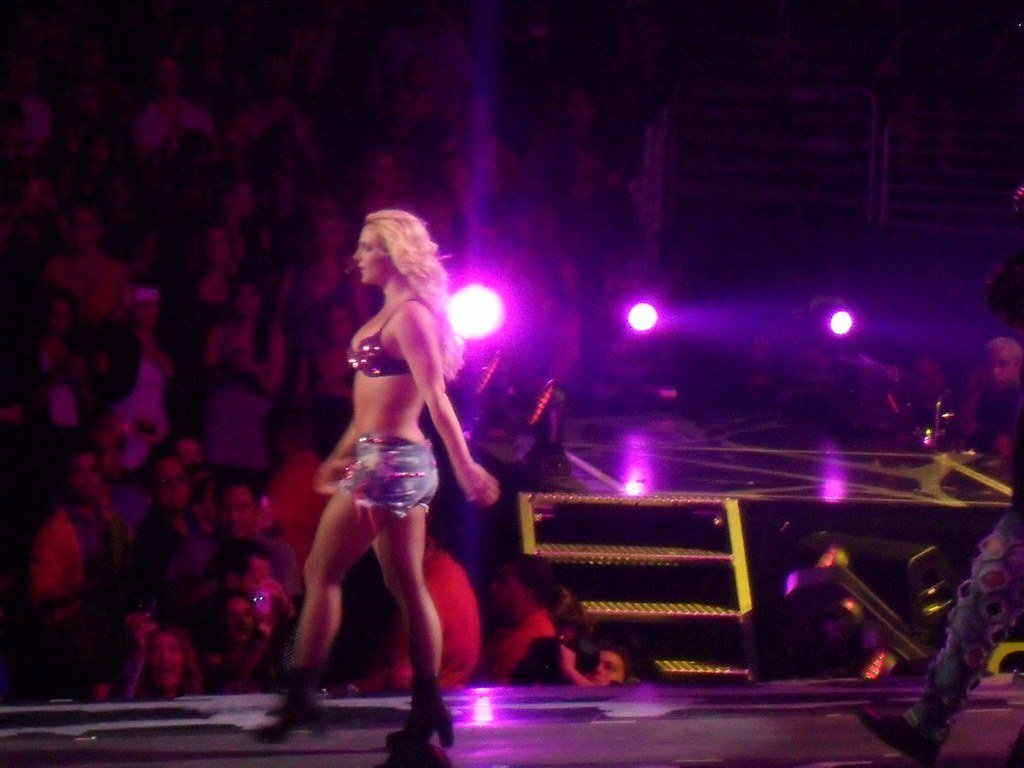
Here’s the thing about Britney Spears. Before there was a Beyoncé dominating stadiums, before Taylor Swift was re-recording her masters, before any of the modern era’s pop stars knew what a “brand” was, Britney Spears wrote the rulebook. Billboard spent months counting down its staff picks for the 25 greatest pop stars of the last 25 years, examining Britney Spears as a pop force whose dominance over millennial culture earned her the title as the Princess of Pop for her signature vocal tone, hit catalog, and show-stopping performances.
With so much access to celebrity nowadays, it’s hard to fully understand the phenomenon that was Spears at her commercial peak, but she was everywhere: dominating award shows, gracing magazine covers, starring in TV commercials, available for purchase as a Barbie doll, and on the tip of everyone’s tongue. Her 2007 album “Blackout” is celebrated to this day as an influential record for its edgy electro-pop sound and confidently sexual lyrics; the album was even added to the Rock and Roll Hall of Fame’s musical library and archive in 2012. Her multigenerational legacy helped Spears become one of the few acts to achieve top 10 hits spanning four decades.
No. 7 – Kanye West: The Disruptive Genius
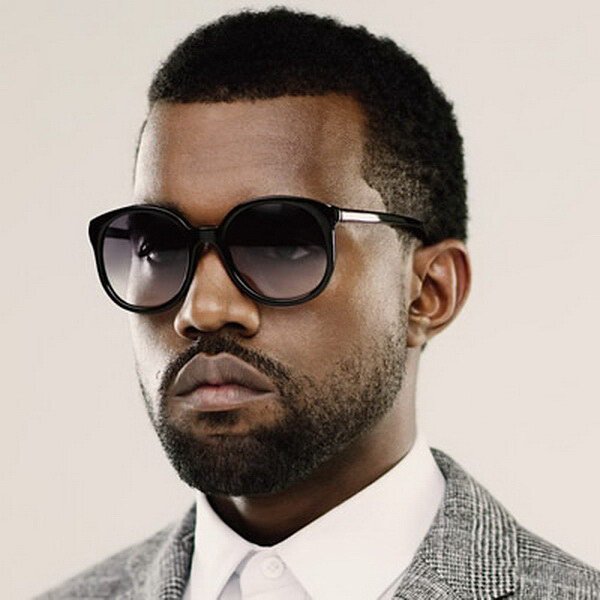
Kanye West is perhaps the most complicated entry on this list, and that feels right, actually. Few artists in pop history have generated so much conversation, admiration, controversy, and ultimately sadness in equal measure. His placement at number seven by Billboard speaks to the undeniable reality of his artistic impact during his peak years, separate from his personal conduct in later years.
From “The College Dropout” to “Graduation” to the sonically adventurous “808s and Heartbreak,” Kanye repeatedly pushed the boundaries of what hip-hop could be. His production style influenced a generation of artists who followed. “808s and Heartbreak,” in particular, is one of those rare albums that planted seeds which bloomed across nearly a decade of pop and R&B music afterward. Billboard used the term “pop star” in a broad definition, not only top-40 type pop music soloists, but also rappers, singer-songwriters, rock bands, and R&B groups. Under that wide umbrella, Kanye’s genre-bending work more than qualified him for this list during the years that defined his creative legacy.
No. 8 – Justin Bieber: From Teen Phenomenon to Global Superstar
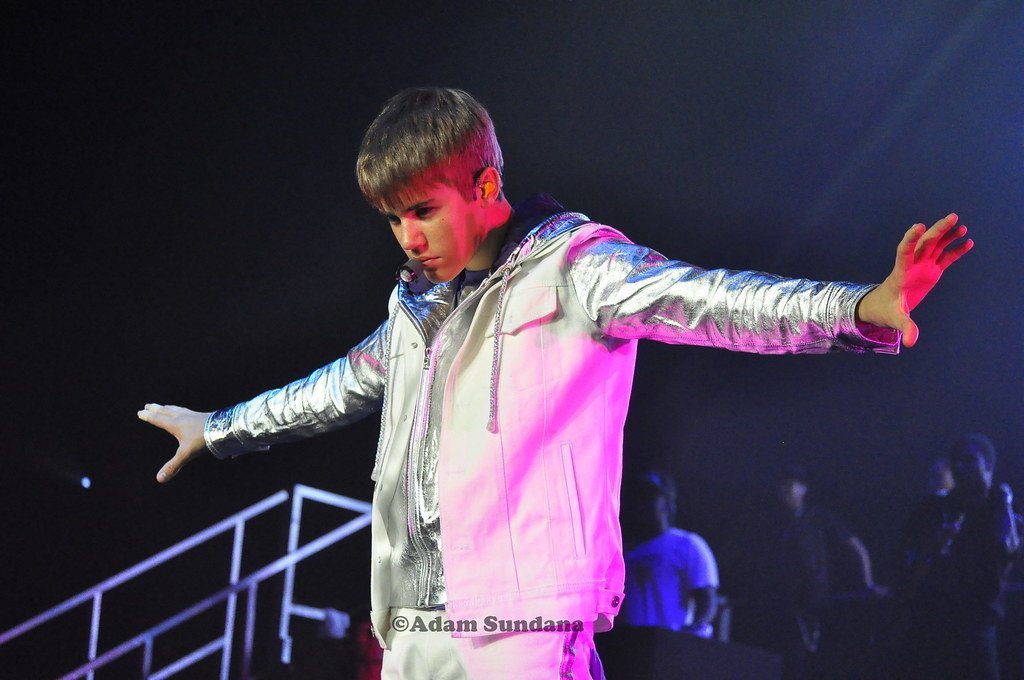
Justin Bieber’s story is one of the most extraordinary in modern pop history. Discovered through YouTube videos at age thirteen, he became a global sensation before most kids his age had finished middle school. That kind of pressure would break most adults. It nearly broke him too. Yet he kept going, and more importantly, he grew.
His musical evolution from the bubblegum pop of “Baby” to the R&B-influenced vulnerability of “Purpose” to the tropical-infused “Love Yourself” demonstrated a genuine artistic maturity that most early teen pop stars never achieve. Bieber also reshaped how pop acts are discovered and marketed. His rise through social media wasn’t just a career story. It was a new industry template. Countless managers and A&R executives spent the following decade trying to replicate the formula, with mixed results. He was, truly, the first pop star of the YouTube generation.
No. 9 – Ariana Grande: The Voice That Defined a Generation
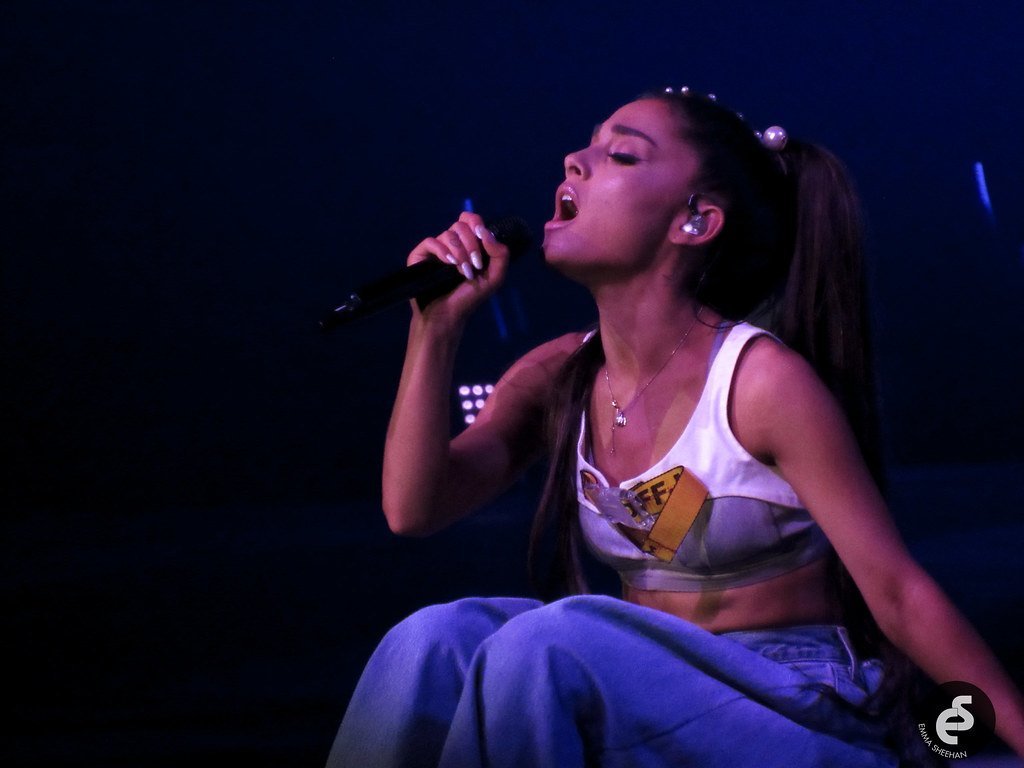
Ariana Grande possesses one of the most genuinely extraordinary voices in modern pop music. That’s not hyperbole. It’s just true. Her four-octave range and her mastery of melismatic runs place her in a rare category of technical vocalists who somehow also make massive commercial pop hits. That combination is genuinely difficult to pull off, and she does it seemingly without effort.
Grande’s resilience has been as defining as her vocal ability. Following the devastating Manchester Arena bombing at her concert in 2017, she returned to the city just days later to organize a benefit concert. That moment cemented a public image as something more than just a pop star. Her albums “thank u, next” and “Positions” demonstrated an artistic self-assurance that connected deeply with an entire generation of young listeners who saw their own experiences reflected in her music. Honestly, her consistency across more than a decade in the spotlight is what truly sets her apart.
No. 10 – Adele: The Powerhouse Who Proved Simplicity Wins
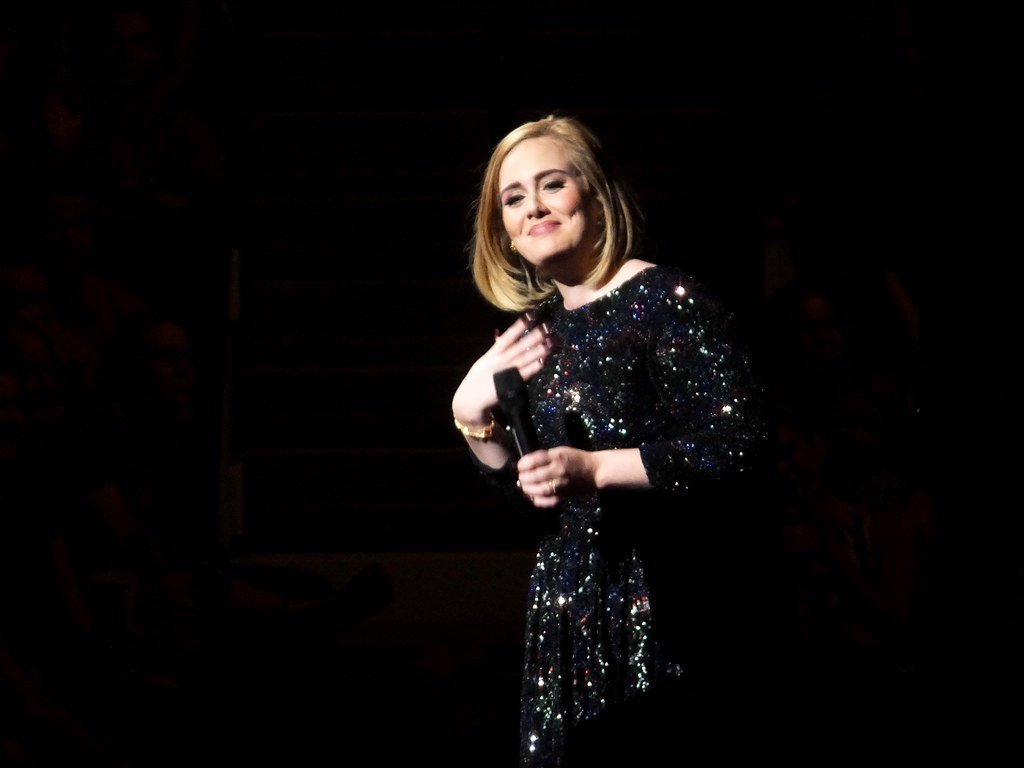
In an era of maximalism, spectacle, and constant content, Adele did something almost radical. She made albums. Real, patient, deeply felt albums. Then she went quiet. Then she came back. No one could have possibly seen Adele coming. By the year 2010, Adele was already a Grammy-winning global hitmaker, so you couldn’t say she came out of nowhere. Yet her dominance felt surprising every time it happened.
Adele earned her place among the thanks to her one-of-one voice and unparalleled commercial success. Her album “21” became one of the best-selling records of the entire century. By the time Adele returned in late 2015 with her follow-up, anticipation for her new music had crescendoed to an arguably unmatched pitch among 21st-century releases. That’s the Adele effect: silence, then an earthquake. She reminded an entire industry that sometimes the most powerful move is simply to wait until you have something worth saying.
A Generation Defined: What This List Actually Tells Us
Zoom out and look at the full top 10 together, and a fascinating picture emerges. Women were ranked highly on the 21st century list, as only three men made it into the top ten, with Beyoncé, Taylor Swift, and Rihanna appearing in the top three. That’s a cultural statement as much as a musical one.
The list is based on a variety of factors such as cultural importance, industry influence, and overall omnipresence over popular music. That’s why it feels different from a typical chart countdown. It captures something bigger than streams or sales. It captures meaning. These ten artists didn’t just make hits. They shaped how we talk, dress, grieve, celebrate, and identify ourselves. They were the soundtrack to lives being lived.
Pop music at its best is a mirror held up to culture. These ten artists held that mirror higher, wider, and more honestly than anyone else across twenty-five years. Whether you agree with every placement or not, the conversation itself matters. Who would you put at number one? That might tell you more about yourself than any chart ever could.

Christian Wiedeck, all the way from Germany, loves music festivals, especially in the USA. His articles bring the excitement of these events to readers worldwide.
For any feedback please reach out to info@festivalinside.com
