

For any feedback please reach out to info@festivalinside.com
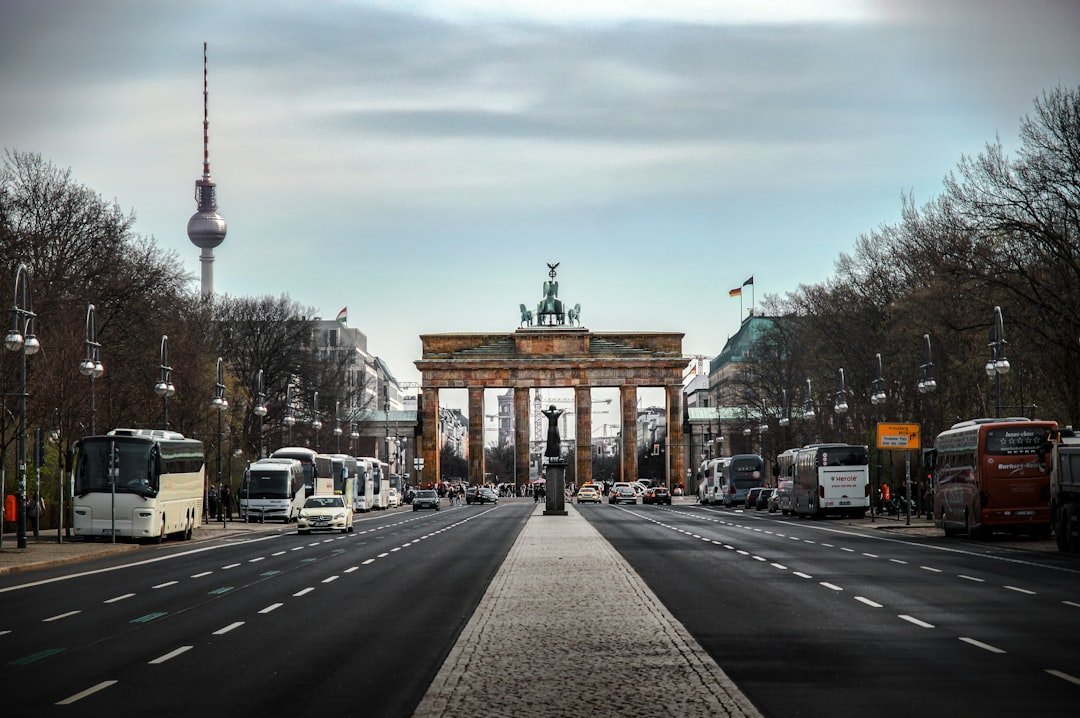
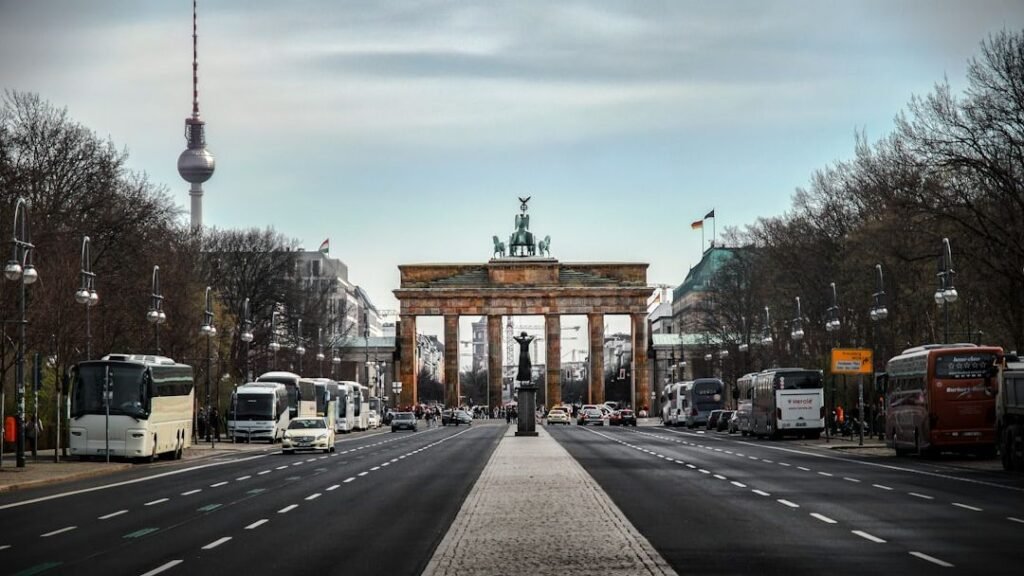
Germany’s capital pulses with energy, but beneath the surface lies a city wrestling with rapid transformation. Neighborhoods once defined by punk rock and techno now echo with unfamiliar languages and escalating tensions. Rents soar as locals flee overcrowded districts, while politicians downplay the strain. What’s unfolding in Berlin today reveals deeper cracks in Europe’s migration model.
Residents whisper about parallel worlds emerging in plain sight. This isn’t just urban evolution; it’s a fundamental shift testing the limits of tolerance and resources. Let’s dive into the realities shaping daily life here in early 2026.
A City Remade by Migration Waves
Berlin’s population boom stems largely from non-EU migrants, who now make up about 20 percent of residents in districts like Neukölln and Kreuzberg. Streets buzz with Arabic, Turkish, and Eastern European voices blending into the German backdrop, turning these areas into true multicultural mosaics. Housing shortages have driven rents through the roof, forcing many native Berliners to pack up and leave.
Birth rates among locals trail far behind those in migrant communities, sparking unease over the city’s cultural future. Berlin clings to its image as a welcoming haven, yet these demographic tides challenge that narrative head-on. Here’s the thing: what starts in the neighborhoods ripples outward, reshaping the capital’s soul.
Crime Surge and Fading Public Safety
Violent crimes have jumped more than 20 percent over the past five years, with knife attacks hitting over 5,000 incidents last year alone. Gang rivalries in migrant-dense spots fuel this rise, leaving places like Alexanderplatz gripped by nightly fears of robbery and assault. Public transport feels risky after dark, pushing people toward private security as trust in police erodes.
Organized clans of Arab and Chechen origin run extortion rackets, dominating underground economies. These patterns echo across European cities, signaling a wider crisis. Let’s be real – when residents dodge the streets, something’s deeply wrong.
Police operations snag arrests, but the problems persist, leaving communities on edge.
Welfare Overload and Integration Struggles
The city’s welfare system creaks under the load, with roughly 40 percent of non-working folks in key areas depending on Hartz IV benefits – well above national norms. Young migrant men face unemployment rates near 30 percent, hampered by language gaps and cultural hurdles. Taxpayers shoulder over €10 billion annually, igniting fierce Bundestag debates.
Parallel societies take root, complete with unofficial Sharia patrols clashing against secular norms. Integration programs stumble, breeding resentment and populist backlash. This economic squeeze hits everyone, from shop owners to school budgets.
Populist voices grow louder as the strain mounts, demanding real fixes.
Cultural Flashpoints and Shadow Zones
Areas like Sonnenallee, nicknamed “Little Gaza,” host open Islamist displays and pro-Palestinian rallies that push boundaries. Women face harassment for their attire, while LGBTQ+ gatherings draw violent interference from radicals. Antisemitic attacks have doubled since late 2023 Middle East flare-ups, tarnishing Berlin’s progressive shine.
No-go zone rumors swirl around these enclaves, where police raids yield temporary wins but no enduring peace. Synagogues bolster security amid rising threats. The creative magnet that drew global artists now grapples with eroded freedoms.
This clash pits Berlin’s liberal heart against imported ideologies, with no easy resolution in sight.
Political Shifts and Rising Discontent
Chancellor Scholz’s coalition brushes off concerns as right-wing noise, but the Alternative für Deutschland party polls at 30 percent in Berlin – its peak yet. Disillusioned voters reject green agendas and open borders, handing AfD gains even in migrant wards. Youth radicalization adds fuel, with one in five under-25s leaning far-right.
Local elections mirror national divides, positioning Berlin as a political battleground ahead of 2025 votes. Calls for border controls and deportations intensify. The capital’s trajectory could sway Germany’s entire direction.
Final Thought
Berlin embodies a Europe at crossroads, where innovation clashes with decay and opportunity meets overload. Pilot integration courses cut welfare reliance by 15 percent in trials, hinting at paths forward like Denmark’s models. Yet without bold reforms, unrest looms large.
What surprises you most about these changes? Share your take in the comments.
Source: Original YouTube Video

Christian Wiedeck, all the way from Germany, loves music festivals, especially in the USA. His articles bring the excitement of these events to readers worldwide.
For any feedback please reach out to info@festivalinside.com
