

- 9 Historical Mysteries That Still Baffle Experts to This Very Day - April 5, 2026
- 15 Legendary Authors Whose Personal Lives Were as Gripping as Their Novels - April 5, 2026
- Top Tips to Experience the 2026 California Superbloom - April 5, 2026
There are moments in history when something shifts so fundamentally that the world before it becomes almost unrecognizable. The American Industrial Revolution was one of those seismic moments. It did not simply change how goods were made or how people worked. It rewired the entire structure of civilization, from the layout of cities to the global flow of capital, labor, and ideas.
What started as a scramble to catch up with Britain’s industrial might eventually turned into something far more powerful. America did not just adopt the Industrial Revolution. It supercharged it, exported it, and gave it a new vocabulary. The story of how a largely agrarian nation became the engine of the modern world is one of the most dramatic transformations in all of human history. Let’s dive in.
The Spark That Set Everything in Motion
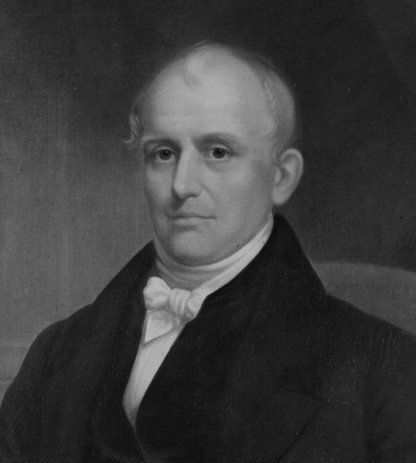
Most revolutions have a single dramatic flashpoint. This one had a man who memorized a factory. Samuel Slater, one of the entrepreneurs most associated with starting the textile industry in the U.S., learned that Americans were interested in textile techniques used in England. Since exporting such technical designs were illegal in England, he memorized as much as he could and departed for New York City. Think about that for a second. A man carried an entire industrial system inside his head across the Atlantic Ocean.
After an initial investment, the first water-powered roller spinning textile mill in America was opened in 1793. By 1800, Slater’s mill had been duplicated by many other entrepreneurs, with Andrew Jackson later calling Slater the “Father of the American Industrial Revolution.” From that single seed, an entire forest of industry began to grow.
The Industrial Revolution occurred in two distinct phases: the First Industrial Revolution occurred during the later part of the 18th century through the first half of the 19th century, and the Second Industrial Revolution advanced following the American Civil War. Each phase came with its own wave of innovation, ambition, and consequence. The nation would never look back.
Technological Innovations That Rewired the World
The technological innovation that would come to mark the United States in the nineteenth century began to show itself with Robert Fulton’s establishment of steamboat service on the Hudson River, Samuel F. B. Morse’s invention of the telegraph, and Elias Howe’s invention of the sewing machine, all before the Civil War. These were not small conveniences. They were infrastructure shifts that changed how entire industries communicated and moved.
American inventors like Alexander Graham Bell and Thomas Alva Edison created a long list of new technologies that improved communication, transportation, and industrial production. Edison made improvements to existing technologies, including the telegraph, while also creating revolutionary new technologies such as the light bulb, the phonograph, the kinetograph, and the electric dynamo. Bell, meanwhile, explored new speaking and hearing technologies, and became known as the inventor of the telephone.
Some scholars see three major new technologies as fundamental to the second phase of the American Industrial Revolution: the internal-combustion engine; devices for the generation, distribution, and use of electrical power; and the creation of many advanced chemicals, such as dyes and pharmaceutical drugs. Honestly, when you line those up together, it reads less like a list of inventions and more like the blueprint of the modern world. Nearly every technology we interact with daily traces its lineage back to this era.
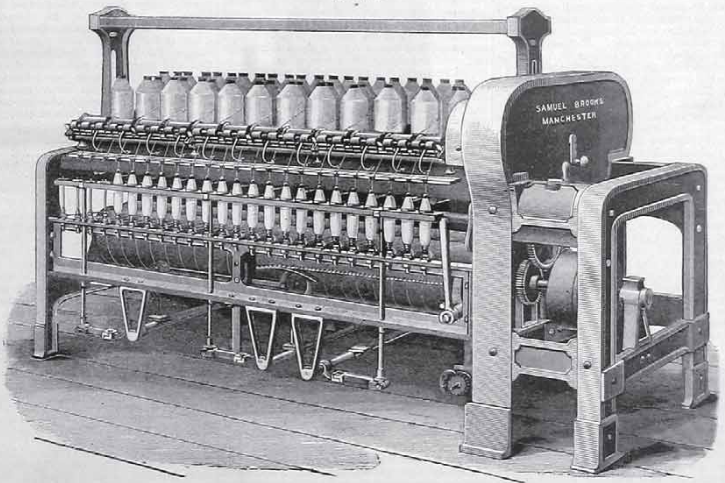
The technological changes included the use of new basic materials, chiefly iron and steel; the use of new energy sources including coal, the steam engine, electricity, petroleum, and the internal-combustion engine; and the invention of new machines such as the spinning jenny and the power loom that permitted increased production with a smaller expenditure of human energy. It was an unprecedented compression of human ingenuity into just a few decades.
The Rise of the Factory System
The Industrial Revolution factory system revolutionized manufacturing by consolidating machinery, skilled workers, and production processes under one roof. Before this, production was scattered, slow, and deeply personal. A craftsman might spend weeks on a single item. The factory changed that calculus entirely, trading artistry for scale.
The factory system replaced the domestic system, in which individual workers used hand tools or simple machinery to fabricate goods in their own homes or in workshops attached to their homes. The use of waterpower and then the steam engine to mechanize processes such as cloth weaving marked the beginning of the factory system. The shift was disorienting for millions of workers. It separated work from home, craft from product, and worker from ownership in ways that still define employment today.
The key characteristics of the factory system were the centralization of production in a large, purpose-built factory, the division of labor into specialized tasks, the use of machines to perform tasks previously done by hand, and the employment of a large number of workers. The system relied on economies of scale and standardized processes to increase productivity and reduce costs. Think of it like the original assembly line, long before Henry Ford made it famous.
Figures like Thomas Edison and Henry Ford epitomized the era’s entrepreneurial spirit, with Ford’s assembly line revolutionizing manufacturing processes and accessibility. Ford did not invent the idea of organized mass production, he simply brought it to perfection. That distinction matters, because it shows how the factory system itself was an evolving, cumulative invention.
Transportation Advancements That Stitched a Nation Together
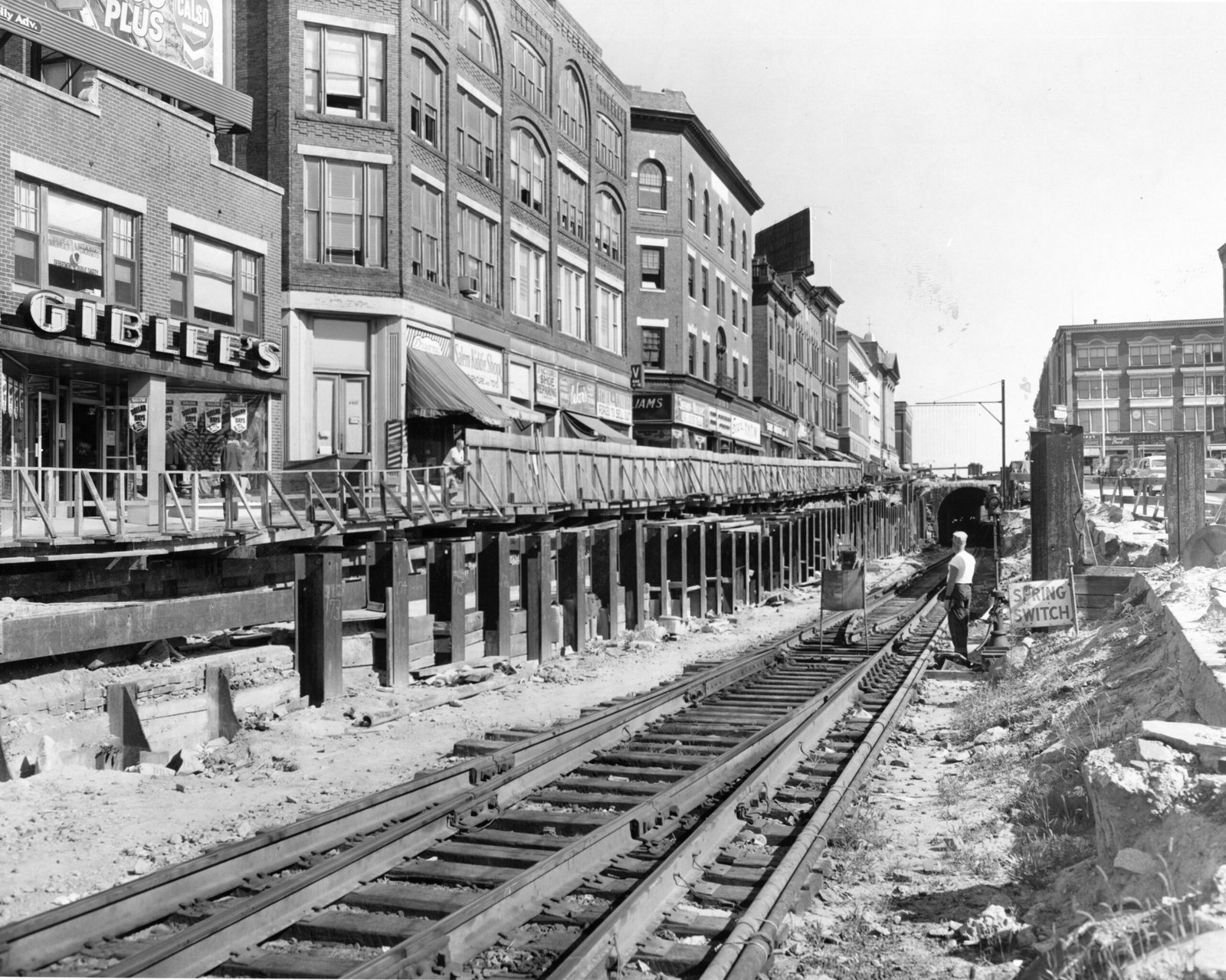
If the factory was the heartbeat of the Industrial Revolution, the railroad was its circulatory system. The railroads created the first great concentrations of capital, spawned the first massive corporations, made the first of the vast fortunes that would define the Gilded Age, unleashed labor demands that united thousands of farmers and immigrants, and linked many towns and cities. No single development reshaped the American landscape more completely.
Completing the first transcontinental railroad in 1869 was a major milestone, making it easier to transport people, raw materials, and products. Before that moment, traveling from the East Coast to California could take months. Afterward, it took days. That compression of distance was nothing short of miraculous to people living through it.
Before the development of this elaborate transportation and communication system, economies were localized and often based on a barter system. The transportation revolution opened up new markets for farmers, industrialists, and bankers who could now bring crops from the Mississippi River Valley, wheat from the Midwest, and manufactured goods from upstate New York into a global market based on credit. In a very real sense, the railroad did not just connect American cities. It connected America to the world.
As demand for railway construction skyrocketed, so did the need for iron and later steel. Railways needed tracks, engines, cars, and bridges, most of which were made from metal. This booming demand directly spurred the growth of the American steel industry. It was a glorious chain reaction, each innovation feeding the next.
Urban Growth and the Birth of the Modern American City

Here’s the thing about factories and railroads: they need people, and people need places to live. The result was one of the most dramatic urbanization events in recorded history. America’s urban population increased sevenfold in the half century after the Civil War. Sevenfold. That is not gradual growth. That is an explosion.
Within the span of a few decades from the late 19th to the early 20th century, the United States was transformed from a predominantly rural agrarian society to an industrial economy centered in large metropolitan cities. Prior to the American industrial revolution, most Americans were reared in largely isolated agricultural households and small towns. The transformation was as psychological as it was physical.
The factory system was a driving force behind urbanization during the Industrial Revolution as it created numerous job opportunities in cities. As factories proliferated, they attracted workers from rural areas who were seeking employment in manufacturing. This migration led to rapid city growth, transforming social structures as populations concentrated in urban environments. Urban areas became hubs of economic activity but also faced challenges such as overcrowding and inadequate infrastructure.
Cities like Chicago, which started as modest settlements, exploded in size and influence thanks to strategic railway connections. Chicago is the perfect case study. It went from a small lakeside trading post to a world-class metropolis almost entirely on the back of industrial momentum. It’s a story that would be repeated, in different forms, across dozens of American cities.
Labor Changes and the Fight for Workers’ Rights
Catalog: https://lccn.loc.gov/2007675388
Image download: https://cdn.loc.gov/service/pnp/cph/3b00000/3b08000/3b08900/3b08921r.jpg
Original url: https://www.loc.gov/pictures/item/2007675388/, Public domain)
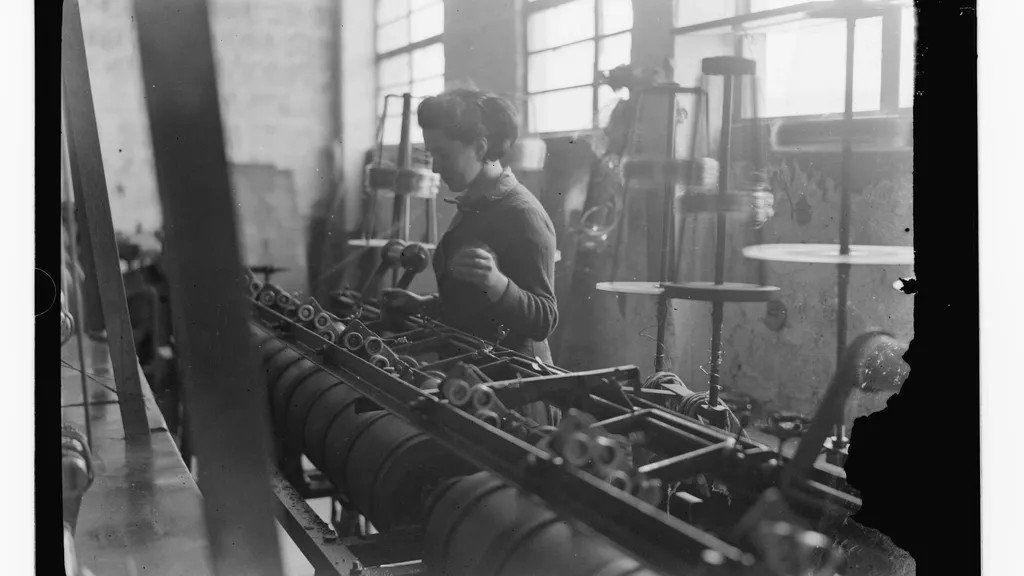
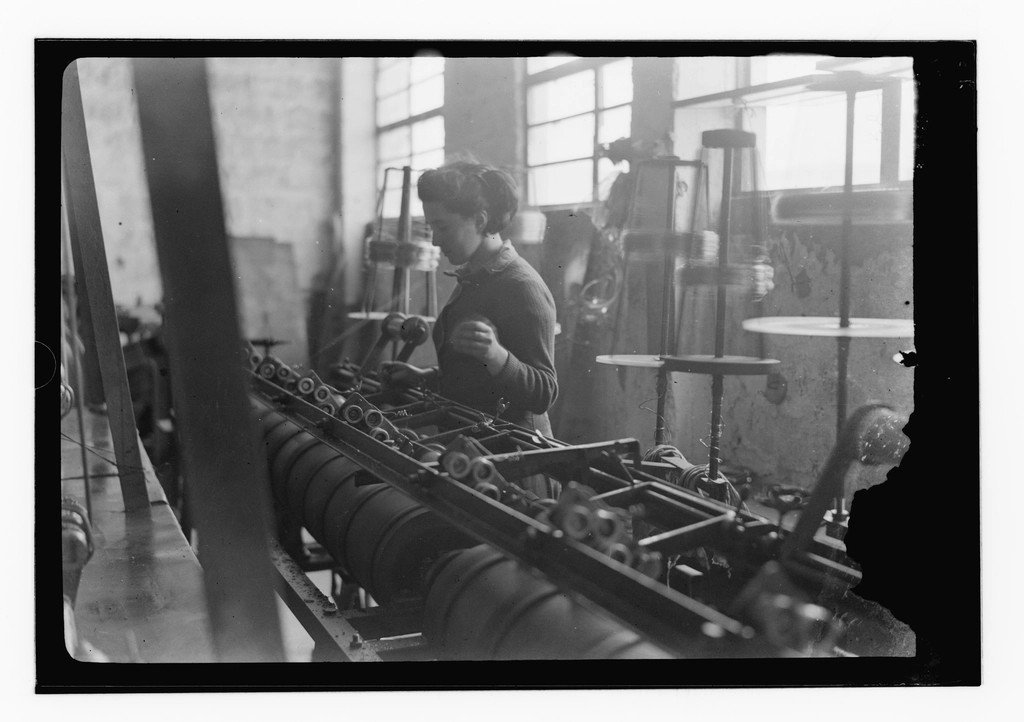
The Industrial Revolution created enormous wealth. It did not, however, distribute that wealth fairly. For millions of working Americans, the industrial revolution changed the very nature of their daily work. Previously, they might have worked for themselves at home, in a small shop, or outdoors, crafting raw materials into products. When they took factory jobs, they were working for a large company. The repetitive work often involved only one small step in the manufacturing process, and the work was often dangerous and performed in unsanitary conditions.
The replacement of the domestic system of industrial production, in which independent craftspersons worked in or near their homes, with the factory system and mass production consigned large numbers of people, including women and children, to long hours of tedious and often dangerous work at subsistence wages. It’s hard to read that without feeling something. Progress was real, but it came at a significant human cost.
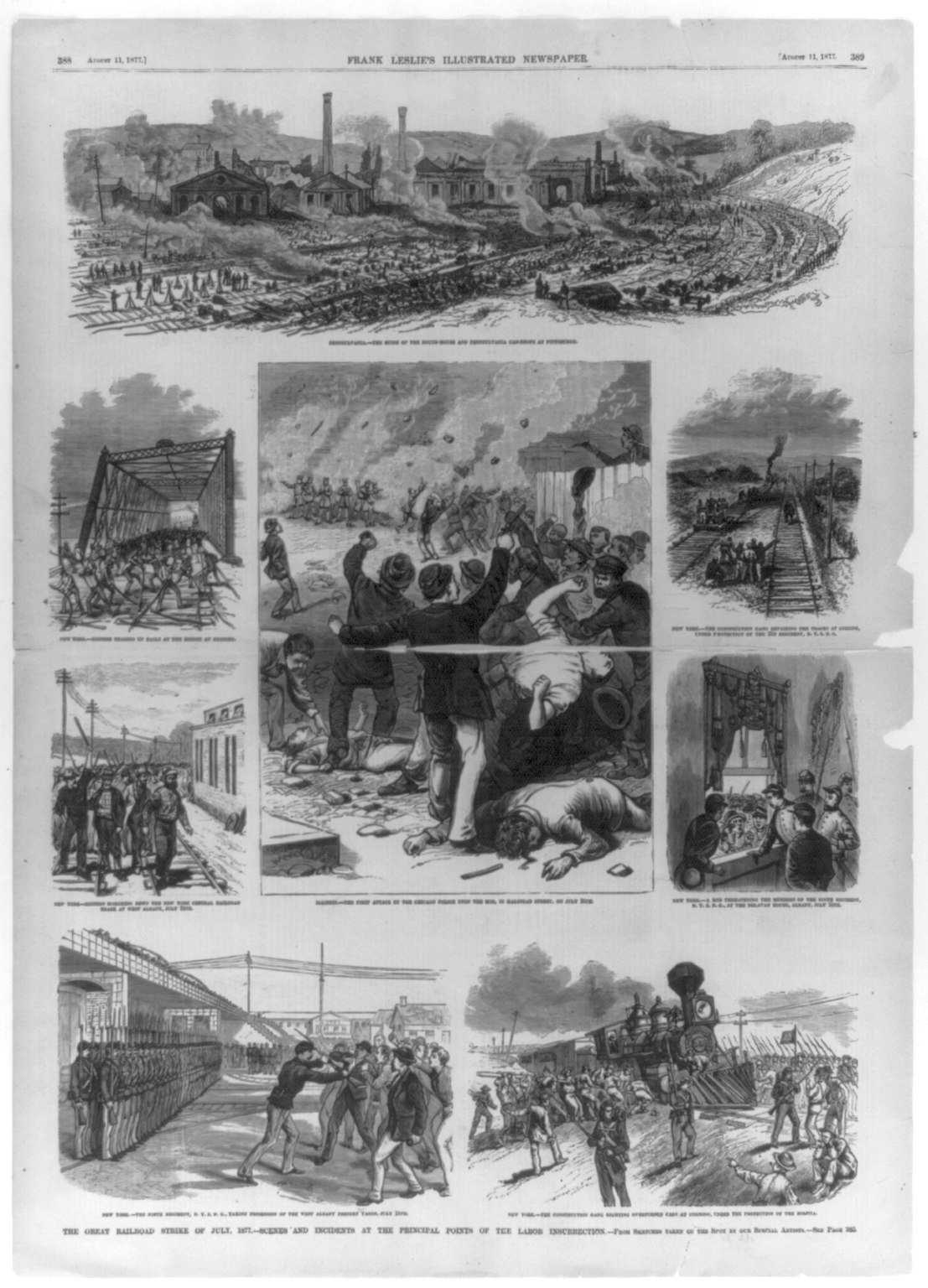
Dangerous working conditions, long hours, and concern over wages and child labor contributed to the growth of labor unions. In the decades after the Civil War, workers organized strikes and work stoppages that helped to publicize their problems. One especially significant labor upheaval was the Great Railroad Strike of 1877. Wage cuts in the railroad industry led to the strike, which began in West Virginia and spread to three additional states over a period of 45 days.
The concentration of workers in cotton mills and textile factories created a new industrial working class, facing challenging working conditions and limited rights. This led to labor movements and the push for improved worker protections, eventually leading to social reforms and labor laws. The modern labor rights we often take for granted, the weekend, the eight-hour workday, workplace safety regulations, all of them were forged in the furnace of industrial-era struggle.
America’s Global Economic Influence
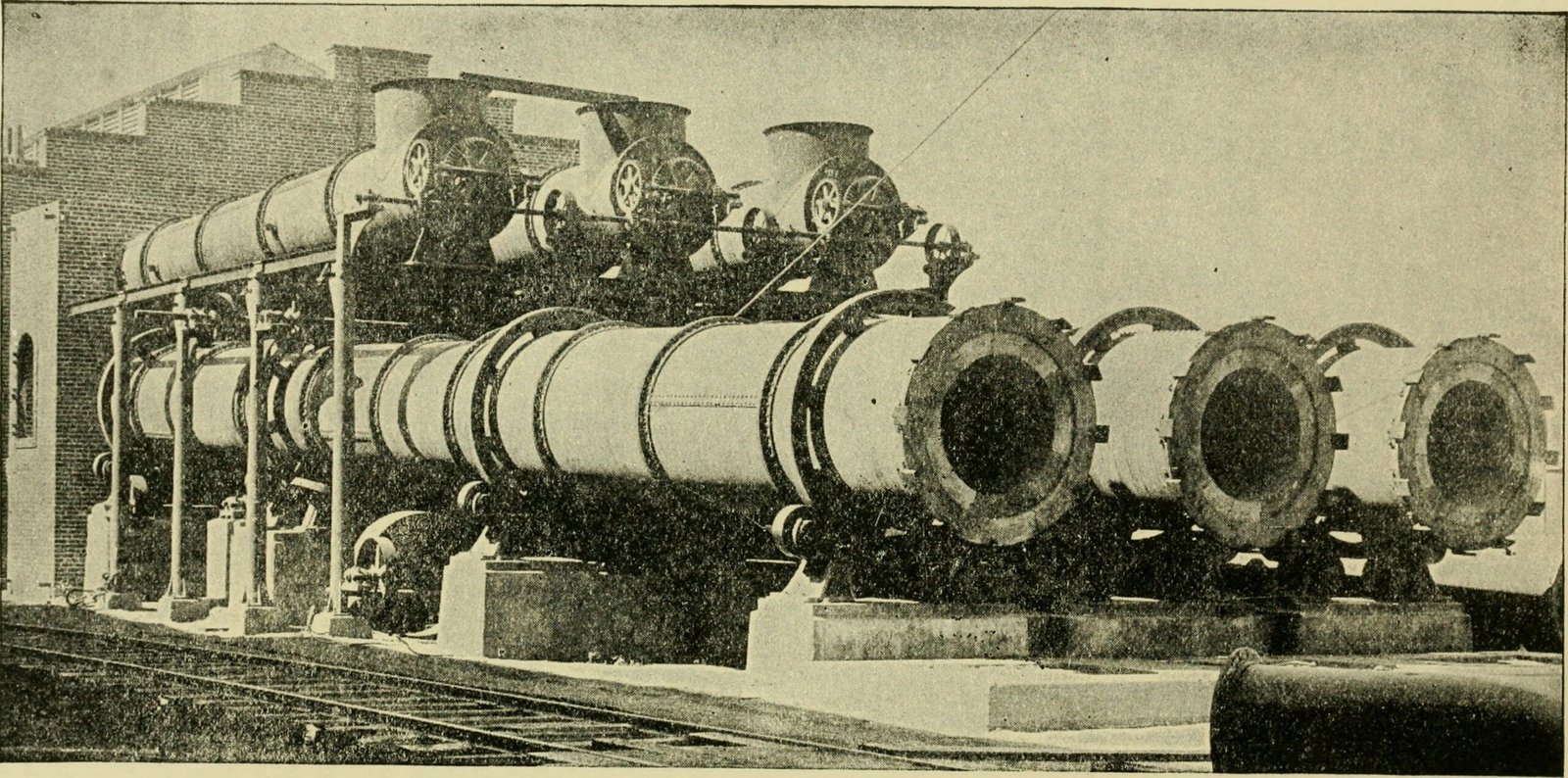
The Industrial Revolution completely transformed the United States until it eventually grew into the largest economy in the world and became the most powerful global superpower. That outcome was not inevitable. It was the result of a specific combination of geography, resources, ambition, and relentless innovation.
While the first phase of the industrial revolution took place between 1750 and 1850 and began in England then spread to Continental Europe and North America, the second phase, which took place between 1850 and 1914, began in America and then spread to Europe. This is a staggering reversal of fortune. Within just a few decades, America had gone from imitating Britain’s industrial model to setting the global standard itself.
As America’s share of global manufacturing powered from roughly a quarter in 1870 to over a third in 1913, it was not just competing on the world stage. It was dominating it. Other nations were forced to industrialize or risk falling irreversibly behind, a dynamic that reshaped the geopolitical order of the entire planet.
Enormous gains in industrial productivity, accompanied by institutional change and much lower transportation costs, created national markets with goods and people moving in every direction. The ripple effects reached every corner of the globe, from the cotton fields of Egypt and India supplying American mills to the steel mills of Pennsylvania feeding infrastructure projects on every continent.
The Human Cost and the Deeper Legacy
Catalog: https://lccn.loc.gov/2008661524
Image download: https://cdn.loc.gov/service/pnp/cph/3a00000/3a05000/3a05100/3a05113r.jpg
Original url: https://www.loc.gov/pictures/item/2008661524/, Public domain)
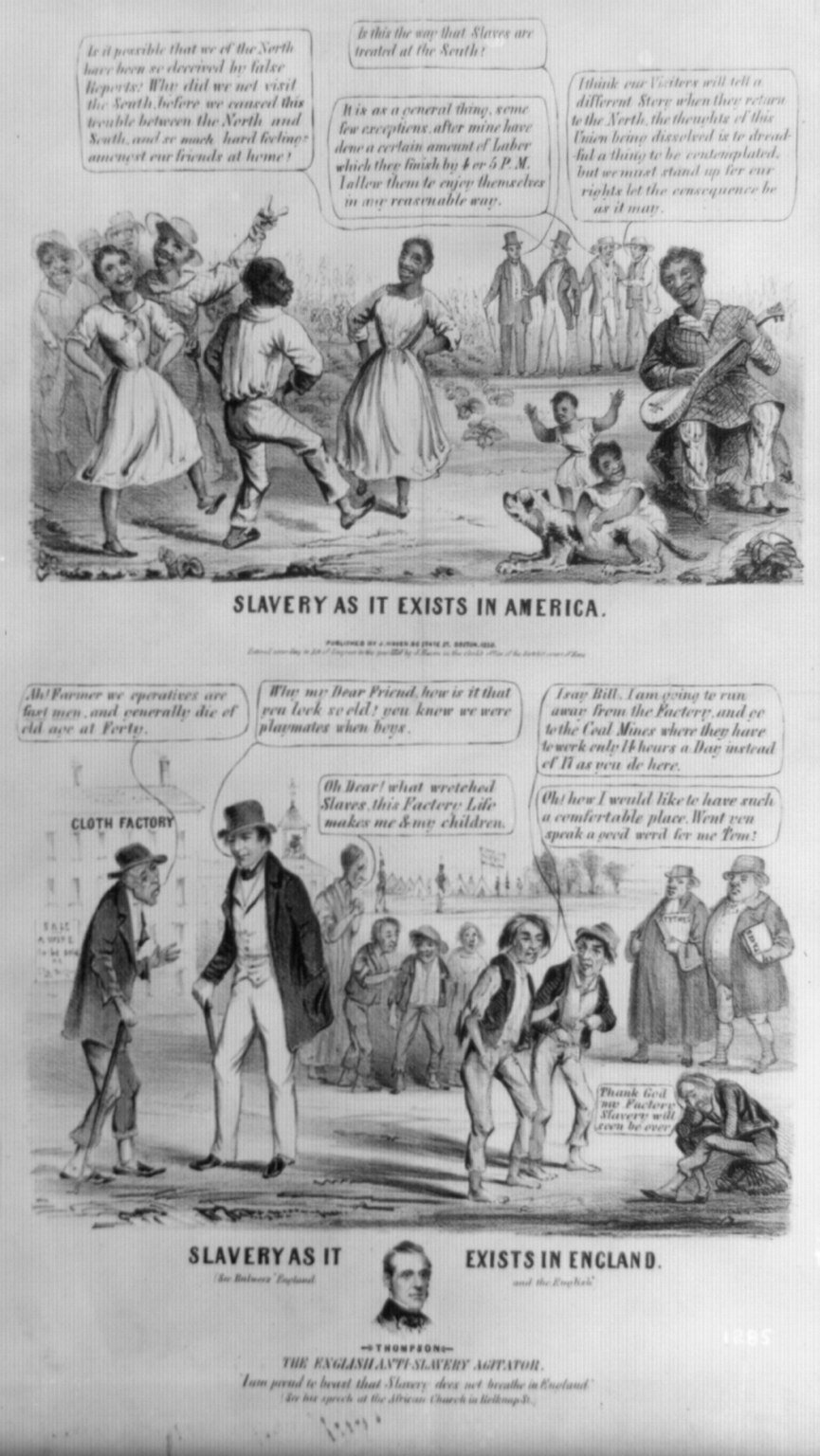
Let’s be real: the Industrial Revolution was not a clean story of progress. The Second Industrial Revolution fueled the Gilded Age, a period of great extremes: great wealth and widespread poverty, great expansion and deep depression, new opportunities, and greater standardization. Economic insecurity became a basic way of life as the depressions of the 1870s and 1890s put millions out of work or reduced pay.
Rapid urbanization brought significant challenges, as overcrowded cities suffered from pollution, inadequate sanitation, miserable housing conditions and a lack of safe drinking water. Meanwhile, even as industrialization increased economic output overall and improved the standard of living for the middle and upper classes, poor and working class people continued to struggle. It’s a tension that honestly never fully resolved itself, and one that echoes in economic debates even today.
Economic historians agree that the onset of the Industrial Revolution is the most important event in human history, comparable only to the adoption of agriculture with respect to material advancement. That is a bold claim, but when you consider how thoroughly it reshaped everything from global trade to family structure to political power, it is hard to argue against it.
A World Remade: The Lasting Conclusion
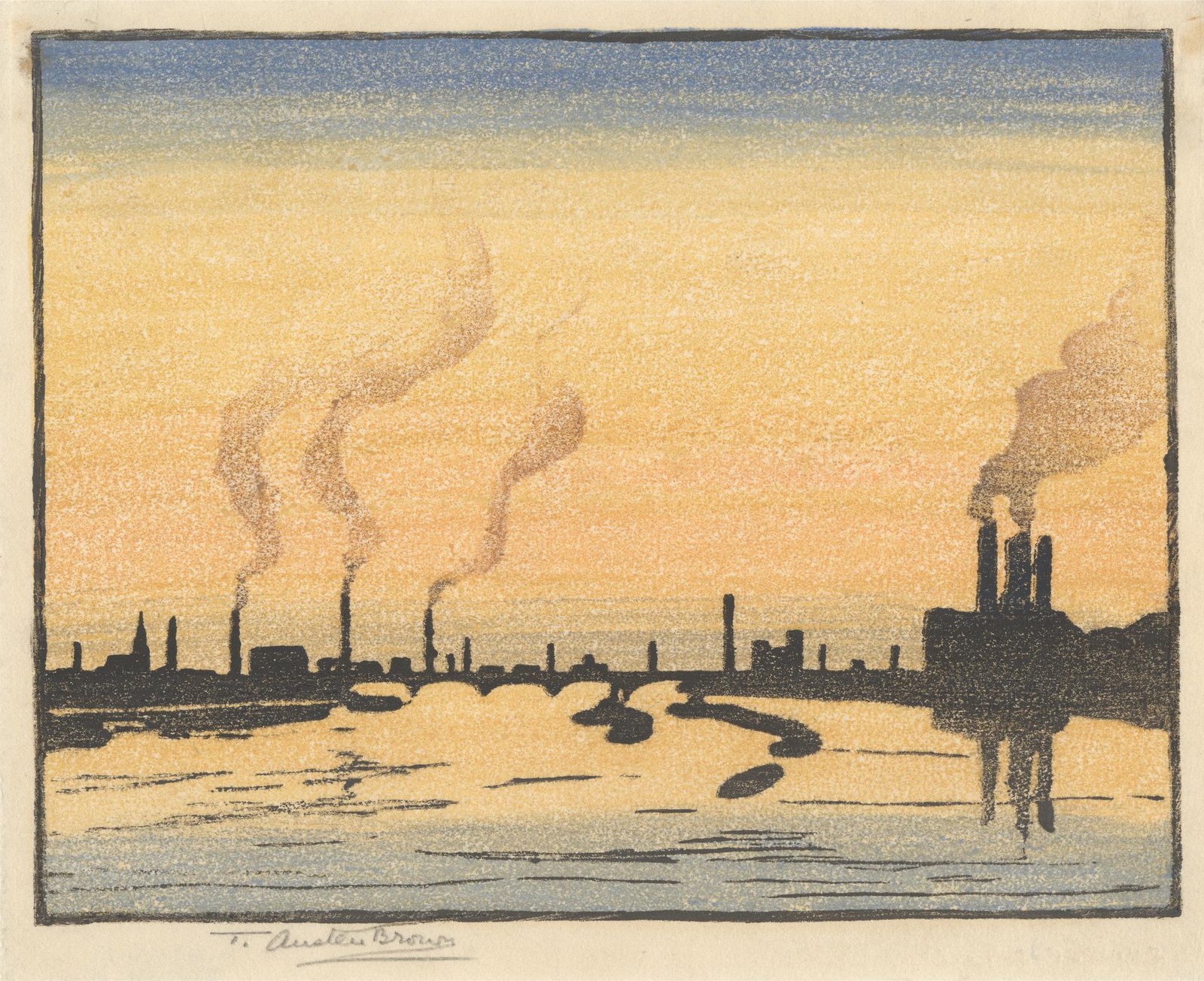
The American Industrial Revolution, which involved major changes in transportation, manufacturing, and communications, transformed the daily lives of Americans as much as, and arguably more than, any single event in U.S. history. Yet its reach extended far beyond American borders. It gave the world a new template for economic organization, one built on mass production, wage labor, and technological acceleration.
The advent of industrial development revamped patterns of human settlement, labor and family life. The changes set in motion by industrialization ushered Europe, the United States of America, and much of the world into the modern era. It is nearly impossible to find a corner of contemporary life that does not bear some trace of those transformative decades.
By the early 20th century, the U.S. had become the world’s leading industrial nation. That position would shape every major geopolitical event that followed, from the outcome of two World Wars to the structure of the modern global economy. The factories, railroads, and labor movements of 19th-century America did not just build a nation. They built the framework of the world we still inhabit.
I think what makes this story so endlessly compelling is that it was not guided by any single grand plan. It was messy, contradictory, painful, and brilliant all at once. The same era that produced Edison’s light bulb also produced child labor in coal mines. The same railroad that connected a continent also displaced entire communities. Progress, it turns out, has always been complicated. What would the world look like today if America had never industrialized? It’s worth thinking about.
CEO-Co-Founder
