


- 15 Forgotten Musical Instruments That Deserve a Comeback on Today’s Charts - March 25, 2026
- 10 Most Iconic American Books Ever Written - March 25, 2026
- 10 Little-Known Gardening Secrets That Professional Growers Swear By - March 25, 2026
Close your eyes for a moment and picture the United States. You probably see all fifty states sprawled across the North American continent. Alaska up north, Hawaii floating in the Pacific. That’s it, right?
Wrong. There’s an entire hidden dimension to America that most people never think about. Scattered across the oceans, from the Caribbean to the far reaches of the Pacific, sit lands that belong to the United States but aren’t states. They’re called territories. And millions of people live there, calling themselves Americans, yet facing a reality that’s strikingly different from their counterparts on the mainland.
The Five Major Inhabited Territories

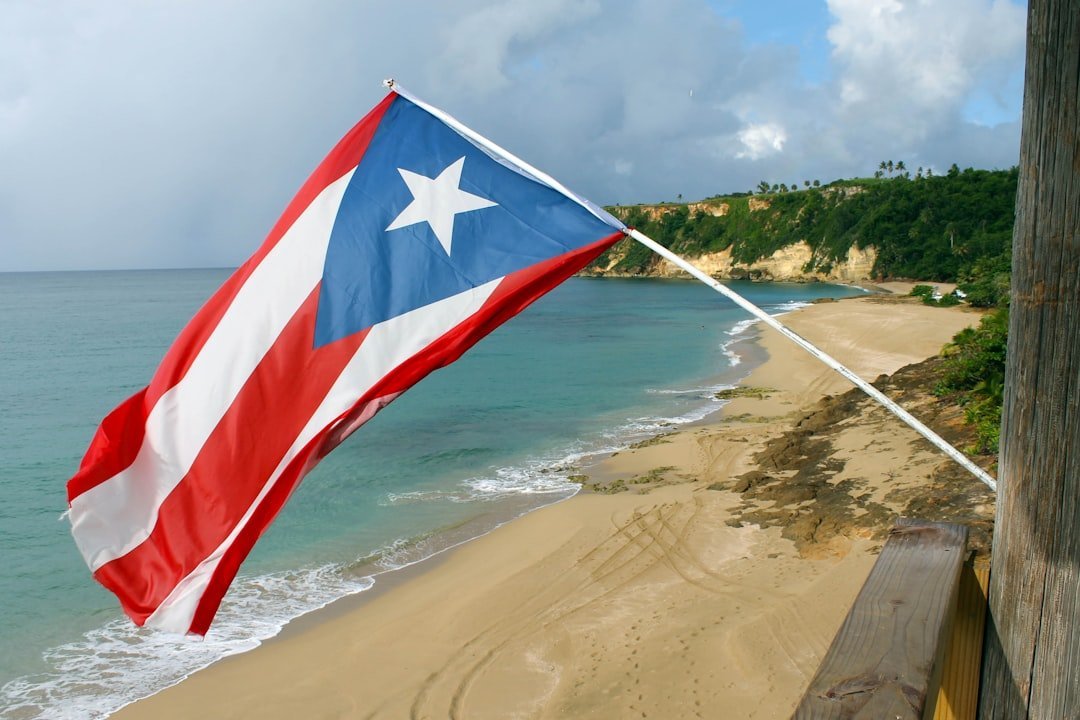
Currently, five U.S. territories are permanently inhabited: American Samoa, Guam, Northern Mariana Islands, Puerto Rico, and the U.S. Virgin Islands. These territories are home to more than 3.6 million people.
Puerto Rico stands out as the giant among them. With an estimated 3.2 million residents, it remains America’s most populous territory. Guam and the Northern Mariana Islands sit thousands of miles away in the Pacific, strategically positioned between Hawaii and the Philippines. The U.S. Virgin Islands float in the turquoise waters of the Caribbean. American Samoa, the most remote of all, lies closer to New Zealand than to Hawaii.
How America Got These Lands
Let’s be real. These territories didn’t just magically become American property.
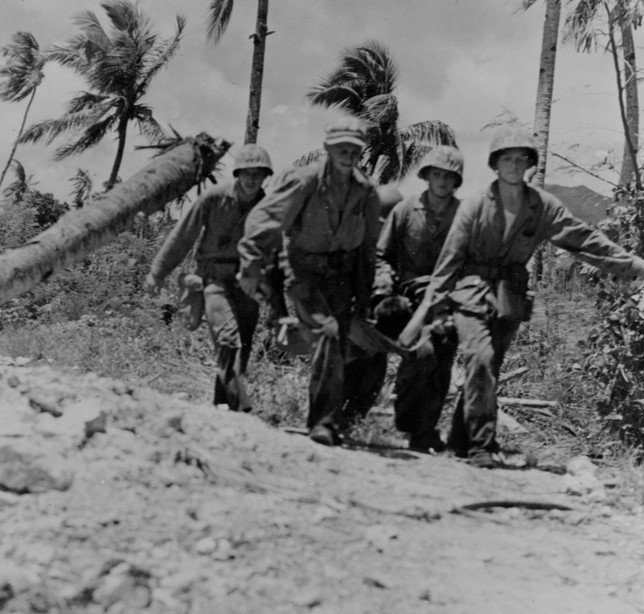
After the Spanish-American War in 1898, the United States formally took control of both Puerto Rico and Guam under the Treaty of Paris that ended Spanish colonial rule. The war transformed America from a continental nation into an imperial power practically overnight. American Samoa came through a different route, with the Deed of Cession signed on April 17, 1900. That same year, the United States annexed American Samoa as part of an agreement with Germany to partition the Samoan Islands.
The Northern Mariana Islands followed a more complicated path through colonization. These islands were part of the Trust Territory of the Pacific Islands administered by the United States after World War II, and they elected to become a commonwealth in a public referendum in 1975, becoming a formal U.S. possession on November 4th, 1986.
The Constitutional Power Behind Territorial Control
The Territorial Clause found in Article IV, Section 3, clause 2 of the U.S. Constitution grants Congress plenary authority to make all needful Rules and Regulations respecting the Territory or other Property belonging to the United States. Think about that phrase for a second. ‘Property belonging to the United States.’
Legally and under the U.S. Constitution, a territory is simply a piece of land belonging to the United States. It is not a state, and it is not a country. It is a possession of the United States, a piece of land owned by the nation.
This is where things get uncomfortable for a lot of Americans. The word ‘possession’ doesn’t exactly align with modern democratic values. It sounds colonial, because frankly, that’s what it is.
Citizenship: Who Gets It and Who Doesn’t
Here’s where the story gets really interesting.
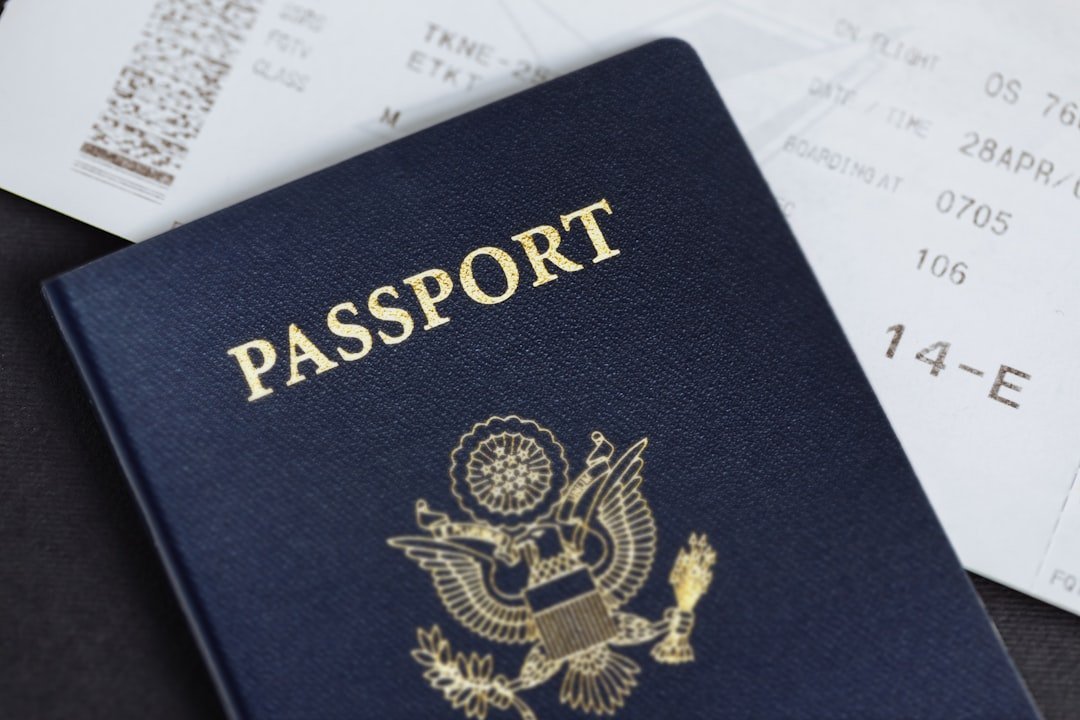
Individuals born in each of the five territories, with the exception of American Samoa, are considered to be United States citizens. That means people born in Puerto Rico, Guam, the Northern Mariana Islands, and the U.S. Virgin Islands are Americans from birth, just like someone born in Texas or California.
American Samoa stands alone as the exception. American Samoa is an unincorporated, unorganized territory where only certain parts of the U.S. Constitution apply, and individuals born there are United States nationals, rather than citizens. This means that they can travel to and work in the U.S. without a visa and are protected by federal laws, but they do not have the full rights of citizenship and cannot vote in federal elections.
The distinction might seem technical, but it matters enormously to the people affected by it.
Political Representation and Voting Rights
Being a U.S. territory means living in a strange political twilight zone.
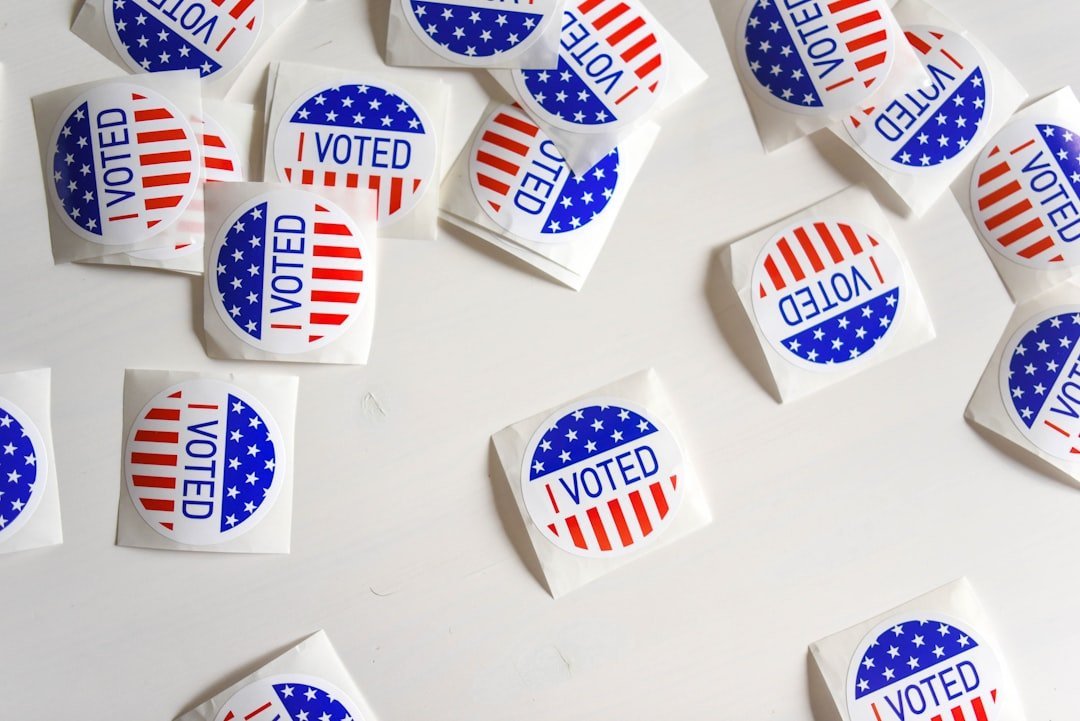
Voters in all five territories elect governors and territorial legislatures, but they are not represented in the electoral college and thus do not cast votes for President, although eligible voters may participate in party primaries. Popularly elected Delegates represent each of the five territories in the House of Representatives. However, these delegates cannot vote on final legislation.
Territorial residents send delegates to the House, but they have no vote, and cannot vote in the general election for president, despite being citizens in four of the five territories. Imagine being an American citizen, serving in the U.S. military, paying into Social Security, but having zero say in who becomes president or what laws get passed in Congress.
The Insular Cases: A Troubling Legal Legacy
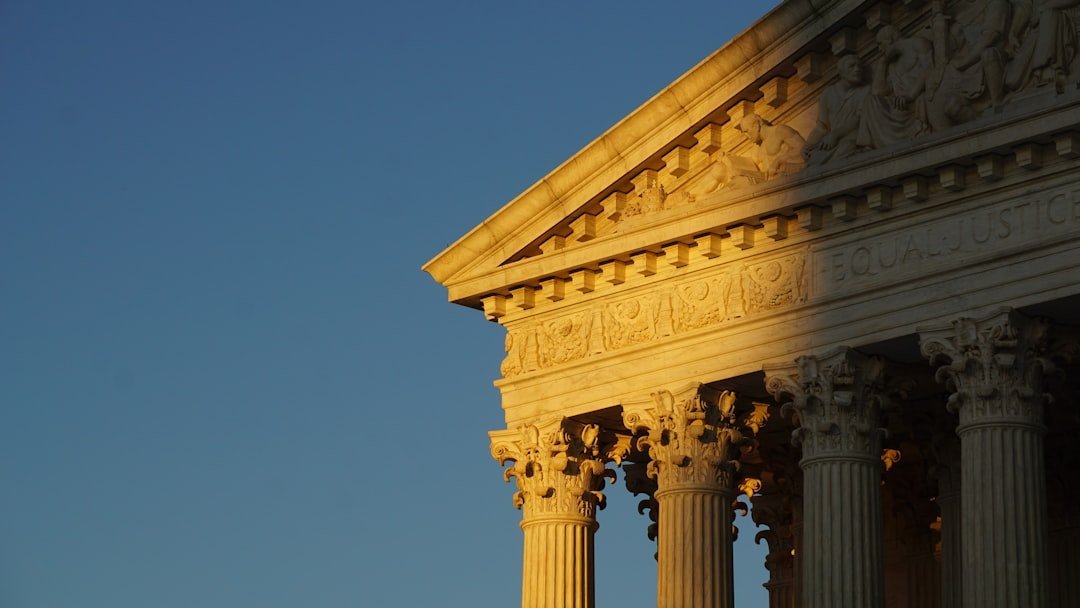
The legal framework governing territories rests on a series of Supreme Court decisions from the early 1900s known as the Insular Cases.
In 1901, the Supreme Court began to affirm a new vision of territorial expansionism in the Insular Cases, ruling that so long as a territory remained a foreign location, birth in that territory was equivalent to birth outside the United States. The cases created a distinction between ‘incorporated’ territories destined for statehood and ‘unincorporated’ territories where the Constitution only partially applies.
In one of these cases, the Court expressed doubt that possessions inhabited by alien races differing in religion, customs, laws, and methods of thought could share in the administration of government. The racial prejudice embedded in these decisions is undeniable. In 2022, Justice Gorsuch urged the Supreme Court to overrule the Insular Cases, calling them shameful and stating they rest on a rotten foundation.
What It Means to Be a Territory Today
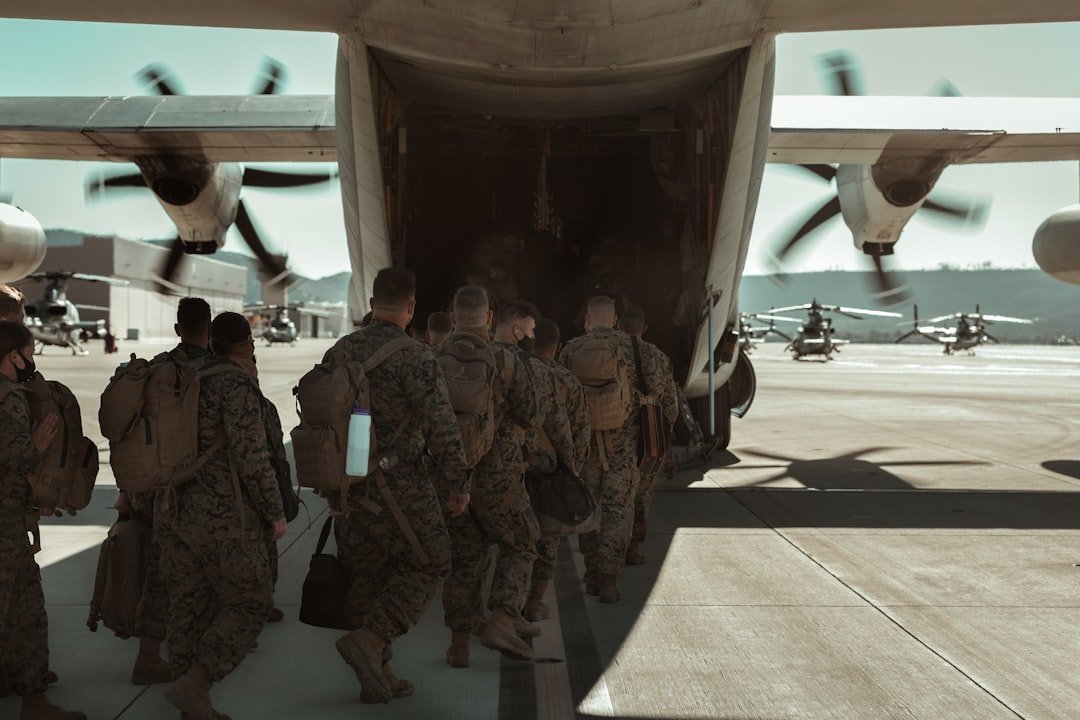
Residents of U.S. territories do not pay federal income taxes, but they may serve in the U.S. military and are subject to most federal laws. That sounds like a mixed bag, and in many ways it is.
Territories do not have sovereignty, and there are significant limitations when a land is a territory rather than a state. Congress can pass laws affecting the territories without their consent. Federal programs sometimes exclude territorial residents from benefits available to state residents. The Supreme Court ruled in 2022 that Congress is not required to extend all benefits to Puerto Ricans, and that the exclusion from the Supplemental Security Income program was constitutional.
Economic and Political Challenges
While some federal statistics are available for the territories, their coverage is less comprehensive than the data available for the 50 states and the District of Columbia, differences that some Members of Congress have expressed interest in considering. This data gap affects everything from federal funding allocations to business development.
Guam, the U.S. Virgin Islands, and American Samoa are listed by the United Nations as three of the seventeen remaining non-self-governing territories, a technocratic word for colonies. Puerto Rico was removed from that list under circumstances that remain controversial. The United States misrepresented its political status to the United Nations after Puerto Rico enacted a Constitution, claiming it was fully self-governing when Congress continued to view itself as having near unrestricted powers.
Let’s be honest here. Having the UN call your territories colonies doesn’t exactly match the American self-image as a champion of democracy and freedom.
The Path to Statehood

Thirty-one territories or parts of territories have eventually become states throughout American history. In the 20th century, Oklahoma, New Mexico, Arizona, Hawaii, and Alaska all made the jump from territory to state.
The debate over Puerto Rico statehood proposals has been the most prominent territorial status topic in recent Congresses, generally focusing on which processes voters should use to indicate their status preference and whether Congress wishes to consider a status change. Puerto Rico has voted twice, in 2012 and in 2017, to become a state, and the government of Puerto Rico formally requested statehood in 2018.
Yet nothing has happened. Puerto Rico continues to be a territory of the United States.
Cultural Preservation vs. Full Constitutional Rights
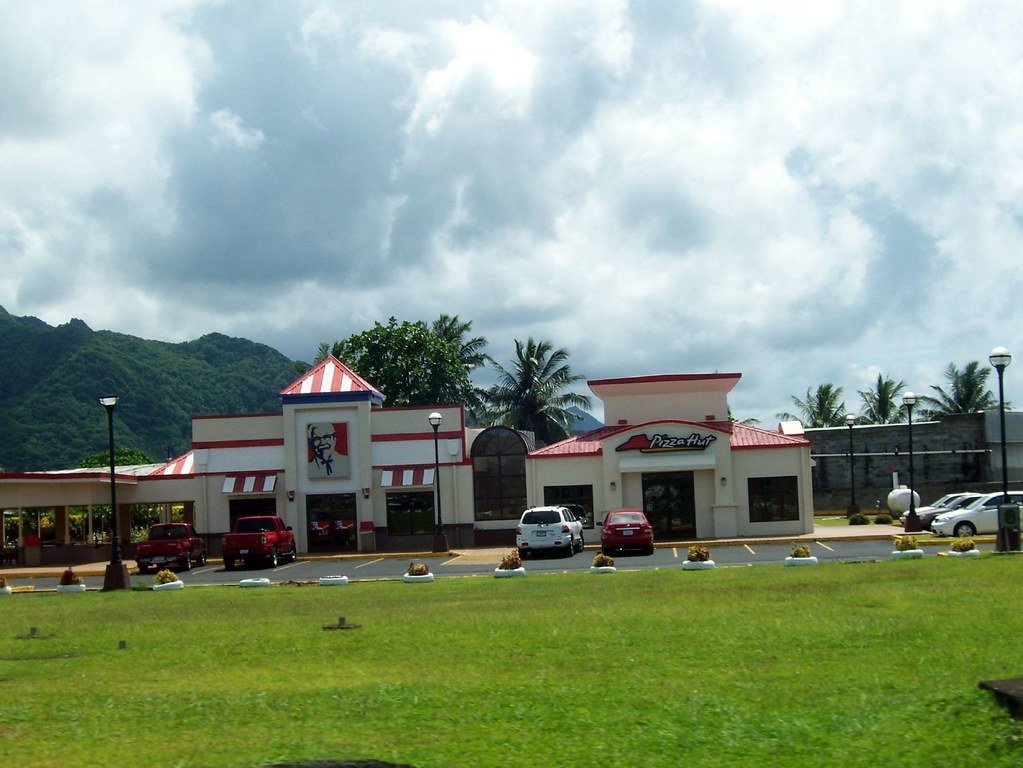
Several territories retain collective or trust ownership of native or indigenous lands, speak their indigenous or native languages, and retain indigenous cultural practices which might not survive under full incorporation to the United States framework. This creates a genuine tension.
Some American Samoans argue that maintaining their current status protects traditional land ownership systems and indigenous governance structures. Others counter that constitutional protections can coexist with cultural preservation. The argument that Equal Protection is a threat to culture rests on assumptions that are somewhat dubious.
It’s hard to say for sure, but this debate reveals something important about the complicated relationship between American law and indigenous cultures within U.S. territories.
Strategic Military Value
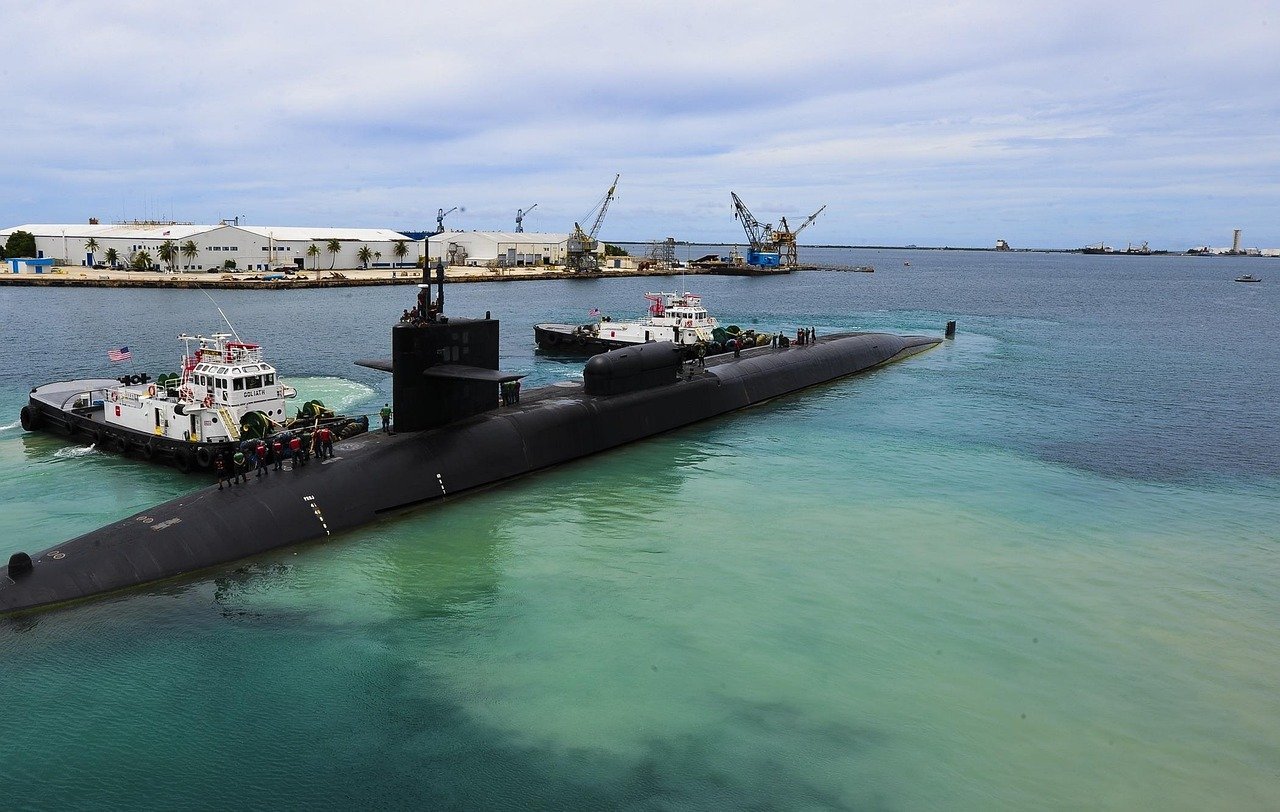
Guam has been a territory since 1899 and is home to Naval Base Guam and Andersen Air Force Base. The military importance of these Pacific territories cannot be overstated. They provide America with strategic footholds thousands of miles from the continental United States.
In the late 1800s, the Samoan islands served as a critical South Pacific coaling station for American vessels, and the archipelago grew in importance after America’s acquisition of the Philippines, making strategic sense for the United States to have other Pacific territories as part of a Pacific colonial network.
The uncomfortable truth is that strategic military value has often trumped the democratic rights of territorial residents in American policy calculations.
A Contrast with Other Models
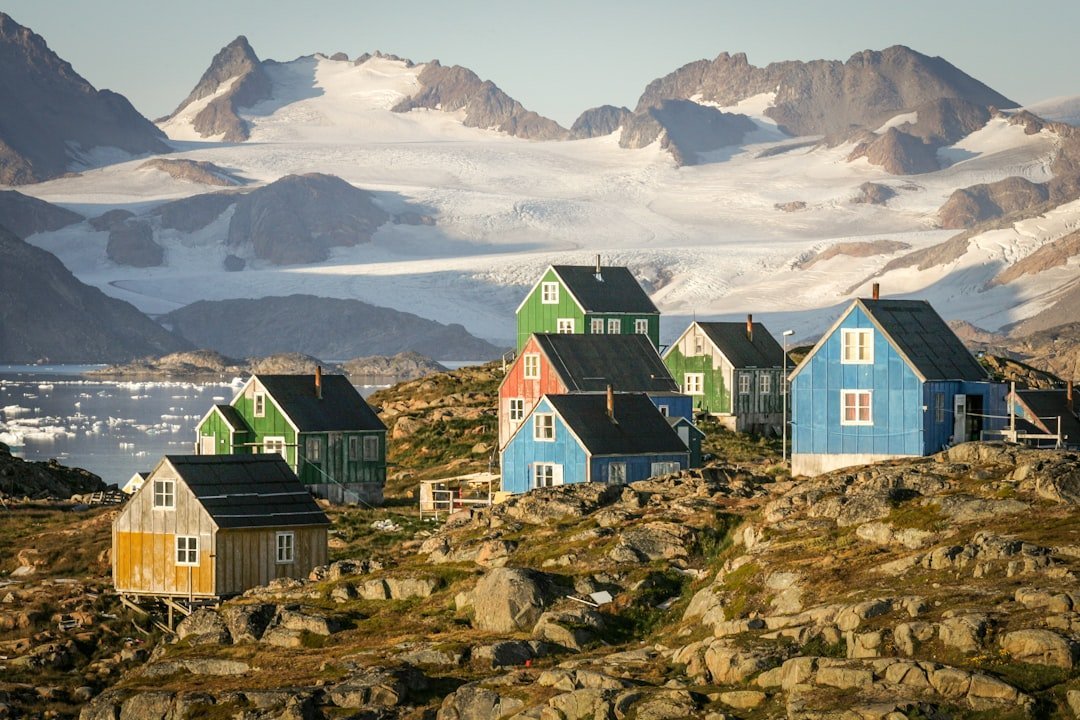
Denmark expressly recognizes Greenland’s right to self-determination, with a legal right to pursue independence through a public referendum at any time, and while the relationship has never been perfect, over time it has transitioned from colonial governance to a framework that centers autonomy. This provides a stark contrast to how the United States treats its territories.
The United States has often made agreements and commitments to people in U.S. territories suggesting significant autonomy and local self-governance only to later act unilaterally over the objection of local communities, consistently falling short of commitments to self-government and mutual consent.
Looking Forward
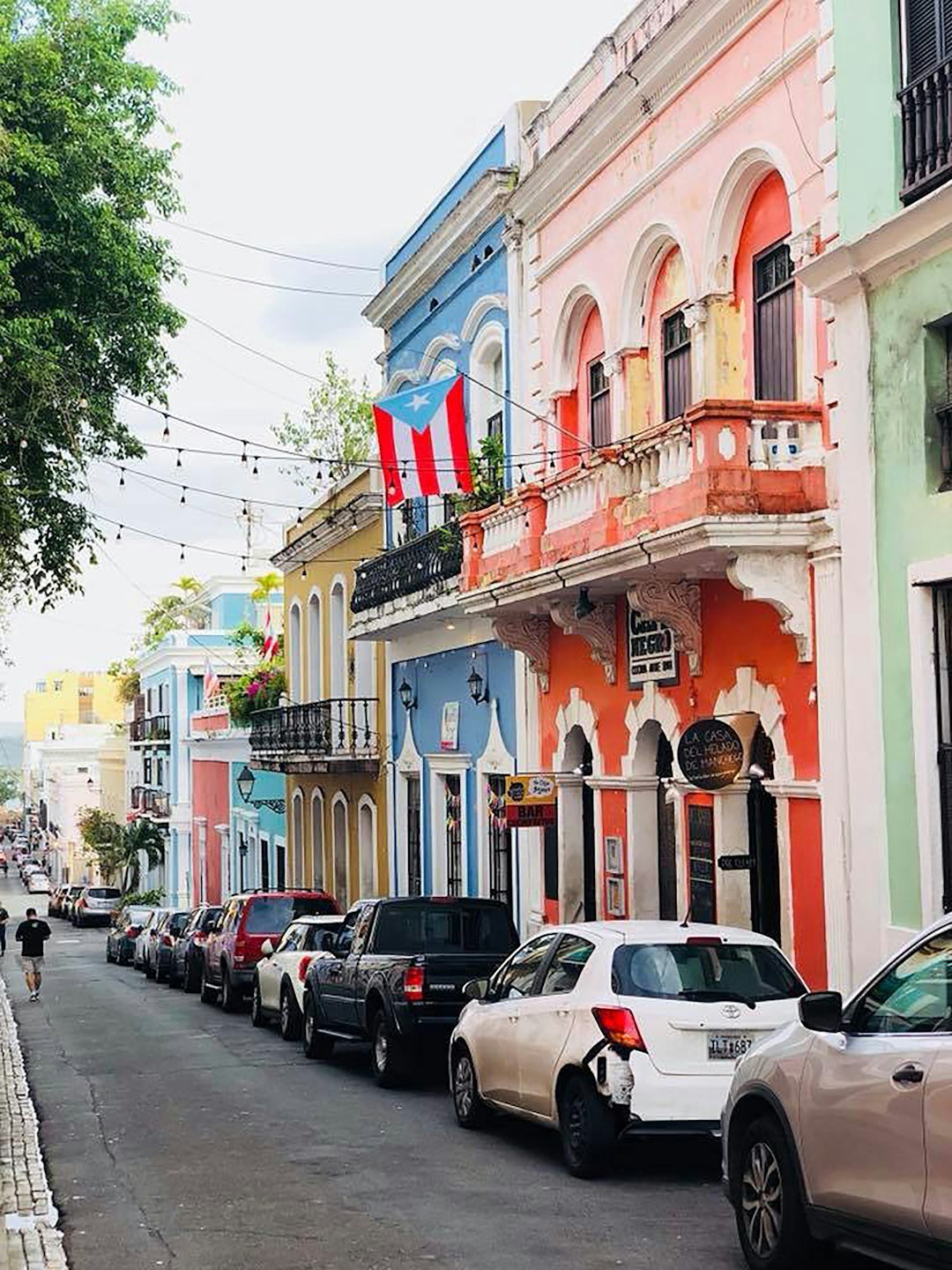
Historically, most U.S. territories have gone on to become states, though most were located in North America and contiguous to other states. With Alaska and Hawaii’s admission in 1959, the idea of non-contiguous states became real. Of current territories, only Puerto Rico has a reasonable chance of becoming a state.
The relationship between the United States and its territories remains fundamentally unresolved in 2026. These are lands and people who belong to America but don’t fully participate in American democracy. They serve in American wars but can’t vote for the commander-in-chief. They live under American sovereignty but without full constitutional protections.
This isn’t ancient history. It’s happening right now, to millions of American citizens and nationals who wake up every day in this strange limbo between full membership and colonial possession. The question isn’t whether this system is broken. The question is whether anyone on the mainland cares enough to fix it.
What would you do if you were born American but couldn’t vote for president? How long would you accept that arrangement before demanding change?

Besides founding Festivaltopia, Luca is the co founder of trib, an art and fashion collectiv you find on several regional events and online. Also he is part of the management board at HORiZONTE, a group travel provider in Germany.
