
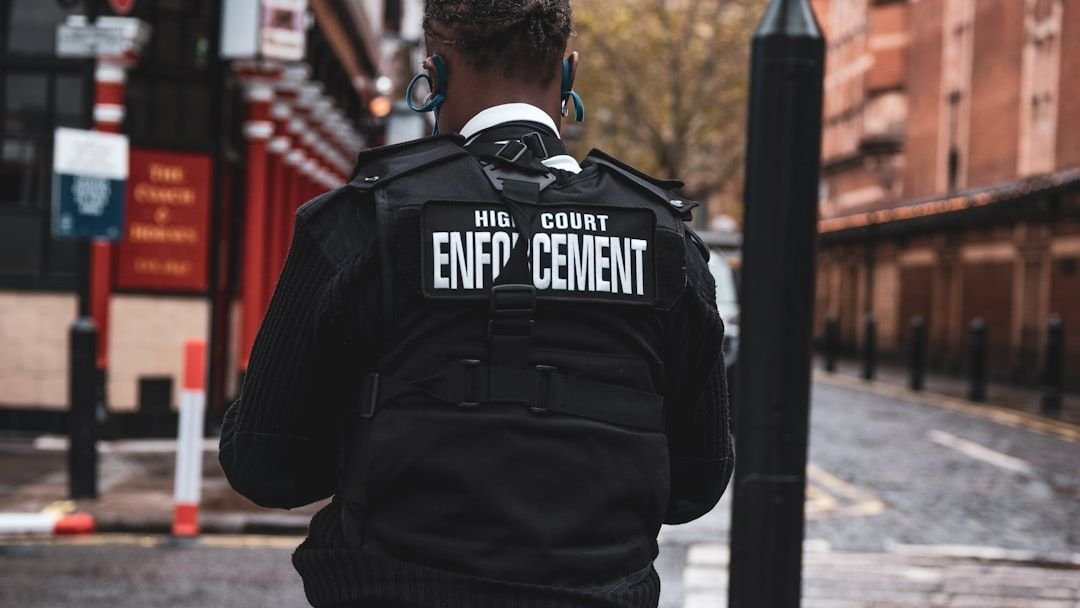
Your phone rings. It’s someone who says they’re a U.S. Marshal. They’ve got your address, a case number, and they sound official. Oh, and there’s a warrant for your arrest because you missed jury duty. Unless you pay right now, they say, you’re going to jail.
Here’s the thing: it’s all fake. Every last word of it.
The Scam That Sounds Too Real
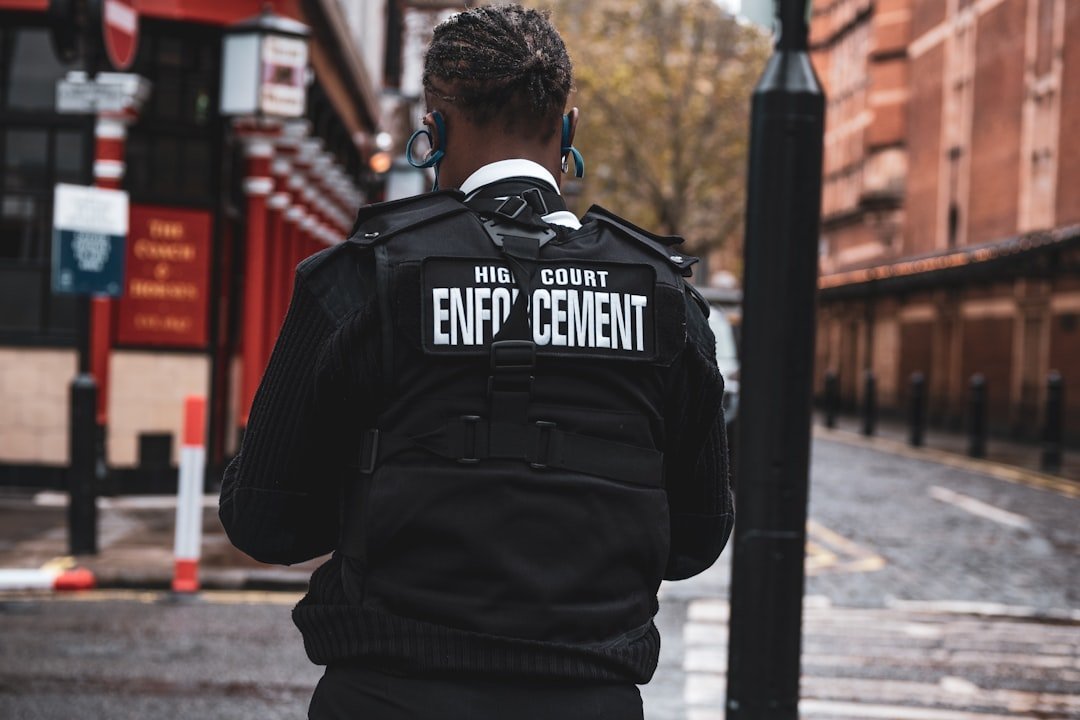
Scammers claiming to be U.S. Marshals or court officers are contacting people across the country, telling them they have outstanding warrants and need to pay a fine to prevent arrest. In recent cases, scammers have even emailed fraudulent arrest warrants that appear to originate from a local district containing case numbers and an active judge’s alleged signature. They’re pulling out every trick to make it look legitimate.
These messages come via phone, text, or email. They may provide information like badge numbers, case numbers, names of actual law enforcement officials, public servants, and federal judges. Some of the fraudulent warrants have a section at the bottom informing recipients that fines can be paid via Bitcoin.
Think about that for a second. A court document telling you to pay in Bitcoin. It would be laughable if it weren’t so dangerous.
How They Make It Look Convincing

Scammers use technology to modify what number appears on your caller ID to impersonate phone numbers from friends, local businesses, and law enforcement to appear legit. This tactic is called neighbor spoofing. So when your phone screen shows the local courthouse number, you’re actually talking to a con artist sitting who knows where.
The sender may identify themselves as a Deputy U.S. Marshal, law enforcement official, court officer, or even a federal judge. The documents may appear to be official looking and credible and may include names of actual judges, law enforcement officers and courthouse addresses.
Let’s be real: they’ve done their homework. These aren’t amateurs.
The Payment Demand That Should Set Off Alarms
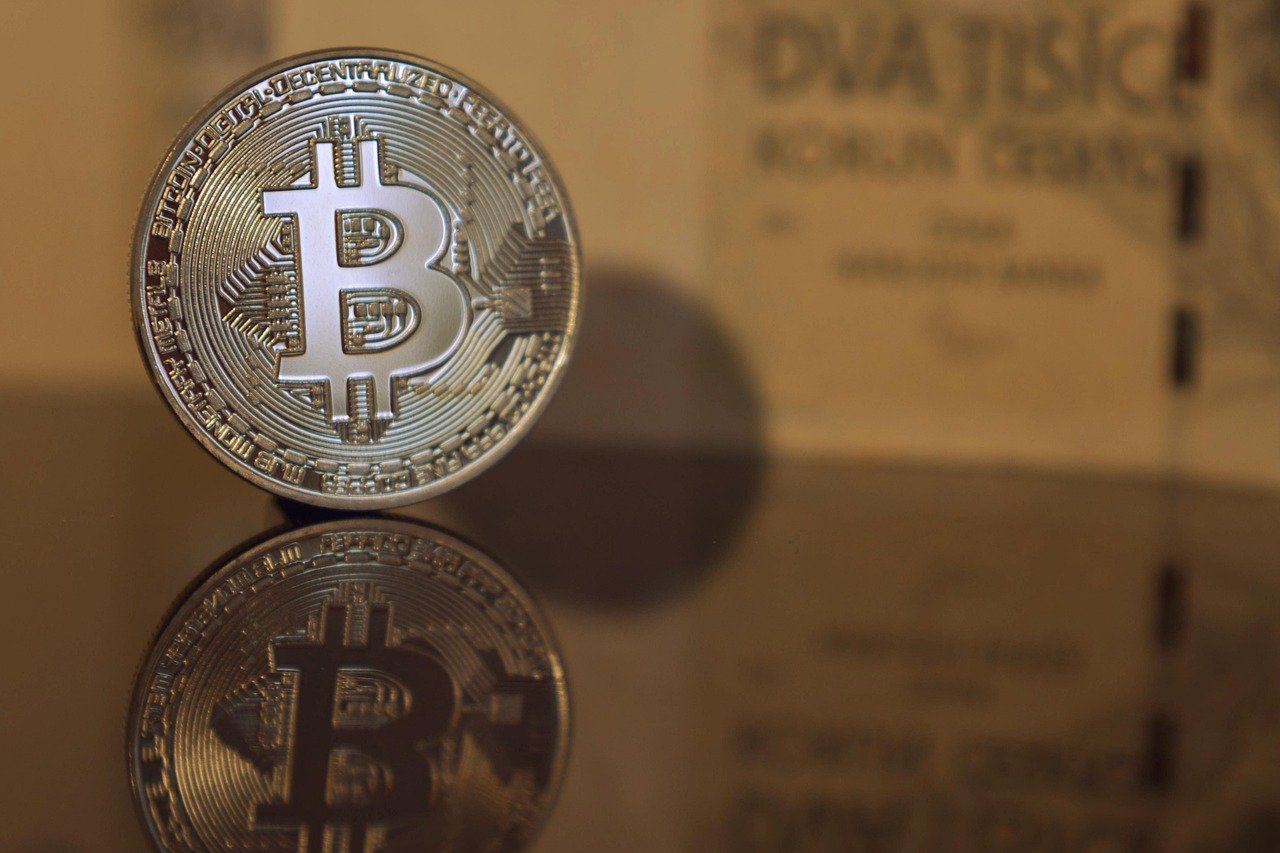
Scammers attempt to collect a fine in lieu of arrest by requesting a wire transfer of funds or purchase of prepaid debit cards, such as a Green Dot card or gift card. Recently scammers have requested payment via Bitcoin. Some tell victims to meet them at the courthouse with the cards in hand.
U.S. Marshals will never ask for credit, debit card, gift card numbers, wire transfers, bank information, or Bitcoin for any purpose. Period. Courts never ask you to pay over the phone. That’s the clearest red flag you could hope for.
If someone’s demanding immediate payment to avoid arrest, that’s your signal to hang up.
Why This Scam Works

Honestly, it’s all about fear and urgency. The scammers threaten recipients with fines and jail time if they do not comply. Nobody wants to go to jail, especially over something that sounds as mundane as missed jury duty.
Elderly North Carolinians are often targeted and particularly vulnerable to this scam, but anyone can be duped by the clever perpetrators. Members of the public have reported being scammed out of thousands of dollars. Busy professionals get these calls during their workday and panic. Older adults who trust authority figures are especially at risk.
The scammers often call after hours, when courthouses are closed and you can’t easily verify anything. These scam phone calls often occur in the evening, after courthouses have closed and employees have gone home for the night.
How Real Courts Actually Operate

Valid arrest warrants are only served in person by law enforcement personnel and are never served by any electronic method, such as email or text. In North Carolina, official jury summonses, as well as failure to appear notices, are always delivered to your home or post office box by first class mail.
A prospective juror who disregards a summons will be contacted by the District Court Clerk’s Office by mail and may be ordered to appear before a judge, with such an order always being in writing and signed by the judge, and a fine will never be imposed until after an individual has appeared in court.
Real courts move slowly and deliberately. They don’t call you out of the blue demanding immediate payment. There are processes, paperwork, and plenty of opportunities to respond.
What To Do If You Get One of These Calls

If you get a call or email like this, don’t respond and don’t pay or give them any personal information. Hang up immediately. Don’t engage, don’t argue, just end the conversation.
If you think a call or email could be real, check the court’s website for jury duty information or call the court directly at a number you know is correct. Look up the courthouse number yourself. Don’t use any contact information the caller provides.
If you believe you were a victim of a scam, report the incident to your local FBI office and file a consumer complaint with the Federal Trade Commission. They can track patterns and potentially stop these criminals before they hit more victims.
The Growing Threat
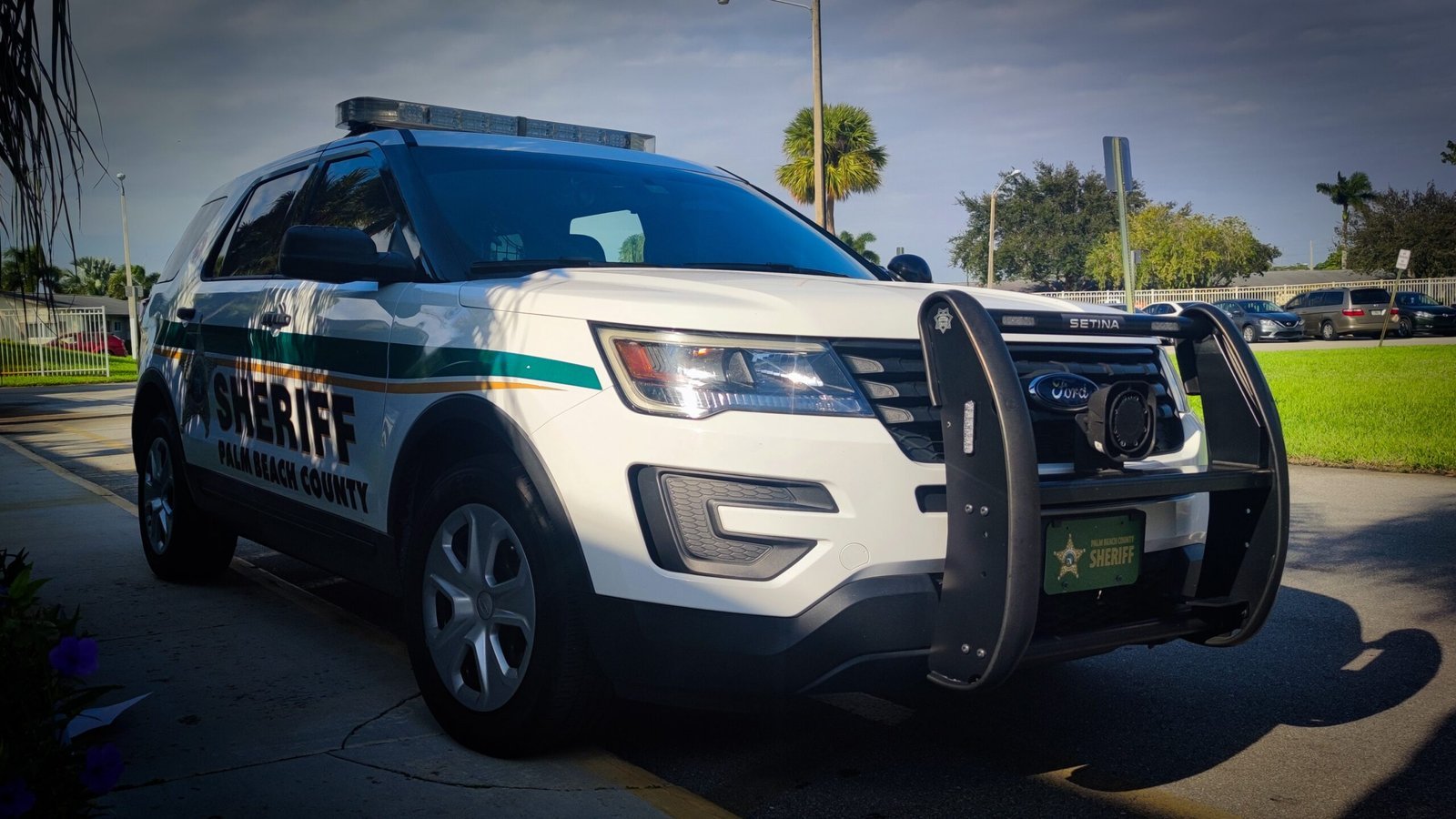
This isn’t a new scam, yet it keeps resurging because it works. Sheriff’s offices in North Dakota are warning the public about a rise in scam calls about jury duty just this past week. The United States Marshals Service and United States District Court will never call to request payment of fines over the telephone, yet people continue to fall for these schemes.
Law enforcement officials across multiple states have issued alerts. The Middle District of Florida has recently received an increased number of phone calls from victims regarding these scams. It’s happening everywhere, from Washington State to North Carolina to Hawaii.
Think about your elderly parents or grandparents. Would they know this is a scam? Probably not immediately. That’s exactly what these criminals count on.
Stay One Step Ahead

The best defense is knowledge. Now you know that no legitimate court or law enforcement agency will ever demand payment over the phone, especially not in gift cards or cryptocurrency. You know that real warrants aren’t served by email. You know that caller ID can be faked.
Federal courts do not require anyone to provide any sensitive information in a telephone call or email. Neither do state courts. Court officials and law enforcement officers never make phone calls to threaten arrest or warn you of an impending arrest for failing to appear for jury service or any other infraction.
If something feels off about a call, it probably is. Trust your instincts. It’s better to be cautiously skeptical than to lose hundreds or thousands of dollars to a scammer who’s playing on your fears. The moment someone demands immediate payment to avoid arrest, you know exactly what you’re dealing with. What would you do if you got one of these calls today? Have you talked with your family about spotting these scams?