

- 15 Scenic Spring Destinations in Virginia - August 13, 2026
- 15 Inspiring Native American Quotes That Will Give You Something to Think About - August 13, 2026
- Beatles or Rolling Stones: A Fact Driven Comparison of Rock’s Biggest Rivals - August 13, 2026
The debate between the Beatles and the Rolling Stones has run for decades, fueled by sales numbers, hit counts, and lasting influence. Both bands emerged from the same British scene in the early 1960s, yet their paths diverged sharply in output, style, and endurance.
Objective measures such as record sales, chart performance, and documented influence offer a clearer picture than fan loyalty alone. This comparison sticks to verifiable details across several key areas.
Record Sales and Commercial Reach

The Beatles moved roughly 600 million records worldwide during their active years and beyond. Their catalog continues to generate steady revenue through reissues and streaming, reflecting broad and sustained appeal across generations.
The Rolling Stones have sold an estimated 200 to 250 million records. Their commercial strength shows most clearly in consistent touring income rather than pure album units, with several late career releases still charting respectably.
- Beatles estimated worldwide sales: ~600 million records
- Rolling Stones estimated worldwide sales: ~200–250 million records
- Revenue driver today: Beatles lean on catalog streaming/reissues; Stones lean on touring
Chart Performance and Hit Counts
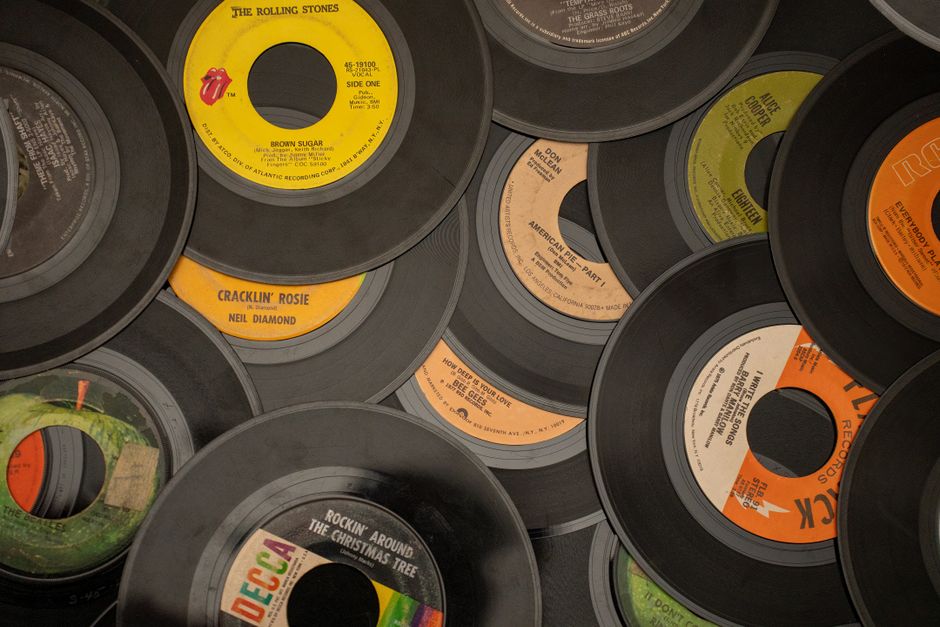
The Beatles secured 20 number one singles on the Billboard Hot 100 in the United States. Their run of consecutive chart toppers during the mid 1960s remains unmatched by most acts from that era.
The Rolling Stones reached the top spot only eight times on the same chart. Their singles often performed better on album oriented rock formats, where deeper cuts and album tracks found stronger traction over time.
The Beatles had 20 #1 hits on the Billboard Hot 100, more than any other artist, while the Stones had 8 Number 1 hits, 23 in the top 10, and 57 ever on the list. In terms of album chart dominance, The Beatles have earned 19 No. 1 albums, also the most in the chart’s history.
| Chart Metric (Billboard Hot 100) | The Beatles | The Rolling Stones |
|---|---|---|
| No. 1 Singles | 20 | 8 |
| Top 10 Hits | 34 | 23 |
| Total Hot 100 Entries | 71 | 57 |
| No. 1 Albums (Billboard 200) | 19 | – |
Creative Output and Innovation
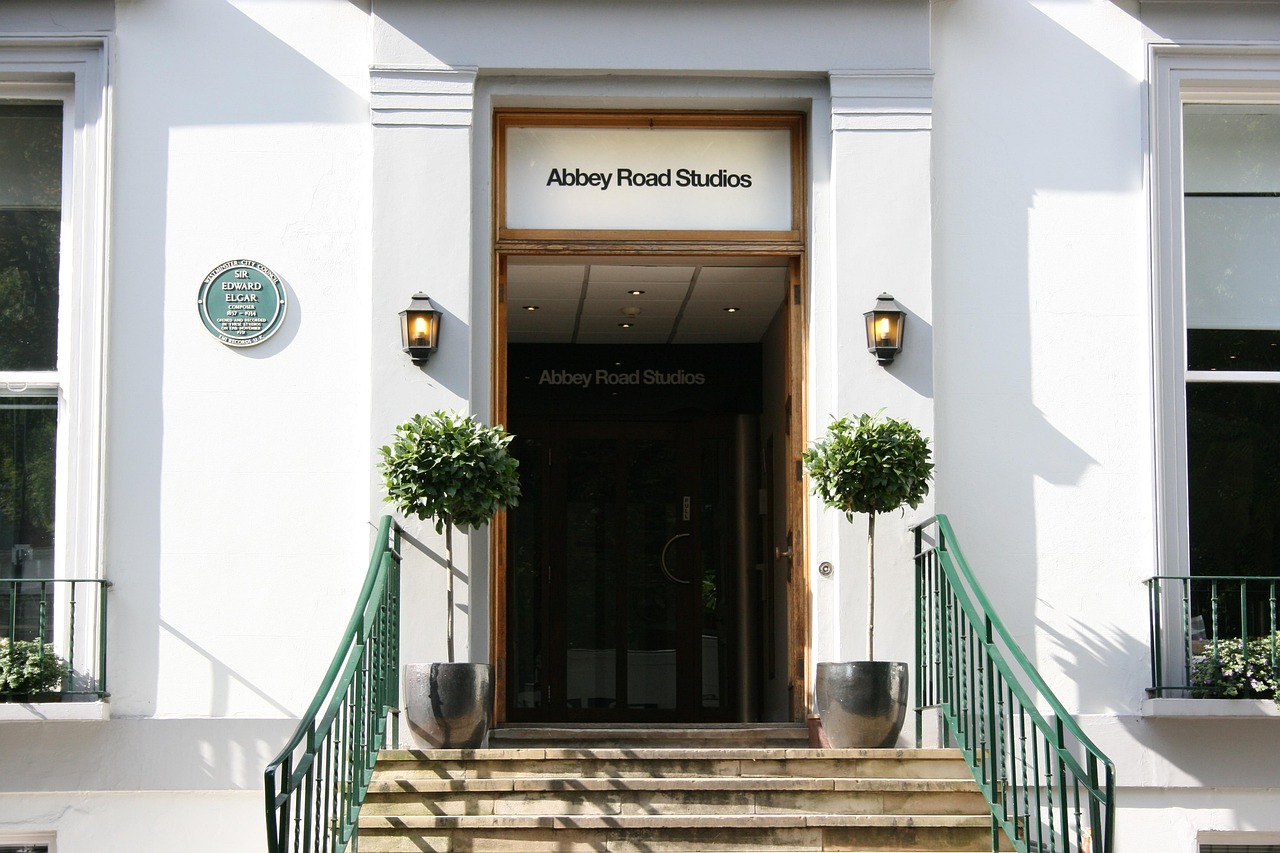
The Beatles released 13 studio albums in just eight years, shifting from straightforward pop to studio experiments like tape loops and orchestral arrangements. This rapid evolution changed how bands approached recording as an art form rather than a live capture.
The Rolling Stones maintained a steadier blues and rock foundation across more than 30 studio albums. Their songwriting leaned on riff driven structures and narrative lyrics, producing classics that adapted well to changing production trends without abandoning core roots.
Influence on Later Artists
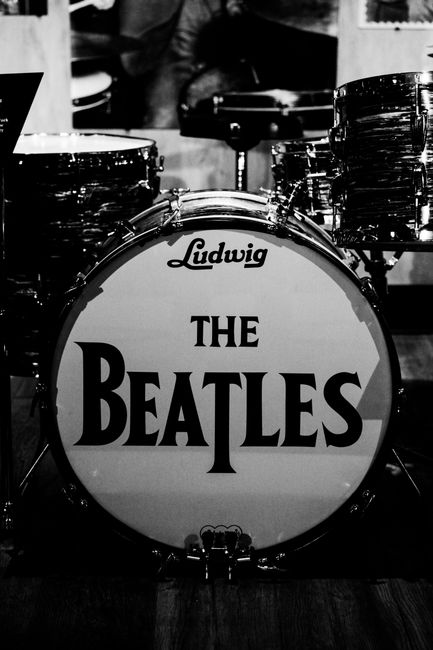
Countless musicians cite the Beatles as a primary spark for their own work, from punk bands embracing concise song structures to indie acts exploring studio techniques. Their catalog appears on countless greatest album lists compiled by critics and publications.
The Rolling Stones shaped generations of guitar driven rock and blues revival acts. Bands across hard rock and alternative scenes often reference their rhythm section and attitude as foundational, though their influence registers more in live performance ethos than in studio innovation.
Longevity and Career Span

The Beatles operated as a unit from 1960 to 1970, delivering their entire studio output in a compressed window. This short span concentrated their impact but limited opportunities for later adjustments or comebacks.
The Rolling Stones have remained active since 1962, with core members still performing into the 2020s. Their ability to sustain touring and recording over six decades sets a benchmark for career longevity in rock music.
- Beatles active years: 1960–1970 (10 years, disbanded)
- Rolling Stones active years: 1962–present (still touring)
- Career length advantage: Rolling Stones, by a wide margin
Global Reach and Cultural Footprint

The Beatles achieved near universal recognition through films, merchandise, and international tours that broke attendance records at the time. Their songs entered everyday language and media in ways few other acts have matched.
The Rolling Stones built a dedicated following through repeated world tours and a consistent visual identity tied to their logo and stage presence. Their cultural presence grew steadily rather than exploding all at once, resulting in a loyal base that spans multiple continents.
The Objective Winner
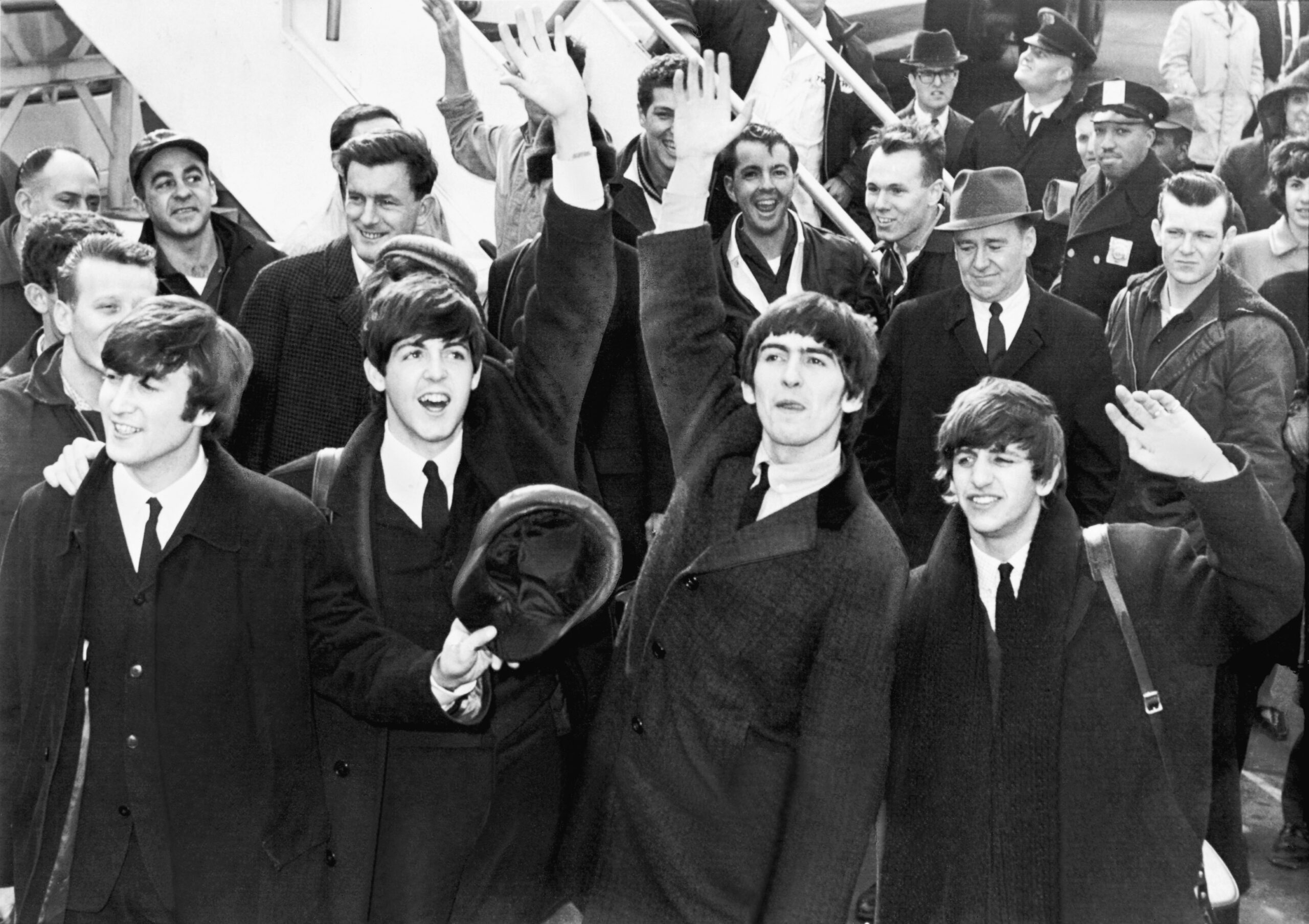
When weighing the metrics side by side, the Beatles hold a measurable edge in concentrated commercial dominance, chart records, and documented influence on recording practices. Their shorter career produced a denser body of transformative work that reshaped expectations for what pop music could achieve.
The Rolling Stones excel in endurance and consistent live delivery, yet the data on sales volume, hit frequency, and immediate cultural shifts favor the Beatles overall. This conclusion rests on the numbers and timelines rather than personal taste.
- Sales: Beatles ahead (~600M vs ~200–250M)
- No. 1 Hits: Beatles ahead (20 vs 8)
- Career Longevity: Rolling Stones ahead (60+ years vs 10)
- Overall Objective Winner: The Beatles

Besides founding Festivaltopia, Luca is the co founder of trib, an art and fashion collectiv you find on several regional events and online. Also he is part of the management board at HORiZONTE, a group travel provider in Germany.
