
Rock songs from decades past often carry layers that go far beyond the surface melody or catchy chorus. Listeners catch the beat and sing along, yet the words sometimes point to something entirely different once the story behind them comes into view.
These hidden threads turn familiar tracks into richer experiences, revealing how songwriters wove personal struggles, social commentary, or unexpected inspirations into their work.
Hotel California by The Eagles

Many people picture a real hotel in California when they hear this song, imagining a luxurious getaway gone wrong or a simple tale of a traveler checking in for the night. The vivid descriptions of wine, candles, and a mysterious woman make it easy to treat the place as literal.
In truth the lyrics sketch a broader portrait of the 1970s California lifestyle, where fame and excess trap people in cycles they cannot escape. The band has described the song as a commentary on hedonism and the loss of innocence that comes with chasing dreams in that scene. The final line about never leaving underscores the idea of being stuck in a seductive but destructive world.
Born in the U.S.A. by Bruce Springsteen
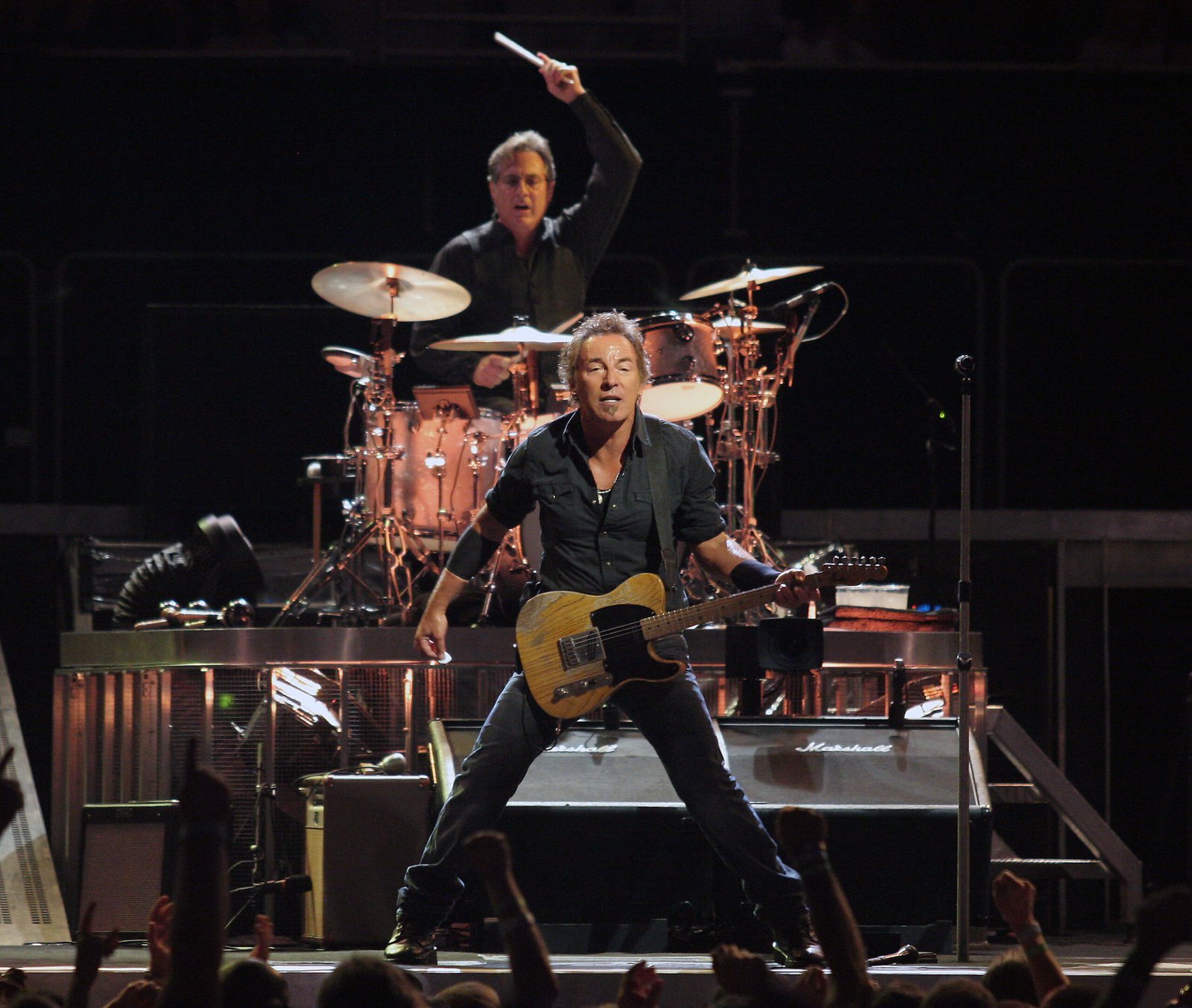
Fans often wave flags and treat this track as a proud anthem celebrating American life and military service. The driving beat and repeated chorus make it feel like a straightforward tribute to the country.
The verses actually follow a working-class man who returns from Vietnam broken and forgotten by the system that sent him there. Springsteen wrote it to highlight the struggles of veterans and the gap between patriotic slogans and real outcomes. The contrast between the upbeat music and the bleak story creates the song’s lasting power.
Lucy in the Sky with Diamonds by The Beatles
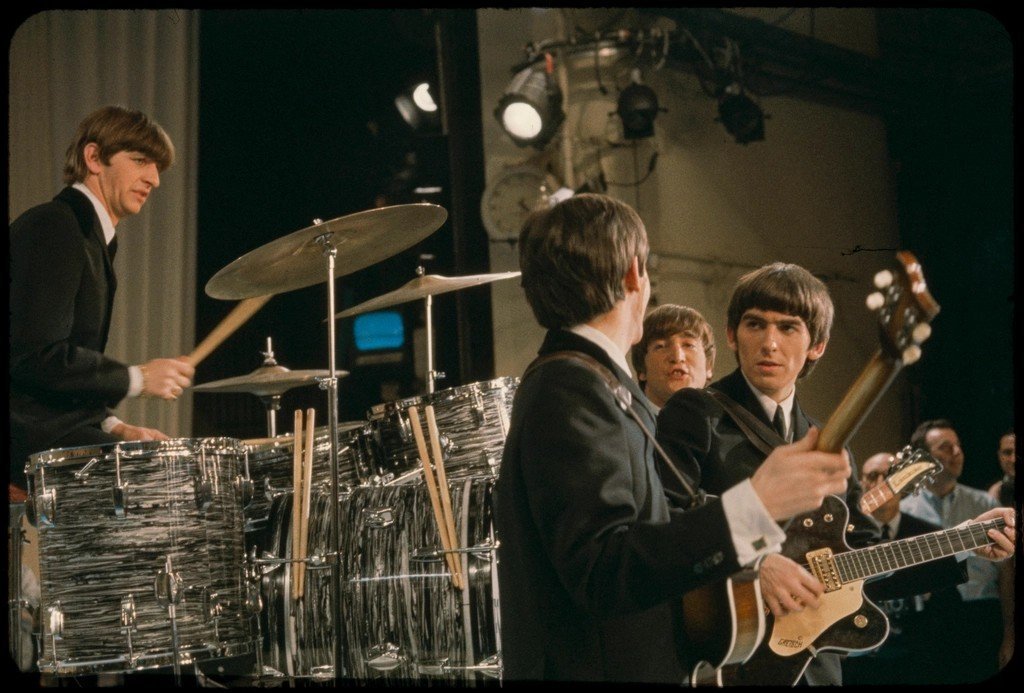
Plenty of listeners assume the title and colorful imagery point straight to an LSD trip, given the era and the band’s known experiments. The floating images of tangerine trees and marmalade skies reinforce that quick interpretation.
John Lennon explained that the song grew from a drawing his young son Julian made at school, showing his classmate Lucy with stars around her head. The lyrics simply capture a child’s imaginative world rather than any drug reference. That origin keeps the track grounded in everyday wonder instead of psychedelic excess.
Puff, the Magic Dragon by Peter, Paul and Mary
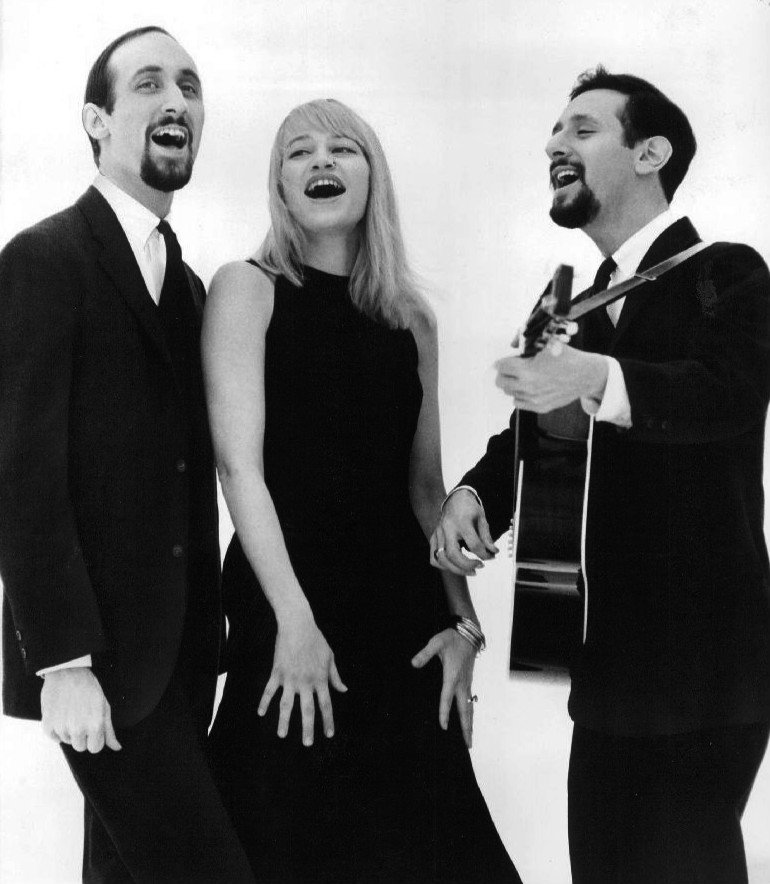
Some hear the song as a coded message about marijuana use, with the dragon’s name and the line about living by the sea sounding like slang to them. The gentle folk melody makes the supposed reference feel playful at first.
The words actually come from a poem about a boy named Jackie Paper who outgrows his imaginary friend, showing how childhood innocence fades over time. The creators have always insisted there is no drug connection and that the story celebrates the bittersweet end of make-believe. This reading turns the track into a quiet reflection on growing up.
Every Breath You Take by The Police
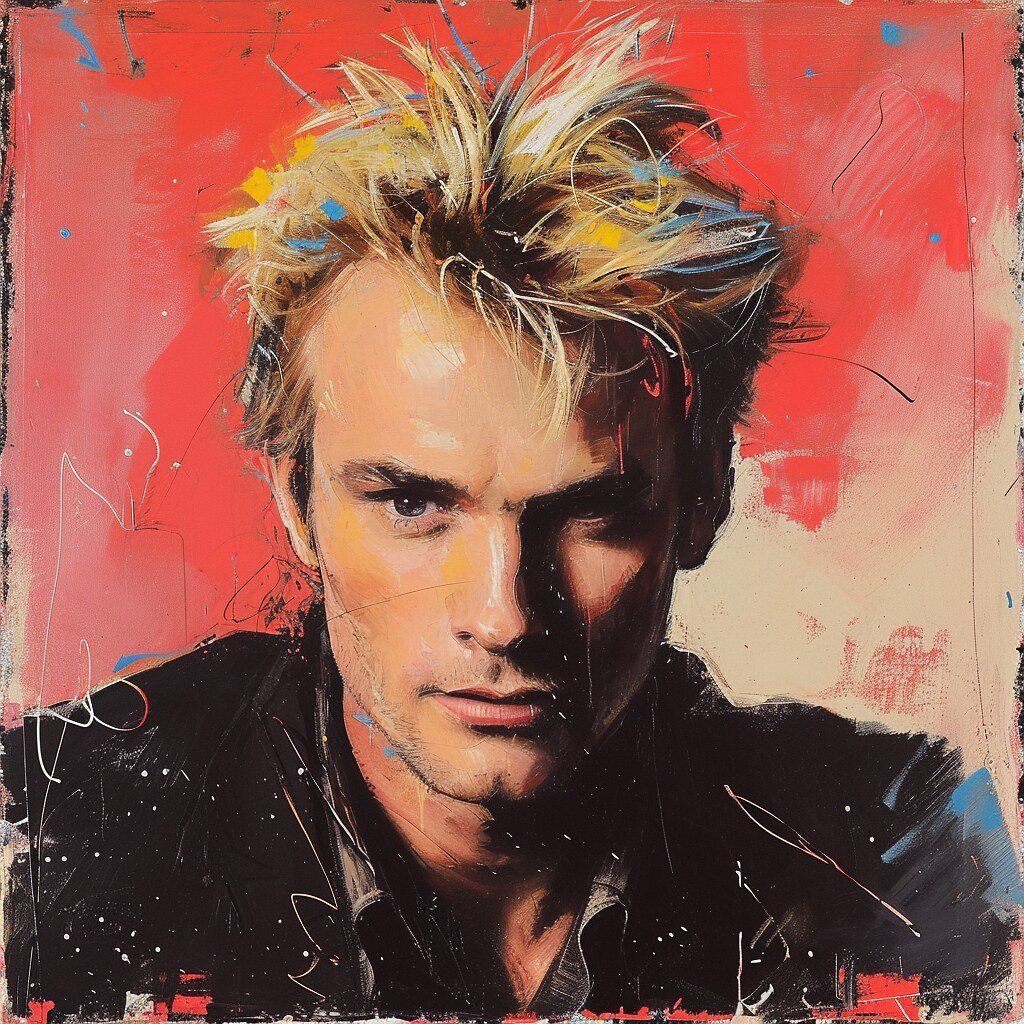
Weddings and radio playlists often frame this as a tender love song about watching over someone with devotion. The steady rhythm and Sting’s smooth delivery support that romantic view.
The lyrics instead describe an obsessive watcher who cannot let go, turning affection into surveillance and control. Sting has noted that the song explores jealousy and the darker side of relationships rather than healthy romance. The mismatch between the melody and the message gives the track its unsettling edge.
American Pie by Don McLean
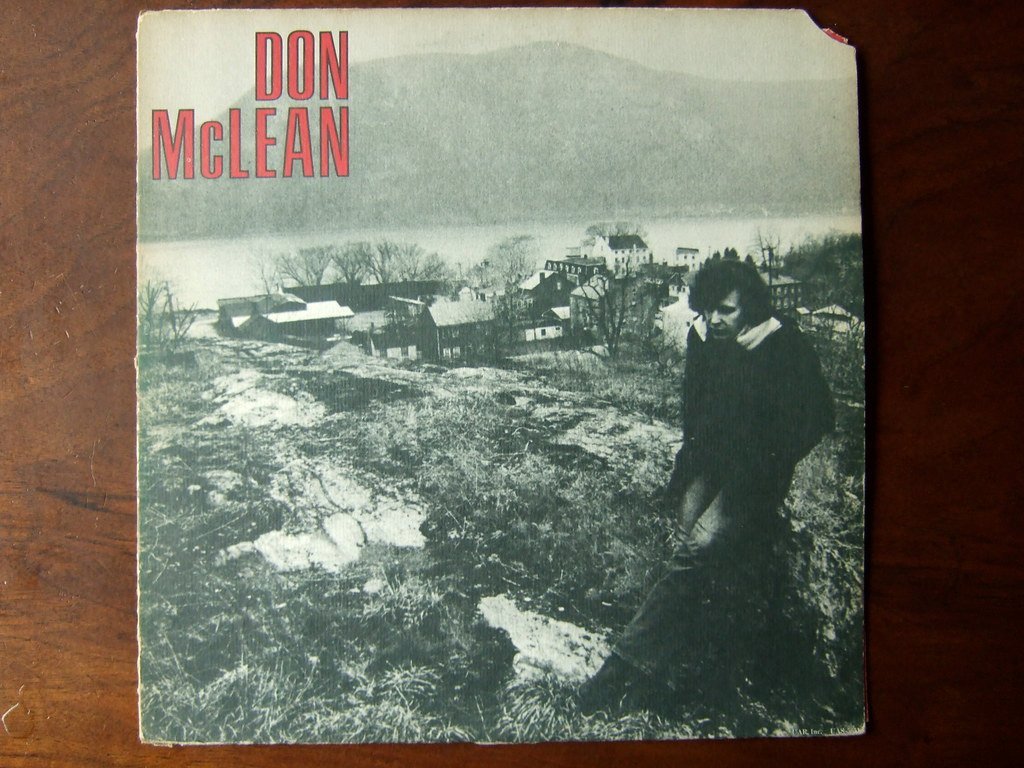
Listeners sometimes reduce the long story to a single event, the 1959 plane crash that killed Buddy Holly, Ritchie Valens, and the Big Bopper. The repeated chorus about the day the music died makes that connection feel central.
The verses actually trace the arc of American music and culture through the 1960s, touching on events like the Beatles’ arrival, the Rolling Stones, and the loss of idealism after political assassinations. McLean packed the song with references to specific artists and moments that marked a shift from innocence to turmoil. The result is a sweeping chronicle rather than one isolated tragedy.
The Logical Song by Supertramp
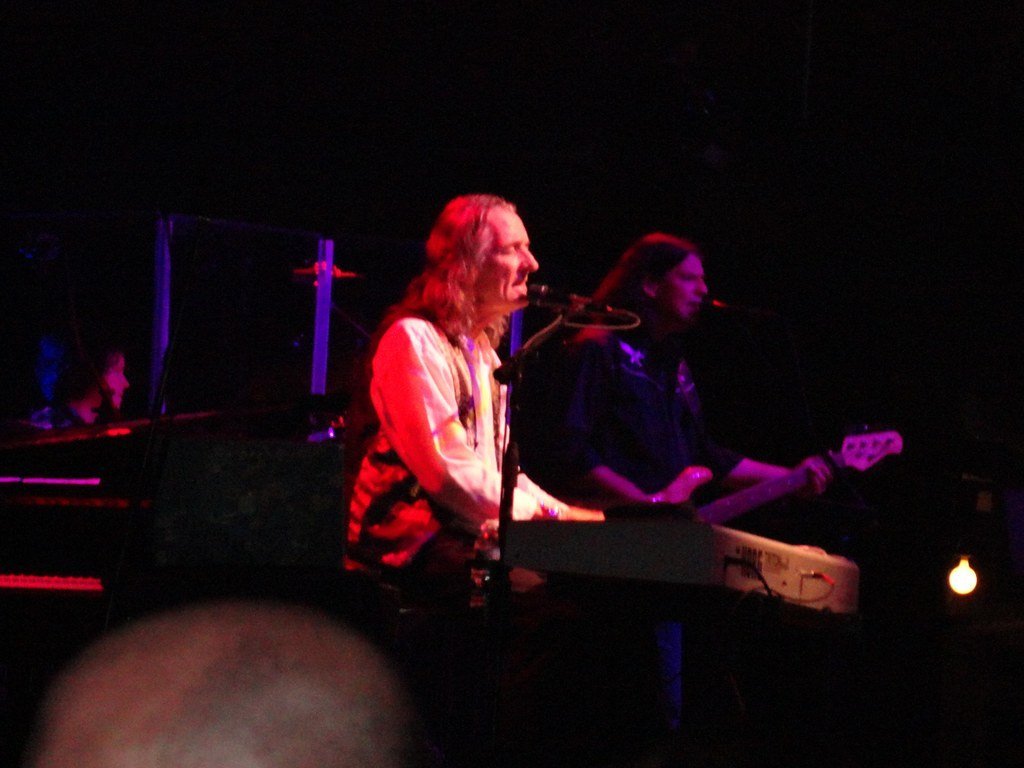
Some take the title at face value and assume the song praises clear thinking and education. The upbeat piano and sing-along chorus reinforce the idea of a straightforward celebration of reason.
The lyrics actually mourn how school and adult life strip away a child’s sense of wonder and replace it with rules and cynicism. The narrator looks back at a time when everything felt magical before logic took over. This contrast highlights the cost of growing into a world that values facts over feeling.
Sympathy for the Devil by The Rolling Stones
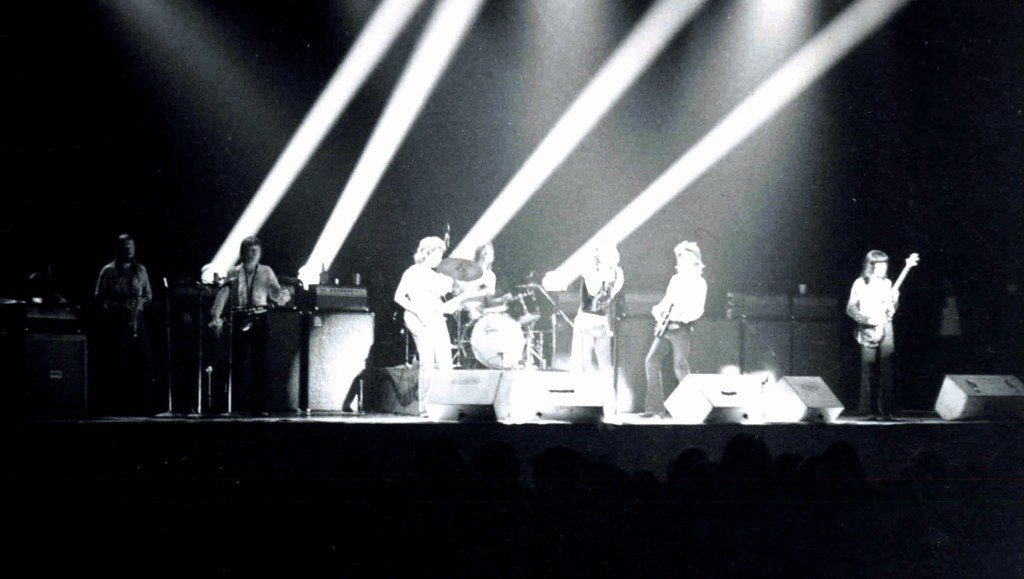
Many assume the song glorifies Satan or promotes dark forces because of its title and the narrator’s voice. The driving beat and chant-like structure add to that impression of something forbidden.
The words instead show how human choices fuel historical horrors, from the crucifixion to world wars and assassinations. Mick Jagger has said the song points out that evil often wears a human face and that people create their own devils. The perspective forces listeners to confront their role in the story rather than blame an outside force.
Rocket Man by Elton John

Some picture an astronaut floating through space when they hear the title and the soaring melody. The imagery of long journeys and missing home fits that surface reading easily.
The song actually draws from a short story by Ray Bradbury and reflects the loneliness of constant touring and being away from family. Bernie Taupin wrote the lyrics to capture the emotional distance that fame creates even when someone appears successful. The rocket becomes a metaphor for isolation rather than adventure.
Space Oddity by David Bowie

Listeners often treat this as a straightforward tale of a man traveling into space and losing contact with Earth. The sci-fi sound effects and countdown make the journey feel literal and exciting.
The lyrics actually explore feelings of profound isolation and the fear of being cut off from everything familiar. Bowie drew inspiration from the film 2001: A Space Odyssey and used the astronaut’s plight to mirror personal disconnection. The song turns a space mission into a quiet meditation on human vulnerability.
The Boxer by Simon & Garfunkel
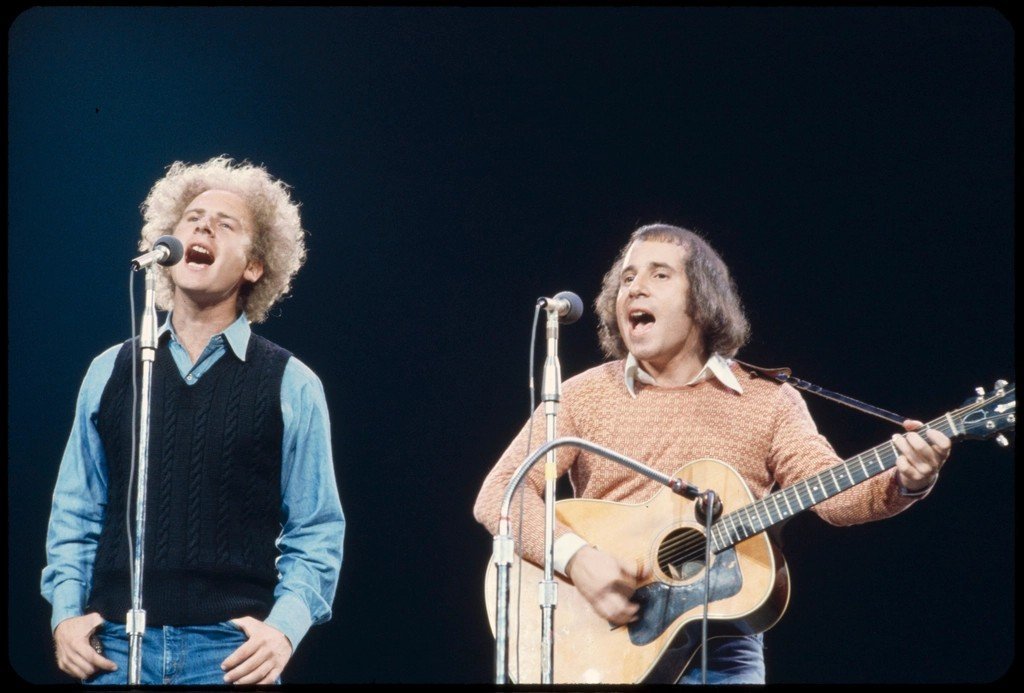
Many hear the story of a fighter who keeps getting knocked down yet refuses to quit. The boxing imagery and the line about standing tall after a fall support that view of resilience.
The words actually reflect the struggles of a young artist trying to make it in New York City, with the boxer serving as a stand-in for Paul Simon’s own experiences. References to cheap hotels and the sound of silence echo the loneliness of early career setbacks. The track becomes a portrait of perseverance in creative life rather than just a sports tale.
Imagine by John Lennon
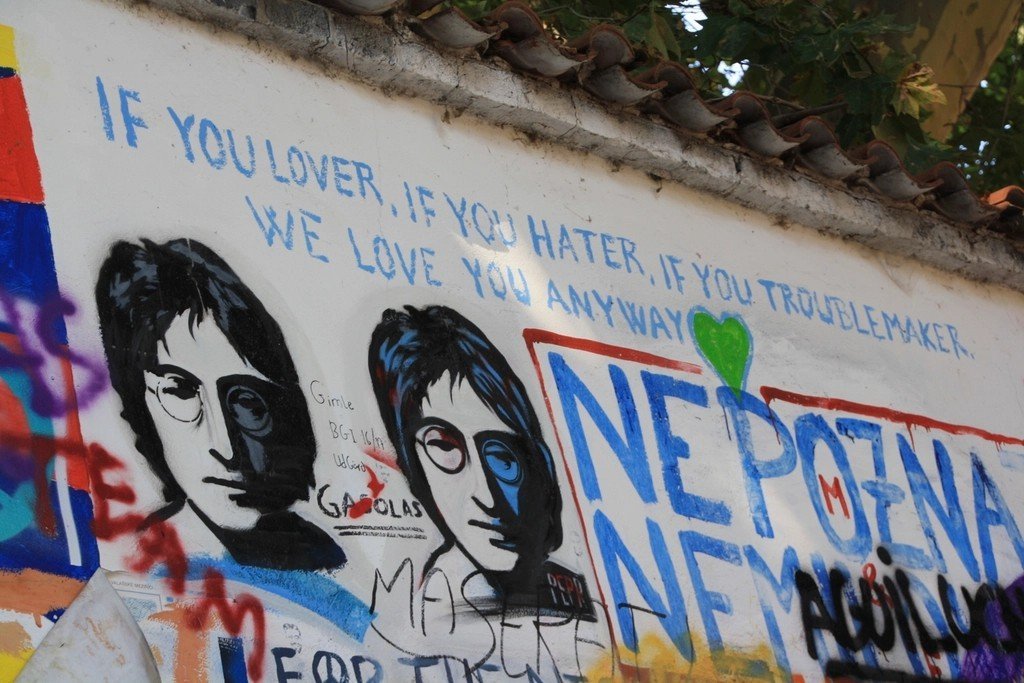
Some treat the song as a simple call for world peace without borders or possessions. The gentle piano and hopeful chorus make that broad message feel complete on its own.
The lyrics actually challenge listeners to picture a world free of the divisions that fuel conflict, drawing from Lennon’s own views on religion, nationalism, and materialism. He wrote it as an invitation to question what really matters rather than a literal blueprint. The song’s power lies in its quiet push toward personal reflection instead of grand declarations.
Conclusion
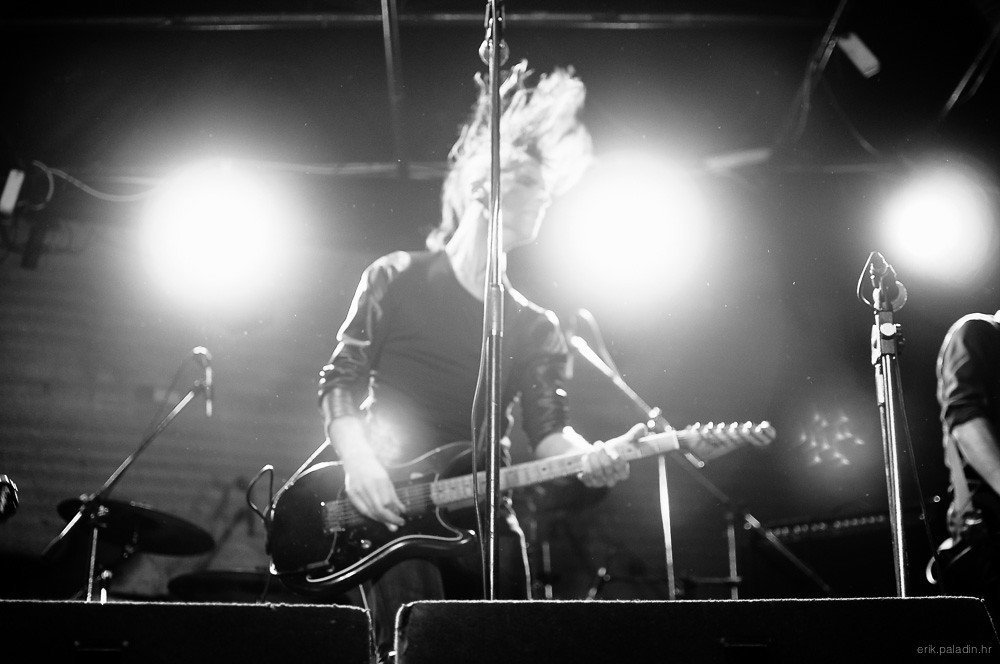
These tracks show how classic rock often hides its sharpest insights inside familiar sounds. Songwriters used everyday language and strong melodies to slip in observations about life, loss, and society that reward closer listening.
The gap between what the music suggests and what the words actually hold keeps these songs alive across generations. Paying attention to those layers turns a casual sing-along into something more lasting and human.

- 12 Classic TV Shows With Shocking Behind-the-Scenes Dramas You Never Knew - September 10, 2026
- 10 Novels That Were Initially Dismissed, Only to Become Timeless Masterpieces - September 10, 2026
- The ’80s Were a Wild Ride of Style and Sound That Changed Everything - September 10, 2026

