
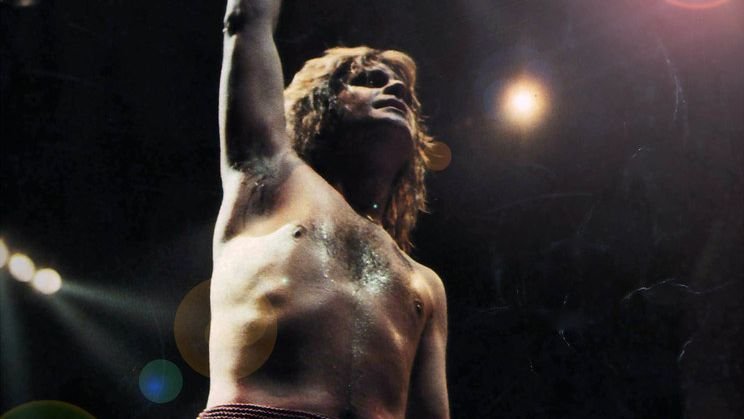
The year 2025 brought profound losses to the music landscape. Icons who defined rock, soul, funk, and folk departed, leaving voids in soundtracks that echoed through festivals, radio waves, and personal playlists. Their work bridged generations, fueling social movements and redefining creativity in studios worldwide.
From harmonious beach vibes to gritty metal riffs, these artists shaped cultural moments. Families gathered around their songs during triumphs and hardships alike. Now, their stories remind us how music endures beyond the stage.
Brian Wilson
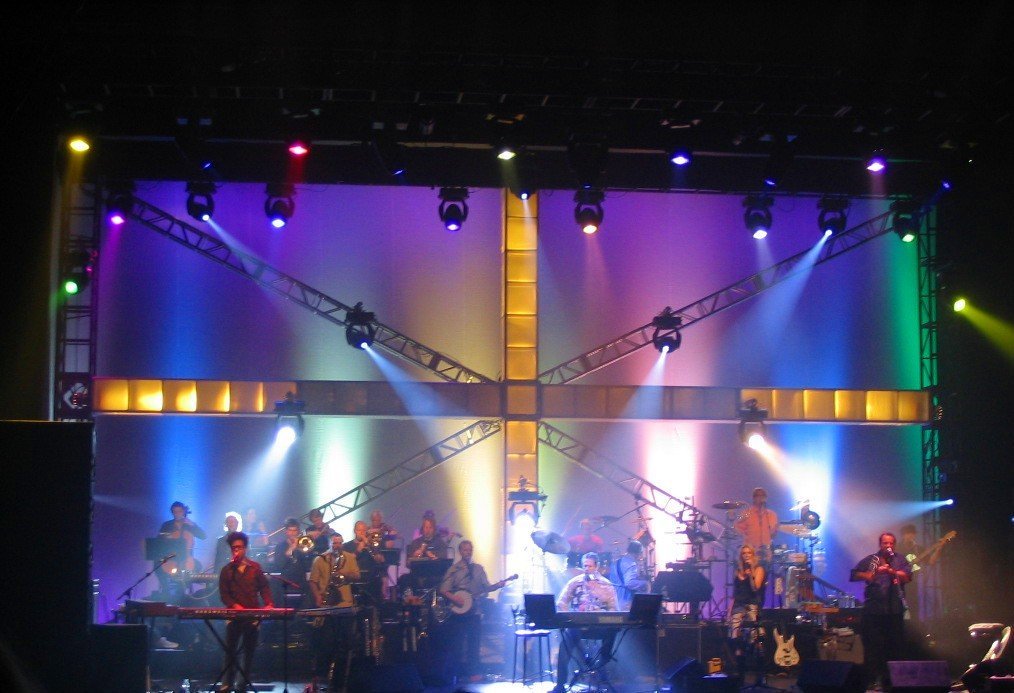
Brian Wilson pioneered rock as the creative force behind the Beach Boys. His genre blended surf rock with orchestral pop, yielding masterpieces like Pet Sounds and the single Good Vibrations.[1][2]
Wilson’s innovations in multitrack recording and emotional depth earned him acclaim as one of America’s top songwriters. Albums under his watch sold millions and influenced countless producers. His legacy thrives in modern indie and pop experimentation, proving visionaries never fade.[3]
Ozzy Osbourne
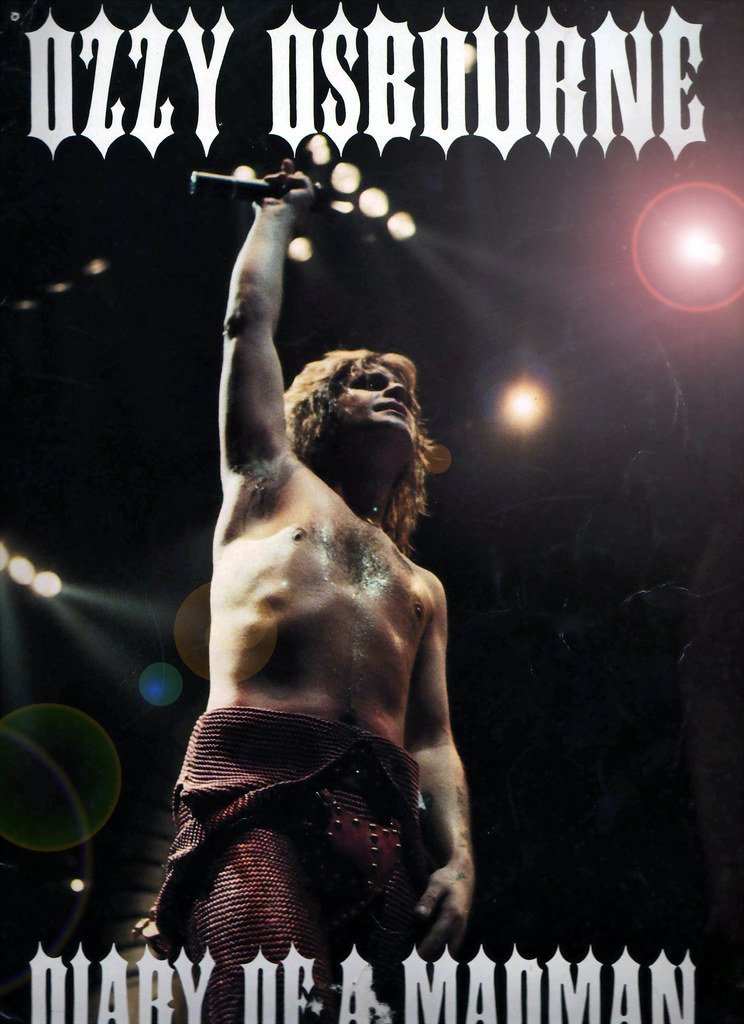
Ozzy Osbourne ruled heavy metal as Black Sabbath’s frontman. His dark lyrics and wild stage presence launched the genre, with albums like Paranoid dominating charts for decades.[1][4]
Solo hits such as Crazy Train extended his reach, blending shock value with raw talent. He bridged metal with mainstream through reality TV and tours. Osbourne’s enduring mark lies in inspiring rebels and defining metal’s rebellious spirit.[3]
His farewell shows packed arenas one last time.
Sly Stone
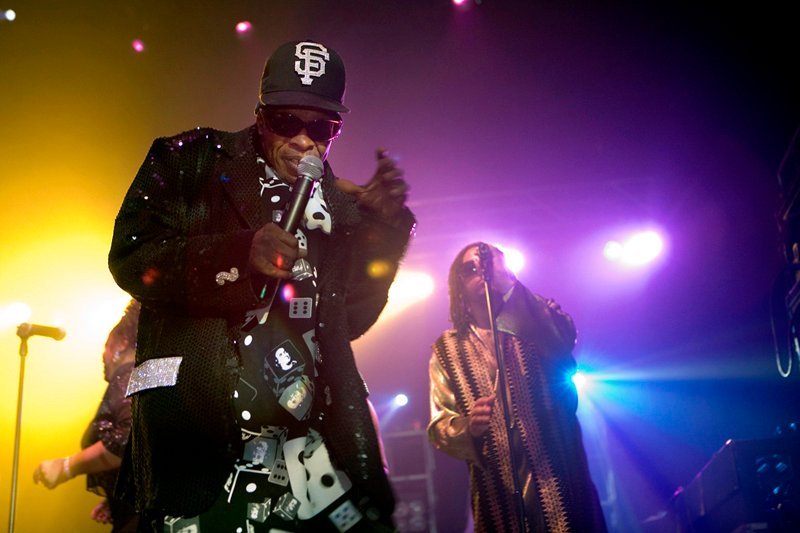
Sly Stone fused funk, rock, and soul in Sly & the Family Stone. Tracks like Dance to the Music and Everyday People broke racial barriers on airwaves.[1]
His band’s Woodstock performance cemented their revolutionary status. Stone’s production techniques shaped future funk acts. Today, his message of unity resonates in hip-hop samples and festival sets, a testament to bold integration.[3]
Challenges later highlighted his human side.
Roberta Flack
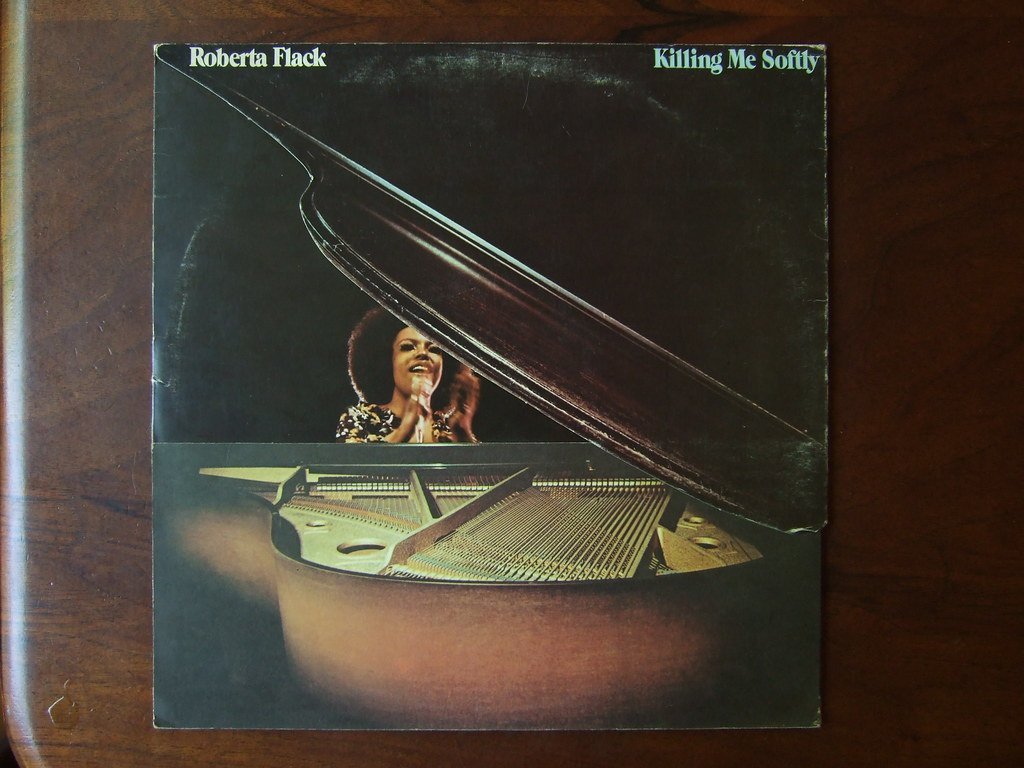
Roberta Flack excelled in soul and R&B with her velvety voice. Hits like The First Time Ever I Saw Your Face and Killing Me Softly topped charts and won Grammys.[1][5]
Her intimate style influenced neo-soul artists. Flack’s duets and standards remain wedding staples. Her legacy endures through covers and the emotional power she brought to quiet ballads.
Ace Frehley
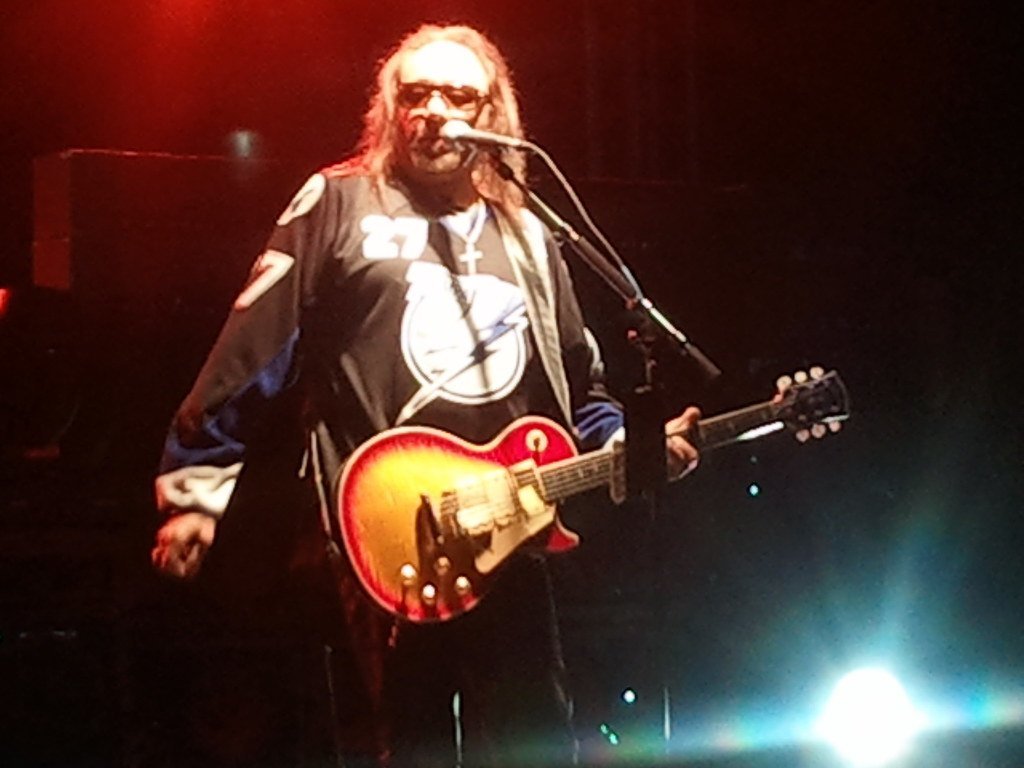
Ace Frehley brought hard rock flair as Kiss’s guitarist. Known as the Spaceman, he shone on New York Groove and live spectacles.[1][4]
His solos defined Kiss’s theatrical era, selling out arenas globally. Reunions kept his riffs alive for new fans. Frehley’s influence sparks guitar heroes in rock today.
Makeup and attitude became his trademarks.
Marianne Faithfull
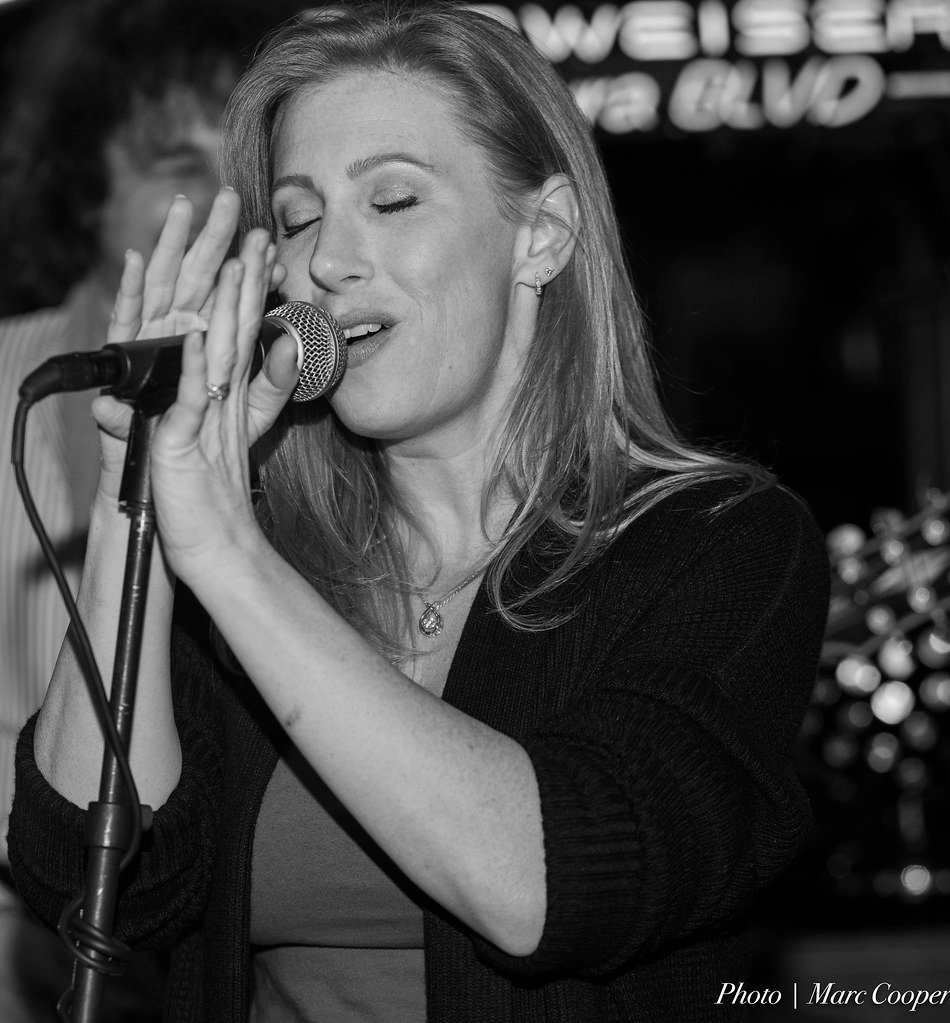
Marianne Faithfull spanned folk and rock as a Rolling Stones collaborator. As Tears Go By launched her, evolving into raw later works.[1][5]
Her resilient career mirrored cultural shifts from Swinging London to punk. Albums like Broken English inspired confessional songwriting. Faithfull’s voice lingers in indie folk circles.
Garth Hudson
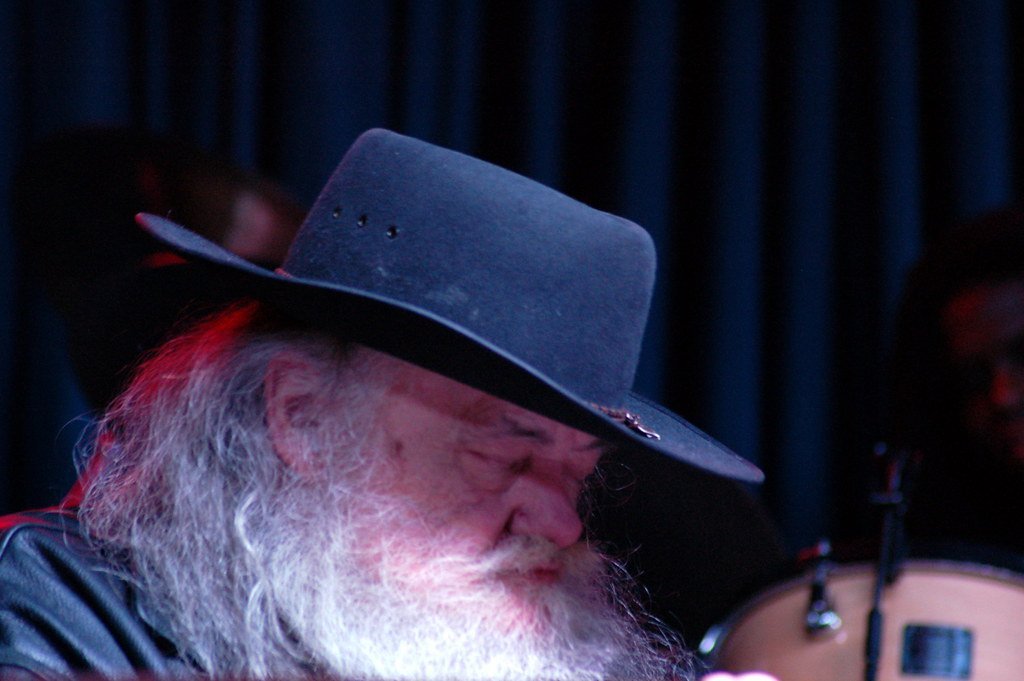
Garth Hudson enriched rock on The Band’s keyboards. His organ work colored classics like The Weight and Chest Fever.[5][4]
As the last original member, he preserved their roots sound. Hudson’s multi-instrumental prowess influenced Americana. His subtle genius supports endless roots revivals.
Woodstock lore owes him much.
Wayne Osmond
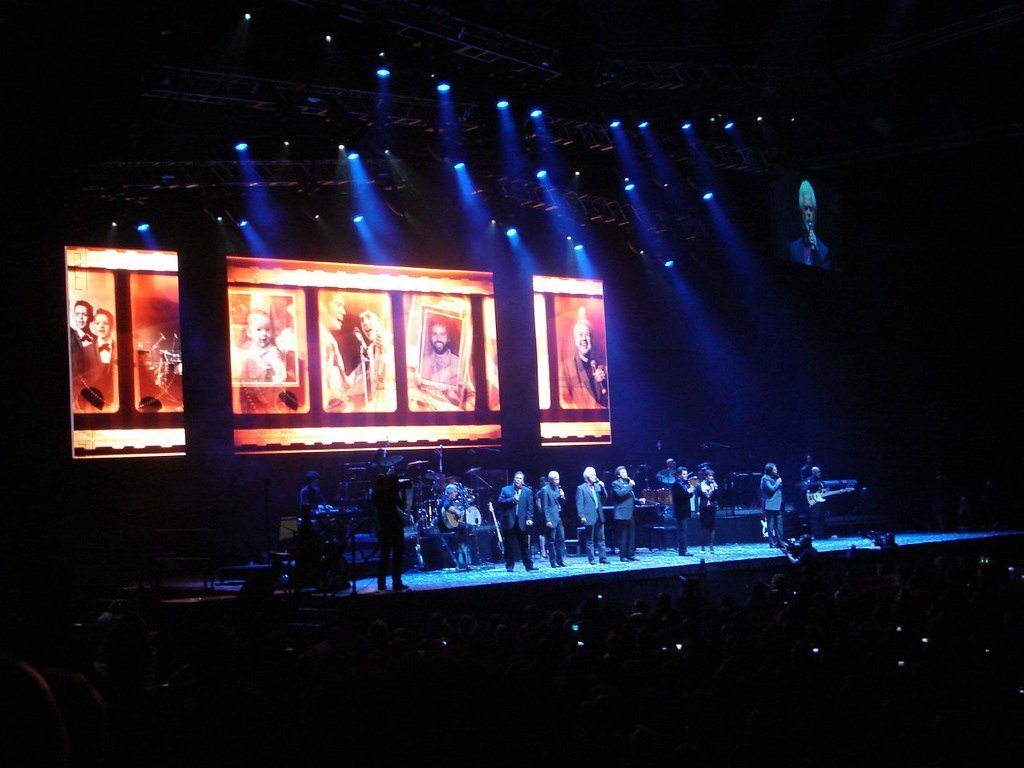
Wayne Osmond powered pop with The Osmonds. Clean-cut hits like One Bad Apple thrilled families.[5][4]
His guitar and vocals drove their variety show success. The band sold millions in the 1970s. Osmond’s wholesome energy shaped teen pop legacies.
Sam Moore
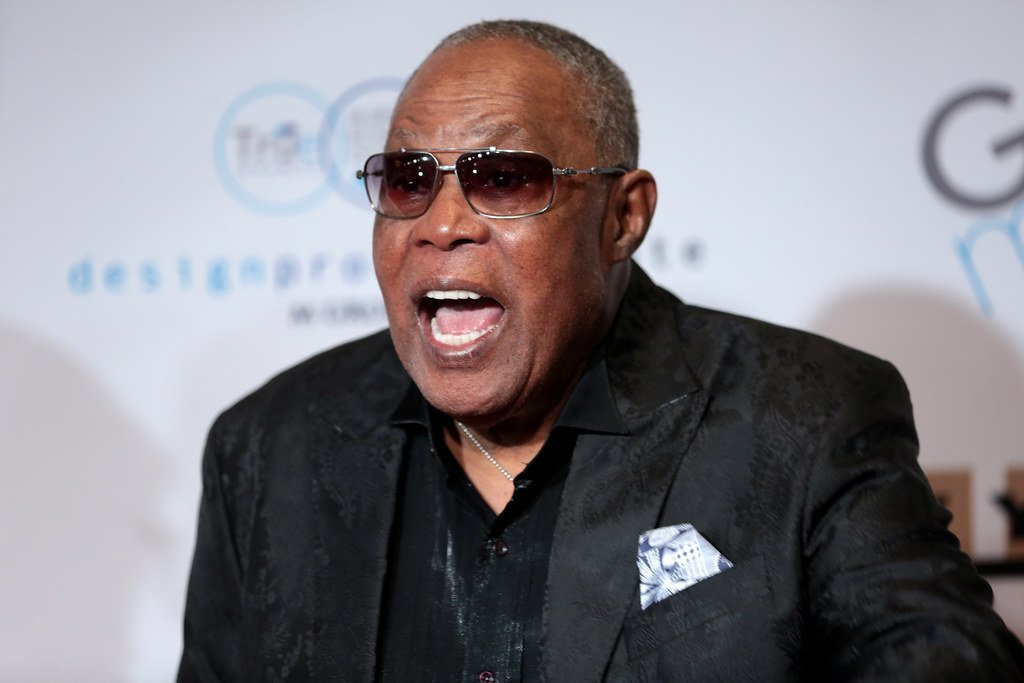
Sam Moore defined soul in Sam & Dave. Soul Man and Hold On, I’m Comin’ ignited dance floors.[5]
His high-energy performances earned Rock Hall induction. Moore’s duo bridged gospel and R&B. Tracks still pump stadiums and playlists.[2]
Collaborations extended his reach.
Peter Yarrow
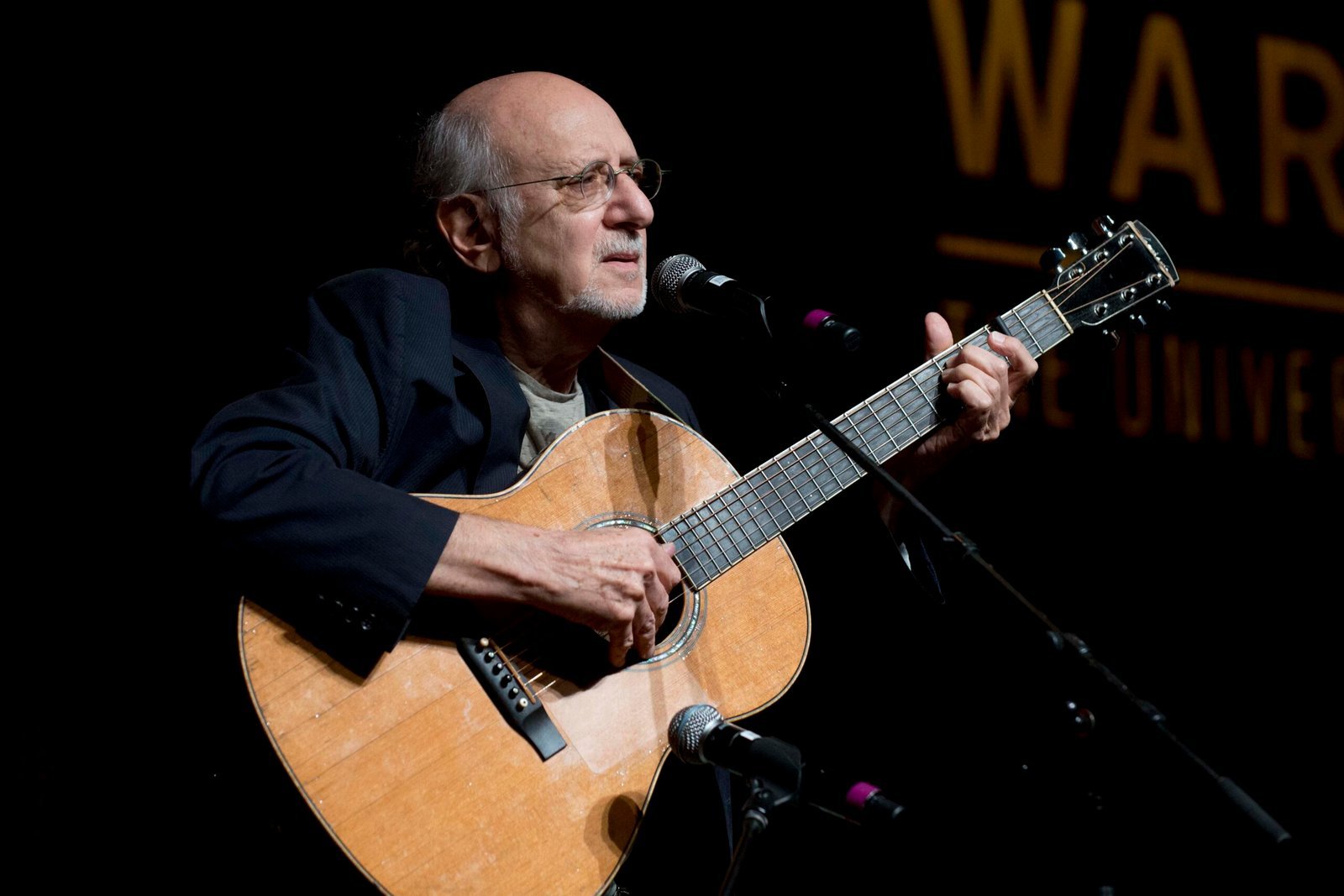
Peter Yarrow anchored folk in Peter, Paul and Mary. Puff, the Magic Dragon and Blowin’ in the Wind fueled activism.[5][4]
His trio sold millions during the 1960s folk boom. Yarrow’s songs aided civil rights. Their harmony model guides acoustic groups now.
David Johansen
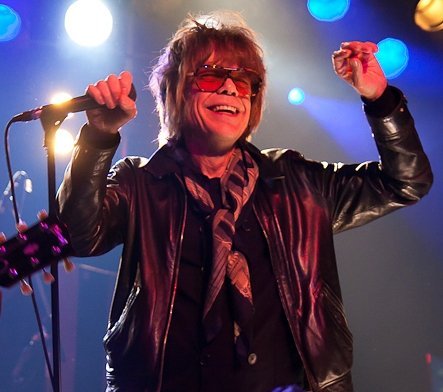
David Johansen fronted glam rock with New York Dolls. His snarls on Personality Crisis shook scenes.[5]
Later as Buster Poindexter, Hot Hot Hot went viral. Johansen bridged punk and lounge. His chameleon style inspires genre-hoppers.[3]
Rick Davies
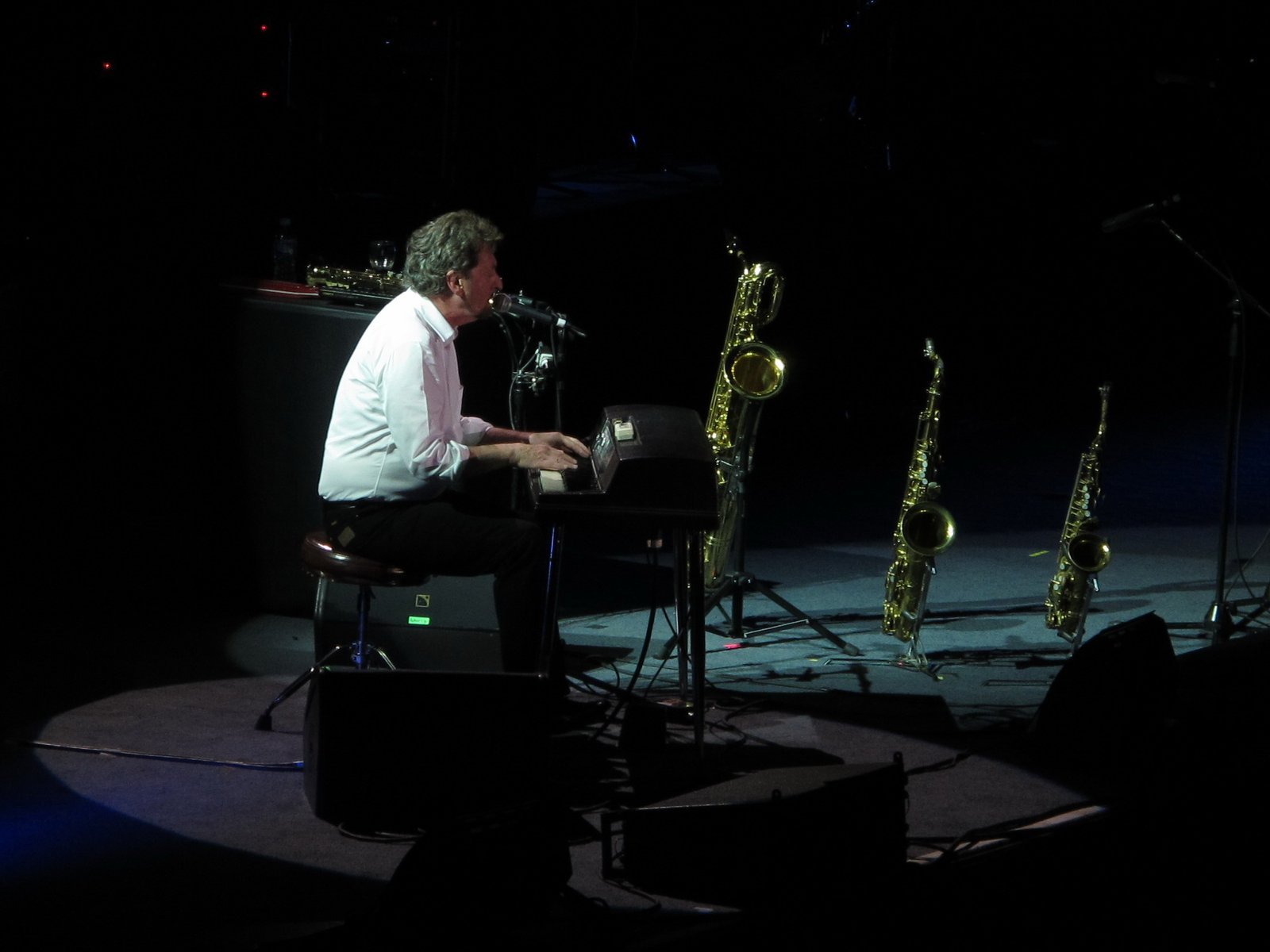
Rick Davies founded progressive rock with Supertramp. Breakfast in America yielded hits like The Logical Song.[4]
His keyboards and voice drove arena sales. Davies shaped 1970s pomp rock. Melodies persist in classic rock rotations.
Reunions honored his core.
Jerry Butler
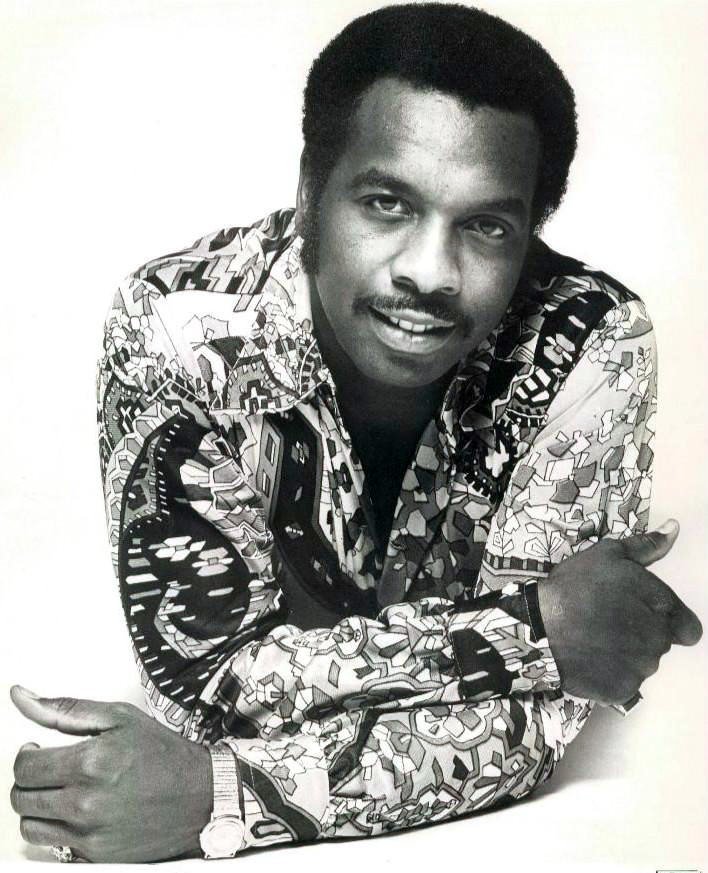
Jerry Butler led soul as The Impressions’ voice. For Your Precious Love started his chart run.[5]
Solo smashes like Never Gonna Let You Go defined sweet soul. Politics blended with music in his life. Butler’s Iceman nickname fits his cool legacy.[2]
D’Angelo
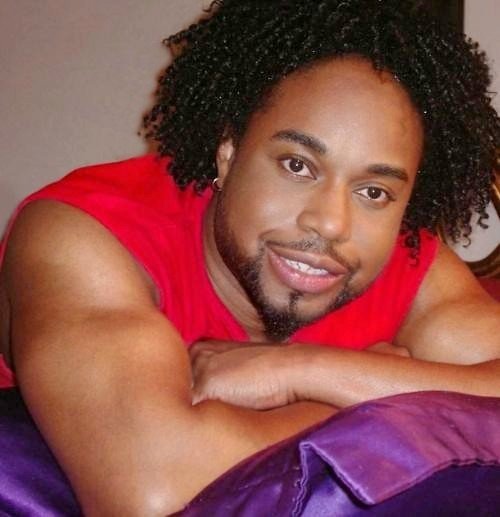
D’Angelo revitalized R&B with neo-soul. Albums like Voodoo and Black Messiah earned critical love.[1][4]
His falsetto and musicianship drew Prince comparisons. Untitled collaborations expanded influence. D’Angelo’s raw intimacy guides today’s soul revival.
Brenton Wood
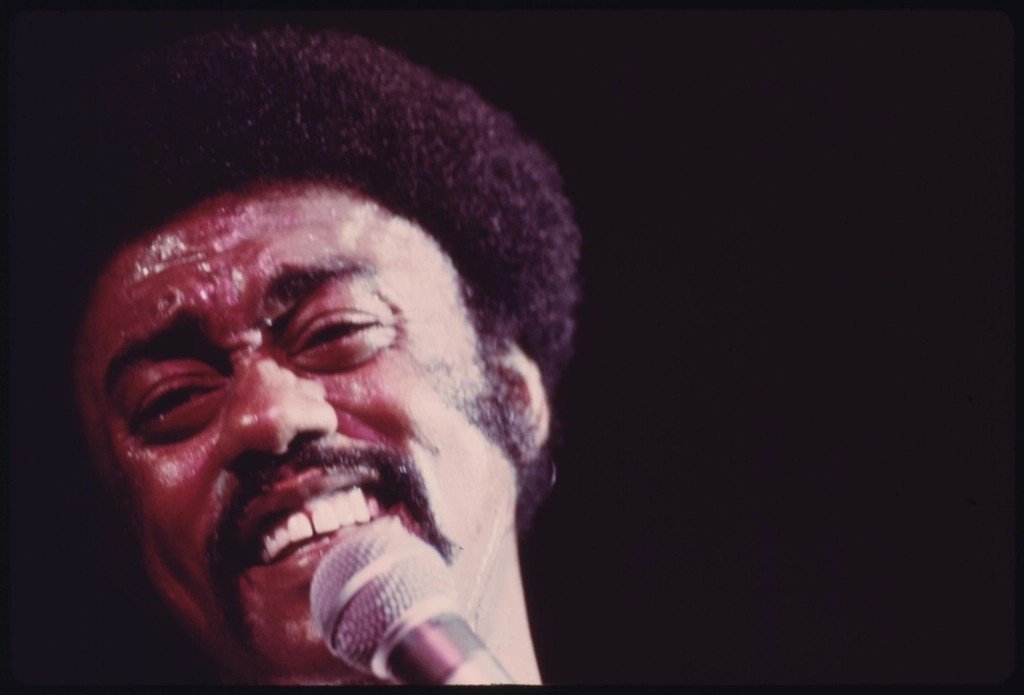
Brenton Wood crafted soul with The Oogum Boogum Song. Gimme Little Sign hit number nine.[5]
His light grooves fit beach and party vibes. Wood’s cult status grew via samples. Simple joys in his tunes keep dancing alive.[4]
The Lasting Influence of Their Music
These 15 artists wove threads into music’s fabric that time cannot unravel. Stadium anthems, quiet confessions, and dance grooves still move crowds and soothe souls. Their innovations echo in streaming libraries and live tributes.
Losses like these sharpen appreciation for the living catalog. New creators nod to their blueprints daily. In playlists and memories, their voices play on, a quiet promise of immortality through sound.


