


For any feedback please reach out to info@festivalinside.com
- 10 Music Videos That Changed How We See the Song - September 20, 2026
- 20 Books That Went Viral Before Going to Print - September 20, 2026
- Top 10 Movie Soundtracks of All Time - September 20, 2026
Literary history brims with voices that slip through the cracks. These writers craft profound insights into human experience, yet they rarely grace bestseller lists or classroom syllabi. Their stories linger in obscurity, overshadowed by flashier contemporaries.
Overlooked for reasons like personal misfortunes, niche styles, or untimely deaths, they offer fresh perspectives today. Exploring them reveals layers of nuance often missing from the canon.[1]
Robert Walser
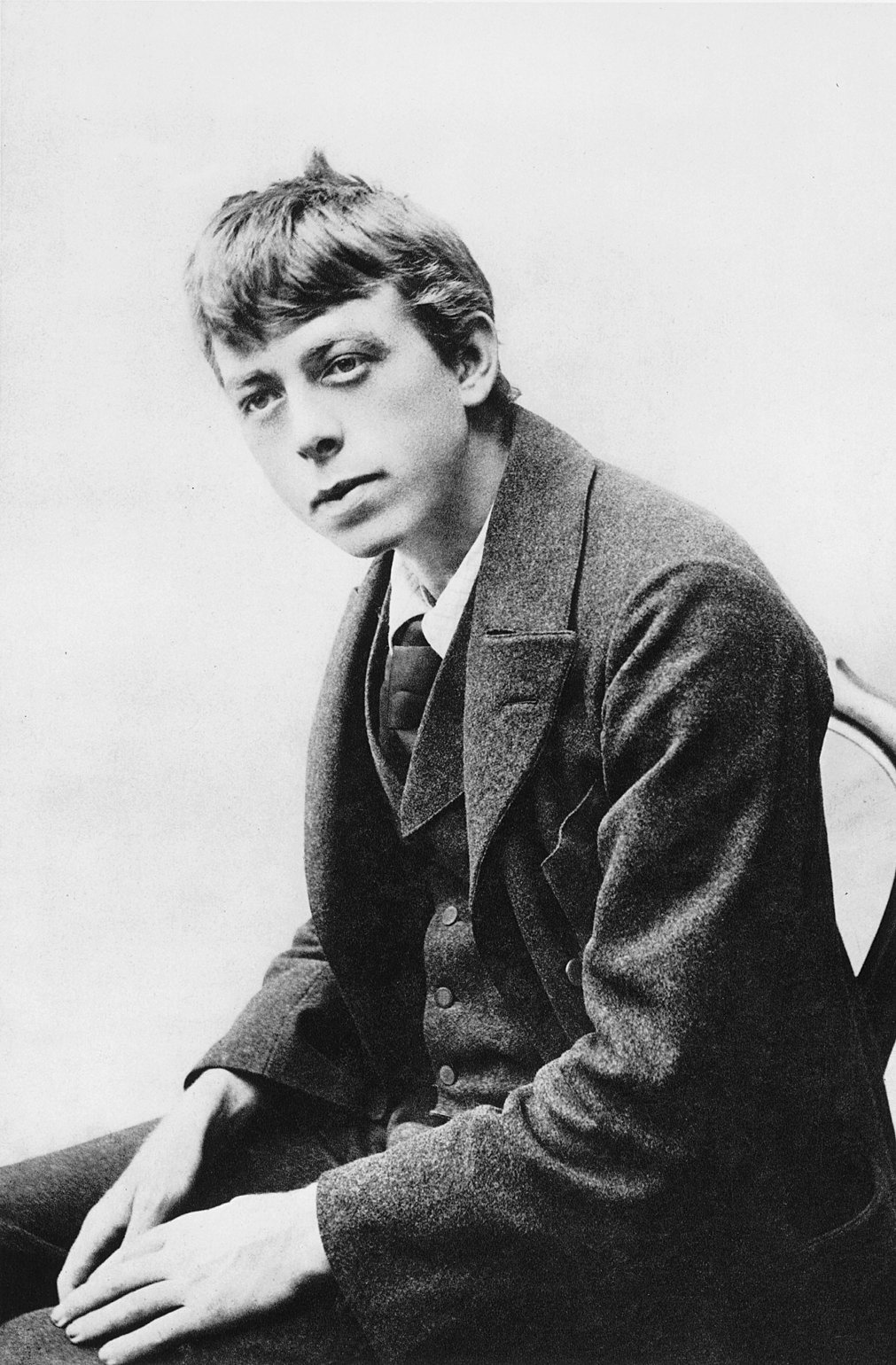
Swiss writer Robert Walser penned delicate, dreamlike novels that capture the quiet absurdities of everyday life. Key works include Jakob von Gunten, a diary of a student at a butler academy, and The Assistant, which follows a young man’s unraveling in a remote household. His prose floats like fresh snow, precise yet playful.[1]
Walser remains underrated partly because booksellers seldom stock his books. He spent his final decades in a mental asylum, writing tiny “microscripts” that took decades to decipher. Critics hail him as a sentence artist rivaling Kafka, yet his influence stays confined to insiders. That elusiveness makes his rediscovery all the more rewarding.[1]
Barbara Pym

Barbara Pym excelled at subtle comedies of English manners, dissecting spinsters, vicars, and anthropologists with wry affection. Standouts are Excellent Women, about a woman’s quiet disruption by newcomers, and Quartet in Autumn, tracing elderly office workers’ fading lives. Her eye for the mundane sparkles with understated wit.
A 1977 Times Literary Supplement survey named her the century’s most underrated writer, sparking a late-career revival. Publishers had ignored her for years, pigeonholing her gentle irony. Philip Larkin championed her return. Today, she still flies under the radar, perfect for readers craving unpretentious depth.[1]
Christina Stead
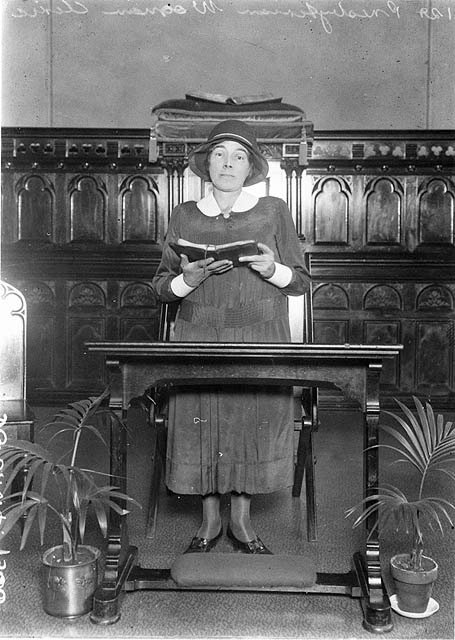
Australian-born Christina Stead wove raw family sagas with unflinching psychological insight. Her masterpiece The Man Who Loved Children dissects a chaotic household through a child’s eyes, blending humor and horror. Other novels like House of All Nations expose financial chicanery with vivid energy.
Despite comparisons to Tolstoy, her work evaded women’s studies staples and major citations. Randall Jarrell’s introduction praised her genius, yet she faded from view. Stead’s expatriate life and dense style sidelined her in English circles. Her fierce prose demands attention now more than ever.[1]
John Williams

John Williams crafted spare, devastating tales of ordinary lives crushed by quiet failures. Stoner chronicles a professor’s unremarkable yet poignant existence, while Butcher’s Crossing sends a young man into brutal Western wilderness. His clean lines cut deep without excess.
Dismissed as a “writer’s writer,” Stoner languished unknown in America for decades. French readers revived it posthumously, but English audiences lagged. Critics like Tim Kreider note its perfect execution. Williams embodies overlooked mastery, rewarding patient discovery.[1]
He produced just four novels, each honed to essence. That restraint amplifies their power.
Henry Green
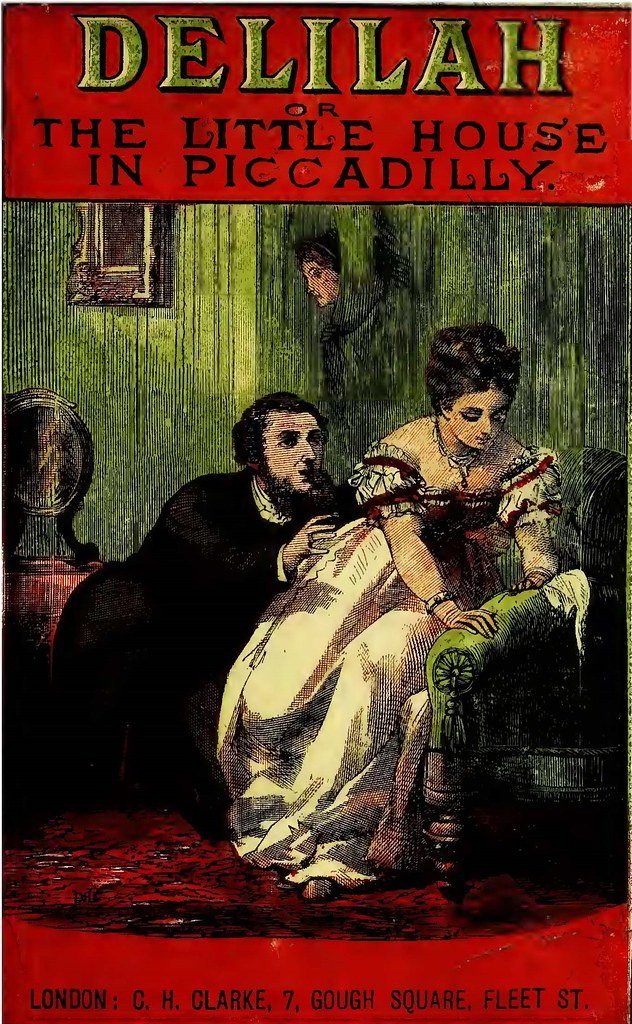
British novelist Henry Green mastered elliptical dialogue and sensory immersion in works like Living, a factory worker’s stark ascent, and Loving, an Irish castle romance amid war. Party Going traps elites in fogbound limbo. His style prioritizes rhythm over plot.
W.H. Auden called him England’s best living novelist; T.S. Eliot saw prose innovation. Yet commercial flops and reclusiveness dimmed his fame. Later silence sealed obscurity. Green’s elusive brilliance suits modern tastes for subtlety over spectacle.[1]
The Value of Unearthing Hidden Voices

Digging into these figures expands our literary map beyond the usual giants. They challenge assumptions with intimate, unflinching views of isolation, class, and desire.
In a crowded canon, their neglect highlights how taste shifts. Seeking them out enriches reading, proving great writing endures quietly until rediscovered. Pick one up; the oversight becomes your gain.

Christian Wiedeck, all the way from Germany, loves music festivals, especially in the USA. His articles bring the excitement of these events to readers worldwide.
For any feedback please reach out to info@festivalinside.com
